
Restaurant in Tokyo, Japan
Sushi Tanaka
440ptsProvenance-driven sushi, easier to book than most.

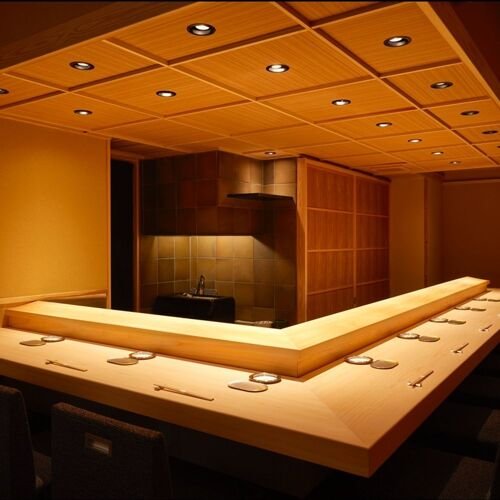
About Sushi Tanaka
Sushi Tanaka is a Michelin Plate counter in Adachi City where the sourcing argument is made through the rice as much as the fish — seafood from Kyushu's Amakusa islands, salt and soy from Kumamoto, rice matched to topping with deliberate precision. At the ¥¥¥ price point with an easy booking profile, it is one of Tokyo's more accessible serious sushi counters.
Who Should Book Sushi Tanaka — and When
If you care about where your fish comes from and want that story told through the rice as much as the topping, Sushi Tanaka in Adachi City is worth the trip across town. This is the right table for a first-time visitor to Tokyo who wants a Michelin-recognised sushi counter without the booking obstacle course of Ginza's most competitive rooms. It suits a solo diner or a couple looking for a considered, ingredient-driven meal at the ¥¥¥ price point, not a trophy omakase at four times the cost. If you are visiting in the current season and want to eat seafood sourced from Kyushu's Amakusa islands at its peak, this is the moment to go.
The Sourcing Philosophy That Defines the Menu
Sushi Tanaka is built around a specific geographic commitment. Seafood comes predominantly from the Amakusa islands off the west coast of Kyushu — the same region the chef is from. This is not a marketing detail. It directly shapes what arrives in front of you: salt, soy sauce, and local sake are all sourced from Kumamoto prefecture for the same reason. The sourcing chain is intact from sea to plate, and the kitchen treats it as the foundation of the cooking rather than a footnote.
What makes this approach worth paying attention to is how it extends to the rice. Rather than treating rice as a neutral base, the kitchen matches each variety to red or rice vinegar based on compatibility with the topping. When the nature of the fish demands it, rice from different regions is cooked separately, then combined and vinegared. The result is a counter where the technical decisions behind the bowl are as deliberate as the fish selection itself. As the venue's own framing puts it, sushi is understood here first as a way of eating rice , the topping is in service of that, not the other way around.
For a first-timer, this framing is useful context before you sit down. You are not ordering from a greatest-hits menu of premium tuna cuts. You are eating a chef's considered argument about provenance, made through rice and fish sourced from a specific corner of Japan. That is a different experience from the high-gloss omakase counters in Shinjuku or central Ginza, and it is a more instructive one if you want to understand what thoughtful sushi actually involves.
Ratings and Trust Signals
Sushi Tanaka holds a Michelin Plate for both 2024 and 2025 , a designation that signals quality cooking that did not reach star level but was judged worth including in the guide. With a Google rating of 4.5 across 115 reviews, the guest consensus is consistent and positive for a counter at this price tier. The Michelin Plate is a reasonable proxy for the experience: serious, considered, not flashy.
For context, a Michelin Plate sits below one, two, and three stars but above the general field. At the ¥¥¥ price point, that credential carries more weight than it would at a higher-spend venue where the bar is set by reputation alone. Among comparable options in Tokyo, this is a counter where the recognition is proportionate to what you pay.
Location and Getting There
The address , 1 Chome-4-7 Senjuazuma, Adachi City , places Sushi Tanaka in the north of Tokyo, away from the central sushi districts of Ginza, Shinjuku, and Roppongi. Adachi City is accessible by train, and the Senju area is served by multiple lines. For a first-timer staying in central Tokyo, factor in travel time and plan accordingly. The location means this is not a spontaneous stop after a day of sightseeing in the centre , it requires a deliberate journey, which suits dinner reservations better than a casual lunch.
The distance from Ginza also means you are not competing for a table with the same pool of international visitors who fill the city's most-booked counters. That works in your favour both for availability and for the character of the room. See our full Tokyo restaurants guide for broader orientation across the city's dining districts.
Booking and Practical Logistics
Booking difficulty is rated easy relative to Tokyo's sushi category, which is a meaningful advantage. Counters like Harutaka or Sukiyabashi Jiro Roppongiten require months of advance planning, often with local contacts or concierge assistance. Sushi Tanaka does not present that barrier. Phone and website details are not listed in our current data, so approach booking through your hotel concierge or a reservation service familiar with Tokyo's sushi counters. Given the Adachi City location, a Japanese-speaking contact will make the process smoother.
Hours are not confirmed in our data. Verify current service times before visiting, particularly if you are planning around other Tokyo commitments. For broader Tokyo planning, our Tokyo hotels guide, bars guide, and experiences guide cover the city across categories.
Practical Comparison Table
| Venue | Cuisine | Price | Booking Difficulty | Michelin Recognition |
|---|---|---|---|---|
| Sushi Tanaka | Sushi | ¥¥¥ | Easy | Plate 2024, 2025 |
| Harutaka | Sushi | ¥¥¥¥ | Hard | Michelin Starred |
| Sushi Kanesaka | Sushi | ¥¥¥¥ | Hard | Michelin Starred |
| Edomae Sushi Hanabusa | Sushi | ¥¥¥ | Moderate | Michelin Recognition |
| Hiroo Ishizaka | Sushi | ¥¥¥ | Moderate | Michelin Recognition |
Tokyo and Beyond: Related Guides
If you are building a Japan itinerary around serious food, the same ingredient-provenance thinking you find at Sushi Tanaka appears at a different register in venues like HAJIME in Osaka, Gion Sasaki in Kyoto, and akordu in Nara. For sushi specifically in other Asian cities, Sushi Shikon in Hong Kong and Shoukouwa in Singapore are the reference points worth comparing. Further afield within Japan, Goh in Fukuoka, 1000 in Yokohama, and 6 in Okinawa each represent regional approaches to serious Japanese cooking that reward comparison with what Tokyo offers. Our Tokyo wineries guide is also useful if you are pairing the sushi counter with sake sourcing of your own.
Compare Sushi Tanaka
| Venue | Cuisine | Price | Booking Difficulty |
|---|---|---|---|
| Sushi Tanaka | Sushi | ¥¥¥ | Easy |
| Harutaka | Sushi | ¥¥¥¥ | Unknown |
| RyuGin | Kaiseki, Japanese | ¥¥¥¥ | Unknown |
| L'Effervescence | French | ¥¥¥¥ | Unknown |
| HOMMAGE | Innovtive French, French | ¥¥¥¥ | Unknown |
| Florilège | French | ¥¥¥ | Unknown |
Comparing your options in Tokyo for this tier.
Frequently Asked Questions
Is the tasting menu worth it at Sushi Tanaka?
For the right diner, yes. The menu is structured around a specific sourcing philosophy — seafood from the Amakusa islands, rice vinegared and matched to each topping individually — so what you are paying for is coherence, not just fish. At ¥¥¥ pricing, it sits below Tokyo's top-tier omakase counters, and the Michelin Plate recognition for both 2024 and 2025 confirms the cooking is taken seriously. If you want a technically ambitious tasting format without the six-month waitlist, this works.
Is Sushi Tanaka good for solo dining?
Yes, and it is one of the stronger cases for booking solo. Sushi counter formats are built for single diners — you eat at the chef's pace, and the provenance-focused approach at Tanaka rewards the attention you can give it alone. Booking difficulty is rated easy relative to the Tokyo sushi category, so a solo seat is far less competitive to secure here than at counters like Harutaka.
Is Sushi Tanaka worth the price?
At ¥¥¥, yes — particularly given the booking accessibility. The Michelin Plate for 2024 and 2025 signals cooking that cleared a meaningful quality threshold, and the sourcing story (Amakusa seafood, Kumamoto salt and soy, regionally matched rice) adds substance to what you are spending. It is not in the same tier as a Michelin-starred counter, so set expectations accordingly, but for ingredient-driven sushi without the top-tier price or waitlist, the value proposition is real.
What are alternatives to Sushi Tanaka in Tokyo?
Harutaka in Ginza is the natural step up in prestige and price, with a harder booking process to match. If provenance and chef philosophy matter more to you than location or star count, Sushi Tanaka compares favourably for accessibility. For a different cuisine format at a similar commitment level, L'Effervescence and Florilège both apply ingredient-first thinking in a French idiom. RyuGin and HOMMAGE sit at a higher price and formality tier and serve different purposes entirely.
What should I order at Sushi Tanaka?
The menu is omakase-format, so ordering is not the decision — showing up is. The kitchen leads with seafood sourced from the Amakusa islands off Kyushu, with rice vinegared specifically to complement each topping. The sake programme draws from Kumamoto, which makes it worth pairing if you drink. There are no à la carte choices documented in available data, so arrive ready to eat what the chef serves.
What should I wear to Sushi Tanaka?
No dress code is documented for Sushi Tanaka. For a ¥¥¥ sushi counter in Tokyo, neat, understated clothing is appropriate — avoid strong fragrances, which interfere with the experience at any serious sushi counter. The Adachi City location and accessible booking difficulty suggest a less formal atmosphere than Ginza-area rivals, but dressing down too casually would read as out of place.
Recognized By

More restaurants in Tokyo
- SézanneOccupying the seventh floor of the Four Seasons Hotel Tokyo at Marunouchi, Sézanne earned its first Michelin star within months of opening in July 2021 and now holds three. British chef Daniel Calvert applies French technique to Japanese ingredients, producing a prix-fixe format that Tabelog has recognised with Silver awards every year from 2023 through 2026. It ranked 4th in Asia's 50 Best Restaurants in 2025 and 15th globally in 2024.
- SazenkaSazenka is the address for Chinese cuisine in Tokyo at its most technically demanding. Chef Tomoya Kawada's wakon-kansai approach — Japanese seasonal ingredients applied through Chinese culinary technique — has earned consecutive Tabelog Gold Awards from 2019 to 2026, a #71 ranking on the World's 50 Best 2025, and 99 points from La Liste 2026. At JPY 50,000–59,999 per head, it is one of the hardest tables in the city to book and worth the effort.
- NarisawaNarisawa is Tokyo's most credentialled innovative tasting menu restaurant — two Michelin stars, Asia's 50 Best number 12, and a Tabelog Silver award — running at JPY 80,000–99,999 per head. Book for a milestone occasion, confirm vegetarian or vegan needs in advance, and reserve at least two to three months out. With 15 seats and reservation-only access, this is one of Tokyo's hardest tables to secure.
- FlorilègeFlorilège delivers two Michelin stars and an Asia's 50 Best #17 ranking at a dinner price of ¥22,000 — competitive for Tokyo at this level. Chef Hiroyasu Kawate's plant-forward tasting menus around an open-kitchen counter at Azabudai Hills make this the strongest choice for contemporary French dining in Tokyo if theatrical, produce-led cooking is what you want. Book well in advance; availability is near-impossible at short notice.
- DenDen holds two Michelin stars, a World's 50 Best top-25 Asia ranking, and a Tabelog Silver Award running back to 2017 — and it books out within hours of the two-month reservation window opening. Chef Zaiyu Hasegawa's daily-changing seasonal omakase runs JPY 30,000–39,999 at dinner in a relaxed house-restaurant setting near Gaiemmae. Book by phone only, noon–5 PM JST. Lunch is irregular; plan around dinner.
- MyojakuMyojaku is a 2-Michelin-star, 14-course French-leaning omakase in Nishiazabu holding a 4.47 Tabelog score, Tabelog Silver 2025–2026, and Asia's 50 Best #45 (2025). Chef Hidetoshi Nakamura's water-forward, no-dashi approach shifts meaningfully with the seasons — making timing your reservation as important as getting one. Budget JPY 50,000–59,999 per head plus 10% service charge; reservations only, near-impossible to secure.
Similar venues by awards
Related editorial
- Best Fine Dining Restaurants in ParisFrom three-Michelin-star icons to the next generation of Parisian chefs pushing boundaries, these are the restaurants that define fine dining in the world's culinary capital.
- Best Luxury Hotels in RomeFrom rooftop terraces overlooking ancient ruins to Michelin-starred hotel dining, these are the luxury hotels that make Rome unforgettable.
- Best Cocktail Bars in KyotoFrom sleek lounges to hidden speakeasies, Kyoto's cocktail scene blends Japanese precision with global influence in ways you won't find anywhere else.
Save or rate Sushi Tanaka on Pearl
Keep this venue in your Pearl passport, rate it after you visit, and track it alongside every other place you collect.