
Restaurant in Tokyo, Japan
Sushi Ichijo
550ptsMichelin counter sushi, hard to book, worth it.


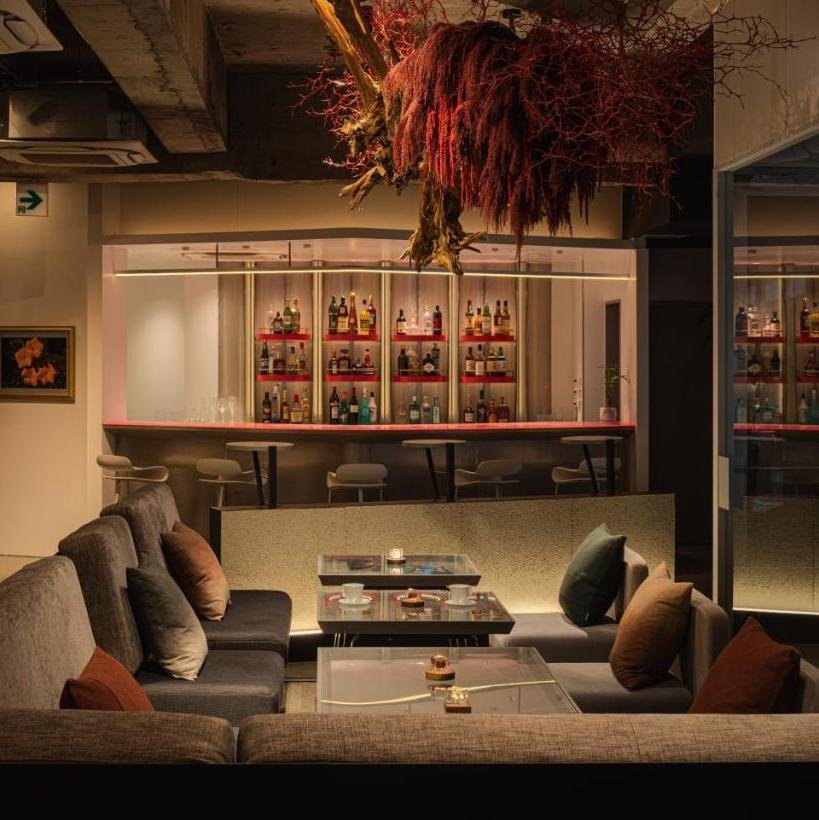
About Sushi Ichijo
Sushi Ichijo holds a Michelin star and brings rigorous Edo-style technique to a quieter Higashinihonbashi counter at ¥¥¥ — a tier below the most expensive Tokyo sushi rooms. Chef Satoshi Ichijo's red-vinegar rice and comparison-tasting preparations signal a kitchen where sourcing decisions drive the menu. Book well in advance; a hotel concierge call is the most reliable route to a reservation.
Who Should Book Sushi Ichijo
Sushi Ichijo is the right call for a special occasion dinner when you want Michelin-recognised Edo-style sushi without climbing to the four-symbol price tier. If you are planning a significant date night, a business meal where quality signals matter, or a solo pilgrimage to one of Tokyo's more considered sushi counters, this is a credible choice. If your priority is pure prestige or you want the most celebrated name on your receipt, Harutaka or Sukiyabashi Jiro Roppongiten operate at a higher price point and carry heavier reputations. Ichijo is the option where you get Michelin credibility at ¥¥¥, not ¥¥¥¥.
The Portrait
Sushi Ichijo holds a Michelin star (2024) and a ranking of #548 on Opinionated About Dining's Leading Restaurants in Japan list for 2025, placing it firmly within the serious but not stratospheric tier of Tokyo sushi. The address is 3 Chome-1-3 Higashinihonbashi in Chuo City — east of the traditional sushi heartland around Ginza, but historically connected to Tokyo's old merchant quarters, where Edo-style sushi has deep roots. The neighbourhood is quieter than central Ginza, which shapes the mood: this is not a loud room.
The atmosphere at a counter like this runs composed and deliberate. Expect the kind of focus that comes with a small, skilled kitchen operating at pace: low conversation between pieces, attention on the chef, and a rhythm dictated by the sequence of nigiri rather than by the clock. It is not a room for extended side conversations if you are sitting at the counter. For a special occasion where the meal itself is the event, that restraint is a feature, not a limitation.
Chef Satoshi Ichijo works within the Edo-style tradition — a discipline defined by specific sourcing choices and technique rather than by a sprawling ingredient list. The Michelin documentation notes that Japanese halfbeak and horse mackerel are accented with ginger and a mirin-soy reduction, and that simmered conger eel is served in two preparations: salted and sauce-dipped, side by side, so the diner can compare. That comparison-tasting approach is a deliberate sourcing and technique statement. It tells you that the kitchen is confident enough in its ingredient quality to let two versions of the same fish make the argument. Rice is seasoned with red vinegar rather than the more common white vinegar , a marker of Edomae authenticity and a choice that affects flavour balance across the entire meal.
These decisions point to a kitchen where sourcing is the foundation, not the garnish. Edo-style sushi at this level is built on the quality and selection of fish, the skill of the aging and curing process, and the precision of vinegar-seasoned rice. When a menu highlights specific preparations for halfbeak and horse mackerel , fish that are relatively modest in prestige compared to tuna or sea urchin , it signals that the sourcing philosophy extends to the whole counter, not just the headline pieces. That is what justifies the price tier and separates this from a technically competent but ingredient-agnostic sushi experience.
For comparison, Sushi Kanesaka and Edomae Sushi Hanabusa also operate within the Edomae tradition in Tokyo, each with its own approach to rice seasoning and fish sourcing. If Edo-style sushi is the format you want to explore across a visit, comparing two or three counters across different meals is a legitimate strategy in Tokyo, where the density of quality at this tier is genuinely high.
If you are also considering other Tokyo dining options during your trip, Hiroo Ishizaka offers a different register entirely, and our full Tokyo restaurants guide covers the range of options across cuisines and price tiers. For wider trip planning, see also our Tokyo hotels guide, bars guide, and experiences guide.
If you are building a Japan itinerary beyond Tokyo, comparable serious sushi and kaiseki experiences exist at Gion Sasaki in Kyoto, HAJIME in Osaka, and Goh in Fukuoka. For Edomae-style sushi outside Japan, Sushi Shikon in Hong Kong and Shoukouwa in Singapore are the regional reference points worth knowing.
Ratings and Recognition
- Michelin: 1 Star (2024)
- Opinionated About Dining: #548, Leading Restaurants in Japan (2025)
- Google: 4.2 / 5 (145 reviews)
Booking
Booking difficulty at Sushi Ichijo is rated hard. At a Michelin-starred sushi counter in Tokyo operating at ¥¥¥, demand reliably exceeds availability. Book as far in advance as possible , weeks, not days. Walk-in availability is not something to plan around. No booking method, phone number, or website is confirmed in Pearl's current data; the most reliable approach is to ask your hotel concierge to call on your behalf, or to check reservation platforms that aggregate Tokyo sushi counters. A concierge call in Japanese is often the practical difference between a booking and a waitlist.
Practical Details
| Detail | Sushi Ichijo | Harutaka | Sushi Kanesaka |
|---|---|---|---|
| Cuisine | Edomae Sushi | Sushi | Edomae Sushi |
| Price tier | ¥¥¥ | ¥¥¥¥ | ¥¥¥¥ |
| Michelin | 1 Star (2024) | Yes | Yes |
| Booking difficulty | Hard | Hard | Hard |
| Leading for | Special occasion, solo | Prestige splurge | Edomae purists |
| Neighbourhood | Higashinihonbashi | Ginza area | Ginza area |
Compare Sushi Ichijo
| Venue | Cuisine | Awards | Booking Difficulty | Value |
|---|---|---|---|---|
| Sushi Ichijo | Sushi | The chef defends the traditions and skills of Edo-style sushi while showing creativity with some innovations of his own. Japanese halfbeak and horse mackerel are accented with ginger and mirin–soy reduction; simmered conger eel is served both salted and dipped in eel sauce for taste comparison. Nigiri is shaped using rice seasoned with red vinegar—a showcase of techniques cultivated over years of experience. Treading the path of the sushi chef was a dream in his teenage years. Steady devotion to craft is a lesson learned from sushi.; Opinionated About Dining Top Restaurants in Japan Ranked #548 (2025); Michelin 1 Star (2024) | Hard | — |
| Harutaka | Sushi | Michelin 3 Star, World's 50 Best | Unknown | — |
| RyuGin | Kaiseki, Japanese | Michelin 3 Star, World's 50 Best | Unknown | — |
| L'Effervescence | French | Michelin 3 Star, World's 50 Best | Unknown | — |
| HOMMAGE | Innovtive French, French | Michelin 2 Star, World's 50 Best | Unknown | — |
| Florilège | French | Michelin 2 Star, World's 50 Best | Unknown | — |
Side-by-side comparison to help you decide where to book.
Frequently Asked Questions
Does Sushi Ichijo handle dietary restrictions?
check the venue's official channels before booking — omakase formats at Michelin-starred sushi counters in Tokyo are built around a fixed sequence of fish-led courses, leaving little room for substitution. Shellfish or finfish allergies are especially difficult to accommodate at this price point and format. If dietary restrictions are significant, a kaiseki restaurant may offer more flexibility.
What are alternatives to Sushi Ichijo in Tokyo?
Harutaka in Ginza is a direct alternative at a comparable tier — Michelin-recognised, Edo-style, and similarly difficult to book. For a step up in prestige and price, RyuGin offers a more theatrical multi-course format. If you want Edo-style sushi at a slightly lower booking difficulty, exploring counters outside central Tokyo can yield Michelin Bib Gourmand options at lower cost.
What should I wear to Sushi Ichijo?
No dress code is confirmed in available venue data, but the setting — a Michelin-starred sushi counter in Chuo City — calls for neat, understated clothes. Avoid heavy perfume or cologne, which is standard etiquette at any serious sushi counter in Japan, as it interferes with the subtlety of the fish.
Is the tasting menu worth it at Sushi Ichijo?
Yes, at ¥¥¥, Sushi Ichijo's Michelin-recognised format delivers clear technical value: red-vinegar-seasoned rice, Edo-style shaping, and specific course comparisons like salted versus sauce-dipped conger eel are the kind of deliberate craft touches that justify the price. If you want to eat à la carte or prefer variety over precision, this counter format is not the right fit.
Can I eat at the bar at Sushi Ichijo?
Counter seating is the standard format at a sushi restaurant of this type — the chef works directly in front of guests, which is central to the Edo-style experience at Sushi Ichijo. Specific seating configurations are not confirmed in available data, so contact the restaurant when booking if a particular seat matters to you.
Is Sushi Ichijo worth the price?
At ¥¥¥ with a 2024 Michelin star and an OAD ranking of #548 in Japan for 2025, Sushi Ichijo sits at a price point justified by verifiable recognition rather than hype. The Edo-style technique — red vinegar rice, fish-specific accents, deliberate course comparisons — points to a kitchen focused on craft over spectacle. For the price, you are paying for precision; if that trade-off suits you, it is worth it.
Is Sushi Ichijo good for a special occasion?
Yes — a Michelin-starred Edo-style counter in Tokyo is a strong choice for a dinner that needs to mark something. The format is focused and the setting is serious without being showy. Book as far ahead as possible given the hard booking difficulty; last-minute availability at this tier in Tokyo is rare.
Recognized By


More restaurants in Tokyo
- SézanneOccupying the seventh floor of the Four Seasons Hotel Tokyo at Marunouchi, Sézanne earned its first Michelin star within months of opening in July 2021 and now holds three. British chef Daniel Calvert applies French technique to Japanese ingredients, producing a prix-fixe format that Tabelog has recognised with Silver awards every year from 2023 through 2026. It ranked 4th in Asia's 50 Best Restaurants in 2025 and 15th globally in 2024.
- SazenkaSazenka is the address for Chinese cuisine in Tokyo at its most technically demanding. Chef Tomoya Kawada's wakon-kansai approach — Japanese seasonal ingredients applied through Chinese culinary technique — has earned consecutive Tabelog Gold Awards from 2019 to 2026, a #71 ranking on the World's 50 Best 2025, and 99 points from La Liste 2026. At JPY 50,000–59,999 per head, it is one of the hardest tables in the city to book and worth the effort.
- NarisawaNarisawa is Tokyo's most credentialled innovative tasting menu restaurant — two Michelin stars, Asia's 50 Best number 12, and a Tabelog Silver award — running at JPY 80,000–99,999 per head. Book for a milestone occasion, confirm vegetarian or vegan needs in advance, and reserve at least two to three months out. With 15 seats and reservation-only access, this is one of Tokyo's hardest tables to secure.
- FlorilègeFlorilège delivers two Michelin stars and an Asia's 50 Best #17 ranking at a dinner price of ¥22,000 — competitive for Tokyo at this level. Chef Hiroyasu Kawate's plant-forward tasting menus around an open-kitchen counter at Azabudai Hills make this the strongest choice for contemporary French dining in Tokyo if theatrical, produce-led cooking is what you want. Book well in advance; availability is near-impossible at short notice.
- DenDen holds two Michelin stars, a World's 50 Best top-25 Asia ranking, and a Tabelog Silver Award running back to 2017 — and it books out within hours of the two-month reservation window opening. Chef Zaiyu Hasegawa's daily-changing seasonal omakase runs JPY 30,000–39,999 at dinner in a relaxed house-restaurant setting near Gaiemmae. Book by phone only, noon–5 PM JST. Lunch is irregular; plan around dinner.
- MyojakuMyojaku is a 2-Michelin-star, 14-course French-leaning omakase in Nishiazabu holding a 4.47 Tabelog score, Tabelog Silver 2025–2026, and Asia's 50 Best #45 (2025). Chef Hidetoshi Nakamura's water-forward, no-dashi approach shifts meaningfully with the seasons — making timing your reservation as important as getting one. Budget JPY 50,000–59,999 per head plus 10% service charge; reservations only, near-impossible to secure.
Related editorial
- Best Fine Dining Restaurants in ParisFrom three-Michelin-star icons to the next generation of Parisian chefs pushing boundaries, these are the restaurants that define fine dining in the world's culinary capital.
- Best Luxury Hotels in RomeFrom rooftop terraces overlooking ancient ruins to Michelin-starred hotel dining, these are the luxury hotels that make Rome unforgettable.
- Best Cocktail Bars in KyotoFrom sleek lounges to hidden speakeasies, Kyoto's cocktail scene blends Japanese precision with global influence in ways you won't find anywhere else.
Save or rate Sushi Ichijo on Pearl
Keep this venue in your Pearl passport, rate it after you visit, and track it alongside every other place you collect.