
Restaurant in Tokyo, Japan
Ranmaru
605ptsNine seats, serious fish, book early.


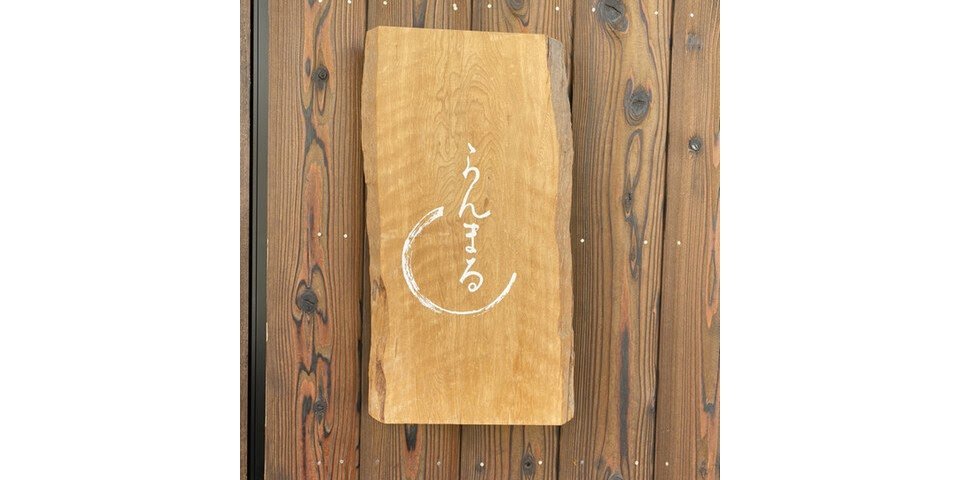
About Ranmaru
Ranmaru is a nine-seat Edomae sushi counter in Meguro with five consecutive Tabelog Bronze Awards and three appearances in the Sushi TOKYO Top 100. At JPY 30,000–39,999 per person for dinner only (Tuesday–Saturday), it delivers consistent, peer-validated quality at a booking difficulty that most comparable Tokyo counters cannot match. A strong pick for serious solo diners and couples who want depth without the reservation battle.
Should You Book Ranmaru?
Getting a seat at Ranmaru is not the ordeal that Tokyo's most reservation-impossible counters demand, but do not let that fool you into treating it casually. This nine-seat counter in Meguro's Shimomeguro neighbourhood has held a Tabelog Bronze Award every year since 2020 and has appeared in the Tabelog Sushi TOKYO Top 100 in 2021, 2022, and 2025. It ranked #398 on Opinionated About Dining's Japan list in 2024 and climbed to #444 in 2025. That is a consistent, peer-validated track record that gives the JPY 30,000–39,999 dinner price a solid floor of credibility. If you are in Tokyo for serious sushi and want a counter that sits between the near-impossible Harutaka and the more accessible end of the Meguro dining scene, Ranmaru is worth the booking effort.
The Counter, the Format, the Commitment
Ranmaru seats nine people at a counter, full stop. There are no private rooms and no casual à la carte option to fall back on. The venue describes its location as a "hideout," and the Shimomeguro address, a short walk from Fudo Mae station, keeps it off the tourist circuit that clusters around Ginza or Roppongi. Chef Kouki Tanabe has been running this room since February 2018, and the venue's consistent appearance in Tabelog's most competitive peer-reviewed rankings signals that the quality has not drifted since opening.
Two seatings run Tuesday through Saturday: 5:30–8 pm and 8:30–11 pm. Monday and Sunday are closed. The later seating is the one that suits a full evening, though the earlier slot gives you more flexibility to continue the night elsewhere in Meguro. Both seatings are fully committed, counter-only experiences, so arrive ready to eat for the duration. The 10% service charge is added on leading of the menu price, which nudges the effective cost toward the upper end of that JPY 30,000–39,999 bracket. Budget accordingly.
The drink program at Ranmaru is deliberately curated. The venue is particular about its sake and shochu selections rather than offering a broad wine list as the headline, which fits the Edomae format. Wine is available, and the venue accepts BYO, which is a practical option if you have a bottle worth the occasion. Credit cards are accepted across the major networks (VISA, Mastercard, JCB, AMEX, Diners), which matters at this price point in a city where cash-only counters still exist. The room is entirely non-smoking.
Who This Counter Is For
For a solo diner, Ranmaru is close to ideal. A nine-seat counter is the format built for it, and the Tabelog 4.15 score and Google rating of 4.5 across 187 reviews both suggest consistent execution rather than occasional brilliance. If you are two people who want a focused, conversation-friendly sushi dinner in a neighbourhood that is not performing for tourists, this works. Larger groups should note the private-use option: the venue can be booked exclusively for parties of up to 20 people, which makes it a viable option for a corporate dinner or a celebratory group booking, despite the standard nine-seat room size.
The venue does not appear in Michelin's Tokyo guide based on the available record, but the Tabelog system carries genuine weight among Tokyo diners and professionals. A Bronze Award with a score above 4.0 sustained across five consecutive years is not an accident. For context, Tabelog's scoring system is notoriously compressed at the leading end, making a 4.15 a meaningful signal. Compare that to the mid-3s that most well-regarded restaurants settle at, and the gap becomes clear.
Practical: Know Before You Go
Know Before You Go
- Address: 3 Chome-16-2 Shimomeguro, Meguro City, Tokyo 153-0064
- Nearest station: Fudo Mae (approximately 475 metres)
- Hours: Tuesday–Saturday, two seatings: 5:30–8 pm and 8:30–11 pm. Closed Monday and Sunday.
- Price: JPY 30,000–39,999 per person at dinner, plus 10% service charge
- Seats: 9 counter seats (private use available for up to 20)
- Booking: Reservations available; booking difficulty rated Easy
- Phone: +81-3-5734-1461
- Payment: Credit cards accepted (VISA, Mastercard, JCB, AMEX, Diners). No electronic money or QR payments.
- BYO: Permitted
- Smoking: Non-smoking
- Parking: Not available
- Awards: Tabelog Bronze 2020–2026; Tabelog Sushi TOKYO Top 100 (2021, 2022, 2025); Opinionated About Dining Leading Restaurants in Japan #398 (2024), #444 (2025)
Tokyo Sushi Worth Knowing Alongside Ranmaru
If Ranmaru is on your list, these counters deserve consideration too, depending on your priorities: Harutaka sits at a higher difficulty and price tier; Sukiyabashi Jiro Roppongiten operates in a different register entirely; Sushi Kanesaka is the comparison point for Ginza-area Edomae; Edomae Sushi Hanabusa and Hiroo Ishizaka round out the neighbourhood-counter tier worth tracking. For the broader Tokyo dining picture, our full Tokyo restaurants guide covers the full range, and our Tokyo hotels guide, bars guide, and experiences guide help build the full trip around a dinner like this.
If your Japan itinerary extends beyond Tokyo, the sushi conversation continues: Sushi Shikon in Hong Kong and Shoukouwa in Singapore represent the Edomae tradition exported to Southeast Asian fine-dining rooms. For broader Japan planning, HAJIME in Osaka, Gion Sasaki in Kyoto, akordu in Nara, Goh in Fukuoka, 1000 in Yokohama, and 6 in Okinawa are the Pearl-tracked options worth adding to your planning.
Compare Ranmaru
Frequently Asked Questions
What should I wear to Ranmaru?
No dress code is listed in the venue's own data, but a nine-seat counter charging ¥30,000–¥39,999 per head draws a crowd that dresses accordingly. Smart, unfussy clothing works — avoid anything with strong fragrance, which is a standard expectation at serious sushi counters where the chef's work is at close range.
How far ahead should I book Ranmaru?
Book at least four to six weeks out. Ranmaru runs two seatings per evening across only nine seats, Tuesday through Saturday, and has held Tabelog Bronze consecutively since 2020. That combination keeps the counter consistently full. Reservations are confirmed as available, but do not expect last-minute slots.
What should a first-timer know about Ranmaru?
Ranmaru is a counter-only, omakase-format sushi restaurant in Shimomeguro with nine seats and no private rooms. Dinner runs ¥30,000–¥39,999 per person plus a 10% service charge, and only credit cards are accepted (VISA, Mastercard, JCB, AMEX, Diners). The nearest station is Fudo Mae, roughly 475 metres away. BYO drinks are permitted if you want to bring a specific bottle.
Is lunch or dinner better at Ranmaru?
Dinner is the only option. Ranmaru operates Tuesday through Saturday, evenings only, with seatings at 17:30 and 20:30. There is no lunch service.
Is Ranmaru good for solo dining?
Yes, it is one of the stronger cases for solo dining in the Tokyo sushi category. The nine-seat counter is exactly the format where a solo diner gets the full experience with no compromise — direct counter access, full omakase progression, and no awkward table sizing. Ranmaru's Tabelog score of 4.15 and its placement in the Tabelog Sushi Tokyo Top 100 for 2021, 2022, and 2025 suggest the experience holds up at any party size.
What should I order at Ranmaru?
Ranmaru is an omakase counter, so the menu is set by the chef — there is no à la carte ordering. The venue notes it is particular about fish, which is the operating premise of the format. Show up, follow the chef's lead, and consider pairing with sake or shochu from their curated selection.
Does Ranmaru handle dietary restrictions?
No specific policy is documented in the venue data. At a nine-seat omakase counter, dietary restrictions should be communicated clearly at the time of reservation — the tighter the format, the less flexibility exists mid-service. check the venue's official channels at +81-3-5734-1461 before booking if restrictions are a factor.
Hours
- Monday
- Closed
- Tuesday
- 5:30–8 pm, 8:30–11 pm
- Wednesday
- 5:30–8 pm, 8:30–11 pm
- Thursday
- 5:30–8 pm, 8:30–11 pm
- Friday
- 5:30–8 pm, 8:30–11 pm
- Saturday
- 5:30–8 pm, 8:30–11 pm
- Sunday
- Closed
Recognized By


More restaurants in Tokyo
- SézanneOccupying the seventh floor of the Four Seasons Hotel Tokyo at Marunouchi, Sézanne earned its first Michelin star within months of opening in July 2021 and now holds three. British chef Daniel Calvert applies French technique to Japanese ingredients, producing a prix-fixe format that Tabelog has recognised with Silver awards every year from 2023 through 2026. It ranked 4th in Asia's 50 Best Restaurants in 2025 and 15th globally in 2024.
- SazenkaSazenka is the address for Chinese cuisine in Tokyo at its most technically demanding. Chef Tomoya Kawada's wakon-kansai approach — Japanese seasonal ingredients applied through Chinese culinary technique — has earned consecutive Tabelog Gold Awards from 2019 to 2026, a #71 ranking on the World's 50 Best 2025, and 99 points from La Liste 2026. At JPY 50,000–59,999 per head, it is one of the hardest tables in the city to book and worth the effort.
- NarisawaNarisawa is Tokyo's most credentialled innovative tasting menu restaurant — two Michelin stars, Asia's 50 Best number 12, and a Tabelog Silver award — running at JPY 80,000–99,999 per head. Book for a milestone occasion, confirm vegetarian or vegan needs in advance, and reserve at least two to three months out. With 15 seats and reservation-only access, this is one of Tokyo's hardest tables to secure.
- FlorilègeFlorilège delivers two Michelin stars and an Asia's 50 Best #17 ranking at a dinner price of ¥22,000 — competitive for Tokyo at this level. Chef Hiroyasu Kawate's plant-forward tasting menus around an open-kitchen counter at Azabudai Hills make this the strongest choice for contemporary French dining in Tokyo if theatrical, produce-led cooking is what you want. Book well in advance; availability is near-impossible at short notice.
- DenDen holds two Michelin stars, a World's 50 Best top-25 Asia ranking, and a Tabelog Silver Award running back to 2017 — and it books out within hours of the two-month reservation window opening. Chef Zaiyu Hasegawa's daily-changing seasonal omakase runs JPY 30,000–39,999 at dinner in a relaxed house-restaurant setting near Gaiemmae. Book by phone only, noon–5 PM JST. Lunch is irregular; plan around dinner.
- QuintessenceQuintessence is Tokyo's most consistently decorated French restaurant: three Michelin stars held through 2025, a La Liste score of 96.5 points, and a Tabelog Gold run from 2017 to 2024. Dinner runs ¥60,000–¥79,999 all in with wine. Book the first seating (5 PM) well ahead — Near Impossible to secure — and come for classical French cooking executed with sustained precision in a secluded Gotenyama setting.
Similar venues by awards
Related editorial
- Asia's 50 Best Restaurants 2026: The Chairman and Wing Go 1-2 from the Same BuildingThe Chairman takes No. 1 and Wing climbs to No. 2 at Asia's 50 Best Restaurants 2026. Both operate from the same Hong Kong building. Here's what it means.
- Four Seasons Yachts Debut: 95 Suites, 11 Restaurants, and a March 2026 Maiden VoyageFour Seasons I launches March 20, 2026, with 95 suites, a one-to-one staff ratio, and 11 onboard restaurants. Worth tracking if you want hotel-grade service at sea.
- LA Michelin Guide 2026: Seven New Restaurants from Tlayudas to Uzbek DumplingsMichelin's March 2026 California Guide update adds six LA restaurants and one Montecito newcomer, spanning Oaxacan tlayudas, Uzbek manti, and Korean-Italian pasta.
Save or rate Ranmaru on Pearl
Keep this venue in your Pearl passport, rate it after you visit, and track it alongside every other place you collect.