
Restaurant in Tokyo, Japan
Kandanishikicho Sushi Takaharu
230ptsAccessible ¥¥¥ counter with real technical depth.

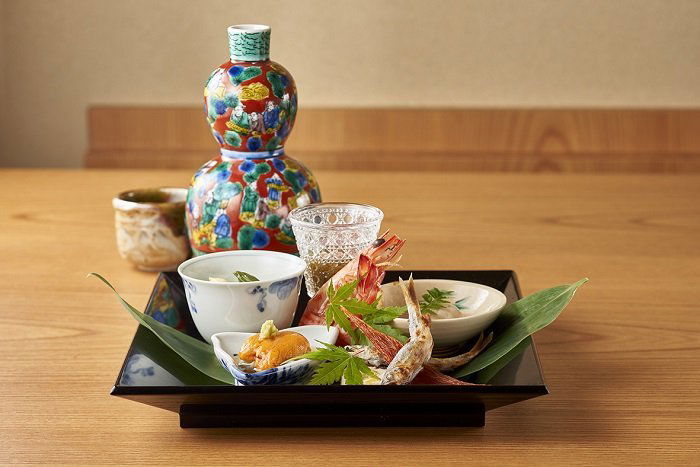
About Kandanishikicho Sushi Takaharu
A Michelin Plate sushi counter in Kanda Nishikicho that pairs traditional edomae technique with an unusual willingness to deep-fry. Easier to book than most recognised Tokyo counters, with a service approach that works well for international visitors and special occasions. At the ¥¥¥ tier, it delivers more creative range than a standard nigiri counter without the exclusivity barrier of top-tier Tokyo omakase.
Verdict: A Michelin-recognised sushi counter in Kanda Nishikicho that earns its price point through technical depth and a service model built around genuine access
Kandanishikicho Sushi Takaharu is one of the easier high-quality sushi bookings in Tokyo, and that accessibility is part of its appeal. You are not fighting a months-long waitlist. You are not relying on a concierge introduction. The counter is there, the craft is serious, and the Michelin Plate recognition in 2025 confirms this is not a neighbourhood sushi shop you stumble into by accident. If you are in Tokyo for a special meal and want technically grounded edomae sushi with some genuine creative thinking, this is a credible choice at the ¥¥¥ price tier.
What You Are Actually Booking
The kitchen at Takaharu works with a deliberately wider format than a strictly traditional omakase counter. The signature item on the record is a cream croquette of tiger prawn, finished with a reduction of shrimp miso. That single dish communicates the kitchen's position clearly: this is a chef who applies classical technique to non-traditional forms without abandoning the craft logic behind them. Deep-fried preparations appear in the menu, which is unusual for a serious sushi counter and, according to the venue's Michelin recognition notes, delivers a satisfaction that most sushi restaurants do not attempt. The sushi itself is prepared in a time-honoured edomae framework: brining, marinating, and simmering are the tools, not just raw fish over rice. That approach requires more preparation time and more skill than a straight nigiri counter, and it is reflected in the quality of what arrives in front of you.
The chef's language capability is worth noting practically, not as biography. The fact that he was selected to cater a diplomatic dinner between Japanese and American heads of state is a documented public credential that speaks to trust, precision, and the ability to perform under conditions where execution cannot fail. For international visitors who want a sushi experience in Tokyo without a language barrier adding friction to the evening, that matters.
Service and the Price Question
Editorial question this counter raises most directly is whether the service philosophy earns the ¥¥¥ price point. At this tier in Tokyo you have options: you can pay more at a ¥¥¥¥ counter and receive a more formal, sometimes more pressurised experience, or you can pay less and accept fewer creative ambitions. Takaharu sits in a position where the service appears calibrated for genuine hospitality rather than ceremony. The booking is accessible. The format allows for deep-fried courses alongside traditional nigiri, which signals a kitchen that wants to feed you well rather than impress you with restraint. For a date dinner or a celebratory solo meal, that balance is more enjoyable than a counter where the formality overwhelms the food. The 4.2 Google rating across 147 reviews is a consistent signal: this is not a venue with dramatic variance between visits.
Compared to a top-tier Tokyo omakase at ¥¥¥¥, you are trading some ceremony and exclusivity for greater ease of access and a broader menu format. That is a reasonable trade for most diners, and a preferable one for anyone who finds the most expensive counters in the city more intimidating than pleasurable.
How It Compares
See the comparison section below for how Takaharu positions against Harutaka and other Tokyo sushi counters at the ¥¥¥¥ tier.
Know Before You Go
Practical Details
- Location: 1F, Daiwa Kandabashi Building, 1-17-5 Kanda Nishikicho, Chiyoda City, Tokyo
- Cuisine: Sushi (edomae, with deep-fried courses)
- Price tier: ¥¥¥
- Recognition: Michelin Plate 2025
- Google rating: 4.2 / 5 (147 reviews)
- Booking difficulty: Easy — no extended waitlist required
- Leading for: Date dinners, celebration meals, solo dining, international visitors who want an English-comfortable counter
- Hours: Contact venue directly — not confirmed in current data
- Website / phone: Not listed , search directly or book via a Tokyo reservation platform
Tokyo Sushi in Context
Tokyo's sushi spectrum runs from neighbourhood lunch counters at ¥ to destination omakase at ¥¥¥¥¥. Takaharu operates at the serious end of the ¥¥¥ tier, which in Tokyo means you are eating food that would be considered destination-level in almost any other city. For international visitors planning a broader Japan itinerary, the Tokyo sushi scene is worth anchoring your dining around. Pearl also covers Sukiyabashi Jiro Roppongiten, Sushi Kanesaka, Edomae Sushi Hanabusa, and Hiroo Ishizaka for comparison across price tiers. If you are planning a longer Japan trip, Pearl's guides to HAJIME in Osaka, Gion Sasaki in Kyoto, akordu in Nara, Goh in Fukuoka, 1000 in Yokohama, and 6 in Okinawa cover the full range of serious dining across the country. For high-quality sushi elsewhere in Asia, Sushi Shikon in Hong Kong and Shoukouwa in Singapore are the closest comparators in format and ambition. See Pearl's full Tokyo restaurants guide, Tokyo hotels guide, Tokyo bars guide, Tokyo wineries guide, and Tokyo experiences guide for full planning coverage.
Compare Kandanishikicho Sushi Takaharu
| Venue | Cuisine | Awards | Booking Difficulty | Value |
|---|---|---|---|---|
| Kandanishikicho Sushi Takaharu | Sushi | Novel ideas meet time-honoured craftsmanship. The signature snack is cream croquette of tiger prawn, dressed in a reduction of shrimp miso. Deep-fried items are also offered, bringing a satisfaction rarely found at sushi shops. For its part, the sushi is prepared traditionally: brined, marinated or simmered. In part because of his language skills, the chef was tapped to cater a dinner meeting between the Japanese and American leaders.; Michelin Plate (2025) | Easy | — |
| Harutaka | Sushi | Michelin 3 Star, World's 50 Best | Unknown | — |
| L'Effervescence | French | Michelin 3 Star, World's 50 Best | Unknown | — |
| RyuGin | Kaiseki, Japanese | Michelin 3 Star, World's 50 Best | Unknown | — |
| HOMMAGE | Innovtive French, French | Michelin 2 Star, World's 50 Best | Unknown | — |
| Crony | Innovative, French | Michelin 2 Star, World's 50 Best | Unknown | — |
Comparing your options in Tokyo for this tier.
Frequently Asked Questions
Is Kandanishikicho Sushi Takaharu worth the price?
Yes, at the ¥¥¥ tier this counter delivers more than its price point suggests. The Michelin Plate recognition in 2025 is earned: the kitchen combines traditionally prepared sushi with deep-fried items and a signature tiger prawn cream croquette dressed in shrimp miso reduction — a format that justifies the spend more concretely than a stripped-back omakase at the same price. If you want pure nigiri minimalism, look at lower-cost neighbourhood counters. If you want technical range with genuine craft, Takaharu holds its value.
What should I order at Kandanishikicho Sushi Takaharu?
The signature item documented for this counter is the cream croquette of tiger prawn with a shrimp miso reduction — order it. The sushi itself is prepared traditionally through brining, marinating, and simmering rather than straight raw service, so expect deliberate technique in each piece. Deep-fried items are also part of the format and worth taking, as they represent a deliberate departure from the standard Tokyo omakase template.
How far ahead should I book Kandanishikicho Sushi Takaharu?
Takaharu is noted as one of the more accessible high-quality sushi bookings in Tokyo, which puts it ahead of counters requiring months of lead time. That said, Michelin Plate status in 2025 has raised its profile, so booking at least two to three weeks out is the safe approach. The counter is in Kanda Nishikicho, Chiyoda City — a less tourist-saturated part of central Tokyo, which may ease demand slightly compared to counters in Ginza or Roppongi.
Is the tasting menu worth it at Kandanishikicho Sushi Takaharu?
At ¥¥¥, the omakase format here earns its place: the kitchen does not limit itself to nigiri alone, incorporating fried courses and a signature prawn croquette that broaden the meal into something with more range than a single-track tasting. For a full omakase at ¥¥¥¥ with stricter traditional protocols, counters like Harutaka represent the step up. Takaharu's value is precisely that it delivers Michelin-recognised quality without requiring the ¥¥¥¥ commitment.
Is Kandanishikicho Sushi Takaharu good for solo dining?
Counter-format sushi restaurants in Tokyo are structurally well-suited to solo diners, and Takaharu is no exception. The chef's language skills — documented through his role catering a Japanese-American diplomatic dinner — mean solo international visitors are less likely to encounter a language barrier than at comparable counters. Solo is arguably the format that gets the most out of a counter like this.
Can I eat at the bar at Kandanishikicho Sushi Takaharu?
Sushi Takaharu operates as a counter-format restaurant on the ground floor of the Daiwa Kandabashi building in Chiyoda City, which means counter seating is the core of the experience rather than an alternative option. This is the format the kitchen is built around, so eating at the counter is the intended and recommended way to dine here.
What should I wear to Kandanishikicho Sushi Takaharu?
No dress code is documented for Takaharu specifically. At the ¥¥¥ tier in Tokyo, sushi counters generally expect neat, presentable clothing — think smart casual as a practical floor rather than a rule. Avoid heavy perfume or cologne, which is standard etiquette at any serious sushi counter in Japan, as it interferes with the food.
Recognized By

More restaurants in Tokyo
- SézanneOccupying the seventh floor of the Four Seasons Hotel Tokyo at Marunouchi, Sézanne earned its first Michelin star within months of opening in July 2021 and now holds three. British chef Daniel Calvert applies French technique to Japanese ingredients, producing a prix-fixe format that Tabelog has recognised with Silver awards every year from 2023 through 2026. It ranked 4th in Asia's 50 Best Restaurants in 2025 and 15th globally in 2024.
- SazenkaSazenka is the address for Chinese cuisine in Tokyo at its most technically demanding. Chef Tomoya Kawada's wakon-kansai approach — Japanese seasonal ingredients applied through Chinese culinary technique — has earned consecutive Tabelog Gold Awards from 2019 to 2026, a #71 ranking on the World's 50 Best 2025, and 99 points from La Liste 2026. At JPY 50,000–59,999 per head, it is one of the hardest tables in the city to book and worth the effort.
- NarisawaNarisawa is Tokyo's most credentialled innovative tasting menu restaurant — two Michelin stars, Asia's 50 Best number 12, and a Tabelog Silver award — running at JPY 80,000–99,999 per head. Book for a milestone occasion, confirm vegetarian or vegan needs in advance, and reserve at least two to three months out. With 15 seats and reservation-only access, this is one of Tokyo's hardest tables to secure.
- FlorilègeFlorilège delivers two Michelin stars and an Asia's 50 Best #17 ranking at a dinner price of ¥22,000 — competitive for Tokyo at this level. Chef Hiroyasu Kawate's plant-forward tasting menus around an open-kitchen counter at Azabudai Hills make this the strongest choice for contemporary French dining in Tokyo if theatrical, produce-led cooking is what you want. Book well in advance; availability is near-impossible at short notice.
- DenDen holds two Michelin stars, a World's 50 Best top-25 Asia ranking, and a Tabelog Silver Award running back to 2017 — and it books out within hours of the two-month reservation window opening. Chef Zaiyu Hasegawa's daily-changing seasonal omakase runs JPY 30,000–39,999 at dinner in a relaxed house-restaurant setting near Gaiemmae. Book by phone only, noon–5 PM JST. Lunch is irregular; plan around dinner.
- MyojakuMyojaku is a 2-Michelin-star, 14-course French-leaning omakase in Nishiazabu holding a 4.47 Tabelog score, Tabelog Silver 2025–2026, and Asia's 50 Best #45 (2025). Chef Hidetoshi Nakamura's water-forward, no-dashi approach shifts meaningfully with the seasons — making timing your reservation as important as getting one. Budget JPY 50,000–59,999 per head plus 10% service charge; reservations only, near-impossible to secure.
Similar venues by awards
Related editorial
- Best Fine Dining Restaurants in ParisFrom three-Michelin-star icons to the next generation of Parisian chefs pushing boundaries, these are the restaurants that define fine dining in the world's culinary capital.
- Best Luxury Hotels in RomeFrom rooftop terraces overlooking ancient ruins to Michelin-starred hotel dining, these are the luxury hotels that make Rome unforgettable.
- Best Cocktail Bars in KyotoFrom sleek lounges to hidden speakeasies, Kyoto's cocktail scene blends Japanese precision with global influence in ways you won't find anywhere else.
Save or rate Kandanishikicho Sushi Takaharu on Pearl
Keep this venue in your Pearl passport, rate it after you visit, and track it alongside every other place you collect.