
Restaurant in Tokyo, Japan
Wakiya Ichiemicharo
290ptsNouvelle chinois, easy to book, Michelin-recognised.

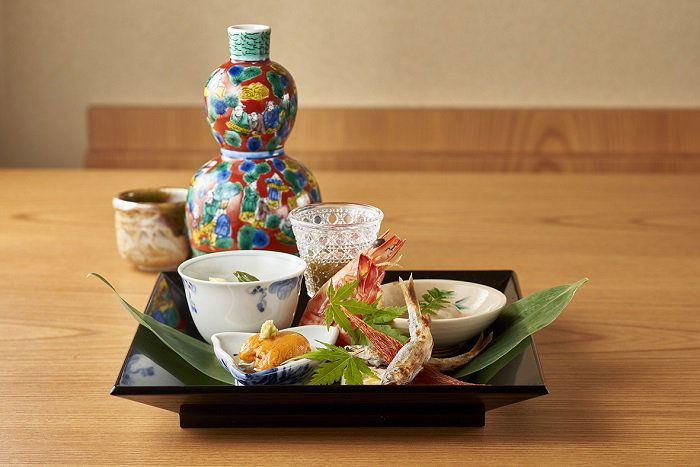
About Wakiya Ichiemicharo
Wakiya Ichiemicharo is the case for nouvelle chinois in Tokyo — Yuji Wakiya's Akasaka room holds a Michelin Plate for the second consecutive year (2024 and 2025) and earns a 4.4 from 330 Google reviewers. At ¥¥¥, it sits a full price tier below most of its Michelin-recognised peers, making it a practical choice for formal Chinese dining without the ¥¥¥¥ commitment.
Verdict
A 4.4 on Google across 330 reviews tells a consistent story: Wakiya Ichiemicharo earns its repeat visitors. Holding a Michelin Plate in both 2024 and 2025, this Akasaka dining room is the address for nouvelle chinois in Tokyo — a style of Chinese cooking that draws on classical technique while moving decisively toward something lighter, more refined, and more Japanese in its hospitality register. If you have been once and left satisfied, there is good reason to return and work through the menu more deliberately. If you are weighing this against a four-symbol kaiseki or a French tasting menu in the same price tier, the case for Wakiya is specificity: there is no other room in Tokyo doing this exact thing at this level.
The Room and the Idea Behind It
The restaurant sits in Akasaka, a neighbourhood that has long anchored Tokyo's business-entertainment circuit — foreign embassies, major corporations, and the kind of long-lunch culture that demands a room capable of handling both a working deal and a celebratory dinner. Wakiya Ichiemicharo is precisely that room. The address on 6 Chome Akasaka places it in a district where dining is expected to carry some weight, and the restaurant's positioning reflects that. It does not compete with the casual ramen shops or the neighbourhood izakayas a few streets away. It is squarely in the formal-occasion tier, and the experience is calibrated accordingly.
The name itself is a signal worth understanding before you arrive. 'Ichiemicharo' translates roughly as 'once a day, let's relax, laugh and have tea' , a framing that sets hospitality expectations well before you sit down. This is not a room designed to intimidate. The philosophy is warmth through precision, and that comes through in the service register as much as the food.
Visually, the room carries the restrained formality you would expect from this address and price point. Akasaka's dining rooms tend toward the polished-corporate end of the spectrum, and Wakiya fits that without feeling cold. If you are returning for a second visit, pay attention to the room itself , the details tend to reward more attention on the second pass than the first, when the menu is the primary focus.
The Food: What the Nouvelle Chinois Label Actually Means
Yuji Wakiya's concept , 'tradition and creativity' , translates at the table into Chinese culinary architecture handled with Japanese precision. The starter format gives you a useful lens on this: the 'Nine Joys Assorted Appetiser' is composed around a number believed to carry good fortune in Chinese culture, which tells you that the symbolism and ritual logic of Chinese cooking is not being stripped out in favour of bare minimalism. The tradition is present; it is just handled with the kind of attention to detail and presentation weight that Tokyo diners expect at this price register.
For a returning guest, the directive is to move past the appetiser course and give the full progression a proper run. The Michelin Plate recognition across two consecutive years signals consistent kitchen execution rather than a single-visit spike , that is the kind of sustained quality that makes a second visit a reasonable bet rather than a gamble.
If you are comparing this to Tokyo's other Chinese addresses , Chugoku Hanten Fureika, Chugoku Hanten Kohakukyu (Amber Palace), or Ippei Hanten , Wakiya's distinction is the nouvelle frame. These are not interchangeable rooms. If you want a more classical Cantonese or regional Chinese read, look elsewhere. If the intersection of Chinese culinary logic and Japanese fine-dining hospitality is what you are after, Wakiya is where that argument is being made most deliberately in Akasaka.
Booking and Practical Details
Reservations: Booking difficulty is rated Easy, which makes this one of the more accessible formal Chinese addresses in Tokyo at this tier , book a week or two out rather than months in advance, though weekends and special occasions may require more lead time. Price range: ¥¥¥, sitting a full tier below the ¥¥¥¥ restaurants in the comparison set, which makes it a materially different value proposition than RyuGin or L'Effervescence. Dress: Smart-casual to formal; Akasaka business-dining norms apply, and the room will read overdressed before it reads underdressed. Groups: Contact the restaurant directly for group arrangements , the Akasaka location and the formality of the room suggest it handles business dinners and private occasions regularly, but specific private-room details are not confirmed in available data. Dietary restrictions: Chinese cuisine at this level typically accommodates requests with advance notice, but confirm directly before booking , no specific policy data is available.
Akasaka Context: Why Location Matters Here
Akasaka is not Shinjuku or Shibuya. It does not draw tourists looking for a buzzy night out, and it does not compete on youthful energy. It is a neighbourhood built around consequence , diplomatic, corporate, and social , and Wakiya Ichiemicharo fits that register precisely. For a visiting diner, this means the room skews toward Tokyo professionals and business entertainment rather than international food tourists, which affects the atmosphere in a specific way: quieter, more purposeful, less self-consciously performative than some of the city's more destination-famous addresses.
That makes it a strong choice for a working dinner or a meal where conversation is the point, and a less obvious choice if you are after the high-energy, high-theatre dining experience that some visitors to Tokyo are specifically seeking. For the latter, you might look at rooms further into Minato or over toward Ginza.
For broader Tokyo dining context, see our full Tokyo restaurants guide. If you are building a longer Japan itinerary, the Pearl guides for HAJIME in Osaka, Gion Sasaki in Kyoto, akordu in Nara, Goh in Fukuoka, 1000 in Yokohama, and 6 in Okinawa cover the key addresses outside the capital. For other Tokyo planning, see our Tokyo hotels guide, our Tokyo bars guide, our Tokyo wineries guide, and our Tokyo experiences guide.
For Chinese fine dining comparisons outside Japan, Restaurant Tim Raue in Berlin and Mister Jiu's in San Francisco represent how the same creative-Chinese argument plays out in different culinary contexts. Also worth considering within the Tokyo Chinese tier: itsuka and Koshikiryori Koki.
FAQ
- What should a first-timer know about Wakiya Ichiemicharo? This is formal Chinese dining with a Japanese hospitality register , not a casual Chinese restaurant. At ¥¥¥ in Akasaka, expect a structured meal, professional service, and a menu built around Yuji Wakiya's nouvelle chinois concept. The 'Nine Joys Assorted Appetiser' is the logical starting point; it is designed as both a culinary and cultural introduction to how the kitchen thinks.
- Can Wakiya Ichiemicharo accommodate groups? The Akasaka address and formal dining format suggest it handles business and private group bookings regularly, but specific capacity and private-room details are not confirmed. Contact the restaurant directly to discuss group arrangements before assuming availability.
- Is the tasting menu worth it at Wakiya Ichiemicharo? The Michelin Plate recognition in both 2024 and 2025 signals consistent kitchen performance, which is the right foundation for committing to a full progression. At ¥¥¥ rather than ¥¥¥¥, the value case is stronger here than at peer restaurants in the same Michelin tier. If you are choosing between a tasting format here and at a ¥¥¥¥ kaiseki room, Wakiya wins on price; the ¥¥¥¥ rooms win on ceremony and length of experience.
- Does Wakiya Ichiemicharo handle dietary restrictions? No specific policy data is available. Chinese fine-dining kitchens at this level generally accommodate dietary needs with adequate advance notice, but confirm directly before booking , do not assume the kitchen can adjust on the day.
- Is Wakiya Ichiemicharo worth the price? At ¥¥¥, it sits in a more accessible price tier than most of its Michelin-recognised peers in Tokyo. For nouvelle chinois specifically , a style with very few practitioners at this level in the city , the pricing is fair for what it delivers. If the format is right for you, it is a better value proposition than similarly recognised French or kaiseki rooms in the ¥¥¥¥ tier.
- What are alternatives to Wakiya Ichiemicharo in Tokyo? For Chinese dining, Chugoku Hanten Fureika and Chugoku Hanten Kohakukyu (Amber Palace) offer different stylistic approaches within the same city. For a step up in ceremony and price, RyuGin (kaiseki, ¥¥¥¥) or L'Effervescence (French, ¥¥¥¥) are the logical comparisons for special-occasion dining in Tokyo, but neither replicates the Chinese culinary logic that Wakiya is built around.
Compare Wakiya Ichiemicharo
| Venue | Cuisine | Price | Booking Difficulty |
|---|---|---|---|
| Wakiya Ichiemicharo | Chinese | ¥¥¥ | Easy |
| Harutaka | Sushi | ¥¥¥¥ | Unknown |
| RyuGin | Kaiseki, Japanese | ¥¥¥¥ | Unknown |
| L'Effervescence | French | ¥¥¥¥ | Unknown |
| HOMMAGE | Innovtive French, French | ¥¥¥¥ | Unknown |
| Florilège | French | ¥¥¥ | Unknown |
How Wakiya Ichiemicharo stacks up against the competition.
Frequently Asked Questions
What should a first-timer know about Wakiya Ichiemicharo?
Book at least a week ahead and come expecting a structured dining experience rooted in Chinese culinary tradition reinterpreted with Japanese precision — that is the core of Yuji Wakiya's nouvelle chinois approach. The restaurant name itself translates roughly to 'once a day, let's relax, laugh and have tea', which signals the intended register: formal enough to hold a Michelin Plate, but not austere. The 'Nine Joys Assorted Appetiser' is the dish most associated with the kitchen's philosophy and a good entry point for reading the menu's logic.
Can Wakiya Ichiemicharo accommodate groups?
Wakiya Ichiemicharo sits in Akasaka, a neighbourhood built around corporate entertaining, so the venue is structurally well-suited to business dinners and group bookings. Booking difficulty is rated Easy at the ¥¥¥ price point, meaning groups have more flexibility here than at comparable Tokyo fine dining addresses. check the venue's official channels to confirm private dining availability and group minimums, as those details are not published.
Is the tasting menu worth it at Wakiya Ichiemicharo?
If structured Chinese fine dining at ¥¥¥ pricing is the format you want, Wakiya Ichiemicharo is a solid call: Michelin Plate recognition in both 2024 and 2025 and a 4.4 Google rating across 330 reviews suggest the kitchen delivers consistently. The tasting format here is built around Yuji Wakiya's 'tradition and creativity' philosophy, so expect composed, multi-course Chinese cooking rather than à la carte flexibility. If you prefer shareable dishes and a less formal structure, this is not the right fit.
Does Wakiya Ichiemicharo handle dietary restrictions?
Dietary accommodation details are not published for Wakiya Ichiemicharo, so contact the restaurant ahead of your booking to confirm what the kitchen can adjust. Given the structured nature of nouvelle chinois tasting menus and the Japanese fine dining context, advance notice is standard practice and generally expected — last-minute requests at this tier rarely go well.
Is Wakiya Ichiemicharo worth the price?
At ¥¥¥, Wakiya Ichiemicharo sits below the top tier of Tokyo fine dining on price while holding Michelin Plate recognition for two consecutive years — that ratio makes it a reasonable value for the category. The 4.4 Google score across 330 reviews is consistent enough to suggest the kitchen is not trading on reputation alone. For comparable spend, you are unlikely to find another Tokyo address doing this specific format — Yuji Wakiya's nouvelle chinois — at this booking accessibility.
What are alternatives to Wakiya Ichiemicharo in Tokyo?
Wakiya Ichiemicharo is the only Tokyo address in this tier built explicitly around nouvelle chinois, so direct comparisons are limited. For Japanese fine dining at a similar price register, L'Effervescence and Florilège both offer precision tasting menus in Tokyo with stronger international profiles. If the draw is Akasaka specifically and a business-appropriate setting, HOMMAGE operates in a comparable neighbourhood tier. RyuGin is the step up in ambition and price if Michelin stars rather than a Plate is the benchmark you are targeting.
Recognized By

More restaurants in Tokyo
- SézanneOccupying the seventh floor of the Four Seasons Hotel Tokyo at Marunouchi, Sézanne earned its first Michelin star within months of opening in July 2021 and now holds three. British chef Daniel Calvert applies French technique to Japanese ingredients, producing a prix-fixe format that Tabelog has recognised with Silver awards every year from 2023 through 2026. It ranked 4th in Asia's 50 Best Restaurants in 2025 and 15th globally in 2024.
- SazenkaSazenka is the address for Chinese cuisine in Tokyo at its most technically demanding. Chef Tomoya Kawada's wakon-kansai approach — Japanese seasonal ingredients applied through Chinese culinary technique — has earned consecutive Tabelog Gold Awards from 2019 to 2026, a #71 ranking on the World's 50 Best 2025, and 99 points from La Liste 2026. At JPY 50,000–59,999 per head, it is one of the hardest tables in the city to book and worth the effort.
- NarisawaNarisawa is Tokyo's most credentialled innovative tasting menu restaurant — two Michelin stars, Asia's 50 Best number 12, and a Tabelog Silver award — running at JPY 80,000–99,999 per head. Book for a milestone occasion, confirm vegetarian or vegan needs in advance, and reserve at least two to three months out. With 15 seats and reservation-only access, this is one of Tokyo's hardest tables to secure.
- FlorilègeFlorilège delivers two Michelin stars and an Asia's 50 Best #17 ranking at a dinner price of ¥22,000 — competitive for Tokyo at this level. Chef Hiroyasu Kawate's plant-forward tasting menus around an open-kitchen counter at Azabudai Hills make this the strongest choice for contemporary French dining in Tokyo if theatrical, produce-led cooking is what you want. Book well in advance; availability is near-impossible at short notice.
- DenDen holds two Michelin stars, a World's 50 Best top-25 Asia ranking, and a Tabelog Silver Award running back to 2017 — and it books out within hours of the two-month reservation window opening. Chef Zaiyu Hasegawa's daily-changing seasonal omakase runs JPY 30,000–39,999 at dinner in a relaxed house-restaurant setting near Gaiemmae. Book by phone only, noon–5 PM JST. Lunch is irregular; plan around dinner.
- MyojakuMyojaku is a 2-Michelin-star, 14-course French-leaning omakase in Nishiazabu holding a 4.47 Tabelog score, Tabelog Silver 2025–2026, and Asia's 50 Best #45 (2025). Chef Hidetoshi Nakamura's water-forward, no-dashi approach shifts meaningfully with the seasons — making timing your reservation as important as getting one. Budget JPY 50,000–59,999 per head plus 10% service charge; reservations only, near-impossible to secure.
Similar venues by awards
Related editorial
- Best Fine Dining Restaurants in ParisFrom three-Michelin-star icons to the next generation of Parisian chefs pushing boundaries, these are the restaurants that define fine dining in the world's culinary capital.
- Best Luxury Hotels in RomeFrom rooftop terraces overlooking ancient ruins to Michelin-starred hotel dining, these are the luxury hotels that make Rome unforgettable.
- Best Cocktail Bars in KyotoFrom sleek lounges to hidden speakeasies, Kyoto's cocktail scene blends Japanese precision with global influence in ways you won't find anywhere else.
Save or rate Wakiya Ichiemicharo on Pearl
Keep this venue in your Pearl passport, rate it after you visit, and track it alongside every other place you collect.