
Restaurant in Tokyo, Japan
Chugoku Hanten Kohakukyu (Amber Palace)
300ptsMichelin-starred Chinese dining, serious booking required.

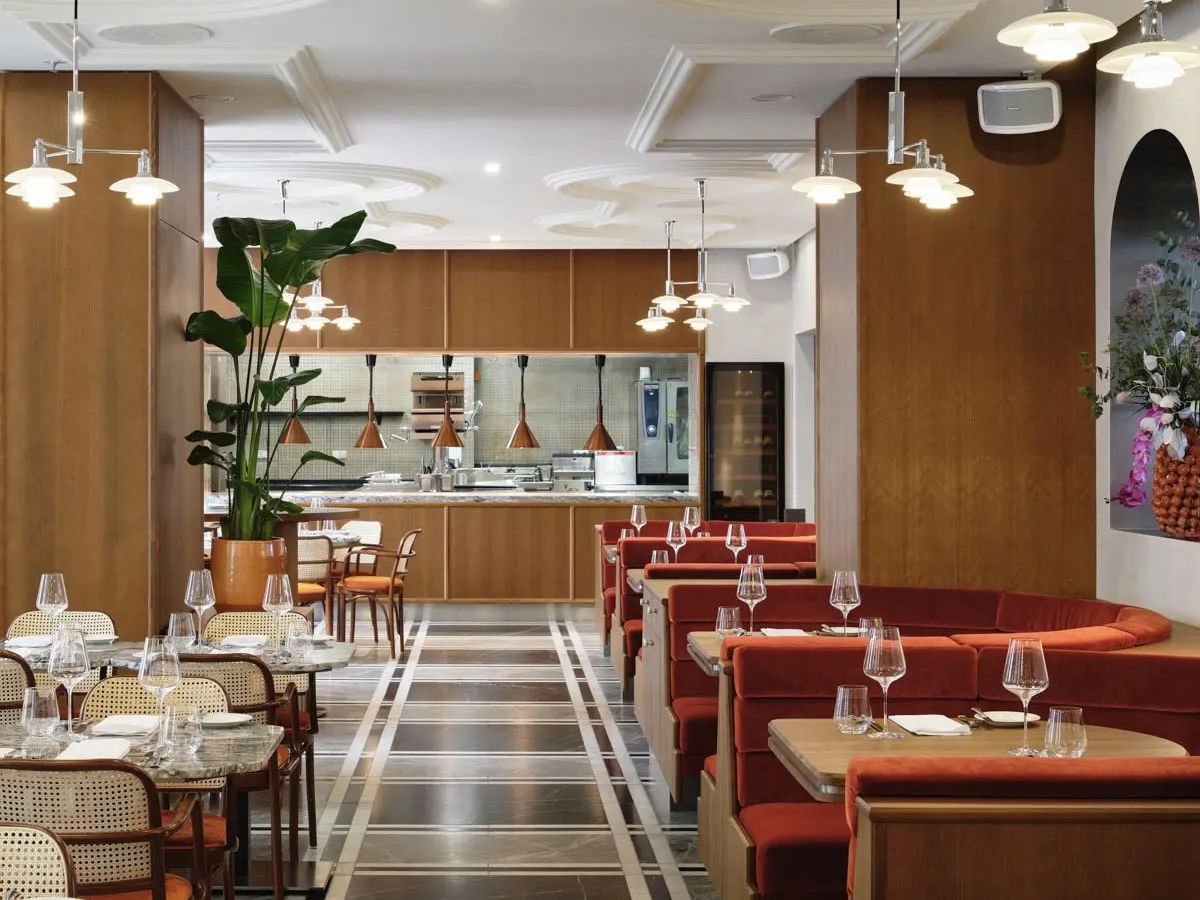
About Chugoku Hanten Kohakukyu (Amber Palace)
Michelin 1 Star Chinese dining on the fifth floor of Palace Hotel Tokyo, with a specialist kitchen split between a roasting chef (char siu, Peking duck) and a dedicated dim sum chef. At ¥¥¥ it sits below Tokyo's priciest fine dining tier while delivering serious regional range and seasonal focus. Hard to book — reserve 3 to 4 weeks ahead for dinner.
A Michelin-starred Chinese restaurant inside Tokyo's Palace Hotel — worth the price tag if seasonality guides your order
At the ¥¥¥ price point, Chugoku Hanten Kohakukyu (Amber Palace) is the most credible case for high-end Chinese dining in central Tokyo. Positioned on the fifth floor of the Palace Hotel Tokyo in Marunouchi, it holds a Michelin 1 Star (2024) and a Google rating of 4.5 across 386 reviews — a combination that says the kitchen delivers consistently, not just on special occasions. If you have been once and ordered broadly, the smarter return visit focuses on what the kitchen does differently from season to season, because the menu is built around seasonal produce and regional Chinese variety in equal measure.
The Room and the Atmosphere
The fifth-floor dining room at Palace Hotel Tokyo is quieter and more composed than the majority of hotel restaurants in this city tier. Traditional Chinese decorative elements are incorporated into a modern, formal setting , the energy reads as occasion dining rather than casual lunch. Noise levels stay controlled throughout service; this is a room where conversation is possible without effort, which makes it a functional choice for business dinners as well as celebratory meals. The mood is structured and unhurried, which aligns with a menu designed to move across multiple courses and regions.
What to Order , and When It Matters
The Michelin inspectors specifically call out the kitchen's emphasis on seasonality, and that framing should shape how you approach the menu on a return visit. The roasting chef handles char siu and Peking duck; the dim sum chef oversees steamed meat dumplings and soup dumplings. These are the two specialist tracks running through the kitchen, and both reward attention. On a first visit, most diners cover the Peking duck and move on. On a return, the regional variety across the wider menu , and the seafood section in particular , offers more to explore.
Seafood preparations are notable for their flexibility: dishes are available with XO sauce, fermented black beans, chilli sauce, or other preparations matched to individual preference. This is not a token customisation gesture; the kitchen is signalling that Chinese cuisine at this level operates with more regional and technical range than a single preparation style allows. If you are visiting in the colder months, lean into the richer, more braised preparations. In spring and summer, the lighter seafood and vegetable-forward dishes in the seasonal rotation will reflect the kitchen's produce sourcing more directly. The menu spans various Chinese regions rather than anchoring to a single province, so each visit can move in a different direction depending on what is currently available.
Dim sum selection warrants its own focus. The soup dumplings and steamed meat dumplings are made by a dedicated dim sum chef , this is a division of labour that matters at this price point, because it means the doughs, folds, and fillings are not being handled by a generalist line cook. If dim sum is your primary interest, the lunch service is the more focused context for it than a full dinner menu.
Practical Details
Reservations: Hard to book. This is a Michelin-starred hotel restaurant in Marunouchi , expect high demand from both hotel guests and independent diners. Book as far ahead as your schedule allows; 3 to 4 weeks minimum is a reasonable expectation for dinner, and hotel guests may have an advantage through the concierge channel. Budget: ¥¥¥ positions this below the top tier of Tokyo's fine dining (¥¥¥¥ venues like RyuGin or Harutaka), which makes it a more accessible entry point for serious Chinese cooking at a hotel standard. Lunch will cost less than dinner and is worth considering if budget is a factor. Dress: Smart casual at minimum; the hotel setting and Michelin status mean the room skews formal. Location: Fifth floor, Palace Hotel Tokyo, 1-1-1 Marunouchi, Chiyoda City , well-connected by Tokyo Station (a short walk). Phone/Website: Not listed in our current data; book via the Palace Hotel Tokyo concierge or reservation desk directly.
How It Compares to Other Chinese Restaurants in Tokyo
For Chinese cuisine at this level in Tokyo, the comparison set is narrower than the Japanese fine dining category. Chugoku Hanten Fureika and Ippei Hanten are the closest peers in terms of style and ambition. Piao-Xiang and Koshikiryori Koki occupy different positions on the formality and price spectrum. Amber Palace's advantage is the combination of the specialist kitchen structure (dedicated roasting and dim sum chefs), the Michelin credential, and the Palace Hotel setting , the last of which adds a logistical convenience for guests already staying there. itsuka offers a different approach if you want a more intimate room. For Chinese dining outside Tokyo, HAJIME in Osaka and Gion Sasaki in Kyoto represent other high-end options in the broader Japan itinerary, though both operate in different cuisine categories. If you want to see how Chinese cuisine at this ambition level translates internationally, Restaurant Tim Raue in Berlin and Mister Jiu's in San Francisco are worth knowing.
The Verdict
Book Amber Palace if you want Michelin-credentialed Chinese cooking in a setting that can carry a business dinner or a considered celebration, and if you are willing to let the season and the kitchen's regional range guide what you order. A return visit is more rewarding than the first if you move beyond the Peking duck into the dim sum specialist's work and the seafood preparations. This is not the cheapest way to eat well in Tokyo, but at ¥¥¥ it sits below the most expensive tier while delivering a kitchen with clear structural investment in what it does.
For more on dining in Tokyo at this level, see our full Tokyo restaurants guide, our full Tokyo hotels guide, our full Tokyo bars guide, our full Tokyo wineries guide, and our full Tokyo experiences guide. If your Japan itinerary extends beyond Tokyo, also consider akordu in Nara, Goh in Fukuoka, 1000 in Yokohama, and 6 in Okinawa.
Compare Chugoku Hanten Kohakukyu (Amber Palace)
| Venue | Cuisine | Price | Awards | Booking Difficulty | Value |
|---|---|---|---|---|---|
| Chugoku Hanten Kohakukyu (Amber Palace) | Chinese | ¥¥¥ | The dining room incorporates traditional Chinese decorations into a modern, elegant space. An extensive menu ranges from dishes of various regions to creative cookery with the accent on seasonality. Char siu and Peking duck arrive courtesy of the roasting chef, while steamed meat dumplings and soup dumplings are tended by the dim sum chef. Seafood is offered with XO sauce, fermented black beans, chilli sauce or other preparations to suit each guest’s preference—an appealing feature of the menu. Explore the subtlety and depth of Chinese cuisine in all its splendid regional variety.; Michelin 1 Star (2024) | Hard | — |
| Harutaka | Sushi | ¥¥¥¥ | Michelin 3 Star, World's 50 Best | Unknown | — |
| L'Effervescence | French | ¥¥¥¥ | Michelin 3 Star, World's 50 Best | Unknown | — |
| RyuGin | Kaiseki, Japanese | ¥¥¥¥ | Michelin 3 Star, World's 50 Best | Unknown | — |
| HOMMAGE | Innovtive French, French | ¥¥¥¥ | Michelin 2 Star, World's 50 Best | Unknown | — |
| Crony | Innovative, French | ¥¥¥¥ | Michelin 2 Star, World's 50 Best | Unknown | — |
How Chugoku Hanten Kohakukyu (Amber Palace) stacks up against the competition.
Frequently Asked Questions
What should I order at Chugoku Hanten Kohakukyu (Amber Palace)?
Prioritise the roasted dishes: the char siu and Peking duck are handled by a dedicated roasting chef, which is a meaningful operational commitment at this price point (¥¥¥). Dim sum, including steamed meat and soup dumplings, is managed by a specialist dim sum chef. Seafood is offered across multiple preparations — XO sauce, fermented black beans, chilli sauce — so it is worth specifying your preference when ordering. The Michelin entry calls out seasonality as a focus, so ask the front-of-house which dishes are currently driven by seasonal produce.
Does Chugoku Hanten Kohakukyu (Amber Palace) handle dietary restrictions?
The menu is structured to accommodate preferences: the kitchen explicitly tailors seafood preparations to each guest's preference, which suggests a degree of flexibility in how dishes are finished. The restaurant operates within Palace Hotel Tokyo, where guest-facing service standards are high. check the venue's official channels to flag restrictions before arrival — the specific phone number for the restaurant is not publicly listed, but Palace Hotel Tokyo's central reservations line can route the request.
What are alternatives to Chugoku Hanten Kohakukyu (Amber Palace) in Tokyo?
For Chinese cuisine at a comparable level in Tokyo, Chugoku Hanten Fureika and Ippei Hana are the most relevant comparisons in the Michelin-starred bracket. If your priority is occasion dining in a hotel setting and you are open to French rather than Chinese, L'Effervescence and HOMMAGE operate in a similar price register and carry stronger tasting-menu credentials. For Japanese fine dining with equivalent Michelin standing, RyuGin is the natural reference point in central Tokyo.
Is Chugoku Hanten Kohakukyu (Amber Palace) good for solo dining?
It is not the format that most naturally suits a solo visit. At ¥¥¥ pricing with a menu built around roasted whole dishes — Peking duck, char siu — you will cover more of the menu and get better value as part of a group of two or more. Solo diners can still access the dim sum and seafood sections meaningfully, but the kitchen's strengths skew toward sharing formats. A solo booking during quieter service periods is more practical than arriving at peak occupancy in a hotel dining room of this tier.
How far ahead should I book Chugoku Hanten Kohakukyu (Amber Palace)?
Book at least two to three weeks ahead for standard reservations, and further in advance for weekends or around public holidays. As a Michelin 1 Star (2024) inside Palace Hotel Tokyo in Marunouchi, the restaurant draws both hotel guests and independent diners, which compresses availability. Book through Palace Hotel Tokyo's central reservations — no direct booking URL for the restaurant is currently available. If your dates are fixed, book immediately rather than waiting.
Recognized By

More restaurants in Tokyo
- SézanneOccupying the seventh floor of the Four Seasons Hotel Tokyo at Marunouchi, Sézanne earned its first Michelin star within months of opening in July 2021 and now holds three. British chef Daniel Calvert applies French technique to Japanese ingredients, producing a prix-fixe format that Tabelog has recognised with Silver awards every year from 2023 through 2026. It ranked 4th in Asia's 50 Best Restaurants in 2025 and 15th globally in 2024.
- SazenkaSazenka is the address for Chinese cuisine in Tokyo at its most technically demanding. Chef Tomoya Kawada's wakon-kansai approach — Japanese seasonal ingredients applied through Chinese culinary technique — has earned consecutive Tabelog Gold Awards from 2019 to 2026, a #71 ranking on the World's 50 Best 2025, and 99 points from La Liste 2026. At JPY 50,000–59,999 per head, it is one of the hardest tables in the city to book and worth the effort.
- NarisawaNarisawa is Tokyo's most credentialled innovative tasting menu restaurant — two Michelin stars, Asia's 50 Best number 12, and a Tabelog Silver award — running at JPY 80,000–99,999 per head. Book for a milestone occasion, confirm vegetarian or vegan needs in advance, and reserve at least two to three months out. With 15 seats and reservation-only access, this is one of Tokyo's hardest tables to secure.
- FlorilègeFlorilège delivers two Michelin stars and an Asia's 50 Best #17 ranking at a dinner price of ¥22,000 — competitive for Tokyo at this level. Chef Hiroyasu Kawate's plant-forward tasting menus around an open-kitchen counter at Azabudai Hills make this the strongest choice for contemporary French dining in Tokyo if theatrical, produce-led cooking is what you want. Book well in advance; availability is near-impossible at short notice.
- DenDen holds two Michelin stars, a World's 50 Best top-25 Asia ranking, and a Tabelog Silver Award running back to 2017 — and it books out within hours of the two-month reservation window opening. Chef Zaiyu Hasegawa's daily-changing seasonal omakase runs JPY 30,000–39,999 at dinner in a relaxed house-restaurant setting near Gaiemmae. Book by phone only, noon–5 PM JST. Lunch is irregular; plan around dinner.
- MyojakuMyojaku is a 2-Michelin-star, 14-course French-leaning omakase in Nishiazabu holding a 4.47 Tabelog score, Tabelog Silver 2025–2026, and Asia's 50 Best #45 (2025). Chef Hidetoshi Nakamura's water-forward, no-dashi approach shifts meaningfully with the seasons — making timing your reservation as important as getting one. Budget JPY 50,000–59,999 per head plus 10% service charge; reservations only, near-impossible to secure.
Similar venues by awards
Related editorial
- Best Fine Dining Restaurants in ParisFrom three-Michelin-star icons to the next generation of Parisian chefs pushing boundaries, these are the restaurants that define fine dining in the world's culinary capital.
- Best Luxury Hotels in RomeFrom rooftop terraces overlooking ancient ruins to Michelin-starred hotel dining, these are the luxury hotels that make Rome unforgettable.
- Best Cocktail Bars in KyotoFrom sleek lounges to hidden speakeasies, Kyoto's cocktail scene blends Japanese precision with global influence in ways you won't find anywhere else.
Save or rate Chugoku Hanten Kohakukyu (Amber Palace) on Pearl
Keep this venue in your Pearl passport, rate it after you visit, and track it alongside every other place you collect.