
Restaurant in Tokyo, Japan
there is ramen
250ptsNeighbourhood depth, worth leaving central Tokyo for.

About there is ramen
A neighbourhood ramen shop in Suginami built around a specific sourcing argument: Yamagata light soy sauce and dried sardines producing a broth with real mineral depth, not generic saltiness. The chashumen — pork piled so thick it hides the noodles — is the dish to order. At ¥ pricing with a 4.1 rating across 557 reviews, it earns a detour from central Tokyo for anyone who has already done the obvious stops.
Verdict
If you want a bowl of ramen that prioritises depth of flavour over trend-chasing, there is ramen in Suginami is worth the trip out of central Tokyo. This is a single-minded shoyu ramen shop built around a specific sourcing philosophy: light soy sauce from the Mogami region of Yamagata Prefecture, dried sardines for umami backbone, and carefully sourced pork that ends up piled so generously over the noodles you can barely see them. At ¥ pricing, it asks very little financially for what it delivers. The 4.1 Google rating across 557 reviews is a reliable signal that this is not a one-visit curiosity — repeat customers keep coming back.
The Room
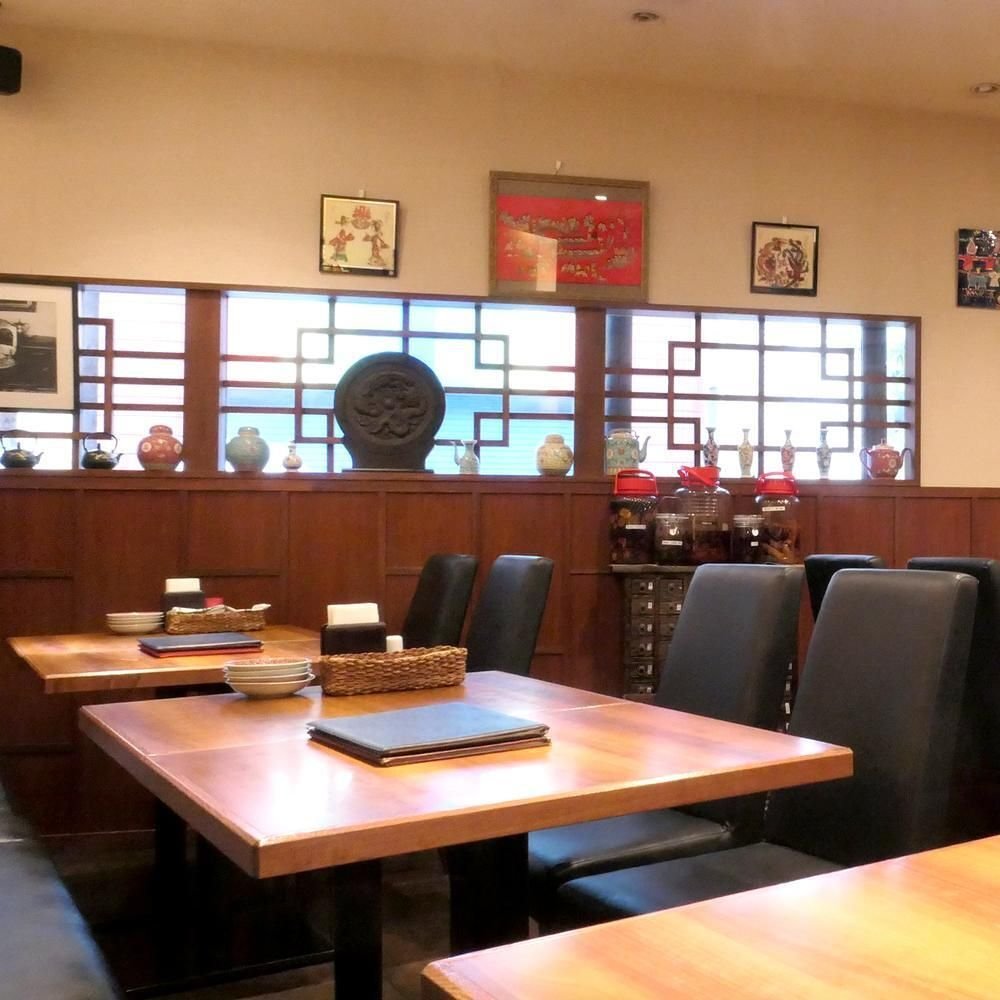
There is ramen occupies a neighbourhood shop format in Amanuma, Suginami — residential, low-key, and a deliberate contrast to the high-visibility ramen spots around Shinjuku or Shibuya. The space is presided over by a photograph of chef Masoud Eghbalyan's grandfather, whose image watches over the room with the kind of quiet authority that sets the tone more effectively than any interior design choice could. This is not a performative dining environment. It is a small, practical room built around the counter and the bowl. If you are coming from central Tokyo, factor in the journey: Suginami is accessible but not immediate, and the neighbourhood setting means there is no ambient tourist foot traffic to buoy the atmosphere. The room works leading when it is doing what it is designed to do: letting the soup take the focus.
The Sourcing Logic
The editorial angle here matters because the sourcing is not incidental , it is the entire argument for why there is ramen tastes the way it does. Light soy sauce from Yamagata is not the default choice in Tokyo ramen; most shops lean toward darker, saltier profiles. Eghbalyan's decision to work with the gentler, more delicate soy tradition of the Mogami region allows the dried sardine (niboshi) character to come through without being masked. Niboshi ramen is a specific taste: assertive, slightly bitter at the edges, mineral in a way that wheat-forward or chicken-forward broths are not. If you have not had niboshi-style ramen before, this is a reasonable place to encounter it , the flavour is described as natural rather than aggressive, which suggests a restrained hand with the intensity.
The chashumen here is the dish that communicates the pork sourcing most directly. The roasted pork slices cover the noodles entirely , this is not a garnish, it is the point. For returning visitors, the chashudon move is worth knowing: ask for rice as a side and use the excess pork slices to build a rough roast-pork rice bowl from the leftovers. It is an unofficial second course that costs very little and uses the leading ingredient on the table a second time.
Who Should Book This
There is ramen works leading for a specific diner profile: someone who has already done the Shinjuku and Shibuya ramen circuit and wants a neighbourhood shop with a clear point of view. If you are on a tight itinerary with one ramen slot, the more accessible Afuri or Fuunji in Shinjuku will be logistically easier. But if you have the time and an interest in how sourcing decisions shape a bowl , specifically what Yamagata light soy and niboshi do together , there is ramen is a more considered choice than either. For a high-contrast comparison at the other end of the price spectrum, Chukasoba Ginza Hachigou and Chukasoba KOTETSU both operate in the premium chukasoba register and will give you a sense of how far the format can be stretched with budget. There is ramen sits at the opposite end: honest, affordable, and not trying to be anything other than what it is.
Solo diners are the natural fit. The counter format and neighbourhood scale suit a single person arriving without a reservation more naturally than a group. If you are travelling with four or more, be aware that small ramen shops in this format can be tight on simultaneous seating, and there is no indication of a private or group-focused space here.
Practical Details
There is ramen is in Amanuma, Suginami City , a residential ward that requires a deliberate detour from the tourist corridor. No booking is required or typically available for this format of shop; it operates on a walk-in basis. Pricing sits at the ¥ tier, meaning a full bowl with rice on the side will cost a fraction of what you would spend at Tokyo's higher-tier ramen destinations. Hours are not confirmed in available data, so check before making the journey, particularly on weekdays. No website or phone number is currently listed in public records. For broader Tokyo dining context, see our full Tokyo restaurants guide. If you are planning accommodation, our Tokyo hotels guide covers the full range. For drinking options to pair with a Suginami visit, our Tokyo bars guide is the place to start.
For ramen outside Japan, Afuri Ramen in Portland and Akahoshi Ramen in Chicago represent two of the stronger international benchmarks if you want to understand how the format travels. Within Japan, the dining range extends far beyond ramen: HAJIME in Osaka, Gion Sasaki in Kyoto, and akordu in Nara are all worth building itinerary time around if you are travelling beyond Tokyo. Goh in Fukuoka, 1000 in Yokohama, and 6 in Okinawa round out the picture for travellers moving across the archipelago.
Quick reference: Walk-in, ¥ pricing, Suginami / residential Tokyo, solo-friendly counter format, niboshi-shoyu style.
FAQ
Is there is ramen good for solo dining?
- Yes. The counter-style neighbourhood format is built for solo diners. You will not feel out of place arriving alone, and the bowl-focused experience does not require company to work. At ¥ pricing, it is also one of the lower-stakes solo meals you can have in Tokyo.
What are alternatives to there is ramen in Tokyo?
- For a different flavour profile at a similar price point, Afuri offers a lighter yuzu-salt style that works well if niboshi is not your preference. Fuunji is the go-to if you want tsukemen rather than soup ramen and prefer a more central Shinjuku location. For premium chukasoba with a higher budget, Chukasoba Ginza Hachigou is the comparison to make. Chuogo Hanten Mita is another option in a different Tokyo neighbourhood if you want to cross-reference the broader Tokyo ramen map.
How far ahead should I book there is ramen?
- No advance booking is needed or expected. This is a walk-in neighbourhood ramen shop. Arrive at opening or just after a peak lunch/dinner rush to minimise any queue. Booking difficulty is rated easy.
Does there is ramen handle dietary restrictions?
- The menu is built around pork and fish-based broths , specifically roasted pork and dried sardines. Vegetarian or pescatarian options are not confirmed in available data. If dietary restrictions are a concern, there is currently no website or phone number listed to confirm in advance, which makes it harder to check ahead of arrival.
Is there is ramen good for a special occasion?
- Not the natural choice. The format is a neighbourhood ramen counter, not a celebratory dining room. If a special occasion calls for more occasion around it, Tokyo has a deep bench at the ¥¥¥¥ tier , RyuGin for kaiseki or Harutaka for omakase sushi would both serve that purpose better. There is ramen is the right choice when the meal itself is the occasion, not the room or the service around it.
Is there is ramen worth the price?
- At ¥ pricing, yes , it is very hard to argue otherwise. The question is whether the sourcing philosophy (Yamagata light soy, niboshi umami, generous pork) produces a bowl you find more interesting than a generic tonkotsu at a similar price. Based on 557 Google reviews at 4.1, the consistent audience says it does. If you want to spend more and test what extra budget buys in the Tokyo ramen category, Chukasoba KOTETSU is the comparison to make.
Is the tasting menu worth it at there is ramen?
- There is no tasting menu format here. This is a single-bowl ramen shop. The closest equivalent to a multi-element experience is ordering the chashumen with rice on the side and using the pork to build a chashudon , effectively two courses from one order. That is the full scope of the menu's depth.
Can I eat at the bar at there is ramen?
- Counter seating is the expected format for a neighbourhood ramen shop of this type. There is no confirmed bar in the cocktail or drinks sense. Ramen counters in this format typically seat guests directly at a pass facing the kitchen, which is the standard solo and walk-in experience across Tokyo's ramen shops.
Compare there is ramen
| Venue | Awards | Price | Value |
|---|---|---|---|
| there is ramen | The soup accentuates the umami of the meats with the flavour of dried sardines; if you’re looking for soup with a unique and beguiling taste, you’ve found it here. Chashumen, ramen topped with roasted pork, is so covered in pork slices that they hide the noodles. Rice is available as an extra with the ramen, so try placing some of the roasted pork on top of it to make chashudon, roast-pork rice. Impressive and satisfying indeed, as if to say there is ramen here.; This shop’s message is “Life is well lived that appreciates a nice bowl of ramen”. As a young man, the chef learned these words from his grandfather, and they still reverberate in his heart. Like many from the Mogami region of Yamagata Prefecture, he uses light soy sauce. He seeks a natural flavour for his ramen by using dried sardines and the umami of meat to good effect. Ramen here reminds customers of their hometowns. A photo of his grandfather, smiling kindly, watches over the room. | ¥ | — |
| Harutaka | Michelin 3 Star, World's 50 Best | ¥¥¥¥ | — |
| L'Effervescence | Michelin 3 Star, World's 50 Best | ¥¥¥¥ | — |
| RyuGin | Michelin 3 Star, World's 50 Best | ¥¥¥¥ | — |
| HOMMAGE | Michelin 2 Star, World's 50 Best | ¥¥¥¥ | — |
| Crony | Michelin 2 Star, World's 50 Best | ¥¥¥¥ | — |
What to weigh when choosing between there is ramen and alternatives.
Frequently Asked Questions
Is there is ramen good for solo dining?
Yes — this is close to an ideal solo format. Ramen shops in Japan run naturally for single diners, and the neighbourhood setting in Amanuma removes any pressure or performance. At a ¥ price point, there is no financial commitment to justify company. Go alone, eat the chashumen, add rice on the side.
What are alternatives to there is ramen in Tokyo?
If you want to stay central, the Shinjuku and Shibuya ramen corridors offer higher-volume, more accessible options. For a comparable neighbourhood-first philosophy with similar depth-over-trend priorities, look at local Suginami shops in the same residential ward. there is ramen is the stronger argument if light soy sauce broth and the sardine-umami combination are specifically what you are after.
How far ahead should I book there is ramen?
No booking is required. This is a walk-in neighbourhood shop in Amanuma, Suginami — turn up and queue if necessary. Arriving early in a service period is the practical move, particularly if you are making a deliberate detour from central Tokyo.
Does there is ramen handle dietary restrictions?
The menu is built around meat-based broth using dried sardines and roasted pork — the sourcing logic is central to the whole bowl. Vegetarian or pescatarian diners will find the format difficult to adapt. No dietary accommodation data is documented for this venue, so confirm directly if restrictions apply.
Is there is ramen good for a special occasion?
Not in the conventional sense. There is no reservation system and the setting is a low-key neighbourhood shop in a residential ward of Tokyo. It works well as a considered, deliberate meal — the kind you remember for the flavour rather than the occasion. For a formal celebration, this is the wrong format.
Is there is ramen worth the price?
At ¥ pricing, the value question is almost irrelevant — the chashumen with roasted pork and the option to build chashudon from the same bowl represent strong output at Tokyo's lowest ramen price tier. The real cost is the time to reach Suginami from central Tokyo, and the broth justifies that detour if depth of flavour is your priority.
Is the tasting menu worth it at there is ramen?
there is ramen does not operate a tasting menu format. The menu centres on ramen, with rice available as an add-on to make chashudon from the roasted pork. Order the chashumen, add rice, and that combination is the full argument the kitchen is making.
Recognized By

More restaurants in Tokyo
- SézanneOccupying the seventh floor of the Four Seasons Hotel Tokyo at Marunouchi, Sézanne earned its first Michelin star within months of opening in July 2021 and now holds three. British chef Daniel Calvert applies French technique to Japanese ingredients, producing a prix-fixe format that Tabelog has recognised with Silver awards every year from 2023 through 2026. It ranked 4th in Asia's 50 Best Restaurants in 2025 and 15th globally in 2024.
- SazenkaSazenka is the address for Chinese cuisine in Tokyo at its most technically demanding. Chef Tomoya Kawada's wakon-kansai approach — Japanese seasonal ingredients applied through Chinese culinary technique — has earned consecutive Tabelog Gold Awards from 2019 to 2026, a #71 ranking on the World's 50 Best 2025, and 99 points from La Liste 2026. At JPY 50,000–59,999 per head, it is one of the hardest tables in the city to book and worth the effort.
- NarisawaNarisawa is Tokyo's most credentialled innovative tasting menu restaurant — two Michelin stars, Asia's 50 Best number 12, and a Tabelog Silver award — running at JPY 80,000–99,999 per head. Book for a milestone occasion, confirm vegetarian or vegan needs in advance, and reserve at least two to three months out. With 15 seats and reservation-only access, this is one of Tokyo's hardest tables to secure.
- FlorilègeFlorilège delivers two Michelin stars and an Asia's 50 Best #17 ranking at a dinner price of ¥22,000 — competitive for Tokyo at this level. Chef Hiroyasu Kawate's plant-forward tasting menus around an open-kitchen counter at Azabudai Hills make this the strongest choice for contemporary French dining in Tokyo if theatrical, produce-led cooking is what you want. Book well in advance; availability is near-impossible at short notice.
- DenDen holds two Michelin stars, a World's 50 Best top-25 Asia ranking, and a Tabelog Silver Award running back to 2017 — and it books out within hours of the two-month reservation window opening. Chef Zaiyu Hasegawa's daily-changing seasonal omakase runs JPY 30,000–39,999 at dinner in a relaxed house-restaurant setting near Gaiemmae. Book by phone only, noon–5 PM JST. Lunch is irregular; plan around dinner.
- MyojakuMyojaku is a 2-Michelin-star, 14-course French-leaning omakase in Nishiazabu holding a 4.47 Tabelog score, Tabelog Silver 2025–2026, and Asia's 50 Best #45 (2025). Chef Hidetoshi Nakamura's water-forward, no-dashi approach shifts meaningfully with the seasons — making timing your reservation as important as getting one. Budget JPY 50,000–59,999 per head plus 10% service charge; reservations only, near-impossible to secure.
Related editorial
- Best Fine Dining Restaurants in ParisFrom three-Michelin-star icons to the next generation of Parisian chefs pushing boundaries, these are the restaurants that define fine dining in the world's culinary capital.
- Best Luxury Hotels in RomeFrom rooftop terraces overlooking ancient ruins to Michelin-starred hotel dining, these are the luxury hotels that make Rome unforgettable.
- Best Cocktail Bars in KyotoFrom sleek lounges to hidden speakeasies, Kyoto's cocktail scene blends Japanese precision with global influence in ways you won't find anywhere else.
Save or rate there is ramen on Pearl
Keep this venue in your Pearl passport, rate it after you visit, and track it alongside every other place you collect.