
Restaurant in Tokyo, Japan
Tanakada Nishiazabuten
310ptsHigh-grade izakaya, easier to book than it should be.


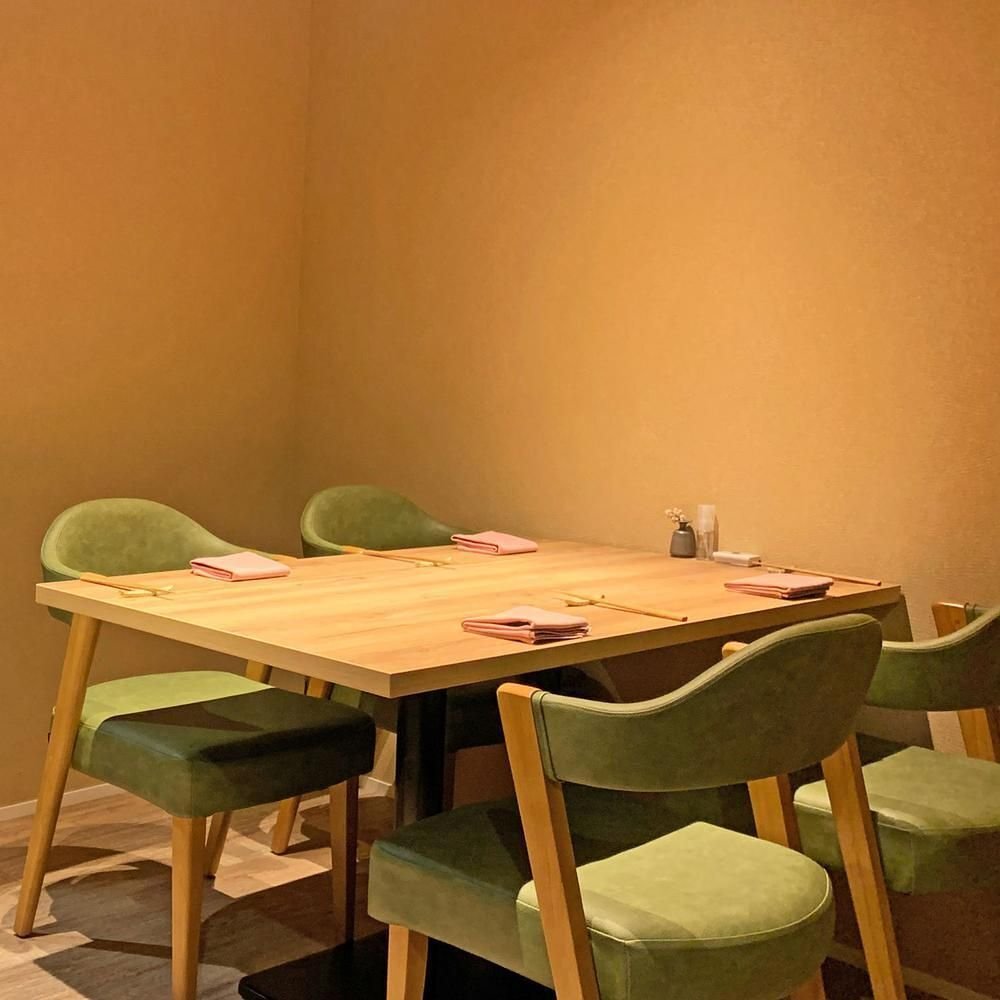
About Tanakada Nishiazabuten
Tanakada Nishiazabuten is a Michelin Plate-recognised high-grade izakaya in Nishiazabu that sits above the standard izakaya tier without crossing into kappo formality. At ¥¥¥, it delivers a level of material craft and kitchen seriousness that justifies the price, with Rosanjin crockery, a Hakata-influenced warmth, and courteous service that other venues at this tier rarely match. Booking is Easy by Tokyo standards.
The Verdict: A High-Grade Izakaya That Punches Well Above Its Tier
If you have been to a standard Tokyo izakaya and want to understand what the format looks like when it is taken seriously, Tanakada Nishiazabuten is where to go next. It occupies a specific and genuinely useful position in the Tokyo dining hierarchy: more polished than a neighbourhood izakaya, less formal than a kappo, and considerably more affordable than a ryotei. Holding a Michelin Plate in both 2024 and 2025, and recommended by Opinionated About Dining in 2023, it has the credentials to back up its positioning. At ¥¥¥ pricing, it delivers a level of care and curation that most izakaya at that tier do not attempt.
Portrait: What Makes This Worth Booking
Tanakada Nishiazabuten operates in Nishiazabu, one of Tokyo's quieter upscale pockets, a neighbourhood where serious restaurants coexist with low-key bars and residential streets. The room signals its intentions immediately: Rosanjin crockery on the table, retro Showa-era coasters as a counterpoint. These are not decorative choices made for atmosphere; they reflect a genuine engagement with Japanese material culture across eras. For anyone returning after a first visit, this layering of references becomes more legible the second time around.
The format here is izakaya in structure but not in spirit. You order across the meal rather than committing to a fixed sequence, but the kitchen is operating at a level of technical attention that most tasting-menu restaurants would not surpass on individual dishes. The menu itself is written with a directness that is unusual: the descriptions are practical and enticing rather than abstract, which makes ordering direct even for first-timers navigating without Japanese fluency.
What distinguishes the experience most clearly is the tone set by the chef. The Hakata dialect exclamation "Tabetenshai" — roughly "let's eat, eat what you like" — is not a performance. It frames the meal as something permissive and generous rather than ceremonial. This is the right register for an izakaya format, and it is harder to execute well than it sounds. Many restaurants at this price point push formality when they should be pushing warmth. Tanakada Nishiazabuten does the opposite, and the result is a meal that feels personal without being casual.
The staff compound this. The Michelin Plate recognition specifically calls out the courteous service, and that aligns with what the format demands: attentive without being intrusive, knowledgeable without being performative. For a return visitor, this is the moment to lean into the menu more deliberately, ask the staff what has changed seasonally, and trust their steer. The kitchen's connection to Hakata-dialect culture suggests a Fukuoka influence on some of the cooking, a useful thread to pull on if you are familiar with the Goh in Fukuoka style or have eaten at Hakata Hotaru or Hakata Issou in Tokyo.
Tokyo's izakaya tier covers enormous ground. At the casual end, you have Daikanyama Issai Kassai. For a similar level of seriousness applied to a different format, Ginza Nominokoji Yamagishi and Ginza Shimada offer useful reference points. Tanakada Nishiazabuten sits comfortably in the upper register of that range. For the izakaya format done at this level of intention outside Tokyo, see Benikurage in Osaka and Berangkat in Kyoto.
If you are building a wider Japan itinerary around serious eating, anchor your Tokyo visit here and use it to calibrate the tier below kaiseki. From there, Gion Sasaki in Kyoto and HAJIME in Osaka represent the format above it. See our full Tokyo restaurants guide for a broader view of the city's dining tiers, or explore our Tokyo hotels guide, Tokyo bars guide, and Tokyo experiences guide to plan around it.
Ratings at a Glance
- Google: 4.3 / 5 (336 reviews)
- Awards: Michelin Plate 2024 & 2025; Opinionated About Dining Recommended 2023
- Price tier: ¥¥¥
Booking
Booking difficulty at Tanakada Nishiazabuten is rated Easy. This is a meaningful advantage over most comparable venues in Tokyo at this recognition level, where two-to-four week lead times are standard. That said, easy does not mean last-minute on a Friday. If you are planning around a specific night, book at least a week out. The format rewards relaxed timing: arriving early in the evening and working through the menu without rushing is the correct approach here.
Practical Details
| Detail | Tanakada Nishiazabuten | Hakata Hotaru (Tokyo) | Daikanyama Issai Kassai |
|---|---|---|---|
| Cuisine | Izakaya (high-grade) | Izakaya (Hakata-style) | Izakaya |
| Price tier | ¥¥¥ | Not specified | Not specified |
| Awards | Michelin Plate 2024–25; OAD Recommended | Pearl listed | Pearl listed |
| Booking difficulty | Easy | Not specified | Not specified |
| Neighbourhood | Nishiazabu, Minato | Tokyo | Daikanyama |
How It Compares
Pearl Picks: More Tokyo Dining
Compare Tanakada Nishiazabuten
| Venue | Cuisine | Awards | Booking Difficulty | Value |
|---|---|---|---|---|
| Tanakada Nishiazabuten | Izakaya | From the Rosanjin crockery to the retro Showa-era coasters, Tadaaki Tanaka’s restaurant is an interplay between authenticity and playfulness. The comments on the menu are easy to understand, enticing with delicious descriptions. When the chef exclaims “Tabetenshai!” meaning “let’s eat” in the Hakata dialect, it makes you want to eat what you like, as much as you like. The courteous staff of this high-grade izakaya, a step above a kappo but not quite a ryotei, ensure you’ll enjoy your visit.; Michelin Plate (2025); Michelin Plate (2024); Opinionated About Dining Top Restaurants in Japan Recommended (2023) | Easy | — |
| Harutaka | Sushi | Michelin 3 Star, World's 50 Best | Unknown | — |
| RyuGin | Kaiseki, Japanese | Michelin 3 Star, World's 50 Best | Unknown | — |
| L'Effervescence | French | Michelin 3 Star, World's 50 Best | Unknown | — |
| HOMMAGE | Innovtive French, French | Michelin 2 Star, World's 50 Best | Unknown | — |
| Florilège | French | Michelin 2 Star, World's 50 Best | Unknown | — |
What to weigh when choosing between Tanakada Nishiazabuten and alternatives.
Frequently Asked Questions
What should I wear to Tanakada Nishiazabuten?
Err toward neat and presentable rather than formal. Tanakada Nishiazabuten sits above a standard izakaya and below a ryotei — Michelin Plate recognition and ¥¥¥ pricing signal a considered room, so jeans and a clean shirt are fine but overly casual resort wear is out of place. Think how you would dress for a serious neighbourhood dinner rather than a celebration at a kappo.
Can I eat at the bar at Tanakada Nishiazabuten?
Bar seating details are not confirmed in available venue data, but the izakaya format generally supports counter dining. At a high-grade venue like Tanakada — positioned a step above kappo — counter seats, if available, are likely the better solo or pair option. check the venue's official channels to confirm counter availability before your visit.
How far ahead should I book Tanakada Nishiazabuten?
Booking difficulty is rated Easy, which is a meaningful edge over most ¥¥¥ Tokyo venues with Michelin recognition. That said, easy does not mean same-day — aim for one to two weeks out to have reasonable flexibility on date and time. For weekend evenings, push toward two weeks minimum.
Is Tanakada Nishiazabuten worth the price?
At ¥¥¥, yes — provided the izakaya format suits you. Tanakada holds a Michelin Plate (2025) and an OAD Japan Recommended listing, and it operates in territory between a kappo and a ryotei without the booking friction of either. For that recognition level and neighbourhood (Nishiazabu), ¥¥¥ is well-positioned rather than a premium stretch.
Is the tasting menu worth it at Tanakada Nishiazabuten?
Menu structure details are not confirmed in available venue data. What is documented is that Tanakada's menu includes descriptive, approachable notes written in a direct style, and the format encourages eating freely rather than following a rigid progression. If a fixed tasting menu is a priority, confirm the current structure when booking — the izakaya format often allows more ordering flexibility than a set kappo course.
Recognized By


More restaurants in Tokyo
- SézanneOccupying the seventh floor of the Four Seasons Hotel Tokyo at Marunouchi, Sézanne earned its first Michelin star within months of opening in July 2021 and now holds three. British chef Daniel Calvert applies French technique to Japanese ingredients, producing a prix-fixe format that Tabelog has recognised with Silver awards every year from 2023 through 2026. It ranked 4th in Asia's 50 Best Restaurants in 2025 and 15th globally in 2024.
- SazenkaSazenka is the address for Chinese cuisine in Tokyo at its most technically demanding. Chef Tomoya Kawada's wakon-kansai approach — Japanese seasonal ingredients applied through Chinese culinary technique — has earned consecutive Tabelog Gold Awards from 2019 to 2026, a #71 ranking on the World's 50 Best 2025, and 99 points from La Liste 2026. At JPY 50,000–59,999 per head, it is one of the hardest tables in the city to book and worth the effort.
- NarisawaNarisawa is Tokyo's most credentialled innovative tasting menu restaurant — two Michelin stars, Asia's 50 Best number 12, and a Tabelog Silver award — running at JPY 80,000–99,999 per head. Book for a milestone occasion, confirm vegetarian or vegan needs in advance, and reserve at least two to three months out. With 15 seats and reservation-only access, this is one of Tokyo's hardest tables to secure.
- FlorilègeFlorilège delivers two Michelin stars and an Asia's 50 Best #17 ranking at a dinner price of ¥22,000 — competitive for Tokyo at this level. Chef Hiroyasu Kawate's plant-forward tasting menus around an open-kitchen counter at Azabudai Hills make this the strongest choice for contemporary French dining in Tokyo if theatrical, produce-led cooking is what you want. Book well in advance; availability is near-impossible at short notice.
- DenDen holds two Michelin stars, a World's 50 Best top-25 Asia ranking, and a Tabelog Silver Award running back to 2017 — and it books out within hours of the two-month reservation window opening. Chef Zaiyu Hasegawa's daily-changing seasonal omakase runs JPY 30,000–39,999 at dinner in a relaxed house-restaurant setting near Gaiemmae. Book by phone only, noon–5 PM JST. Lunch is irregular; plan around dinner.
- MyojakuMyojaku is a 2-Michelin-star, 14-course French-leaning omakase in Nishiazabu holding a 4.47 Tabelog score, Tabelog Silver 2025–2026, and Asia's 50 Best #45 (2025). Chef Hidetoshi Nakamura's water-forward, no-dashi approach shifts meaningfully with the seasons — making timing your reservation as important as getting one. Budget JPY 50,000–59,999 per head plus 10% service charge; reservations only, near-impossible to secure.
Similar venues by awards
Related editorial
- Best Fine Dining Restaurants in ParisFrom three-Michelin-star icons to the next generation of Parisian chefs pushing boundaries, these are the restaurants that define fine dining in the world's culinary capital.
- Best Luxury Hotels in RomeFrom rooftop terraces overlooking ancient ruins to Michelin-starred hotel dining, these are the luxury hotels that make Rome unforgettable.
- Best Cocktail Bars in KyotoFrom sleek lounges to hidden speakeasies, Kyoto's cocktail scene blends Japanese precision with global influence in ways you won't find anywhere else.
Save or rate Tanakada Nishiazabuten on Pearl
Keep this venue in your Pearl passport, rate it after you visit, and track it alongside every other place you collect.