
Restaurant in Seoul, South Korea
Sushi Matsumoto
250ptsAuthentic Japanese sushi, no drift, Gangnam.

About Sushi Matsumoto
Sushi Matsumoto in Gangnam is Seoul's most straightforward case for orthodox Japanese sushiya dining: a tsumami-to-nigiri progression built around flavor sequencing and faithful technique, with knowledgeable counter service to match. At the ₩₩₩₩ tier, it is the right booking for a special occasion when you want reliability over experimentation. Book Monday through Saturday; closed Sunday.
Should You Book Sushi Matsumoto?
If you have been before, the reason to return is the same as the reason you went the first time: Sushi Matsumoto does not drift. Chef Matsumoto Mizuho's commitment to reproducing mainland Japanese sushi technique in Gangnam holds steady across visits, which is rarer than it sounds in a city where restaurants frequently chase whatever format is generating buzz. The tsumami progression and the natural cadence of nigiri flavors remain the spine of the meal — and that consistency is the point. Book if you want a sushiya that prioritizes fidelity over novelty. Look elsewhere if you want Korean-inflected experimentation or a tasting menu built around local produce.
The Case for Sushi Matsumoto in Gangnam
Sushi Matsumoto sits on Dosan-daero 75-gil in Gangnam-gu, a pocket of Seoul where high-end dining operates at a different register than the city's more tourist-facing corridors. The address matters for a specific reason: Gangnam diners are fluent in Japanese fine dining, which means the room sets a higher baseline expectation than you'd find at a Japanese restaurant positioned for novelty-seekers. Matsumoto meets that expectation by treating authenticity as its operating principle rather than its marketing angle.
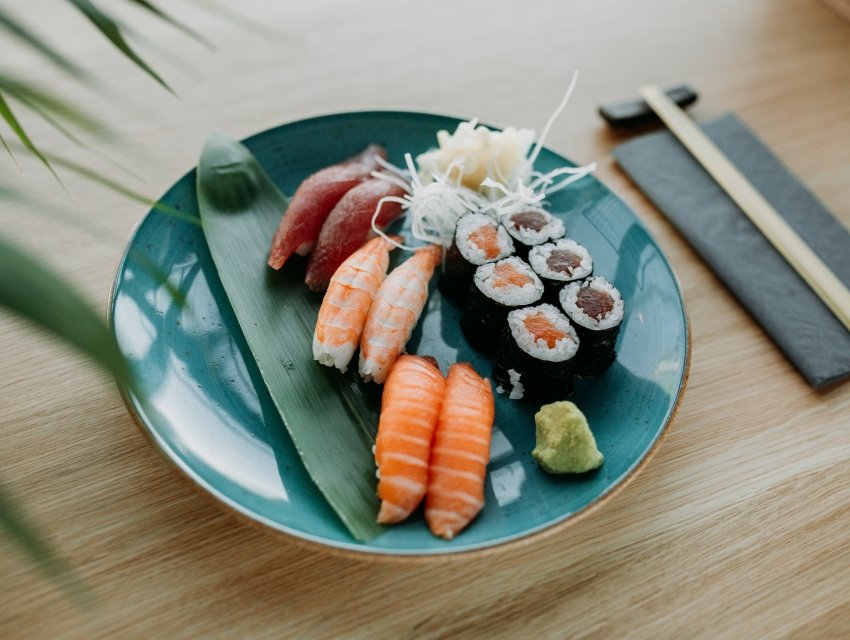
The meal structure follows orthodox sushiya logic. Tsumami — the appetizer sequence , arrives before nigiri, giving the kitchen a chance to calibrate flavor before rice enters the picture. The nigiri progression is built around the natural arc of fish flavors, moving from lighter, cleaner cuts toward richer, more assertive ones. This is standard practice at serious sushiya in Japan, and its faithful replication here is the core credential. The shari and neta composition reflects the same attention: the rice temperature, seasoning, and fish-to-rice ratio are treated as non-negotiable rather than approximate.
For a special occasion dinner in Seoul, Sushi Matsumoto delivers the kind of focused, unhurried experience that works for both a significant date and a business meal where you need the food to be good without being a distraction. The service is knowledgeable , the venue's own description specifically calls out the quality of guidance provided , which matters when you are sitting a guest who may be less familiar with omakase format. Compare that to something like Jungsik, where the contemporary Korean framework requires more active engagement from diners, or Soigné, where the tasting menu is more chef-driven and less predictable. Matsumoto is the safer, more controlled choice for an occasion where the meal needs to be reliably excellent rather than adventurous.
Solo diners at the counter will find this format well-suited to a single seat. The progression gives you something to follow, and knowledgeable counter service means you are not left without context between courses. For reference, the sushiya counter format is one of the few fine-dining structures that actively rewards solo attendance , you get the full progression without the social management a multi-course Western tasting menu can require.
If you are planning a broader Seoul dining itinerary, Sushi Matsumoto occupies a different lane than venues like Mingles, Kwonsooksoo, or alla prima, all of which are working with Korean culinary identity as a primary ingredient. Matsumoto is the choice when you want Japanese sushi done correctly in Seoul, not a Korean interpretation of it. Those are meaningfully different meals, and knowing which one you want will tell you whether Matsumoto belongs on your list.
Practical Details
Hours: Monday through Saturday, 12 PM to 10 PM. Closed Sunday. Booking difficulty: Easy by Seoul fine-dining standards , walk-in availability is not confirmed, but the reservation process is not the bottleneck here that it is at harder-to-book venues. Price tier: ₩₩₩₩, placing it in Seoul's upper fine-dining band alongside peers like Jungsik and Kwonsooksoo. Specific per-head pricing is not published in the available data; budget accordingly for a full omakase with tsumami. Address: 24 Dosan-daero 75-gil, Gangnam-gu, Seoul. Dress: No dress code is published, but the price tier and format suggest smart casual at minimum , this is not a casual sushi bar. Phone and website: Not available in current data; check current reservation channels directly.
How It Compares
Explore More in Seoul and Beyond
- Our full Seoul restaurants guide
- Our full Seoul hotels guide
- Our full Seoul bars guide
- Our full Seoul experiences guide
- Mingles , Korean fine dining, Seoul
- alla prima , Innovative, Seoul
- Jungsik , Contemporary Korean, Seoul
- Kwonsooksoo , Korean, Seoul
- Soigné , Innovative, Seoul
- Mori in Busan
- Double T Dining in Gangneung
- Pool House in Incheon
- Le Bernardin in New York City
- Lazy Bear in San Francisco
Compare Sushi Matsumoto
| Venue | Price | Booking Difficulty | Value |
|---|---|---|---|
| Sushi Matsumoto | Easy | — | |
| 7th Door | ₩₩₩₩ | Unknown | — |
| Solbam | ₩₩₩₩ | Unknown | — |
| Onjium | ₩₩₩₩ | Unknown | — |
| L'Amitié | ₩₩₩ | Unknown | — |
| Zero Complex | ₩₩₩₩ | Unknown | — |
A quick look at how Sushi Matsumoto measures up.
Frequently Asked Questions
Does Sushi Matsumoto handle dietary restrictions?
Omakase format at this price tier is built around a fixed progression of nigiri and tsumami that follows the natural cadence of the meal — substitutions disrupt that structure. check the venue's official channels before booking if you have serious allergies or dietary requirements. Shellfish and raw fish are central to the format, so this is not a suitable venue for guests who cannot eat either.
Is Sushi Matsumoto good for solo dining?
Yes — a sushi counter is one of the few fine-dining formats that works better solo than in a group. You get the full attention of the progression, uninterrupted. Sushi Matsumoto's focus on faithful reproduction of mainland Japanese sushi technique means solo diners who want to pay attention to the rice-to-fish ratio and flavour sequence will get the most from the experience.
Is Sushi Matsumoto good for a special occasion?
It works well for a low-key, food-focused celebration — the kind where the meal itself is the event. The format is formal enough to feel considered, but this is not a room built around theatrical presentation or anniversary fanfare. If you need a venue that delivers on atmosphere and gesture as much as food, L'Amitié or Onjium may be a better fit for the occasion.
Is lunch or dinner better at Sushi Matsumoto?
Sushi Matsumoto is open from 12 PM to 10 PM Monday through Saturday, giving you genuine flexibility. Lunch is worth considering if you want the same menu with potentially shorter waits and a quieter room. Dinner suits guests who want the full, unhurried progression without a midday time constraint. Sunday is closed, so plan around that.
What are alternatives to Sushi Matsumoto in Seoul?
For Korean fine dining rather than Japanese-in-Seoul, Onjium and Solbam are the clearest alternatives in the upper price bracket. Zero Complex suits guests who want a more contemporary, genre-bending format. L'Amitié covers the French fine-dining angle. 7th Door is worth considering if you want a tasting-menu experience that leans harder into Korean ingredients and seasonal produce.
Can Sushi Matsumoto accommodate groups?
Counter-format sushi is structurally limited for large groups — the omakase pacing and seat count make parties of five or more logistically difficult. Two to four guests is the practical range for this style of venue. If you are planning a group dinner of six or more, a restaurant with a private dining room will be a smoother experience than a sushi counter.
What should I wear to Sushi Matsumoto?
The venue sits in Gangnam-gu at the ₩₩₩₩ price tier, which signals a considered, formal-leaning room. Neat, polished clothing — the kind you would wear to a serious dinner rather than a casual meal — is appropriate. There is no data confirming a strict dress code, but arriving underdressed at this price point in this neighbourhood is likely to feel out of place.
Hours
- Monday
- 12 PM-10 PM
- Tuesday
- 12 PM-10 PM
- Wednesday
- 12 PM-10 PM
- Thursday
- 12 PM-10 PM
- Friday
- 12 PM-10 PM
- Saturday
- 12 PM-10 PM
- Sunday
- closed
Recognized By

More restaurants in Seoul
- MinglesMingles is Seoul's most credentialed modern Korean restaurant: three Michelin stars, World's 50 Best number 29 in 2025, and a tasting menu built around Chef Mingoo Kang's in-house fermented jangs. Book six to eight weeks ahead — availability is near impossible — and budget for ₩₩₩₩ food pricing plus wine. The best single splurge for a food-focused visit to Seoul.
- OnjiumRanked #57 on the World's 50 Best Restaurants 2025 and holding a Michelin star, Onjium is one of Seoul's hardest reservations and one of its most justified. Chef Cho Eun-hee's research-driven Korean tasting menus draw from centuries-old recipe books, with a strong vegetable focus and techniques including fermentation and drying. Open Tuesday to Friday only; book as far ahead as possible.
- EvettEvett holds two Michelin stars and one of Seoul's most serious wine lists — 2,170 selections with a World's Best Wine List 3-Star Accreditation. Chef Joseph Lidgerwood's innovative Korean-influenced tasting menu in Gangnam is near-impossible to book; lunch is your best entry point. At ₩₩₩₩, it is one of the few Seoul addresses where the cellar matches the kitchen.
Related editorial
- Best Fine Dining Restaurants in ParisFrom three-Michelin-star icons to the next generation of Parisian chefs pushing boundaries, these are the restaurants that define fine dining in the world's culinary capital.
- Best Luxury Hotels in RomeFrom rooftop terraces overlooking ancient ruins to Michelin-starred hotel dining, these are the luxury hotels that make Rome unforgettable.
- Best Cocktail Bars in KyotoFrom sleek lounges to hidden speakeasies, Kyoto's cocktail scene blends Japanese precision with global influence in ways you won't find anywhere else.
Save or rate Sushi Matsumoto on Pearl
Keep this venue in your Pearl passport, rate it after you visit, and track it alongside every other place you collect.