
Restaurant in Seoul, South Korea
Soigné
1,735Pearl PointsTwo Michelin stars. Book early or miss out.


About Soigné
Soigné holds two Michelin stars and ranked #57 on Asia's 50 Best in 2025 — Chef Jun Lee's Korean-rooted tasting menu is among Seoul's most awarded. Booking is near impossible, so plan well ahead or have a backup. For returning diners, the year-on-year improvement in award scores (84 to 88 on La Liste) makes the case for a second visit.
Should You Book Soigné?
Soigné holds two Michelin stars and ranked #57 on Asia's 50 Best Restaurants in 2025, which puts it in a small group of Seoul restaurants where the question is not whether the cooking is serious, but whether you can actually get a seat. Booking is near impossible — plan well in advance or build in a waitlist strategy. If you've already eaten here once and are weighing a return, the answer is yes: the program is deep enough to reward repeat visits, and Chef Jun Lee's approach to Korean culinary tradition continues to earn stronger scores year on year, moving from 84 points on La Liste in 2025 to 88 points in 2026.
Soigné in Depth
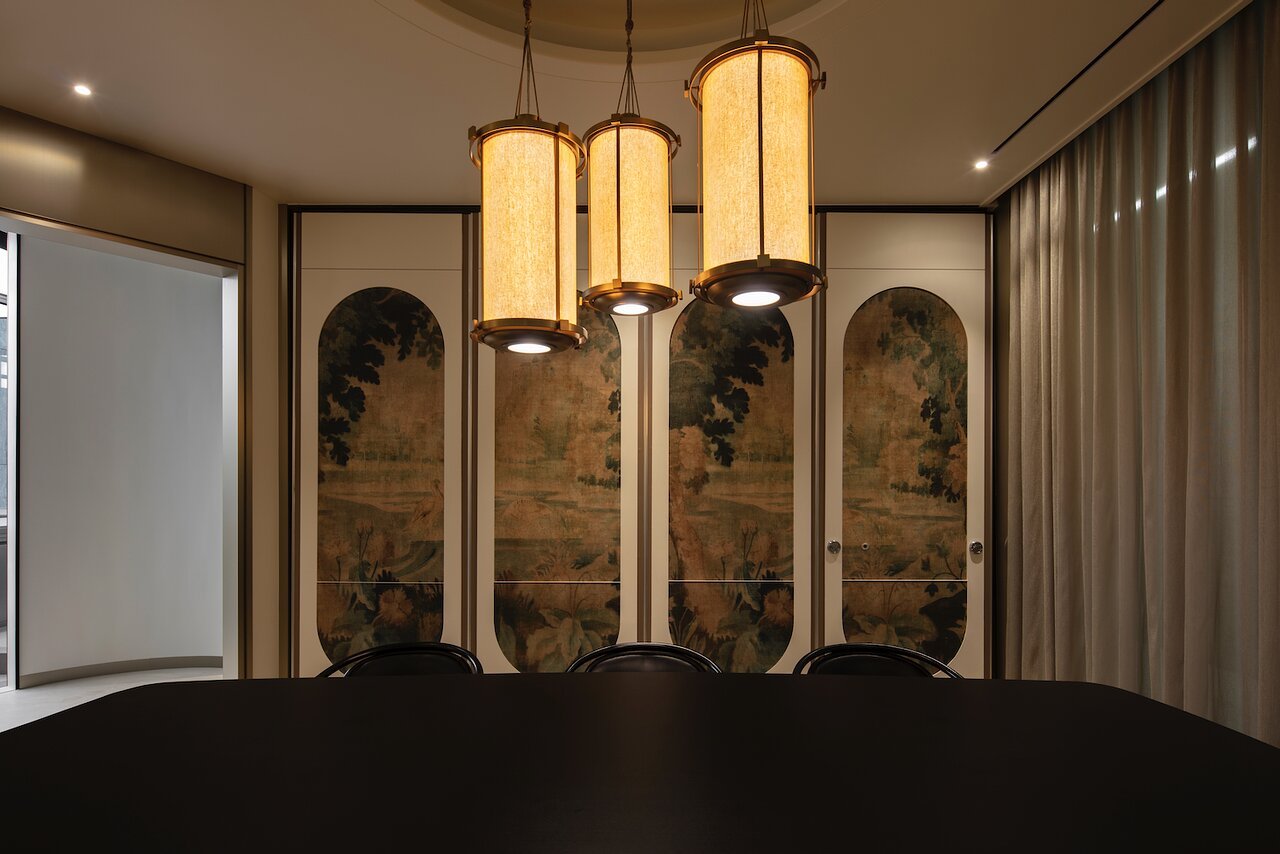
Soigné sits on the second floor of SINSA SQUARE in Sinsa-dong, Gangnam, one of Seoul's higher-density fine dining corridors. The refined position and separated entrance give the room a degree of remove from street level that matters in a neighbourhood where restaurant traffic can be dense. The spatial arrangement is worth considering before you book: this is a room designed for a particular pace and register, not a casual drop-in. If you are returning after a first visit, you already know how the room is calibrated — the intimacy is intentional, and the seating configuration supports the kind of focused, multi-course progression that the kitchen is building toward.
The concept is framed as a "Contemporary Cuisine of Seoul" , a phrase that could mean almost anything in this city, but at Soigné it translates to a menu architecture where Korean culinary technique is the structural logic, not the garnish. Chef Jun Lee's background spans global kitchens, and the result is a kitchen that can draw on that range without making the Korean reference feel like a theme or a shortcut. For a returning diner, that layering is where the interest compounds: subsequent visits tend to reveal decisions in the menu that read differently once you understand the reference points being worked with.
The Drinks Program
On the drinks side, the editorial angle here matters: at a restaurant operating at this price tier and with this level of award recognition, the beverage program is part of the full value calculation, not a secondary consideration. At a two-Michelin-star restaurant in Seoul at the ₩₩₩₩ price range, you should expect a drinks offering that can match the kitchen's ambition course by course. Whether the pairing format is led by wine, fermented Korean beverages, or a hybrid is venue-specific detail not available in our current data , if you are planning a return visit and the drinks pairing was a weak point on your first experience, that is worth raising directly with the restaurant when booking. Seoul's top-tier fine dining scene has seen increasing sophistication in fermented beverage programs, and venues at Soigné's standing have real incentive to keep pace. For a dedicated bar-led Seoul evening, our full Seoul bars guide covers the city's standalone cocktail programs separately.
Awards and Credibility
The trajectory is important context. Two Michelin stars held consecutively (2024 and 2025), a La Liste score that improved by four points year-on-year, and a Top 60 Asia's 50 Best ranking in 2025 together suggest a kitchen that is not coasting on early recognition. Google reviews sit at 4.5 across 435 ratings, which for a restaurant at this formality level is a meaningful floor: the experience is consistent enough that the high-end credentials translate to general diner satisfaction, not just critic approval. Comparable Seoul two-star venues like Mingles and Jungsik operate in the same award tier , your choice between them should come down to whether you want Korean-inflected innovation (Soigné, Mingles) or a more internationally framed contemporary menu (Jungsik).
Practical Booking Reality
Booking difficulty is rated near impossible. For returning diners, the most reliable strategy is to check release windows directly with the restaurant or use a local concierge service if you are staying in one of Seoul's major hotels , our full Seoul hotels guide covers properties with strong dining concierge capability. Walk-ins at this level are not a realistic strategy. If your dates are fixed, identify a backup in the same tier: Ryunique or Evett are worth having on standby. For the broader Seoul fine dining picture, see our full Seoul restaurants guide.
Beyond Seoul, if you are building a Korea-wide itinerary, Mori in Busan and Kwon Sook Soo in Gangnam-gu represent the same tier of seriousness in different contexts. For regional Korean dining at a different register entirely, Baegyangsa Temple in Jangseong-gun is a useful counterpoint to what Soigné is doing in Sinsa-dong. Internationally, Thevar in Singapore and MAZ in Tokyo share Soigné's approach of using a national culinary tradition as the technical backbone of an innovative fine dining format , both are worth considering if you are touring the region. For day experiences and other Seoul activities, our Seoul experiences guide and Seoul wineries guide cover the broader trip context.
For the Returning Diner
If you have been once and are deciding whether to return, the relevant question is whether you engaged fully with the menu logic on your first visit or whether circumstances , group dynamics, an early booking time, a shorter pairing , meant you saw a partial version of what Soigné does. A return visit with a longer window, the full pairing format, and a seat position you have already scouted will deliver a materially different experience. Venues like alla prima in Seoul offer a different format entirely if you want high-quality cooking with lower booking friction. But if the question is specifically whether Soigné merits a second visit, the award trajectory and the year-on-year improvement in La Liste scoring both point in the same direction: yes.
Frequently Asked Questions
What are alternatives to Soigné in Seoul?
Onjium is the closest peer for Korean culinary heritage framed through a tasting menu format, and draws a similar fine dining crowd. Solbam and 7th Door sit in the same Michelin-recognised tier and are worth considering if Soigné's booking window has closed. L'Amitié and Zero Complex offer distinct formats — both are credentialed but operate with different menu logic and atmospheres, so the right choice depends on whether you want a Korean-rooted or more globally inflected experience.
What should a first-timer know about Soigné?
Soigné's concept is "Contemporary Cuisine of Seoul" — Chef Jun Lee builds each menu around Korean culinary tradition and technique, framed as storytelling rather than a standard tasting progression. The restaurant is on the second floor of SINSA SQUARE in Sinsa-dong, Gangnam, an area with high fine dining density. Booking difficulty is rated near impossible, so treat this as a plan-ahead-by-months reservation, not a last-minute option. Arrive having read nothing about the menu; the sequencing is part of the point.
Is Soigné worth the price?
At ₩₩₩₩ with two consecutive Michelin stars (2024 and 2025), a #57 ranking on Asia's 50 Best Restaurants, and a La Liste score that rose four points year-on-year to 88 in 2026, Soigné sits in a tier where the credentials are verifiable and the trajectory is upward. For diners whose primary interest is Korean culinary identity expressed through a fine dining format, the price is justified. If you are primarily after spectacle or a high-end meal without engagement with the menu's logic, the price-to-experience ratio is less clear.
Is Soigné good for solo dining?
Soigné's tasting menu format means solo diners follow the same progression as any other table, so the experience is structurally well-suited to dining alone. The counter or smaller table configurations at tasting menu restaurants in this category typically work fine for one, though specific seating arrangements are not confirmed in available data. Solo bookings at this demand level can be slightly easier to secure than larger tables, which is a practical advantage given the near-impossible booking rating.
Can Soigné accommodate groups?
Groups are not explicitly supported or ruled out by available data, but at a two-Michelin-star tasting menu restaurant in this format, larger parties face real constraints — seating configurations at venues like this are rarely designed for groups above four to six. If you are planning for a larger group, check the venue's official channels about capacity before attempting to book. Parties of two have the most flexibility and the best chance of securing a reservation given how constrained availability is.
Location
South Korea, Seoul, Gangnam District, Sinsa-dong, SINSA SQUARE, 2F
Seoul, South Korea
Compare Soigné
| Venue | Cuisine | Price | Awards | Booking Difficulty | Value |
|---|---|---|---|---|---|
| Soigné | Innovative | ₩₩₩₩ | Soigné, a Michelin-starred fine dining restaurant in Seoul, offers a "Contemporary Cuisine of Seoul" concept. Chef Jun Lee blends Korean culinary techniques and traditions with his global experience to create a distinctive dining experience focused on storytelling through food. The restaurant aims to provide an unforgettable culinary journey by encapsulating the rich heritage of Korean cuisine.; La Liste Top Restaurants (2026): 88pts; Chef: Jun Lee document.addEventListener("DOMContentLoaded", function() { var el = document.getElementById("Achievements_chefs"); if (el && el.parentNode) { el.parentNode.removeChild(el); } });; La Liste Top Restaurants (2025): 84pts; World's 50 Best Asia's Best Restaurants #57 (2025); Michelin 2 Stars (2025); Michelin 2 Stars (2024) | Near Impossible | — |
| Solbam | Contemporary | ₩₩₩₩ | Michelin 1 Star, World's 50 Best | Unknown | — |
| Onjium | Korean | ₩₩₩₩ | Michelin 1 Star, World's 50 Best | Unknown | — |
| 7th Door | Korean, Contemporary | ₩₩₩₩ | Michelin 1 Star, World's 50 Best | Unknown | — |
| L'Amitié | French | ₩₩₩ | Michelin 1 Star | Unknown | — |
| Zero Complex | Korean-French, Innovative | ₩₩₩₩ | Michelin 1 Star | Unknown | — |
Key differences to consider before you reserve.
Also Consider
- Solbam — Contemporary, ₩₩₩₩
- Onjium — Korean, ₩₩₩₩
- 7th Door — Korean, Contemporary, ₩₩₩₩
- L'Amitié — French, ₩₩₩
- Zero Complex — Korean-French, Innovative, ₩₩₩₩
How Soigné Compares
Among Seoul's ₩₩₩₩ fine dining tier, Soigné and Onjium represent two distinct approaches to Korean culinary tradition at the highest level. Onjium is the more scholarly route — rooted in Joseon-era court cuisine with a format that prioritises historical fidelity. Soigné is the more contemporary play, where Korean technique is the foundation but the menu is built outward from global reference points. If the question is purely which delivers the more innovative dining experience, Soigné has the edge. If you want the deepest immersion in classical Korean culinary heritage, Onjium is the better call.
Solbam and 7th Door are both worth knowing as alternatives in the same price tier. Solbam operates in the contemporary Korean space with strong produce focus, and booking tends to be marginally more accessible than Soigné. 7th Door offers a theatrical, multi-room progression format that appeals to diners who want the experience architecture as part of the draw. Neither has Soigné's current award profile, but both are credible options if your Soigné booking falls through. Zero Complex brings a Korean-French hybrid approach at ₩₩₩₩ and is worth considering if you want a different flavour logic without dropping the price tier.
If budget flexibility matters, L'Amitié at ₩₩₩ is the most practical downgrade — French technique, lower price point, and easier to book. It will not replicate the Korean-rooted innovation that defines Soigné, but it delivers serious cooking at a lower entry cost. For diners who have already done Soigné and want to map the Seoul fine dining tier systematically, the sequence worth considering is Soigné for Korean-inflected innovation, Onjium for historical depth, and L'Amitié for French-technique contrast — three different answers to what serious cooking in Seoul looks like.


