
Restaurant in Tokyo, Japan
Shokuzen Abe
530ptsKyoto-soul kaiseki worth booking in Ginza.


About Shokuzen Abe
A 2024 Michelin one-star kaiseki counter in Ginza bringing the discipline of Kyoto temple cooking to Tokyo, with a clay-pot rice course served from first steam to scorched crust as its centrepiece. Book lunch as a lower-cost entry point; reserve dinner for a special occasion. Hard to book — reserve well in advance.
Verdict: Book Shokuzen Abe If Kyoto-Soul Kaiseki in Ginza Is What You Are After
If you have already eaten at one Michelin-starred kaiseki counter in Tokyo, Shokuzen Abe — sixth floor of the Miyako Building in Ginza — is exactly the kind of place worth returning for. The menu reads differently on a second visit, not because the dishes rotate dramatically, but because the cooking reveals more once you know what the kitchen is doing: translating the philosophy of Kyoto temple cuisine into a Ginza dining room, one clay pot of rice and one bowl of white miso at a time. First-timers, know this going in: the experience is quieter and more disciplined than many competitors at this price tier, and that is the point.
What Shokuzen Abe Is Doing
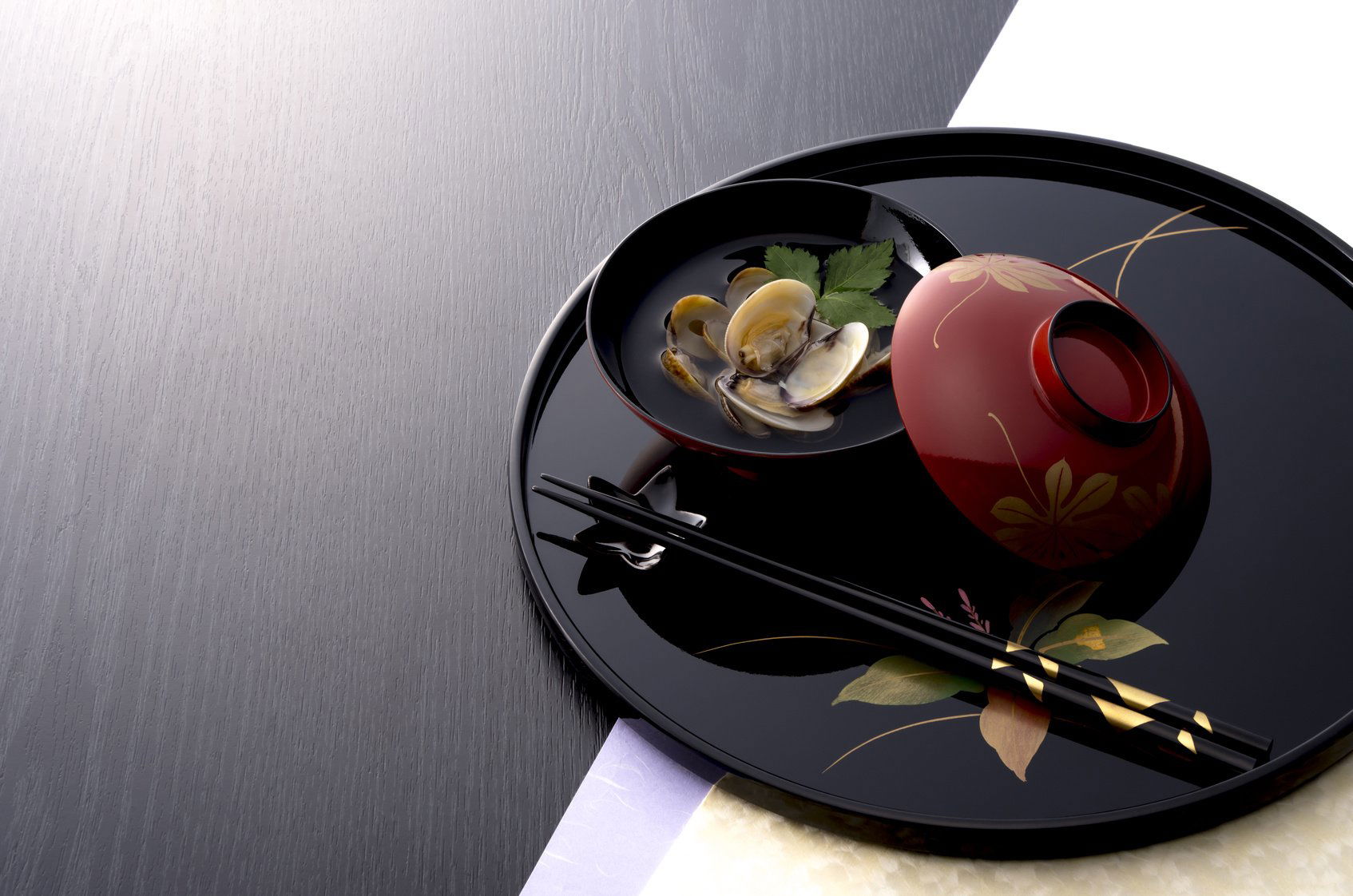
The kitchen draws from shojin ryori , the vegetarian Buddhist cooking tradition that underpins classical Kyoto cuisine , without being a vegetarian restaurant. White miso soup built on a kombu and vegetable dashi base is a structural element of the menu rather than an opening gesture. Kyoto vegetables appear in takiawase (simmered dishes). The rice, cooked in clay pots over a wood-fuelled stove, is served at different moments of doneness: from niebana (the first plume of steam) through to scorched crust. That single arc of a rice course demonstrates more technical ambition than many kitchens deploy across an entire menu. A charcoal brazier supplements the wood stove in the kitchen, which tells you the chef is not cutting corners on heat sources.
The 2024 Michelin one-star is the formal credential. Google reviews sit at 4.5 across 52 ratings, which is a meaningful signal at a counter with limited seats , fewer but more invested diners than a 200-cover restaurant. The chef's formative reference point was a Kyoto kitchen he admired from a distance; the cooking here is the result of years of working toward that standard. You can read about similar devotion to Kyoto-rooted craft at Gion Sasaki in Kyoto itself, or at Kagurazaka Ishikawa in Tokyo, where a comparable approach to classical Japanese cuisine has earned deeper star recognition.
Lunch vs. Dinner: Which Sitting to Book
This is the practical question that matters most at a venue like Shokuzen Abe. No pricing data is published for either service, but at Michelin-starred kaiseki counters in Ginza, lunch menus typically run at 40–60% of dinner prices while covering a compressed version of the same core cooking. If your priority is the rice course and the miso work , both of which are central to this kitchen's identity , a lunch sitting is likely to include them. Dinner will offer more courses and a fuller expression of the Kyoto vegetable sourcing, which makes it the stronger choice for a special occasion. For a first visit on a tighter budget, lunch is the lower-risk entry point. Return visits justify dinner, when you already understand what the kitchen is building toward.
For seasonal context: winter and early spring are when Kyoto vegetables are at their most varied in Tokyo kaiseki kitchens. If you are visiting between December and March, the takiawase component of the menu benefits from the fuller range of cold-weather produce. That makes this a particularly well-timed restaurant to prioritise if your trip falls in those months.
What to Expect as a First-Timer
The address is sixth floor of the Miyako Building, 5-6-10 Ginza, Chuo City. Walk-in dining is not realistic at a Michelin-starred counter of this type; reservation is the only practical route. The building entry is direct but the upper floors of Ginza dining buildings can be disorienting on a first visit , allow extra time if you are unfamiliar with the area. Ginza puts you in easy reach of Higashi-Ginza or Ginza stations. Ginza is a formal dining neighbourhood; dress to match the setting. The room's mood is composed and quiet , this is not a counter where the kitchen energy spills into the dining room. For comparable atmosphere in the neighbourhood, Ginza Fukuju offers a useful reference point.
Dietary restrictions require direct confirmation with the restaurant before booking, particularly given the shojin ryori roots of the menu. The kitchen works with vegetables and dashi bases that may include fish derivatives even in ostensibly vegetarian courses , kombu-only dashi is a detail worth clarifying in advance. No phone number or website is listed in Pearl's current data; reservation access appears to run through third-party booking platforms.
How It Compares
Pearl Picks: More to Explore
If Shokuzen Abe is fully booked or you want to plan a broader Tokyo dining itinerary, the venues below are worth your attention. For kaiseki in Ginza and nearby: Myojaku and Azabu Kadowaki. For a first-timer building a Tokyo restaurant list: Jingumae Higuchi offers a different register of Japanese cooking worth comparing. Outside Tokyo, Isshisoden Nakamura in Kyoto and Kashiwaya Osaka Senriyama represent the Kansai tradition that Shokuzen Abe is drawing from directly , useful context if this style of cooking resonates. Further afield: HAJIME in Osaka, akordu in Nara, Goh in Fukuoka, 1000 in Yokohama, and 6 in Okinawa round out a Japan-wide picture of where serious cooking is happening. Use our full Tokyo restaurants guide, our full Tokyo hotels guide, our full Tokyo bars guide, our full Tokyo wineries guide, and our full Tokyo experiences guide to build around your booking.
Know Before You Go
- Price range
- ¥¥¥ (Michelin one-star counter; lunch likely runs 40–60% of dinner pricing based on category norms)
- Cuisine
- Kaiseki with Kyoto shojin ryori influence; clay-pot rice, white miso, Kyoto vegetables
- Location
- Miyako Building 6F, 5-6-10 Ginza, Chuo City, Tokyo
- Awards
- Michelin 1 Star (2024)
- Google rating
- 4.5 / 5 (52 reviews)
- Booking difficulty
- Hard , reservation required; no walk-in realistic
- Leading for
- Special occasions, second visits, winter and spring seasonal menus
- Dress code
- Smart; Ginza is a formal dining neighbourhood , dress accordingly
- Dietary restrictions
- Confirm in advance; dashi bases may include fish derivatives
FAQ
- Is Shokuzen Abe good for a special occasion? Yes, with one qualification: the room is quiet and composed, not celebratory in the champagne-and-noise sense. If a refined, focused dinner that rewards attention is what you want for a birthday or anniversary, this is a strong choice. The Michelin one-star credential and the rice course alone justify a special-occasion visit. For a livelier setting at a comparable price tier, look elsewhere in Ginza.
- Is the tasting menu worth it at Shokuzen Abe? Based on the 2024 Michelin recognition and a 4.5 Google rating across 52 reviews, the quality-to-price ratio appears solid for the ¥¥¥ tier. The rice course , served from first steam through to scorched crust , is the kind of cooking that justifies the seat. If you want the fullest expression of the kitchen, book dinner. Lunch is worth it as an entry point if budget is a factor.
- Does Shokuzen Abe handle dietary restrictions? Contact the restaurant directly before booking. The menu draws on shojin ryori roots, but dashi stocks may include kombu and other marine ingredients even in vegetable-forward courses. No phone number or website is currently listed in Pearl's data, so use the booking platform you reserve through to communicate requirements in advance.
- What are alternatives to Shokuzen Abe in Tokyo? For kaiseki in a comparable neighbourhood, Ginza Fukuju and Kagurazaka Ishikawa are the most direct comparisons. For the full Kyoto-in-Tokyo experience at a higher price point, Myojaku and Azabu Kadowaki are worth considering. If you want to experience the source material directly, Gion Sasaki in Kyoto is the most obvious extension of this style of cooking.
- What should a first-timer know about Shokuzen Abe? The kitchen centres on Kyoto-rooted kaiseki: white miso soup on a kombu-vegetable dashi, Kyoto vegetables in simmered dishes, and a clay-pot rice course that changes character as it cooks. The room is quiet and the pacing is deliberate. Book in advance , this is not a walk-in venue. Arrive knowing the building (Miyako Building, 6F, Ginza 5-chome) and allow time to find the floor. Lunch is the lower-commitment entry; dinner gives you the full menu.
- What should I wear to Shokuzen Abe? Smart, conservative dress. Ginza sets one of the higher dress standards in Tokyo dining. There is no published dress code for Shokuzen Abe specifically, but at a Michelin-starred counter in this neighbourhood, jeans and trainers are likely to feel out of place. Business casual at minimum; smart casual is the safe call.
- Is Shokuzen Abe worth the price? At ¥¥¥ with a 2024 Michelin one-star, it sits in a tier where the cooking needs to justify a meaningful outlay without demanding the ¥¥¥¥ spend of venues like RyuGin. The rice course alone , served across multiple stages of doneness from the same clay pot , represents a level of craft that is difficult to find at this price. The 4.5 Google rating across 52 reviews supports the quality claim. Worth it, particularly at lunch where value is typically stronger.
- Can I eat at the bar at Shokuzen Abe? No bar seating details are available in Pearl's current data. At Michelin-starred kaiseki counters of this type, the counter itself is often the primary seating format rather than a separate bar. Contact the venue through your booking platform to confirm seating options before you arrive.
Compare Shokuzen Abe
| Venue | Price | Booking Difficulty | Value |
|---|---|---|---|
| Shokuzen Abe | ¥¥¥ | Hard | — |
| Harutaka | ¥¥¥¥ | Unknown | — |
| RyuGin | ¥¥¥¥ | Unknown | — |
| L'Effervescence | ¥¥¥¥ | Unknown | — |
| HOMMAGE | ¥¥¥¥ | Unknown | — |
| Florilège | ¥¥¥ | Unknown | — |
A quick look at how Shokuzen Abe measures up.
Frequently Asked Questions
Is Shokuzen Abe good for a special occasion?
Yes — it is one of the stronger special-occasion choices in Ginza at the ¥¥¥ price range. The format is a composed kaiseki menu with deliberate pacing, clay-pot rice served at the precise moment the chef judges it ready, and a kitchen philosophy rooted in Kyoto tradition. That level of intentionality reads clearly across a meal, which is exactly what a significant dinner needs. Book well in advance; Michelin-starred counters in Tokyo at this tier fill quickly.
Is the tasting menu worth it at Shokuzen Abe?
For anyone who values technique over spectacle, yes. The menu's anchor is rice cooked in clay pots and served across a spectrum from barely-cooked niebana to scorched, which is a genuinely rare focus at this price point. White miso soup built on vegetable and kombu dashi, and Kyoto vegetables in takiawase, give the meal structural coherence rather than variety for its own sake. If you want the broadest possible ingredient range in a single sitting, RyuGin offers a more ambitious spread — but Shokuzen Abe is the call if Kyoto-rooted discipline is the draw.
Does Shokuzen Abe handle dietary restrictions?
The kitchen's grounding in shojin ryori — the Buddhist vegetarian cooking tradition — means vegetable-forward cooking is central to the menu rather than an accommodation. That said, specific dietary requests should be communicated at the time of reservation; do not assume flexibility on the night. No public data confirms allergy protocols, so check the venue's official channels before booking.
What are alternatives to Shokuzen Abe in Tokyo?
For kaiseki in Ginza, Harutaka is the most direct comparison at a similar tier. RyuGin in Roppongi goes further in ingredient ambition and price. If you want French technique alongside Japanese produce, L'Effervescence and Florilège are both strong contenders. HOMMAGE is worth considering if you want a quieter, less-booked counter with serious cooking.
What should a first-timer know about Shokuzen Abe?
The venue is on the sixth floor of the Miyako Building at 5-6-10 Ginza, Chuo City — not street-level, so allow time to locate the building. Walk-in dining is not realistic at a Michelin-starred counter of this format; reserve in advance. The kitchen uses a charcoal brazier and wood-fuelled stove, so the meal has a different sensory register from modern open-kitchen counters. Come with time to eat properly — kaiseki pacing is not suited to a rushed evening.
What should I wear to Shokuzen Abe?
No dress code is published, but a Michelin 1-star kaiseki counter in Ginza carries implicit expectations. Neat, considered dress is appropriate — jacket optional for men but sensible given the neighbourhood and format. Avoid overly casual clothing; Ginza as a district sets a standard that most diners already match.
Is Shokuzen Abe worth the price?
At ¥¥¥ with a Michelin star, it sits in the mid-to-upper tier of Tokyo kaiseki pricing without reaching the top end occupied by venues like RyuGin. The value case rests on the specificity of the cooking: a defined Kyoto philosophy, rice as a centrepiece course rather than an afterthought, and shojin-rooted technique throughout. If that focus aligns with what you want from a kaiseki meal, the price is justified. If you want maximum ingredient prestige per course, spend the extra and book RyuGin.
Recognized By


More restaurants in Tokyo
- SazenkaSazenka is the address for Chinese cuisine in Tokyo at its most technically demanding. Chef Tomoya Kawada's wakon-kansai approach — Japanese seasonal ingredients applied through Chinese culinary technique — has earned consecutive Tabelog Gold Awards from 2019 to 2026, a #71 ranking on the World's 50 Best 2025, and 99 points from La Liste 2026. At JPY 50,000–59,999 per head, it is one of the hardest tables in the city to book and worth the effort.
- SézanneOccupying the seventh floor of the Four Seasons Hotel Tokyo at Marunouchi, Sézanne earned its first Michelin star within months of opening in July 2021 and now holds three. British chef Daniel Calvert applies French technique to Japanese ingredients, producing a prix-fixe format that Tabelog has recognised with Silver awards every year from 2023 through 2026. It ranked 4th in Asia's 50 Best Restaurants in 2025 and 15th globally in 2024.
- NarisawaNarisawa is Tokyo's most credentialled innovative tasting menu restaurant — two Michelin stars, Asia's 50 Best number 12, and a Tabelog Silver award — running at JPY 80,000–99,999 per head. Book for a milestone occasion, confirm vegetarian or vegan needs in advance, and reserve at least two to three months out. With 15 seats and reservation-only access, this is one of Tokyo's hardest tables to secure.
- FlorilègeFlorilège delivers two Michelin stars and an Asia's 50 Best #17 ranking at a dinner price of ¥22,000 — competitive for Tokyo at this level. Chef Hiroyasu Kawate's plant-forward tasting menus around an open-kitchen counter at Azabudai Hills make this the strongest choice for contemporary French dining in Tokyo if theatrical, produce-led cooking is what you want. Book well in advance; availability is near-impossible at short notice.
- QuintessenceQuintessence is Tokyo's most consistently decorated French restaurant: three Michelin stars held through 2025, a La Liste score of 96.5 points, and a Tabelog Gold run from 2017 to 2024. Dinner runs ¥60,000–¥79,999 all in with wine. Book the first seating (5 PM) well ahead — Near Impossible to secure — and come for classical French cooking executed with sustained precision in a secluded Gotenyama setting.
- MyojakuMyojaku is a 2-Michelin-star, 14-course French-leaning omakase in Nishiazabu holding a 4.47 Tabelog score, Tabelog Silver 2025–2026, and Asia's 50 Best #45 (2025). Chef Hidetoshi Nakamura's water-forward, no-dashi approach shifts meaningfully with the seasons — making timing your reservation as important as getting one. Budget JPY 50,000–59,999 per head plus 10% service charge; reservations only, near-impossible to secure.
Related editorial
- Asia's 50 Best Restaurants 2026: The Chairman and Wing Go 1-2 from the Same BuildingThe Chairman takes No. 1 and Wing climbs to No. 2 at Asia's 50 Best Restaurants 2026. Both operate from the same Hong Kong building. Here's what it means.
- Four Seasons Yachts Debut: 95 Suites, 11 Restaurants, and a March 2026 Maiden VoyageFour Seasons I launches March 20, 2026, with 95 suites, a one-to-one staff ratio, and 11 onboard restaurants. Worth tracking if you want hotel-grade service at sea.
- LA Michelin Guide 2026: Seven New Restaurants from Tlayudas to Uzbek DumplingsMichelin's March 2026 California Guide update adds six LA restaurants and one Montecito newcomer, spanning Oaxacan tlayudas, Uzbek manti, and Korean-Italian pasta.
Save or rate Shokuzen Abe on Pearl
Keep this venue in your Pearl passport, rate it after you visit, and track it alongside every other place you collect.