
Restaurant in Tokyo, Japan
Nogizaka yui
290ptsMichelin-recognised Sichuan without the wait.

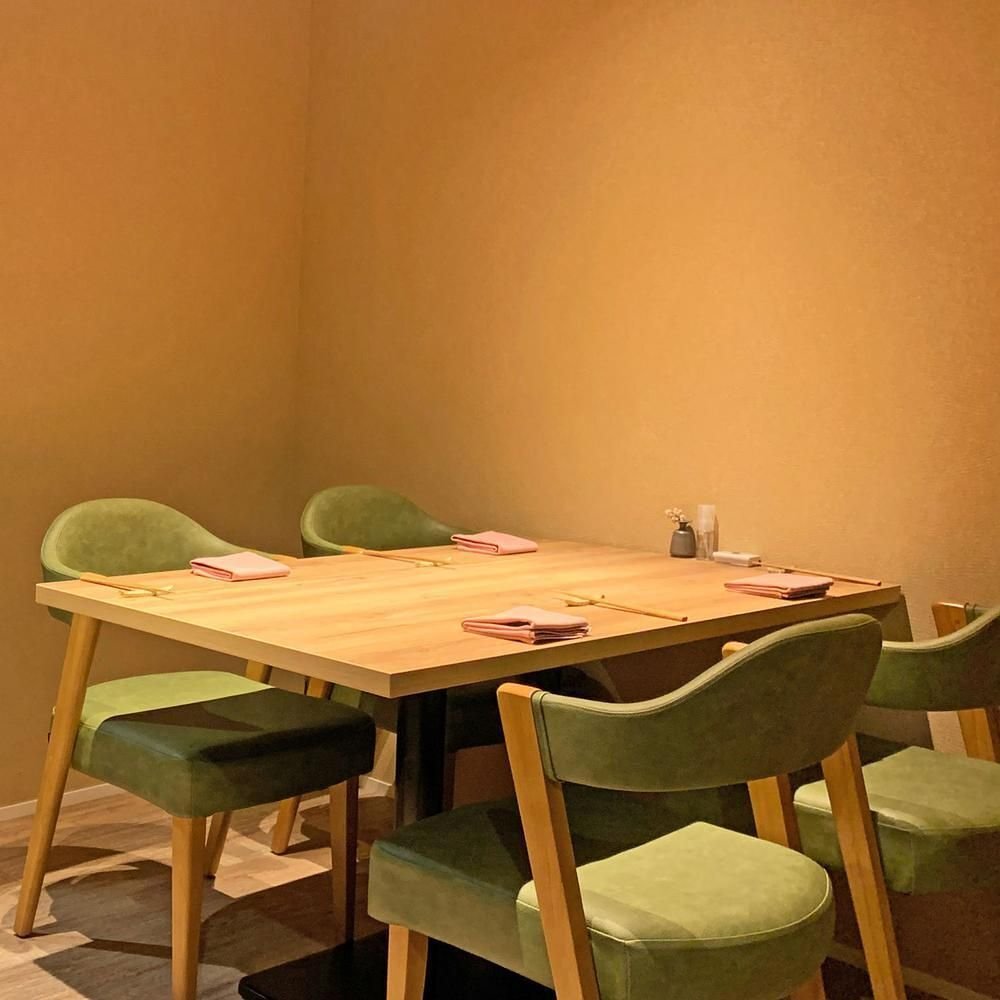
About Nogizaka yui
A Michelin Plate winner (2024, 2025) in Minami-Aoyama serving produce-led Sichuan cuisine at the ¥¥ price tier. Farm-direct vegetables and a seasonal menu that pivots meaningfully between spring and autumn make a return visit worth planning. Booking is easy by Tokyo standards, and the warm service is consistently noted across reviews.
A Michelin-recognised Sichuan table in Minami-Aoyama at a price point that removes the usual excuse not to book
At the ¥¥ price tier, Nogizaka yui is one of the more compelling arguments for Chinese cuisine in Tokyo's premium dining neighbourhood. Two consecutive Michelin Plates (2024 and 2025) confirm what a 4.7 Google rating across 56 reviews suggests: this is not a casual takeout counter dressed up for a postcode. It is a considered, produce-led Sichuan restaurant where the restraint in seasoning is deliberate, and the ingredients are the point. If you have eaten here once and want to know what to try next, the answer is to follow the season.
What You Are Actually Booking
The kitchen works from Sichuan tradition but bends it toward Japanese seasonal logic. Vegetables arrive directly from farms, and the menu shifts with the calendar: sour soup of bamboo shoots and beef appears in spring; soy-sauce stir fry of organic maitake mushrooms anchors the autumn menu. That framing matters for a repeat visit. If your first visit was in summer, the autumn menu is effectively a different restaurant. The Michelin recognition specifically calls out the direct farm relationships and the seasonal discipline, which means the produce sourcing is not a marketing claim — it is the structural foundation of how the menu is built.
The name carries intent. "Yui" translates as ties or connections, and the concept extends beyond the kitchen: the links between guests and food producers, between people at the table, and between the cooking and Japan's agricultural seasons. The proprietress's service style reflects that warmth, and multiple reviews flag the hospitality as a distinguishing quality at this price level. For a repeat visitor, that consistency of welcome is worth noting — it is not the kind of place where the front-of-house experience degrades once the initial novelty has passed.
Booking and Logistics
Nogizaka yui sits in Minami-Aoyama, one of Tokyo's most walkable and well-served neighbourhoods. The Michelin Plate designation keeps it visible without pushing it into the impossible-to-book category that plagues higher-tier spots. Booking difficulty is rated easy by Pearl standards, which at a Michelin-recognised address in Tokyo is genuinely useful information. You are not competing with international collectors here. Plan ahead by a week or two to be safe, but this is not a three-month wait situation. Hours and specific booking methods are not confirmed in Pearl's data, so check directly with the venue before planning around a specific time slot.
Know Before You Go
- Cuisine: Sichuan Chinese, produce-led with Japanese seasonal influence
- Price tier: ¥¥ , accessible for the neighbourhood and the Michelin recognition
- Awards: Michelin Plate 2024 and 2025
- Google rating: 4.7 from 56 reviews
- Location: Minami-Aoyama, Minato City, Tokyo
- Booking difficulty: Easy
- Dress code: Not confirmed , smart casual is a safe default for the neighbourhood
- Seat count: Not confirmed in Pearl data
How the Seasonal Menu Works for a Return Visit
The editorial angle here is worth spelling out for someone returning: Nogizaka yui is structured around seasonal produce in a way that makes a second visit meaningfully different from a first. The spring bamboo shoot soup and the autumn maitake stir fry are not the same dish with different garnishes , they are different arguments for Sichuan technique applied to Japanese agricultural seasons. If you want the leading single visit, go in autumn when the maitake supply is at its peak and the menu is likely to be most varied. If you are already a regular, building your visits around the seasonal pivot points is the most efficient way to experience the full range of what the kitchen does.
The seasoning philosophy , restrained, ingredient-forward , also means this is not the place to come for the numbing heat and bolder spice profiles of more classical Sichuan. The Sichuan traditions are the technique base, but the flavour register is calibrated for the produce to lead. That is a deliberate editorial choice by the kitchen, not a compromise. If you want more aggressive Sichuan spicing, Ippei Hanten or Chugoku Hanten Fureika sit in a different register. Nogizaka yui is the right call when the produce and the seasonal framing are the draw.
Pearl's Verdict
Book this if you are in Minami-Aoyama and want a Michelin-recognised meal that does not require a multi-month reservation or a four-figure bill. The ¥¥ pricing makes it one of the most accessible Plate-level addresses in central Tokyo. A return visit in a different season is the obvious move , the farm-direct sourcing and seasonal menu structure reward it. For Chinese cuisine in Tokyo at a comparable or higher tier, also consider Chugoku Hanten Kohakukyu (Amber Palace) or Koshikiryori Koki for a different cuisine register. For broader Tokyo dining context, see our full Tokyo restaurants guide.
Explore More in Japan and Beyond
If you are building a wider Japan itinerary, Pearl covers HAJIME in Osaka, Gion Sasaki in Kyoto, akordu in Nara, Goh in Fukuoka, 1000 in Yokohama, and 6 in Okinawa. For Chinese restaurants applying a similar produce-forward, cross-cultural approach in other cities, Restaurant Tim Raue in Berlin and Mister Jiu's in San Francisco are the closest international comparisons in terms of intent. For everything else in Tokyo, see our Tokyo hotels guide, our Tokyo bars guide, our Tokyo wineries guide, and our Tokyo experiences guide.
Frequently Asked Questions
- Can I eat at the bar at Nogizaka yui? Bar seating specifics are not confirmed in Pearl's data. Given the small-restaurant format typical of this neighbourhood and price tier, counter or bar seating is plausible but not guaranteed. Contact the venue directly before planning a solo visit around counter dining.
- What are alternatives to Nogizaka yui in Tokyo? For Chinese cuisine in Tokyo at a similar or higher price tier, Chugoku Hanten Fureika, Chugoku Hanten Kohakukyu, and Ippei Hanten are the natural comparisons. For a completely different cuisine direction in the same city, itsuka is worth considering. Nogizaka yui's edge over most alternatives at this price is its farm-direct produce sourcing and Michelin recognition.
- What should a first-timer know about Nogizaka yui? The kitchen runs on seasonal produce with Sichuan technique. Expect restrained seasoning , this is not a high-heat, numbing-spice Sichuan experience. The service is warm and considered. The ¥¥ pricing makes it accessible, and booking is relatively easy for a Michelin-recognised address in central Tokyo.
- What should I order at Nogizaka yui? Specific current menu items are not confirmed in Pearl's data, but the Michelin listing highlights the seasonal dishes: the sour soup of bamboo shoots and beef in spring and the soy-sauce stir fry of organic maitake mushrooms in autumn. Timing your visit to align with a seasonal pivot will give you the most representative experience of what the kitchen does.
- Is Nogizaka yui good for a special occasion? At the ¥¥ price tier with two Michelin Plates and a 4.7 Google rating, it is a credible and affordable special occasion choice , particularly for a smaller group or a dinner for two where the warmth of the service and the seasonal produce focus are the draw. If the occasion demands a more formal setting or higher production value, consider stepping up to a higher-tier address. For Chinese cuisine specifically in Tokyo, it is one of the more considered options at this price point.
Compare Nogizaka yui
| Venue | Price | Booking Difficulty | Value |
|---|---|---|---|
| Nogizaka yui | ¥¥ | Easy | — |
| Harutaka | ¥¥¥¥ | Unknown | — |
| RyuGin | ¥¥¥¥ | Unknown | — |
| L'Effervescence | ¥¥¥¥ | Unknown | — |
| HOMMAGE | ¥¥¥¥ | Unknown | — |
| Florilège | ¥¥¥ | Unknown | — |
What to weigh when choosing between Nogizaka yui and alternatives.
Frequently Asked Questions
Can I eat at the bar at Nogizaka yui?
The venue's seating configuration is not documented in available detail, so confirming bar seating specifically is not possible here. What is known: Nogizaka yui is a small, intimate space in Minami-Aoyama with a proprietress-led service style that leans personal rather than counter-casual. check the venue's official channels to confirm seating options before visiting.
What are alternatives to Nogizaka yui in Tokyo?
For a higher-stakes Japanese tasting experience in the same city, Harutaka (counter omakase) or RyuGin (kaiseki, considerably pricier) are the go-to comparisons, but neither delivers Sichuan-rooted cooking. If you want French-influenced precision at a similar or higher price tier, L'Effervescence or Florilège are strong alternatives in the western Tokyo dining corridor. Nogizaka yui's specific position — Michelin-recognised Chinese at ¥¥ in Minami-Aoyama — has few direct competitors.
What should a first-timer know about Nogizaka yui?
The kitchen works from Sichuan tradition but applies Japanese seasonal logic: vegetables come directly from farms, and the menu shifts with the season. Seasoning is deliberately restrained, so if you are arriving expecting bold, chilli-forward Sichuan heat, calibrate expectations. The Michelin Plate designation (2024 and 2025) signals consistent quality without the star-level price or booking difficulty — that is the core value case here.
What should I order at Nogizaka yui?
Specific menu items can change without current sourcing, but the restaurant's own philosophy points toward the seasonal specials: sour soup of bamboo shoots and beef in spring, and soy-sauce stir fry of organic maitake mushrooms in autumn, both cited as expressions of the farm-direct, ingredient-led approach. Ask the proprietress what is seasonal on the day — the service style is warm and personal, and that conversation is part of the experience. Check the venue's official channels for the latest details.
Is Nogizaka yui good for a special occasion?
Yes, particularly for a low-key special occasion where the priority is food quality over spectacle. The ¥¥ price point and Michelin Plate recognition make it a credible choice without requiring a multi-month reservation lead time. The proprietress-led service and the restaurant's stated ethos around connection and hospitality suit a celebratory dinner for two more than a large group event.
Recognized By

More restaurants in Tokyo
- SézanneOccupying the seventh floor of the Four Seasons Hotel Tokyo at Marunouchi, Sézanne earned its first Michelin star within months of opening in July 2021 and now holds three. British chef Daniel Calvert applies French technique to Japanese ingredients, producing a prix-fixe format that Tabelog has recognised with Silver awards every year from 2023 through 2026. It ranked 4th in Asia's 50 Best Restaurants in 2025 and 15th globally in 2024.
- SazenkaSazenka is the address for Chinese cuisine in Tokyo at its most technically demanding. Chef Tomoya Kawada's wakon-kansai approach — Japanese seasonal ingredients applied through Chinese culinary technique — has earned consecutive Tabelog Gold Awards from 2019 to 2026, a #71 ranking on the World's 50 Best 2025, and 99 points from La Liste 2026. At JPY 50,000–59,999 per head, it is one of the hardest tables in the city to book and worth the effort.
- NarisawaNarisawa is Tokyo's most credentialled innovative tasting menu restaurant — two Michelin stars, Asia's 50 Best number 12, and a Tabelog Silver award — running at JPY 80,000–99,999 per head. Book for a milestone occasion, confirm vegetarian or vegan needs in advance, and reserve at least two to three months out. With 15 seats and reservation-only access, this is one of Tokyo's hardest tables to secure.
- FlorilègeFlorilège delivers two Michelin stars and an Asia's 50 Best #17 ranking at a dinner price of ¥22,000 — competitive for Tokyo at this level. Chef Hiroyasu Kawate's plant-forward tasting menus around an open-kitchen counter at Azabudai Hills make this the strongest choice for contemporary French dining in Tokyo if theatrical, produce-led cooking is what you want. Book well in advance; availability is near-impossible at short notice.
- DenDen holds two Michelin stars, a World's 50 Best top-25 Asia ranking, and a Tabelog Silver Award running back to 2017 — and it books out within hours of the two-month reservation window opening. Chef Zaiyu Hasegawa's daily-changing seasonal omakase runs JPY 30,000–39,999 at dinner in a relaxed house-restaurant setting near Gaiemmae. Book by phone only, noon–5 PM JST. Lunch is irregular; plan around dinner.
- MyojakuMyojaku is a 2-Michelin-star, 14-course French-leaning omakase in Nishiazabu holding a 4.47 Tabelog score, Tabelog Silver 2025–2026, and Asia's 50 Best #45 (2025). Chef Hidetoshi Nakamura's water-forward, no-dashi approach shifts meaningfully with the seasons — making timing your reservation as important as getting one. Budget JPY 50,000–59,999 per head plus 10% service charge; reservations only, near-impossible to secure.
Similar venues by awards
Related editorial
- Best Fine Dining Restaurants in ParisFrom three-Michelin-star icons to the next generation of Parisian chefs pushing boundaries, these are the restaurants that define fine dining in the world's culinary capital.
- Best Luxury Hotels in RomeFrom rooftop terraces overlooking ancient ruins to Michelin-starred hotel dining, these are the luxury hotels that make Rome unforgettable.
- Best Cocktail Bars in KyotoFrom sleek lounges to hidden speakeasies, Kyoto's cocktail scene blends Japanese precision with global influence in ways you won't find anywhere else.
Save or rate Nogizaka yui on Pearl
Keep this venue in your Pearl passport, rate it after you visit, and track it alongside every other place you collect.