
Restaurant in Kyoto, Japan
Kombu to Men Kiichi
275ptsKelp-forward ramen, Bib Gourmand, low cost.

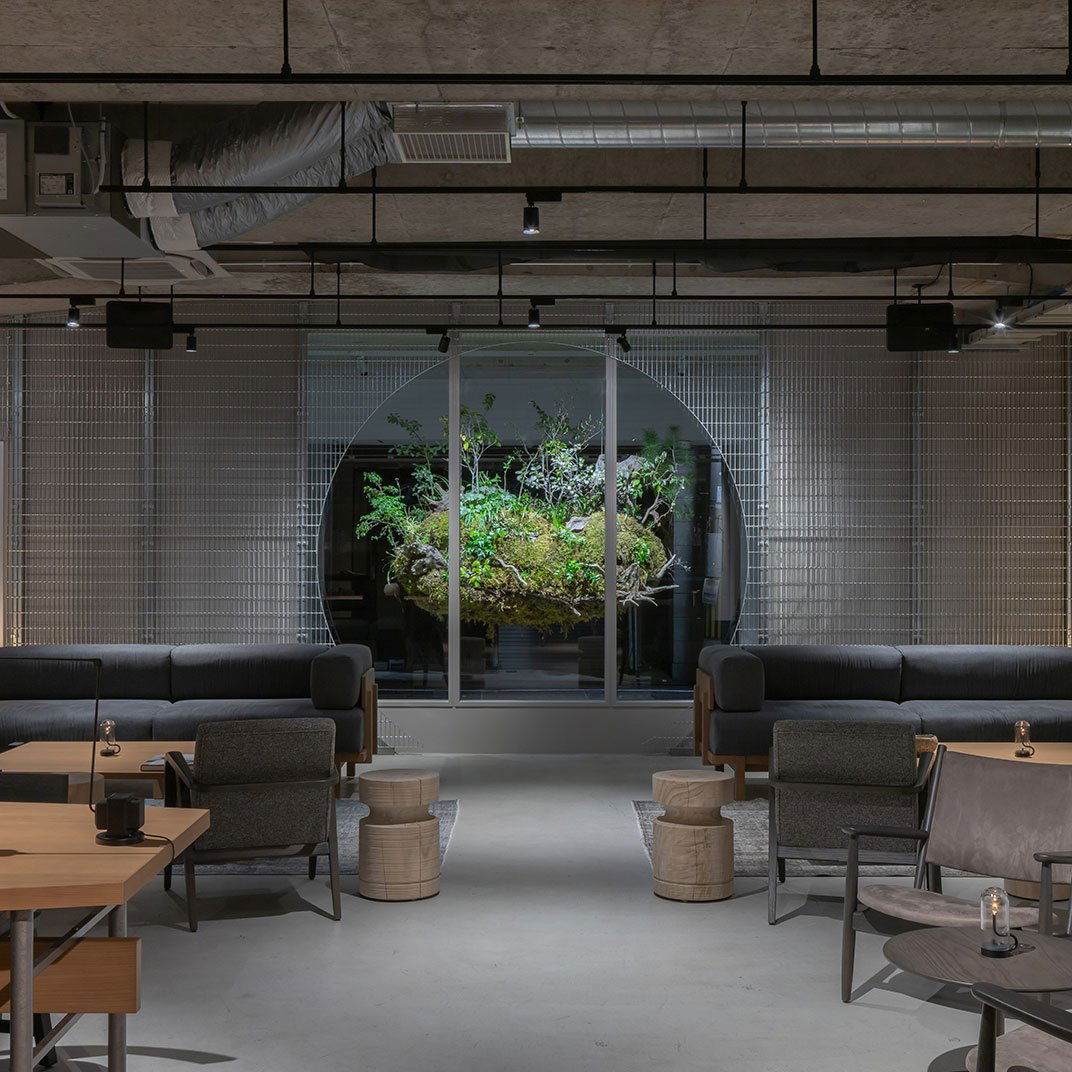
About Kombu to Men Kiichi
A Nishijin kelp shop turned Michelin Bib Gourmand ramen counter, Kombu to Men Kiichi makes a technically serious argument for kombu dashi as a complete broth — no tare, no shortcuts. At ¥ prices with easy booking, it is one of the most accessible and conceptually distinctive ramen meals in Kyoto. Go for the Kombu Ramen and take the ingredient introduction seriously.
A Kyoto Ramen Worth Planning Around
Picture this: before your bowl arrives, a staff member sets down small samples of dried kombu sheets and a cup of pale, golden water. You are being asked to taste the ingredient before you eat the dish built around it. It is an unusual opening for a ramen meal, and it tells you exactly what kind of place Kombu to Men Kiichi is. This is not a ramen shop that treats its broth as background. The soup is the argument, and the kombu is the point.
The verdict: if you are in Kyoto and curious about what ramen looks like when it is approached with the discipline of a specialist ingredient shop rather than a noodle chain, book here. The price is low (¥ tier), the Michelin Bib Gourmand recognition in 2025 gives you an objective quality anchor, and the concept is specific enough to be genuinely different from most bowls you will eat in Japan.
What Makes This Kitchen Different
Kombu to Men Kiichi was opened by a kelp shop with an established customer base in Nishijin, the historic weaving district of Kyoto's Kamigyo Ward. That origin matters practically: the kitchen has direct, long-standing access to high-quality kombu, and the restaurant's identity is built around demonstrating what that ingredient can do. This is not a case of a ramen chef adding kombu as one element among many. The entire bowl is designed to prove a single thesis: that kombu dashi, extracted carefully from premium kelp, carries enough umami on its own to anchor a serious bowl of ramen.
The Kombu Ramen uses no sauce in the soup. In most ramen, a tare (a concentrated seasoning sauce) is added to the broth at the last moment to sharpen and deepen the flavour. Removing it entirely is a deliberate technical choice. Without tare, there is nowhere to hide. The broth has to carry the full weight of flavour through extraction alone. The three kombu varieties referenced in the dining experience, Rishiri, Rausu, and makombu, each bring different flavour profiles: Rishiri is clean and delicate; Rausu is richer and more intense; makombu sits in between. The fact that guests are walked through these distinctions before eating means you arrive at the bowl with calibrated expectations, which is unusual for a ¥-tier ramen shop and more consistent with the educational framing you might find at a high-end kaiseki meal.
For a first-timer, this structure can feel unfamiliar. Lean into the introduction rather than rushing past it. The tasting of kombu water is not a performance: it is context that makes the bowl taste different once you understand what you are drinking. If you have eaten shio ramen before, you will recognise the clean, light-coloured broth style, but Kiichi's version will likely read as quieter and more sustained in its finish than most examples of that style.
Practical Considerations
Kombu to Men Kiichi sits at 74-2 Nishiitsutsuji Higashimachi in Kamigyo Ward, placing it in Nishijin rather than the more touristed corridors around Gion or Arashiyama. That is a useful filter: this is a neighbourhood restaurant that happens to hold a Bib Gourmand, not a destination that markets itself to foreign visitors. Getting there requires a short transit ride or walk from central Kyoto, but the area is worth orienting around if you are visiting Nishijin textile workshops or the Kitano Tenmangu shrine nearby.
Google reviewers rate it at 4.2 from 91 reviews, which is a relatively small sample for a Michelin-recognised venue. That number suggests it has not yet been overwhelmed by international foot traffic, which is a practical advantage: booking difficulty is currently assessed as easy, meaning you are unlikely to face the weeks-in-advance reservation windows that affect more famous Kyoto restaurants.
No website or phone number is publicly listed in our data. The most reliable approach is to show up during service hours, or to use a hotel concierge who can confirm current opening times directly. Because no hours data is available, plan a visit with some flexibility rather than building it as the fixed anchor of a tight itinerary.
Where Kiichi Fits in Your Kyoto Eating Plan
Kyoto's ramen options range widely in style and approach. Menya Inoichi is another Kyoto ramen stop worth comparing: where Kiichi leans into the purity of kombu dashi, other shops in the city's ramen scene pursue rich chicken or pork-forward broths. Mendokoro Janomeya and Muginoyoake represent different registers of the local noodle tradition and are worth knowing if your appetite runs to more than one ramen meal in the city. Chinese Noodles ROKU and KOBUSHI Ramen extend the options further if you want to map the breadth of Kyoto's noodle landscape before deciding.
If you are also planning meals in other Japanese cities, the same kind of ingredient-forward discipline appears in very different price registers: HAJIME in Osaka, Harutaka in Tokyo, and Goh in Fukuoka are examples of Japanese kitchens where a single ingredient or technique organises the entire experience. Kiichi operates at a fraction of their price point, but the conceptual rigour is comparable. For ramen specifically, Afuri in Tokyo and its overseas outpost Afuri Ramen in Portland show how yuzu-forward shio ramen has been exported globally; Kiichi's kombu-only approach is considerably more austere and more locally rooted.
For broader Kyoto planning, see our full Kyoto restaurants guide, our full Kyoto hotels guide, our full Kyoto bars guide, our full Kyoto wineries guide, and our full Kyoto experiences guide. If you are also considering Nara, akordu in Nara is a strong nearby option for a very different style of meal. 1000 in Yokohama and 6 in Okinawa round out a broader picture of where Japan's most interesting smaller restaurants are operating right now.
Know Before You Go
- Price tier: ¥ (budget-friendly; among the most accessible Michelin-recognised meals in Kyoto)
- Award: Michelin Bib Gourmand 2025
- Google rating: 4.2 from 91 reviews
- Address: 74-2 Nishiitsutsuji Higashimachi, Kamigyo Ward, Kyoto 602-8478
- Neighbourhood: Nishijin — northwest Kyoto, less touristed than Gion or Higashiyama
- Booking difficulty: Easy — no weeks-in-advance window required based on current demand
- Booking method: No website or phone listed; walk-in or concierge confirmation recommended
- Hours: Not confirmed in our data , verify before visiting
- Leading for: Solo diners, pairs, anyone interested in dashi technique or Japanese ingredient culture
- Less suited to: Large groups; diners who prefer rich, heavy tonkotsu or shoyu-forward broth styles
FAQ
What should I order at Kombu to Men Kiichi?
- Order the Kombu Ramen. It is the core dish and the reason the restaurant exists. The no-tare broth is the technical showpiece, and skipping it in favour of a more conventional option would miss the point of the visit entirely.
What are alternatives to Kombu to Men Kiichi in Kyoto?
- Menya Inoichi is the closest peer in terms of Kyoto's more refined ramen tradition. Mendokoro Janomeya and Muginoyoake cover different styles at similar price points. If you want to step outside ramen entirely, Kyoto's kaiseki options like Gion Sasaki or Ifuki are in a completely different price register (¥¥¥¥) but represent the city's most technically accomplished cooking.
Is Kombu to Men Kiichi worth the price?
- Yes, without qualification. The ¥ price tier makes this one of the most affordable Michelin Bib Gourmand meals in Japan. You are paying ramen-shop prices for a bowl with genuine technical intent and an educational framing you rarely encounter at this price point. The value case is direct.
Can I eat at the bar at Kombu to Men Kiichi?
- Seating configuration is not confirmed in our data. Most small Kyoto ramen shops of this size do have counter seating, which works well for solo diners, but we cannot confirm the layout here. Arrive prepared for either counter or table seating.
Can Kombu to Men Kiichi accommodate groups?
- No group booking data is available, and no phone or website is listed to confirm. Given the neighbourhood restaurant scale typical of Michelin Bib Gourmand ramen shops, large groups (6+) should approach with caution. Pairs and small groups of 3 to 4 are more likely to be accommodated without difficulty.
Is the tasting menu worth it at Kombu to Men Kiichi?
- No tasting menu structure is listed in our data. This is a ramen shop, not a multi-course format restaurant. The kombu introduction and sampling that precedes the bowl is part of the standard experience, not a premium add-on. Expect one main bowl rather than a sequence of courses.
Is Kombu to Men Kiichi good for solo dining?
- Yes. Ramen shops in Japan are consistently well-suited to solo dining, and the counter format common to the category means a solo visit is a normal and comfortable way to eat here. The educational element of the kombu introduction also lands well when you can give it your full attention without managing a larger group.
Does Kombu to Men Kiichi handle dietary restrictions?
- No dietary information is available in our data, and there is no website or phone number listed to confirm in advance. The broth is built entirely on kombu dashi, which makes it notable for avoiding animal-based stocks, but we cannot confirm whether the noodles, toppings, or other elements are free of allergens or animal products. If dietary restrictions are a concern, visit with flexibility or arrange confirmation through a hotel concierge.
Compare Kombu to Men Kiichi
| Venue | Price | Booking Difficulty | Value |
|---|---|---|---|
| Kombu to Men Kiichi | ¥ | Easy | — |
| Gion Sasaki | ¥¥¥¥ | Unknown | — |
| cenci | ¥¥¥ | Unknown | — |
| Ifuki | ¥¥¥¥ | Unknown | — |
| Kyokaiseki Kichisen | ¥¥¥¥ | Unknown | — |
| Kyo Seika | ¥¥¥ | Unknown | — |
Key differences to consider before you reserve.
Frequently Asked Questions
What should I order at Kombu to Men Kiichi?
Order the Kombu Ramen — it is the reason to come. The soup is built entirely from kombu dashi with no added sauce, which makes it unlike most ramen you will find elsewhere in Japan. The meal includes a pre-bowl introduction to different kombu varieties (Rishiri, Rausu, makombu) and samples of kombu water, so arrive hungry and curious rather than in a rush.
What are alternatives to Kombu to Men Kiichi in Kyoto?
Menya Inoichi is the most direct comparison: it also pursues a refined, dashi-led approach to ramen in Kyoto. If you want a broader Kyoto dining detour in Kamigyo Ward, Kiichi is the practical choice at ¥ pricing. For a completely different format — kaiseki rather than ramen — Kyokaiseki Kichisen or Gion Sasaki operate at the opposite end of the price and formality spectrum.
Is Kombu to Men Kiichi worth the price?
Yes, clearly. At ¥ pricing and with a 2025 Michelin Bib Gourmand, this is one of the lower-risk eating decisions in Kyoto. The Bib Gourmand designation specifically recognises good food at a moderate price, so you are getting a validated kitchen without a fine-dining spend. If you are weighing whether to make the trip to Nishijin rather than eating closer to Gion, the detour pays off.
Can I eat at the bar at Kombu to Men Kiichi?
Seating configuration is not confirmed in available venue data. Given the format — a small, neighbourhood ramen shop in Nishijin opened by a kelp retailer — counter seating is plausible, but verifying before you go is advisable. Arriving early or off-peak is the safer approach for solo diners who want flexibility.
Can Kombu to Men Kiichi accommodate groups?
This is a neighbourhood ramen shop, not a large-format restaurant, so group bookings should be approached cautiously. Parties of more than three or four may find the format tight. For a Kyoto group meal with more space and flexibility, a kaiseki venue such as Ifuki or cenci would handle larger parties more comfortably.
Is the tasting menu worth it at Kombu to Men Kiichi?
Kombu to Men Kiichi is a ramen shop, not a tasting-menu restaurant. The structured element here is the kombu introduction before your bowl — samples of different dried kelp varieties and kombu water — which functions as an educational prelude rather than a multi-course format. If a tasting-menu format is what you are after in Kyoto, cenci or Gion Sasaki are better fits.
Is Kombu to Men Kiichi good for solo dining?
Yes, this is a strong solo dining option. A single bowl of kombu ramen at ¥ pricing, with the pre-meal kombu tasting as a structured experience, is well-suited to eating alone without the awkwardness of a long multi-course format. The Nishijin neighbourhood also rewards solo exploration before or after the meal.
Recognized By

More restaurants in Kyoto
- OgataOgata is a 16-seat kaiseki counter in Shimogyo, Kyoto, holding two Michelin stars and ten years of Tabelog Gold recognition. Dinner runs JPY 60,000–79,999 before drinks and a 10% service charge. Booking is near impossible without months of advance planning, but for serious kaiseki at the counter, it earns its place on any shortlist.
- MizaiMizai holds three Michelin stars and a sustained Tabelog track record across nearly a decade, with dinner running to ¥80,000–¥99,999 per person all-in. Chef Hitoshi Ishihara structures the meal around the spirit of the tea ceremony in a 15-seat room inside Maruyama Park. Book for a serious special occasion; reservations are near-impossible to secure without months of advance planning.
Related editorial
- Best Fine Dining Restaurants in ParisFrom three-Michelin-star icons to the next generation of Parisian chefs pushing boundaries, these are the restaurants that define fine dining in the world's culinary capital.
- Best Luxury Hotels in RomeFrom rooftop terraces overlooking ancient ruins to Michelin-starred hotel dining, these are the luxury hotels that make Rome unforgettable.
- Best Cocktail Bars in KyotoFrom sleek lounges to hidden speakeasies, Kyoto's cocktail scene blends Japanese precision with global influence in ways you won't find anywhere else.
Save or rate Kombu to Men Kiichi on Pearl
Keep this venue in your Pearl passport, rate it after you visit, and track it alongside every other place you collect.