
Restaurant in Osaka, Japan
Kitashinchi Fukutatei
630ptsSerious wagyu, small room, book early.


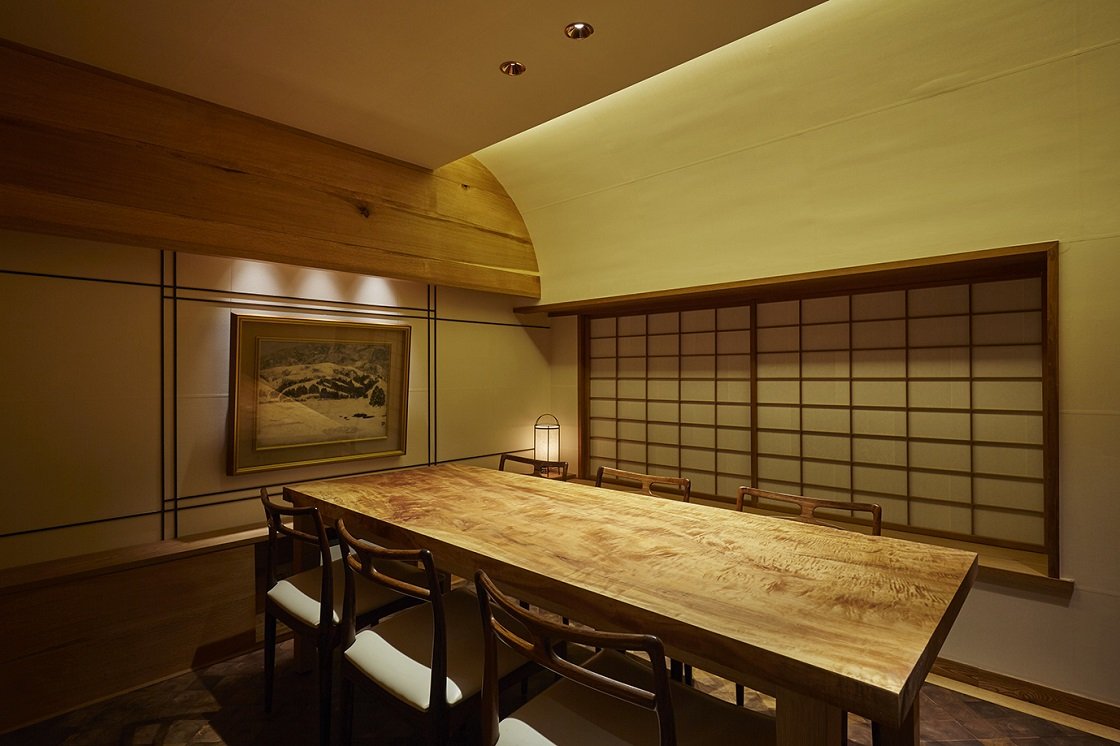
About Kitashinchi Fukutatei
Kitashinchi Fukutatei is the right book for a focused wagyu evening in Osaka. Japanese Black heifer only, grilled over binchotan charcoal with far-infrared heat, with a structured cut comparison across tenderloin, rump, and aitchbone. Michelin Plate (2025), OAD-ranked, and priced at ¥¥¥: a deliberate, technically precise meal for diners who want the beef to do the talking.
The Verdict
If you are returning to Osaka after a first visit, or you already know your way around wagyu, Kitashinchi Fukutatei is the restaurant to book for a serious beef evening. This is a focused, single-subject experience: Japanese Black wagyu heifer, grilled over binchotan charcoal with far-infrared heat, seasoned with nothing but salt and pepper. Held by Michelin with a Plate recognition in both 2024 and 2025, and ranked #510 on the Opinionated About Dining Leading Restaurants in Japan list for 2025, it occupies a specific, deliberate position in Osaka's dining scene. It is not trying to be everything to everyone. If you know you want wagyu done with quiet technical precision rather than theatrical flair, book it.
Who Should Book, and When
Kitashinchi Fukutatei is the right choice for a couple celebrating something, a small group of food-focused travellers, or a returning visitor who already did kaiseki on the last trip and wants something different this time. The format suits two to four people who want to eat slowly and pay attention. It is in Kitashinchi, Osaka's traditional entertainment and dining district in Kita Ward, which makes it a natural fit for a proper night out in the city's more refined northern quarter. If you are travelling specifically for the beef, plan around this restaurant, not around it fitting your itinerary. Book it first, then fill in the rest of the evening.
The Food: What the Data Tells You
The kitchen's approach is documented clearly: binchotan charcoal stoked in a furnace combined with far-infrared photothermal heat, applied to Japanese Black wagyu sourced from heifer only. The format is comparative tasting — tenderloin, rump, and aitchbone are presented so you can eat across cuts and understand the differences in texture and fat distribution. Seasoning is salt and pepper, deliberately limited so the natural qualities of the meat remain the focus. While the beef grills, the meal moves through wagyu consommé soup and appetisers, pacing the experience rather than rushing you to the main event. This is not a restaurant that experiments with the beef: it presents it as close to its intrinsic quality as possible, and leaves the theatre to other places. For a returning diner, the instruction is to pay attention to the cut comparison — that contrast between tenderloin and aitchbone is where the technical point of the restaurant becomes clearest.
The Chef
Hiroshi Ukai leads the kitchen. His training included time under the late Gualtiero Marchesi in Italy, a background that informs his precision and restraint without visibly Europeanising the cooking. At Fukutatei, the approach is Japanese in discipline and simplicity. The Italian training shows more in what he does not do than in what ends up on the plate. He is present during service and engages with diners in a low-key, informative way rather than performing for the room.
Drinks and the Wine Question
The assigned editorial angle here is wine program depth, and the honest answer is that the venue record does not specify what the wine list looks like. What the food format demands is worth stating clearly: heifer wagyu grilled over binchotan, seasoned only with salt and pepper, is among the most wine-friendly food you will eat in Japan. The fat structure in Japanese Black wagyu has a low melting point and a clean, delicate flavour register, which means you do not need a heavy, tannic red to match it. A lighter Burgundy, a mid-weight Côte de Nuits, or a structured white Burgundy can all work. Japanese whisky and sake are also natural fits with the cuisine context. Ask what the kitchen recommends pairing with the cut order you have chosen , that question will tell you immediately how seriously they take the drinks side of the meal. Given the precision applied to the beef, it would be consistent to expect a considered, if compact, list.
Google Rating
Kitashinchi Fukutatei holds a 4.3 out of 5 from 124 Google reviews. At the price tier and with the Michelin Plate recognition, that is a solid baseline. The review count is modest, which reflects the intimate, low-volume nature of the restaurant rather than any lack of credibility. A small seat count and a focused format means fewer covers per service, and fewer covers produce fewer reviews. The Michelin Plate and OAD ranking carry more weight here than the volume of Google responses.
Booking
Booking difficulty is rated Easy for this venue. That does not mean walk-ins are reliable at a small basement restaurant in Kitashinchi, but it does mean you are not fighting a three-month queue. Booking two to three weeks ahead should be sufficient for most dates. For weekend evenings or if you are working around a fixed travel itinerary, book as soon as your dates are confirmed. The address is B1, 1-11-19 Sonezakishinchi, Kita Ward , a basement-level room, which reinforces the intimate, private-dinner quality of the experience. No phone or website is listed in the public record; reservation channels are leading confirmed through hotel concierge services or a platform that handles Japanese restaurant bookings.
Price and Value
Kitashinchi Fukutatei sits at the ¥¥¥ price tier, positioning it below the ¥¥¥¥ restaurants in Osaka's leading bracket but within the range of a serious, considered dinner. For wagyu of this sourcing specificity , Japanese Black heifer only, with the grill technique described , the price tier is proportionate. You are paying for the quality of the raw material and the precision of the cooking, not for a large kitchen brigade, a wine spectacle, or a multi-hour omakase. If your primary interest is the beef itself, this represents good value within the Osaka ¥¥¥ category. If you want an all-encompassing luxury dining event, a ¥¥¥¥ kaiseki or innovative tasting menu will deliver more components per yen spent, but that is a different kind of evening.
Pearl Picks: More to Explore
- For more of Osaka's leading restaurants, see our full Osaka restaurants guide.
- Explore our full Osaka hotels guide for where to stay.
- See our full Osaka bars guide for where to drink before or after dinner.
- Browse our full Osaka experiences guide for the rest of your trip.
- Elsewhere in Japan: Harutaka in Tokyo, Gion Sasaki in Kyoto, akordu in Nara, and Goh in Fukuoka.
- For wagyu-adjacent steak experiences in the region: A Cut in Taipei and Capa in Orlando for a Western-format point of comparison.
- Also worth knowing: 1000 in Yokohama and 6 in Okinawa.
Frequently Asked Questions
- How far ahead should I book Kitashinchi Fukutatei? Two to three weeks ahead is sufficient for most dates. The booking difficulty is rated Easy, but this is a small, intimate venue in a busy entertainment district, so for weekend evenings or fixed travel dates, book the moment your itinerary is confirmed. No website is publicly listed, so use your hotel concierge or a Japan-specialist booking service to secure the reservation.
- Is Kitashinchi Fukutatei good for a special occasion? Yes, specifically for a food-focused couple or small group who want the occasion to be about the meal rather than the setting. The basement room, the one-product focus, and the Michelin Plate recognition create a quiet, considered atmosphere that works well for a celebratory dinner where the eating is the event. If you want a grander, multi-course occasion with a more theatrical setting, HAJIME or Fujiya 1935 will deliver more spectacle at the ¥¥¥¥ tier.
- Can I eat at the bar at Kitashinchi Fukutatei? The venue data does not confirm a bar counter arrangement. Given the basement location and the intimate format, solo diners should enquire directly when booking about seating options. The experience is structured as a sit-down meal with a paced progression through courses, so it is not a drop-in bar-eat situation regardless of layout.
- Is Kitashinchi Fukutatei worth the price? At ¥¥¥, yes , if Japanese Black wagyu prepared with this level of sourcing specificity and technique is what you are after. The heifer-only selection and the dual-heat binchotan method are deliberate distinctions that justify the price over a general wagyu restaurant. If you are less interested in the beef itself and more interested in a full multi-component dining event, the ¥¥¥¥ tier options in Osaka offer more moving parts per spend.
- What should I order at Kitashinchi Fukutatei? The cut comparison , tenderloin, rump, and aitchbone , is the point of the restaurant, so order across all three if the format allows. The wagyu consommé is part of the structured meal and not something to skip. For a returning diner, pay closer attention to the aitchbone on the second visit: it tends to be the cut that distinguishes this kitchen's approach most clearly from standard wagyu teppanyaki.
- Is the tasting menu worth it at Kitashinchi Fukutatei? The structured meal format , wagyu consommé, appetisers, then the cut comparison grilled over binchotan , is the only way the kitchen operates, and it is worth committing to fully. Hiroshi Ukai's background and the Michelin Plate recognition support the value case. At ¥¥¥, it sits below the investment level of a full kaiseki or a ¥¥¥¥ innovative tasting menu, so it is a lower-stakes commitment with a clear, focused payoff.
- What are alternatives to Kitashinchi Fukutatei in Osaka? For kaiseki at a comparable price point, Kashiwaya Osaka Senriyama and Taian are both ¥¥¥ and offer a broader multi-course Japanese format. If you want to step up in ambition and price, HAJIME, La Cime, and Fujiya 1935 are all ¥¥¥¥ with significantly more elaborate formats. Kitashinchi Fukutatei is the pick if beef is the specific focus; the alternatives are better if you want a wider range of courses and techniques across a single evening.
Compare Kitashinchi Fukutatei
| Venue | Price | Booking Difficulty | Value |
|---|---|---|---|
| Kitashinchi Fukutatei | ¥¥¥ | Easy | — |
| HAJIME | ¥¥¥¥ | Unknown | — |
| La Cime | ¥¥¥¥ | Unknown | — |
| Kashiwaya Osaka Senriyama | ¥¥¥ | Unknown | — |
| Taian | ¥¥¥ | Unknown | — |
| Fujiya 1935 | ¥¥¥¥ | Unknown | — |
Comparing your options in Osaka for this tier.
Frequently Asked Questions
How far ahead should I book Kitashinchi Fukutatei?
Book at least 2 to 3 weeks in advance. The venue is a small basement restaurant in Kitashinchi with limited seats, and the Michelin Plate recognition keeps demand steady. Booking difficulty is rated Easy relative to Osaka's top tier, but that does not mean availability is reliable if you leave it to the last minute.
Is Kitashinchi Fukutatei good for a special occasion?
Yes, and it suits couples more than large groups. The intimate setting, focused wagyu tasting format, and the presence of chef Hiroshi Ukai at the grill make it a strong choice for a milestone dinner. If you want a grander occasion setting with a full multi-course format, Kashiwaya Osaka Senriyama or Taian offer more elaborate kaiseki progressions, but neither matches Fukutatei's beef-forward focus.
Can I eat at the bar at Kitashinchi Fukutatei?
The venue database does not specify a bar or counter seating arrangement. Given the small basement footprint and the intimate, reservation-led format, this is not a drop-in counter experience. Treat it as a seated dinner booking rather than a bar perch.
Is Kitashinchi Fukutatei worth the price?
At ¥¥¥, it sits below the top bracket of Osaka dining and delivers a focused, technically precise wagyu experience with Michelin Plate recognition and a 4.3 Google rating across 124 reviews. For a beef-focused dinner, the dual binchotan and far-infrared cooking method applied to Japanese Black heifer-only cuts is a specific offer that justifies the price tier. If you want broader creative range for similar spend, La Cime is the stronger call.
What should I order at Kitashinchi Fukutatei?
The format is built around comparing cuts — tenderloin, rump, and aitchbone — from Japanese Black wagyu heifer, grilled over binchotan charcoal with far-infrared heat and seasoned only with salt and pepper. Wagyu consommé soup and appetisers are served while the meat is being prepared. There is no a la carte menu to navigate; the cuts-comparison structure is the meal.
Is the tasting menu worth it at Kitashinchi Fukutatei?
If comparing different wagyu cuts — tenderloin, rump, aitchbone — from the same heifer-only Japanese Black source is something you would pay to do, then yes. The Michelin Plate (2025) and an OAD Top Restaurants ranking for Japan support the kitchen's credibility. It is a single-subject format, so if you want variety across proteins or cuisines, look at Fujiya 1935 instead.
What are alternatives to Kitashinchi Fukutatei in Osaka?
For a creative, French-influenced tasting menu at a similar or higher price point, La Cime (two Michelin stars) is the direct alternative. For kaiseki at a serious level, Kashiwaya Osaka Senriyama and Taian both deliver. Fujiya 1935 covers modern Japanese cuisine with strong international recognition. HAJIME is the high-commitment option — three Michelin stars, a longer meal, and a harder booking.
Recognized By


More restaurants in Osaka
- HAJIMEHAJIME holds three Michelin stars and scores 94 points on La Liste 2026, making it one of Japan's most credentialed restaurants. Chef Hajime Yoneda's nature-philosophy tasting menus run JPY 80,000–100,000 per person before the 15% service charge. Book months ahead — this is a near-impossible reservation open Tuesday through Saturday only.
- La CimeLa Cime holds 2 Michelin stars and ranked #8 in Asia's 50 Best Restaurants in 2025, making it Osaka's most decorated French restaurant. Chef Yusuke Takada's tasting menus apply classical French technique to ingredients from western Japan and his native Amami Oshima. Budget ¥40,000–¥79,999 per person; reservation only, book weeks in advance.
- SawadaSawada is a Michelin-starred, six-seat kaiseki counter in Osaka's Fukushima district, recognised with consecutive Tabelog Silver Awards (2025, 2026) and a score of 4.39. The fish-forward omakase runs JPY 20,000–39,999 all-in, BYO is permitted, and reservations are made exclusively through the OMAKASE platform. Book well in advance — this is one of western Japan's most credential-backed small counters.
Related editorial
- Asia's 50 Best Restaurants 2026: The Chairman and Wing Go 1-2 from the Same BuildingThe Chairman takes No. 1 and Wing climbs to No. 2 at Asia's 50 Best Restaurants 2026. Both operate from the same Hong Kong building. Here's what it means.
- Four Seasons Yachts Debut: 95 Suites, 11 Restaurants, and a March 2026 Maiden VoyageFour Seasons I launches March 20, 2026, with 95 suites, a one-to-one staff ratio, and 11 onboard restaurants. Worth tracking if you want hotel-grade service at sea.
- LA Michelin Guide 2026: Seven New Restaurants from Tlayudas to Uzbek DumplingsMichelin's March 2026 California Guide update adds six LA restaurants and one Montecito newcomer, spanning Oaxacan tlayudas, Uzbek manti, and Korean-Italian pasta.
Save or rate Kitashinchi Fukutatei on Pearl
Keep this venue in your Pearl passport, rate it after you visit, and track it alongside every other place you collect.