
Restaurant in Tokyo, Japan
Hyakuyaku by Tokuyamazushi
480ptsFermentation-forward kaiseki; book before Michelin crowds arrive.


About Hyakuyaku by Tokuyamazushi
Hyakuyaku by Tokuyamazushi is a 2024 kaiseki opening in Shinbashi built around fermentation and Shiga Prefecture game traditions, including funazushi and winter bear hotpot. It holds a 2025 Michelin Plate and books easily for now. At ¥¥¥¥, it makes most sense for explorers who want a regionally specific, fermentation-led meal rather than a conventional Tokyo kaiseki experience.
Verdict: A kaiseki restaurant built around fermentation and game — worth booking if you want something genuinely different from Tokyo's standard high-end kaiseki circuit
At the ¥¥¥¥ price tier, Hyakuyaku by Tokuyamazushi sits alongside Tokyo's most serious kaiseki dining. What separates it from the pack is a kitchen that treats fermentation not as a garnish but as a structural philosophy — funazushi, the ancient fermented fish-and-rice preparation from Omi in Shiga Prefecture, appears as a menu anchor rather than a curiosity. If you're circling Tokyo's kaiseki options and want a meal shaped by regional Japanese craft traditions rather than a carbon copy of the Kyoto model, this is worth your consideration. If you want something closer to the Kyoto kaiseki canon, Kagurazaka Ishikawa or Azabu Kadowaki are more conventional routes.
About Hyakuyaku by Tokuyamazushi
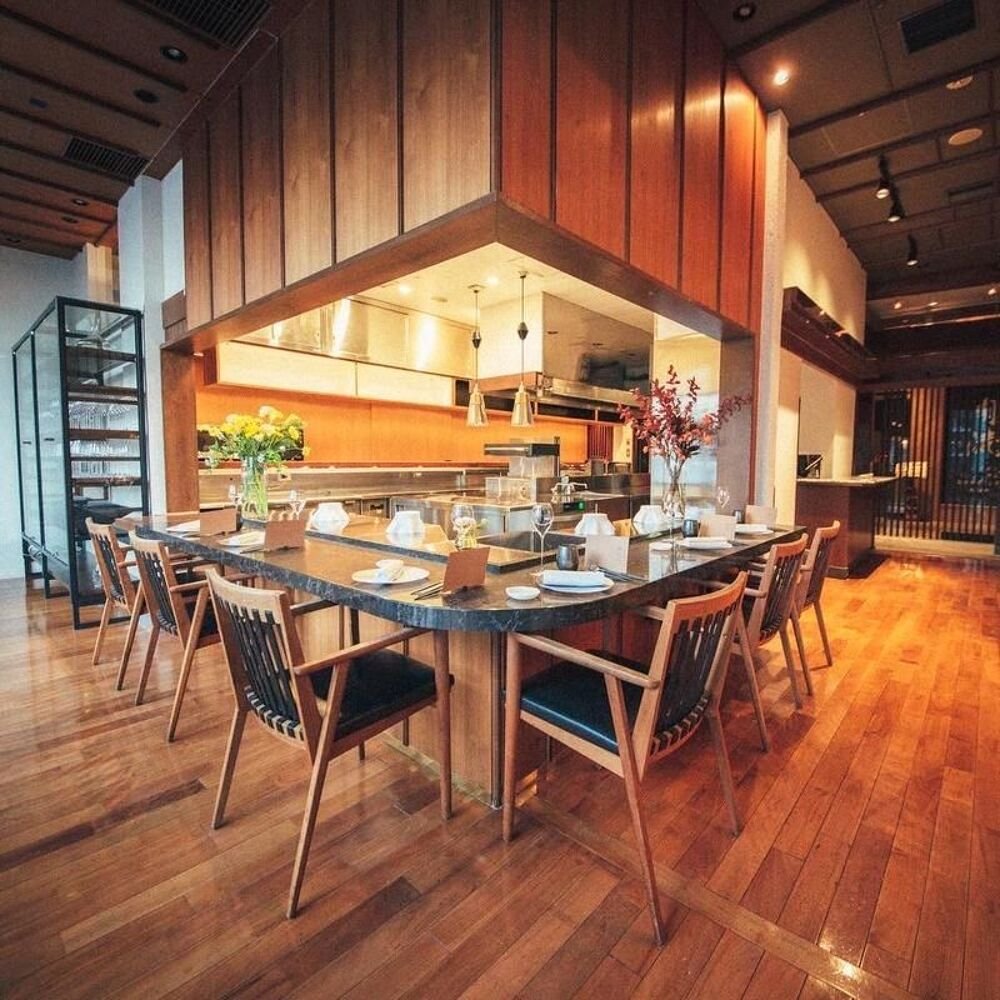
Opened in 2024, Hyakuyaku operates from the fifth floor of a building in Shinbashi, Minato City. The interior is minimalist and earth-toned , the kind of room designed to keep your attention on the food rather than the architecture. The atmosphere is quiet and composed; this is a counter-style or intimate dining room where conversation carries without effort, and the pacing of service sets the mood. Expect a calm, unhurried energy. It is not a see-and-be-seen room. If you want a lively, crowd-watching dinner, look elsewhere. If you want to eat with focus, this format works well.
The chef behind the kitchen trained with deep expertise in fermentation, and that background shapes everything on the menu. The cuisine is kaiseki in structure, but Shiga Prefecture's culinary traditions supply the ingredient logic. Funazushi , one of Japan's oldest fermented foods, made from nigorobuna carp and rice cured in salt over an extended period , is a staple here. To make it accessible to diners unfamiliar with its sharp, aged flavour, it is paired with a consommé jelly made from bear and venison, finished with honey. That combination tells you something important about the kitchen's approach: technically anchored in tradition, but constructed so the flavours land even if you have no prior reference point for funazushi's intensity.
Winter is when this menu makes its strongest argument. Bear hotpot is a seasonal centrepiece, and game meat more broadly plays a significant role when temperatures drop. For explorers interested in Japan's hunting and foraging traditions translated into a fine-dining format, winter service is the strongest reason to visit. If you are planning a trip to Japan across multiple cities, this restaurant pairs logically with Gion Sasaki in Kyoto or Isshisoden Nakamura in Kyoto for a broader survey of Japanese culinary regionalism. For Osaka, Kashiwaya Osaka Senriyama covers similar kaiseki territory.
The restaurant received a Michelin Plate in the 2025 guide , recognition that the kitchen is operating at a consistent, quality level, though not yet at star level. For context, a Michelin Plate signals a good meal worth seeking out; it sits below a star but above anonymous. Given that the restaurant opened in 2024, this is a reasonable position for a first-year operation. The trajectory is what matters here: a kitchen this technically specific about a regional fermentation tradition, with a defined menu philosophy from the outset, is a logical candidate for further recognition as the guide catches up with a newer opening.
Planning Your Visit
Hyakuyaku is a 2024 opening, which means booking is currently easier than it will likely be as Michelin attention builds. This is a genuine window: book now before the reservation difficulty increases. That said, Shinbashi is a working professional neighbourhood , lunch service patterns, if offered, may differ significantly from dinner. No hours data is available in our current records, so confirm directly before planning your day around it.
The editorial angle here is relevant for the format-curious: kaiseki is a progression of courses built around the season, not a brunch-style à la carte menu. If you are looking for a morning or midday format specifically, check availability carefully. The structure of kaiseki means even a lunch service at this level will feel like a deliberate, multi-hour commitment rather than a quick midday meal. For a comparison of how Tokyo's fine-dining restaurants handle daytime service, Ginza Fukuju and Jingumae Higuchi are worth considering alongside. Our full Tokyo restaurants guide covers the broader field.
For visitors building a multi-day Tokyo itinerary, the full Tokyo hotels guide and full Tokyo bars guide provide supporting context. If you are extending into the wider Japan circuit, HAJIME in Osaka, akordu in Nara, and Goh in Fukuoka each offer a different angle on the country's fine-dining range. For the broader regional picture, 1000 in Yokohama and 6 in Okinawa complete the map. You can also browse the full Tokyo experiences guide and full Tokyo wineries guide for a wider picture of what the city offers.
Practical Details
| Detail | Hyakuyaku by Tokuyamazushi | Myojaku | Kagurazaka Ishikawa |
|---|---|---|---|
| Price tier | ¥¥¥¥ | ¥¥¥¥ | ¥¥¥¥ |
| Cuisine | Japanese kaiseki / fermentation-focused | Japanese | Japanese kaiseki |
| Booking difficulty | Easy (2024 opening) | Moderate | Harder (long-established) |
| Michelin recognition | Plate (2025) | Check Pearl | 3 Stars |
| Neighbourhood | Shinbashi, Minato City | Tokyo | Kagurazaka |
| Standout format | Fermentation + game kaiseki | Traditional Japanese | Classic Tokyo kaiseki |
Frequently Asked Questions
What are alternatives to Hyakuyaku by Tokuyamazushi in Tokyo?
- For kaiseki with more established Michelin credentials, Kagurazaka Ishikawa (3 stars) or Azabu Kadowaki are the cleaner comparisons at the same price tier.
- For a completely different high-end format at ¥¥¥¥, Harutaka gives you precision sushi rather than kaiseki, which suits diners who prefer a shorter, sharper format over a multi-course progression.
- If you want to stay in the kaiseki register but with a more documented track record, RyuGin has a longer history and deeper press coverage. Hyakuyaku is the better choice if fermentation-led regional cuisine is specifically what you are after.
- For French-influenced fine dining at the same price point, L'Effervescence and Crony are both solid ¥¥¥¥ options in Tokyo.
What should I order at Hyakuyaku by Tokuyamazushi?
- The kitchen operates on a set kaiseki format, so ordering is not à la carte. Funazushi paired with bear and venison consommé jelly is a signature element , the combination is designed to make the fermented fish accessible, so do not skip it even if you are uncertain about funazushi's reputation for intensity.
- In winter, the bear hotpot is the reason to visit. If your trip falls between November and February, this is the course to anticipate. Game meat is a specific strength here that distinguishes the menu from most Tokyo kaiseki offerings.
- The fermentation thread runs through the whole meal, so approach the menu as a coherent statement rather than a collection of individual dishes.
What should a first-timer know about Hyakuyaku by Tokuyamazushi?
- This is a 2024 opening with a Michelin Plate, which means it has been validated by the guide at an early stage but has not yet accumulated the review depth of older venues. You are booking a kitchen that has defined its philosophy clearly from the start, but with less public track record to reference.
- The address is Shinbashi, Minato City , a neighbourhood better known for salarymen than for fine dining, which keeps the surroundings low-key. The restaurant itself is on the fifth floor; the building entry is not dramatic.
- The fermentation focus means some dishes will read as challenging by conventional fine-dining standards. Funazushi in particular has a strong, aged character. The kitchen frames it accessibly, but first-timers should arrive knowing the flavour profile is intentionally complex.
- No phone or website data is currently available in our records. Book through a third-party reservation platform or your hotel concierge.
Can Hyakuyaku by Tokuyamazushi accommodate groups?
- No seat count data is available for this venue. Given the kaiseki format and the building's fifth-floor location in a standard Shinbashi office block, large group dining is unlikely to be the format's strength. Contact the restaurant directly to confirm private dining options or maximum party size.
- For groups of six or more at ¥¥¥¥ kaiseki in Tokyo, venues with confirmed private room availability , such as Kagurazaka Ishikawa , are safer bets while Hyakuyaku's group capacity remains unconfirmed.
Is Hyakuyaku by Tokuyamazushi worth the price?
- At ¥¥¥¥, the question is whether a Michelin Plate venue with a genuinely specific culinary point of view justifies the same spend as a three-star room. The answer depends on what you are optimising for. If Michelin star count is your primary metric, there are more credentialed options at the same price. If you want a meal built around Japanese fermentation traditions and regional game that you will not find replicated elsewhere in Tokyo, the price is justified.
- The fact that booking is currently easy is itself part of the value calculation. You are paying ¥¥¥¥ for access that is not yet restricted by high demand. That window will close if the kitchen earns further Michelin recognition, which the trajectory of a 2025 Plate in its first year suggests is plausible.
- Compared to RyuGin or Kagurazaka Ishikawa at the same tier, Hyakuyaku is the more accessible booking and the more specific culinary experience. Worth it for explorers who want depth and specificity over prestige.
Compare Hyakuyaku by Tokuyamazushi
| Venue | Cuisine | Price | Awards | Booking Difficulty | Value |
|---|---|---|---|---|---|
| Hyakuyaku by Tokuyamazushi | Japanese | ¥¥¥¥ | Tucked into the ninth floor of a Ginza high-rise, the minimalist, earth-toned interior at Hyakuyaku provides an elegant backdrop for chef Hitoshi Sato’s precise Japanese cuisine. Opened in 2024, the r...; A Shiga-born chef with deep expertise in fermentation oversees the cuisine, weaving the umami of fermentation into the kaiseki experience while preserving ancient culinary traditions. A staple of the menu is funazushi, a local specialty of Omi, known for its distinctive flavour from fish and rice cured in salt. To make it more approachable, it is paired with a consommé jelly of bear and venison, accented with honey. Seasonal highlights include winter bear hotpot, celebrating the bounty of game meats.; Michelin Plate (2025) | Easy | — |
| Harutaka | Sushi | ¥¥¥¥ | Michelin 3 Star, World's 50 Best | Unknown | — |
| L'Effervescence | French | ¥¥¥¥ | Michelin 3 Star, World's 50 Best | Unknown | — |
| RyuGin | Kaiseki, Japanese | ¥¥¥¥ | Michelin 3 Star, World's 50 Best | Unknown | — |
| HOMMAGE | Innovtive French, French | ¥¥¥¥ | Michelin 2 Star, World's 50 Best | Unknown | — |
| Crony | Innovative, French | ¥¥¥¥ | Michelin 2 Star, World's 50 Best | Unknown | — |
What to weigh when choosing between Hyakuyaku by Tokuyamazushi and alternatives.
Frequently Asked Questions
What are alternatives to Hyakuyaku by Tokuyamazushi in Tokyo?
If you want kaiseki without the fermentation and game focus, RyuGin delivers technically rigorous seasonal kaiseki with longer critical recognition behind it. Harutaka is the better call for sushi-forward omakase at a comparable price tier. L'Effervescence works if you prefer French-influenced tasting menus over traditional Japanese formats. Hyakuyaku's specific appeal — funazushi, bear hotpot, and fermentation as a through-line — is genuinely distinct from all of them, so if that combination interests you, no direct substitute exists in Tokyo's current restaurant pool.
What should I order at Hyakuyaku by Tokuyamazushi?
Hyakuyaku runs a kaiseki format, so ordering is not à la carte — you receive the chef's set menu. Based on documented highlights, the funazushi paired with bear-and-venison consommé jelly is the signature dish, and winter visits unlock the bear hotpot, which anchors the cold-season menu. If you have a preference window, winter is the strongest time to visit for the game-focused courses.
What should a first-timer know about Hyakuyaku by Tokuyamazushi?
This is a 2024 opening with a 2025 Michelin Plate, which means it sits at a booking-window moment: serious enough to justify the ¥¥¥¥ price, but not yet at the reservation difficulty of longer-established Michelin names. The kitchen's identity is built around fermentation and regional Omi ingredients including funazushi, so if you arrive expecting a conventional seasonal kaiseki format, the menu will surprise you. Booking directly through whatever reservation channel the venue uses is advised before wider Michelin traffic arrives.
Can Hyakuyaku by Tokuyamazushi accommodate groups?
The venue data does not confirm specific group-size arrangements or private dining options. Given the fifth-floor location in a Minato City building and the kaiseki format, it is likely a small-cover operation. Groups of more than four should check the venue's official channels before assuming availability, as kaiseki counters in Tokyo at this price tier typically seat between eight and sixteen guests across the full service.
Is Hyakuyaku by Tokuyamazushi worth the price?
At ¥¥¥¥, yes — provided the fermentation and game format matches what you are looking for. The 2025 Michelin Plate recognition confirms baseline quality, and the kitchen's focus on funazushi and seasonal game meats gives it a more defined identity than many kaiseki restaurants operating at this price tier. If you want a safe, conventional kaiseki experience, RyuGin or Harutaka carry more track record; if you want something with a sharper culinary angle and are booking while the wait lists are still manageable, Hyakuyaku is the stronger call right now.
Recognized By


More restaurants in Tokyo
- SézanneOccupying the seventh floor of the Four Seasons Hotel Tokyo at Marunouchi, Sézanne earned its first Michelin star within months of opening in July 2021 and now holds three. British chef Daniel Calvert applies French technique to Japanese ingredients, producing a prix-fixe format that Tabelog has recognised with Silver awards every year from 2023 through 2026. It ranked 4th in Asia's 50 Best Restaurants in 2025 and 15th globally in 2024.
- SazenkaSazenka is the address for Chinese cuisine in Tokyo at its most technically demanding. Chef Tomoya Kawada's wakon-kansai approach — Japanese seasonal ingredients applied through Chinese culinary technique — has earned consecutive Tabelog Gold Awards from 2019 to 2026, a #71 ranking on the World's 50 Best 2025, and 99 points from La Liste 2026. At JPY 50,000–59,999 per head, it is one of the hardest tables in the city to book and worth the effort.
- NarisawaNarisawa is Tokyo's most credentialled innovative tasting menu restaurant — two Michelin stars, Asia's 50 Best number 12, and a Tabelog Silver award — running at JPY 80,000–99,999 per head. Book for a milestone occasion, confirm vegetarian or vegan needs in advance, and reserve at least two to three months out. With 15 seats and reservation-only access, this is one of Tokyo's hardest tables to secure.
- FlorilègeFlorilège delivers two Michelin stars and an Asia's 50 Best #17 ranking at a dinner price of ¥22,000 — competitive for Tokyo at this level. Chef Hiroyasu Kawate's plant-forward tasting menus around an open-kitchen counter at Azabudai Hills make this the strongest choice for contemporary French dining in Tokyo if theatrical, produce-led cooking is what you want. Book well in advance; availability is near-impossible at short notice.
- DenDen holds two Michelin stars, a World's 50 Best top-25 Asia ranking, and a Tabelog Silver Award running back to 2017 — and it books out within hours of the two-month reservation window opening. Chef Zaiyu Hasegawa's daily-changing seasonal omakase runs JPY 30,000–39,999 at dinner in a relaxed house-restaurant setting near Gaiemmae. Book by phone only, noon–5 PM JST. Lunch is irregular; plan around dinner.
- MyojakuMyojaku is a 2-Michelin-star, 14-course French-leaning omakase in Nishiazabu holding a 4.47 Tabelog score, Tabelog Silver 2025–2026, and Asia's 50 Best #45 (2025). Chef Hidetoshi Nakamura's water-forward, no-dashi approach shifts meaningfully with the seasons — making timing your reservation as important as getting one. Budget JPY 50,000–59,999 per head plus 10% service charge; reservations only, near-impossible to secure.
Similar venues by awards
Related editorial
- Best Fine Dining Restaurants in ParisFrom three-Michelin-star icons to the next generation of Parisian chefs pushing boundaries, these are the restaurants that define fine dining in the world's culinary capital.
- Best Luxury Hotels in RomeFrom rooftop terraces overlooking ancient ruins to Michelin-starred hotel dining, these are the luxury hotels that make Rome unforgettable.
- Best Cocktail Bars in KyotoFrom sleek lounges to hidden speakeasies, Kyoto's cocktail scene blends Japanese precision with global influence in ways you won't find anywhere else.
Save or rate Hyakuyaku by Tokuyamazushi on Pearl
Keep this venue in your Pearl passport, rate it after you visit, and track it alongside every other place you collect.