
Restaurant in Rio de Janeiro, Brazil
Haru Sushi Bar
210ptsCredentialed Japanese cooking without the splurge.

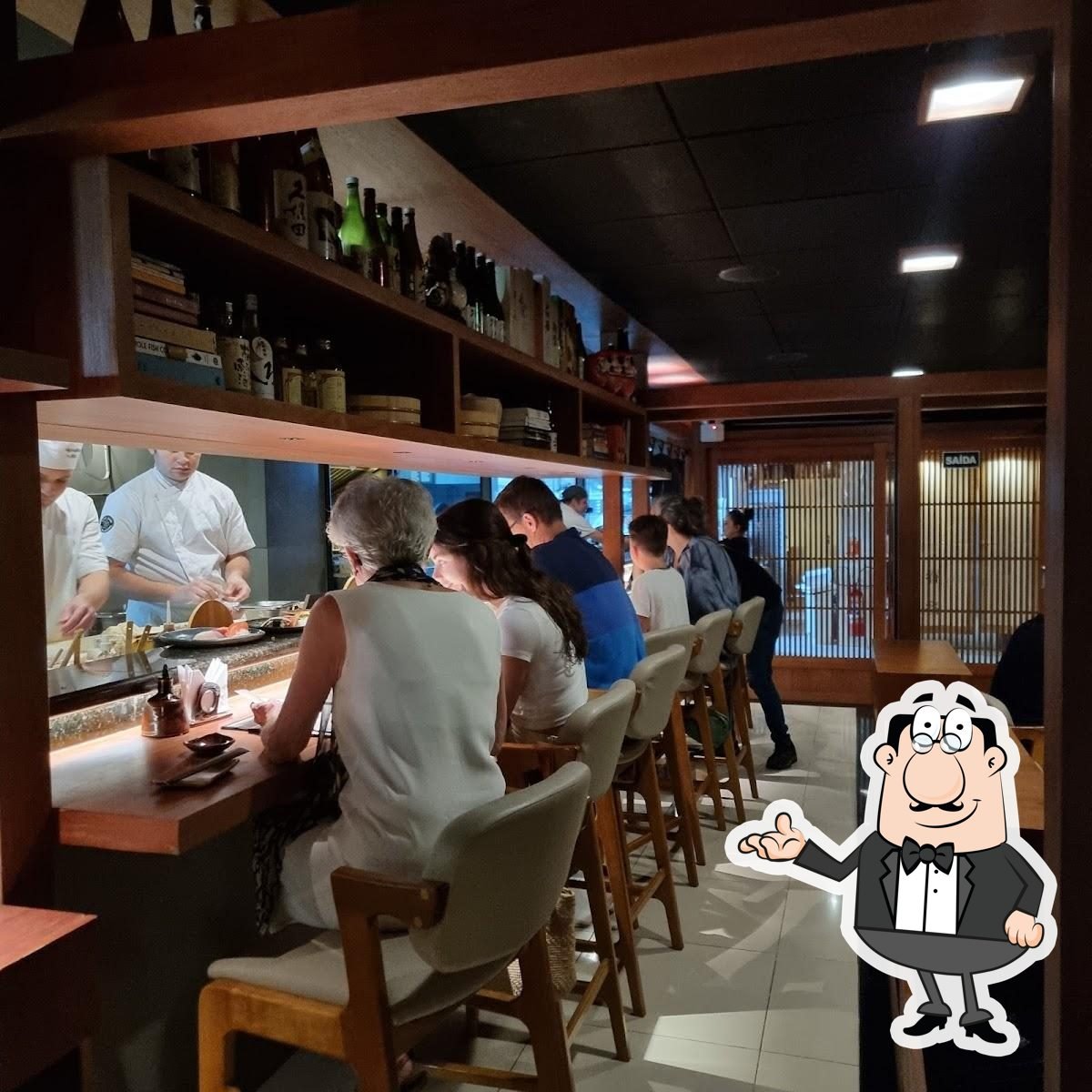
About Haru Sushi Bar
A Michelin Plate winner in 2024 and 2025, Haru Sushi Bar delivers credentialed Japanese cooking in Copacabana at the $ price tier — an unusual combination in Rio. With a 4.6 Google score across more than 2,400 ratings, it is easy to book and consistently reliable. The best-value Japanese option in the city for food-focused visitors who don't want to spend $$$$.
Who Should Book Haru Sushi Bar — and When
Haru Sushi Bar in Copacabana is the right call if you want credentialed Japanese cooking at a price point that won't derail your Rio budget. Two consecutive Michelin Plates (2024 and 2025) at a single-dollar price tier is a rare combination in any city. If you are a food-focused traveler who takes Japanese cuisine seriously but isn't prepared to spend $$$$, this is where you should eat. It works equally well as a solo counter meal or a relaxed dinner for two before a night in the neighborhood.
Two Years of Michelin Recognition at the $ Price Tier
The Michelin Plate is not a star, but it signals that inspectors returned, ate again, and found the cooking consistently good enough to recommend. Earning it back-to-back in 2024 and 2025 tells you this isn't a one-season performance. For context, a Michelin Plate at the $ price tier in a major South American city is genuinely uncommon. The award positions Haru alongside the kind of serious, low-key Japanese restaurants that regulars rely on rather than splurge destinations tourists visit once. Google reviewers agree: 4.6 across 2,434 ratings is a high-volume signal of consistent quality, not a handful of enthusiastic fans.
For a deeper look at how Haru fits into Rio's broader dining picture, see our full Rio de Janeiro restaurants guide.
Lunch vs. Dinner: Where the Value Lands
At the $ price range, Haru is affordable at any hour, but the lunch and dinner experiences likely serve different purposes. Lunch here is a practical, high-value option in Copacabana, where the competition for good Japanese food at a reasonable price is thin. If you are spending the day in the neighborhood and want a proper sushi meal without committing to a long tasting-menu evening, lunch at Haru is a direct win.
Dinner shifts the context. Copacabana at night has its own energy, and Haru's Michelin recognition means it draws a more deliberate dinner crowd. The 4.6 Google score across a large review base suggests the kitchen performs consistently across both services, so quality is not the deciding factor between lunch and dinner. The decision is really about pace: lunch is efficient, dinner is more settled. For a first visit, dinner gives you more time to work through the menu without feeling rushed.
If you want to compare the lunch-vs-dinner calculus at the leading end of Rio's Japanese scene, San Omakase and Sushi Leblon operate in a higher price band and lean more heavily into the evening omakase format. Haru's $ positioning makes it the more accessible daytime choice by a significant margin.
Location: Copacabana, Not Leblon or Ipanema
The address — Rua Raimundo Corrêa, 10, Copacabana , places Haru in a neighborhood that is denser and more local-facing than the restaurant strips of Leblon or Ipanema. That is a practical advantage: lower rents in Copacabana help explain how a Michelin-recognized Japanese restaurant holds a $ price tier. It also means the room is likely less scene-driven than equivalent venues in the trendier southern zones. For food-focused visitors, that is a plus. For those who want to eat well and people-watch simultaneously, Leblon alternatives may suit better.
If you are building a broader Rio itinerary around food, our Rio de Janeiro hotels guide, bars guide, and experiences guide cover the full picture.
How Haru Fits the Broader Brazilian Japanese Scene
Japan's influence on Brazilian cuisine runs deep , Brazil has the largest Japanese diaspora outside Japan, concentrated primarily in São Paulo but present across the country. Rio's Japanese restaurant scene is smaller than São Paulo's but has its own established venues. Haru's Michelin recognition puts it in a select group in the city. For comparison, D.O.M. in São Paulo represents the top tier of ingredient-driven cooking in Brazil, while Rio's own fine dining is anchored by spots like Lasai and Oteque at the $$$$ level. Haru operates in a completely different price register from those, which is precisely what makes it useful. It is the kind of place that earns repeat visits from locals rather than one-off bookings from visitors chasing a tasting menu.
For Japanese cooking context at the high end, Myojaku and Azabu Kadowaki in Tokyo show what the benchmark looks like at the source. Haru isn't competing at that level, but its Michelin Plate signals that the fundamentals are sound.
Beyond Rio, if you are traveling through Brazil and want to continue eating well, Origem in Salvador, Birosca S2 in Belo Horizonte, Orixás | North Restaurant in Itacaré, Mina in Campos do Jordão, and State of Espírito Santo in Rio Bananal are all worth knowing.
Booking and Practical Details
Haru is rated easy to book. At the $ price tier with a walk-in-friendly Copacabana address, you are unlikely to need more than a day or two of lead time for most evenings. That said, given the Michelin recognition and the strong Google review volume, popular dinner slots on weekends could fill. Contact the restaurant directly to confirm hours and reservation options, as booking method and hours are not publicly listed in current data.
Practical Comparison: Haru vs. Peers
| Venue | Cuisine | Price | Michelin | Booking Difficulty |
|---|---|---|---|---|
| Haru Sushi Bar | Japanese | $ | Plate ×2 | Easy |
| San Omakase | Japanese | Higher | , | , |
| Sushi Leblon | Japanese | Higher | , | , |
| Oteque | Modern Brazilian | $$$$ | Star-level | Hard |
| Lasai | Regional Brazilian | $$$$ | Star-level | Hard |
| Oro | Contemporary Italian/Brazilian | $$$$ | , | Moderate |
FAQ
- How far ahead should I book Haru Sushi Bar? Booking difficulty is rated easy, and at the $ price tier in Copacabana you can usually secure a table within a day or two. For Friday and Saturday dinners, try to book at least three to four days out given the Michelin Plate recognition and the strength of the Google review volume (4.6 across 2,434 ratings).
- Is the tasting menu worth it at Haru Sushi Bar? No confirmed tasting menu data is available. At the $ price tier, Haru is almost certainly an à la carte or set-menu format rather than a full omakase progression. If a dedicated tasting format matters to you, San Omakase is the more likely option, though at a higher price point.
- Does Haru Sushi Bar handle dietary restrictions? Specific dietary accommodation policies are not confirmed in current data. Japanese restaurants at this level typically accommodate common restrictions with advance notice, but contact the venue directly before booking if this is a requirement. Phone and website details are not currently listed.
- Is Haru Sushi Bar worth the price? Yes, clearly. Two Michelin Plates and a 4.6 Google score across 2,434 reviews at the $ price tier makes Haru one of the better value propositions in Rio for Japanese food. You are getting credentialed, consistent cooking for a fraction of what you would spend at the $$$$ end of the city's dining scene.
- What are alternatives to Haru Sushi Bar in Rio de Janeiro? For Japanese specifically, San Omakase and Sushi Leblon are the main alternatives, both at higher price points. For Asian-influenced cooking at the leading end, Mee operates at $$$$. If you want Rio's leading cooking regardless of cuisine, Oteque and Lasai are the benchmark, but budget and booking effort are both substantially higher.
Compare Haru Sushi Bar
| Venue | Cuisine | Awards | Booking Difficulty | Value |
|---|---|---|---|---|
| Haru Sushi Bar | Japanese | Michelin Plate (2025); Michelin Plate (2024) | Easy | — |
| Oteque | Modern Brazilian, Modern Cuisine | Michelin 2 Star, World's 50 Best | Unknown | — |
| Lasai | Regional Brazilian, Modern Cuisine | Michelin 2 Star, World's 50 Best | Unknown | — |
| Oro | Contemporary Italian, Brazilian, Modern Italian | Michelin 2 Star | Unknown | — |
| Lilia | Italian, Brazilian | Unknown | — | |
| Mee | Asian Influences | Michelin 1 Star | Unknown | — |
Key differences to consider before you reserve.
Frequently Asked Questions
How far ahead should I book Haru Sushi Bar?
A day or two of lead time is usually enough. At the $ price tier in a walk-in-friendly Copacabana neighbourhood, Haru is not the kind of booking you need to plan weeks in advance. That said, if you're visiting on a weekend or around a public holiday in Rio, calling ahead is sensible given its two consecutive Michelin Plate recognitions have raised its profile.
Is the tasting menu worth it at Haru Sushi Bar?
Haru's menu format is not documented in available data, so a direct verdict on a tasting menu isn't possible here. What is confirmed: two Michelin Plates at a $ price point signals consistently good cooking at low cost, which is a strong case on its own regardless of format. If a set-course experience is your priority, verify the current menu directly with the restaurant before booking.
Does Haru Sushi Bar handle dietary restrictions?
Specific dietary accommodation policies are not confirmed in Haru's venue data. Japanese kitchens at this price tier typically work with common requests, but sushi-focused menus can be limited for strict vegetarians or those avoiding shellfish. check the venue's official channels before your visit, especially if your restrictions go beyond the usual.
Is Haru Sushi Bar worth the price?
Yes, decisively so. Two consecutive Michelin Plates (2024 and 2025) at the $ price tier is an unusual combination — Michelin inspectors returned and found the cooking good enough to recommend twice, at a price point that is genuinely affordable in Rio's dining context. For credentialed Japanese cooking without a significant budget commitment, Haru is a straightforward yes.
What are alternatives to Haru Sushi Bar in Rio de Janeiro?
For fine dining with higher ambition and a bigger spend, Oteque and Lasai are Rio's most decorated contemporary restaurants, operating at a completely different price tier with multiple Michelin stars between them. Oro and Mee offer mid-to-upper range options if you want a more formal setting. Haru's value is specifically at the $ end — none of its peers in Rio replicate that combination of Michelin recognition and low price.
Recognized By

Similar venues by awards
Related editorial
- Asia's 50 Best Restaurants 2026: The Chairman and Wing Go 1-2 from the Same BuildingThe Chairman takes No. 1 and Wing climbs to No. 2 at Asia's 50 Best Restaurants 2026. Both operate from the same Hong Kong building. Here's what it means.
- Four Seasons Yachts Debut: 95 Suites, 11 Restaurants, and a March 2026 Maiden VoyageFour Seasons I launches March 20, 2026, with 95 suites, a one-to-one staff ratio, and 11 onboard restaurants. Worth tracking if you want hotel-grade service at sea.
- LA Michelin Guide 2026: Seven New Restaurants from Tlayudas to Uzbek DumplingsMichelin's March 2026 California Guide update adds six LA restaurants and one Montecito newcomer, spanning Oaxacan tlayudas, Uzbek manti, and Korean-Italian pasta.
Save or rate Haru Sushi Bar on Pearl
Keep this venue in your Pearl passport, rate it after you visit, and track it alongside every other place you collect.