
Restaurant in Tokyo, Japan
Hamacho Kaneko
250ptsMichelin-recognised soba; easy to book, worth it.

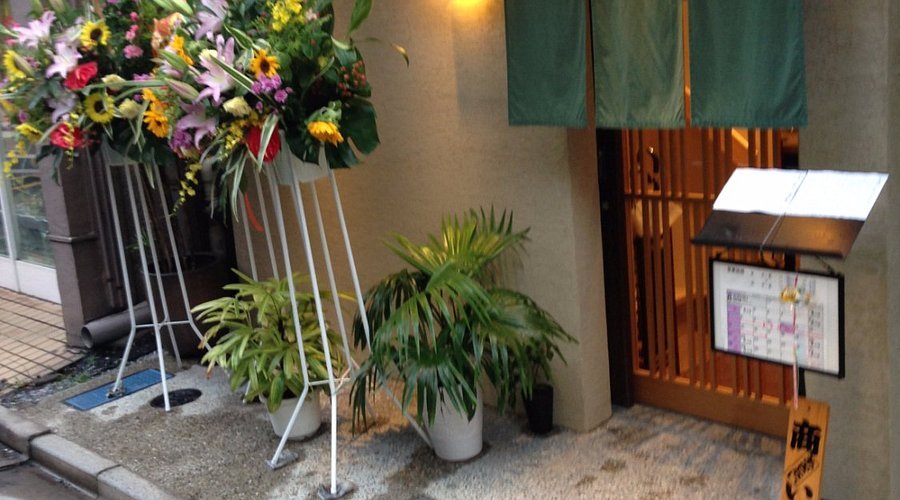
About Hamacho Kaneko
Hamacho Kaneko holds a Michelin Bib Gourmand (2024) for good reason: it turns a bowl of 100% buckwheat soba into a structured, multi-stage meal anchored by the soba-mae tradition of sake and snacks. At the ¥ price tier with an easy booking window, it is the strongest case in Tokyo for treating soba as a destination meal rather than a lunch stop.
The Verdict
Hamacho Kaneko is the right booking for anyone who wants to experience soba as a considered, unhurried ritual rather than a quick lunch counter stop. If you are in Tokyo for a celebration dinner, a relaxed date night, or simply want to understand why serious Tokyoites treat a bowl of buckwheat noodles with the same reverence as a kaiseki course, this Nihonbashi address delivers. The Michelin Bib Gourmand recognition in 2024 confirms what its 4.2 Google rating across 241 reviews suggests: this is a venue that earns repeat visits without asking you to spend at the ¥¥¥¥ level. Book here before you book anywhere else in the soba category.
Portrait
Hamacho Kaneko sits in Nihonbashihamacho, a quieter pocket of Chuo City that sits at a useful remove from the tourist-dense zones of central Tokyo. Arriving here feels deliberate, which sets the right tone: this is a restaurant that rewards diners who have chosen it on purpose. The neighbourhood has old-Tokyo character without being a heritage theme park, and that quality carries into the dining room itself. What you see when you settle in is a space where the craft on the plate is the visual focus, not architectural spectacle.
The defining feature of the experience at Hamacho Kaneko is the soba-mae tradition, which chef Yasushi Kaneko takes seriously. Soba-mae means drinking sake and eating snacks before the soba arrives, and the kitchen has built an entire supporting cast of dishes around this sequence. Baked devil's tongue coated in miso and simmered beef sinew are the kinds of bar snacks that would hold their own in any serious izakaya, and here they serve an additional purpose: they slow the meal down and make the eventual arrival of the soba feel earned. For a special occasion, this structure works particularly well. It turns a bowl of noodles into an event with a beginning, a middle, and an end.
The soba itself is 100% buckwheat, cut thin. That purity of composition matters: many soba shops blend buckwheat with wheat flour for easier handling, but the commitment to 100% here produces a noodle with a more pronounced, nutty character and a slightly more fragile texture. Accompanying dipping sauces include sesame, grated yam, and curry variants, which means the tasting range within a single visit is wider than it looks on paper. The tempura programme follows the seasons, moving from shrimp and conger eel to edible wild plants, young sweetfish, mushroom, and oyster depending on time of year. Planning your visit around the seasonal tempura offering is a reasonable strategy if you have flexibility on dates.
Meoto dish, which translates to "married couple," combines soba with udon in a single serving. It is a practical choice for first-time visitors who want to compare the textures side by side, and it also has obvious appeal as an order for couples sharing a meal. On a date or anniversary dinner, the storytelling embedded in that dish name is a small but real addition to the occasion.
Counter Experience
Bar or counter seating at a venue like Hamacho Kaneko puts you inside the production sequence rather than at a remove from it. The soba-mae format is particularly well-suited to counter dining: snacks arrive at their own pace, sake pours are easy to manage, and you can watch the noodle service unfold in real time. If counter seats are available, they are the recommended option for solo diners or pairs who want the full engagement of the format. The counter frames the meal as a performance you are participating in, not observing from across the room, which is exactly the register a special-occasion visit deserves.
Booking and Timing
Hamacho Kaneko earns an easy booking difficulty rating, which makes it a reliable anchor for a Tokyo itinerary. You do not need weeks of advance planning, though booking a few days out is sensible if you have a fixed date. For a weekend dinner or a public holiday visit, a week of lead time is a reasonable buffer. The ¥ price tier means this is also a venue where adding a companion or adjusting the party size does not materially change the cost calculation. Walk-in availability is plausible at quieter lunch services, but confirming in advance removes the uncertainty on a special occasion.
Practical Details
Hamacho Kaneko is located at 3 Chome-7-3 Nihonbashihamacho, Chuo City, Tokyo 103-0007. The ¥ price tier puts it firmly in the accessible range for Tokyo dining: expect to spend meaningfully less here than at a multi-course kaiseki or omakase venue, while still receiving a structured, multi-stage meal. Dress code information is not published, but the neighbourhood and price point suggest smart-casual is appropriate and formal dress is not required. For Tokyo dining context, see our full Tokyo restaurants guide, and for broader Japan planning, consider HAJIME in Osaka, Gion Sasaki in Kyoto, akordu in Nara, Goh in Fukuoka, 1000 in Yokohama, and 6 in Okinawa.
Tokyo Soba Context
If you are mapping the Tokyo soba category before deciding where to book, Hamacho Kaneko occupies the considered, destination end of the spectrum rather than the utilitarian lunch-spot end. For comparison, Akasaka Sunaba and Edosoba Hosokawa are worth knowing; so are Azabukawakamian, Hamadaya, and Ittoan. Outside Tokyo, the soba category has strong representations at Ayamedo in Osaka and Chikuyuan Taro no Atsumori in Kyoto. For the wider Tokyo picture beyond restaurants, our Tokyo hotels guide, bars guide, wineries guide, and experiences guide cover the full picture.
FAQs
Can Hamacho Kaneko accommodate groups?
Group bookings are likely manageable given the accessible price tier and easy booking difficulty, but seat count is not published. Contact the venue directly to confirm capacity. For larger parties in Tokyo, venues with published private dining options may be a safer primary choice, with Hamacho Kaneko as a strong option for smaller groups of four to six.
Can I eat at the bar at Hamacho Kaneko?
Counter or bar seating is the preferred option if available. The soba-mae format, where sake and snacks precede the noodles, plays out leading when you are positioned close to the kitchen action. Counter seats suit solo diners and pairs particularly well; the pacing of the meal feels more natural from that position than from a larger table.
What are alternatives to Hamacho Kaneko in Tokyo?
Within the soba category in Tokyo, Akasaka Sunaba, Edosoba Hosokawa, and Azabukawakamian are the natural comparison set. If you want to step up in formality and price, Hamadaya offers a more elaborate multi-course format. For something outside the soba category entirely, see our full Tokyo restaurants guide for the complete picture.
What should I wear to Hamacho Kaneko?
No published dress code exists, but the ¥ price point and neighbourhood setting point toward smart-casual as the appropriate register. Jeans and a clean shirt or equivalent are fine. Formal dress is not warranted. The Michelin Bib Gourmand status reflects quality-to-value rather than white-tablecloth formality, so dress to be comfortable rather than to impress.
Is the tasting menu worth it at Hamacho Kaneko?
The structured soba-mae sequence, which moves through drinking snacks, seasonal tempura, and then the soba itself with varied dipping sauces, functions as an informal tasting progression even if it is not a named tasting menu. At the ¥ price tier, the value case is clear: you are getting a Michelin Bib Gourmand experience with multiple courses for a fraction of what a comparable progression costs at kaiseki or omakase level. Chef Yasushi Kaneko's commitment to 100% buckwheat soba and seasonal tempura means the kitchen is cooking with intention at every stage. Yes, it is worth it.
Compare Hamacho Kaneko
| Venue | Cuisine | Price | Awards | Booking Difficulty | Value |
|---|---|---|---|---|---|
| Hamacho Kaneko | Soba | ¥ | The chef loves the culture of soba-mae, which refers to enjoying sake and snacks before the soba arrives. A full range of drinking snacks are available to tempt you, including baked devil’s tongue coated with miso, and simmered beef sinew. Tempura varies with the seasons, ranging from shrimp and conger eel to edible wild plants, young sweetfish, mushroom and oyster. Soba is 100% buckwheat noodles, cut thin. Dipping sauces are varied as well, including sesame, grated yam and curry. Meoto, meaning ‘married couple’ is a popular dish combining soba with udon.; Michelin Bib Gourmand (2024) | Easy | — |
| Harutaka | Sushi | ¥¥¥¥ | Michelin 3 Star, World's 50 Best | Unknown | — |
| L'Effervescence | French | ¥¥¥¥ | Michelin 3 Star, World's 50 Best | Unknown | — |
| RyuGin | Kaiseki, Japanese | ¥¥¥¥ | Michelin 3 Star, World's 50 Best | Unknown | — |
| HOMMAGE | Innovtive French, French | ¥¥¥¥ | Michelin 2 Star, World's 50 Best | Unknown | — |
| Crony | Innovative, French | ¥¥¥¥ | Michelin 2 Star, World's 50 Best | Unknown | — |
Comparing your options in Tokyo for this tier.
Frequently Asked Questions
Can Hamacho Kaneko accommodate groups?
Small groups of two to four are the practical fit here. Hamacho Kaneko is a Michelin Bib Gourmand soba-ya in a residential pocket of Chuo City, and the format, counter or small tables, suits pairs and compact groups rather than large parties. If you are planning for six or more, call ahead to confirm availability before building your itinerary around it.
Can I eat at the bar at Hamacho Kaneko?
Counter seating is part of the appeal. Sitting at the bar puts you inside the preparation rather than waiting at a distance, which matters at Hamacho Kaneko because the soba-mae format, sake and snacks before the noodles arrive, is central to how the meal is meant to unfold. If the counter is your preference, arrive early or book as soon as the reservation window opens.
What are alternatives to Hamacho Kaneko in Tokyo?
For soba in the same accessible price bracket, Hamacho Kaneko competes on craft and the soba-mae ritual rather than on prestige alone. If you want a more formal multi-course Japanese experience, RyuGin or HOMMAGE operate in a different tier and a different format entirely. For the specific combination of Michelin recognition, affordable pricing, and a drinking-snacks-before-noodles structure, Hamacho Kaneko has a clear case.
What should I wear to Hamacho Kaneko?
The ¥ price tier and Bib Gourmand positioning signal a relaxed, neighbourhood-restaurant register rather than a formal dining room. Neat, comfortable clothes are appropriate; there is no indication from the venue's profile that a dress code is enforced. Treat it as a considered lunch or dinner stop, not a special-occasion venue that demands dressing up.
Is the tasting menu worth it at Hamacho Kaneko?
Hamacho Kaneko does not run a conventional tasting menu. The structure follows the soba-mae format: you order drinking snacks, such as baked devil's tongue with miso or simmered beef sinew, alongside sake, before the soba course arrives. At ¥ pricing with a 2024 Michelin Bib Gourmand, the full soba-mae sequence is the version worth doing; ordering only noodles and leaving skips the point of coming here.
Recognized By

More restaurants in Tokyo
- SézanneOccupying the seventh floor of the Four Seasons Hotel Tokyo at Marunouchi, Sézanne earned its first Michelin star within months of opening in July 2021 and now holds three. British chef Daniel Calvert applies French technique to Japanese ingredients, producing a prix-fixe format that Tabelog has recognised with Silver awards every year from 2023 through 2026. It ranked 4th in Asia's 50 Best Restaurants in 2025 and 15th globally in 2024.
- SazenkaSazenka is the address for Chinese cuisine in Tokyo at its most technically demanding. Chef Tomoya Kawada's wakon-kansai approach — Japanese seasonal ingredients applied through Chinese culinary technique — has earned consecutive Tabelog Gold Awards from 2019 to 2026, a #71 ranking on the World's 50 Best 2025, and 99 points from La Liste 2026. At JPY 50,000–59,999 per head, it is one of the hardest tables in the city to book and worth the effort.
- NarisawaNarisawa is Tokyo's most credentialled innovative tasting menu restaurant — two Michelin stars, Asia's 50 Best number 12, and a Tabelog Silver award — running at JPY 80,000–99,999 per head. Book for a milestone occasion, confirm vegetarian or vegan needs in advance, and reserve at least two to three months out. With 15 seats and reservation-only access, this is one of Tokyo's hardest tables to secure.
- FlorilègeFlorilège delivers two Michelin stars and an Asia's 50 Best #17 ranking at a dinner price of ¥22,000 — competitive for Tokyo at this level. Chef Hiroyasu Kawate's plant-forward tasting menus around an open-kitchen counter at Azabudai Hills make this the strongest choice for contemporary French dining in Tokyo if theatrical, produce-led cooking is what you want. Book well in advance; availability is near-impossible at short notice.
- DenDen holds two Michelin stars, a World's 50 Best top-25 Asia ranking, and a Tabelog Silver Award running back to 2017 — and it books out within hours of the two-month reservation window opening. Chef Zaiyu Hasegawa's daily-changing seasonal omakase runs JPY 30,000–39,999 at dinner in a relaxed house-restaurant setting near Gaiemmae. Book by phone only, noon–5 PM JST. Lunch is irregular; plan around dinner.
- MyojakuMyojaku is a 2-Michelin-star, 14-course French-leaning omakase in Nishiazabu holding a 4.47 Tabelog score, Tabelog Silver 2025–2026, and Asia's 50 Best #45 (2025). Chef Hidetoshi Nakamura's water-forward, no-dashi approach shifts meaningfully with the seasons — making timing your reservation as important as getting one. Budget JPY 50,000–59,999 per head plus 10% service charge; reservations only, near-impossible to secure.
Related editorial
- Best Fine Dining Restaurants in ParisFrom three-Michelin-star icons to the next generation of Parisian chefs pushing boundaries, these are the restaurants that define fine dining in the world's culinary capital.
- Best Luxury Hotels in RomeFrom rooftop terraces overlooking ancient ruins to Michelin-starred hotel dining, these are the luxury hotels that make Rome unforgettable.
- Best Cocktail Bars in KyotoFrom sleek lounges to hidden speakeasies, Kyoto's cocktail scene blends Japanese precision with global influence in ways you won't find anywhere else.
Save or rate Hamacho Kaneko on Pearl
Keep this venue in your Pearl passport, rate it after you visit, and track it alongside every other place you collect.