
Restaurant in Tokyo, Japan
Ajihiro
615ptsSeven seats, serious kaiseki, book ahead.


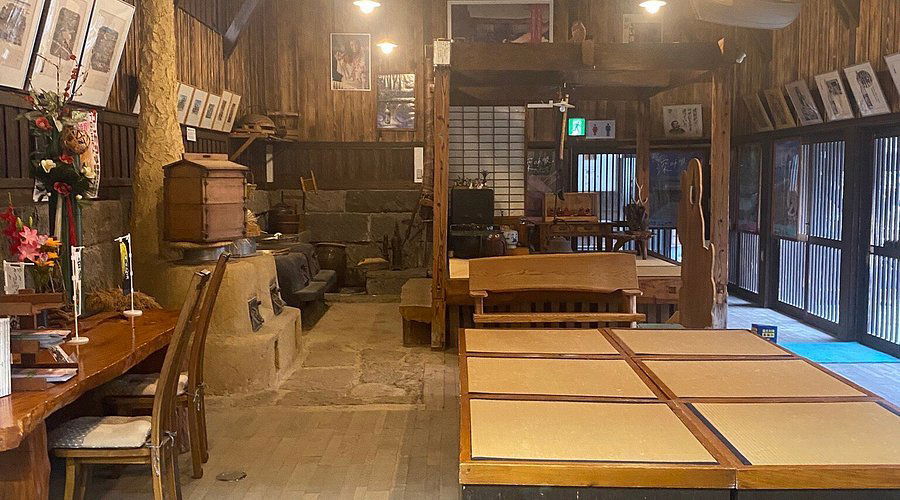
About Ajihiro
A reservation-only seven-seat kaiseki counter in Tokyo's Chuo ward, Ajihiro holds a Tabelog Score of 4.24, a 2026 Bronze Award, and back-to-back Top 100 selection. Budget JPY 80,000–99,999 per person with drinks. Book by phone well in advance — there is no website and no walk-in option. Chef Tomohiro Gunji's counter suits solo diners and special occasions equally; private hire of the full room is available for groups up to seven.
A Seven-Seat Kaiseki Counter Worth JPY 40,000–80,000 of Your Tokyo Budget
Expect to spend JPY 40,000–49,999 per person at the listed rate, though reviewer-reported spending runs closer to JPY 80,000–99,999 once drinks are factored in. For that outlay, you get one of only seven counter seats at a reservation-only kaiseki room in Chuo that has earned a Tabelog Score of 4.24, a 2026 Bronze Award, and consecutive selection for the Tabelog Japanese Cuisine TOKYO Top 100 in both 2024 and 2025. The Opinionated About Dining rankings place it at #299 among Japan's leading restaurants for 2024, up from a Highly Recommended position in 2023. That trajectory matters: Ajihiro is a room that has been gaining ground, not coasting.
What You're Booking
Ajihiro relocated to its current Irifune address in January 2024, placing it a short walk from Shintomicho Station in a quietly residential pocket of central Tokyo. Chef Tomohiro Gunji runs a counter-only format with seven seats and no private rooms, which makes this a focused, intimate experience by design. The room accommodates private hire in full, so if you're booking for a group of up to seven, exclusive use is available. Drinks run to sake (nihonshu) and wine; credit cards are accepted. Hours are not fixed, and closed days vary, so confirming directly before you visit is necessary rather than optional.
The editorial angle here is worth stating plainly: this is a dinner-only venue with no published lunch service, and the kaiseki format means your evening will likely run late. Kaiseki progression at this price tier in Tokyo typically spans three hours or more. If you're planning an evening that extends beyond a standard dinner, Ajihiro fits that rhythm naturally. Pair it with one of Tokyo's late-night sake bars in Shintomicho or Tsukishima nearby, and the Chuo location makes for a coherent night out without crossing the city.
How Ajihiro Fits the Tokyo Kaiseki Picture
Tokyo's kaiseki scene gives you a wide range at the ¥¥¥¥ tier. For context, comparable kaiseki rooms like Kikunoi Tokyo carry Michelin recognition and a broader seat count, which makes them marginally easier to book but less intimate. Hirosaku operates in a similar counter-focused format and is worth comparing directly. If you are weighing kaiseki in other Japanese cities, Ifuki in Kyoto and Ankyu in Kyoto offer the Kyoto-style kaiseki tradition for comparison, while Gion Sasaki in Kyoto operates at a similar prestige level with stronger international recognition.
Within Tokyo, if your evening calls for something outside kaiseki entirely, Akasaka Ogino and Aoyama Jin are worth having on your shortlist. For a broader view of where Ajihiro sits in Tokyo's dining options, see our full Tokyo restaurants guide. If you're building a longer Japan itinerary, HAJIME in Osaka, Goh in Fukuoka, and akordu in Nara round out the picture at comparable price levels.
Practical Details
Reservations: Reservation only — walk-ins are not an option. Call +81-3-6280-5503 to book; no website is currently available. Budget: JPY 40,000–49,999 per person listed; reviewer-reported spend reaches JPY 80,000–99,999 with drinks. Seats: 7 counter seats only, no private rooms. Private hire of the full venue is available. Payment: Credit cards accepted; electronic money and QR code payments are not. Hours: Dinner service from 18:00; closed days are not fixed — confirm before visiting. Smoking: Non-smoking throughout. Parking: Not available. Getting there: Approximately 341 metres from Shintomicho Station.
Book If
- You want a top-100 kaiseki counter in Tokyo with a seven-seat format and no crowds
- You're planning an evening that runs late and want a room suited to a long, unhurried progression
- You're celebrating something and want private-hire capability without booking a separate private dining room
- You are comfortable spending closer to JPY 80,000–99,999 once sake and wine are included
Skip If
- You need flexible hours or a confirmed schedule in advance
- Your group exceeds seven people
- You're looking for a venue with an English-language website or online booking system
Explore More in Tokyo and Beyond
For hotels, bars, and experiences near Ajihiro's Chuo location, see our Tokyo hotels guide, our Tokyo bars guide, and our Tokyo experiences guide. Wine-focused visitors can check our Tokyo wineries guide. Further afield, 1000 in Yokohama and 6 in Okinawa are worth knowing for a wider Japan trip. If Chuo's quieter dining scene appeals, Bulgari Cafe II offers a sharp contrast in format and atmosphere for a different kind of evening.
Frequently Asked Questions
- Is Ajihiro good for a special occasion? Yes, and the format suits it well. Seven counter seats, private-hire availability for the full room, and a Tabelog Top 100 credential make it a credible choice for a significant dinner. Budget realistically at JPY 80,000–99,999 per person with drinks, not the listed floor price.
- What should a first-timer know about Ajihiro? There is no website and no online booking , you book by phone (+81-3-6280-5503). Hours are dinner-only from 18:00 with no fixed closing days, so confirm before you go. The counter seats seven, the format is kaiseki, and this is a serious, unhurried meal. First-timers to Tokyo kaiseki should know that the progression will likely run two to three hours minimum.
- Is Ajihiro good for solo dining? Yes. The seven-seat counter is a natural solo format, and at this price point in Tokyo, solo diners at a counter seat are entirely normal. You'll be seated alongside other diners rather than at a separate table, which makes for a more engaging experience than a larger room would. Budget for the full spend: solo does not mean cheaper.
- What should I order at Ajihiro? Kaiseki is a set-course format, so ordering is not a variable. You receive the chef's progression for the evening. Sake (nihonshu) and wine are available to accompany the meal, and at the reported spend levels, most diners are pairing throughout. No specific dishes or courses are confirmed in available data, so arrive with an open brief.
- What are alternatives to Ajihiro in Tokyo? For kaiseki at a similar tier, Kikunoi Tokyo offers Michelin-recognised kaiseki with slightly easier booking. Hirosaku is a close counter-format comparison. If you're open to Japanese cuisine more broadly, Akasaka Ogino is worth considering. For kaiseki outside Tokyo, Ifuki and Ankyu in Kyoto operate in the same tradition.
- How far ahead should I book Ajihiro? No confirmed booking window is published, but a venue with seven seats, reservation-only policy, and consecutive Top 100 recognition should be treated as difficult to book at short notice. Four to six weeks ahead is a sensible minimum for a preferred date. Contact by phone only.
- Can Ajihiro accommodate groups? The room seats seven in total, and full private hire is available , making it viable for groups of up to seven who want exclusive use. No private rooms exist within the space, so partial group bookings would share the counter with other diners. Groups larger than seven cannot be accommodated.
Compare Ajihiro
Frequently Asked Questions
Is Ajihiro good for a special occasion?
Yes, it fits the brief well. A seven-seat counter, reservation-only policy, and Tabelog Bronze 2026 status (score 4.24, ranked among Tokyo's top 100 Japanese cuisine restaurants) all signal a venue built for considered meals rather than casual visits. Budget JPY 80,000–99,999 per person once drinks are factored in — that's the real number reviewers report, not the JPY 40,000–49,999 listed rate.
What should a first-timer know about Ajihiro?
Book by phone (+81-3-6280-5503) — there is no website. The format is counter-only kaiseki with seven seats, so the experience is intimate and paced by the kitchen. Actual spend reported by diners runs closer to JPY 80,000–99,999 once sake and wine are included, so arrive with that ceiling in mind. Closed days are not fixed, so confirm your date directly with the restaurant before booking travel around it.
Is Ajihiro good for solo dining?
It's one of the better formats for solo dining in Tokyo's kaiseki tier. The entire restaurant is a seven-seat counter, so a solo diner gets the same front-row position as anyone else — there's no secondary or awkward table placement. The counter also allows for natural interaction with the kitchen, which adds to the experience rather than detracting from it.
What should I order at Ajihiro?
Ajihiro runs a kaiseki format, meaning the menu is set — you don't order à la carte. The kitchen, led by chef Tomohiro Gunji, determines the progression. Sake (nihonshu) and wine are both available to pair. No specific menu details are publicly documented, so if dietary restrictions apply, raise them when booking by phone.
What are alternatives to Ajihiro in Tokyo?
RyuGin is the most direct comparison for high-stakes kaiseki in Tokyo, with Michelin three-star recognition and a higher international profile — expect similar or greater spend. Harutaka offers a comparable intimate counter experience in the sushi-kaiseki overlap. If you want something slightly less formal at the same price tier, Crony takes a more contemporary approach to Japanese fine dining.
How far ahead should I book Ajihiro?
Book as far ahead as possible — a minimum of four to six weeks is a reasonable starting point for a venue of this calibre with only seven seats. There is no online booking system; all reservations go through the phone (+81-3-6280-5503). Closed days are irregular, so confirm availability directly and don't assume a particular night is open.
Can Ajihiro accommodate groups?
The entire restaurant seats seven, so private hire is the only realistic group option — and private use is listed as available. A party of four or more would be taking most or all of the counter regardless, so it's worth asking about exclusive hire when you call. Groups expecting a private room should note that private rooms are not available; the space is counter-only.
Recognized By


More restaurants in Tokyo
- SézanneOccupying the seventh floor of the Four Seasons Hotel Tokyo at Marunouchi, Sézanne earned its first Michelin star within months of opening in July 2021 and now holds three. British chef Daniel Calvert applies French technique to Japanese ingredients, producing a prix-fixe format that Tabelog has recognised with Silver awards every year from 2023 through 2026. It ranked 4th in Asia's 50 Best Restaurants in 2025 and 15th globally in 2024.
- SazenkaSazenka is the address for Chinese cuisine in Tokyo at its most technically demanding. Chef Tomoya Kawada's wakon-kansai approach — Japanese seasonal ingredients applied through Chinese culinary technique — has earned consecutive Tabelog Gold Awards from 2019 to 2026, a #71 ranking on the World's 50 Best 2025, and 99 points from La Liste 2026. At JPY 50,000–59,999 per head, it is one of the hardest tables in the city to book and worth the effort.
- NarisawaNarisawa is Tokyo's most credentialled innovative tasting menu restaurant — two Michelin stars, Asia's 50 Best number 12, and a Tabelog Silver award — running at JPY 80,000–99,999 per head. Book for a milestone occasion, confirm vegetarian or vegan needs in advance, and reserve at least two to three months out. With 15 seats and reservation-only access, this is one of Tokyo's hardest tables to secure.
- FlorilègeFlorilège delivers two Michelin stars and an Asia's 50 Best #17 ranking at a dinner price of ¥22,000 — competitive for Tokyo at this level. Chef Hiroyasu Kawate's plant-forward tasting menus around an open-kitchen counter at Azabudai Hills make this the strongest choice for contemporary French dining in Tokyo if theatrical, produce-led cooking is what you want. Book well in advance; availability is near-impossible at short notice.
- DenDen holds two Michelin stars, a World's 50 Best top-25 Asia ranking, and a Tabelog Silver Award running back to 2017 — and it books out within hours of the two-month reservation window opening. Chef Zaiyu Hasegawa's daily-changing seasonal omakase runs JPY 30,000–39,999 at dinner in a relaxed house-restaurant setting near Gaiemmae. Book by phone only, noon–5 PM JST. Lunch is irregular; plan around dinner.
- MyojakuMyojaku is a 2-Michelin-star, 14-course French-leaning omakase in Nishiazabu holding a 4.47 Tabelog score, Tabelog Silver 2025–2026, and Asia's 50 Best #45 (2025). Chef Hidetoshi Nakamura's water-forward, no-dashi approach shifts meaningfully with the seasons — making timing your reservation as important as getting one. Budget JPY 50,000–59,999 per head plus 10% service charge; reservations only, near-impossible to secure.
Similar venues by awards
Related editorial
- Best Fine Dining Restaurants in ParisFrom three-Michelin-star icons to the next generation of Parisian chefs pushing boundaries, these are the restaurants that define fine dining in the world's culinary capital.
- Best Luxury Hotels in RomeFrom rooftop terraces overlooking ancient ruins to Michelin-starred hotel dining, these are the luxury hotels that make Rome unforgettable.
- Best Cocktail Bars in KyotoFrom sleek lounges to hidden speakeasies, Kyoto's cocktail scene blends Japanese precision with global influence in ways you won't find anywhere else.
Save or rate Ajihiro on Pearl
Keep this venue in your Pearl passport, rate it after you visit, and track it alongside every other place you collect.