
Hotel in Kyoto Shi, Japan
Kinmata
150ptsHistoric machiya stay, serious cultural commitment.
About Kinmata
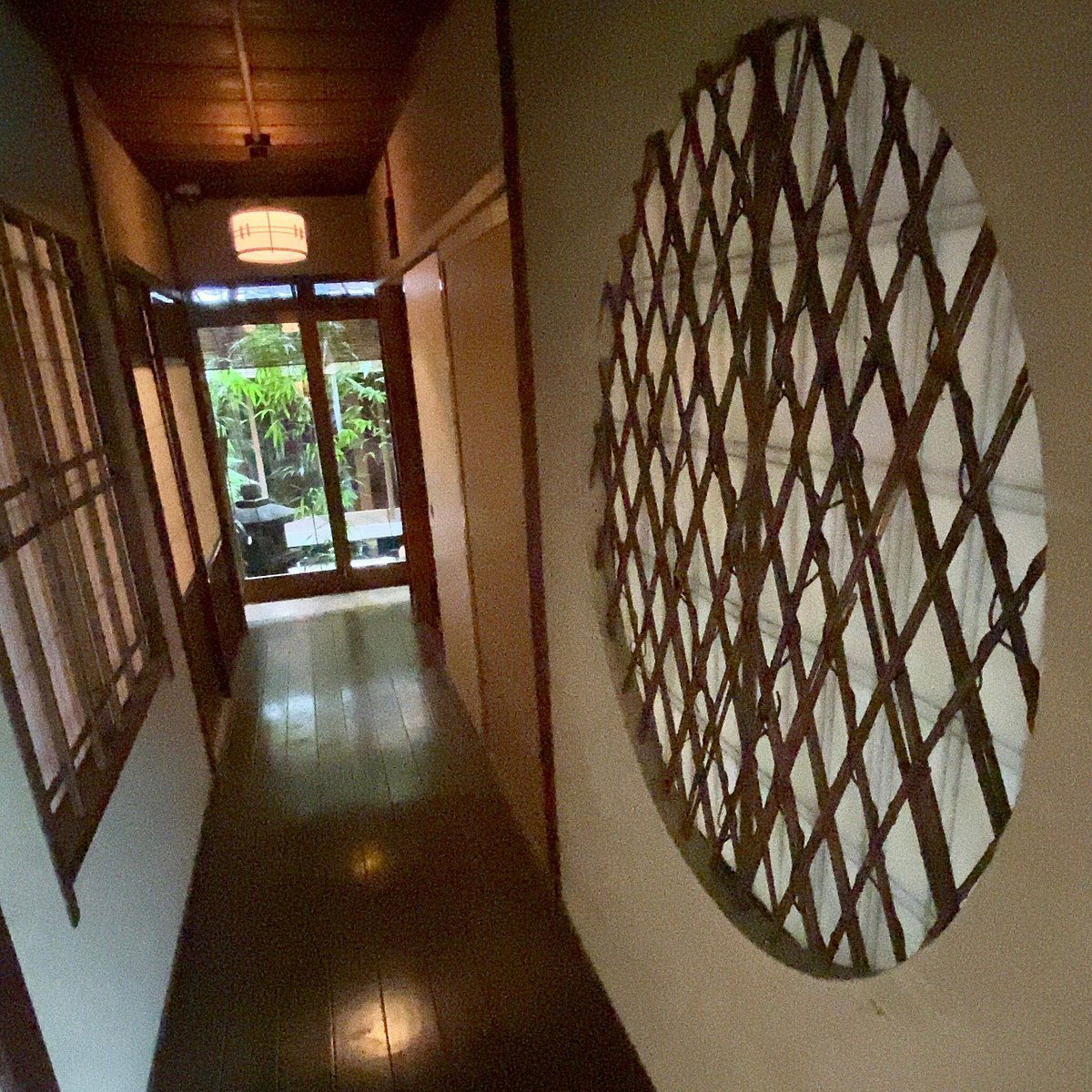
Kinmata is one of Kyoto's oldest continuously operating ryokan, set in a traditional machiya townhouse in central Nakagyo Ward. It suits first-timers who want an authentic traditional stay within easy reach of the city's main districts. Book the highest room tier your budget allows, and plan well ahead for cherry blossom or autumn foliage season.
Should You Book Kinmata?
Kinmata is one of Kyoto's longest-operating traditional inns, occupying a machiya-style townhouse in the Nakagyo Ward that has been receiving guests for well over a century. If you are visiting Kyoto for the first time and want to sleep inside the city's architectural and hospitality heritage rather than merely look at it from the street, this is a serious option. The address at 407 Dainichicho puts you in the heart of central Kyoto, within reach of Nishiki Market and the Karasuma district, which is a practical advantage over ryokan that sit in prettier but less connected locations.
Come back a second time and what you will notice is what has not changed: the building's bones, the pace of the place, the deliberate absence of the kind of amenity list that fills out a hotel brochure. That consistency is either Kinmata's greatest asset or its primary limitation, depending entirely on what you are looking for. First-timers should understand this upfront: Kinmata is not a resort property with a spa wing and a menu of pillow options. It is a working ryokan with a multi-generational operating history, and the experience it delivers is shaped by that tradition.
On room selection: traditional ryokan like Kinmata typically offer tiered room categories differentiated by size, floor position, and garden or courtyard outlook. In properties of this type and age, the premium rooms at the leading of the rate card almost always justify the difference in price, not because the lower-tier rooms are poor, but because the garden-facing or larger rooms are the reason the inn has its reputation. If budget allows, book up. Smaller interior rooms in historic machiya properties can feel constrained during daylight hours, and the view matters more than it does in a standard hotel.
For first-timers to ryokan stays generally: expect futon bedding prepared by staff each evening, kaiseki-style dining if meals are included in your rate, shared or in-room bathing facilities depending on room category, and a check-in rhythm that runs on the inn's schedule rather than a 24-hour front desk. Kinmata's central Nakagyo location means you are never far from options if you want dinner outside the inn, which gives you flexibility that more remote ryokan cannot offer.
Booking Kinmata is rated as direct relative to the Kyoto ryokan category, where peak-season availability at the most sought-after properties can require months of lead time. That said, cherry blossom season (late March to mid-April) and autumn foliage season (mid-November) are the periods when all Kyoto accommodation tightens sharply. Book those windows as early as possible. For the leading combination of comfortable weather and easier availability, the shoulder months of May and September are worth considering.
Explore more of what Kyoto has to offer through our full Kyoto Shi hotels guide, restaurants guide, bars guide, experiences guide, and wineries guide. If you are building a wider Japan itinerary, comparable traditional stays worth comparing include Nishimuraya Honkan in Kinosaki-cho, Gora Kadan in Hakone, Asaba in Izu, and Zaborin in Hokkaido. For luxury resort ryokan at a higher price tier, Amanemu in Mie and ENOWA Yufu in Yufu set the ceiling. Urban luxury alternatives in Kyoto itself include HOTEL THE MITSUI KYOTO.
Know Before You Go
- Address
- 407 Dainichicho, Nakagyo Ward, Kyoto, 604-8044, Japan
- Neighbourhood
- Central Kyoto (Nakagyo Ward); close to Nishiki Market and Karasuma corridor
- Booking difficulty
- Easy relative to Kyoto peers, but peak seasons (cherry blossom, autumn foliage) book out fast
- Leading time to visit
- May or September for shoulder-season availability and good weather; avoid booking Kyoto accommodation late for late March to mid-April or mid-November
- Room advice
- Book the highest room category your budget allows; garden-facing rooms in historic machiya properties carry the most value
- Style
- Traditional machiya ryokan; expect futon bedding, kaiseki dining if included, and a pace shaped by the inn's schedule
- Phone
- Not available
- Website
- Not available
Compare Kinmata
| Venue | Price | Booking Difficulty | Value |
|---|---|---|---|
| Kinmata | Easy | — | |
| 〒600-8176 Kyoto, Shimogyo Ward, Kitamachi, 190 ホテルカンラ京都 | Unknown | — | |
| Hotel Monterey Kyoto | Unknown | — | |
| Japanese Inn YOSHIMIZU | Unknown | — | |
| Malda Kyoto | Unknown | — | |
| THE BLOSSOM KYOTO | Unknown | — |
A quick look at how Kinmata measures up.
Frequently Asked Questions
What is check-in like at Kinmata?
Kinmata operates as a traditional Japanese inn in a machiya-style townhouse on Dainichicho in Nakagyo Ward, so check-in follows ryokan customs rather than hotel-desk conventions. Expect a personal welcome, likely the offer of tea, and guidance through the house. Confirm your arrival time directly with the property in advance — ryokans typically require it, and late arrivals can disrupt the dinner and bathing schedule.
How is the pool and spa at Kinmata?
Kinmata is a machiya townhouse inn, not a resort, so there is no pool. Bathing at a property of this type follows the traditional ofuro format — a Japanese soaking bath, likely private or shared depending on room category. If a full spa or pool is a priority, a larger hotel such as Hotel Kanra Kyoto or THE BLOSSOM KYOTO would be a better fit.
How does Kinmata compare to nearby hotels?
Kinmata is one of Kyoto's longest-operating traditional inns, which puts it in a different category from modern hotels like Malda Kyoto or Hotel Monterey Kyoto. The machiya townhouse setting in Nakagyo Ward offers a closer encounter with traditional Kyoto architecture and hospitality than a standard hotel room. If you want a Western-style bed, gym access, or flexible check-out, those hotels serve you better. If the point of your Kyoto trip is the city's traditional culture, Kinmata is the more coherent choice.
When is the best time to book Kinmata?
Book as far in advance as possible for cherry blossom season (late March to early April) and autumn foliage (mid-November), when Kyoto accommodation at any quality level fills quickly. Kinmata's size as a traditional machiya inn means limited rooms, which makes it tighter than larger hotels during peak periods. Shoulder season — May, June, and September — offers more availability and generally cooler competition for dates.
Which room category is best at Kinmata?
Kinmata's machiya structure means room count is small and categories are likely defined by floor, size, or garden access rather than the tiered system of large hotels. For a traditional ryokan experience, request a room with a view of the inner garden or courtyard if available — that is typically where the architectural character of a machiya is most apparent. Confirm room specifics directly with the property, as layout varies building to building in this style of inn.
Related editorial
- Best Fine Dining Restaurants in ParisFrom three-Michelin-star icons to the next generation of Parisian chefs pushing boundaries, these are the restaurants that define fine dining in the world's culinary capital.
- Best Luxury Hotels in RomeFrom rooftop terraces overlooking ancient ruins to Michelin-starred hotel dining, these are the luxury hotels that make Rome unforgettable.
- Best Cocktail Bars in KyotoFrom sleek lounges to hidden speakeasies, Kyoto's cocktail scene blends Japanese precision with global influence in ways you won't find anywhere else.
Save or rate Kinmata on Pearl
Keep this venue in your Pearl passport, rate it after you visit, and track it alongside every other place you collect.