
Restaurant in Fuzhou, China
Ye Jia Hua Sheng Tang
350ptsMichelin-recognised Fuzhou sweets at ¥ prices.

About Ye Jia Hua Sheng Tang
Ye Jia Hua Sheng Tang is a decades-old Fuzhou sweet shop with back-to-back Michelin Bib Gourmand awards (2024–2025) and a 4.3 Google rating from over 1,000 reviews. At ¥ pricing, it is one of the most accessible Michelin-recognised stops in China. The peanut soup, taro paste, and lotus root cake reward two or three visits across a Fuzhou itinerary.
Verdict: A Fuzhou Sweet Shop That Earns Every Visit
Walk down an alley in Fuzhou and the smell of slow-cooked peanuts hits before you see the shop. That's your cue you've found Ye Jia Hua Sheng Tang, a decades-old dessert stall that operates without a website, without a phone number on record, and without any apparent interest in impressing anyone beyond its regulars. It holds two consecutive Michelin Bib Gourmand awards (2024 and 2025) and a Google rating of 4.3 from over 1,000 reviews. The verdict: go, and plan to go more than once.
What Ye Jia Hua Sheng Tang Is
This is a traditional Fuzhou sweet shop in the small-eats category, priced at ¥, which puts it among the most accessible Michelin-recognised venues anywhere in China. Chef Lan Guijun runs a concise menu of Fuzhou dessert staples, prepared in the way they have been for generations. There are no tasting menus, no fusion riffs, and no imported ingredients to justify a higher price point. What you get is a short list of items executed with care and consistency.
The peanut soup is the anchor dish. It simmers in a claypot for nine hours, which produces a texture that is genuinely creamy without the gluey density that cheaper shortcuts produce. Taro paste comes with chunks of starchy taro folded in, adding structural contrast to what could otherwise be a flat, uniform bowl. Lotus root cake and sweet sticky rice round out the menu. None of these dishes are obscure to Fuzhou locals, but very few places in the city make them at this level of consistency.
Multi-Visit Strategy: What to Try and When
If you are planning more than one visit, which the depth of the menu and the low price point make easy to justify, a sensible approach is to anchor each visit around a different part of the menu. On a first visit, start with the peanut soup. It is the dish that built the shop's reputation and it is the clearest expression of what Lan Guijun does well: patience over technique, time over intervention. Order it alongside the sweet sticky rice to get both the liquid and solid registers of the menu.
On a second visit, move to the taro paste and the lotus root cake. These dishes reward knowing what to expect from the kitchen. The taro paste, in particular, is the kind of dish that reads more plainly on paper than it delivers in the bowl. The textural contrast is the point, and once you understand that, you'll want to sit with it rather than rush through it. The lotus root cake offers a different register entirely, denser and more structured, and makes a useful counterpoint to the lighter soups.
If you are in Fuzhou in the cooler months, the claypot preparations carry more weight and the peanut soup reads as genuinely warming rather than merely satisfying. That seasonal framing matters here: this is food that responds to temperature and time of day in ways that lighter snack formats do not. Arriving mid-morning rather than after lunch gives you the freshest preparation and usually a shorter wait.
Booking and Logistics
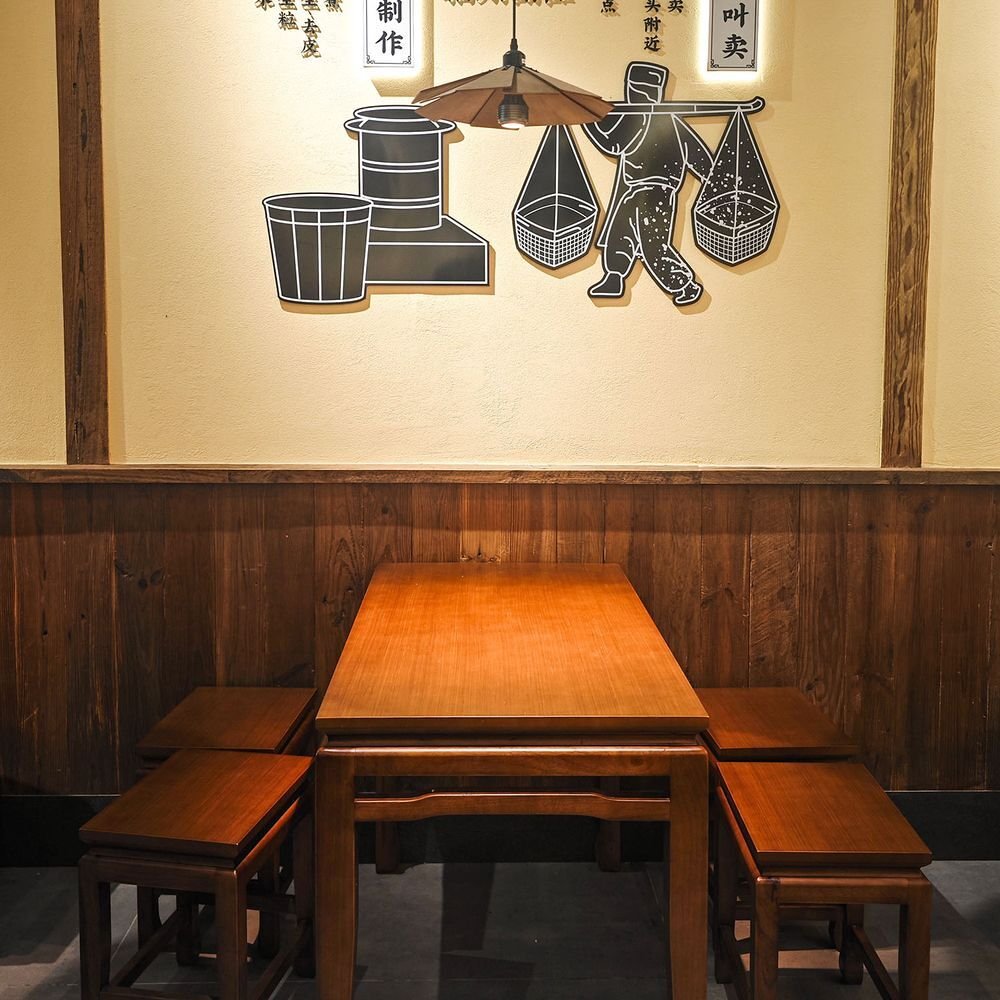
Booking difficulty is rated easy. No reservation system is in place at this type of small-eats venue; you show up and queue if necessary. There is no dress code and no formal service. The physical space is small and the setting is alley-side, which means seating is limited and the experience is quick by design. This is not a venue for a long sit-down occasion. It is a venue for a focused, purposeful stop on a longer eating day in Fuzhou.
For groups, the informal format works leading for two to four people. Larger groups should expect to split across multiple visits or eat in shifts. The ¥ price point means the financial risk of an experimental visit is negligible, which makes this one of the easiest Michelin-recognised stops to fit into an itinerary without rearranging everything else around it.
Practical Details
| Detail | Ye Jia Hua Sheng Tang | Mei Ya Bo Hua Sheng Tang | Hou Jie Lao Hua (Yadao Lane) |
|---|---|---|---|
| Cuisine | Fuzhou sweets / small eats | Small eats | Noodles |
| Price tier | ¥ | ¥ | ¥ |
| Michelin recognition | Bib Gourmand 2024, 2025 | Not confirmed | Not confirmed |
| Booking | Walk-in | Walk-in | Walk-in |
| Leading for | Fuzhou dessert focus, multi-visit | Small eats variety | Noodle-led meal |
| Group suitability | 2–4 people | Flexible | Flexible |
Context: Fuzhou's Small-Eats Category
Fuzhou has a distinctive dessert and sweet-soup tradition that most visitors from outside Fujian Province underestimate. The peanut soup, taro paste, and lotus root formats at Ye Jia Hua Sheng Tang are not novelty items; they are part of a local food culture that runs parallel to, and largely independent of, the better-known Cantonese dessert tradition. For food-focused travellers who have already covered Canton-adjacent sweet stops, Mei Ya Bo Hua Sheng Tang offers a useful direct comparison within Fuzhou's small-eats category, but Ye Jia Hua Sheng Tang's Bib Gourmand credentials give it a verifiable edge on external recognition.
If your Fuzhou itinerary extends beyond sweets, A Xin Xian Lao (Gongnong Road) covers the noodle side of the local street-food canon, while Wenru No.9 and 167 Shan Hai Li move into more formal Fujian cooking for evenings that warrant a sit-down format. For a step up in price and occasion, Jiangnan Wok·Rong covers Huaiyang cuisine at the ¥¥¥ tier. These venues are indexed in our full Fuzhou restaurants guide.
For travellers comparing the Fuzhou small-eats experience against analogous street-dessert stops in other Chinese cities, the closest parallels in format (long-running, alley-based, tradition-focused) would be venues like Xin Rong Ji (Xinyuan South Road) in Beijing or, in a different register, A Cun Beef Soup (Baoan Road) in Tainan and A Hai Taiwanese Oden in Tainan, both of which share the same ethos of decades-old formats with no-frills delivery. The Michelin Bib Gourmand at Ye Jia Hua Sheng Tang is a useful signal here: it confirms that the quality is consistent enough to meet an external standard, not just a local favourite operating on nostalgia alone.
For broader Fuzhou planning, see our full Fuzhou hotels guide, our full Fuzhou bars guide, our full Fuzhou experiences guide, and our full Fuzhou wineries guide.
Compare Ye Jia Hua Sheng Tang
| Venue | Price | Value |
|---|---|---|
| Ye Jia Hua Sheng Tang | ¥ | — |
| Hou Jie Lao Hua (Yadao Lane) | ¥ | — |
| Jing Li | ¥¥ | — |
| Mei Ya Bo Hua Sheng Tang | ¥ | — |
| Jiangnan Wok‧Rong | ¥¥¥ | — |
| Yut Fei | ¥¥ | — |
What to weigh when choosing between Ye Jia Hua Sheng Tang and alternatives.
Frequently Asked Questions
What are alternatives to Ye Jia Hua Sheng Tang in Fuzhou?
Mei Ya Bo Hua Sheng Tang is the most direct alternative if you want a comparable peanut-soup-centred sweet shop at a similar price point. Hou Jie Lao Hua (Yadao Lane) and Jing Li cover adjacent Fuzhou small-eats territory. Jiangnan Wok·Rong and Yut Fei lean toward savoury formats, so they are better framed as complements to a Fuzhou food itinerary than substitutes for Ye Jia's dessert-focused menu.
Can Ye Jia Hua Sheng Tang accommodate groups?
This is a small alley shop with no reservation system, so large groups will face a queue and limited seating. Groups of two or three will manage fine; anything larger should expect to split up or wait. The low per-head cost at ¥ pricing means the financial stakes of a wait are minimal.
What should I order at Ye Jia Hua Sheng Tang?
The peanut soup is the anchor order: it simmers for nine hours in a claypot and delivers a creamy, nutty result that the Michelin Bib Gourmand judges have flagged in both 2024 and 2025. The taro paste is worth adding for textural contrast, with chunks of starchy taro throughout. The lotus root cake and sweet sticky rice are also listed as reliable choices from the concise menu.
Is Ye Jia Hua Sheng Tang worth the price?
At ¥ pricing, Ye Jia Hua Sheng Tang is among the most affordable Michelin Bib Gourmand venues you will find anywhere, and it has held that recognition consecutively in 2024 and 2025. The value case is straightforward: you are paying a small-eats price for a shop with decades of operation and a loyal local following. If traditional Fuzhou sweets are not your format, skip it, but if they are, there is no cheaper way to eat at a Michelin-recognised address in the city.
How far ahead should I book Ye Jia Hua Sheng Tang?
No booking is possible here — this is a walk-in, queue-if-necessary operation with no reservation system. Arriving early or during off-peak hours gives you the best chance of a short wait. Given the ¥ price point and Michelin Bib Gourmand status, expect local demand to be consistent.
Recognized By

Related editorial
- Best Fine Dining Restaurants in ParisFrom three-Michelin-star icons to the next generation of Parisian chefs pushing boundaries, these are the restaurants that define fine dining in the world's culinary capital.
- Best Luxury Hotels in RomeFrom rooftop terraces overlooking ancient ruins to Michelin-starred hotel dining, these are the luxury hotels that make Rome unforgettable.
- Best Cocktail Bars in KyotoFrom sleek lounges to hidden speakeasies, Kyoto's cocktail scene blends Japanese precision with global influence in ways you won't find anywhere else.
Save or rate Ye Jia Hua Sheng Tang on Pearl
Keep this venue in your Pearl passport, rate it after you visit, and track it alongside every other place you collect.