
Restaurant in Tokyo, Japan
Watanabe Ryouri-mise
290ptsAccessible French technique, à la carte, fair price.

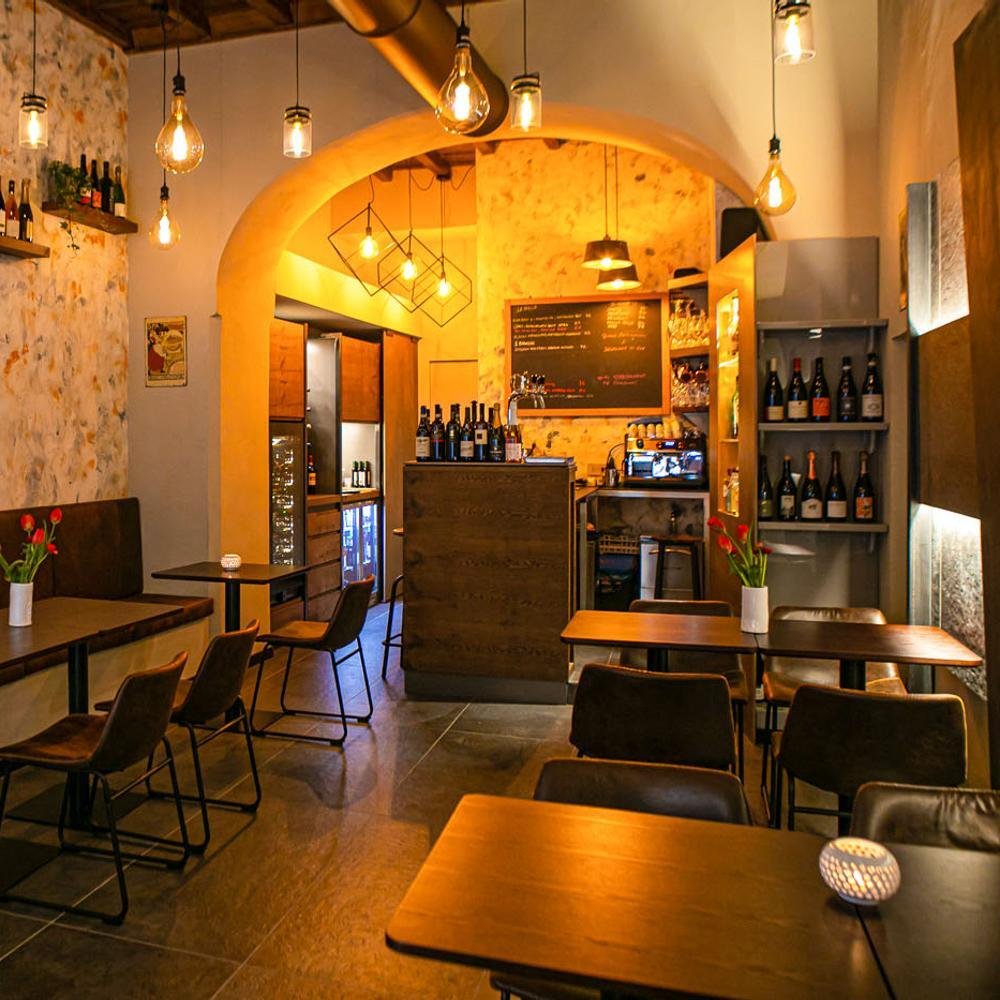
About Watanabe Ryouri-mise
A Michelin Plate French bistro in Koto City, Tokyo, Watanabe Ryouri-mise offers à la carte ordering at ¥¥ — rare at this recognition level in the city. The kitchen applies classical French technique to locally sourced seafood and charcuterie, with a 4.6 Google rating from a largely local review base. Easy to book, and worth it for flexible, unfussy French dining without a tasting-menu commitment.
Should You Book Watanabe Ryouri-mise?
If you have been to Watanabe Ryouri-mise once, the question on a return visit is not whether the food holds up — a Michelin Plate in both 2024 and 2025 suggests consistency — but whether the format continues to suit you. This is a casual French bistro in Koto City, Tokyo, priced at ¥¥, built around à la carte ordering rather than a fixed menu. That combination is rarer than it sounds in Tokyo's French dining scene, and for the food-focused traveller who wants serious technique without a ceremonial omakase structure, it is a genuinely useful option.
The address places it in Tomioka, close to the Fukagawa and Monzen-Nakacho areas of eastern Tokyo , not the neighbourhood you will find in most restaurant round-ups, which tend to cluster around Minami-Aoyama or Nishi-Azabu. That geography matters: this is a local restaurant that happens to cook French food well, not a destination restaurant that happens to have a neighbourhood address. Coming back a second time, you will notice the room feels the same , casual, unforced , and that the menu changes with what the chef sourced, which keeps repeat visits from feeling static.
What the Kitchen Does
The Michelin description is specific enough to be useful: the kitchen leads with charcuterie , pâtés and hams prepared with French technique , and a beef cheek stewed in red wine. These are dishes that require time and craft, and they signal where the kitchen's priorities sit. This is not fusion or reinterpretation; it is classical French bistro cooking executed by a chef who trained at Toyosu Market, Japan's central fish wholesale hub, and who applies that sourcing knowledge to the seafood side of the menu.
That Toyosu connection is worth pausing on. Japan's coastal geography gives any chef who knows how to use it a genuine structural advantage in sourcing seafood, and the bistro explicitly builds that into its offering. The result is a French menu that does not need to pretend Japan does not exist: the fish comes from the same wholesale system that supplies the country's leading sushi restaurants, prepared through French technique rather than Japanese. For a food-focused traveller exploring how French and Japanese culinary traditions intersect in Tokyo, this is a more grounded version of that conversation than many restaurants priced two or three tiers above it.
The Format: Why À La Carte Matters Here
Most serious French restaurants in Tokyo , including [L'Effervescence](https://www.joinpearl.co/restaurants/leffervescence-tokyo-restaurant), [Sézanne](https://www.joinpearl.co/restaurants/szanne-tokyo-restaurant), and [ESqUISSE](https://www.joinpearl.co/restaurants/esquisse-tokyo-restaurant) , operate on tasting menus, which means you commit to a full sequence at a fixed price. Watanabe Ryouri-mise does not work that way. À la carte ordering lets you build the meal around what interests you: maybe charcuterie and one main, maybe two mains and a shared plate. That flexibility is directly relevant if you are dining solo, if you are working through a dense Tokyo itinerary with multiple meals in a day, or if you simply want to eat French food without a two-hour minimum commitment.
The ¥¥ price positioning makes this accessible relative to the city's French dining tier. Compare it to [Florilège](https://www.joinpearl.co/restaurants/florilege) at ¥¥¥ or [Château Restaurant Joël Robuchon](https://www.joinpearl.co/restaurants/chteau-restaurant-jol-robuchon-tokyo-restaurant) at the leading of the market, and the value proposition becomes clear: Michelin-recognised French cooking in Tokyo at a price point that does not require a special-occasion justification.
Google Rating and What It Signals
A 4.6 rating across 117 Google reviews is a meaningful signal for a restaurant of this size and price tier. It is not the volume you would expect from a tourist-facing venue, which tells you the review base skews local , residents and repeat visitors rather than one-time tourists checking boxes. That pattern tends to produce more reliable ratings than venues that attract large numbers of single-visit tourists.
Practical Details
Watanabe Ryouri-mise is at 1 Chome-2-9 Tomioka, Koto City, Tokyo 135-0047. The nearest major transport node is Monzen-Nakacho, accessible by Tokyo Metro Tōzai Line and Ōedo Line. Booking difficulty is rated easy, meaning you are unlikely to face the weeks-long wait lists that characterise Tokyo's higher-tier French restaurants. No phone number or booking website is listed in Pearl's database; check Google Maps or Tabelog for current contact and hours before visiting. Dress code information is not confirmed, but at ¥¥ with a casual bistro format, smart casual is a reasonable assumption. No private dining or group seating data is available; for larger groups, confirm capacity directly with the restaurant.
For more on dining and staying in the city, see our full Tokyo restaurants guide, our full Tokyo hotels guide, our full Tokyo bars guide, and our full Tokyo experiences guide. If you are building a broader Japan itinerary, Pearl also covers HAJIME in Osaka, Gion Sasaki in Kyoto, akordu in Nara, Goh in Fukuoka, 1000 in Yokohama, and 6 in Okinawa. For French dining context beyond Japan, see Les Amis in Singapore and Hotel de Ville Crissier in Crissier.
Quick reference: Koto City, Tokyo | French bistro | ¥¥ | À la carte | Michelin Plate 2024 & 2025 | Google 4.6 (117 reviews) | Booking: easy.
Compare Watanabe Ryouri-mise
| Venue | Cuisine | Price | Awards | Booking Difficulty | Value |
|---|---|---|---|---|---|
| Watanabe Ryouri-mise | French | ¥¥ | A chef who is a disciple of gastronomy opened this bistro. Keen on making French cuisine accessible to a general audience, Watanabe Ryouri-mise fosters a casual atmosphere, greeting guests with à la carte offerings. French techniques are on display in the charcuterie of pâtés and hams, and in the beef cheek stewed in red wine. Seafood offerings make full use of Japan’s advantages as a country surrounded by oceans. The chef draws on his experiences and lessons from working at Toyosu Market.; Michelin Plate (2025); Michelin Plate (2024) | Easy | — |
| Harutaka | Sushi | ¥¥¥¥ | Michelin 3 Star, World's 50 Best | Unknown | — |
| RyuGin | Kaiseki, Japanese | ¥¥¥¥ | Michelin 3 Star, World's 50 Best | Unknown | — |
| L'Effervescence | French | ¥¥¥¥ | Michelin 3 Star, World's 50 Best | Unknown | — |
| HOMMAGE | Innovtive French, French | ¥¥¥¥ | Michelin 2 Star, World's 50 Best | Unknown | — |
| Florilège | French | ¥¥¥ | Michelin 2 Star, World's 50 Best | Unknown | — |
Comparing your options in Tokyo for this tier.
Frequently Asked Questions
What are alternatives to Watanabe Ryouri-mise in Tokyo?
For French at a similar casual register and price point, HOMMAGE in Tokyo is worth considering. If your budget stretches further and you want a tasting-menu format, Florilège and L'Effervescence operate at a different level entirely. Watanabe Ryouri-mise earns its Michelin Plate two years running at ¥¥ pricing, which makes it the stronger pick when you want French technique without a multi-course commitment.
Is the tasting menu worth it at Watanabe Ryouri-mise?
Watanabe Ryouri-mise does not offer a tasting menu — the format is à la carte, which is a deliberate choice by the kitchen to keep French cuisine accessible. If a set tasting progression is what you are after, Florilège or L'Effervescence are better fits. For freedom to order around charcuterie, beef cheek, and Japanese seafood without a fixed sequence, this is the more practical option at ¥¥.
Can Watanabe Ryouri-mise accommodate groups?
Group capacity details are not confirmed in available venue data, so check the venue's official channels before booking a large party. The bistro format and casual atmosphere suggest it is set up for small groups rather than private events. For larger group dining with a private room option, venues like RyuGin would be a more reliable choice.
What should I wear to Watanabe Ryouri-mise?
The venue is described as a casual bistro, so a strict dress code is unlikely. Neat, presentable dress fits the tone — think the kind of thing you would wear to a neighbourhood French restaurant rather than a white-tablecloth dinner. Overdressing for a Michelin Plate bistro at ¥¥ would be out of step with the room.
Can I eat at the bar at Watanabe Ryouri-mise?
Bar seating details are not confirmed in available venue data. Given the bistro format and à la carte menu, solo counter or bar dining would fit the spirit of the place, but verify directly when booking. The casual atmosphere makes this feel like a reasonable ask.
Is Watanabe Ryouri-mise worth the price?
At ¥¥, with two consecutive Michelin Plates and a kitchen applying genuine French technique to both charcuterie and locally sourced Japanese seafood, the value case is strong. You are getting Michelin-recognised cooking at bistro pricing, which is not easy to find in Tokyo's French dining tier. Compared to Harutaka or RyuGin at the high end, this is a different proposition — lower spend, lower ceremony, but still credentialled cooking.
Is Watanabe Ryouri-mise good for solo dining?
The à la carte format and casual bistro atmosphere make this a reasonable solo option — you can order exactly what you want without being locked into a tasting menu built for pacing across a table. A 4.6 Google rating across 117 reviews at a small neighbourhood restaurant suggests a welcoming room. Solo diners wanting counter interaction should confirm seating options when booking.
Recognized By

More restaurants in Tokyo
- SézanneOccupying the seventh floor of the Four Seasons Hotel Tokyo at Marunouchi, Sézanne earned its first Michelin star within months of opening in July 2021 and now holds three. British chef Daniel Calvert applies French technique to Japanese ingredients, producing a prix-fixe format that Tabelog has recognised with Silver awards every year from 2023 through 2026. It ranked 4th in Asia's 50 Best Restaurants in 2025 and 15th globally in 2024.
- SazenkaSazenka is the address for Chinese cuisine in Tokyo at its most technically demanding. Chef Tomoya Kawada's wakon-kansai approach — Japanese seasonal ingredients applied through Chinese culinary technique — has earned consecutive Tabelog Gold Awards from 2019 to 2026, a #71 ranking on the World's 50 Best 2025, and 99 points from La Liste 2026. At JPY 50,000–59,999 per head, it is one of the hardest tables in the city to book and worth the effort.
- NarisawaNarisawa is Tokyo's most credentialled innovative tasting menu restaurant — two Michelin stars, Asia's 50 Best number 12, and a Tabelog Silver award — running at JPY 80,000–99,999 per head. Book for a milestone occasion, confirm vegetarian or vegan needs in advance, and reserve at least two to three months out. With 15 seats and reservation-only access, this is one of Tokyo's hardest tables to secure.
- FlorilègeFlorilège delivers two Michelin stars and an Asia's 50 Best #17 ranking at a dinner price of ¥22,000 — competitive for Tokyo at this level. Chef Hiroyasu Kawate's plant-forward tasting menus around an open-kitchen counter at Azabudai Hills make this the strongest choice for contemporary French dining in Tokyo if theatrical, produce-led cooking is what you want. Book well in advance; availability is near-impossible at short notice.
- DenDen holds two Michelin stars, a World's 50 Best top-25 Asia ranking, and a Tabelog Silver Award running back to 2017 — and it books out within hours of the two-month reservation window opening. Chef Zaiyu Hasegawa's daily-changing seasonal omakase runs JPY 30,000–39,999 at dinner in a relaxed house-restaurant setting near Gaiemmae. Book by phone only, noon–5 PM JST. Lunch is irregular; plan around dinner.
- MyojakuMyojaku is a 2-Michelin-star, 14-course French-leaning omakase in Nishiazabu holding a 4.47 Tabelog score, Tabelog Silver 2025–2026, and Asia's 50 Best #45 (2025). Chef Hidetoshi Nakamura's water-forward, no-dashi approach shifts meaningfully with the seasons — making timing your reservation as important as getting one. Budget JPY 50,000–59,999 per head plus 10% service charge; reservations only, near-impossible to secure.
Similar venues by awards
Related editorial
- Best Fine Dining Restaurants in ParisFrom three-Michelin-star icons to the next generation of Parisian chefs pushing boundaries, these are the restaurants that define fine dining in the world's culinary capital.
- Best Luxury Hotels in RomeFrom rooftop terraces overlooking ancient ruins to Michelin-starred hotel dining, these are the luxury hotels that make Rome unforgettable.
- Best Cocktail Bars in KyotoFrom sleek lounges to hidden speakeasies, Kyoto's cocktail scene blends Japanese precision with global influence in ways you won't find anywhere else.
Save or rate Watanabe Ryouri-mise on Pearl
Keep this venue in your Pearl passport, rate it after you visit, and track it alongside every other place you collect.