
Restaurant in Kyoto, Japan
Tsujifusa
360ptsRitual-rooted kaiseki, serious sake pairings.

About Tsujifusa
Tsujifusa holds a Michelin Plate (2024) and sits at the ¥¥¥ tier, making it one of Kyoto's most accessible credentialed Japanese dining addresses. The owner-chef's Shinto-informed daily practice and a qualified sommelier on the floor handling sake pairings set it apart from peers at the same price point. Easy to book independently, it is a strong choice for returning Kyoto visitors who want precision without the ceremony overhead of the ¥¥¥¥ kaiseki circuit.
Tsujifusa, Kyoto: Pearl Verdict
If you are weighing up Tsujifusa against a more prominent kaiseki address in Nakagyo Ward, the decision comes down to what you want from a Kyoto dining morning or afternoon. The heavier-hitter kaiseki rooms, such as Kyokaiseki Kichisen or Isshisoden Nakamura, carry deeper ceremony and steeper prices. Tsujifusa sits at ¥¥¥ and holds a Michelin Plate (2024), which places it firmly in the credible-but-accessible tier of Kyoto Japanese dining. For a returning visitor who has already done the flagship kaiseki circuit and wants something grounded in ritual without the full financial and logistical weight, Tsujifusa makes a strong case.
Portrait
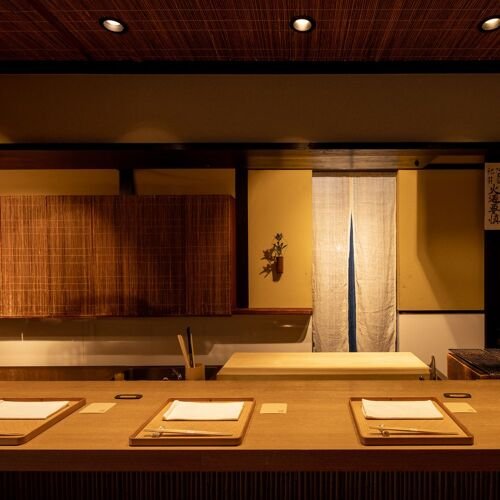
Tsujifusa occupies a considered position in Kyoto's Nakagyo Ward at 155 Mukadeyacho. The name carries deliberate weight: fusa refers to linen or hemp cloth, materials used in Shinto ritual to denote cleanliness and purity. That framing is not incidental decoration. The owner-chef draws votive water from Ujiko Shrine as part of his daily practice, and the shop curtain at the entrance is woven from pure linen. Whether or not Shinto symbolism matters to you as a diner, the effect on the food is practical: the kitchen operates with a level of daily intention that translates into consistency.
The proprietress holds a sommelier qualification and leads sake and wine pairings. This is genuinely useful to know if you are visiting during a morning or early-afternoon service, when sake pairings with lighter Japanese preparations can be the most instructive way to spend an hour in Kyoto. At the ¥¥¥ price tier, having access to a qualified pairing recommendation at the table adds real value compared to venues at the same level where front-of-house expertise is thinner. If you came once and ordered drinks independently, the move on a return visit is to hand that decision to her.
The Michelin Plate recognition in 2024 is the right kind of trust signal for a venue at this price point. A Plate indicates food worth a stop, without the full star apparatus. For context: Kikunoi Roan and Gion Matayoshi operate in different tiers of the Michelin hierarchy, and booking them requires significantly more lead time and, in many cases, a Japanese-language intermediary or hotel concierge. Tsujifusa's booking difficulty is rated easy, which matters considerably if you are planning a Kyoto trip with limited flexibility or if you are arranging your own reservations without a hotel concierge. You do not need to plan three months ahead to eat well here.
Google rating sits at 4.7 across 22 reviews. That is a small sample, but the consistency of the score at that count suggests a venue that performs reliably rather than one buoyed by a single wave of early enthusiasm. For a returning visitor, the practical implication is that the kitchen is not going through a transitional phase, and the experience you had on your first visit is the experience you should expect again.
Seasonality is part of the logic of Japanese cuisine at this level, so the current season shapes what you will find on the menu. Autumn and winter services in Kyoto typically shift toward warming preparations and root ingredients; spring brings lighter, more delicate expressions. The linen-and-ritual framing of Tsujifusa suggests a kitchen attuned to these shifts rather than one running a fixed programme year-round. If you are visiting now, that attunement is part of what you are paying for.
For a broader picture of where to eat, drink, and stay across the city, our full Kyoto restaurants guide covers the range from accessible to high-ceremony. If you are also planning around accommodation, our Kyoto hotels guide and our Kyoto bars guide are useful companions. For day trips and experiences beyond the dining room, our Kyoto experiences guide covers the options. Elsewhere in Japan, comparable in spirit if not format: akordu in Nara for Italian-inflected precision, HAJIME in Osaka for a more architectural Japanese dining experience, and Myojaku in Tokyo or Azabu Kadowaki in Tokyo for comparison against the Tokyo equivalent of Tsujifusa's tier. Further afield, Goh in Fukuoka, Harutaka in Tokyo, 1000 in Yokohama, and 6 in Okinawa offer useful reference points across Japan's regional dining range.
One note on the address: Nakagyo Ward puts Tsujifusa roughly central in Kyoto, accessible from most major accommodation clusters without significant travel. If you are combining it with a visit to Kodaiji Jugyuan or other venues in the eastern districts, plan your day accordingly, as Nakagyo and Higashiyama require separate journeys. Also worth bookmarking: our Kyoto wineries guide if sake tourism is part of your trip logic.
How It Compares
See the full comparison below.
Frequently Asked Questions
- What should I wear to Tsujifusa? Smart casual is the safe call. Tsujifusa's Shinto-inflected identity and Michelin Plate standing suggest a room that takes presentation seriously, but the ¥¥¥ price point and easy-booking status put it below the formal dress expectations of the ¥¥¥¥ kaiseki rooms. Avoid overly casual clothing; the linen curtain at the entrance signals that atmosphere matters here.
- How far ahead should I book Tsujifusa? Booking difficulty is rated easy, so a week or two of lead time is usually sufficient. That said, Kyoto's peak travel windows (late March to early May, October to November) compress availability across the city. If your dates fall in those periods, book as soon as your itinerary is confirmed. You do not need a hotel concierge or Japanese-language intermediary to get a table here, which is a practical advantage over higher-tier addresses like Kyokaiseki Kichisen.
- What are alternatives to Tsujifusa in Kyoto? At the same ¥¥¥ tier, cenci offers Italian precision if you want a contrast to Japanese cuisine. For a step up in ceremony and price, Kyokaiseki Kichisen and Ifuki represent the ¥¥¥¥ kaiseki tier with corresponding booking complexity. Gion Matayoshi sits in a similar spirit to Tsujifusa but in a different district. If you are specifically looking for the combination of accessible booking and Michelin recognition in Kyoto, Tsujifusa is a practical first choice.
- Can I eat at the bar at Tsujifusa? Seat configuration is not confirmed in available data. Given the venue's scale and positioning, counter or bar seating is plausible, but confirming directly when booking is advisable. Counter seating at a venue of this type typically offers a closer view of preparation and is often the preferred option for solo diners or pairs.
- Is the tasting menu worth it at Tsujifusa? At ¥¥¥, Tsujifusa is priced well below the top-tier kaiseki rooms in Kyoto, and the Michelin Plate recognition in 2024 confirms a kitchen operating above the baseline for its price point. The presence of a qualified sommelier handling sake and wine pairings adds value that is not always present at this tier. If you are comparing on pure value, Tsujifusa delivers more than its price suggests when set against the ¥¥¥¥ alternatives. Specific menu details are not confirmed, so check current offerings when booking.
Compare Tsujifusa
| Venue | Price | Value |
|---|---|---|
| Tsujifusa | ¥¥¥ | — |
| Gion Sasaki | ¥¥¥¥ | — |
| cenci | ¥¥¥ | — |
| Ifuki | ¥¥¥¥ | — |
| Kyokaiseki Kichisen | ¥¥¥¥ | — |
| Kyo Seika | ¥¥¥ | — |
Side-by-side comparison to help you decide where to book.
Frequently Asked Questions
What should I wear to Tsujifusa?
Err on the side of formal. Tsujifusa's name references the linen used in Shinto purification rituals, and the owner-chef draws votive water from a shrine as part of his daily routine — the atmosphere reflects that intentionality. A jacket for men and equivalent for women is the right call. Kyoto kaiseki at the ¥¥¥ price range generally expects guests to dress accordingly.
How far ahead should I book Tsujifusa?
Book at least three to four weeks ahead for weekday seatings; aim for six to eight weeks if you have a fixed travel date. Owner-chef operations at Michelin-recognised addresses in Kyoto fill quickly, and Tsujifusa's small-format setup at 155 Mukadeyacho means availability is limited by design. Leaving it to the week of your trip is a gamble.
What are alternatives to Tsujifusa in Kyoto?
For a higher-profile kaiseki with starred recognition, Kyokaiseki Kichisen is the benchmark in Kyoto. Gion Sasaki suits those who want a chef-driven omakase with a following. Cenci offers a more European-influenced tasting format if pure kaiseki tradition is not the priority. Tsujifusa sits between these extremes: more intimate than Kichisen, more ritualistic than cenci.
Can I eat at the bar at Tsujifusa?
Seating format details are not confirmed in available records for Tsujifusa. Given the venue's owner-chef model and considered approach to service, counter seating is plausible, but you should confirm directly when booking. At ¥¥¥ pricing, this is worth clarifying ahead of time rather than assuming.
Is the tasting menu worth it at Tsujifusa?
Yes, if the ritual dimension of Kyoto dining matters to you. The owner-chef's daily practice of drawing sacred water from Ujiko Shrine and the linen shop curtain woven as a nod to Shinto offering are not decor choices — they are the dining philosophy made visible. The proprietress holds a sommelier qualification and guides sake and wine pairings, which adds genuine value at this price point. If you want a more internationally recognised name for the same outlay, Kyokaiseki Kichisen is the comparison; if you want this level of deliberateness without the formality overhead, cenci is closer.
Recognized By

More restaurants in Kyoto
- OgataOgata is a 16-seat kaiseki counter in Shimogyo, Kyoto, holding two Michelin stars and ten years of Tabelog Gold recognition. Dinner runs JPY 60,000–79,999 before drinks and a 10% service charge. Booking is near impossible without months of advance planning, but for serious kaiseki at the counter, it earns its place on any shortlist.
- MizaiMizai holds three Michelin stars and a sustained Tabelog track record across nearly a decade, with dinner running to ¥80,000–¥99,999 per person all-in. Chef Hitoshi Ishihara structures the meal around the spirit of the tea ceremony in a 15-seat room inside Maruyama Park. Book for a serious special occasion; reservations are near-impossible to secure without months of advance planning.
Related editorial
- Best Fine Dining Restaurants in ParisFrom three-Michelin-star icons to the next generation of Parisian chefs pushing boundaries, these are the restaurants that define fine dining in the world's culinary capital.
- Best Luxury Hotels in RomeFrom rooftop terraces overlooking ancient ruins to Michelin-starred hotel dining, these are the luxury hotels that make Rome unforgettable.
- Best Cocktail Bars in KyotoFrom sleek lounges to hidden speakeasies, Kyoto's cocktail scene blends Japanese precision with global influence in ways you won't find anywhere else.
Save or rate Tsujifusa on Pearl
Keep this venue in your Pearl passport, rate it after you visit, and track it alongside every other place you collect.