
Restaurant in Tokyo, Japan
Towa
450ptsMichelin-starred wagyu kaiseki. Dinner only, book ahead.

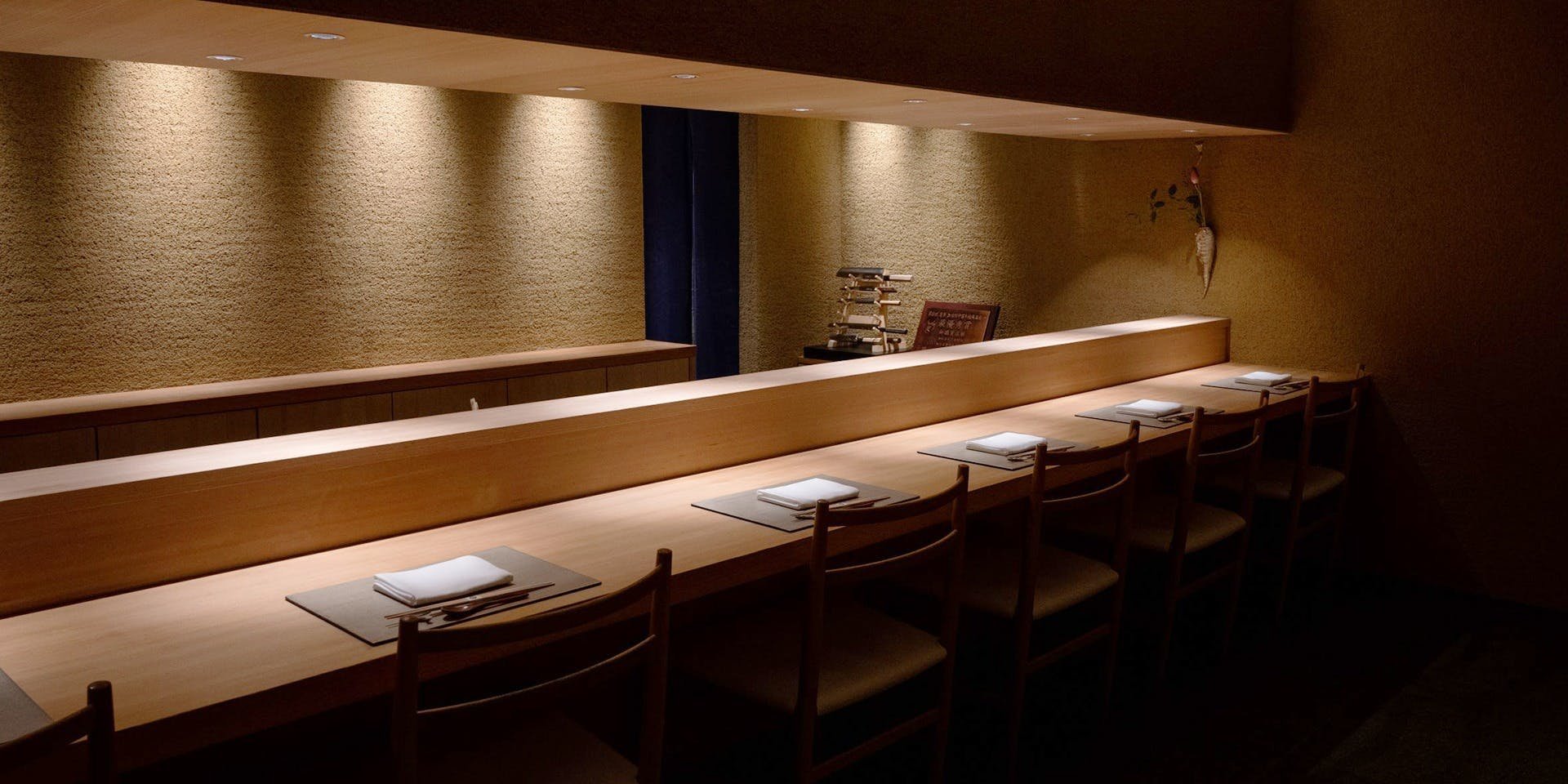
About Towa
A Michelin-starred (2024) beef kaiseki restaurant in Nishiazabu, Towa sequences wagyu through multiple preparations — tail, tongue, cutlet — within a traditional kaiseki framework. At ¥¥¥¥, it earns its price if wagyu is your focus. Booking is hard; plan four to six weeks ahead minimum. Rated 4.7 on Google from 253 reviews.
A 4.7-star Michelin-starred beef kaiseki in Nishiazabu — but is Towa the right booking for you?
Towa holds a Google rating of 4.7 from 253 reviews and a Michelin star (2024), which puts it in serious company for Tokyo's dinner-only fine dining tier. The format is beef kaiseki — a structured progression that opens with seasonal tsukuri and wanmono before moving into a carefully sequenced wagyu showcase. If you are considering a special-occasion dinner in Nishiazabu and wagyu is your focus, Towa is a strong answer. If you want kaiseki without the beef emphasis, or a more flexible à la carte format, look elsewhere.
What Makes Towa Worth Knowing About
The restaurant sits on the second floor of the Modern Form Nishiazabu Building at 4-11-25 Nishiazabu, Minato City , a low-key address in a neighbourhood that runs quieter than Roppongi proper but remains well-connected. The second-floor location keeps the room away from street noise, and the dinner-only format (6 PM to 11:30 PM, Monday through Saturday, closed Sunday) signals that Towa is built around a single, unhurried evening service rather than table turns.
The name itself carries intention: it is both a reference to chef Takaaki Tsuneyasu's own name and a prayer for everlasting prosperity. That framing matters because it tells you something about the register of the experience , this is not a casual wagyu grill or a beef-forward izakaya. It is a kaiseki framework applied to Japan's most prized protein, with the seasonal progression of a traditional multi-course structure intact.
The Sourcing Argument , Why the Menu Is Built This Way
Beef kaiseki as a format only makes sense if the sourcing can carry it. Kaiseki, by design, is a cuisine of restraint and seasonality, where each element earns its place. Applying that structure to wagyu means the beef has to work as a through-line across multiple preparations , not just as a feature dish. At Towa, the menu moves from beef-tail spring rolls and char-grilled tongue through to a main course beef cutlet, with Japanese and beef dishes described as alternating in equal measure throughout.
This sequencing matters for the price justification. At ¥¥¥¥, you are paying for wagyu sourced and prepared across several distinct techniques, not just a single premium steak course. The variety of cuts and preparations , tail, tongue, cutlet , suggests a kitchen that works the whole animal rather than defaulting to the most expensive loin cuts. That approach is harder to execute and, when done well, more interesting to eat through. The Michelin panel evidently agreed: a star at this price point in Tokyo's saturated fine dining market is not awarded easily.
For context, Tokyo's Michelin guide covers more starred restaurants than any other city in the world. A single star in 2024 means Towa is considered worth a special journey , not just a neighbourhood convenience. That credential, combined with the Google score, gives reasonable confidence that the kitchen is consistent.
Booking and Logistics
Towa operates dinner service only, six nights a week, which means the seat count per week is fixed and demand is concentrated. No phone number or website is listed in publicly available records, which makes direct booking harder to navigate than restaurants with online reservation systems. For Tokyo's harder-to-book Michelin venues at this tier, the standard approach is to use a hotel concierge if you are staying at a property with strong local relationships, or to book through a reputable reservation service well in advance. Treat this as a hard booking , plan at least four to six weeks out, and more during peak travel seasons (cherry blossom in late March to April, and autumn foliage in November).
The Nishiazabu address is accessible by taxi from most central Tokyo hotels. The neighbourhood sits between Hiroo and Roppongi, making it convenient if you are based in Minato or Shibuya wards. A taxi from central Shinjuku or Ginza should be direct.
First-Timer Guidance
If this is your first beef kaiseki experience, the format will feel more structured than a wagyu steakhouse but less austere than a traditional multi-course kaiseki focused entirely on vegetables and seafood. Expect the meal to run close to two hours given the number of courses. The kitchen paces the progression , you are not ordering individually, and the menu is set. Come with an appetite and, given the ¥¥¥¥ price tier, with a clear sense that you are committing to the full experience.
Dress smartly. While no formal dress code is confirmed in available data, a Michelin-starred dinner-only restaurant in Nishiazabu at this price point warrants business casual at minimum. Avoid sportswear. For international visitors, this is the kind of venue where smart casual to dressy will always be the right call.
If wagyu is a priority and you want to compare options before committing, RyuGin offers a different take on Japanese fine dining at the same price tier, and Harutaka is worth considering if exceptional sushi is the alternative you are weighing. For a broader view of where Towa sits in Tokyo's dining scene, see our full Tokyo restaurants guide.
Beyond Tokyo, if you are travelling through Japan and want to benchmark the broader kaiseki and fine dining landscape, Gion Sasaki in Kyoto and HAJIME in Osaka are both reference-point venues worth knowing. For something further afield, akordu in Nara and Goh in Fukuoka round out the picture across Japan's main dining regions. If you are planning around Tokyo specifically, our Tokyo hotels guide and bars guide can help with the full itinerary. Internationally, the closest format comparison for the structured tasting-menu-plus-premium-protein model would be something like Le Bernardin in New York City or Lazy Bear in San Francisco , both structured, ingredient-led tasting experiences at a comparable price commitment.
The Verdict
Book Towa if wagyu kaiseki is specifically what you want and you are prepared to work through the booking logistics. The Michelin recognition and 4.7 Google score across 253 reviews suggest a kitchen that delivers at this price tier with consistency. The dinner-only format and six-night service means seats are genuinely limited , this is not a venue you can leave to last minute. If you are on the fence between Towa and a more conventional kaiseki or sushi option, the deciding factor is simple: how central is wagyu to what you want from the meal? If it is central, Towa is the booking to make.
Compare Towa
| Venue | Cuisine | Price | Awards | Booking Difficulty | Value |
|---|---|---|---|---|---|
| Towa | Beef Kaiseki, Japanese | ¥¥¥¥ | The name is both a play on the owner’s name and a prayer for everlasting prosperity. The menu combines kaiseki and beef, showcasing Japan’s famous wagyu. Tsukuri and wanmono start the evening, celebrating the season. A procession of wagyu variations follows: beef-tail spring rolls, char-grilled tongue, and a main dish of beef cutlet. Japanese and beef dishes delight in equal measure.; Michelin 1 Star (2024) | Hard | — |
| Harutaka | Sushi | ¥¥¥¥ | Michelin 3 Star, World's 50 Best | Unknown | — |
| RyuGin | Kaiseki, Japanese | ¥¥¥¥ | Michelin 3 Star, World's 50 Best | Unknown | — |
| L'Effervescence | French | ¥¥¥¥ | Michelin 3 Star, World's 50 Best | Unknown | — |
| HOMMAGE | Innovtive French, French | ¥¥¥¥ | Michelin 2 Star, World's 50 Best | Unknown | — |
| Florilège | French | ¥¥¥ | Michelin 2 Star, World's 50 Best | Unknown | — |
Comparing your options in Tokyo for this tier.
Frequently Asked Questions
Is the tasting menu worth it at Towa?
For wagyu kaiseki specifically, yes. The format — tsukuri and wanmono opening the meal before a procession of wagyu preparations including beef-tail spring rolls, char-grilled tongue, and a beef cutlet main — is more deliberate and structured than a steakhouse approach. The 2024 Michelin star confirms the kitchen is operating at a high level. If you want à la carte wagyu or a looser format, this is the wrong room.
What should a first-timer know about Towa?
Towa runs dinner only, six nights a week (closed Sundays), from a second-floor address in Nishiazabu — low-key from the street and not walk-in friendly. The menu follows a kaiseki progression, so expect a sequenced meal rather than a single wagyu centrepiece. Booking requires advance planning; there is no listed phone or website, so reservations typically go through a hotel concierge or a third-party reservation service.
Is Towa worth the price?
At ¥¥¥¥ pricing and with a 2024 Michelin star, Towa sits in Tokyo's top tier for dinner-only fine dining. The value case holds if beef kaiseki is the format you want — the sourcing and structure justify the spend. If you are after traditional multi-course kaiseki without the wagyu focus, RyuGin or L'Effervescence offer strong alternatives at a similar price point.
What should I wear to Towa?
The venue data does not specify a dress code, but the ¥¥¥¥ price point, Michelin star, and kaiseki format all point toward formal or at minimum business-casual dress. In Tokyo's fine dining context at this tier, shorts and trainers would be out of place. When in doubt, dress as you would for any Michelin-starred dinner.
Can Towa accommodate groups?
The venue data does not confirm private dining or group capacity. Given the dinner-only, six-nights-a-week format and the structured kaiseki progression, Towa is better suited to small groups of two to four. Large parties should contact directly through a concierge before assuming availability.
Is lunch or dinner better at Towa?
Towa does not serve lunch. Dinner runs Monday through Saturday, 6 to 11:30 pm, and that is your only option. Plan accordingly, especially if you are working around a tight Tokyo itinerary.
Can I eat at the bar at Towa?
The venue data does not confirm a bar or counter seating option. With no listed website or phone, the best way to confirm seating configuration is through a hotel concierge or reservation platform before booking.
Hours
- Monday
- 6–11:30 pm
- Tuesday
- 6–11:30 pm
- Wednesday
- 6–11:30 pm
- Thursday
- 6–11:30 pm
- Friday
- 6–11:30 pm
- Saturday
- 6–11:30 pm
- Sunday
- Closed
Recognized By

More restaurants in Tokyo
- SézanneOccupying the seventh floor of the Four Seasons Hotel Tokyo at Marunouchi, Sézanne earned its first Michelin star within months of opening in July 2021 and now holds three. British chef Daniel Calvert applies French technique to Japanese ingredients, producing a prix-fixe format that Tabelog has recognised with Silver awards every year from 2023 through 2026. It ranked 4th in Asia's 50 Best Restaurants in 2025 and 15th globally in 2024.
- SazenkaSazenka is the address for Chinese cuisine in Tokyo at its most technically demanding. Chef Tomoya Kawada's wakon-kansai approach — Japanese seasonal ingredients applied through Chinese culinary technique — has earned consecutive Tabelog Gold Awards from 2019 to 2026, a #71 ranking on the World's 50 Best 2025, and 99 points from La Liste 2026. At JPY 50,000–59,999 per head, it is one of the hardest tables in the city to book and worth the effort.
- NarisawaNarisawa is Tokyo's most credentialled innovative tasting menu restaurant — two Michelin stars, Asia's 50 Best number 12, and a Tabelog Silver award — running at JPY 80,000–99,999 per head. Book for a milestone occasion, confirm vegetarian or vegan needs in advance, and reserve at least two to three months out. With 15 seats and reservation-only access, this is one of Tokyo's hardest tables to secure.
- FlorilègeFlorilège delivers two Michelin stars and an Asia's 50 Best #17 ranking at a dinner price of ¥22,000 — competitive for Tokyo at this level. Chef Hiroyasu Kawate's plant-forward tasting menus around an open-kitchen counter at Azabudai Hills make this the strongest choice for contemporary French dining in Tokyo if theatrical, produce-led cooking is what you want. Book well in advance; availability is near-impossible at short notice.
- DenDen holds two Michelin stars, a World's 50 Best top-25 Asia ranking, and a Tabelog Silver Award running back to 2017 — and it books out within hours of the two-month reservation window opening. Chef Zaiyu Hasegawa's daily-changing seasonal omakase runs JPY 30,000–39,999 at dinner in a relaxed house-restaurant setting near Gaiemmae. Book by phone only, noon–5 PM JST. Lunch is irregular; plan around dinner.
- MyojakuMyojaku is a 2-Michelin-star, 14-course French-leaning omakase in Nishiazabu holding a 4.47 Tabelog score, Tabelog Silver 2025–2026, and Asia's 50 Best #45 (2025). Chef Hidetoshi Nakamura's water-forward, no-dashi approach shifts meaningfully with the seasons — making timing your reservation as important as getting one. Budget JPY 50,000–59,999 per head plus 10% service charge; reservations only, near-impossible to secure.
Related editorial
- Best Fine Dining Restaurants in ParisFrom three-Michelin-star icons to the next generation of Parisian chefs pushing boundaries, these are the restaurants that define fine dining in the world's culinary capital.
- Best Luxury Hotels in RomeFrom rooftop terraces overlooking ancient ruins to Michelin-starred hotel dining, these are the luxury hotels that make Rome unforgettable.
- Best Cocktail Bars in KyotoFrom sleek lounges to hidden speakeasies, Kyoto's cocktail scene blends Japanese precision with global influence in ways you won't find anywhere else.
Save or rate Towa on Pearl
Keep this venue in your Pearl passport, rate it after you visit, and track it alongside every other place you collect.