
Restaurant in Shanghai, China
Tou Zao
550ptsOne menu, one star, no shortcuts.


About Tou Zao
A Michelin-starred (2024) Cantonese prix-fixe in Shanghai's Huangpu district, where Chef Jiǎng Qiáomù applies precise wok technique and tableside dim sum preparation in a quiet, sushiya-like room. At ¥¥¥¥, it rewards guests who commit to the format. Booking is hard and lead time is increasing as the restaurant's reputation builds.
Verdict
At ¥¥¥¥ pricing, Tou Zao is one of Shanghai's most considered splurges for serious Cantonese cooking. A single prix-fixe menu, a Michelin star earned in 2024, and a format borrowed from the Japanese omakase tradition add up to a meal that rewards patience and attention. If you want à la carte Cantonese or a casual dim sum session, this is not your room. But if you are prepared to commit to the full experience, the kitchen under Chef Jiǎng Qiáomù delivers technical control that justifies the spend.
Portrait
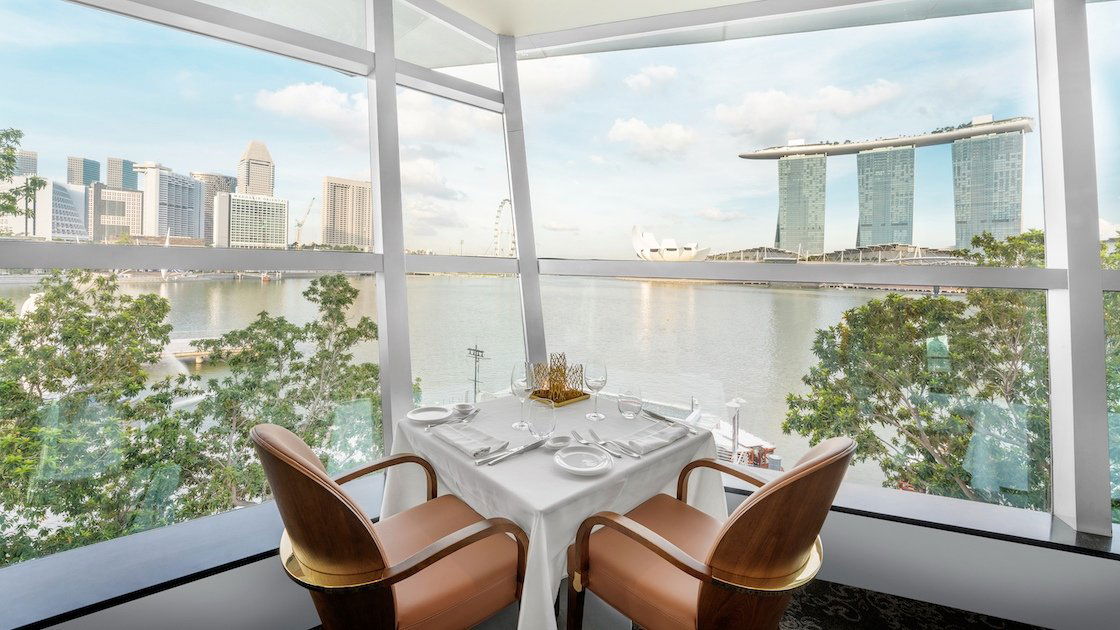
Tou Zao sits on the seventh floor of New World City on Nanjing West Road in Huangpu, one of Shanghai's most commercial stretches. The address sounds unpromising, but the room itself corrects that first impression immediately. Where most Cantonese restaurants in China lean into noise and volume as signs of energy, Tou Zao does the opposite. The space is deliberately composed, intimate in scale, and closer in atmosphere to a private dining room or a Tokyo counter restaurant than to a banquet hall. For a food-focused traveller who has grown accustomed to the visual and acoustic chaos of excellent Chinese cooking, this is the first signal that something different is happening here.
The format is a single prix-fixe menu spanning hot entrées and dim sum, and the Cantonese identity is unambiguous throughout. The kitchen's point of difference is technical: the control of heat is precise enough that wok hei — the slightly smoky, high-temperature breath that separates a great wok kitchen from a competent one — reads clearly in the food. Sautéed lobster with a scallion preparation has been cited as a signature, notable for both its aromatics and the texture of the flesh. Spring rolls and Cantonese puff pastries are assembled and baked at the table, arriving hot rather than resting under lights. These are not gimmicks; they reflect a kitchen that understands the relationship between timing and quality.
The tableside preparation also changes how you experience the meal visually. Watching pastry formed and finished before service is not theatre for its own sake , it tells you something concrete about freshness and care. For a food explorer comparing Cantonese fine dining across the region, this is meaningful context. The analogous approach at Forum in Hong Kong or Le Palais in Taipei runs at comparable price points, but neither quite replicates this combination of dim sum format with the quiet intimacy of a sushiya service model.
Editorial angle here is relevant: Tou Zao's dim sum component makes it an interesting morning or weekend target for explorers who want more than a hotel buffet but find the full omakase dinner format too formal for a relaxed start to the day. The prix-fixe structure at lunch carries the same menu architecture as the evening service, meaning the hot entrées and tableside pastries are available during daytime hours. For travellers building a Shanghai itinerary with Cantonese cooking as a priority, a weekend lunch booking here covers ground that a dinner-only approach might miss , specifically the chance to see the dim sum work in full daylight alongside the kitchen's hot section. Compare this approach with what Bao Li Xuan or Canton 8 (Huangpu) offer in the same Cantonese segment, and Tou Zao's premium is clearly tied to intimacy and technical ambition rather than to breadth of menu or scale of production.
For regional context, the Cantonese fine dining circuit in mainland China has been building credibly over the past decade. Venues like Xin Rong Ji in Beijing, Xin Rong Ji in Chengdu, and Dai Yuet Heen in Nanjing have all made cases for serious Cantonese cooking outside Hong Kong's traditional dominance. In Shanghai specifically, the competition includes Ji Pin Court, Imperial Treasure Fine Chinese Cuisine, and 102 House. Tou Zao's Michelin recognition in 2024 places it in a defined tier, though the star count is one rather than two or three , meaning it competes on precision and format more than on the accumulated prestige of a longer-established institution. For guests whose Cantonese reference points include Chef Tam's Seasons in Macau or Imperial Treasure in Guangzhou, Tou Zao reads as a strong Shanghai addition rather than a regional peer of those heavier-credential venues.
The 2024 Michelin star is also a useful timing signal. Earning recognition for the first time positions Tou Zao at the start of its formal reputation arc rather than at a comfortable plateau, which historically correlates with kitchens performing at or near their ceiling. Booking now, while the restaurant is still establishing its footing in the guide, may be easier than it will be in subsequent years. Waitlists at one-star venues in China's major cities tend to lengthen quickly once a name circulates in travel planning circles. The current Google rating of 5.0 across 16 reviews is too small a sample to weight heavily, but the absence of dissatisfied ratings at this stage is consistent with a kitchen operating carefully.
For broader Shanghai planning, see our full Shanghai restaurants guide, our full Shanghai hotels guide, our full Shanghai bars guide, our full Shanghai wineries guide, and our full Shanghai experiences guide. If you are planning a Cantonese-focused trip through the region, Ru Yuan in Hangzhou is worth adding as a day-trip complement.
Quick reference: ¥¥¥¥ prix-fixe, Michelin 1 Star (2024), Huangpu district, New World City 7F, Chef Jiǎng Qiáomù. Book well ahead , this is a hard reservation.
How It Compares
Frequently Asked Questions
- Is Tou Zao worth the price? Yes, with one condition: you need to be comfortable with the prix-fixe-only format. At ¥¥¥¥, Tou Zao delivers Michelin-starred (2024) Cantonese cooking with genuine technical ambition , particularly in its wok work and tableside dim sum. If you want to order freely across a menu, Ji Pin Court or Imperial Treasure will suit you better. For guests who value focused, quiet fine dining over breadth, the spend is justified.
- Can I eat at the bar at Tou Zao? No confirmed bar or counter seating is listed in available data. The venue's format , intimate, service-forward, modelled partly on the quiet attentiveness of a sushiya , suggests the experience is designed around table dining rather than casual walk-in counter service. Contact the restaurant directly before assuming walk-in access is possible.
- What are alternatives to Tou Zao in Shanghai? For Cantonese at a lower price point, Ming Court (¥¥¥) and Royal China Club (¥¥¥) are the most direct peers. Canton 8 (Huangpu) offers a more accessible price tier for Cantonese cooking in the same district. If you are open to non-Cantonese options at ¥¥¥¥, Fu He Hui is the most interesting alternative for an equally deliberate, tasting-menu format in Shanghai.
- Is Tou Zao good for a special occasion? Yes , the combination of Michelin recognition, intimate room size, and a single prix-fixe menu makes it a practical choice for a meaningful dinner or celebration lunch. The quiet atmosphere and attentive service model work in favour of conversation and focus, unlike larger Cantonese restaurants where noise and pace can overwhelm a significant meal. Book the earliest possible reservation if you have a fixed date; this is a hard booking.
- What should I wear to Tou Zao? No dress code is published, but the venue's price tier (¥¥¥¥), Michelin star, and deliberately serene atmosphere indicate that smart-casual at minimum is appropriate. In Shanghai's fine dining context, this means no sportswear or casual streetwear. Treat it as you would any other single-starred restaurant in the city , a polished, considered outfit will match the room.
Compare Tou Zao
| Venue | Price | Value |
|---|---|---|
| Tou Zao | ¥¥¥¥ | — |
| Fu He Hui | ¥¥¥¥ | — |
| Ming Court | ¥¥¥ | — |
| Polux | ¥¥ | — |
| Royal China Club | ¥¥¥ | — |
| Scarpetta | ¥¥¥ | — |
How Tou Zao stacks up against the competition.
Frequently Asked Questions
Is Tou Zao worth the price?
At ¥¥¥¥ pricing with a Michelin star, Tou Zao justifies the spend if a single prix-fixe format suits you. The format is tight and intentional: hot entrées, tableside dim sum, and Cantonese puff pastries baked to order. If you want à la carte flexibility or lighter spend, Ming Court offers a comparable Cantonese pedigree at a different price point. Tou Zao is for diners who want a complete, chef-led meal rather than a shared spread.
Can I eat at the bar at Tou Zao?
Tou Zao is not a bar-dining venue. The format is a single prix-fixe menu in an intimate, sushiya-style setting, which means seating is structured around the full meal experience. There is no bar counter option documented for this venue. Plan to commit to the full menu if you book.
What are alternatives to Tou Zao in Shanghai?
For Cantonese cooking at a comparable level, Ming Court is the closest structural peer with a strong track record in the format. Fu He Hui is worth considering if you want Shanghai fine dining with a vegetarian slant. Neither matches Tou Zao's specific combination of prix-fixe structure and wok-forward Cantonese technique, but both represent serious alternatives at the upper end of the Shanghai dining market.
Is Tou Zao good for a special occasion?
Yes, and the format works in its favour here. A single prix-fixe menu with tableside preparation removes the decision overhead of a la carte, which suits celebratory dinners where the meal should feel like an event. The Michelin star (2024) gives it the external credibility that matters for marking an occasion. Parties wanting a private room should confirm availability directly, as seating configuration details are not publicly listed.
What should I wear to Tou Zao?
Tou Zao's intimate, service-focused atmosphere and ¥¥¥¥ pricing place it in territory where smart dress is the sensible default. Think business casual or smarter: neat trousers, collared shirts, or equivalent. No explicit dress code is listed for this venue, but turning up in casualwear at a Michelin-starred prix-fixe in Huangpu would read as underdressed.
Recognized By


More restaurants in Shanghai
- Fu He HuiFu He Hui holds two Michelin stars and a World's 50 Best #64 global ranking for 2025, making it the most credentialed plant-based tasting menu restaurant in China. Chef Tony Lu's kitchen is a serious destination for special occasions, but the vegetarian-only format and near-impossible booking difficulty mean it rewards guests who are genuinely committed to the experience. Book weeks in advance and plan your evening around the 9 pm kitchen close.
- Taian TableTaian Table holds three Michelin stars and La Liste recognition for 2025, making it one of Shanghai's most credentialed fine-dining addresses. Chef Christiaan Stoop's Modern European tasting menu is format-committed and near-impossible to book — plan two to three months out. At ¥¥¥¥, it is the right choice for food-focused travellers who want precision cooking with no equivalent in the city.
Related editorial
- Best Fine Dining Restaurants in ParisFrom three-Michelin-star icons to the next generation of Parisian chefs pushing boundaries, these are the restaurants that define fine dining in the world's culinary capital.
- Best Luxury Hotels in RomeFrom rooftop terraces overlooking ancient ruins to Michelin-starred hotel dining, these are the luxury hotels that make Rome unforgettable.
- Best Cocktail Bars in KyotoFrom sleek lounges to hidden speakeasies, Kyoto's cocktail scene blends Japanese precision with global influence in ways you won't find anywhere else.
Save or rate Tou Zao on Pearl
Keep this venue in your Pearl passport, rate it after you visit, and track it alongside every other place you collect.