
Restaurant in Kyoto, Japan
Tenjaku
450ptsGrandfather's method, Michelin-starred, hard to get.

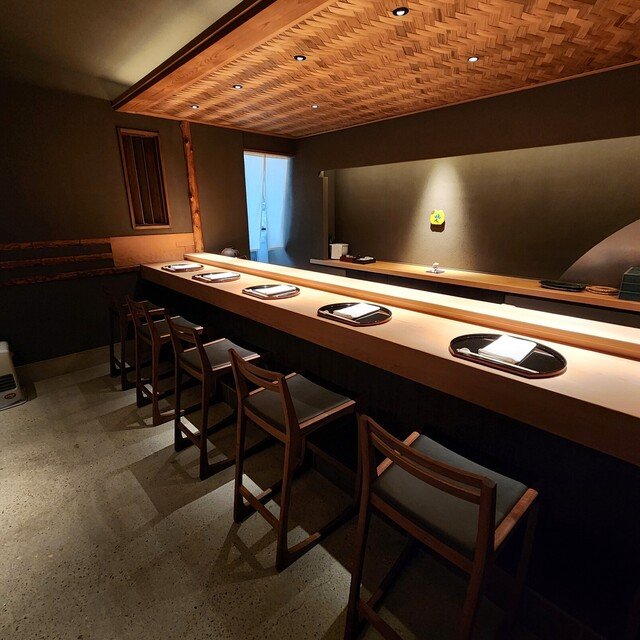
About Tenjaku
Tenjaku is a Michelin-starred tempura kaiseki counter in Kyoto's Kamigyo Ward, rated 4.9 and priced at ¥¥¥ — real value for the category. The kitchen fries each item individually in canola oil and finishes with its signature chopped onion and mustard dressing, a method inherited across generations. Book six to eight weeks ahead minimum; this is one of Kyoto's harder Michelin reservations to land.
Should You Book Tenjaku?
Tenjaku holds a Michelin star and a 4.9 Google rating from 71 reviews, and seats in Kamigyo Ward are genuinely scarce. If you are planning a special occasion meal in Kyoto and want tempura taken seriously at the kaiseki level, this is the clearest recommendation in its category. Book as early as possible — this is not a walk-in venue.
What Tenjaku Is
Tenjaku is a tempura kaiseki counter in Kyoto's Kamigyo Ward, built around a method the current chef inherited from his grandfather. The format is structured and unhurried: each tempura item is fried individually in canola oil, coated lightly, and served one piece at a time. The dipping sauce arrives warm. A deep-fried tofu preparation preserves the grandfather's original method. What distinguishes the Tenjaku style specifically is the finishing of tempura items with chopped onions and mustard — a signature that sets it apart from the cleaner, more neutral style at venues like Miyagawacho Tensho or the refined restraint of Tempura Matsu. The meal closes with white rice cooked in clay pots, which reflects the kitchen's stated intention that aftertastes should be clean and light rather than heavy.
The cuisine philosophy is rooted in seasonality , the kitchen frames Japanese cuisine as an expression of the turning of the seasons, and the tempura selection shifts accordingly. This is not a venue where you choose from a printed menu of fixed options. The kaiseki structure means the kitchen dictates the sequence, and what you eat will reflect the season you visit in. That framing matters if you are deciding when to go: Kyoto's spring and autumn seasons, when seasonal ingredients are at their peak, are when this format delivers its strongest argument.
The Experience: Special Occasions and Group Dining
Tenjaku works well as a celebration or milestone dinner for two. The counter format, one piece at a time, creates a natural rhythm that suits a considered meal rather than a social gathering with a lot of cross-table conversation. For date nights or a quiet anniversary dinner, the sequenced pacing is an asset. For a louder group celebration, it is worth considering whether the format aligns with what your party actually wants from an evening.
On group bookings: the seat count is not confirmed in available data, but counter-based kaiseki restaurants in Kyoto typically run eight to twelve seats. If you are a party of four or more, contact the restaurant directly and early , not just to confirm availability, but to understand what the room can actually accommodate for your group. Private dining arrangements, if available, would need to be established at booking stage. Venues like Gion Senryu or Enyuan Kobayashi offer useful alternatives if your group needs more flexible seating configurations.
For a business meal, Tenjaku's Michelin status gives it credibility, and the structured format keeps the meal moving without requiring guests to navigate choices. That said, the counter setting does not offer the privacy of a private dining room, which matters if the conversation is sensitive. Factor that in if the business context requires discretion.
Booking Tenjaku
Getting a table here is legitimately hard. Michelin-starred kaiseki and tempura counter seats in Kyoto are among the most sought-after reservations in Japan, and Tenjaku's rating data suggests a small room with very consistent demand. Book at least six to eight weeks ahead for a weekend seat, and ideally further out if you are travelling during peak Kyoto periods , late March through early May (cherry blossom season) and October through mid-November (autumn foliage). Visiting in the quieter summer months may give you marginally better access, though July in Kyoto is hot and humid, and the ingredient selection in August can be narrower than spring or autumn. For context on how this compares to booking difficulty across the city, see our full Kyoto restaurants guide.
Price and Value
Tenjaku is priced at ¥¥¥ , a tier below the ¥¥¥¥ kaiseki institutions like Kyokaiseki Kichisen or Ifuki. For a Michelin-starred, counter-based meal in Kyoto, that positioning represents real value. You are paying for craft and lineage rather than a luxury hospitality package, which is the right trade-off if the food itself is the priority. If you want the full kaiseki kaiseki spectacle with lacquerware and a garden view, look at Kyoboshi. If your priority is the tightest possible tempura technique at a Michelin level, Tenjaku is the better call at this price point.
For tempura specifically at Michelin level across the Kansai region, you can also consider Numata or Shunsaiten Tsuchiya in Osaka if Kyoto access proves difficult. For broader Japan comparisons at this level, Harutaka in Tokyo and HAJIME in Osaka set the national benchmark for what a starred counter experience can deliver.
Practical Details
| Detail | Tenjaku | Tempura Matsu | Miyagawacho Tensho |
|---|---|---|---|
| Cuisine | Tempura kaiseki | Tempura | Tempura |
| Price tier | ¥¥¥ | ¥¥¥ | ¥¥¥ |
| Michelin | 1 Star (2024) | Confirm at booking | Confirm at booking |
| Booking difficulty | Hard | Moderate–Hard | Moderate–Hard |
| Format | Counter, kaiseki sequence | Counter | Counter |
| Leading for | Special occasion, couples | Tempura purists | Seasonal kaiseki |
For more on where to stay, drink, and spend time around your booking, see our full Kyoto hotels guide, our full Kyoto bars guide, and our full Kyoto experiences guide. If you are extending into the broader Kansai and Japan region, akordu in Nara and Goh in Fukuoka are worth the detour. 1000 in Yokohama and 6 in Okinawa round out a broader Japan itinerary at this quality level.
Frequently Asked Questions
How far ahead should I book Tenjaku?
Six to eight weeks minimum for a weekend table, more if you are visiting during cherry blossom (late March to early May) or autumn foliage (October to mid-November) seasons. Tenjaku holds a Michelin star in a city where starred counter seats are among the hardest reservations in Japan. Treat this like booking a leading omakase in Tokyo , early planning is not optional, it is the only way to guarantee access.
What should I wear to Tenjaku?
Smart casual is a safe baseline for a ¥¥¥ Michelin-starred counter in Kyoto. No jeans or trainers. Given the counter format and the kaiseki structure, guests are generally expected to dress in a way that matches the seriousness of the meal. Kyoto's Michelin dining culture skews more formal than Tokyo's, so err on the side of being slightly overdressed rather than under. A jacket for men is advisable.
Can Tenjaku accommodate groups?
Counter kaiseki venues in Kyoto typically run eight to twelve seats total, so a group of six or more will likely take up most or all of the room. Contact Tenjaku directly at booking stage to confirm what they can accommodate and whether any private arrangement is possible. If you need confirmed private dining or more flexible seating for a larger group, Gion Senryu or Enyuan Kobayashi are worth exploring as alternatives.
Can I eat at the bar at Tenjaku?
Tenjaku is a counter-format restaurant, which means the counter IS the dining experience , there is no separate bar area to drop into for a quick bite. Every seat is part of the kaiseki sequence. Walk-ins are not a realistic option given the demand and the format. If you want a counter seat, you book it. If you are looking for a more casual tempura experience in Kyoto where you can eat without a full reservation, the format here is not designed for that.
What should a first-timer know about Tenjaku?
Three things worth knowing before you go. First, the sequence is fixed , this is not an a la carte meal. You eat what the kitchen sends, in the order it arrives, and that sequence reflects the season. Second, the Tenjaku style finishes tempura with chopped onions and mustard, which is distinctive and not universal to tempura kaiseki , go in knowing that. Third, the meal ends with clay-pot rice deliberately, because the kitchen wants the finish to be light. Do not expect a heavy dessert course. At ¥¥¥ with a Michelin star, this is one of the better-value serious meals in Kyoto , but it rewards diners who understand the format and come prepared for a considered, unhurried experience.
Compare Tenjaku
| Venue | Cuisine | Price | Booking Difficulty |
|---|---|---|---|
| Tenjaku | Tempura | ¥¥¥ | Hard |
| Gion Sasaki | Kaiseki, Japanese | ¥¥¥¥ | Unknown |
| cenci | Italian | ¥¥¥ | Unknown |
| Ifuki | Kaiseki | ¥¥¥¥ | Unknown |
| Kyokaiseki Kichisen | Japanese | ¥¥¥¥ | Unknown |
| SEN | French, Japanese | ¥¥¥¥ | Unknown |
Key differences to consider before you reserve.
Frequently Asked Questions
How far ahead should I book Tenjaku?
Book at least 4–6 weeks out, and expect competition. Tenjaku holds a Michelin star (2024) with a counter format that limits covers, making it one of the harder seats to secure in Kamigyo Ward. International visitors should explore concierge booking services or specialist reservation platforms, as direct contact options are not publicly listed.
What should I wear to Tenjaku?
Treat this like any other Michelin-starred kaiseki counter in Kyoto: neat, understated clothing is the right call. The format here is considered and deliberate — one tempura piece at a time, clay-pot rice to close — so dress to match the pace of the meal rather than a casual izakaya night out.
Can Tenjaku accommodate groups?
The counter format at Tenjaku is built for pairs or small parties, not groups. If you are planning for four or more, check seat availability carefully before committing. For larger milestone celebrations in Kyoto, a venue with a private room — such as Kyokaiseki Kichisen — is a more practical fit.
Can I eat at the bar at Tenjaku?
Tenjaku is structured as a counter restaurant, so the counter is the experience, not an alternative to it. Eating at the counter here means watching the tempura fried one piece at a time in canola oil — that sequenced rhythm is the format, not a walk-in option.
What should a first-timer know about Tenjaku?
The meal follows a kaiseki structure anchored in inherited technique: tempura fried individually, dressed with chopped onion and mustard in the house style, with warm dipping sauce and a tofu course prepared by the grandfather's method. The meal closes deliberately light, ending with clay-pot white rice. Come ready to sit with the pace of it — this is not a quick dinner.
Recognized By

More restaurants in Kyoto
- OgataOgata is a 16-seat kaiseki counter in Shimogyo, Kyoto, holding two Michelin stars and ten years of Tabelog Gold recognition. Dinner runs JPY 60,000–79,999 before drinks and a 10% service charge. Booking is near impossible without months of advance planning, but for serious kaiseki at the counter, it earns its place on any shortlist.
- MizaiMizai holds three Michelin stars and a sustained Tabelog track record across nearly a decade, with dinner running to ¥80,000–¥99,999 per person all-in. Chef Hitoshi Ishihara structures the meal around the spirit of the tea ceremony in a 15-seat room inside Maruyama Park. Book for a serious special occasion; reservations are near-impossible to secure without months of advance planning.
Related editorial
- Best Fine Dining Restaurants in ParisFrom three-Michelin-star icons to the next generation of Parisian chefs pushing boundaries, these are the restaurants that define fine dining in the world's culinary capital.
- Best Luxury Hotels in RomeFrom rooftop terraces overlooking ancient ruins to Michelin-starred hotel dining, these are the luxury hotels that make Rome unforgettable.
- Best Cocktail Bars in KyotoFrom sleek lounges to hidden speakeasies, Kyoto's cocktail scene blends Japanese precision with global influence in ways you won't find anywhere else.
Save or rate Tenjaku on Pearl
Keep this venue in your Pearl passport, rate it after you visit, and track it alongside every other place you collect.