
Restaurant in Bangkok, Thailand
Sushi Saito
380ptsTokyo-pedigree sushi on the Chao Phraya.

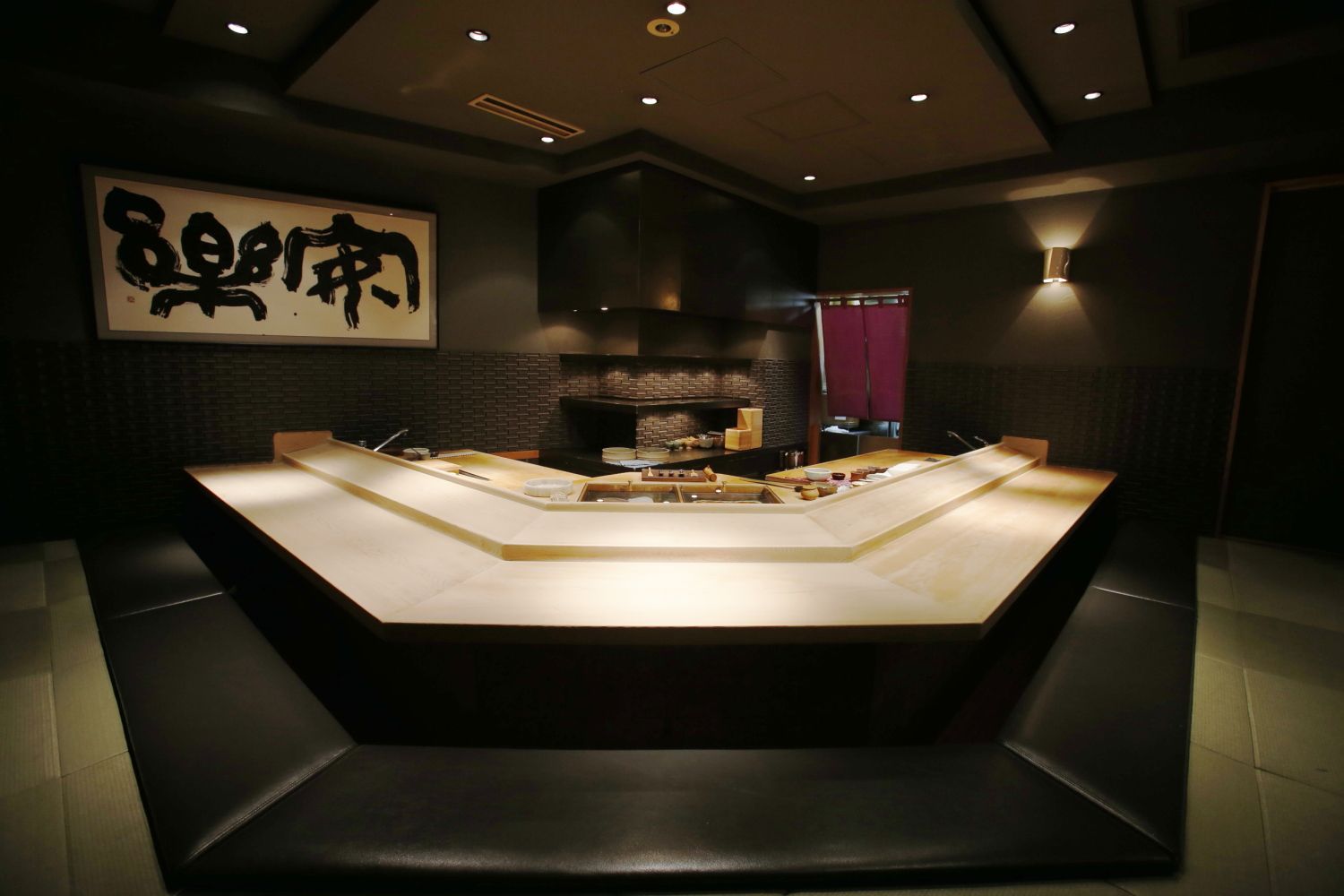
About Sushi Saito
Sushi Saito Bangkok is the clearest answer for Edomae-style sushi in the city: Japanese seafood flown in several times a week, Akita rice managed in small batches, and a hinoki counter facing the open kitchen. Backed by a 2025 Michelin Plate and a 4.8 Google rating, this sister branch of Takashi Saito's Tokyo original delivers sourcing standards that justify the ฿฿฿฿ price tier. Book ahead; the counter is small.
Is Sushi Saito Bangkok worth booking?
Yes — if Edomae-style sushi is what you are after in Bangkok, Sushi Saito is the clearest answer in its category. This is a sister branch of Takashi Saito's Tokyo original, operating with the same sourcing discipline and counter format that made the Tokyo restaurant a reference point for precision sushi. For a first-timer weighing Bangkok's sushi options, the combination of Japanese-sourced seafood, Akita rice cooked to order, and a hinoki counter facing the open kitchen makes this the most technically focused sushi experience available at the riverside.
What makes Sushi Saito different in Bangkok
The case for Sushi Saito starts with sourcing. Seafood is flown in from Japan several times a week, which is not standard practice among Bangkok sushi restaurants and is the single most important reason the food tastes the way it does. Edomae sushi is a style that dates to Edo-period Tokyo, where chefs developed specific curing, marinating, and aging techniques to work with fresh fish in a pre-refrigeration era. At Sushi Saito Bangkok, chef Maruyama applies those same Edo-period methods to fish that has been transported at peak quality across roughly 4,800 kilometres of supply chain. The result is sushi that tastes of Japan rather than Bangkok, which is precisely the point.
The Akita rice is handled with equal care. Rice temperature and moisture levels are managed in small batches throughout service, so each piece is served at the right moment rather than assembled from rice that has been sitting. This is the kind of operational detail that separates a competent sushi counter from a precise one, and it is the sort of thing a first-timer should pay attention to during the meal. You will notice the difference between a piece of sushi served immediately from a small fresh batch versus one that has been waiting.
Setting reinforces the experience. The pale hinoki counter faces the open kitchen, placing the guest close enough to watch the preparation without the artificiality of a theatrical display. The location at Chaophraya Estate puts the restaurant on Bangkok's riverfront promenade, which is a more considered setting than a hotel lobby sushi bar. The Google rating of 4.8 from 79 reviews and a 2025 Michelin Plate recognition both point to consistent execution rather than a venue that opened strongly and drifted.
Connection to the Tokyo original matters more here than it would for a casual dining concept. Sushi Saito Tokyo operates with appointment-style booking and a level of access that most visitors cannot secure. The Bangkok branch gives diners a route into the same sourcing standards and technique lineage without needing a Tokyo connection. If you have eaten at Harutaka in Tokyo or Sushi Shikon in Hong Kong, you will recognise the category immediately. If this is your first encounter with serious Edomae sushi, the Bangkok setting is a reasonable place to start.
Within Bangkok itself, the comparison set includes Ginza Sushi Ichi, Sushi Ichizu, In the Mood for Love, Nikaku, and Fillets. Sushi Saito's sourcing frequency and the Tokyo pedigree place it at the leading of that group on technical grounds, though Ginza Sushi Ichi also runs Japanese-sourced fish and is worth comparing on price before you book.
The price range is ฿฿฿฿, which puts this at Bangkok's top tier alongside the city's other serious omakase counters. For a first-timer, the ฿฿฿฿ bracket here is justified by the import logistics alone: flying fish from Japan multiple times a week is a cost that lower-priced sushi restaurants in Bangkok are not absorbing. You are paying for access to a supply chain, not just a brand name.
Practical details
Reservations: Booking difficulty is rated Easy for Bangkok's top-tier sushi category, which is worth taking seriously — seats at the hinoki counter are limited, and the 4.8 rating will attract repeat visitors. Book ahead regardless. Location: Chaophraya Estate, Riverfront Promenade, 300 Charoen Krung Road, Yan Nawa, Sathon, Bangkok 10120. Price tier: ฿฿฿฿ , budget for a top-tier omakase spend per person. Awards: Michelin Plate 2025. Rating: 4.8 on Google (79 reviews). Cuisine: Edomae-style sushi, Japanese-sourced seafood, Akita rice. Chef: Chef Maruyama, operating under the Takashi Saito brand. Dress: No confirmed dress code in our data; smart casual is appropriate for a hinoki counter at this price point. Solo dining: Counter seating makes this well-suited for solo diners.
How It Compares
See the full peer comparison below.
Pearl picks , more dining in Bangkok and beyond
If you are building a full Bangkok trip around serious eating, our full Bangkok restaurants guide covers the city's complete range. For where to stay, the Bangkok hotels guide is the place to start. If you want drinks recommendations, the Bangkok bars guide has the current list. For broader Thailand travel, PRU in Phuket is the other obvious fine-dining destination outside Bangkok, and Aeeen in Chiang Mai is worth noting if your itinerary goes north. For more unusual finds, AKKEE in Pak Kret and AKKEE Thai Delicacies and Tasting Counter in Nonthaburi are close to Bangkok and worth the short trip. The Bangkok experiences guide and Bangkok wineries guide round out the planning toolkit. Further afield, Agave in Ubon Ratchathani and The Spa in Lamai Beach are listed for readers covering more of the country.
FAQ
What are alternatives to Sushi Saito in Bangkok?
- For sushi at a similar price tier: Ginza Sushi Ichi and Sushi Ichizu are the closest peers on sourcing standards. Nikaku and In the Mood for Love offer sushi in a different register.
- For ฿฿฿฿ dining in Bangkok but not sushi: Sorn is the reference point for serious Southern Thai cooking; Sühring for European tasting menus; Gaa for modern Indian.
- If you want sushi without the ฿฿฿฿ commitment, Fillets is worth checking at a lower price point.
Is Sushi Saito good for solo dining?
- Yes. The hinoki counter format is designed for solo or paired diners watching the chef work. It is one of the better solo dining formats at Bangkok's leading price tier.
- Solo diners at omakase counters typically have a more direct experience than groups, who sometimes lose the kitchen interaction across a larger table.
How far ahead should I book Sushi Saito?
- Booking difficulty is rated Easy in our data, meaning seats are more available here than at comparable Michelin-recognised sushi counters in Tokyo or Hong Kong.
- That said, the counter is small by design. Book at least one to two weeks ahead for weekend sittings; weekday lunch may have more flexibility.
- The Tokyo original, Sushi Saito, is notoriously difficult to access without a local introduction. Bangkok does not carry that restriction.
Is Sushi Saito good for a special occasion?
- Yes, with the right expectations. The riverfront location at Chaophraya Estate, the Michelin Plate recognition, and the counter format make this a considered setting for a birthday or anniversary dinner for two.
- It works better for a pair than a large group, given the counter seating format. If you need a private room or a larger group setting, check availability directly.
- The ฿฿฿฿ price point signals the occasion appropriately without requiring the advance planning that a three-star Tokyo omakase would demand.
Is Sushi Saito worth the price?
- Yes, on sourcing grounds alone. Flying Japanese seafood to Bangkok multiple times a week is an operational cost that justifies the ฿฿฿฿ tier.
- Compare it against other ฿฿฿฿ options in Bangkok: Baan Tepa and Sorn deliver strong tasting menu value in Thai cuisine. Sushi Saito is the right choice if you specifically want precise Japanese-technique sushi, not if you want the broadest Bangkok dining experience for the spend.
- If price is the primary concern, Ginza Sushi Ichi is worth a direct comparison before booking.
Does Sushi Saito handle dietary restrictions?
- No confirmed policy in our data. Omakase sushi is a format with limited flexibility by nature , the chef sequences the meal, and substitutions disrupt the progression.
- Serious dietary restrictions (shellfish allergy, vegetarian) are worth raising at the time of booking rather than at the counter. Contact the restaurant directly before reserving.
- If a pescatarian or fish-free guest is in your group, omakase is likely the wrong format regardless of venue.
Is the tasting menu worth it at Sushi Saito?
- At ฿฿฿฿, the omakase format here is justified if Edomae technique and Japanese-sourced fish are what you are paying for. The Akita rice alone , managed in small batches throughout service , reflects a level of operational care that is not standard at this price tier in Bangkok.
- If you are undecided between omakase and a la carte sushi, the counter format at Sushi Saito is built for the sequential omakase experience. A la carte sushi at this level is better served by a venue designed around that format.
- The 2025 Michelin Plate and 4.8 Google rating (79 reviews) both suggest the kitchen delivers consistently, which matters when you are committing to a fixed menu at this spend.
Compare Sushi Saito
| Venue | Cuisine | Price | Booking Difficulty |
|---|---|---|---|
| Sushi Saito | Sushi | ฿฿฿฿ | Easy |
| Sorn | Southern Thai | ฿฿฿฿ | Unknown |
| Baan Tepa | Thai contemporary | ฿฿฿฿ | Unknown |
| Côte by Mauro Colagreco | Mediterranean, Modern Cuisine | ฿฿฿฿ | Unknown |
| Gaa | Modern Indian, Indian | ฿฿฿฿ | Unknown |
| Sühring | German | ฿฿฿฿ | Unknown |
A quick look at how Sushi Saito measures up.
Frequently Asked Questions
What are alternatives to Sushi Saito in Bangkok?
For Thai fine dining at a comparable price tier, Sorn (Michelin two-star) and Baan Tepa (Michelin one-star) are stronger choices if you want to eat well in Bangkok rather than replicate a Tokyo experience. Gaa and Sühring offer inventive tasting menus at a similar spend. If the draw is specifically Edomae sushi with Japanese-sourced seafood, Sushi Saito has the clearest credentials in Bangkok for that format.
Is Sushi Saito good for solo dining?
Yes — the hinoki counter seating facing the open kitchen is the natural format for solo diners. Counter omakase is designed around individual pacing, and watching the preparation is part of the experience. Solo travellers should book ahead; counter seats are limited and fill independently of group reservations.
How far ahead should I book Sushi Saito?
Book as early as possible. The venue database rates booking difficulty as Easy relative to Bangkok's top-tier sushi category, but that label applies to the category, not to walk-in availability. The hinoki counter is small, and seats at a Michelin Plate restaurant with Japanese-flown seafood do not stay open. A week's notice is a reasonable minimum; two weeks is safer for weekend sittings.
Is Sushi Saito good for a special occasion?
Yes, with the right expectations. The riverside setting at Chaophraya Estate and the counter format create a focused, occasion-appropriate atmosphere. This is not a celebratory group dinner venue — the counter format suits pairs or small groups who want the food to be the occasion. For larger groups celebrating with noise and flexibility, Côte by Mauro Colagreco would be a more practical fit.
Is Sushi Saito worth the price?
At ฿฿฿฿, it is priced at the top of Bangkok's dining range, and the case for the price rests on two concrete factors: seafood flown in from Japan multiple times a week, and a direct pedigree from Takashi Saito's Tokyo restaurant. If you are comparing it to Bangkok Thai fine dining at similar prices — Sorn, Baan Tepa — the value calculus is different. If you specifically want Edomae sushi in Bangkok at this sourcing standard, the price is justified.
Does Sushi Saito handle dietary restrictions?
The venue data does not include confirmed information on dietary restrictions. Edomae omakase is by nature a seafood-forward format built around fish, shellfish, and rice — it is not a flexible structure for vegetarians or those avoiding seafood. check the venue's official channels before booking if dietary needs are a factor; do not assume accommodation is available at a counter omakase without confirming in advance.
Is the tasting menu worth it at Sushi Saito?
The omakase format is the only format here — this is not a venue where you order à la carte. The Michelin Plate recognition (2025) and the Akita rice prepared in small batches for temperature and moisture control signal that the kitchen takes the full sequence seriously. At ฿฿฿฿, the menu justifies the price if Edomae sushi is your target; if you want more variety or a longer, multi-cuisine progression, Gaa's tasting menu covers more ground.
Recognized By

More restaurants in Bangkok
- SühringSühring is the most credentialed European fine dining table in Bangkok: 2 Michelin stars held since 2018, #11 on Asia's 50 Best (2025), and a 97.5 La Liste score. Twin chefs Thomas and Mathias Sühring serve a modern German tasting menu in a restored 1970s villa. Last seating is 8:30 PM — book 6–8 weeks ahead and treat availability as the main obstacle.
- PotongPotong is Bangkok's most award-accelerated tasting menu restaurant, climbing from No. 88 to No. 13 on Asia's 50 Best in two years. Dinner-only, Thursday through Tuesday, with near-impossible availability at short notice. At ฿฿฿฿ pricing, the Michelin-starred Thai-Chinese tasting menu in a century-old Chinatown building delivers strong value by global fine dining standards — book the moment your dates are set.
- SornSorn holds 3 Michelin stars and ranked #1 in Opinionated About Dining's Asia list for 2024 and 2025 — making it Thailand's most credentialed Southern Thai tasting menu. The catch: it is also the hardest restaurant in Thailand to book. Plan months ahead, expect uncompromising chilli heat, and treat the reservation as the first thing you lock in on any Bangkok itinerary.
- Gaggan AnandGaggan Anand is the #1 restaurant in Asia (2025) and the most decorated dining experience in Bangkok — a 14-seat counter, up to 25 courses, and a theatrical format built around progressive Indian cuisine with French, Thai, and Japanese influences. Book months ahead or not at all. At ฿฿฿฿ with a near-impossible table, this is the special-occasion booking Bangkok is known for.
- Baan TepaBaan Tepa holds two Michelin stars and a #44 spot on Asia's 50 Best for 2025, making it Bangkok's hardest fine-dining reservation to land right now. Chef Tam Debhakam's seven-course Thai contemporary tasting menu is built on indigenous ingredients and local sourcing, with the kitchen running until 11 PM Wednesday through Sunday. Book two to three months ahead minimum.
- GaaGaa holds two Michelin stars (2025), ranks #65 on World's 50 Best Asia, and scores 95 on La Liste 2026 — Bangkok's clearest case for modern Indian fine dining. Chef Garima Arora's tasting menus apply Indian technique to seasonal Thai produce in a restored Thai house on Sukhumvit 53. Book four to six weeks out minimum; weekend lunch (Sat–Sun, noon–3 pm) is the most accessible entry point.
Similar venues by awards
Related editorial
- Asia's 50 Best Restaurants 2026: The Chairman and Wing Go 1-2 from the Same BuildingThe Chairman takes No. 1 and Wing climbs to No. 2 at Asia's 50 Best Restaurants 2026. Both operate from the same Hong Kong building. Here's what it means.
- Four Seasons Yachts Debut: 95 Suites, 11 Restaurants, and a March 2026 Maiden VoyageFour Seasons I launches March 20, 2026, with 95 suites, a one-to-one staff ratio, and 11 onboard restaurants. Worth tracking if you want hotel-grade service at sea.
- LA Michelin Guide 2026: Seven New Restaurants from Tlayudas to Uzbek DumplingsMichelin's March 2026 California Guide update adds six LA restaurants and one Montecito newcomer, spanning Oaxacan tlayudas, Uzbek manti, and Korean-Italian pasta.
Save or rate Sushi Saito on Pearl
Keep this venue in your Pearl passport, rate it after you visit, and track it alongside every other place you collect.