
Restaurant in Tokyo, Japan
Sorahana
250ptsSeasonal-first cooking at a saner price point.

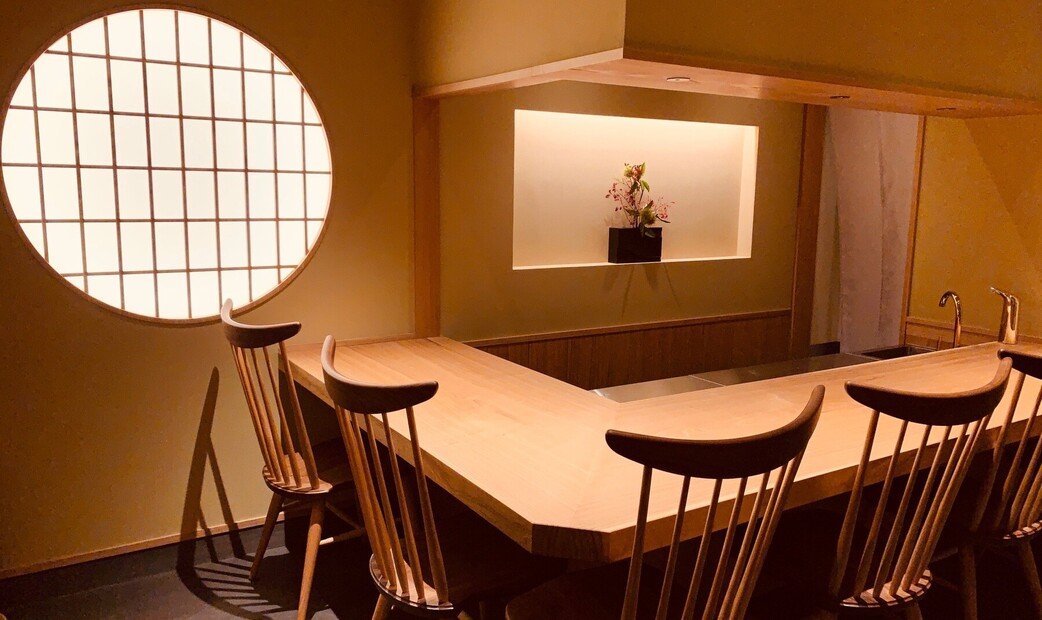
About Sorahana
Sorahana is a ¥¥¥ Japanese restaurant in Toranomon, Tokyo, where chef Kanako Wakimoto builds her menu around peak-season ingredients across meat, rice, and sweets. It sits below the price and ceremony of Tokyo's kaiseki elite, making it a practical option for serious seasonal eating without the ¥¥¥¥ commitment. Booking is relatively easy by Tokyo standards.
Verdict
Sorahana sits at the ¥¥¥ tier in Toranomon, which puts it below the ¥¥¥¥ commitment of RyuGin or Harutaka while still delivering a kitchen driven by a clear, stated philosophy: seasonal ingredients at peak ripeness, honest cooking, no performance for its own sake. If you want a serious Japanese meal in Tokyo without the full-ceremony price tag of the city's kaiseki elite, Sorahana is worth serious consideration. If you need Michelin credentials or a tasting menu with dramatic tableside theatre, look elsewhere.
About Sorahana
Chef Kanako Wakimoto named her restaurant Sorahana — 'Sky Flower' — to signal something about her approach before you even sit down: the cooking is grounded in what is growing, what is ripe, what the season actually offers. The menu spans meat dishes, rice dishes, and sweets, which is a broader sweep than most single-focus Japanese kitchens at this price point. That range is intentional. Wakimoto's goal is direct customer satisfaction built on ingredient quality, not conceptual architecture.
The address , Toranomon, Minato City , places Sorahana in one of Tokyo's more business-forward districts, which means the room skews toward focused, purposeful dining rather than the tourist-facing energy of some central dining corridors. For the food-focused traveller who wants to eat where Tokyo professionals eat, that context matters. For those building a broader Tokyo itinerary, our full Tokyo restaurants guide covers the wider field.
The Tasting Experience
Wakimoto's approach to menu progression follows a seasonal logic rather than a dramatic arc. Dishes arrive because the ingredient is ready, not because a narrative demands it. That philosophy places Sorahana closer in spirit to the honest-cooking tradition of Japanese home cuisine than to the architectural tasting menus you find at L'Effervescence or Crony. The progression is driven by ripeness and nutrition , ingredients picked at the point of maximum flavour , which means the meal's shape shifts with the calendar rather than staying fixed season to season.
For an explorer who tracks seasonal eating seriously, this is a meaningful distinction. You are not eating a static menu that happens to use seasonal produce; you are eating a menu whose structure is determined by what the season currently demands. That is a different contract between kitchen and diner, and it rewards repeat visits across the year more than a single-visit approach.
The inclusion of sweets within the same philosophy , made with the same attention to seasonal ingredients and honest preparation , rounds out the meal in a way that feels considered rather than obligatory. Where many Japanese restaurants of this tier treat dessert as an afterthought, Sorahana treats it as part of the same continuous commitment.
Practical Details
Location: 5 Chome-3-3 Toranomon, Minato City, Tokyo , ground floor of the Kamiya Place building. Price tier: ¥¥¥, making it more accessible than the ¥¥¥¥ tier occupied by Sézanne or RyuGin. Booking difficulty: Easy , this is not a reservation battle on par with Tokyo's most sought-after counters. Phone/website: Not publicly listed in current records; approach via walk-in inquiry or third-party reservation platforms. Dress: No published dress code, but the Toranomon business district context suggests smart casual is appropriate. Groups: Seat count is not confirmed in available data; contact ahead if booking for four or more.
How It Compares
Explore More in Tokyo and Beyond
If Sorahana's seasonal philosophy appeals, the broader Japanese dining circuit rewards the same mindset. Gion Sasaki in Kyoto and HAJIME in Osaka both operate at the intersection of seasonal ingredient discipline and serious technique. Further afield, akordu in Nara and Goh in Fukuoka offer regional counterpoints worth adding to a Japan itinerary. For a different register entirely, 1000 in Yokohama and 6 in Okinawa extend the map. Internationally, the seasonal-first cooking ethos finds parallels at Lazy Bear in San Francisco and, in terms of technical commitment to ingredient integrity, at Le Bernardin in New York City. Complete your Tokyo planning with our guides to Tokyo hotels, Tokyo bars, Tokyo wineries, and Tokyo experiences.
Compare Sorahana
Frequently Asked Questions
What should I order at Sorahana?
At ¥¥¥, the menu is shaped by what Kanako Wakimoto is sourcing seasonally, so the decision is largely made for you. The kitchen spans meat dishes, rice dishes, and sweets — all driven by peak-season ingredients rather than a fixed signature. Your best approach is to let the progression run without editing it; the menu is built around that rhythm.
What should a first-timer know about Sorahana?
Sorahana sits at the ¥¥¥ tier, meaning it is a meaningful spend without crossing into the ¥¥¥¥ territory of RyuGin or Harutaka. Wakimoto's approach is ingredient-led and grounded rather than theatrical, so if you arrive expecting dramatic plating or a showpiece tasting format, recalibrate. The restaurant is on the ground floor of the Kamiya Place building in Toranomon, Minato City — straightforward to reach by metro.
Can Sorahana accommodate groups?
No group capacity information is available in the venue record, so check the venue's official channels before planning a party booking. Given the ¥¥¥ positioning and the chef's focus on seasonal, produce-driven cooking, this reads as an intimate setting — large groups should verify early rather than assume availability.
What are alternatives to Sorahana in Tokyo?
For a higher-commitment version of Japanese precision, RyuGin and Harutaka both operate at ¥¥¥¥ and carry stronger institutional recognition. If you want to stay at the ¥¥¥ tier but prefer a European-influenced approach, Florilège and L'Effervescence offer seasonal menus with strong editorial reputations. HOMMAGE is worth considering if French-Japanese crossover is the draw.
Is Sorahana good for a special occasion?
Yes, with the right expectations. Wakimoto's philosophy — seasonal ingredients, honest cooking, a menu designed to please — suits an occasion where the meal itself is the point rather than the spectacle. At ¥¥¥, it is a meaningful but not ruinous spend, which makes it a practical choice over the ¥¥¥¥ alternatives when the occasion matters but budget discipline does too.
Recognized By

More restaurants in Tokyo
- SézanneOccupying the seventh floor of the Four Seasons Hotel Tokyo at Marunouchi, Sézanne earned its first Michelin star within months of opening in July 2021 and now holds three. British chef Daniel Calvert applies French technique to Japanese ingredients, producing a prix-fixe format that Tabelog has recognised with Silver awards every year from 2023 through 2026. It ranked 4th in Asia's 50 Best Restaurants in 2025 and 15th globally in 2024.
- SazenkaSazenka is the address for Chinese cuisine in Tokyo at its most technically demanding. Chef Tomoya Kawada's wakon-kansai approach — Japanese seasonal ingredients applied through Chinese culinary technique — has earned consecutive Tabelog Gold Awards from 2019 to 2026, a #71 ranking on the World's 50 Best 2025, and 99 points from La Liste 2026. At JPY 50,000–59,999 per head, it is one of the hardest tables in the city to book and worth the effort.
- NarisawaNarisawa is Tokyo's most credentialled innovative tasting menu restaurant — two Michelin stars, Asia's 50 Best number 12, and a Tabelog Silver award — running at JPY 80,000–99,999 per head. Book for a milestone occasion, confirm vegetarian or vegan needs in advance, and reserve at least two to three months out. With 15 seats and reservation-only access, this is one of Tokyo's hardest tables to secure.
- FlorilègeFlorilège delivers two Michelin stars and an Asia's 50 Best #17 ranking at a dinner price of ¥22,000 — competitive for Tokyo at this level. Chef Hiroyasu Kawate's plant-forward tasting menus around an open-kitchen counter at Azabudai Hills make this the strongest choice for contemporary French dining in Tokyo if theatrical, produce-led cooking is what you want. Book well in advance; availability is near-impossible at short notice.
- DenDen holds two Michelin stars, a World's 50 Best top-25 Asia ranking, and a Tabelog Silver Award running back to 2017 — and it books out within hours of the two-month reservation window opening. Chef Zaiyu Hasegawa's daily-changing seasonal omakase runs JPY 30,000–39,999 at dinner in a relaxed house-restaurant setting near Gaiemmae. Book by phone only, noon–5 PM JST. Lunch is irregular; plan around dinner.
- MyojakuMyojaku is a 2-Michelin-star, 14-course French-leaning omakase in Nishiazabu holding a 4.47 Tabelog score, Tabelog Silver 2025–2026, and Asia's 50 Best #45 (2025). Chef Hidetoshi Nakamura's water-forward, no-dashi approach shifts meaningfully with the seasons — making timing your reservation as important as getting one. Budget JPY 50,000–59,999 per head plus 10% service charge; reservations only, near-impossible to secure.
Related editorial
- Best Fine Dining Restaurants in ParisFrom three-Michelin-star icons to the next generation of Parisian chefs pushing boundaries, these are the restaurants that define fine dining in the world's culinary capital.
- Best Luxury Hotels in RomeFrom rooftop terraces overlooking ancient ruins to Michelin-starred hotel dining, these are the luxury hotels that make Rome unforgettable.
- Best Cocktail Bars in KyotoFrom sleek lounges to hidden speakeasies, Kyoto's cocktail scene blends Japanese precision with global influence in ways you won't find anywhere else.
Save or rate Sorahana on Pearl
Keep this venue in your Pearl passport, rate it after you visit, and track it alongside every other place you collect.