
Restaurant in Nara, Japan
SHUN-GYO
210ptsNara's Chinese answer at ¥¥¥ tier.

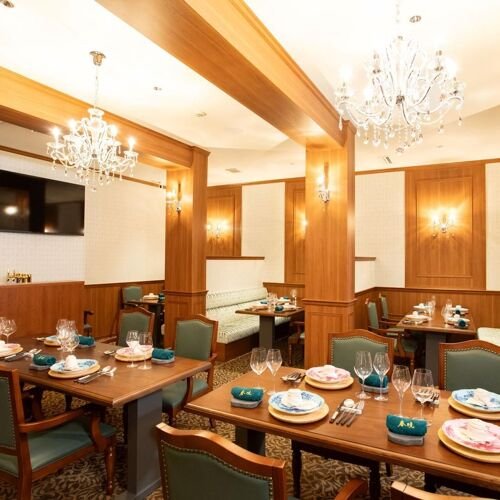
About SHUN-GYO
SHUN-GYO is Nara's Michelin Plate-recognised Chinese restaurant, awarded in both 2024 and 2025, and the clearest option for refined Chinese dining in a city dominated by kaiseki and sushi. At the ¥¥¥ tier it competes directly with the city's top Japanese tables, but stands apart by cuisine type. Book a few days ahead; demand is manageable.
Should You Book SHUN-GYO?
If you are choosing between SHUN-GYO and the kaiseki or sushi rooms that dominate Nara's ¥¥¥ dining tier, SHUN-GYO makes the clearest case for itself by doing something almost none of its neighbours do: serving Chinese cuisine at a Michelin-recognised level in a city where Japanese traditions set the default. Two consecutive Michelin Plates (2024 and 2025) confirm this is not a novelty pick. For a first-time visitor to Nara who wants a serious dinner without committing to a multi-hour kaiseki progression, SHUN-GYO is worth considering seriously. The caveat: with only 26 Google reviews averaging 4.4, the sample size is thin enough that your experience could vary more than at a venue with hundreds of data points behind it.
Portrait
SHUN-GYO sits in Omiyacho, one of Nara's quieter residential stretches a short walk from the main shrine and temple circuit. The address puts it close enough to the city's historic core to make dinner before or after a day of sightseeing practical, without the tourist-facing noise that affects restaurants immediately around Nara Park. For a first-timer, the setting will read as calm and neighbourhood-scaled rather than grand, which tends to work in your favour: expectations are calibrated to the food itself rather than the room.
The cuisine designation is Chinese, and that framing matters for how you plan your visit. Chinese cooking at this price point in a Japanese provincial city draws on the long tradition of refined Chinese restaurant culture in Japan, which often runs closer to Cantonese or Shanghainese banquet sensibility than to the regional Chinese styles more familiar in Western cities. Think careful technique, seasonal produce selected to Japanese standards, and a kitchen that treats ingredient quality with the same seriousness as any comparable kaiseki room. If you have eaten at Restaurant Tim Raue in Berlin or Mister Jiu's in San Francisco, SHUN-GYO occupies a different position: those are chef-driven reinterpretation projects, while SHUN-GYO operates within a more classical Chinese-in-Japan mode. That is not a criticism; it is context for what to expect.
The seasonal rotation angle matters here more than at most Chinese restaurants in Japan. The Michelin Plate recognition, awarded in two consecutive years, suggests a kitchen that takes consistency seriously, but Chinese cuisine at this level in Japan typically follows the seasonal procurement logic of its Japanese surroundings. Spring brings mountain vegetables and lighter preparations; autumn shifts toward richer, warming dishes that pair with the same harvest produce appearing on kaiseki menus across the Kansai region. Visiting in autumn or spring gives you the leading odds of finding the menu at its most considered. Summer, while less celebrated seasonally, often surfaces lighter cold preparations and fresh seafood treatments. The practical takeaway for a first-timer: ask when booking what the current season's focus is, and plan your order around that rather than defaulting to what you know from Chinese restaurants elsewhere.
For reference on how Nara sits within Japan's broader Michelin-recognised dining map, the contrast with HAJIME in Osaka, Gion Sasaki in Kyoto, or Harutaka in Tokyo is instructive. Those venues operate at a different scale of recognition and price ceiling. SHUN-GYO's Plate designation places it in a tier that says: the inspectors found this worth noting, but not yet worth rearranging a trip for on its own. That positions it well as a destination-within-a-destination: if you are already in Nara, this is a justified dinner choice at the ¥¥¥ level. It would not, on its own, bring most diners from Osaka or Kyoto specifically.
The nearby Chinese dining alternatives in Nara, including Chugokusai Naramachi Kuko and Shunsai Chuka Bar Mitsukan, occupy lower price points and less formal settings. If you want Chinese food in Nara without the ¥¥¥ commitment, those are the logical alternatives. SHUN-GYO charges more and delivers Michelin-acknowledged quality in return; the question is whether that trade-off fits your budget and the occasion.
For a first-timer, the practical read is this: arrive without a fixed agenda about specific dishes (no menu data is publicly confirmed), dress appropriately for a formal Chinese dinner setting, and treat the seasonal-led ordering approach as an advantage rather than a limitation. Nara's dining scene across all cuisines rewards visitors who engage with what the kitchen is doing that season rather than what they have read about beforehand.
Know Before You Go
- Address: 1 Chome-4-12 Omiyacho, Nara, 630-8115, Japan
- Price range: ¥¥¥
- Awards: Michelin Plate 2024; Michelin Plate 2025
- Google rating: 4.4 out of 5 (26 reviews)
- Cuisine: Chinese
- Booking difficulty: Easy — no evidence of high demand pressure; booking ahead by a few days is sensible but urgent advance planning is unlikely to be required
- Dress code: Not confirmed; a smart-casual approach appropriate for a ¥¥¥ dinner is advisable
- Hours: Not publicly confirmed — verify directly before visiting
- Leading time to visit: Autumn and spring, when seasonal Japanese produce is at its peak and Chinese kitchens in Japan typically build their strongest menus
- Also explore in Nara: Hotels · Bars · Wineries · Experiences
How It Compares
Frequently Asked Questions
- What are alternatives to SHUN-GYO in Nara? The closest alternatives at the same ¥¥¥ tier are akordu (Spanish and innovative, with strong editorial recognition), NARA NIKON (Japanese), and Oryori Hanagaki (Japanese). If you want kaiseki specifically, Wa Yamamura is the city's most established option at this price point. For Chinese cuisine at a lower price, Chugokusai Naramachi Kuko and Shunsai Chuka Bar Mitsukan are the practical alternatives. See our full Nara restaurants guide for the complete picture.
- Is the tasting menu worth it at SHUN-GYO? Specific menu format and pricing are not publicly confirmed, so a precise value assessment is not possible here. What is confirmed: two consecutive Michelin Plates suggest the kitchen delivers at the level the ¥¥¥ price tier implies. At this price range in Nara, the comparable Japanese-cuisine rooms (kaiseki, sushi) carry higher name recognition, so SHUN-GYO's case rests on its distinctiveness as Michelin-noted Chinese dining. If that format fits your occasion, the recognition warrants the spend. If you are undecided between cuisines, akordu offers a different kind of distinctiveness at the same tier.
- Is SHUN-GYO good for a special occasion? Yes, with one qualification. The Michelin Plate recognition and ¥¥¥ pricing put it in the bracket of venues that can hold a celebratory dinner. The small review count (26) means less certainty about service consistency than you would have at a venue with hundreds of verified experiences. For a high-stakes occasion where you cannot afford a miss, a venue with a deeper track record like Wa Yamamura or akordu carries slightly lower risk. For a more relaxed special occasion where the novelty of refined Chinese cuisine in Nara is part of the appeal, SHUN-GYO works well.
- Is SHUN-GYO good for solo dining? Chinese restaurants at this price point in Japan are generally structured for table dining rather than counter-led solo experiences. Specific seating configuration is not confirmed for SHUN-GYO, but solo diners should contact the venue directly to check comfort of the format before booking. If solo counter dining is important to you, a sushi room like Araki or a counter-forward Japanese venue would be a more reliable choice. For solo diners happy with table seating, there is no obvious reason SHUN-GYO would be a poor fit.
- How far ahead should I book SHUN-GYO? Booking difficulty is assessed as easy. Nara is a day-trip destination for many visitors rather than a multi-night stop, which generally keeps reservation pressure lower than in Osaka or Kyoto. A few days' advance booking is sensible; last-minute same-week booking is likely achievable in most cases. Michelin Plate status in a city this size does not typically produce the weeks-out booking windows you would face at starred venues in Tokyo or Kyoto.
- What should I order at SHUN-GYO? No confirmed menu data is available, so specific dish recommendations are not possible. The practical advice for a first visit: ask the kitchen or service team what is seasonal at the time of your visit, and follow that guidance. Chinese cuisine at this level in Japan is built around seasonal Japanese produce sourced through the same supply networks as kaiseki kitchens. Autumn and spring visits will give you the widest range of peak-season options. Avoid arriving with a fixed list of dishes from online sources, as menus at this tier rotate frequently.
Compare SHUN-GYO
| Venue | Awards | Price | Value |
|---|---|---|---|
| SHUN-GYO | Michelin Plate (2025); Michelin Plate (2024) | ¥¥¥ | — |
| akordu | Michelin 2 Star | ¥¥¥ | — |
| Wa Yamamura | Michelin 1 Star | ¥¥¥ | — |
| Araki | ¥¥¥ | — | |
| Tama | ¥¥¥ | — | |
| NARA NIKON | Michelin 2 Star | ¥¥¥ | — |
What to weigh when choosing between SHUN-GYO and alternatives.
Frequently Asked Questions
What are alternatives to SHUN-GYO in Nara?
For kaiseki at a comparable price tier, Wa Yamamura and Tama are the two most-cited local alternatives. Araki and NARA NIKON address different formats. SHUN-GYO is the only Michelin-recognised Chinese option in the city at the ¥¥¥ level, so if Japanese formats don't appeal, there is no direct like-for-like competitor.
Is the tasting menu worth it at SHUN-GYO?
At the ¥¥¥ price point and with back-to-back Michelin Plate recognition in 2024 and 2025, SHUN-GYO clears the credibility bar for a tasting format. Specific menu details are not publicly confirmed, but the Michelin acknowledgement signals consistent kitchen standards. Worth it if you want a break from the kaiseki rooms that dominate Nara's fine dining tier.
Is SHUN-GYO good for a special occasion?
Yes, provided Chinese fine dining fits the occasion. The ¥¥¥ pricing and consecutive Michelin Plate awards give it the legitimacy expected of a special-occasion booking in Nara. It will feel less ceremonially Japanese than a kaiseki room like Wa Yamamura, so factor in whether that matters to your group.
Is SHUN-GYO good for solo dining?
Nothing in the venue data rules it out for solos, and fine-dining Chinese restaurants in Japan at this tier often include counter or compact seating suited to solo guests. The Omiyacho address in a quieter residential stretch of Nara supports a lower-key, focused meal rather than a scene-heavy environment.
How far ahead should I book SHUN-GYO?
No booking window is published, but Michelin Plate recognition at the ¥¥¥ tier in a city like Nara typically means seats fill 2–4 weeks out, particularly on weekends when temple tourists and day-trippers from Osaka and Kyoto spike demand. Book as early as your dates allow.
What should I order at SHUN-GYO?
Specific menu items are not publicly documented, so ordering advice beyond what the kitchen presents isn't possible to give reliably. At a Michelin Plate Chinese restaurant at the ¥¥¥ level, a set or tasting format is the safer route than à la carte if both options exist — it gives the kitchen room to show its range.
Recognized By

Similar venues by awards
Related editorial
- Best Fine Dining Restaurants in ParisFrom three-Michelin-star icons to the next generation of Parisian chefs pushing boundaries, these are the restaurants that define fine dining in the world's culinary capital.
- Best Luxury Hotels in RomeFrom rooftop terraces overlooking ancient ruins to Michelin-starred hotel dining, these are the luxury hotels that make Rome unforgettable.
- Best Cocktail Bars in KyotoFrom sleek lounges to hidden speakeasies, Kyoto's cocktail scene blends Japanese precision with global influence in ways you won't find anywhere else.
Save or rate SHUN-GYO on Pearl
Keep this venue in your Pearl passport, rate it after you visit, and track it alongside every other place you collect.