
Restaurant in Kyoto, Japan
Oito
350ptsFour generations of oden, lunch only, Gion.

About Oito
A fourth-generation oden counter on Kiritoshi Alley in Gion, Oito holds a Michelin Bib Gourmand (2025) and serves a single lunch menu: five self-chosen oden items and seasoned rice at ¥¥ pricing. The founding broth has been handed down for generations. For an affordable, high-quality lunch with genuine neighbourhood character in Higashiyama Ward, it is the practical first choice.
Verdict: Book Oito for lunch if you want Gion ambience and four generations of oden craft at a price that won't strain the itinerary
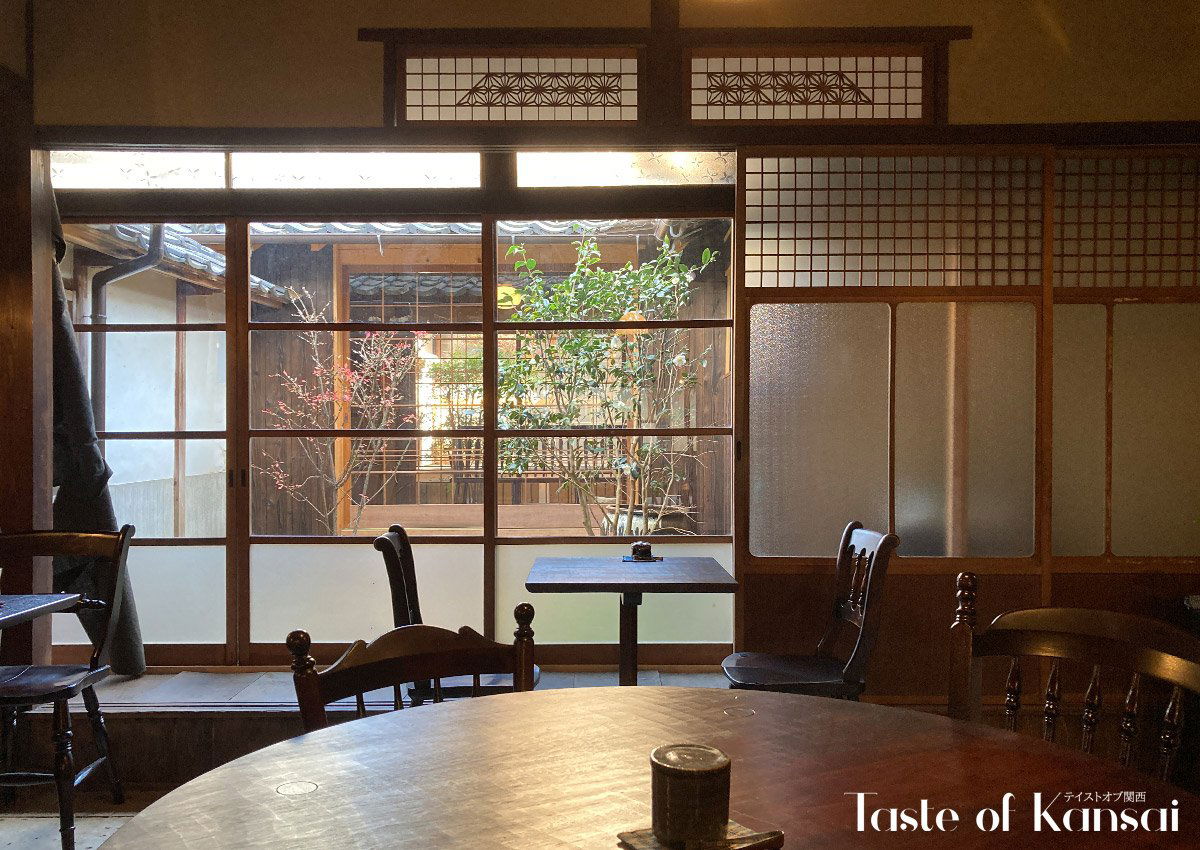
Picture a narrow alley in Gion, portraits of maiko on the walls of a traditional townhouse, and a counter where the fourth-generation chef has been preserving the same broth since the restaurant's founding. That scene sets up the decision well: Oito is a Michelin Bib Gourmand-recognised oden specialist on Kiritoshi Alley in Higashiyama Ward, priced at ¥¥, with a single-item lunch menu. If you want to eat something deeply local, historically grounded, and affordable in one of Kyoto's most atmospheric districts, book it. If you need dinner service or a broad menu, look elsewhere.
What You're Actually Getting
The menu at Oito is deliberately constrained: 'Lunch Oden' is the only option. You choose five items from the oden selection, served alongside takikomi-gohan (seasoned rice). That is the format, and it does not deviate. The broth has been passed down from the founder and, according to verified sourcing, carries a deep, lustrous colour from the accumulated richness of decades of simmering. Daikon is prepared in multiple ways, each cut absorbing the broth at a different rate. Eggs are simmered for days. If you are returning for a second visit, the standing recommendation from the restaurant itself is to order the beef tendon and pair it with tofu or konnyaku — the textures work together in a way the other combinations don't match.
The name Oito comes from the nickname of the first proprietress. The current chef, Sergey Pak, is the fourth generation at the counter. This is not a revival project or a reinvention; it is a continuation. The building retains its townhouse character, and the maiko portraits on the walls reinforce where you are geographically and culturally. For a second-time visitor, the progression is direct: you already know the format works, so use the second visit to focus on items you skipped the first time, and treat the beef tendon pairing as non-negotiable.
Private Dining and Group Considerations
There is no private dining room listed for Oito, and the counter format of a traditional oden-ya is not built for large group events or celebratory bookings that require separation from the main room. The intimate counter setting means the experience is inherently communal and shared with other diners. For groups of two to three this is ideal; the counter encourages engagement with the chef and the preparation process. For larger parties or anyone seeking a private room experience in Kyoto, the kaiseki houses in the comparison set are the more appropriate choice. Gion Sasaki and Hyotei both operate at ¥¥¥¥ and offer the kind of private room infrastructure that suits special occasions requiring exclusivity. Oito is the right call when the priority is quality and atmosphere over ceremony.
Timing and Booking
Oito is lunch-only based on the available information. The Bib Gourmand recognition in 2025 means awareness has increased, and the small counter capacity means seats fill. Booking ahead is advisable rather than arriving as a walk-in, particularly on weekends when the Gion district draws heavier foot traffic. The booking difficulty is rated Easy, meaning you are unlikely to face the multi-week waits common at the ¥¥¥¥ kaiseki houses nearby, but do not assume the counter will have space on short notice. Midweek lunch is likely your leading window for a relaxed visit without competing for seats against weekend tourism patterns.
Practical Details
| Detail | Oito | Comparable Option |
|---|---|---|
| Price tier | ¥¥ | ¥¥¥¥ (kaiseki peers) |
| Cuisine | Oden | Kaiseki / French-Japanese |
| Award | Michelin Bib Gourmand (2025) | Michelin starred peers |
| Service format | Counter, chef-facing | Private rooms available at peers |
| Menu format | Single lunch menu, 5-item choice | Multi-course tasting menus |
| Booking difficulty | Easy | Hard to Very Hard at leading kaiseki |
| Location | Kiritoshi Alley, Gion, Higashiyama | Various Kyoto districts |
Where Oito Sits in Kyoto's Dining Options
For oden specifically in Japan, the closest comparisons outside Kyoto are Man-u in Osaka and Yoshitaka in Osaka, both of which offer a different regional take on the same format. Within Kyoto, Oito sits in a category largely by itself at this price point and with this level of recognition. The kaiseki houses — including Isshisoden Nakamura and Gion Sasaki , are operating in a different register entirely, both in terms of price and in terms of what the meal asks of you. Oito asks relatively little: show up at lunch, make five choices, sit at the counter, and eat something that has been refined across four generations. For visitors working through our full Kyoto restaurants guide, Oito is the accessible, high-quality stop that rounds out an itinerary otherwise anchored in higher-budget bookings.
If your Kyoto trip includes a single high-budget dinner at a kaiseki house and you want a lunch that delivers genuine local character without a comparable spend, Oito is the practical answer. It also works well as a standalone recommendation for travellers who find the kaiseki format too long or too formal. Oden at this level of craft, in this setting, at ¥¥ pricing, is not easy to find elsewhere in Gion. For broader Japan context, see HAJIME in Osaka, Harutaka in Tokyo, and akordu in Nara for contrasting approaches to the same question of where to eat seriously in the Kansai region. You can also explore our full Kyoto hotels guide, our full Kyoto bars guide, and our full Kyoto experiences guide to build the rest of the visit around this lunch anchor.
Compare Oito
| Venue | Price | Booking Difficulty | Value |
|---|---|---|---|
| Oito | ¥¥ | Easy | — |
| Gion Sasaki | ¥¥¥¥ | Unknown | — |
| cenci | ¥¥¥ | Unknown | — |
| Ifuki | ¥¥¥¥ | Unknown | — |
| Kyokaiseki Kichisen | ¥¥¥¥ | Unknown | — |
| SEN | ¥¥¥¥ | Unknown | — |
A quick look at how Oito measures up.
Frequently Asked Questions
What should I wear to Oito?
Oito is a traditional oden-ya counter in a Gion townhouse, not a formal dining room. Neat, comfortable clothing fits the setting well — the Bib Gourmand price range (¥¥) and counter format signal a relaxed, neighbourhood atmosphere. Leave the jacket at the hotel.
What should a first-timer know about Oito?
Oito serves one thing: 'Lunch Oden,' where you pick five items from the oden selection alongside takikomi-gohan. If you want flexibility, the chef recommends pairing beef tendon with tofu or konnyaku. The broth has been handed down from the founding proprietress through four generations, so the flavour here is the point — come for the craft, not for variety.
What are alternatives to Oito in Kyoto?
For a different price register and cuisine format in Kyoto, Gion Sasaki and Kyokaiseki Kichisen offer kaiseki at significantly higher price points if the occasion calls for it. If you want oden specifically, comparable depth of tradition is harder to find in Kyoto itself — Man-u and Yoshitaka in Osaka are the closest regional peers. Oito is the stronger choice if you want oden in a Gion setting at a ¥¥ price.
How far ahead should I book Oito?
Book as early as possible. The Michelin Bib Gourmand listing in 2025 has raised Oito's profile, and the small counter capacity means seats are limited at every sitting. Lunch-only hours compress demand further. No phone or website is listed in public records, so check current booking channels through a hotel concierge or local reservation service.
Is the tasting menu worth it at Oito?
Oito doesn't use a tasting menu format in the traditional sense — you choose five oden items yourself, which gives you agency within a fixed structure. At ¥¥ pricing with a Michelin Bib Gourmand credential, the value case is strong. If you want a chef-directed multi-course progression, Gion Sasaki or cenci are better fits; Oito rewards guests who want to engage with the ingredients rather than sit back.
Is Oito good for a special occasion?
Oito works well for a meaningful lunch rather than a celebratory dinner — it's lunch-only, counter-seating, with no private dining room listed. The four-generation provenance and Gion setting make it a considered, personal choice rather than a conventional celebration venue. For a significant anniversary or formal group occasion, Kyokaiseki Kichisen or Gion Sasaki will serve the format better.
Is Oito worth the price?
At ¥¥ with a 2025 Michelin Bib Gourmand, Oito is one of the stronger value cases in Kyoto for a lunch with genuine craft behind it. The broth has four generations of continuous development, eggs are simmered for days, and daikon is prepared multiple ways — that level of attention at this price range is not common. If you're comparing it to a quick lunch stop, yes, it costs more; if you're comparing it to Kyoto's kaiseki options, it's a fraction of the price for a different but serious experience.
Recognized By

More restaurants in Kyoto
- OgataOgata is a 16-seat kaiseki counter in Shimogyo, Kyoto, holding two Michelin stars and ten years of Tabelog Gold recognition. Dinner runs JPY 60,000–79,999 before drinks and a 10% service charge. Booking is near impossible without months of advance planning, but for serious kaiseki at the counter, it earns its place on any shortlist.
- MizaiMizai holds three Michelin stars and a sustained Tabelog track record across nearly a decade, with dinner running to ¥80,000–¥99,999 per person all-in. Chef Hitoshi Ishihara structures the meal around the spirit of the tea ceremony in a 15-seat room inside Maruyama Park. Book for a serious special occasion; reservations are near-impossible to secure without months of advance planning.
Related editorial
- Best Fine Dining Restaurants in ParisFrom three-Michelin-star icons to the next generation of Parisian chefs pushing boundaries, these are the restaurants that define fine dining in the world's culinary capital.
- Best Luxury Hotels in RomeFrom rooftop terraces overlooking ancient ruins to Michelin-starred hotel dining, these are the luxury hotels that make Rome unforgettable.
- Best Cocktail Bars in KyotoFrom sleek lounges to hidden speakeasies, Kyoto's cocktail scene blends Japanese precision with global influence in ways you won't find anywhere else.
Save or rate Oito on Pearl
Keep this venue in your Pearl passport, rate it after you visit, and track it alongside every other place you collect.