
Restaurant in Tokyo, Japan
NéMo
450ptsSerious seafood prix fixe. Book early.

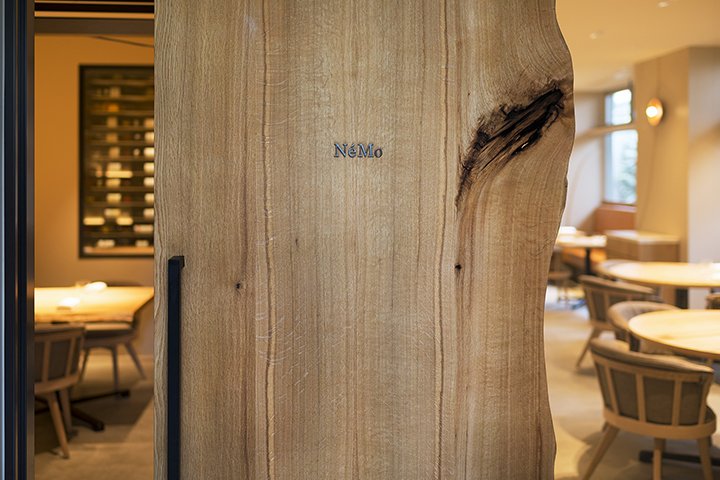
About NéMo
NéMo is a Michelin-starred (2024) French restaurant in Minami-Aoyama, Tokyo, built around seafood sourced from trusted fishermen in Shimoda and served as a prix fixe with rotating preparation styles. At ¥¥¥, it delivers a coherent, sourcing-led French meal for diners who want substance over spectacle. Book well in advance — availability is limited and demand is consistent.
Verdict
NéMo earns its Michelin star through a clear, disciplined idea: seafood sourced with intention, cooked without waste, and served in a prix fixe format that gives the kitchen the control it needs to execute well. If you are looking for a French restaurant in Tokyo where the sourcing story is the meal, this is one of the most coherent options in the city at the ¥¥¥ price point. Book it for a special occasion or a serious dinner with someone who cares about where food comes from. If you want broader luxury or a more theatrical room, L'Effervescence or Château Restaurant Joël Robuchon will serve you better, though both sit at a higher price tier.
Portrait
NéMo is a basement-level French restaurant in Minami-Aoyama, one of Tokyo's more composed neighbourhoods for serious dining. The name and the cooking both trace back to Chef Kenichi Nemoto, who grew up fishing and has built a menu around that early relationship with the sea. That biographical thread is not decoration — it shapes every practical decision the kitchen makes, from which fishermen supply the restaurant to how preparation styles rotate to avoid repetition: frites, soups, butter roasting, and other techniques cycle through the prix fixe so that seafood reads as a range rather than a single note.
The sourcing relationship with the fishermen of Shimoda is the clearest signal of how NéMo positions itself. Shimoda, on the Izu Peninsula south of Tokyo, produces fish that chefs across the city compete to access. The difference at NéMo is that the relationship is described as a bond of trust built over time, which in practice means the kitchen gets consistent access to quality product rather than whatever is available at market. For a diner, this matters because it reduces variability. You are not hoping the fish is good tonight; the supply chain is structured to make it good consistently.
The no-waste philosophy ties directly to the sourcing ethic. When a kitchen commits to using whole animals and treating mountain and sea ingredients with respect for their provenance, it tends to produce more technically considered cooking — stocks made from shells and bones, preparations that extract flavour rather than discard it. This is not a stylistic flourish. It is what makes the prix fixe feel complete rather than arbitrary. Each course exists because something from the previous one made it possible.
At ¥¥¥, NéMo sits below Tokyo's most expensive French addresses. For context, L'Effervescence and Florilège both operate in comparable French territory, with Florilège sharing the ¥¥¥ tier. NéMo's Michelin star (2024) means the quality credential is in place, but the price does not yet carry the premium of the city's heavier-spending French rooms. That gap is part of the value argument , you are getting starred-level cooking without paying for the room, the cellar depth, or the service theatre that pushes competitors to ¥¥¥¥.
The address , B1, 6 Chome, Minamiaoyama , puts the restaurant below street level, which is common for serious Tokyo dining rooms and tends to produce quieter, more focused spaces. Without confirmed seat counts, it is not possible to say exactly how intimate the room is, but a basement French restaurant in Aoyama built around a single chef's philosophy is unlikely to be a large, loud operation. Plan for a focused, course-driven meal rather than a flexible, drop-in experience.
If you have been to NéMo once and are weighing a return, the prix fixe format with rotating preparation styles is the structural reason to go back. The menu is not static, and the sourcing relationships with Shimoda fishermen mean the specific fish on the menu will reflect what is genuinely available and in season rather than a fixed list. A second visit in a different season is likely to produce a meaningfully different meal. Compare that to ESqUISSE or Sézanne, where the kitchen's range covers more of the French canon , NéMo's focus is narrower but, within that focus, more consistent.
For Tokyo French dining beyond the capital, the same sourcing-led philosophy appears at HAJIME in Osaka and ingredient-driven precision can be found at akordu in Nara. Internationally, Les Amis in Singapore and Hotel de Ville Crissier operate in the same French fine dining register, though at different price tiers and with different sourcing contexts. See our full Tokyo restaurants guide for the broader picture, and also our Tokyo hotels guide, bars guide, and experiences guide if you are planning a full trip.
Ratings
Google: 4.6 / 5 (136 reviews). Michelin: 1 Star (2024).
Booking
Booking at NéMo is hard. Michelin-starred basement French restaurants in Minami-Aoyama with a devoted regular base do not have open tables most weeks. Book as far in advance as you can , expect demand to outpace availability, particularly for weekend evenings. Phone and website details are not publicly listed in Pearl's data, so your most reliable route is through a concierge, a reservation platform that covers Tokyo (Tableall and Omakase are both worth checking), or a hotel concierge if you are staying somewhere with strong local connections. Do not assume walk-in availability.
Practical
NéMo is located at B1, 6 Chome-15-4 Minamiaoyama, Minato City, Tokyo 107-0062. The restaurant is below street level in Minami-Aoyama, a neighbourhood well served by the Tokyo metro (Omotesando Station is the closest major hub). The menu format is prix fixe, so arrive ready for a multi-course meal rather than à la carte flexibility. Preparation styles rotate across the menu, so the specific dishes will vary by visit and season. Dress expectations are not formally confirmed, but a Michelin-starred French restaurant in Aoyama warrants smart dress as a minimum.
Quick reference: Michelin 1 Star (2024) · ¥¥¥ · Prix fixe · Minami-Aoyama, Tokyo · Booking: hard, reserve well in advance.
How It Compares
See below.
More to Explore
- Gion Sasaki in Kyoto , for ingredient-led Japanese fine dining outside Tokyo
- Goh in Fukuoka , creative fine dining in a different regional key
- 1000 in Yokohama , day-trip fine dining from Tokyo
- 6 in Okinawa , seafood-forward fine dining in a different Japanese context
- Our full Tokyo wineries guide
FAQs
- Is NéMo good for a special occasion? Yes, with the right expectations. The Michelin star, prix fixe format, and sourcing-led philosophy make it a considered choice for a meaningful dinner , an anniversary, a milestone meal, or a serious food occasion. It is not a theatrical room designed for celebration staging, so if you need a grand setting with tableside service and a long wine list, L'Effervescence or Château Restaurant Joël Robuchon will better fit that brief. NéMo suits occasions where the food itself is the event.
- What should I wear to NéMo? Dress code is not formally confirmed, but a Michelin-starred French restaurant in Minami-Aoyama , one of Tokyo's more polished neighbourhoods , calls for smart dress as a baseline. Business casual or above is a safe and appropriate choice. Aoyama diners tend to present well, and the formality of a prix fixe French room reinforces that expectation. Overly casual dress would feel out of place.
- What should I order at NéMo? The menu is prix fixe, so there is no à la carte selection to navigate. The kitchen decides the structure; your job is to arrive with an appetite and an interest in seafood. Preparation styles vary across the courses , frites, soups, butter-roasted fish, and other techniques , so the meal covers range within its focus. Dietary requirements or allergies should be flagged at the time of booking, not on the night.
- Is NéMo good for solo dining? It can work well for solo diners, particularly if you are comfortable with a quiet, course-driven meal in a focused room. Tokyo's serious French restaurants tend to treat solo diners attentively, and a basement room in Aoyama is typically a calm setting rather than a social one. The prix fixe format means you are not navigating a menu alone, which removes one potential awkwardness. That said, confirm solo availability when booking , some rooms seat solo diners at a counter or specific position.
- Is NéMo worth the price? At ¥¥¥ with a Michelin star, NéMo sits at a price point that is harder to argue against than the city's ¥¥¥¥ French addresses. You are paying for sourced-with-intention seafood, a no-waste kitchen philosophy, and the assurance that comes with a 2024 Michelin recognition. If you are comparing value across Tokyo French dining, NéMo delivers more credential per yen than most comparable rooms. The caveat: if you want wine depth, a large room, or service theatre, the price does not buy you those things here.
- Is the tasting menu worth it at NéMo? Yes, for diners who want a coherent, single-chef vision rather than a broad menu to pick from. Chef Nemoto's prix fixe is structured around his sourcing relationships and a no-waste philosophy, which means the menu has an internal logic that à la carte formats rarely achieve. The rotating preparation styles , frites, soups, butter roasting , prevent repetition across courses. For the price tier, you are getting a technically sound, philosophically consistent meal. It is worth it if a seafood-led French tasting menu is what you are looking for; less so if you prefer flexibility or a kitchen with a wider culinary scope.
- What are alternatives to NéMo in Tokyo? For French at a similar price tier, Florilège is the closest peer , also ¥¥¥, also Michelin-recognised, with a vegetable-forward French approach that contrasts with NéMo's seafood focus. If you want to spend more for a more expansive French experience, L'Effervescence and Sézanne both operate at ¥¥¥¥ with broader room scale and deeper wine programs. For something outside French altogether, ESqUISSE covers French-Italian territory with a different aesthetic. If the seafood sourcing philosophy is your primary draw, NéMo is the most direct choice in its tier.
Compare NéMo
| Venue | Cuisine | Awards | Booking Difficulty | Value |
|---|---|---|---|---|
| NéMo | French | As a boy, Chef Kenichi Nemoto was an enthusiastic angler, and seafood is the focus of the prix fixe menus he arranges. To ensure variety, Nemoto varies his preparation styles: frites, soups, butter roasting, and so on. In gratitude to the natural world of sea and mountain where he encounters his ingredients, he wastes nothing. The chef is earnest in his relations with producers, such as building bonds of trust with the fishermen of Shimoda.; Michelin 1 Star (2024) | Hard | — |
| Harutaka | Sushi | Michelin 3 Star, World's 50 Best | Unknown | — |
| RyuGin | Kaiseki, Japanese | Michelin 3 Star, World's 50 Best | Unknown | — |
| L'Effervescence | French | Michelin 3 Star, World's 50 Best | Unknown | — |
| HOMMAGE | Innovtive French, French | Michelin 2 Star, World's 50 Best | Unknown | — |
| Florilège | French | Michelin 2 Star, World's 50 Best | Unknown | — |
Side-by-side comparison to help you decide where to book.
Frequently Asked Questions
Is NéMo good for a special occasion?
Yes, provided your group is aligned on the prix fixe format. NéMo's Michelin 1-star (2024) status, basement setting in Minami-Aoyama, and chef-driven seafood sourcing create a focused, considered experience rather than a celebratory splash. It suits occasions where the meal itself is the event, not the spectacle around it.
What should I wear to NéMo?
The venue data does not specify a dress code, but a Michelin-starred basement French restaurant in Minami-Aoyama at the ¥¥¥ price point will draw a polished crowd. Dress neatly and err toward business casual at minimum. Jeans and trainers are a risk not worth taking here.
What should I order at NéMo?
There is no à la carte option — NéMo runs a prix fixe menu built around seafood, with Chef Nemoto rotating preparation styles across frites, soups, and butter roasting to keep the format varied. You go in, you eat what he serves. That is the deal, and it is precisely the point.
Is NéMo good for solo dining?
It can work well for solo diners: prix fixe restaurants with a counter or small room format often suit solo guests, and the focused, chef-driven structure removes the awkwardness of ordering alone. That said, availability is tight given the Michelin 1-star demand, so solo bookings should be requested early and with flexibility on timing.
Recognized By

More restaurants in Tokyo
- SézanneOccupying the seventh floor of the Four Seasons Hotel Tokyo at Marunouchi, Sézanne earned its first Michelin star within months of opening in July 2021 and now holds three. British chef Daniel Calvert applies French technique to Japanese ingredients, producing a prix-fixe format that Tabelog has recognised with Silver awards every year from 2023 through 2026. It ranked 4th in Asia's 50 Best Restaurants in 2025 and 15th globally in 2024.
- SazenkaSazenka is the address for Chinese cuisine in Tokyo at its most technically demanding. Chef Tomoya Kawada's wakon-kansai approach — Japanese seasonal ingredients applied through Chinese culinary technique — has earned consecutive Tabelog Gold Awards from 2019 to 2026, a #71 ranking on the World's 50 Best 2025, and 99 points from La Liste 2026. At JPY 50,000–59,999 per head, it is one of the hardest tables in the city to book and worth the effort.
- NarisawaNarisawa is Tokyo's most credentialled innovative tasting menu restaurant — two Michelin stars, Asia's 50 Best number 12, and a Tabelog Silver award — running at JPY 80,000–99,999 per head. Book for a milestone occasion, confirm vegetarian or vegan needs in advance, and reserve at least two to three months out. With 15 seats and reservation-only access, this is one of Tokyo's hardest tables to secure.
- FlorilègeFlorilège delivers two Michelin stars and an Asia's 50 Best #17 ranking at a dinner price of ¥22,000 — competitive for Tokyo at this level. Chef Hiroyasu Kawate's plant-forward tasting menus around an open-kitchen counter at Azabudai Hills make this the strongest choice for contemporary French dining in Tokyo if theatrical, produce-led cooking is what you want. Book well in advance; availability is near-impossible at short notice.
- DenDen holds two Michelin stars, a World's 50 Best top-25 Asia ranking, and a Tabelog Silver Award running back to 2017 — and it books out within hours of the two-month reservation window opening. Chef Zaiyu Hasegawa's daily-changing seasonal omakase runs JPY 30,000–39,999 at dinner in a relaxed house-restaurant setting near Gaiemmae. Book by phone only, noon–5 PM JST. Lunch is irregular; plan around dinner.
- MyojakuMyojaku is a 2-Michelin-star, 14-course French-leaning omakase in Nishiazabu holding a 4.47 Tabelog score, Tabelog Silver 2025–2026, and Asia's 50 Best #45 (2025). Chef Hidetoshi Nakamura's water-forward, no-dashi approach shifts meaningfully with the seasons — making timing your reservation as important as getting one. Budget JPY 50,000–59,999 per head plus 10% service charge; reservations only, near-impossible to secure.
Related editorial
- Best Fine Dining Restaurants in ParisFrom three-Michelin-star icons to the next generation of Parisian chefs pushing boundaries, these are the restaurants that define fine dining in the world's culinary capital.
- Best Luxury Hotels in RomeFrom rooftop terraces overlooking ancient ruins to Michelin-starred hotel dining, these are the luxury hotels that make Rome unforgettable.
- Best Cocktail Bars in KyotoFrom sleek lounges to hidden speakeasies, Kyoto's cocktail scene blends Japanese precision with global influence in ways you won't find anywhere else.
Save or rate NéMo on Pearl
Keep this venue in your Pearl passport, rate it after you visit, and track it alongside every other place you collect.