
Restaurant in Busan, South Korea
Namakzip
210Pearl PointsMichelin-recognised pork broth. Book it.
.png?width=144&height=144&quality=80)
About Namakzip
Namakzip holds two consecutive Michelin Plates (2024 and 2025) for dwaeji-gukbap — Busan's signature pork and rice soup — at a ₩ price point that makes it one of the most accessible Michelin-recognised meals in South Korea. Located in Nam-gu, away from the tourist corridors, it rewards deliberate planning. Book it as your gukbap benchmark, then return a second time to customise your bowl.
Verdict
Namakzip is one of the clearest cases in Busan for booking without hesitation if you care about dwaeji-gukbap done at a Michelin-recognised level. Two consecutive Michelin Plates (2024 and 2025) mark it as a cut above the average gukbap counter, and at a ₩ price point, the value-to-credential ratio is hard to match anywhere in the city. Book it early in your Busan trip, plan a second visit before you leave, and use it as your baseline for what the dish can be.
What Namakzip Is
Dwaeji-gukbap is Busan's most defended culinary tradition: pork and rice in a milky, long-simmered broth, served with a spread of garnishes, kimchi, and fermented shrimp paste on the side. The dish is the entire point of a place like Namakzip. There is no tasting menu, no table theatre, no wine list to consider. You come for the bowl, and the kitchen's job is to make that bowl count. Michelin's Plate recognition in both 2024 and 2025 signals that the kitchen is consistently doing exactly that — delivering cooking that the guide considers worth noting, at a price that requires almost no financial commitment from the diner.
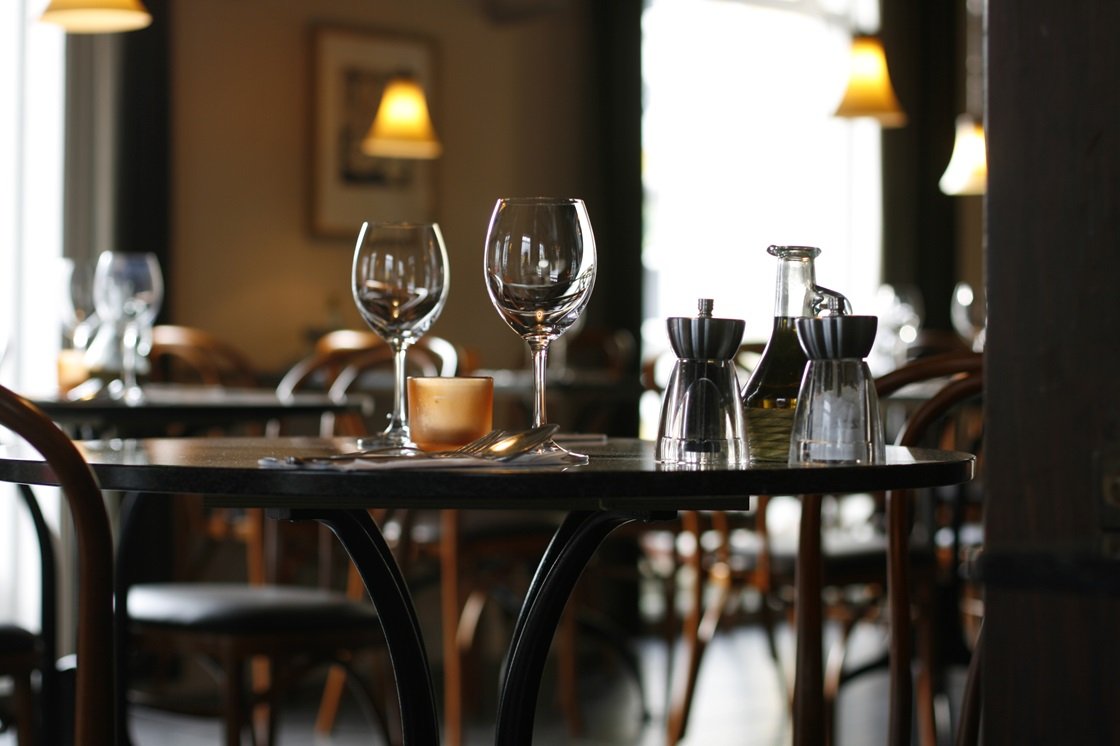
The address puts Namakzip in Nam-gu, one of Busan's southern residential districts, away from the tourist corridors of Haeundae and Gwangalli. That location matters for planning: this is not a venue you stumble into between sightseeing stops. You go deliberately, which is the right way to approach a bowl of gukbap that has earned back-to-back Michelin attention. The room itself signals function over flourish — visually, you are looking at a clean, no-frills Korean diner format, the kind of setting where the broth does the talking. A Google rating of 4.5 across 27 reviews adds a modest but consistent signal of diner satisfaction.
Multi-Visit Strategy
Because dwaeji-gukbap is a focused, single-dish format, the case for multiple visits at Namakzip is about going deeper rather than broader. On a first visit, arrive without a plan and let the kitchen's default serve as your reference point. Order the gukbap as it comes, work through the condiments methodically, and pay attention to how you want the bowl to change across the meal. That first bowl tells you what the kitchen does with the broth at its baseline.
On a second visit, the customisation becomes the point. Korean gukbap culture expects the diner to be active: the amount of fermented shrimp paste (saeujeot) you stir in, whether you add extra slices of pork or request a different cut, how much baechu kimchi you fold into the broth , these choices shift the bowl from visit to visit. Coming back gives you the chance to recalibrate based on what you learned the first time. If the first bowl was good but slightly underseasoned for your palate, you know to push the saeujeot harder on round two.
A third visit, if your Busan schedule allows it, is worth using for a direct morning-versus-lunchtime comparison. Gukbap is traditionally a breakfast dish in Busan , the broth has been going since early hours, the kitchen is in its rhythm, and the clientele is local rather than tourist-heavy. Whether Namakzip's hours support an early sitting is not confirmed in available data, but the general principle holds: if you can get there at the format's native eating time, the experience is likely to read differently than a midday visit.
Across two or three visits, Namakzip also gives you a credible reference point for comparing other gukbap counters in Busan. Anmok operates in the same ₩ tier without Michelin recognition; Hapcheon Gukbapjip is another address worth triangulating against. Having Namakzip as your anchor makes those comparisons more useful.
Context: Dwaeji-Gukbap in Busan
Busan has a stronger claim to dwaeji-gukbap than anywhere else in South Korea. The dish's association with the city goes back decades, tied to the port's working culture and post-war food history. Seoul has addresses attempting the format , ANAM and Gwanghwamun Gukbap are both worth noting , but eating dwaeji-gukbap in Busan at a Michelin-credentialed counter is a different proposition from eating it in the capital. The regional context is part of what you are ordering. For visitors combining food travel across South Korea, Namakzip sits well alongside other regionally rooted venues: Double T Dining in Gangneung, Doosoogobang in Suwon, or Injegol in Inje County all represent the same logic: go to the place where the dish belongs.
For the food-focused traveller who has already done the higher-end side of Busan dining , Jeongjitgan, Palate, or Mori , Namakzip is the necessary counterpoint. It answers the question of what Michelin-level attention looks like at the most democratic price point in the city. That contrast is part of what makes a Busan food trip worthwhile. See our full Busan restaurants guide for further planning, and cross-reference with our Busan hotels guide, bars guide, wineries guide, and experiences guide if you are building a fuller itinerary.
Know Before You Go
- Cuisine: Dwaeji-gukbap (Busan pork and rice soup)
- Price range: ₩ , among the most affordable Michelin-recognised dining in Busan
- Awards: Michelin Plate 2024; Michelin Plate 2025
- Google rating: 4.5 / 5 (27 reviews)
- Location: Nam-gu, Busan , residential district, not a tourist-centre address; plan your route
- Booking difficulty: Easy , walk-in format typical for this category
- Hours: Not confirmed in available data , check locally before visiting
- Leading approach: First visit to benchmark, second visit to customise your bowl
How It Compares
Frequently Asked Questions
How far ahead should I book Namakzip?
Dwaeji-gukbap spots in Busan rarely operate on a formal reservation system — walk-in is the norm, and Namakzip's single-dish format keeps turnover moving. That said, a Michelin Plate for two consecutive years (2024 and 2025) draws a crowd, so arriving early, especially at peak meal times, is the practical move. Off-peak mid-morning or mid-afternoon visits carry the least queue risk.
Is Namakzip good for solo dining?
Yes. Dwaeji-gukbap is a solo-friendly format by design: one bowl, one price point in the ₩ range, no group-minimum awkwardness. Namakzip's Michelin Plate recognition means you're getting a calibrated version of Busan's signature dish without needing a dining partner to split anything. It's one of the stronger solo dining cases in the city's affordable restaurant tier.
Can I eat at the bar at Namakzip?
Bar seating isn't a feature of traditional dwaeji-gukbap restaurants, and there's nothing in Namakzip's available data to indicate counter seating exists here. Expect standard table dining. If seating configuration is a priority, confirm directly when you arrive — the format is casual enough that logistics are usually sorted on the spot.
What should I order at Namakzip?
Dwaeji-gukbap is the dish — that's not a hedge, it's the whole point of the restaurant. The format is a single focused menu: pork and rice in a long-simmered milky broth, served with garnishes and kimchi on the side. At a ₩ price point with back-to-back Michelin Plate recognition, there's no decision to agonise over. Order the gukbap, add the banchan spread, and eat it the traditional way.
Location
South Korea, Busan, Nam-gu, 스퀘어 Bunpo-ro, 145 동 1층 1068호
Busan, South Korea
Compare Namakzip
| Venue | Price | Value |
|---|---|---|
| Namakzip | ₩ | — |
| Palate | ₩₩ | — |
| Mori | ₩₩₩ | — |
| Born and Bred | ₩₩₩₩ | — |
| 100.1.Pyeongnaeng | ₩ | — |
| Anmok | ₩ | — |
How Namakzip stacks up against the competition.
Also Consider
- Palate — Contemporary, ₩₩
- Mori — Japanese, ₩₩₩
- Born and Bred — Steakhouse, ₩₩₩₩
- 100.1.Pyeongnaeng — Naengmyeon, ₩
- Anmok — Dwaeji-gukbap, ₩
Within Busan's restaurant options, Namakzip occupies a specific and defended position: Michelin-credentialed cooking at the lowest price tier in the city. The only direct peer in the same dwaeji-gukbap category is Anmok, which operates at the same ₩ price point but without Michelin recognition. If your primary question is which gukbap counter to prioritise, Namakzip's back-to-back Plate awards give it the edge for a first visit — but Anmok is worth eating at on the same trip for comparison.
Moving up the price scale, Palate (₩₩, contemporary) and Mori (₩₩₩, Japanese) serve different purposes entirely. Neither competes with Namakzip on the gukbap question, but both are relevant for a food-focused Busan trip that wants range across formats and price points. At the top of the spending range, Born and Bred (₩₩₩₩, steakhouse) is a different category altogether. For cold noodle alternatives in the same budget bracket as Namakzip, 100.1.Pyeongnaeng (₩, naengmyeon) rounds out the low-cost, high-craft tier in Busan.
The practical decision: if you are visiting Busan for the food, Namakzip is the most cost-efficient way to engage with a Michelin-flagged kitchen in the city. At ₩ pricing, there is no meaningful financial argument against going. The question is not whether to book Namakzip — it is which other venues to pair it with across your trip.
Recognized By

Explore Busan
Save or rate Namakzip on Pearl
Keep this venue in your Pearl passport, rate it after you visit, and track it alongside every other place you collect.