
Restaurant in Kyoto, Japan
Nakazen
450ptsNeighbourhood Michelin star, hard to book.

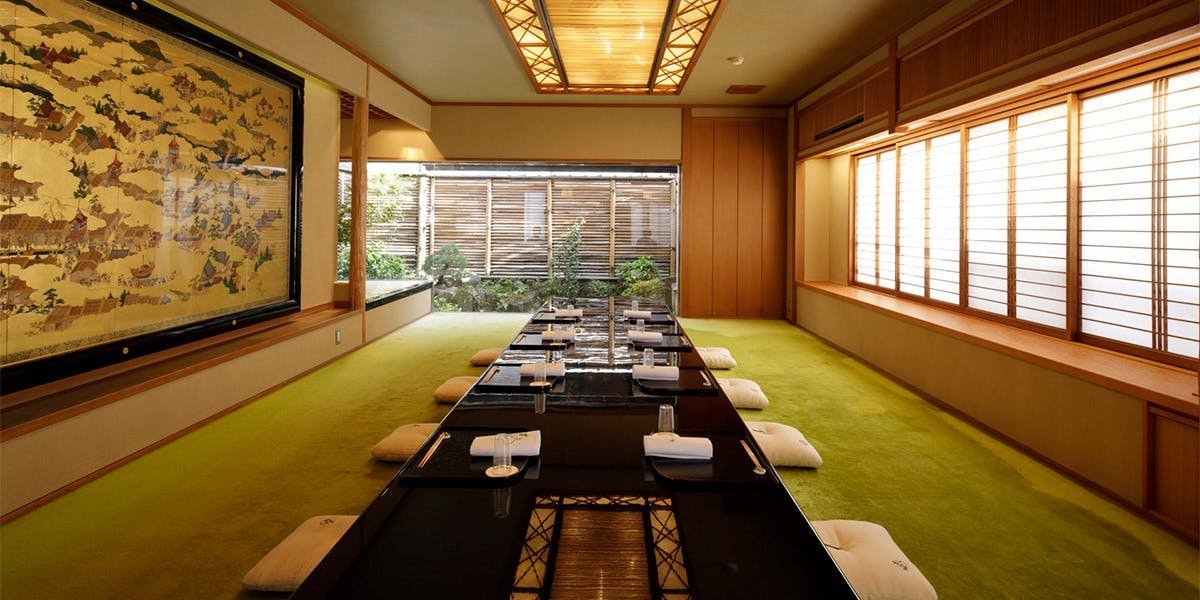
About Nakazen
Nakazen holds a 2024 Michelin star at Kyoto's ¥¥¥ price tier, making it one of the city's better-value starred bookings. Seasonal menus draw on Ohara-region vegetables and Awaji Island fish, served in a quiet residential room in Sakyo Ward. Book three to four weeks ahead minimum; use a hotel concierge if you lack Japanese language support.
A Michelin-starred neighbourhood restaurant in Sakyo Ward worth the booking effort
At the ¥¥¥ price tier, Nakazen sits in a comfortable position for Kyoto's fine dining market: meaningful expenditure, but considerably less than the ¥¥¥¥ kaiseki institutions that dominate the city's Michelin conversation. What you get for that spend is a single Michelin star (2024), a seasonal menu rooted in Ohara-region vegetables and Awaji Island fish, and the kind of small-room intimacy that makes a dinner feel genuinely considered rather than ceremonially produced. For a special occasion in Kyoto without the financial weight of Kyokaiseki Kichisen or the weeks-long reservation battle of Isshisoden Nakamura, Nakazen is one of the more defensible bookings in the city right now.
The restaurant, in practice
Nakazen operates from a residential pocket of Sakyo Ward, at 26 Kitashirakawa Kubotacho. This is not the tourist corridor of Gion or Higashiyama. The neighbourhood feel is deliberate: the owner-chef built this restaurant with community roots as a stated priority, which shows in the atmosphere. The room runs quiet by the standards of Kyoto's more theatrical fine dining rooms. Conversation carries easily. The energy is low-key and attentive rather than performative, which makes it a stronger choice for a business dinner or a date where you actually want to hear each other than for a group celebration seeking spectacle.
Right now, in the current season, the menu leans on whatever Ohara's growing calendar makes available. That regional specificity is one of Nakazen's clearest differentiators: the chef's sourcing ties to Ohara for produce and Awaji Island for fish create a menu geography that is specific rather than generic. Awaji is one of Japan's most respected sources for sea bream and other white fish, so the ingredient foundation carries real credibility. The plating philosophy, described as items on the plate evoking connections among people, is worth knowing as a first-timer: this is not aggressive modernist cooking. The aesthetic is considered and relational.
Google reviewers rate the restaurant at 4.7 from 69 reviews, which for a low-profile neighbourhood address in Sakyo Ward is a meaningful signal. The service is noted for its warmth, which aligns with the Michelin citation's mention of friendly service that puts the heart at ease. For a special occasion dinner, that warmth matters as much as the food does.
On the editorial angle: does Nakazen travel well?
This question is worth addressing directly. Nakazen is a kaiseki-adjacent Japanese dining experience built around the ritual of the meal itself: the sequencing, the service, the atmosphere of a quiet residential room. That experience does not transfer to takeout. If you are considering Nakazen, the only version worth booking is the in-room one. There is no evidence of a delivery or takeout offering, and given the nature of the cuisine, that is entirely appropriate. Book the table or do not book at all. If your circumstances require off-premise dining, this is not the venue for you.
How to book
Booking difficulty is rated hard. Nakazen holds a 2024 Michelin star in one of Japan's most visited culinary cities, operates from a small room, and has no published online booking channel in the venue record. The practical approach is to contact the restaurant directly in Japanese if possible, or to use your hotel concierge in Kyoto. For visitors without local language support, a concierge at a hotel such as those covered in our full Kyoto hotels guide will be your most reliable booking route. Plan a minimum of three to four weeks ahead; during peak Kyoto travel seasons (late March to early May for cherry blossom, October to November for autumn foliage), extend that to six weeks or more. Walk-ins at a Michelin-starred room of this profile are not a realistic option.
Who should book Nakazen
Book Nakazen if you want a Michelin-starred dinner with genuine neighbourhood character, a seasonal menu with traceable sourcing credentials, and an atmosphere that works for a serious conversation across the table. It is the right choice for a couple marking an occasion, a business dinner that needs quality without ostentation, or a solo diner who wants to sit inside a Michelin-starred room at a ¥¥¥ rather than ¥¥¥¥ spend. If you want the full multi-hour kaiseki ceremony with lacquerware ritual and private garden views, Kikunoi Roan or Gion Matayoshi will serve that need better. Nakazen's value is in its human scale and regional specificity, not in pageantry.
For Kyoto dining context beyond this restaurant, see our full Kyoto restaurants guide. For comparable Michelin-starred Japanese cooking elsewhere in Japan, HAJIME in Osaka, Harutaka in Tokyo, Myojaku in Tokyo, and Azabu Kadowaki in Tokyo offer useful reference points. If you are building a broader Japan itinerary, akordu in Nara, Goh in Fukuoka, 1000 in Yokohama, and 6 in Okinawa round out a useful national picture. Explore our full Kyoto bars guide, our full Kyoto wineries guide, and our full Kyoto experiences guide for planning the rest of your stay.
FAQ
- Is the tasting menu worth it at Nakazen? Yes, for what it is. A 2024 Michelin star at the ¥¥¥ price tier is a strong value proposition in Kyoto, where most starred rooms sit at ¥¥¥¥. The seasonal menu built on Ohara vegetables and Awaji fish gives the cooking specificity that justifies the spend. If you want more elaborate multi-course kaiseki ceremony, budget up to Kyokaiseki Kichisen. If Nakazen's quieter, neighbourhood-rooted format appeals, the value holds clearly.
- How far ahead should I book Nakazen? Three to four weeks minimum for standard travel periods. During cherry blossom season (late March to early May) or autumn foliage season (October to November) in Kyoto, extend that to six weeks. The restaurant is small, holds a Michelin star, and has no published online booking system, so your lead time needs to account for the communication process as well as availability.
- What should I wear to Nakazen? Smart casual is the safe call. This is a Michelin-starred room in a residential Kyoto neighbourhood, not a grand hotel dining room. No dress code is published, but the atmosphere and price tier suggest neat, understated clothing. Avoid overly casual dress; formal attire is not required.
- Is Nakazen good for solo dining? It can work well. The quiet atmosphere of a small neighbourhood restaurant in Sakyo Ward is less socially pressured than a busy counter in central Kyoto. At ¥¥¥, the solo spend is meaningful but not unreasonable for a Michelin-starred experience. Confirm counter seating availability when booking; solo diners at comparable venues in Japan often find counter seats more available than tables during peak periods.
- Is Nakazen worth the price? At ¥¥¥ with a 2024 Michelin star, a 4.7 Google rating, and a menu with traceable regional sourcing, yes. It delivers more credential per yen than most of Kyoto's ¥¥¥¥ starred rooms. The caveat: if you want the full kaiseki ritual experience with all its ceremony, you may find the neighbourhood scale modest. For a considered, well-sourced dinner without the premium pricing of the city's grand establishments, Nakazen is a strong proposition.
- Can Nakazen accommodate groups? The venue record does not publish seat count or private dining information. Given its residential neighbourhood location and small-room character, large groups (six or more) should confirm availability directly and well in advance. For group celebrations requiring guaranteed private space, Kodaiji Jugyuan may offer a more reliably structured option. Contact Nakazen directly, ideally through a hotel concierge who can communicate in Japanese.
- What should a first-timer know about Nakazen? Three things: the location is residential and quieter than central Kyoto dining districts, so plan your travel accordingly. The menu is seasonal and sourcing-led, so expect the chef to drive the menu rather than you selecting from a list. And book through a concierge if you do not have Japanese language support, because the restaurant has no published online booking channel. Arrive having done that groundwork and the dinner will take care of itself.
Compare Nakazen
| Venue | Awards | Price | Value |
|---|---|---|---|
| Nakazen | His grandfather was a caterer, his father a baker, so the path of the chef was a natural one for this owner-chef. Determined to be a culinary artist with roots in his community, the chef hung out his noren in a residential district. Seasonal menus weave in vegetables grown in his home region of Ohara. Fish come from Awaji, where the place he trained has ties. Items on the plate nestle together, evoking a sense of connections among people. Friendly service also puts the heart at ease.; Michelin 1 Star (2024) | ¥¥¥ | — |
| Gion Sasaki | Michelin 3 Star | ¥¥¥¥ | — |
| cenci | Michelin 1 Star, World's 50 Best | ¥¥¥ | — |
| Ifuki | Michelin 2 Star | ¥¥¥¥ | — |
| Kyokaiseki Kichisen | Michelin 2 Star | ¥¥¥¥ | — |
| SEN | Michelin 1 Star | ¥¥¥¥ | — |
Comparing your options in Kyoto for this tier.
Frequently Asked Questions
Is the tasting menu worth it at Nakazen?
Yes, with a specific caveat: this is a format-first restaurant. Nakazen's seasonal menu is built around Ohara-grown vegetables and fish sourced from Awaji, which gives it a traceable regional identity that generic kaiseki spots in Kyoto's tourist corridors lack. At the ¥¥¥ price tier, it sits below the highest tier of Kyoto fine dining, which makes the Michelin star feel like decent value. If you want à la carte flexibility, this is not the venue for you.
How far ahead should I book Nakazen?
Book as early as possible — realistically, one to two months out for weekend evenings. Nakazen holds a 2024 Michelin star, operates from a small room in a residential part of Sakyo Ward, and is not in a high-footfall tourist area, meaning walk-ins are an unrealistic strategy. If you have a fixed travel window, secure the reservation before anything else in your Kyoto itinerary.
What should I wear to Nakazen?
The venue database does not specify a dress code, but Nakazen's context — a neighbourhood restaurant in a residential district rather than a formal ryotei setting — suggests neat, restrained clothing rather than black-tie formality. Think along the lines of what you would wear to a serious restaurant with a relaxed atmosphere. Avoid overly casual clothing given the Michelin star setting.
Is Nakazen good for solo dining?
Likely yes. Nakazen's neighbourhood character and the chef's emphasis on friendly, warm service make it a more approachable environment for solo diners than Kyoto's more ceremonially rigid kaiseki establishments. The kitchen's philosophy — meals evoking a sense of human connection — translates well to counter or solo settings. Confirm seat availability for solo bookings when you reserve, as small rooms sometimes prioritise full-table configurations.
Is Nakazen worth the price?
At ¥¥¥, Nakazen occupies a meaningful but not extreme price point for a 2024 Michelin-starred dinner in Kyoto. Compared to top-tier destinations like Kyokaiseki Kichisen, it costs considerably less while still offering seasonal sourcing with clear regional credentials. The value case is strong if you want a Michelin-starred meal with genuine neighbourhood character rather than a formal prestige experience.
Can Nakazen accommodate groups?
Small groups should be fine, but larger parties face practical limits. Nakazen operates from a small room in a residential district, which constrains capacity. Groups of two to four are the natural fit for this kind of intimate, owner-chef restaurant. If you are planning for six or more, check the venue's official channels — and have a backup option in mind.
What should a first-timer know about Nakazen?
Three things: first, Nakazen is not in the tourist centre — Sakyo Ward's Kitashirakawa area requires a deliberate journey, so plan your transport. Second, the menu is seasonal and driven by Ohara vegetables and Awaji fish, so there is no fixed menu to preview in advance; trust the format. Third, booking is hard — a 2024 Michelin star in a small room in one of Japan's most-visited food cities means this fills fast, so secure the reservation well before your trip.
Recognized By

More restaurants in Kyoto
- OgataOgata is a 16-seat kaiseki counter in Shimogyo, Kyoto, holding two Michelin stars and ten years of Tabelog Gold recognition. Dinner runs JPY 60,000–79,999 before drinks and a 10% service charge. Booking is near impossible without months of advance planning, but for serious kaiseki at the counter, it earns its place on any shortlist.
- MizaiMizai holds three Michelin stars and a sustained Tabelog track record across nearly a decade, with dinner running to ¥80,000–¥99,999 per person all-in. Chef Hitoshi Ishihara structures the meal around the spirit of the tea ceremony in a 15-seat room inside Maruyama Park. Book for a serious special occasion; reservations are near-impossible to secure without months of advance planning.
Related editorial
- Best Fine Dining Restaurants in ParisFrom three-Michelin-star icons to the next generation of Parisian chefs pushing boundaries, these are the restaurants that define fine dining in the world's culinary capital.
- Best Luxury Hotels in RomeFrom rooftop terraces overlooking ancient ruins to Michelin-starred hotel dining, these are the luxury hotels that make Rome unforgettable.
- Best Cocktail Bars in KyotoFrom sleek lounges to hidden speakeasies, Kyoto's cocktail scene blends Japanese precision with global influence in ways you won't find anywhere else.
Save or rate Nakazen on Pearl
Keep this venue in your Pearl passport, rate it after you visit, and track it alongside every other place you collect.