
Restaurant in Tokyo, Japan
Koffee Mameya
225ptsStanding-bar coffee consulting, no booking needed.

About Koffee Mameya
Koffee Mameya is a consultation-style coffee counter in Jingumae, Shibuya — no seating, no menu-board ordering, and a format closer to a specialist wine merchant than a café. Ranked in Japan's casual dining top 5 by Opinionated About Dining for two consecutive years, it rewards visitors who let the staff guide the first cup and return to refine their preferences across multiple visits.
Koffee Mameya, Tokyo: Pearl Verdict
Koffee Mameya is not a café where you sit down, open a laptop, and linger over a flat white. That misconception leads to disappointment. This is a coffee stand in Jingumae — a consultation-style counter where the format is closer to a specialist wine merchant than a coffee shop. You describe your preferences, you receive a recommendation, and you drink with attention. If you want a seat and a snack, go elsewhere. If you want one of the most thoughtfully curated single-origin coffee experiences in Tokyo, this is a serious contender.
The Opinionated About Dining guide has ranked Koffee Mameya in Japan's casual dining top 5 for two consecutive years (2023 and 2024), before it settled at #27 in 2025 — still a strong position in one of the world's most competitive coffee cities. Its Google rating of 4.6 across more than 1,600 reviews confirms the consistency. For a first-timer, that track record is useful context: this is not a trend that has peaked but a venue that has found a repeatable standard.
The Space
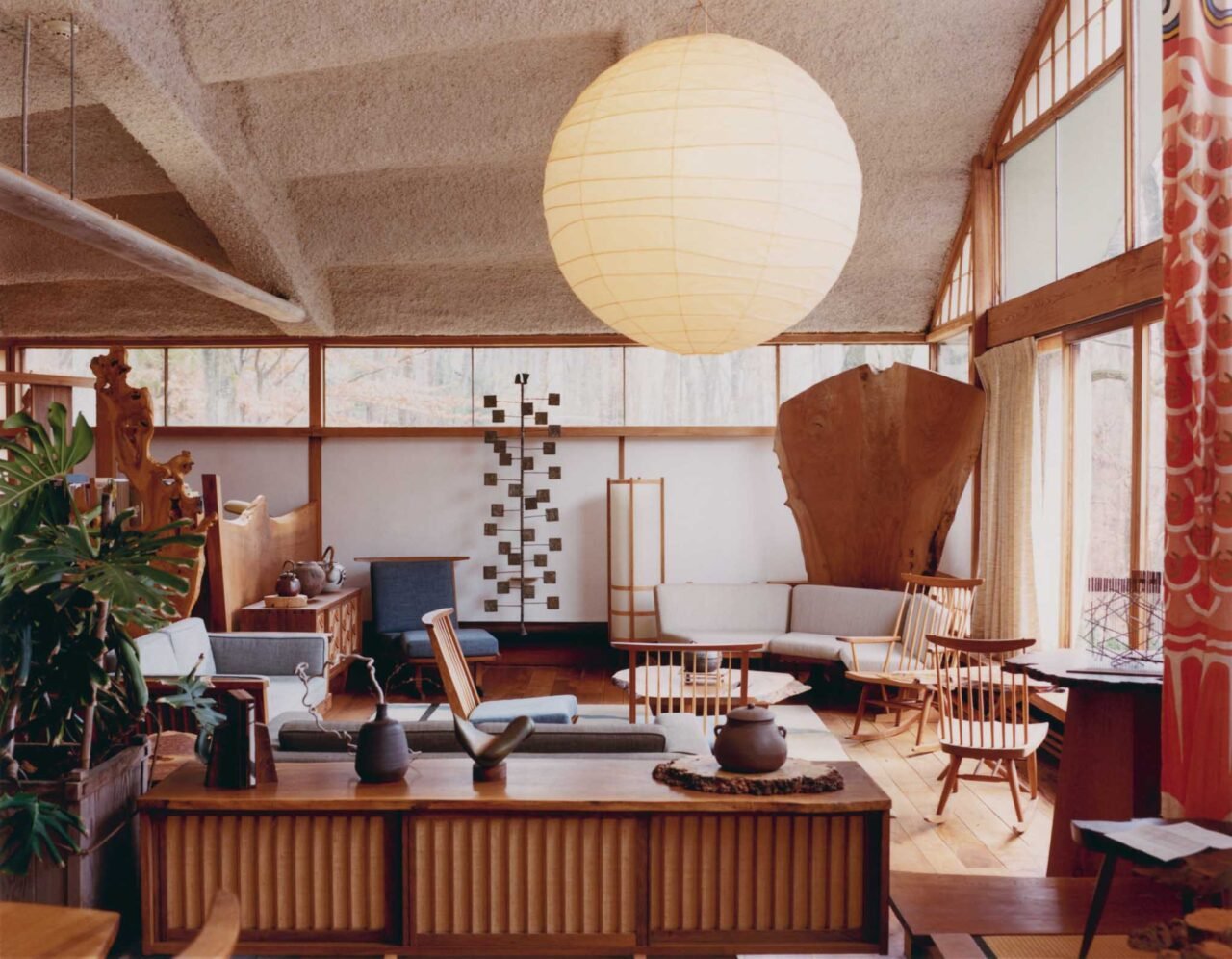
The physical format shapes the entire experience. Koffee Mameya operates as a standing counter with no table seating, located in Jingumae's dense network of back streets in Shibuya. The space is compact and intentional , stripped back in a way that directs your attention to the product rather than the room. There is no ambient noise to compete with. The scale is deliberately small, which means the interaction between staff and guest is more focused than you would find at a larger café. For a first visit, that directness can feel unfamiliar if you are used to ordering coffee by pointing at a menu board. Lean into it: tell them how you usually drink coffee, what flavours you prefer, whether you want something bright or full-bodied. The recommendation that follows is the point.
Multi-Visit Strategy
A single visit tells you whether the format suits you. Return visits are where Koffee Mameya earns its ranking. On a first visit, let the staff guide you , treat it as a calibration. On a second visit, come with a more specific request: a particular origin, a brewing method you have not tried, or a roast profile that contrasts with what you had before. By a third visit, you have enough reference points to ask genuinely informed questions, and the conversation shifts. The multi-visit arc here is not about novelty or a rotating menu , it is about building a more precise understanding of your own coffee preferences through guided repetition. That is an unusual offer in a city with no shortage of excellent coffee options.
Practical Details
Koffee Mameya is open seven days a week, 10am to 6pm, which makes it a practical morning or mid-afternoon stop. Because it operates as a standing counter with a consultation model, there is no booking required , you arrive, you queue if necessary, and you order. The address is 4 Chome-15-3 Jingumae, Shibuya, within walking distance of Omotesando station. No price range is listed in our database, but single-origin pour-overs at this tier of Tokyo coffee stand typically fall in the ¥800–¥1,500 range per cup. Cash and card are both widely accepted at venues of this type in the neighbourhood, though confirming on arrival is sensible.
Groups larger than two or three will find the counter format less comfortable , the space is sized for individuals and pairs. If you are visiting Tokyo and working through a broader dining itinerary, Koffee Mameya pairs well as a morning stop before a longer lunch reservation. For serious restaurant options nearby, Sézanne and Crony are both strong choices in the same city. For a broader view of what Tokyo offers, see our full Tokyo restaurants guide, our full Tokyo bars guide, and our full Tokyo hotels guide.
If you are travelling across Japan, the same standard of category-specific excellence appears at Gion Sasaki in Kyoto, HAJIME in Osaka, and akordu in Nara for those building a broader Japan itinerary. For comparisons further afield, Le Bernardin in New York City and Lazy Bear in San Francisco represent the same level of category commitment in different formats.
Should You Book?
Yes, if you take coffee seriously and want a format that goes beyond ordering from a menu. No booking required makes this one of the lower-friction stops on any Tokyo itinerary. First-timers should arrive before noon, keep expectations calibrated to a standing counter rather than a café, and let the staff lead the first cup. Come back twice more if Tokyo allows it , the venue rewards return visits more than most.
How It Compares
Compare Koffee Mameya
| Venue | Cuisine | Price | Awards | Booking Difficulty | Value |
|---|---|---|---|---|---|
| Koffee Mameya | Coffee Stand | Opinionated About Dining Casual in Japan Ranked #27 (2025); Opinionated About Dining Casual in Japan Ranked #4 (2024); Opinionated About Dining Casual in Japan Ranked #5 (2023) | Easy | — | |
| Harutaka | Sushi | ¥¥¥¥ | Michelin 3 Star, World's 50 Best | Unknown | — |
| RyuGin | Kaiseki, Japanese | ¥¥¥¥ | Michelin 3 Star, World's 50 Best | Unknown | — |
| L'Effervescence | French | ¥¥¥¥ | Michelin 3 Star, World's 50 Best | Unknown | — |
| HOMMAGE | Innovtive French, French | ¥¥¥¥ | Michelin 2 Star, World's 50 Best | Unknown | — |
| Florilège | French | ¥¥¥ | Michelin 2 Star, World's 50 Best | Unknown | — |
Comparing your options in Tokyo for this tier.
Frequently Asked Questions
Does Koffee Mameya handle dietary restrictions?
Koffee Mameya is a coffee-focused standing counter, so the dietary restriction question is simpler than at a full restaurant: it comes down to milk alternatives and caffeine tolerance. The staff-led consultation format — which earned the venue OAD Casual Japan #4 in 2024 — means you can raise preferences directly before any order is placed. Ask when the staff prompt you about your taste profile.
What should I wear to Koffee Mameya?
Come as you are. Koffee Mameya is a standing coffee counter in Jingumae, not a formal dining room, so there is no dress expectation beyond basic street-ready attire. The Omotesando neighbourhood skews fashion-conscious, but that reflects the area, not the venue's requirements.
What should I order at Koffee Mameya?
There is no fixed menu to order from — that is the format. Staff ask about your preferences and guide you to a specific bean and brew method. On a first visit, give an honest answer about your usual coffee habits rather than performing expertise; the consultation only works if the staff know your actual starting point.
Is lunch or dinner better at Koffee Mameya?
Dinner is not an option: Koffee Mameya closes at 6pm every day of the week. For timing, a mid-morning visit — around opening at 10am — tends to be quieter than the post-lunch window, which draws more foot traffic from the surrounding Jingumae shopping streets. If you want unhurried staff attention, earlier is better.
Can I eat at the bar at Koffee Mameya?
No. Koffee Mameya is a standing counter with no table seating and no food menu. If you arrive expecting a café lunch or a place to sit down, this is the wrong venue. For coffee paired with food, you will need to plan a separate stop nearby in Jingumae.
How far ahead should I book Koffee Mameya?
No booking is required, which makes this one of the lower-friction stops among Tokyo's ranked specialty coffee destinations. Just show up during opening hours — 10am to 6pm, seven days a week — and queue if there is one. The standing format keeps turnover moving, so waits rarely run long outside peak weekend hours.
Can Koffee Mameya accommodate groups?
Small groups of two or three work fine at the standing counter format. Larger groups will create a bottleneck in what is a compact standing space in Jingumae, and the one-on-one consultation model does not scale well when staff are managing a crowd. If you are visiting with four or more people, consider splitting into smaller waves.
Hours
- Monday
- 10 am–6 pm
- Tuesday
- 10 am–6 pm
- Wednesday
- 10 am–6 pm
- Thursday
- 10 am–6 pm
- Friday
- 10 am–6 pm
- Saturday
- 10 am–6 pm
- Sunday
- 10 am–6 pm
Recognized By

More restaurants in Tokyo
- SézanneOccupying the seventh floor of the Four Seasons Hotel Tokyo at Marunouchi, Sézanne earned its first Michelin star within months of opening in July 2021 and now holds three. British chef Daniel Calvert applies French technique to Japanese ingredients, producing a prix-fixe format that Tabelog has recognised with Silver awards every year from 2023 through 2026. It ranked 4th in Asia's 50 Best Restaurants in 2025 and 15th globally in 2024.
- SazenkaSazenka is the address for Chinese cuisine in Tokyo at its most technically demanding. Chef Tomoya Kawada's wakon-kansai approach — Japanese seasonal ingredients applied through Chinese culinary technique — has earned consecutive Tabelog Gold Awards from 2019 to 2026, a #71 ranking on the World's 50 Best 2025, and 99 points from La Liste 2026. At JPY 50,000–59,999 per head, it is one of the hardest tables in the city to book and worth the effort.
- NarisawaNarisawa is Tokyo's most credentialled innovative tasting menu restaurant — two Michelin stars, Asia's 50 Best number 12, and a Tabelog Silver award — running at JPY 80,000–99,999 per head. Book for a milestone occasion, confirm vegetarian or vegan needs in advance, and reserve at least two to three months out. With 15 seats and reservation-only access, this is one of Tokyo's hardest tables to secure.
- FlorilègeFlorilège delivers two Michelin stars and an Asia's 50 Best #17 ranking at a dinner price of ¥22,000 — competitive for Tokyo at this level. Chef Hiroyasu Kawate's plant-forward tasting menus around an open-kitchen counter at Azabudai Hills make this the strongest choice for contemporary French dining in Tokyo if theatrical, produce-led cooking is what you want. Book well in advance; availability is near-impossible at short notice.
- DenDen holds two Michelin stars, a World's 50 Best top-25 Asia ranking, and a Tabelog Silver Award running back to 2017 — and it books out within hours of the two-month reservation window opening. Chef Zaiyu Hasegawa's daily-changing seasonal omakase runs JPY 30,000–39,999 at dinner in a relaxed house-restaurant setting near Gaiemmae. Book by phone only, noon–5 PM JST. Lunch is irregular; plan around dinner.
- MyojakuMyojaku is a 2-Michelin-star, 14-course French-leaning omakase in Nishiazabu holding a 4.47 Tabelog score, Tabelog Silver 2025–2026, and Asia's 50 Best #45 (2025). Chef Hidetoshi Nakamura's water-forward, no-dashi approach shifts meaningfully with the seasons — making timing your reservation as important as getting one. Budget JPY 50,000–59,999 per head plus 10% service charge; reservations only, near-impossible to secure.
Similar venues by awards
Related editorial
- Best Fine Dining Restaurants in ParisFrom three-Michelin-star icons to the next generation of Parisian chefs pushing boundaries, these are the restaurants that define fine dining in the world's culinary capital.
- Best Luxury Hotels in RomeFrom rooftop terraces overlooking ancient ruins to Michelin-starred hotel dining, these are the luxury hotels that make Rome unforgettable.
- Best Cocktail Bars in KyotoFrom sleek lounges to hidden speakeasies, Kyoto's cocktail scene blends Japanese precision with global influence in ways you won't find anywhere else.
Save or rate Koffee Mameya on Pearl
Keep this venue in your Pearl passport, rate it after you visit, and track it alongside every other place you collect.