
Restaurant in Tokyo, Japan
Kintsuta
150ptsRepeat-visit shabu shabu, easy to book.

About Kintsuta
A ranked entry on Opinionated About Dining's Japan Casual list three years running, Kintsuta is Roppongi's most consistent shabu shabu option and an easy book by Tokyo standards. Come for the tableside hot-pot format, plan a second visit to push into premium wagyu territory, and arrive early in the evening for the quietest experience. Dinner only, seven days a week.
Tokyo's Most Consistent Shabu Shabu, Built for Repeat Visits
If you are weighing Kintsuta against a kaiseki dinner at RyuGin or a sushi counter at Harutaka, you are comparing different categories. Kintsuta is a casual shabu shabu specialist in Roppongi, and on Opinionated About Dining's Japan Casual list it has held a ranked position every year since 2023, climbing from #102 in 2025 down to #68 at its peak in 2023. That trajectory tells you this is a venue with real staying power in a competitive casual dining field, not a one-visit curiosity. Book it if you want a reliable, high-quality hot-pot experience without the booking pressure or price commitment of a tasting-menu room.
Portrait
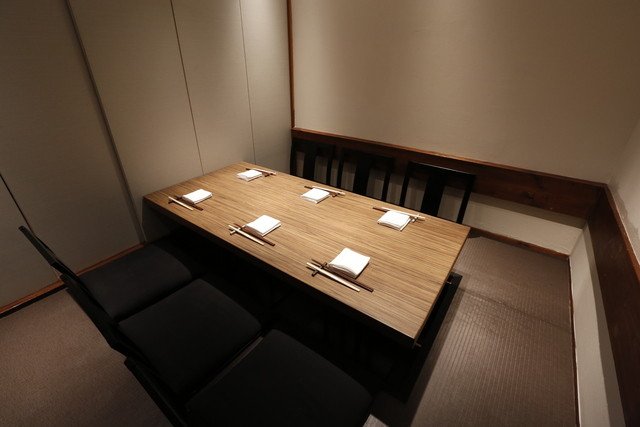
Kintsuta sits on the second floor of a building in Roppongi 7-chome, a neighbourhood better known for its late-night bar scene than for serious dining. That slight remove from the main drag is part of the appeal: the room feels like a deliberate choice rather than a tourist-facing restaurant. The format is shabu shabu, Japan's thin-sliced beef and vegetable hot-pot tradition, cooked tableside in a simmering broth. The scent that greets you when the pot is brought to the table — kombu dashi warming slowly, the faint mineral note of high-grade wagyu hitting the broth — is one of those sensory cues that signals you are eating the real version of a dish, not a simplified one.
On OAD's Japan Casual list, Kintsuta scored a 4.3 across 170 Google reviews, a solid signal of consistency rather than occasional brilliance. The OAD ranking, which relies on the opinions of frequent, experienced diners rather than a single inspector, is arguably the more meaningful credential here: it means knowledgeable repeat visitors keep recommending it. That is exactly the kind of venue this multi-visit format rewards.
How to Structure Multiple Visits
Kintsuta earns a second and third visit because shabu shabu at this level is a format you learn to read over time. On a first visit, orient around the broth choice and the base cut of beef: understanding what the kitchen is working with gives you a baseline. On a second visit, push toward any premium wagyu upgrade if one is offered, and pay attention to how the dipping sauces , typically ponzu and sesame-based , interact with different cuts. A third visit is where you sequence the vegetables and tofu with more intention, and where you start to notice the small differences in timing that separate a good shabu shabu from a very good one. The kitchen staff at venues like this are generally happy to guide pacing if you signal that you are paying attention.
The evening-only format (5–11 pm Monday through Saturday, closing an hour earlier on Sunday) means this is always a dinner destination. There is no lunch service to compare against, which simplifies the timing decision: the question is early evening versus late evening, not lunch versus dinner. Arriving close to opening is worth considering if you want a quieter table and more time to work through the meal without feeling the room shift toward a later, noisier crowd.
Roppongi Context
Roppongi is a practical base if you are staying in Minato-ku or visiting the area's art institutions, and Kintsuta is a good anchor dinner before or after the neighbourhood's other draws. For broader Tokyo dining context, see our full Tokyo restaurants guide. If you are building a wider Japan itinerary, comparable attention to craft shows up at Gion Sasaki in Kyoto, HAJIME in Osaka, and Goh in Fukuoka, each in very different formats. For something outside Japan's main cities, akordu in Nara and 6 in Okinawa are worth the detour.
If you want shabu shabu outside Japan for comparison, Shabu-Tatsu in New York City is the most reliable Western reference point, though the gap between the two experiences is significant. Tokyo also offers strong French options at different price tiers , L'Effervescence, Sézanne, and Crony are all worth considering for variety across a multi-day stay. See also our Tokyo hotels guide, Tokyo bars guide, and Tokyo experiences guide for planning the full trip.
Quick reference: Roppongi 7-chome, second floor; dinner only, Mon–Sat 5–11 pm, Sun 5–10 pm; OAD Casual Japan ranked (2023–2025); Google 4.3/170 reviews; booking is relatively easy.
Ratings & Recognition
- Opinionated About Dining , Casual in Japan: Ranked #68 (2023), #92 (2024), #102 (2025)
- Google: 4.3 stars across 170 reviews
Booking
Booking difficulty is rated easy, which is one of Kintsuta's genuine practical advantages over Tokyo's more pressured reservations. You do not need to plan weeks ahead in most cases, though weekend evenings in Roppongi fill faster than weeknights. No phone number or website is listed in our data , checking Google Maps or a booking aggregator like Tableall or Omakase is the most reliable route to securing a table.
FAQ
How far ahead should I book Kintsuta?
- Booking is easy by Tokyo standards. For a weeknight, a few days ahead should be sufficient. For a Friday or Saturday, aim for at least a week out to be safe. Kintsuta does not carry the booking pressure of a Michelin-starred tasting menu room.
What should I order at Kintsuta?
- The format is shabu shabu, so the core decision is broth choice and beef grade. Start with the standard beef to understand the kitchen's baseline, then consider a wagyu upgrade on a return visit. Work the dipping sauces , ponzu and sesame are typical , against different cuts to get the most out of the meal.
Does Kintsuta handle dietary restrictions?
- No specific information is available in our data on dietary accommodation. The shabu shabu format is naturally adaptable for non-beef eaters if the kitchen offers alternative proteins or a vegetable-focused option, but confirm directly before booking, especially for strict dietary requirements.
Is Kintsuta good for a special occasion?
- It works for a relaxed celebration rather than a formal one. The OAD ranking confirms the quality is there, and shabu shabu is a convivial, interactive format that suits groups marking something. If you want a more ceremonial setting, RyuGin or L'Effervescence would better fit that expectation.
Is lunch or dinner better at Kintsuta?
- Kintsuta is dinner-only, open from 5 pm every day. There is no lunch service to compare. For the quietest experience, arrive early in the service window rather than later.
What are alternatives to Kintsuta in Tokyo?
- For a completely different format at a similar casual register, Crony offers inventive French cooking at a comparable price tier. For a significant step up in formality and price, RyuGin (kaiseki) and Harutaka (sushi) are the benchmark fine-dining options. See our full Tokyo restaurants guide for the broader picture.
Is Kintsuta good for solo dining?
- Shabu shabu can feel more natural as a shared format, but solo diners are well accommodated at many Tokyo restaurants including casual specialists like this. The interactive cooking element gives solo diners something to engage with throughout the meal. No counter seating information is confirmed in our data, so it is worth mentioning when booking that you are dining alone.
Compare Kintsuta
Frequently Asked Questions
How far ahead should I book Kintsuta?
A few days in advance is generally enough. Kintsuta's booking difficulty is rated easy, which is a genuine advantage over most OAD-ranked Tokyo restaurants where weeks-out reservations are standard. That said, Friday and Saturday evenings fill faster, so book those slots at least a week out to avoid the squeeze.
What should I order at Kintsuta?
Kintsuta specialises exclusively in shabu shabu, so the format is set: thinly sliced meat and vegetables cooked in broth at the table. The decision is which protein tier and broth to choose. Lean toward the higher-grade wagyu option if the budget allows — at an OAD Casual-ranked venue, the quality of the meat is the point.
Does Kintsuta handle dietary restrictions?
Shabu shabu is a format that accommodates some flexibility by design — proteins and vegetables are often served separately — but specific allergy or dietary accommodation details are not documented for Kintsuta. check the venue's official channels before booking if restrictions are a concern, particularly for shellfish broths or sesame-based dipping sauces common in the format.
Is Kintsuta good for a special occasion?
It works for a low-key celebration, but it is not a theatrical special-occasion venue. Kintsuta is a second-floor Roppongi shabu shabu restaurant — warm and consistent rather than grand. If the occasion calls for ceremony, a kaiseki counter like RyuGin will read as more event-like. Kintsuta is the better pick when the occasion is about great food without the production.
Is lunch or dinner better at Kintsuta?
Dinner only. Kintsuta opens at 5 pm seven days a week and does not offer lunch service, so there is no choice to make there. Sunday hours close an hour earlier at 10 pm, so factor that in if you are planning a Sunday visit and want a full, unhurried meal.
What are alternatives to Kintsuta in Tokyo?
For shabu shabu at a comparable or higher tier, Seryna in Roppongi is a long-established name in the format. If you are open to switching formats entirely, Harutaka is the benchmark sushi counter for precision and value within Tokyo's high-end dining tier. For a full kaiseki experience in the same city, RyuGin and L'Effervescence represent the ceiling of the category at a significantly higher price and booking difficulty.
Is Kintsuta good for solo dining?
Yes. Shabu shabu at counter or small-table settings is one of the more comfortable solo dining formats in Tokyo, and Kintsuta's easy booking makes it a practical choice for solo travellers who want a serious dinner without competing for a coveted reservation. The evening-only hours and Roppongi location also make it a natural standalone dinner rather than a rushed lunch slot.
Hours
- Monday
- 5–11 pm
- Tuesday
- 5–11 pm
- Wednesday
- 5–11 pm
- Thursday
- 5–11 pm
- Friday
- 5–11 pm
- Saturday
- 5–11 pm
- Sunday
- 5–10 pm
Recognized By

More restaurants in Tokyo
- SézanneOccupying the seventh floor of the Four Seasons Hotel Tokyo at Marunouchi, Sézanne earned its first Michelin star within months of opening in July 2021 and now holds three. British chef Daniel Calvert applies French technique to Japanese ingredients, producing a prix-fixe format that Tabelog has recognised with Silver awards every year from 2023 through 2026. It ranked 4th in Asia's 50 Best Restaurants in 2025 and 15th globally in 2024.
- SazenkaSazenka is the address for Chinese cuisine in Tokyo at its most technically demanding. Chef Tomoya Kawada's wakon-kansai approach — Japanese seasonal ingredients applied through Chinese culinary technique — has earned consecutive Tabelog Gold Awards from 2019 to 2026, a #71 ranking on the World's 50 Best 2025, and 99 points from La Liste 2026. At JPY 50,000–59,999 per head, it is one of the hardest tables in the city to book and worth the effort.
- NarisawaNarisawa is Tokyo's most credentialled innovative tasting menu restaurant — two Michelin stars, Asia's 50 Best number 12, and a Tabelog Silver award — running at JPY 80,000–99,999 per head. Book for a milestone occasion, confirm vegetarian or vegan needs in advance, and reserve at least two to three months out. With 15 seats and reservation-only access, this is one of Tokyo's hardest tables to secure.
- FlorilègeFlorilège delivers two Michelin stars and an Asia's 50 Best #17 ranking at a dinner price of ¥22,000 — competitive for Tokyo at this level. Chef Hiroyasu Kawate's plant-forward tasting menus around an open-kitchen counter at Azabudai Hills make this the strongest choice for contemporary French dining in Tokyo if theatrical, produce-led cooking is what you want. Book well in advance; availability is near-impossible at short notice.
- DenDen holds two Michelin stars, a World's 50 Best top-25 Asia ranking, and a Tabelog Silver Award running back to 2017 — and it books out within hours of the two-month reservation window opening. Chef Zaiyu Hasegawa's daily-changing seasonal omakase runs JPY 30,000–39,999 at dinner in a relaxed house-restaurant setting near Gaiemmae. Book by phone only, noon–5 PM JST. Lunch is irregular; plan around dinner.
- MyojakuMyojaku is a 2-Michelin-star, 14-course French-leaning omakase in Nishiazabu holding a 4.47 Tabelog score, Tabelog Silver 2025–2026, and Asia's 50 Best #45 (2025). Chef Hidetoshi Nakamura's water-forward, no-dashi approach shifts meaningfully with the seasons — making timing your reservation as important as getting one. Budget JPY 50,000–59,999 per head plus 10% service charge; reservations only, near-impossible to secure.
Similar venues by awards
Related editorial
- Best Fine Dining Restaurants in ParisFrom three-Michelin-star icons to the next generation of Parisian chefs pushing boundaries, these are the restaurants that define fine dining in the world's culinary capital.
- Best Luxury Hotels in RomeFrom rooftop terraces overlooking ancient ruins to Michelin-starred hotel dining, these are the luxury hotels that make Rome unforgettable.
- Best Cocktail Bars in KyotoFrom sleek lounges to hidden speakeasies, Kyoto's cocktail scene blends Japanese precision with global influence in ways you won't find anywhere else.
Save or rate Kintsuta on Pearl
Keep this venue in your Pearl passport, rate it after you visit, and track it alongside every other place you collect.