
Restaurant in Kyoto, Japan
Kinobu
450ptsAccessible starred kaiseki with a wine-forward twist.

About Kinobu
Kinobu holds a 2024 Michelin one star and offers contemporary kaiseki at ¥¥¥ pricing, a tier below most of Kyoto's starred ryotei. Its wine-pairing menu and openness to outside influence set it apart from more traditional operations. Book here if you want seasonally grounded Japanese cuisine with a modern edge at a more accessible price point than the top tier.
The Verdict
Kinobu is one of Kyoto's more accessible Michelin-starred kaiseki options, holding a 2024 one-star rating and a Google score of 4.4 from 477 reviews. At ¥¥¥ pricing, it sits a tier below the ¥¥¥¥ establishments like Kyokaiseki Kichisen and Isshisoden Nakamura, which makes it worth serious consideration if you want Michelin-calibre kaiseki without committing to the leading price bracket. Book it if you want seasonally grounded Japanese cuisine with a contemporary edge. Skip it if you want the most formal, tradition-heavy ryotei experience Kyoto offers.
What to Expect
One of the most persistent misconceptions about kaiseki in Kyoto is that every starred venue delivers an identical, rigidly ceremonial experience. Kinobu corrects that assumption. The restaurant began as a catering operation before evolving into a ryotei, and that practical, adaptive origin still shapes how it operates. Rather than treating kaiseki as a museum piece, it treats the format as a living framework, one that absorbs contemporary influence without abandoning the seasonal logic that makes Kyoto cuisine worth seeking out in the first place.
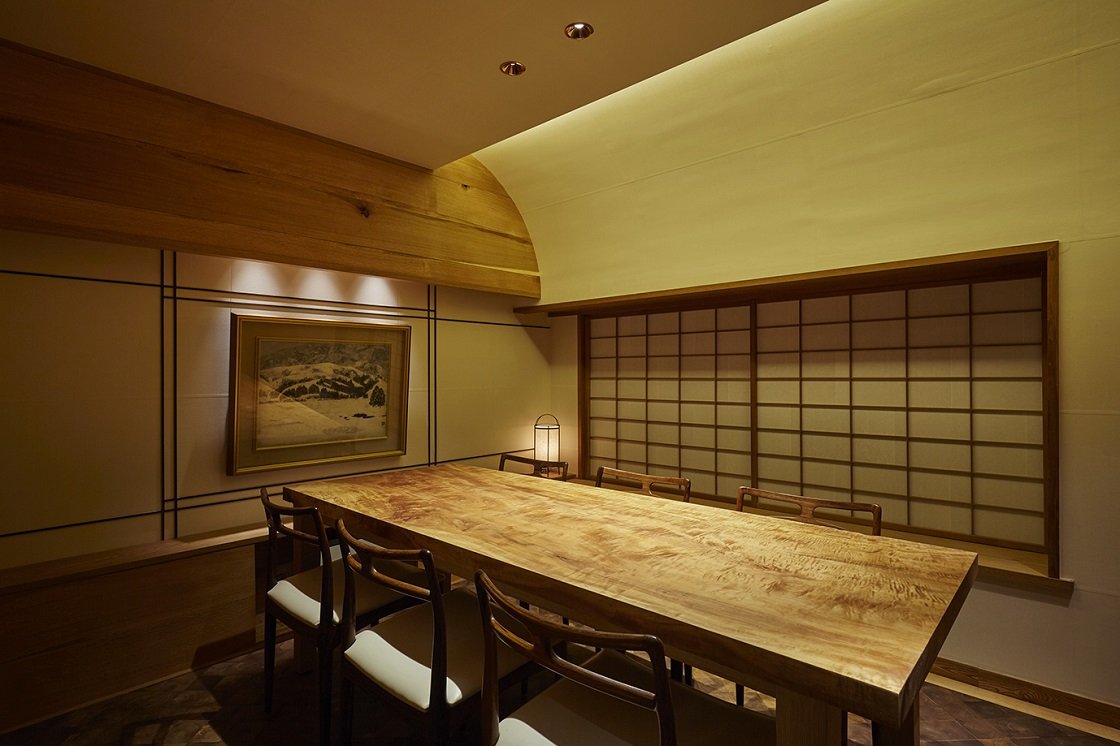
The spatial experience at Kinobu, located in Shimogyo Ward at 416 Iwatoyamacho, reflects that balance. Shimogyo sits south of central Kyoto, quieter and less tourist-saturated than Gion or Higashiyama. The address alone signals that this is not a venue chasing foot traffic. For food-focused travellers who want a room that feels like a genuine dining destination rather than a curated set piece, that matters. The setting is intimate and considered rather than grand, which suits the venue's contemporary path through a very traditional category.
What distinguishes Kinobu within Kyoto's kaiseki tier is the wine pairing dimension. The venue has developed what its Michelin citation describes as a dedicated wine menu: dishes designed specifically to pair with wine rather than sake. This is a meaningful departure from standard kaiseki convention, and a practical one if you are travelling with wine drinkers who find the sake-only format limiting. Among Kyoto's kaiseki options, this level of deliberate wine integration is genuinely rare. For the explorer-type diner who wants depth and cross-cultural dimension in a meal, this is a signal worth taking seriously.
The kitchen's approach is framed around the chef's ongoing correspondence with overseas chefs, which the Michelin guide characterises as a restless curiosity rather than pure localism. Seasonal events and the changing of the seasons remain the structural core of the menu, as they do across all serious Kyoto kaiseki, but the interpretation here carries an openness to external influence that separates Kinobu from more insular operations. For context, Kyoto kaiseki at this level typically runs through a sequence of small courses built around the current season's produce and aesthetic references, so arriving with some familiarity with the format will help you get more out of the experience. If kaiseki is new to you, Kinobu's more accessible price point and contemporary sensibility make it a less intimidating entry point than venues like Kyokaiseki Kichisen.
On timing: kaiseki restaurants in Kyoto tend to operate across defined lunch and dinner services rather than late into the evening, and Kinobu follows the ryotei model in which the meal itself is the entire occasion. If you are looking for a venue that extends into late-night dining or allows a flexible finish time, kaiseki is generally not that format. The meal is long by design, often two hours or more, and it concludes when the sequence concludes. Plan your evening around it rather than around it. For late-night options in Kyoto after dinner, consult our full Kyoto bars guide.
The optimal season to visit is autumn, when Kyoto's seasonal produce and the kaiseki calendar align most dramatically, but spring, centred on cherry blossom season, is a close second. Both periods bring the highest booking competition, so lead time matters significantly. Visiting in summer or winter offers a more relaxed booking environment and a different but equally intentional seasonal menu.
For broader context on where Kinobu fits in the Kyoto dining picture, see our full Kyoto restaurants guide. If you are planning a wider Japan itinerary, comparable starred experiences are available at HAJIME in Osaka, Harutaka in Tokyo, and akordu in Nara. For other Kyoto options in the kaiseki tier, Kikunoi Roan, Gion Matayoshi, and Kodaiji Jugyuan are all worth comparing before you commit.
Practical Details
| Detail | Kinobu | Gion Sasaki | Kyokaiseki Kichisen |
|---|---|---|---|
| Price tier | ¥¥¥ | ¥¥¥¥ | ¥¥¥¥ |
| Michelin stars (2024) | 1 star | 1 star | 3 stars |
| Google rating | 4.4 (477 reviews) | Not listed | Not listed |
| Booking difficulty | Hard | Very hard | Extremely hard |
| Cuisine style | Kaiseki / Japanese | Kaiseki / Japanese | Kaiseki / Japanese |
| Wine pairing menu | Yes | Not confirmed | Not confirmed |
FAQ
- What should I wear to Kinobu? Smart casual is appropriate for a ¥¥¥ Michelin-starred ryotei in Kyoto. You do not need formal attire, but dressing up slightly from everyday casual shows respect for the setting and the format. Avoid beachwear or athletic clothing.
- What should a first-timer know about Kinobu? Kinobu serves kaiseki, which is a multi-course sequential meal built around seasonal ingredients. The meal runs long by design. Book well in advance, arrive on time, and if you have never done kaiseki before, Kinobu's contemporary sensibility and ¥¥¥ pricing make it a less intimidating first experience than the leading ¥¥¥¥ tier.
- Can I eat at the bar at Kinobu? Kinobu operates as a ryotei, which is a traditional private dining format. Bar seating in the Western sense is not standard for this venue type in Kyoto. Contact the restaurant directly to confirm current seating configurations.
- Is Kinobu worth the price? At ¥¥¥ for Michelin one-star kaiseki, yes. It is priced below the ¥¥¥¥ tier of venues like Kyokaiseki Kichisen or Ifuki, which makes it the stronger value argument if your priority is starred kaiseki quality at a lower entry point. If you want three-star formality and are willing to pay significantly more, Kyokaiseki Kichisen is the alternative to compare.
- Does Kinobu handle dietary restrictions? Contact the restaurant directly before booking. Kaiseki menus are typically set in advance and built around seasonal produce, so advance notice of dietary restrictions is important. No specific policy is confirmed in available data.
- Can Kinobu accommodate groups? Ryotei formats generally include private room options suited to groups, and Kinobu's origins as a caterer suggest some capacity for larger gatherings. Contact the venue directly to confirm group availability and minimum spend requirements. For large group bookings in Kyoto, early outreach is advisable given the booking difficulty rating.
- Is Kinobu good for solo dining? Solo dining at a kaiseki ryotei in Kyoto is possible but less common than counter-format restaurants. If solo dining is a priority, venues with dedicated counter seating like Myojaku in Tokyo or Azabu Kadowaki in Tokyo offer a more natural solo format. For Kyoto specifically, confirm with Kinobu directly whether solo reservations are accommodated.
- What should I order at Kinobu? Kinobu serves a set kaiseki menu, so ordering individual dishes is not the format. The course sequence is determined by the kitchen and changes with the season. The wine-pairing menu of dishes designed to accompany wine is the distinctive offering here, and worth requesting if wine matters to your experience.
Explore Further
See our guides to Kyoto hotels, Kyoto experiences, and Kyoto wineries. For other starred dining in Japan, consider Goh in Fukuoka, 1000 in Yokohama, or 6 in Okinawa.
Compare Kinobu
| Venue | Price | Value |
|---|---|---|
| Kinobu | ¥¥¥ | — |
| Gion Sasaki | ¥¥¥¥ | — |
| cenci | ¥¥¥ | — |
| Ifuki | ¥¥¥¥ | — |
| Kyokaiseki Kichisen | ¥¥¥¥ | — |
| SEN | ¥¥¥¥ | — |
A quick look at how Kinobu measures up.
Frequently Asked Questions
What should I wear to Kinobu?
Kinobu is a ryotei with a Michelin star, so err on the side of neat and understated — think dress trousers or a simple dress rather than anything casual. Trainers and shorts will likely feel out of place. Traditional Japanese fine dining rooms tend to involve floor seating, so avoid clothing that makes that uncomfortable.
What should a first-timer know about Kinobu?
Kinobu started as a caterer before becoming a ryotei, and that background shapes its approach: the kitchen is interested in what kaiseki can do, not just what it has always done. The standout detail for newcomers is the 'wine menu' — a curated selection of dishes designed to pair with wine, which is genuinely unusual in kaiseki. If you've done traditional kaiseki before and want something that moves further, this is a reasonable next step.
Can I eat at the bar at Kinobu?
Kinobu is a ryotei, a format that typically uses private or semi-private rooms rather than a counter or bar setup. Counter seating is more common at sushi or tempura restaurants. If bar-style dining is important to you, a venue like cenci or a smaller counter-format restaurant in Kyoto will suit better.
Is Kinobu worth the price?
At the ¥¥¥ price range with a 2024 Michelin one-star, Kinobu sits at the more accessible end of Kyoto's starred kaiseki tier — this is not the rarefied pricing of Kyokaiseki Kichisen. The wine-pairing menu adds genuine value if you drink, making the per-head cost easier to justify than at more ceremonially rigid kaiseki venues.
Does Kinobu handle dietary restrictions?
Kaiseki menus are multi-course and largely pre-set around seasonal ingredients, which limits flexibility by design. Contact Kinobu directly before booking to flag restrictions — the kitchen's engagement with overseas chefs suggests openness to dialogue, but assumptions about substitutions in this format are risky. Severe allergies or vegan requirements are best discussed well in advance.
Can Kinobu accommodate groups?
Ryotei dining is traditionally well-suited to groups, since private rooms are the standard format rather than the exception. Kinobu's ryotei structure makes it a reasonable pick for a party dining together, though larger groups should confirm room capacity and booking lead times directly with the restaurant.
Is Kinobu good for solo dining?
Kaiseki at a ryotei is not the most natural solo format — private rooms are designed around groups, and the experience is generally more comfortable with two or more. Solo diners would find counter-format venues in Kyoto a better fit. That said, some ryotei do seat solo guests; it is worth asking Kinobu directly if solo dining matters to you.
Recognized By

More restaurants in Kyoto
- OgataOgata is a 16-seat kaiseki counter in Shimogyo, Kyoto, holding two Michelin stars and ten years of Tabelog Gold recognition. Dinner runs JPY 60,000–79,999 before drinks and a 10% service charge. Booking is near impossible without months of advance planning, but for serious kaiseki at the counter, it earns its place on any shortlist.
- MizaiMizai holds three Michelin stars and a sustained Tabelog track record across nearly a decade, with dinner running to ¥80,000–¥99,999 per person all-in. Chef Hitoshi Ishihara structures the meal around the spirit of the tea ceremony in a 15-seat room inside Maruyama Park. Book for a serious special occasion; reservations are near-impossible to secure without months of advance planning.
Related editorial
- Best Fine Dining Restaurants in ParisFrom three-Michelin-star icons to the next generation of Parisian chefs pushing boundaries, these are the restaurants that define fine dining in the world's culinary capital.
- Best Luxury Hotels in RomeFrom rooftop terraces overlooking ancient ruins to Michelin-starred hotel dining, these are the luxury hotels that make Rome unforgettable.
- Best Cocktail Bars in KyotoFrom sleek lounges to hidden speakeasies, Kyoto's cocktail scene blends Japanese precision with global influence in ways you won't find anywhere else.
Save or rate Kinobu on Pearl
Keep this venue in your Pearl passport, rate it after you visit, and track it alongside every other place you collect.