
Restaurant in Tokyo, Japan
é座 kappou ukai
100ptsOpen-Counter Kappou Precision
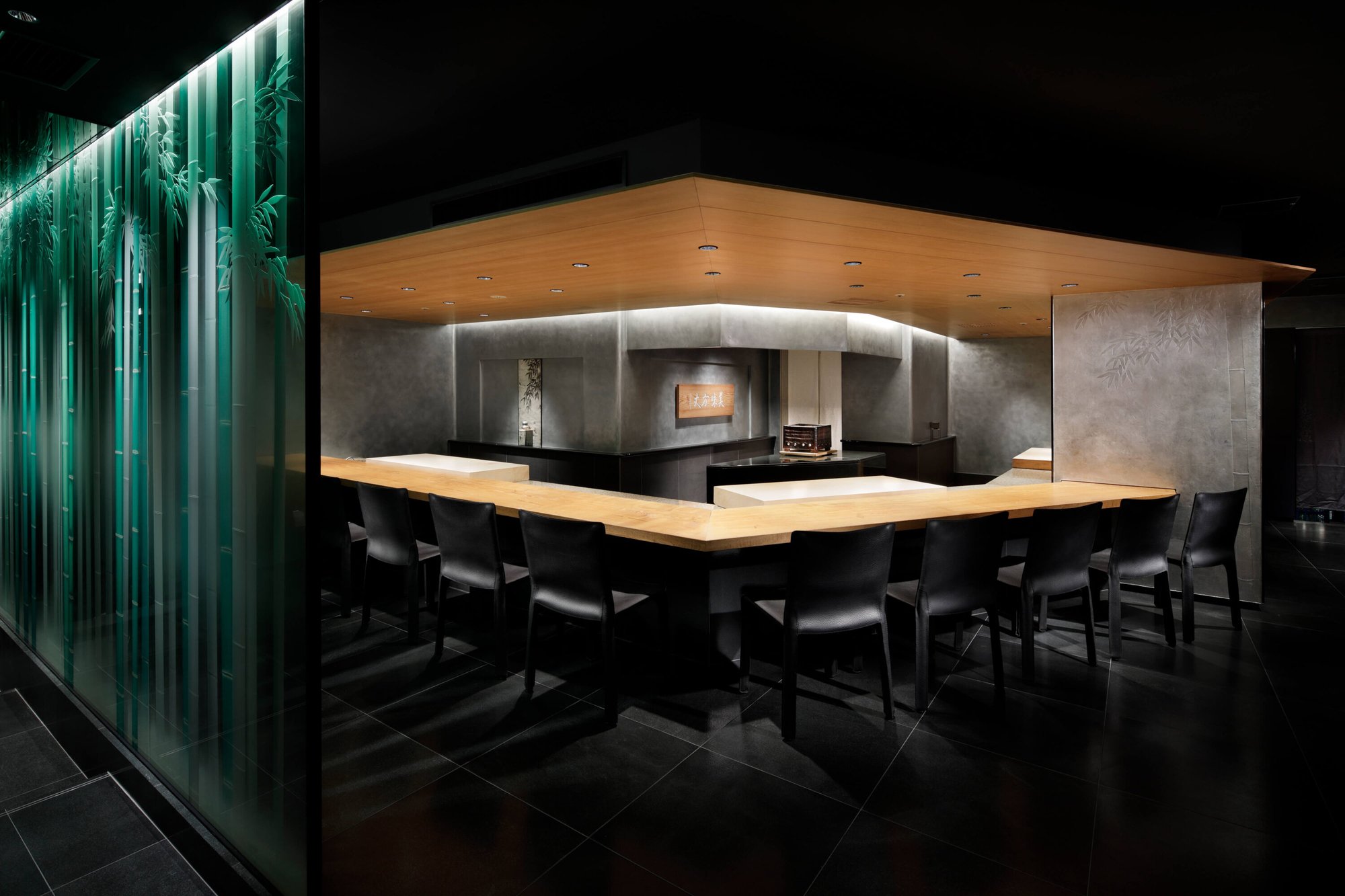
About é座 kappou ukai
Kappou Ukai delivers a counter-led, chef-driven dining experience in the heart of Ginza, positioned between the formality of kaiseki and the ease of everyday Japanese dining. Easier to book than most of Tokyo's comparable fine-dining counters, it suits solo diners, pairs, and small groups who want genuine kitchen engagement. Midweek evenings are the optimal visit window.
Verdict: Worth the Trip to Ginza's Basement
Kappou Ukai in Ginza earns its place on your Tokyo shortlist not because it's the flashiest name in the city but because it delivers a composed, counter-led kappou experience in a neighbourhood where most competitors pitch far higher prices for comparable formality. Booking is direct by Tokyo fine-dining standards, which makes it one of the easier calls in a city where Harutaka requires weeks of planning and RyuGin fills up months out. If you've already done the obvious Ginza tasting-menu circuit and want something rooted in Japanese culinary tradition without the full kaiseki apparatus, this is where to go next.
What to Know Before You Book
The address places it below street level in Jewel Box Ginza, Chuo City — a basement setting that, in Tokyo's dining culture, typically signals focus over spectacle. Kappou as a format sits between the rigidity of full kaiseki and the informality of izakaya: dishes arrive in sequence, but the chef reads the room and can adapt the pace and composition. For a returning diner, that adaptability is the point. If your first visit felt like an introduction to the format, the second is when the experience opens up — regulars who communicate preferences clearly tend to get more from the counter interaction.
Because verified operational data is limited, confirm hours and current pricing directly before booking. Ginza's dining room tends toward a more formal register than, say, the Shibuya or Shimokitazawa dining scenes, so dress accordingly , smart casual at minimum, with the understanding that your table neighbours may be in business attire.
Private Dining and Group Considerations
Kappou formats are inherently counter-centric, which means the experience is calibrated for small groups or solo diners who want to face the kitchen. If you're organising for four or more, contact the venue directly to confirm whether a private or semi-private arrangement is available. A group that books the counter together can still feel cohesive, but the intimacy of kappou works leading when the chef can hold a conversation with the table as a unit. For larger groups wanting a private room with full menu control, RyuGin or Sézanne offer more structured private dining infrastructure. Kappou Ukai is better suited to groups of two to four who want engagement with the kitchen rather than a fully sequestered private event.
Timing Your Visit
Midweek evenings are your leading entry point. Tokyo's Ginza dining room fills on Friday and Saturday with corporate entertaining, which shifts both the noise level and the pacing. A Tuesday or Wednesday booking lets the counter operate at a more considered tempo, and you're more likely to get genuine back-and-forth with the kitchen. Avoid the run-up to Golden Week and the New Year period if you want flexibility , those windows compress availability across all of central Tokyo's serious dining rooms, from kappou counters to kaiseki houses like Gion Sasaki in Kyoto if you're extending your trip.
How It Fits Your Japan Itinerary
If Tokyo is one stop on a broader Japan trip, Kappou Ukai works well as a mid-journey reset , more personal than a large tasting-room operation, less demanding on the wallet than the city's benchmark four-star kaiseki houses. Pair it with HAJIME in Osaka for contrast, or use it as a counterpoint to the akordu experience in Nara if you want to map the range of Japanese fine dining across the Kansai-Kanto corridor. For a full picture of Tokyo's dining options at this tier, see our Tokyo restaurants guide. You can also explore Tokyo hotels, Tokyo bars, and Tokyo experiences to build out the rest of your visit.
Quick reference: Ginza, Chuo City, B1 level , confirm hours and pricing directly before booking.
Compare é座 kappou ukai
| Venue | Price | Value |
|---|---|---|
| é座 kappou ukai | — | |
| Harutaka | ¥¥¥¥ | — |
| L'Effervescence | ¥¥¥¥ | — |
| RyuGin | ¥¥¥¥ | — |
| Crony | ¥¥¥¥ | — |
| Den | ¥¥¥ | — |
How é座 kappou ukai stacks up against the competition.
FAQ
What should a first-timer know about é座 kappou ukai?
Kappou is not kaiseki and not sushi , it's a counter format where dishes are prepared and served sequentially, with the chef setting the pace. For a first visit, arrive without a fixed agenda and let the sequence unfold. Ginza sets a formal context, so dress smartly. Because operational details like pricing and hours aren't published centrally, call ahead to confirm what's on offer that evening and whether any dietary requirements can be accommodated. Compare this to a first visit at L'Effervescence , different cuisine, similar advice: let the kitchen lead.
Is é座 kappou ukai good for solo dining?
Yes , counter-based kappou is one of the formats that genuinely suits solo diners. You're positioned to watch the kitchen, the chef can engage with you directly, and the sequenced meal structure means there's no awkward waiting or ordering pressure. Solo dining at the counter here is more rewarding than a solo table at a room-focused restaurant. If you want a solo benchmark for comparison, Harutaka offers a similar counter intimacy in a sushi context, though it's harder to book and pitches at a higher price point.
How far ahead should I book é座 kappou ukai?
Booking difficulty is rated as easy relative to Tokyo's competitive fine-dining tier. One to two weeks ahead should be sufficient for most midweek slots. For Friday or Saturday, add a week to that estimate. This compares favourably to RyuGin, which books out weeks in advance, and Harutaka, where securing a counter seat can take a month or more of lead time. Confirm the booking method directly with the venue , phone or a third-party reservation platform are the most common routes for kappou counters in central Tokyo.
Can I eat at the bar at é座 kappou ukai?
The kappou counter is effectively the bar , it's the primary seating format, not a secondary option. In this style of restaurant, the counter is where the full experience happens. You watch preparation, the chef can speak to you directly, and the meal unfolds in front of you. There is no separate bar area for drinks-only visits. If you want a pre-dinner cocktail in Ginza before sitting down, Tokyo's Ginza bar scene has options within walking distance.
What should I wear to é座 kappou ukai?
Smart casual is the floor, not the ceiling. Ginza operates at a higher formality register than most Tokyo neighbourhoods, and a basement counter restaurant in the area will attract a business-attire crowd on weeknights. You won't need a jacket, but jeans and trainers would feel out of place. Think of it like dressing for a serious dinner in any global financial district , neat, composed, not conspicuous. The same standard applies at comparable venues in the city, including Crony and Sézanne.
More restaurants in Tokyo
- SézanneOccupying the seventh floor of the Four Seasons Hotel Tokyo at Marunouchi, Sézanne earned its first Michelin star within months of opening in July 2021 and now holds three. British chef Daniel Calvert applies French technique to Japanese ingredients, producing a prix-fixe format that Tabelog has recognised with Silver awards every year from 2023 through 2026. It ranked 4th in Asia's 50 Best Restaurants in 2025 and 15th globally in 2024.
- SazenkaSazenka is the address for Chinese cuisine in Tokyo at its most technically demanding. Chef Tomoya Kawada's wakon-kansai approach — Japanese seasonal ingredients applied through Chinese culinary technique — has earned consecutive Tabelog Gold Awards from 2019 to 2026, a #71 ranking on the World's 50 Best 2025, and 99 points from La Liste 2026. At JPY 50,000–59,999 per head, it is one of the hardest tables in the city to book and worth the effort.
- NarisawaNarisawa is Tokyo's most credentialled innovative tasting menu restaurant — two Michelin stars, Asia's 50 Best number 12, and a Tabelog Silver award — running at JPY 80,000–99,999 per head. Book for a milestone occasion, confirm vegetarian or vegan needs in advance, and reserve at least two to three months out. With 15 seats and reservation-only access, this is one of Tokyo's hardest tables to secure.
- FlorilègeFlorilège delivers two Michelin stars and an Asia's 50 Best #17 ranking at a dinner price of ¥22,000 — competitive for Tokyo at this level. Chef Hiroyasu Kawate's plant-forward tasting menus around an open-kitchen counter at Azabudai Hills make this the strongest choice for contemporary French dining in Tokyo if theatrical, produce-led cooking is what you want. Book well in advance; availability is near-impossible at short notice.
- MyojakuMyojaku is a 2-Michelin-star, 14-course French-leaning omakase in Nishiazabu holding a 4.47 Tabelog score, Tabelog Silver 2025–2026, and Asia's 50 Best #45 (2025). Chef Hidetoshi Nakamura's water-forward, no-dashi approach shifts meaningfully with the seasons — making timing your reservation as important as getting one. Budget JPY 50,000–59,999 per head plus 10% service charge; reservations only, near-impossible to secure.
- L'EffervescenceL'Effervescence holds three Michelin stars, a Green Star, and a place on Asia's 50 Best at #69 (2025) — and it earns all three. Chef Shinobu Namae's prix fixe menu applies French technique to Japanese seasonal produce with genuine rigour. At 45,000 yen before tax and service, with a wine and sake program worth taking seriously, this is one of Tokyo's most demanding reservations and one of its most rewarding.
Related editorial
- Asia's 50 Best Restaurants 2026: The Chairman and Wing Go 1-2 from the Same BuildingThe Chairman takes No. 1 and Wing climbs to No. 2 at Asia's 50 Best Restaurants 2026. Both operate from the same Hong Kong building. Here's what it means.
- Four Seasons Yachts Debut: 95 Suites, 11 Restaurants, and a March 2026 Maiden VoyageFour Seasons I launches March 20, 2026, with 95 suites, a one-to-one staff ratio, and 11 onboard restaurants. Worth tracking if you want hotel-grade service at sea.
- LA Michelin Guide 2026: Seven New Restaurants from Tlayudas to Uzbek DumplingsMichelin's March 2026 California Guide update adds six LA restaurants and one Montecito newcomer, spanning Oaxacan tlayudas, Uzbek manti, and Korean-Italian pasta.
Save or rate é座 kappou ukai on Pearl
Keep this venue in your Pearl passport, rate it after you visit, and track it alongside every other place you collect.