
Restaurant in Kyoto, Japan
Kan
290ptsCreative Japanese cooking without the booking ordeal.

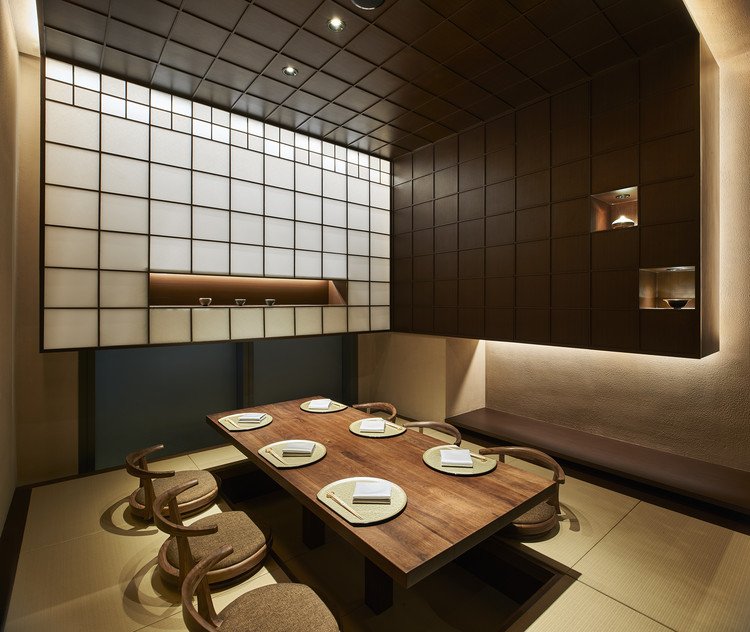
About Kan
Kan holds a Michelin Plate (2025) and delivers creative Japanese cooking at the ¥¥¥ tier in Kyoto's Nakagyo Ward — below the formal kaiseki rooms in price and ceremony, but technically serious. The menu leads with playful touches like wagyu crumbed fillet and a 'Kanfu' potato salad. Booking is straightforward compared to most Kyoto restaurants of comparable quality, making it a practical first-choice for explorers who want depth without the reservation anxiety.
Verdict: Book Kan if playful Japanese cooking at a mid-range price point interests you — getting a table is direct
Kan, in Kyoto's Nakagyo Ward, is one of the easier reservations in a city where the serious kaiseki rooms require months of planning and formal introductions. Holding a Michelin Plate (2025) and a Google rating of 4.2 from 154 reviews, it sits at the ¥¥¥ tier — below the city's headline kaiseki establishments but clearly doing something precise enough to earn Michelin recognition. If you want a creative, technically engaged dinner in Kyoto without the booking anxiety of [Gion Matayoshi](https://www.joinpearl.co/restaurants/gion-matayoshi-kyoto-restaurant) or [Isshisoden Nakamura](https://www.joinpearl.co/restaurants/isshisoden-nakamura-kyoto-restaurant), Kan is worth serious consideration.
What Kan Is
The restaurant's name is a single kanji meaning 'interval' , the chef positions himself as intermediary between cuisine and guest, a framing that shapes the logic of the menu rather than being mere branding. The cooking here is Japanese in foundation but not bound by kaiseki formality. Signature moves include wagyu served chargrilled or as a deep-fried crumbed fillet, and a potato salad dressed with rendered fat, which the kitchen calls 'Kanfu' , a play on the chef's name that signals exactly the register you're in: technique deployed in service of playfulness, not reverence.
The menu opens with a fruit salad dressed in mashed tofu, using the tartness of fruit to sharpen the palate before heavier courses arrive. That sequencing logic , using acidity and lightness to frame what follows , points to a kitchen that thinks carefully about how a meal builds, even when individual dishes feel unguarded or informal. For explorers who find the locked-down ceremonialism of Kyoto's leading kaiseki rooms more intimidating than enjoyable, Kan offers a different proposition: Michelin-acknowledged quality with a warmer, less prescribed atmosphere.
When to Visit and What the Season Changes
Kyoto's dining calendar is shaped sharply by season, and Kan's produce-driven approach means the menu shifts in character as the year moves. Spring, from late March through May, brings the softest and most celebrated ingredients in Japanese cooking , bamboo shoots, mountain vegetables, and early greens , and a meal at Kan during this window should reflect that. Autumn (October and November), when the city draws its highest visitor volumes around the foliage season, is the other peak window for quality: root vegetables, mushrooms, and richer preparations suit the cooking style here.
Summer in Kyoto is punishing in terms of heat and humidity, and while the city's restaurants adapt with lighter, cooler dishes, it is also the most crowded tourist period. If you are visiting in August, book Kan earlier in the evening when the kitchen is freshest. Winter , December through February , is the quiet season in Kyoto, with fewer visitors competing for tables and the leading chance of a relaxed, unhurried meal. The wagyu preparations, which tend toward chargrilled and fried rather than delicate or raw, are well-suited to a cold evening.
For timing within the week, weekday evenings will be quieter than Friday or Saturday. Given that Kan sits above a street-level address (the '2F' in the building name 'First Court Kyoto Nishiki') in the Nishiki area of Nakagyo, locating it on a first visit is worth doing in daylight if you're unfamiliar with the neighbourhood. The Nishiki Market corridor brings significant foot traffic during the day, which makes the area easy to combine with afternoon exploration , see [our full Kyoto experiences guide](https://www.joinpearl.co/experiences/kyoto) for context on the surrounding district.
Booking
Booking difficulty is rated Easy. This is a meaningful distinction in Kyoto, where serious restaurants at the ¥¥¥¥ tier often require local introductions, months of lead time, or fluency in Japanese to navigate reservation systems. Kan does not carry that friction. A reasonable approach is to book one to two weeks ahead for weekday seatings, slightly further out for weekend evenings. No phone or website information is available in the current data, so booking through a concierge or a Japanese restaurant reservation service is the practical route if you are visiting from abroad.
How It Compares
See the comparison section below for how Kan sits against Kyoto peers including [Kyokaiseki Kichisen](https://www.joinpearl.co/restaurants/kyokaiseki-kichisen-kyoto-restaurant) and others.
Kyoto and Beyond
If Kan interests you as a style of cooking , creative Japanese with technical seriousness but without rigid kaiseki structure , there are useful reference points elsewhere in Japan. [HAJIME in Osaka](https://www.joinpearl.co/restaurants/hajime-osaka-restaurant) operates at a considerably higher price tier but shares a commitment to precise thinking about how a menu is constructed. [Myojaku](https://www.joinpearl.co/restaurants/myojaku-tokyo-restaurant) and [Azabu Kadowaki](https://www.joinpearl.co/restaurants/azabu-kadowaki-tokyo-restaurant) in Tokyo occupy adjacent territory in Japanese cooking with their own distinct approaches. For other Kyoto options across price tiers, [our full Kyoto restaurants guide](https://www.joinpearl.co/restaurants/kyoto) covers the range. You can also explore [hotels](https://www.joinpearl.co/hotels/kyoto), [bars](https://www.joinpearl.co/bars/kyoto), and [wineries](https://www.joinpearl.co/wineries/kyoto) in the city through Pearl's Kyoto guides.
For those travelling the broader Kansai and Japan circuit, [akordu in Nara](https://www.joinpearl.co/restaurants/akordu-nara-restaurant) is a short trip from Kyoto and offers a European-inflected perspective on Japanese ingredients. [Goh in Fukuoka](https://www.joinpearl.co/restaurants/goh-fukuoka-restaurant) and [1000 in Yokohama](https://www.joinpearl.co/restaurants/1000-yokohama-restaurant) are worth noting for travellers building a longer Japan itinerary, as is [6 in Okinawa](https://www.joinpearl.co/restaurants/6-okinawa-restaurant) and [Harutaka in Tokyo](https://www.joinpearl.co/restaurants/harutaka-tokyo-restaurant) for those who want a focused sushi comparison point. Closer to Kyoto's own kaiseki tradition, [Kikunoi Roan](https://www.joinpearl.co/restaurants/kikunoi-roan-kyoto-restaurant) and [Kodaiji Jugyuan](https://www.joinpearl.co/restaurants/kodaiji-jugyuan-kyoto-restaurant) are strong options if the formal seasonal kaiseki format is what you're after instead.
FAQs: Kan, Kyoto
- Can Kan accommodate groups? No group capacity data is available, but at the ¥¥¥ price tier in a second-floor Nishiki address, this is unlikely to be a large-format room. Contact ahead via a concierge if you are planning a group of four or more , smaller tables are the safer assumption.
- Is Kan good for a special occasion? Yes, with caveats. The Michelin Plate recognition and creative menu make it a credible special-occasion choice, particularly if you want something personal and technically engaged rather than grand. For a more formal or ceremonial occasion, the ¥¥¥¥ kaiseki rooms , [Kyokaiseki Kichisen](https://www.joinpearl.co/restaurants/kyokaiseki-kichisen-kyoto-restaurant) or [Isshisoden Nakamura](https://www.joinpearl.co/restaurants/isshisoden-nakamura-kyoto-restaurant) , carry more gravitas. Kan suits occasions where the mood should be warm rather than solemn.
- What are alternatives to Kan in Kyoto? At the same ¥¥¥ tier, cenci offers Italian cooking in Kyoto with a comparably personal feel. For Japanese cooking at a step up in formality and price, [Gion Matayoshi](https://www.joinpearl.co/restaurants/gion-matayoshi-kyoto-restaurant) and [Kikunoi Roan](https://www.joinpearl.co/restaurants/kikunoi-roan-kyoto-restaurant) are strong options. See [our full Kyoto restaurants guide](https://www.joinpearl.co/restaurants/kyoto) for a broader view.
- What should I wear to Kan? No dress code is specified in available data. At the ¥¥¥ price tier in Kyoto, smart casual is appropriate , considered dress is the norm in this city's dining rooms even without explicit codes.
- Is Kan good for solo dining? The playful, sequenced menu format and intimate setting suggest Kan works well for a solo diner. Counter seating, common in Kyoto's smaller creative restaurants, suits a single guest well, though the specific layout is not confirmed in current data.
- Is Kan worth the price? At ¥¥¥, Kan sits below the city's leading kaiseki tier and delivers Michelin-recognised cooking with a distinctive personality. Compared to the ¥¥¥¥ rooms, you are trading ceremonial formality for creative informality , which is a good trade if that suits your preference. For pure seasonal kaiseki at the highest level, [Kyokaiseki Kichisen](https://www.joinpearl.co/restaurants/kyokaiseki-kichisen-kyoto-restaurant) or [Ifuki](https://www.joinpearl.co/restaurants/ifuki) set the standard, but at a considerably higher cost. Kan is worth the price for what it is.
Compare Kan
| Venue | Price | Booking Difficulty | Value |
|---|---|---|---|
| Kan | ¥¥¥ | Easy | — |
| Gion Sasaki | ¥¥¥¥ | Unknown | — |
| cenci | ¥¥¥ | Unknown | — |
| Ifuki | ¥¥¥¥ | Unknown | — |
| Kyokaiseki Kichisen | ¥¥¥¥ | Unknown | — |
| SEN | ¥¥¥¥ | Unknown | — |
How Kan stacks up against the competition.
Frequently Asked Questions
Can Kan accommodate groups?
Kan is a small restaurant on the second floor of a building in Nakagyo Ward, which limits practical group size. It works for pairs and small groups of three or four, but if you are organising a larger party, private kaiseki rooms at places like Kyokaiseki Kichisen are structured for that format. Book early regardless of group size — even easy Kyoto reservations fill.
Is Kan good for a special occasion?
Yes, with the right expectations. Kan holds a Michelin Plate (2025), signals genuine technique, and the menu's playfulness — Wagyu chargrilled or crumbed, a potato salad dressed with fried fat and named 'Kanfu' — makes for a meal with personality. It is not a ceremonial kaiseki room, so if the occasion calls for something formal and multi-hour, look at Kyokaiseki Kichisen instead. For a celebratory dinner that does not demand a tuxedo or a months-long booking wait, Kan works well at the ¥¥¥ price point.
What are alternatives to Kan in Kyoto?
Gion Sasaki and Kyokaiseki Kichisen are the serious reference points for traditional kaiseki in Kyoto, but both require substantially more lead time and sit at a higher price tier. cenci offers a Western-influenced Japanese menu at a similar creative register. Ifuki and SEN are worth considering if you want to stay around the ¥¥¥ range with different stylistic approaches. Kan is the easier booking among these.
What should I wear to Kan?
The venue data does not specify a dress code. Given the ¥¥¥ price point, a Michelin Plate recognition, and Kyoto's generally considered dining culture, neat casual to business casual is a reasonable baseline — clean, presentable clothes rather than anything formal. When in doubt, err toward the neater end for any Michelin-recognised Kyoto restaurant.
Is Kan good for solo dining?
Kan is a practical solo option by Kyoto standards. The format — a focused, chef-driven menu with clear intent behind each dish — rewards the attention a solo diner brings. The ¥¥¥ price point keeps the bill manageable alone, and the booking difficulty is rated Easy, so you are not locked out the way solo diners often are at formal kaiseki rooms that prioritise group reservations.
Is Kan worth the price?
At ¥¥¥, Kan delivers Michelin Plate-recognised cooking with genuine technique and a distinct point of view — fruit salad with mashed tofu to open, Wagyu two ways, a chef who names dishes after himself. That is a lot of personality for a price tier where many Kyoto restaurants play it straight. If you want formal kaiseki, spend more and book Kyokaiseki Kichisen. If you want creative, accessible Japanese cooking that is easy to reserve, Kan is worth it.
Recognized By

More restaurants in Kyoto
- OgataOgata is a 16-seat kaiseki counter in Shimogyo, Kyoto, holding two Michelin stars and ten years of Tabelog Gold recognition. Dinner runs JPY 60,000–79,999 before drinks and a 10% service charge. Booking is near impossible without months of advance planning, but for serious kaiseki at the counter, it earns its place on any shortlist.
- MizaiMizai holds three Michelin stars and a sustained Tabelog track record across nearly a decade, with dinner running to ¥80,000–¥99,999 per person all-in. Chef Hitoshi Ishihara structures the meal around the spirit of the tea ceremony in a 15-seat room inside Maruyama Park. Book for a serious special occasion; reservations are near-impossible to secure without months of advance planning.
Similar venues by awards
Related editorial
- Best Fine Dining Restaurants in ParisFrom three-Michelin-star icons to the next generation of Parisian chefs pushing boundaries, these are the restaurants that define fine dining in the world's culinary capital.
- Best Luxury Hotels in RomeFrom rooftop terraces overlooking ancient ruins to Michelin-starred hotel dining, these are the luxury hotels that make Rome unforgettable.
- Best Cocktail Bars in KyotoFrom sleek lounges to hidden speakeasies, Kyoto's cocktail scene blends Japanese precision with global influence in ways you won't find anywhere else.
Save or rate Kan on Pearl
Keep this venue in your Pearl passport, rate it after you visit, and track it alongside every other place you collect.