
Restaurant in Kyoto, Japan
Kamoryori Tabuchi
190ptsKyoto's serious duck counter. Book it.

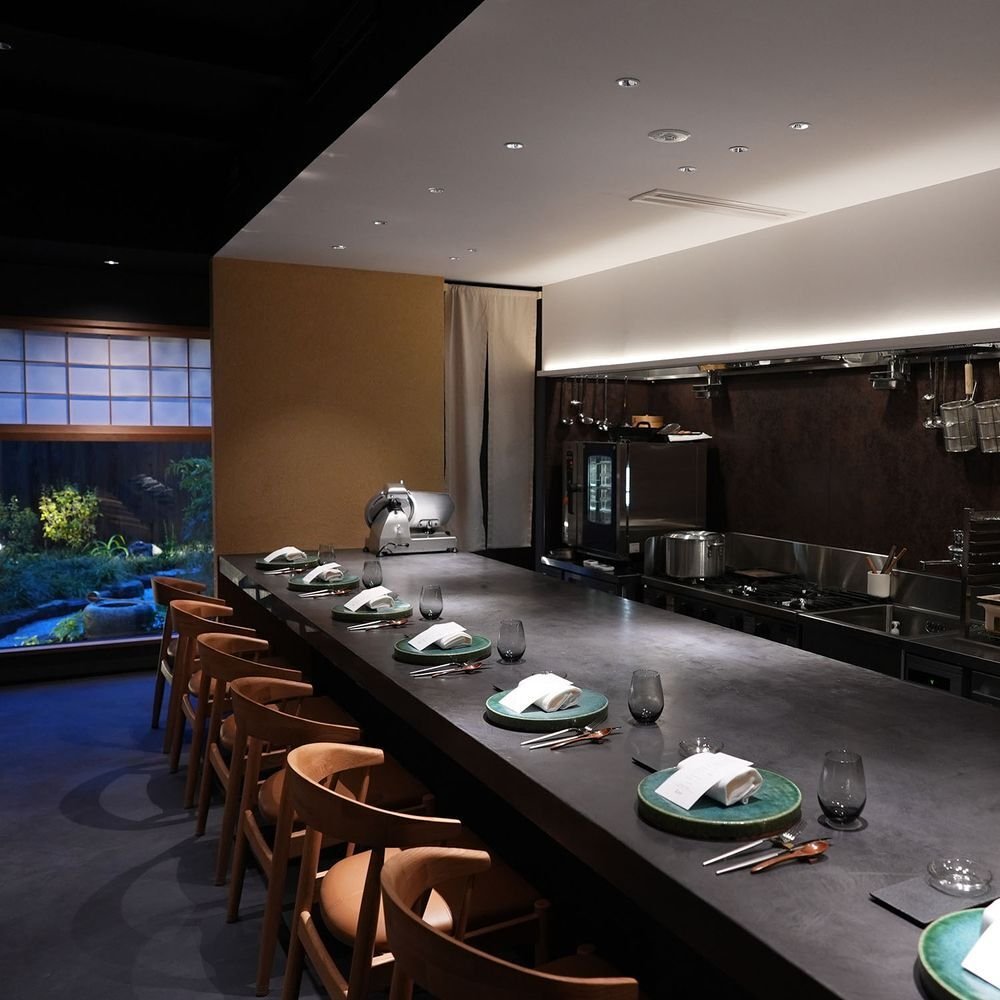
About Kamoryori Tabuchi
A Michelin Plate duck specialist in Kyoto's quieter Kita Ward, Kamoryori Tabuchi offers two consecutive years of Michelin recognition at ¥¥¥ — well below the city's kaiseki heavyweights. Easy to book and well-suited to special occasion dinners where a focused, single-ingredient menu is the point rather than the broad seasonal sweep of a traditional kaiseki sitting.
Verdict
Kamoryori Tabuchi is not the Kyoto dining name that first comes up in international travel circles, and that is precisely the point. This Kita Ward specialist has earned back-to-back Michelin Plate recognition (2024 and 2025) for its focused duck cookery, making it one of the more purposeful dining decisions you can make in a city where sprawling kaiseki menus dominate the conversation. If you want a concentrated, single-subject tasting experience at ¥¥¥ pricing rather than the ¥¥¥¥ outlay that the city's kaiseki heavyweights demand, Tabuchi is worth booking.
Portrait
The most common misconception about Kamoryori Tabuchi is that a restaurant built around duck in Kyoto must be a novelty act, a one-trick proposition for tourists who have already done kaiseki and want something different. The reality is the opposite. Duck cookery — kamoryori — has a long history in the Kyoto food tradition, and a restaurant that commits entirely to that discipline is making a statement of seriousness, not a concession to novelty. Tabuchi sits in Kita Ward, the quieter, more residential northern quarter of the city, rather than in the tourist-dense corridors of Gion or Higashiyama. That address tells you something about the audience it primarily serves: local regulars and purposeful visitors, not walk-in crowds on their way between temple visits.
The atmosphere at Tabuchi reads as composed rather than theatrical. Kyoto's most celebrated dining rooms often carry a weight of ceremony that can feel pressurised on a first visit. Tabuchi's northern location, away from the high-traffic southern districts, produces a noticeably different ambient register: quieter, more neighbourhood-in-tone, and well-suited to a dinner where the point is the food and the company rather than the performance of being seen in a famous room. For a date dinner or a small-group celebration where conversation is the priority, that noise profile matters. You can actually talk through the meal without raising your voice.
Michelin Plate designation, held consecutively, signals a kitchen that is cooking at a consistent standard the guide considers worth flagging, even if it has not yet crossed into starred territory. In Kyoto, where the Michelin guide is dense with recognition across every price tier, a Plate at ¥¥¥ is a meaningful data point. It positions Tabuchi clearly: above the generalist mid-range, below the rarefied stratosphere of Gion Sasaki or Kikunoi Honten, and operating in a niche those restaurants do not occupy at all. The 4.6 Google rating across 30 reviews is a small sample, but the consistency of that score alongside the Michelin recognition gives you reasonable confidence that the kitchen performs reliably.
As a neighbourhood anchor in Kita Ward, Tabuchi functions differently from the destination restaurants of central Kyoto. It is not trying to be the most prestigious address in the city. It is trying to be the leading place to eat duck in a district that has little else at this level. That positioning has genuine value for the visitor who is staying in northern Kyoto, near Kinkaku-ji or the Nishigamo area, and does not want to commute into the city centre for every serious meal. It also has value for the visitor who has already done one or two kaiseki dinners on a trip and wants something structurally different , a tighter, more focused meal built around a single ingredient rather than the broad seasonal sweep of the kaiseki format. For those profiles, Tabuchi is a more considered choice than defaulting to another multi-course kaiseki sitting at a higher price point.
Booking is assessed as easy by current standards. That is a genuine advantage in a city where Hyotei, Mizai, and Isshisoden Nakamura can require planning months ahead. If your Kyoto itinerary is coming together late or you want the flexibility of booking closer to your travel dates, Tabuchi gives you a Michelin-recognised option without the reservation anxiety that attaches to the city's starred addresses. Compared to the effort required to secure a table at, say, HAJIME in Osaka or Harutaka in Tokyo, Tabuchi is a direct booking.
The ¥¥¥ price tier sits in a productive middle ground for Kyoto. You are spending meaningfully , this is not a casual ramen-counter decision , but you are not committing to the full financial weight of the city's leading kaiseki rooms. For a special occasion dinner that needs to feel considered without hitting the spending ceiling, that tier is the right one. Two people can eat well here without the meal dominating the entire trip's dining budget. If you are planning a longer Kyoto stay and want to distribute your spending across multiple good meals rather than concentrating everything into one landmark kaiseki experience, Tabuchi fits that strategy well. For broader trip context, see our full Kyoto restaurants guide, and if you are planning accommodation or evening activities around this area, our Kyoto hotels guide and our Kyoto bars guide cover the rest of the picture.
Further afield, if this style of focused, single-discipline cooking appeals to you, it is worth comparing the approach to what akordu in Nara does with its own narrowly defined menu, or the format-commitment you find at Lazy Bear in San Francisco. The logic is the same: a kitchen that knows exactly what it is cooking tends to cook it better than one trying to cover every seasonal base. For Kyoto specifically, Tabuchi represents that bet placed on duck, and the consecutive Michelin Plate recognition suggests the bet is paying off.
Practical Details
Kamoryori Tabuchi is located at 32 Kinugasa Goshonouchicho, Kita Ward, Kyoto, in the northern part of the city. The price tier is ¥¥¥. Michelin Plate recognition: 2024 and 2025. Google rating: 4.6 from 30 reviews. Booking difficulty: Easy. Hours, booking method, and phone number are not published in available data , check current listings or a concierge service for reservation logistics before travelling. For broader Kyoto planning, see our Kyoto experiences guide and our Kyoto wineries guide.
Quick reference: ¥¥¥ | Kita Ward, Kyoto | Michelin Plate 2024 & 2025 | 4.6 Google | Easy to book | Duck specialist
Compare Kamoryori Tabuchi
| Venue | Price | Booking Difficulty | Value |
|---|---|---|---|
| Kamoryori Tabuchi | ¥¥¥ | Easy | — |
| Gion Sasaki | ¥¥¥¥ | Unknown | — |
| cenci | ¥¥¥ | Unknown | — |
| Ifuki | ¥¥¥¥ | Unknown | — |
| Kyokaiseki Kichisen | ¥¥¥¥ | Unknown | — |
| SEN | ¥¥¥¥ | Unknown | — |
What to weigh when choosing between Kamoryori Tabuchi and alternatives.
Frequently Asked Questions
Does Kamoryori Tabuchi handle dietary restrictions?
Duck is the structural core of the menu at Kamoryori Tabuchi, so a poultry allergy or strict vegetarian diet makes this a non-starter. For other restrictions, check the venue's official channels before booking — given the ¥¥¥ price point and specialist format, they will need advance notice to accommodate. Do not assume flexibility on arrival.
Can Kamoryori Tabuchi accommodate groups?
Specialist counter restaurants in Kita Ward, Kyoto, typically run small rooms — expect limited capacity. Groups larger than four should enquire directly about seating availability before booking. Larger parties may find a more predictable group experience at Kyokaiseki Kichisen, which has more infrastructure for formal dining parties.
What should I wear to Kamoryori Tabuchi?
Kamoryori Tabuchi holds a Michelin Plate (2024, 2025) and sits at ¥¥¥ pricing, which signals a considered dining environment. Conservative, neat dress is appropriate — avoid casual sportswear. Kyoto's northern restaurant culture generally skews traditional and understated rather than fashion-forward.
Is Kamoryori Tabuchi worth the price?
At ¥¥¥ with two consecutive Michelin Plate recognitions, Kamoryori Tabuchi delivers focused, credentialled cooking at a price that sits below Kyoto's starred tier. If duck as a specialist subject interests you, the value case is solid. For broader kaiseki at a comparable price, Ifuki or cenci give you more range.
Is the tasting menu worth it at Kamoryori Tabuchi?
A restaurant built around a single protein at ¥¥¥ is almost certainly operating in a structured, multi-course format rather than à la carte — and that format is where the cooking makes its argument. If you want to understand what a kitchen can do with duck across multiple preparations, the answer is yes. If you prefer variety of protein, this is the wrong room.
What should I order at Kamoryori Tabuchi?
The menu centres on duck, and that is not a constraint — it is the point. Let the kitchen guide the meal rather than trying to steer it. Given the Michelin Plate status and the specialist focus, the right move is to trust the set course rather than request modifications.
Recognized By

More restaurants in Kyoto
- OgataOgata is a 16-seat kaiseki counter in Shimogyo, Kyoto, holding two Michelin stars and ten years of Tabelog Gold recognition. Dinner runs JPY 60,000–79,999 before drinks and a 10% service charge. Booking is near impossible without months of advance planning, but for serious kaiseki at the counter, it earns its place on any shortlist.
- MizaiMizai holds three Michelin stars and a sustained Tabelog track record across nearly a decade, with dinner running to ¥80,000–¥99,999 per person all-in. Chef Hitoshi Ishihara structures the meal around the spirit of the tea ceremony in a 15-seat room inside Maruyama Park. Book for a serious special occasion; reservations are near-impossible to secure without months of advance planning.
Similar venues by awards
Related editorial
- Best Fine Dining Restaurants in ParisFrom three-Michelin-star icons to the next generation of Parisian chefs pushing boundaries, these are the restaurants that define fine dining in the world's culinary capital.
- Best Luxury Hotels in RomeFrom rooftop terraces overlooking ancient ruins to Michelin-starred hotel dining, these are the luxury hotels that make Rome unforgettable.
- Best Cocktail Bars in KyotoFrom sleek lounges to hidden speakeasies, Kyoto's cocktail scene blends Japanese precision with global influence in ways you won't find anywhere else.
Save or rate Kamoryori Tabuchi on Pearl
Keep this venue in your Pearl passport, rate it after you visit, and track it alongside every other place you collect.