
Restaurant in Tokyo, Japan
Jumbo Hanare
585ptsEight Tabelog Silvers. Book early or miss out.


About Jumbo Hanare
Jumbo Hanare holds a Tabelog score of 4.35, eight consecutive Silver Awards, and a place in Tokyo's Yakiniku Top 100 every year since 2018. Dinner runs JPY 15,000–19,999 per head across a compact 25-seat room with three private rooms for groups. For serious yakiniku in Tokyo, this is one of the highest-confidence bookings in the category.
Should You Book Jumbo Hanare?
A Tabelog score of 4.35 and eight consecutive Silver Awards (2019–2025) before a Gold in 2017 make Jumbo Hanare one of the most consistently decorated yakiniku restaurants in Tokyo. Dinner runs JPY 15,000–19,999 per head, which puts it at the serious end of the yakiniku price range — but the track record across Tabelog's peer-reviewed ranking system, plus selection in the Tokyo Yakiniku Top 100 every year since 2018, confirms this is a restaurant that earns that spend. If yakiniku is on your Tokyo itinerary, this is a high-confidence booking.
The Space
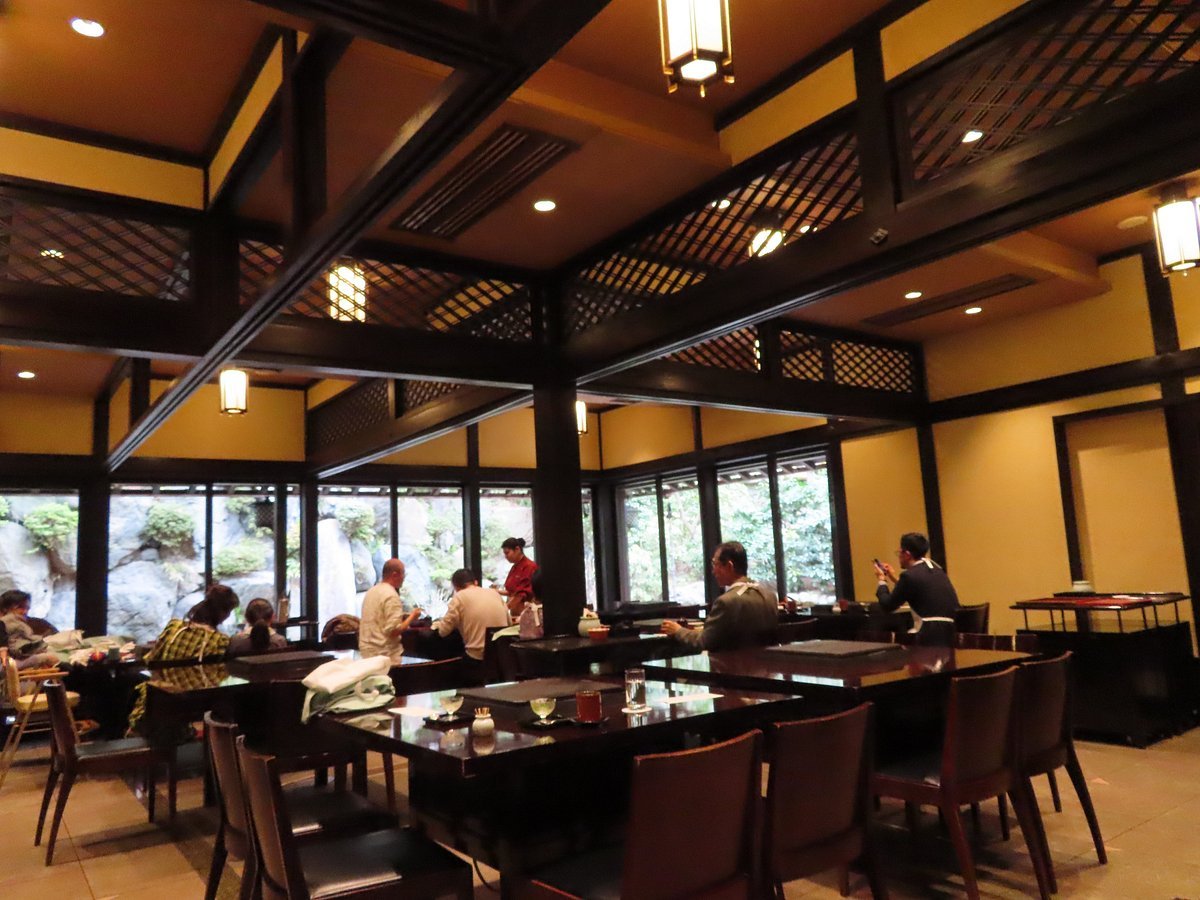
Jumbo Hanare seats 25 people across six counter seats and three private rooms — two configured for four guests, one for six. That's a deliberately small room. The private rooms make it a credible choice for business dinners or celebrations where you want separation from the main floor. The counter, by contrast, suits solo diners or couples who are happy to eat in a shared environment. The venue is described as a stylish, relaxing space, and the combination of intimate scale and non-smoking policy keeps the atmosphere composed rather than raucous. For a special occasion, the private room configuration is worth requesting directly , standard reservations don't always guarantee room allocation, so flag your preference when you book.
What to Know About the Nanbara Experience
There is a meaningful distinction in how this restaurant operates. Standard reservations cover the main yakiniku menu, which is what most diners will book. The "Nanbara" course , named for chef Norimitsu Nanbara , operates separately and can only be reserved through the platform Shoku Oku, not through regular booking channels. If you want the chef's own course, plan ahead and use that specific platform. If you book through standard channels, you're getting the core yakiniku offering, which given the awards history is clearly excellent on its own terms.
Practical Details
Jumbo Hanare opens only for dinner, every day of the week, 5 pm to 11 pm with last orders at 10:30 pm. There is no lunch service, which is relevant if you're planning a daytime schedule , this is strictly an evening destination. Guests arriving at 9:30 pm should be aware of a 90-minute seating duration at that time. The restaurant accepts all major credit cards (Visa, Mastercard, JCB, Amex, Diners, UnionPay) but does not accept electronic money or QR code payments. No parking on-site, though coin parking is nearby. The venue is a 4–5 minute walk from Hongo-Sanchome Station on the Marunouchi and Toei Oedo lines.
Know Before You Go
- Cuisine: Yakiniku (Japanese BBQ) and tripe
- Price: JPY 15,000–19,999 per head (dinner)
- Hours: Daily 5 pm–11 pm, last order 10:30 pm. No lunch service.
- Seats: 25 total , 6 counter, 3 private rooms (for 4 or 6 guests)
- Reservations: Standard bookings via usual channels. Nanbara course bookings via Shoku Oku only.
- Late arrival note: Arriving at 9:30 pm triggers a 90-minute seating limit.
- Payment: Major credit cards accepted. No e-money, no QR payments.
- Getting there: 4–5 minute walk from Hongo-Sanchome Station (Marunouchi/Toei Oedo lines)
- Smoking: Non-smoking throughout
- Children: Welcome
- Booking difficulty: Easy , reservations available, but private rooms fill; book ahead for groups
How It Compares
Compared to Tokyo's other decorated dinner destinations in the JPY 15,000–20,000 range, Jumbo Hanare occupies a specific and defensible position: it is the strongest yakiniku option at this price tier in Bunkyo, and one of the most awarded in the city. Harutaka and RyuGin operate in entirely different formats , omakase sushi and kaiseki respectively , so the comparison is less about which is better and more about which format fits your evening. If you want high-end Japanese BBQ with private room access and a well-curated drinks list (the venue is noted for its wine selection alongside sake and shochu), Jumbo Hanare is the clearest choice in its category. L'Effervescence, HOMMAGE, and Crony are all French-influenced tasting menu experiences, where the kitchen does the work. Jumbo Hanare is participatory by nature , you are grilling at the table , which is a fundamentally different kind of dinner, and one that often works better for groups and celebrations than a silent tasting menu.
Within the yakiniku category specifically, consider Nikusho Horikoshi and Nikuyama as Tokyo alternatives if Jumbo Hanare is fully booked or if you want to compare approaches before committing. For a broader sense of the Tokyo dining environment, Cossott'e, Kinryuzan, and Kiraku-Tei are worth knowing about in the Bunkyo and central Tokyo area. If you're planning beyond Tokyo, the same level of seriousness about dining applies at HAJIME in Osaka, Gion Sasaki in Kyoto, and Goh in Fukuoka. For yakiniku outside Japan, Nikushou in Hong Kong and Gyu-Kaku in Los Angeles offer regional comparisons , neither at this award tier, but useful for context.
FAQ
- What should I order at Jumbo Hanare? Specific menu items are not published in available data, but the restaurant is categorised under yakiniku (Japanese BBQ) and tripe , so offal and grilled beef cuts are core to the offering. The Nanbara course, available only via Shoku Oku, is the chef's own selection and likely the most composed way to experience the kitchen's range. For standard bookings, ask staff for their current recommendations when seated.
- Is lunch or dinner better at Jumbo Hanare? Dinner only , Jumbo Hanare does not serve lunch. The restaurant opens at 5 pm daily. All visits are evening dining, so there is no morning or afternoon option to weigh.
- How far ahead should I book Jumbo Hanare? Booking difficulty is rated easy for standard reservations, but with only 25 seats and three private rooms, weekends and holidays will fill faster. If you need a private room for a group of four or six, book at least one to two weeks out. The Nanbara course requires separate advance booking through Shoku Oku and should be treated as a higher-demand reservation.
- What should I wear to Jumbo Hanare? No dress code is specified. At JPY 15,000–19,999 per head, smart casual is a reasonable baseline , the space is described as stylish and the awards history puts it in polished company. Yakiniku involves open-flame grilling at the table, so avoid anything you'd be unhappy scenting with smoke, even in a non-smoking room.
- What are alternatives to Jumbo Hanare in Tokyo? For yakiniku at a comparable level, consider Nikusho Horikoshi and Nikuyama. If you're open to switching formats entirely, Harutaka (omakase sushi) and RyuGin (kaiseki) are both at the ¥¥¥¥ tier and carry comparable prestige. See our full Tokyo restaurants guide for broader options.
- Is Jumbo Hanare good for a special occasion? Yes, specifically because of the private rooms. Three rooms accommodating four or six guests make this a practical choice for birthdays, business dinners, or any occasion where you want a semi-private setting. The wine list is a noted strength, which helps if you want to build a meal around drinks as well as food. The price point (JPY 15,000–19,999) fits the occasion tier without being the most expensive option in Tokyo's yakiniku category.
- Can Jumbo Hanare accommodate groups? Groups of up to six can be seated in a single private room. Larger groups would need to book multiple rooms, but private use of the full venue is listed as unavailable, so this is not a practical option for larger parties. The total capacity is 25 seats, so plan accordingly. Contact the restaurant directly at +81-3-5689-8705 to confirm room availability for your party size.
- Is Jumbo Hanare good for solo dining? Yes , six counter seats are specifically configured for solo or paired dining. At JPY 15,000–19,999, a solo dinner here is a deliberate spend, but the counter format at a Tabelog Silver-awarded yakiniku restaurant is a legitimate way to eat well alone in Tokyo. The participatory format of yakiniku (grilling at the table) works fine solo, and the non-smoking, stylish environment keeps it comfortable.
Explore More in Tokyo and Beyond
For more options in the city, browse our full Tokyo restaurants guide, Tokyo hotels guide, Tokyo bars guide, Tokyo wineries guide, and Tokyo experiences guide. Further afield in Japan, see akordu in Nara, 1000 in Yokohama, and 6 in Okinawa for decorated dining outside the major cities.
Compare Jumbo Hanare
| Venue | Price | Value |
|---|---|---|
| Jumbo Hanare | — | |
| Harutaka | ¥¥¥¥ | — |
| L'Effervescence | ¥¥¥¥ | — |
| RyuGin | ¥¥¥¥ | — |
| HOMMAGE | ¥¥¥¥ | — |
| Crony | ¥¥¥¥ | — |
Comparing your options in Tokyo for this tier.
Frequently Asked Questions
What should I order at Jumbo Hanare?
The core draw is the yakiniku and tripe — those are the two listed categories, and this is where the kitchen's reputation sits. If you want the Nanbara course (chef Norimitsu Nanbara's dedicated menu), that requires booking separately through the platform Shoku Oku; it is not available via standard reservation. Most diners arrive for the main yakiniku menu and leave satisfied at JPY 15,000–20,000 per head.
Is lunch or dinner better at Jumbo Hanare?
Dinner is the only option — Jumbo Hanare does not offer lunch service. The restaurant opens at 5 pm every day of the week with last orders at 10:30 pm. If you arrive after 9:30 pm, expect a 90-minute seating limit.
How far ahead should I book Jumbo Hanare?
Book as early as possible. With 25 seats total, a Tabelog score of 4.35, and eight consecutive Silver Awards on Japan's most-used restaurant platform, tables do not sit idle. For the Nanbara experience specifically, standard phone or online reservations will not work — you must book through Shoku Oku.
What should I wear to Jumbo Hanare?
No dress code is specified in the venue data. The space is described as stylish and relaxing with counter and private room seating, so neat casual to business casual is a reasonable baseline. The private room format suits a quieter, more considered evening than a casual izakaya.
What are alternatives to Jumbo Hanare in Tokyo?
For high-end yakiniku at a comparable price point, Jumbo Hanare is among Tokyo's most consistently decorated options in that category, but diners seeking a broader tasting format rather than BBQ-at-table should consider RyuGin or L'Effervescence. Crony is worth considering if you want something smaller and less formal at a lower price. Harutaka and HOMMAGE operate in a different culinary lane (sushi and French respectively) but compete for the same special-occasion budget.
Is Jumbo Hanare good for a special occasion?
Yes, with some caveats. The private rooms (seating 4 or 6) make it well-suited for birthdays, business dinners, and celebrations. It has held a Tabelog Silver every year from 2019 through 2025 and features in the Tabelog Yakiniku Top 100 annually since 2018 — that kind of sustained recognition gives confidence when you're spending JPY 15,000–20,000 per person. For the most memorable version of the evening, book the Nanbara course via Shoku Oku in advance.
Can Jumbo Hanare accommodate groups?
Groups of up to six can be seated in the private rooms (rooms configured for 4 or 6 guests). Larger groups are not accommodated, as the venue has only 25 seats total and private use of the full restaurant is not available. For a group of 2–3, the six-seat counter is a good option.
Hours
- Monday
- 5–11 pm
- Tuesday
- 5–11 pm
- Wednesday
- 5–11 pm
- Thursday
- 5–11 pm
- Friday
- 5–11 pm
- Saturday
- 5–11 pm
- Sunday
- 5–11 pm
Recognized By


More restaurants in Tokyo
- SézanneOccupying the seventh floor of the Four Seasons Hotel Tokyo at Marunouchi, Sézanne earned its first Michelin star within months of opening in July 2021 and now holds three. British chef Daniel Calvert applies French technique to Japanese ingredients, producing a prix-fixe format that Tabelog has recognised with Silver awards every year from 2023 through 2026. It ranked 4th in Asia's 50 Best Restaurants in 2025 and 15th globally in 2024.
- SazenkaSazenka is the address for Chinese cuisine in Tokyo at its most technically demanding. Chef Tomoya Kawada's wakon-kansai approach — Japanese seasonal ingredients applied through Chinese culinary technique — has earned consecutive Tabelog Gold Awards from 2019 to 2026, a #71 ranking on the World's 50 Best 2025, and 99 points from La Liste 2026. At JPY 50,000–59,999 per head, it is one of the hardest tables in the city to book and worth the effort.
- NarisawaNarisawa is Tokyo's most credentialled innovative tasting menu restaurant — two Michelin stars, Asia's 50 Best number 12, and a Tabelog Silver award — running at JPY 80,000–99,999 per head. Book for a milestone occasion, confirm vegetarian or vegan needs in advance, and reserve at least two to three months out. With 15 seats and reservation-only access, this is one of Tokyo's hardest tables to secure.
- FlorilègeFlorilège delivers two Michelin stars and an Asia's 50 Best #17 ranking at a dinner price of ¥22,000 — competitive for Tokyo at this level. Chef Hiroyasu Kawate's plant-forward tasting menus around an open-kitchen counter at Azabudai Hills make this the strongest choice for contemporary French dining in Tokyo if theatrical, produce-led cooking is what you want. Book well in advance; availability is near-impossible at short notice.
- DenDen holds two Michelin stars, a World's 50 Best top-25 Asia ranking, and a Tabelog Silver Award running back to 2017 — and it books out within hours of the two-month reservation window opening. Chef Zaiyu Hasegawa's daily-changing seasonal omakase runs JPY 30,000–39,999 at dinner in a relaxed house-restaurant setting near Gaiemmae. Book by phone only, noon–5 PM JST. Lunch is irregular; plan around dinner.
- MyojakuMyojaku is a 2-Michelin-star, 14-course French-leaning omakase in Nishiazabu holding a 4.47 Tabelog score, Tabelog Silver 2025–2026, and Asia's 50 Best #45 (2025). Chef Hidetoshi Nakamura's water-forward, no-dashi approach shifts meaningfully with the seasons — making timing your reservation as important as getting one. Budget JPY 50,000–59,999 per head plus 10% service charge; reservations only, near-impossible to secure.
Similar venues by awards
Related editorial
- Best Fine Dining Restaurants in ParisFrom three-Michelin-star icons to the next generation of Parisian chefs pushing boundaries, these are the restaurants that define fine dining in the world's culinary capital.
- Best Luxury Hotels in RomeFrom rooftop terraces overlooking ancient ruins to Michelin-starred hotel dining, these are the luxury hotels that make Rome unforgettable.
- Best Cocktail Bars in KyotoFrom sleek lounges to hidden speakeasies, Kyoto's cocktail scene blends Japanese precision with global influence in ways you won't find anywhere else.
Save or rate Jumbo Hanare on Pearl
Keep this venue in your Pearl passport, rate it after you visit, and track it alongside every other place you collect.