
Restaurant in Shanghai, China
Ho Hung Kee
250ptsTwo Bib Gourmands. Honest value. No fuss.

About Ho Hung Kee
Ho Hung Kee holds back-to-back Michelin Bib Gourmand recognition (2024 and 2025) for noodles and congee in Shanghai's Jing'an District, making it one of the cleaner value decisions in the city's casual dining category. At ¥¥, it's accessible enough to order broadly. Walk-ins appear to be the primary route, so arrive before peak meal hours.
Two Michelin Bib Gourmands in a Row — Ho Hung Kee Earns Its Place in Shanghai's Noodle Conversation
A Google rating of 3.9 across 1,403 reviews tells you something useful before you even sit down: Ho Hung Kee in Shanghai is the kind of place that divides opinion, and divides it loudly. That's almost always a sign you're dealing with a real restaurant rather than a crowd-pleasing middleman. More importantly, Michelin's Bib Gourmand recognition in both 2024 and 2025 confirms what the loyal regulars already know — the cooking here consistently clears the bar for quality at its price point. At ¥¥, this is accessible territory, and the back-to-back Bib Gourmand nods make it one of the easier decisions in Shanghai's noodle and congee category.
The venue sits on the third floor at 288 Shimen Yi Road in Jing'an District , a location that rewards the traveller who does their homework. Jing'an is one of Shanghai's most walkable central neighbourhoods, and the L3 placement within the building means it's worth confirming the floor before you arrive. That small friction aside, access is direct from the district's main arteries. Book the visit into a morning or midday slot if your schedule allows; noodle and congee formats tend to reward earlier meals, both for freshness and for avoiding the lunch-rush volume that a 1,400-reviewer following suggests this place attracts.
What to Eat, and When the Timing Matters
Ho Hung Kee's focus is noodles and congee , a format with deep roots in Cantonese cooking that rewards seasonal awareness more than most diners expect. Congee, in particular, shifts meaningfully across the year. In cooler months, a well-made congee offers a depth and warmth that lighter options can't replicate; Shanghai winters are cold enough that the category makes genuine sense from roughly November through March. If you're visiting in that window, congee is the argument for coming here specifically rather than defaulting to a dumpling house or a Shanghainese restaurant. The rice porridge format absorbs seasonal garnishes and proteins differently than noodle dishes, and a kitchen that does it well will show the gap most clearly when the temperature drops.
In warmer months , particularly the humid Shanghai summer , noodle dishes with cleaner, brighter broths or room-temperature preparations become the more sensible order. The ¥¥ price tier means you can order broadly without financial anxiety, which is the right approach at a venue like this: try two or three items rather than anchoring on a single dish. That approach also helps with the seasonal dimension, since a congee and a noodle dish together give you a clearer read on the kitchen's current strengths. Specific dishes are not confirmed in our data, so resist the temptation to over-research an exact order in advance , ask the staff what's moving that day, which at a Bib Gourmand venue is usually a reliable shortcut to the kitchen's leading work.
The Room and What You'll See
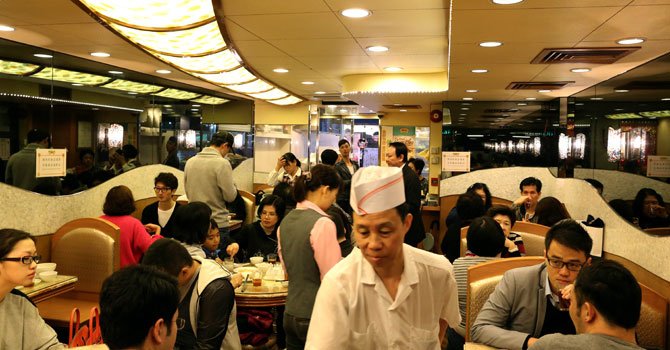
No seating count is confirmed in our data, but the mall-adjacent address in a central Jing'an building suggests a mid-sized room rather than an intimate counter or a sprawling canteen. Visually, expect the practical aesthetic of a serious noodle house , the kind of setting where the focus is clearly on the bowl rather than the decor. That's not a criticism; it's a useful signal about priorities. If you're coming with a traveller who weighs ambiance heavily, set expectations accordingly. If you're food-focused and have already experienced Ho Hung Kee's Hong Kong original or a comparable Cantonese noodle institution, the Shanghai outpost will feel legible and purposeful. For context on the broader lineage, the Ho Hung Kee Congee & Noodle in Hong Kong gives the comparison point that matters most.
Booking and Practical Details
Booking difficulty is rated Easy. No phone or website is confirmed in our data, which suggests walk-in access is the primary route , consistent with the ¥¥ noodle-and-congee format, where queue culture rather than reservation culture tends to apply. Arrive slightly before peak meal hours to reduce wait time. Dress code is informal; nothing about the price point or cuisine category suggests otherwise. Hours are not confirmed in our data, so verify locally before planning a visit around an early opening or a late sitting.
How It Compares
At ¥¥, Ho Hung Kee is competing on value within Shanghai's broader noodle scene. Ding Te Le Zhou Mian Guan is the natural local comparison for direct noodle quality, while 102 House covers the Cantonese overlap at a different register. For those building a Shanghai food itinerary with more range, Taian Table sits at the other end of the investment spectrum, and Xin Rong Ji (West Nanjing Road) covers the Taizhou seafood category if you want a longer table. Ho Hung Kee's Bib Gourmand credential is the deciding factor for anyone specifically targeting noodles and congee at a price that doesn't require planning around.
For regional context outside Shanghai, Ru Yuan in Hangzhou, Chef Tam's Seasons in Macau, and Imperial Treasure Fine Chinese Cuisine in Guangzhou each represent comparable levels of Michelin recognition in their respective cities, though in higher price brackets. The Khao Tom Thanon Di Buk in Phuket covers the congee-adjacent rice porridge category for travellers building a broader regional frame of reference.
If you're building a fuller Shanghai itinerary, see our guides to Shanghai restaurants, Shanghai hotels, Shanghai bars, Shanghai wineries, and Shanghai experiences.
FAQ
- What should I order at Ho Hung Kee? The kitchen's Bib Gourmand recognition is built around noodles and congee, so order at least one of each to get a proper read. In cooler months, lean toward congee; in summer, noodle dishes with lighter preparations make more sense. Specific dishes aren't confirmed in our data , ask the staff what's popular that day rather than arriving with a fixed list.
- What are alternatives to Ho Hung Kee in Shanghai? For noodles at a similar price point, Ding Te Le Zhou Mian Guan is the closest direct comparison. If you want broader Cantonese cooking in Shanghai, 102 House covers that ground. For a step up in occasion and budget, Fu He Hui and Xin Rong Ji (West Nanjing Road) operate in higher price tiers with more formal formats.
- Is Ho Hung Kee worth the price? Yes, at ¥¥ with back-to-back Michelin Bib Gourmand recognition in 2024 and 2025, it represents reliable value. The Bib Gourmand specifically recognises quality cooking at accessible prices, so the credential directly validates the value case here.
- Is Ho Hung Kee good for a special occasion? Not the strongest fit. The ¥¥ price point and noodle-house format don't lend themselves to celebratory meals. For a special occasion in Shanghai, consider Taian Table for modern European, or Fu He Hui for a more considered vegetarian dining experience with a formal setting.
- Does Ho Hung Kee handle dietary restrictions? No phone or website is confirmed in our data, so you can't pre-check easily. The core format , noodles and congee , typically involves broths that may contain meat or shellfish, which is worth clarifying on arrival for anyone with restrictions. Visit in person or contact via the venue's local listing to confirm.
- What should I wear to Ho Hung Kee? Casual. The ¥¥ price point and noodle-house format carry no dress expectations. Standard smart-casual is more than sufficient, and many diners will be in everyday clothes.
- Is the tasting menu worth it at Ho Hung Kee? A tasting menu format is not confirmed for this venue. Ho Hung Kee operates as a noodle and congee restaurant , the format is à la carte ordering rather than a set progression. At ¥¥, the better approach is ordering several items across the menu rather than anchoring on a single dish.
Compare Ho Hung Kee
| Venue | Cuisine | Price | Booking Difficulty |
|---|---|---|---|
| Ho Hung Kee | Noodles and Congee | ¥¥ | Easy |
| Fu He Hui | Vegetarian | ¥¥¥¥ | Unknown |
| Ming Court | Cantonese | ¥¥¥ | Unknown |
| Polux | French | ¥¥ | Unknown |
| Royal China Club | Chinese, Cantonese | ¥¥¥ | Unknown |
| Scarpetta | Italian | ¥¥¥ | Unknown |
Key differences to consider before you reserve.
Frequently Asked Questions
What should I order at Ho Hung Kee?
The menu centres on noodles and congee — the two formats that earned the restaurant back-to-back Michelin Bib Gourmands in 2024 and 2025. Stick to those categories rather than any supplementary dishes. Congee rewards patience and tends to be the stronger test of kitchen quality in a Cantonese-rooted operation at this price point.
What are alternatives to Ho Hung Kee in Shanghai?
For Cantonese noodle and congee formats at a similar ¥¥ price point, Ding Te Le Zhou Mian Guan is the closest local comparison. If you're weighing up spending more, the Michelin recognition at Ho Hung Kee makes a strong case that the ¥¥ tier delivers — you'd need a specific reason to pay up. For a full-service Cantonese meal, Ming Court operates in a different bracket entirely.
Is Ho Hung Kee worth the price?
Yes. Two consecutive Michelin Bib Gourmands — awarded specifically for good food at a reasonable price — make the value case clearly. At ¥¥, this is one of the more credentialled affordable options in Shanghai's Jing'an district. The Google rating of 3.9 across 1,403 reviews signals a broad base rather than a niche following, which is consistent with the Bib Gourmand profile.
Is Ho Hung Kee good for a special occasion?
Probably not as a primary choice. The ¥¥ price range, mall-adjacent address in a central Jing'an building, and walk-in format all point toward a casual, practical meal rather than a celebratory dinner. The Bib Gourmand recognition makes it a credible choice for someone who wants to mark an occasion with genuine quality without ceremony — but if atmosphere and occasion dining are priorities, look elsewhere.
Does Ho Hung Kee handle dietary restrictions?
No specific dietary accommodation data is confirmed in our records. The menu focus on noodles and congee — formats that commonly involve broth-based preparations and varied proteins — means that restrictions around shellfish, pork, or gluten could be relevant. check the venue's official channels before visiting if this matters to your group; no phone or website is confirmed in our data, so approaching in person or via the mall's information desk may be the most reliable route.
What should I wear to Ho Hung Kee?
No dress code is documented for Ho Hung Kee. The ¥¥ price point, Bib Gourmand positioning, and mall-level address in Jing'an all suggest a casual setting. Clean, everyday clothes are appropriate — there is no indication that anything more formal is expected or customary here.
Is the tasting menu worth it at Ho Hung Kee?
Ho Hung Kee is a noodle and congee specialist, not a tasting menu venue. The Michelin recognition it holds is a Bib Gourmand, awarded for quality and value in accessible dining — not for a multi-course format. Come expecting a focused, à la carte meal built around its core dishes rather than a structured tasting progression.
Recognized By

More restaurants in Shanghai
- Fu He HuiFu He Hui holds two Michelin stars and a World's 50 Best #64 global ranking for 2025, making it the most credentialed plant-based tasting menu restaurant in China. Chef Tony Lu's kitchen is a serious destination for special occasions, but the vegetarian-only format and near-impossible booking difficulty mean it rewards guests who are genuinely committed to the experience. Book weeks in advance and plan your evening around the 9 pm kitchen close.
- Taian TableTaian Table holds three Michelin stars and La Liste recognition for 2025, making it one of Shanghai's most credentialed fine-dining addresses. Chef Christiaan Stoop's Modern European tasting menu is format-committed and near-impossible to book — plan two to three months out. At ¥¥¥¥, it is the right choice for food-focused travellers who want precision cooking with no equivalent in the city.
Related editorial
- Best Fine Dining Restaurants in ParisFrom three-Michelin-star icons to the next generation of Parisian chefs pushing boundaries, these are the restaurants that define fine dining in the world's culinary capital.
- Best Luxury Hotels in RomeFrom rooftop terraces overlooking ancient ruins to Michelin-starred hotel dining, these are the luxury hotels that make Rome unforgettable.
- Best Cocktail Bars in KyotoFrom sleek lounges to hidden speakeasies, Kyoto's cocktail scene blends Japanese precision with global influence in ways you won't find anywhere else.
Save or rate Ho Hung Kee on Pearl
Keep this venue in your Pearl passport, rate it after you visit, and track it alongside every other place you collect.