
Restaurant in Highland Park, United States
Highland Park Village
100ptsPark Cities Neighbourhood Anchor
About Highland Park Village
Highland Park Village sits at 47 Highland Park Village in Dallas's most storied retail and dining district, where the sourcing standards and culinary ambitions of its restaurants reflect a neighbourhood that has long set the pace for North Texas dining. From Tex-Mex institutions to American bistro cooking, the Village concentrates a range of serious dining options within a single, walkable address.
The Address That Shapes the Meal
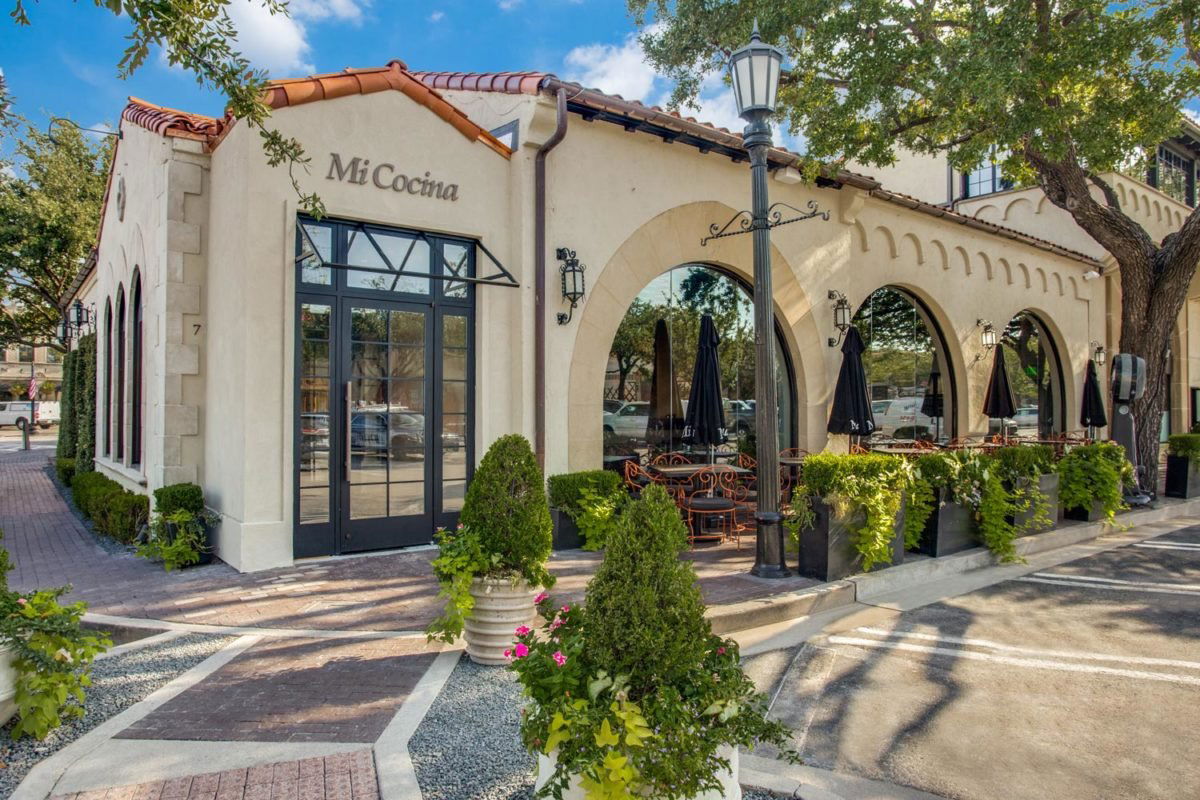
Arrive at Highland Park Village on a weekday morning and the architecture does most of the talking. The 1931 Spanish Colonial Revival complex at 47 Highland Park Village was one of the first purpose-built shopping centres in the United States, and its covered arcades and terracotta rooflines give it a physical gravity that newer Dallas retail corridors have never quite replicated. Dining here carries that same sense of accumulated expectation. The restaurants that have established themselves inside the Village are not operating against a neutral backdrop; they are operating against a century of neighbourhood identity, and the leading of them understand what that means for ingredient quality, service register, and what the local clientele will and will not accept.
In American dining, the question of provenance has moved from specialty-restaurant conversation to mainstream expectation over the past two decades. Institutions like Blue Hill at Stone Barns in Tarrytown and Single Thread Farm in Healdsburg pushed farm-to-table sourcing into the premium tier; Smyth in Chicago made it part of a two-Michelin-star argument. The Highland Park Village restaurants sit further along the spectrum toward neighbourhood institution than destination tasting room, but the sourcing conversation is not absent here. It arrives differently: through the quality of the produce that underpins daily menus, through kitchens that have developed consistent supplier relationships over years, and through a clientele that is experienced enough to notice when that quality drops.
Dining at the Village: The Neighbourhood Context
Highland Park as a dining address is not well understood outside North Texas. It does not carry the national profile of a Deep Ellum or an Uptown Dallas, and it does not need to. The Village's restaurant tenants answer to a local constituency that values consistency and sourcing discipline over novelty, and that has historically been willing to spend accordingly. This is a different pressure from the one facing, say, Lazy Bear in San Francisco or Atomix in New York City, where critical scrutiny from national food media is part of the operating environment. At Highland Park Village, the accountability is more local and more sustained: these restaurants serve the same families across decades, not just seasons.
That dynamic shapes ingredient sourcing in a specific way. Kitchens that answer to long-term regulars cannot rotate product quality the way a tasting-menu restaurant might tighten a supplier relationship around a single seasonal menu. They must maintain standards across a full dining calendar, which means the sourcing infrastructure has to be deeper and more redundant. For restaurants like Abigail's American Bistro, which operates within the Village's American bistro tradition, that consistency is the fundamental credential. And for Tex-Mex institutions like Mi Cocina, whose original location sits inside the Village complex, the sourcing question extends to the quality and authenticity of core Mexican pantry ingredients across a multi-location operation.
Where Highland Park Village Sits in the Dallas Dining Picture
Texas dining at the serious end has been undergoing a longer-term reappraisal. The state's ranching heritage gives its beef supply chains an inherent advantage that restaurants in coastal cities cannot replicate at the same price point. For the kitchens at Highland Park Village, proximity to Texas-raised protein is less a marketing position than a logistical reality: the supply is close, the quality ceiling is high, and the clientele understands the difference between commodity and ranch-sourced beef in a way that comes from living in the state rather than reading about it.
Compare that to the sourcing environments facing Le Bernardin in New York City, whose seafood program operates through complex national and international supply chains, or Providence in Los Angeles, which sources directly from day-boat fishermen along the Pacific coast. Each geography gives kitchens a different set of sourcing advantages. Highland Park Village's restaurants work with a land-based larder that has genuine regional depth. The interesting question is which of the current tenants are pressing that advantage hard enough to deserve attention from diners who are also tracking places like Addison in San Diego, The French Laundry in Napa, or The Inn at Little Washington.
The Sourcing Question, Applied
Across American dining, the restaurants that have made the most serious sourcing arguments tend to fall into two categories: those that grow or raise their own ingredients, and those that have built exclusive relationships with named producers. Atelier Moessmer Norbert Niederkofler in Brunico has taken the regional sourcing commitment further than almost any kitchen in Europe, building an entire cuisine around what Alpine terrain produces seasonally. Frasca Food and Wine in Boulder has used its Friulian framework to develop a disciplined regional sourcing identity over two decades of operation. The Wolf's Tailor in Denver has made fermentation and local grain sourcing core to its editorial identity.
The Highland Park Village restaurants operate at a different ambition level, but the underlying discipline matters just as much. A bistro that sources its butter, its beef, and its seasonal produce thoughtfully is making a more durable argument than one that performs sourcing as a menu-language exercise without the supplier relationships to back it. The neighbourhood's long memory for quality is, in its own way, a more rigorous accountability structure than any single critical review cycle. Emeril's in New Orleans built its long-term credibility on exactly this kind of sustained neighbourhood trust, over years rather than seasons. ITAMAE in Miami has made Peruvian sourcing provenance the core of its critical identity. Different registers, same underlying logic.
Planning a Visit to Highland Park Village
The Village sits at 47 Highland Park Village, Dallas, TX 75205, in the Park Cities area north of downtown Dallas. The complex is walkable in its own right, with dining, retail, and café options concentrated within the historic footprint. For visitors building a Dallas itinerary around serious dining, the Village works leading as a lunch or early evening anchor given the neighbourhood's residential character and the generally earlier dining rhythm of the Park Cities crowd. Reservations at the more in-demand Village restaurants are advisable, particularly on weekends, when local demand compresses availability. The broader Dallas dining picture, including where the Village restaurants fit relative to the rest of the city's options, is covered in our full Highland Park restaurants guide.
Frequently Asked Questions
What should I eat at Highland Park Village?
Dining options at Highland Park Village cover American bistro and Tex-Mex at a consistent quality level suited to the neighbourhood's experienced clientele. Abigail's American Bistro represents the Village's American cooking tradition, while Mi Cocina is the original Park Cities location of a Dallas Tex-Mex institution. Given the Village's proximity to Texas ranching supply chains, protein-led dishes are the most defensible order at the American-leaning kitchens.
Is Highland Park Village reservation-only?
Reservation policies vary by restaurant within the Village complex. Higher-demand spots, particularly on weekend evenings when the Park Cities neighbourhood dines out at volume, are leading approached with a booking made several days in advance. Walk-in availability is more reliable at lunch and on weekday evenings. Checking directly with specific restaurants at the 47 Highland Park Village address is the most reliable way to confirm current booking policy, as practices shift with staffing and season.
How does Highland Park Village compare to other serious Dallas dining addresses?
Highland Park Village operates as a neighbourhood dining anchor rather than a destination restaurant district in the way that Deep Ellum or the Design District functions. Its competitive advantage is consistency and proximity to a high-spending local clientele rather than culinary novelty or critical cachet. For Dallas diners tracking the city's more ambitious kitchens, the Village is a complement to rather than a substitute for the wider Dallas scene covered in our full Highland Park restaurants guide. Its sourcing credentials, particularly around Texas-raised protein, are a genuine regional asset rather than a marketing claim.
Related editorial
- Asia's 50 Best Restaurants 2026: The Chairman and Wing Go 1-2 from the Same BuildingThe Chairman takes No. 1 and Wing climbs to No. 2 at Asia's 50 Best Restaurants 2026. Both operate from the same Hong Kong building. Here's what it means.
- Four Seasons Yachts Debut: 95 Suites, 11 Restaurants, and a March 2026 Maiden VoyageFour Seasons I launches March 20, 2026, with 95 suites, a one-to-one staff ratio, and 11 onboard restaurants. Worth tracking if you want hotel-grade service at sea.
- LA Michelin Guide 2026: Seven New Restaurants from Tlayudas to Uzbek DumplingsMichelin's March 2026 California Guide update adds six LA restaurants and one Montecito newcomer, spanning Oaxacan tlayudas, Uzbek manti, and Korean-Italian pasta.
Save or rate Highland Park Village on Pearl
Keep this venue in your Pearl passport, rate it after you visit, and track it alongside every other place you collect.