
Winery in Kirkwall, United Kingdom
Highland Park
1,250ptsNorth Atlantic Single Malt
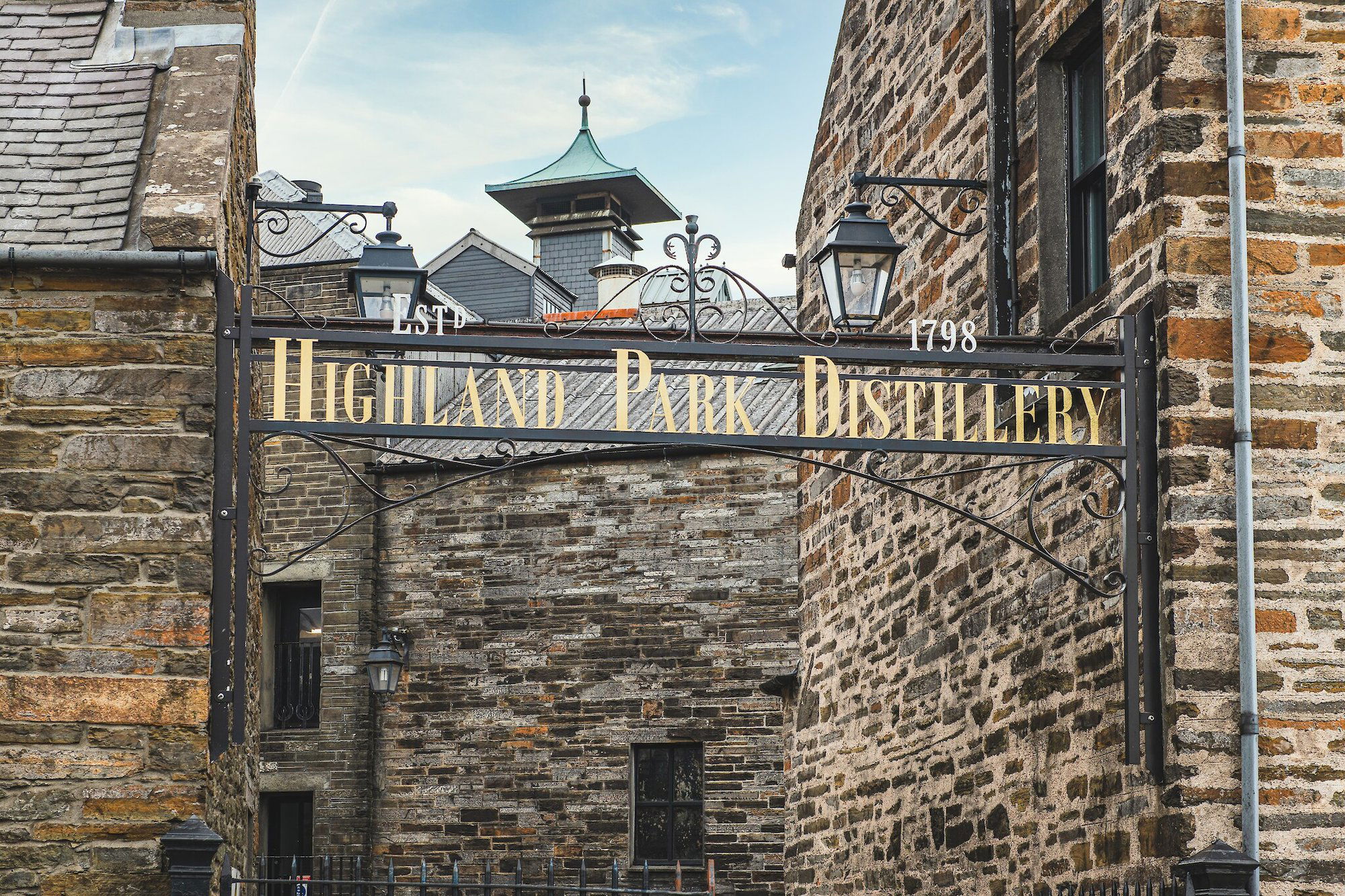
About Highland Park
Highland Park sits on the southern edge of Kirkwall, Orkney, where the island's maritime climate and peat character shape a style of Scotch whisky distinct from both Highland and Islay traditions. Recognised with a Pearl 4 Star Prestige award in 2025, the distillery is a reference point for understanding how geography at the edge of the North Atlantic translates directly into the glass.
Where the North Atlantic Sets the Terms
Most Scottish distilleries can point to geography as a general influence. At Highland Park, on the southern outskirts of Kirkwall in Orkney, the geography is more insistent than almost anywhere else in the country. The islands sit closer to Bergen than to London, exposed to weather systems rolling in from two bodies of open water simultaneously. That climatic position is not incidental to the whisky — it is the primary argument for why Orcadian single malt occupies a category of its own within the broader Scottish whisky map.
The discussion about terroir in Scotch whisky is ongoing, and often contested, but Orkney gives that conversation specific purchase. The heather-rich peat cut on the island carries different botanical compounds than the coastal peat of Islay or the moss peat of the central Highlands. When used for malting barley, it produces a smoke character that observers consistently describe as aromatic and floral rather than medicinal or industrial — a distinction that reflects the island's ecology as directly as any wine region reflects its soil composition. For visitors arriving from the mainland with a frame of reference built around Speyside or Campbeltown expressions, the difference is immediately instructive. For a broader look at Scotland's distillery geography, our full Kirkwall guide maps the region's key stops and producers.
The Case for Visiting the Source
Distillery visits occupy a specific tier in spirits tourism, and the reasoning behind going to the source rather than simply opening a bottle matters. Production sites reveal decisions that tasting notes cannot fully convey: the scale of the warehouses, the proximity of raw materials, the sensory gap between new-make spirit and aged expressions. Highland Park, located on Holm Road at the edge of Kirkwall town, is one of the few Scottish distilleries where all major production stages have historically remained on site, including malting. That degree of vertical integration is increasingly rare across the industry, where most distilleries now source pre-malted barley from centralised facilities.
The distillery's 2025 Pearl 4 Star Prestige recognition positions it within the upper tier of rated visits in the UK market, a designation that reflects the quality of the overall experience rather than any single element. At that level, the expectation is that production access, tasting programming, and educational depth are all calibrated for visitors who arrive with prior knowledge and specific questions, not just passing curiosity. This sits in contrast to entry-level distillery tours designed primarily for conversion , retail spend as the goal , rather than informed engagement with process and provenance.
Orkney Peat and What It Actually Changes
The peat question is worth addressing with some specificity, because it is the most repeated differentiator in any account of Orcadian whisky and the one most often summarised without precision. Peat is not a single ingredient. Its composition varies with the vegetation that formed it, the depth at which it is cut, and the moisture content of the ground. Orkney's peat formed predominantly from heather and other moorland plants rather than from compressed bog vegetation; the result, when burned to dry malted barley, produces phenolic compounds with a lighter aromatic profile than the iodine-forward character associated with heavily peated Islay malts such as those from Ardnahoe in Port Askaig.
Parallel with wine terroir is imperfect but useful. Just as chalk and clay soils in adjacent vineyard parcels produce structurally different wines from identical grape varieties, peat chemistry shapes the foundational aromatic register of a malt before wood, time, or blending decisions add further complexity. Understanding that distinction makes it easier to compare Highland Park against mainland peers: the smoke is present but subordinate to fruit and spice notes that develop during maturation, much as a wine region's climate might emphasise one varietal characteristic over another. Visitors who have previously explored Balblair Distillery in Edderton or Clynelish Distillery in Brora will recognise the northern Highland tendency toward waxy, coastal character , Highland Park extends that spectrum further toward the maritime extreme.
Kirkwall as a Whisky Destination
Orkney is not a casual day trip. Reaching Kirkwall requires either a flight from Inverness, Edinburgh, or Aberdeen, or a ferry crossing from Scrabster or Aberdeen , each option taking the better part of a day from central Scotland. That logistical barrier has historically kept Orkney from the volume-tourism circuit that benefits more accessible distilleries in Speyside, where operations such as Aberlour and Cardhu in Knockando sit within a short drive of each other along a well-signed whisky route. The relative effort of reaching Kirkwall filters the visitor pool toward those with a genuine interest in production and place rather than passive tourism.
That dynamic shapes how distillery visits here are likely to feel in practice. The absence of mass-market footfall creates conditions for slower, more detailed engagement with guides and tasting rooms. For whisky travellers who have worked through accessible lowland producers such as Auchentoshan Distillery in Clydebank or southern expressions from Bladnoch Distillery in Bladnoch, the Orkney visit represents a significant geographic and stylistic departure , worth planning as the anchor of a dedicated trip rather than an add-on to a mainland itinerary.
Distilleries at comparable distances from the central belt, such as Dornoch Distillery or Glen Garioch Distillery in Oldmeldrum, offer useful reference points for the northern Highland style before committing to the ferry or flight. Campbeltown expressions from Glen Scotia offer a different coastal register for comparison. For context outside Scotland entirely, producers such as Accendo Cellars in St. Helena or Achaia Clauss in Patras illustrate how other premium producers tie identity tightly to geographic specificity , the same logic that makes Orkney's latitude and peat ecology the central argument for visiting Highland Park in person.
Planning the Visit
Given the travel commitment involved in reaching Kirkwall, advance planning is worth the effort. Orkney's summer season runs roughly from May through September, when longer daylight hours and more consistent ferry and flight schedules make logistics more manageable. Outside that window, crossings can be affected by North Atlantic weather, and some visitor programming may operate at reduced capacity. Visitors arriving from the Scottish mainland should build in at least two nights in Kirkwall to allow time for both the distillery and the wider archaeology of the islands, which sits in an entirely different category of cultural interest. The distillery itself sits on Holm Road, accessible from the town centre on foot or by a short drive.
Producers at a similar prestige level, including Deanston and Dunphail Distillery in Dunphail, have moved toward tiered visitor programmes with pre-booked premium experiences sitting above general admission. That format has become standard at the leading end of Scottish distillery tourism, and visitors to Highland Park should check availability ahead of arrival rather than assuming walk-in access to premium tasting formats.
Frequently Asked Questions
- Is Highland Park more formal or casual?
- Highland Park operates as a working distillery visitor experience in Kirkwall, Orkney, placing it in the informational and production-focused tier of Scottish whisky tourism rather than in a formal hospitality setting. The 2025 Pearl 4 Star Prestige rating signals a premium standard of engagement, but the context is educational and experiential rather than restaurant-formal. Dress practically for a production environment.
- What do visitors recommend trying at Highland Park?
- Without confirmed tasting details in our database, we cannot specify particular expressions. What the distillery's geographic profile and its Pearl 4 Star Prestige recognition suggest is that the core range of aged single malts, shaped by Orcadian peat and the island's maritime maturation conditions, represents the clearest statement of what the distillery does differently from mainland producers. Guided tastings are the recommended format for making those comparisons systematically.
- What is Highland Park leading at?
- Its strongest argument is geographic specificity. As one of the northernmost distilleries in Scotland, operating in a maritime climate with locally sourced peat, Highland Park produces a style of single malt that is difficult to replicate elsewhere. The Pearl 4 Star Prestige recognition in 2025 supports the view that the visitor experience makes that geographical case effectively, not just through product but through production access and contextual depth.
- How far ahead should I plan for Highland Park?
- Given the travel involved in reaching Kirkwall , by flight from Inverness, Edinburgh, or Aberdeen, or by ferry from Scrabster or Aberdeen , the visit warrants planning several weeks to months in advance, particularly if you are targeting summer travel when ferry and accommodation demand is highest. Premium tasting experiences at distilleries at this level typically require advance booking; contact the distillery directly via their website to confirm current tour formats and availability before finalising travel arrangements.
Related editorial
- Best Fine Dining Restaurants in ParisFrom three-Michelin-star icons to the next generation of Parisian chefs pushing boundaries, these are the restaurants that define fine dining in the world's culinary capital.
- Best Luxury Hotels in RomeFrom rooftop terraces overlooking ancient ruins to Michelin-starred hotel dining, these are the luxury hotels that make Rome unforgettable.
- Best Cocktail Bars in KyotoFrom sleek lounges to hidden speakeasies, Kyoto's cocktail scene blends Japanese precision with global influence in ways you won't find anywhere else.
Save or rate Highland Park on Pearl
Keep this venue in your Pearl passport, rate it after you visit, and track it alongside every other place you collect.