
Restaurant in Tokyo, Japan
常
100ptsThreshold Dining
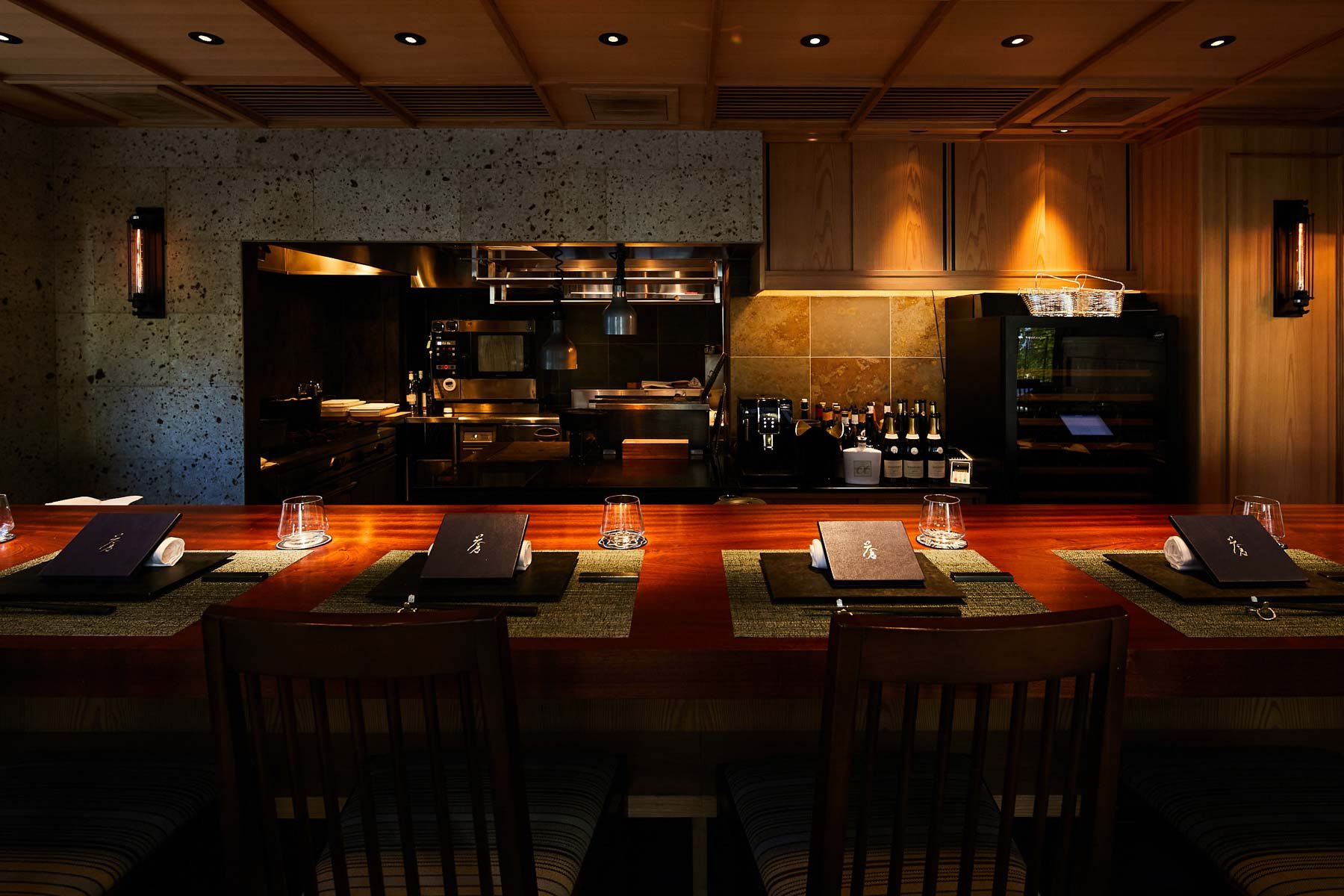
About 常
Tsune occupies a second-floor address in Nishiazabu, one of Tokyo's most reliable late-night dining corridors. Pricing and format are unconfirmed, so direct contact before booking is essential — but the postcode and setting signal a serious, low-profile room worth investigating. For confirmed ¥¥¥¥ alternatives nearby, RyuGin and Crony are the clearer bets right now.
Verdict
Tsune sits in Nishiazabu, one of Tokyo's most concentrated pockets of serious late-night dining, on the second floor of a building at 4-11-25 Nishiazabu. With pricing, cuisine type, and hours unconfirmed in our current data, the honest answer is that we cannot tell you what you will spend or exactly what format to expect — and in Tokyo, where the gap between a ¥¥¥ counter and a ¥¥¥¥ omakase changes the entire calculation, that matters. If you are researching Tsune specifically, direct confirmation from the venue before booking is the right move.
The Case For Going
Nishiazabu after dark operates differently from Ginza or Shinjuku. The neighbourhood draws a local, discerning crowd rather than tourists, and the low-profile building addresses here tend to house places that rely on word of mouth rather than signage. A second-floor restaurant in this postcode is almost always operating for a specific, returning clientele — which, for an explorer-type diner, is usually a signal worth following. If Tsune fits that pattern, the reward is likely an atmosphere that feels earned rather than performed.
For diners who treat late-night Tokyo as its own category , where the kitchen is still firing at 11 PM and the room has settled into a different rhythm than the early seatings , Nishiazabu consistently delivers. The area's proximity to Roppongi means it absorbs a later crowd without becoming a Roppongi-adjacent circus, and restaurants here tend to hold their standards through the final service. That is the strongest contextual argument for investigating Tsune further.
What We Cannot Confirm
Pricing, cuisine format, chef background, seat count, booking method, and hours are all absent from our current data. We will not fill those gaps with guesses. What we can say is that the Nishiazabu address places Tsune in a price tier and format bracket that typically skews serious , this postcode does not have many casual drop-in options at street level, and a named second-floor address even less so. Plan accordingly.
How It Compares
Tokyo's late-night fine dining set has clear reference points. Harutaka runs a precise sushi counter in Ginza at ¥¥¥¥ and is one of the harder bookings in the city. RyuGin at ¥¥¥¥ offers kaiseki with real technical ambition and extends later than many comparable rooms. Crony in the ¥¥¥¥ French-innovative bracket is worth considering for a late dinner that leans contemporary rather than traditional. L'Effervescence remains the benchmark for French cooking in Tokyo at this price point. If Tsune's format and price are confirmed to sit below ¥¥¥¥, Den at ¥¥¥ is the clearest peer , innovative Japanese, less formal, easier to book, and more reliably open to walk-in interest.
For broader Tokyo planning, see our full Tokyo restaurants guide, Tokyo bars guide, and Tokyo hotels guide. If your trip extends beyond Tokyo, HAJIME in Osaka, Gion Sasaki in Kyoto, and akordu in Nara represent the strongest dining outside the capital. Goh in Fukuoka and 1000 in Yokohama are worth the short trip for serious eaters. For reference outside Japan, Le Bernardin in New York City and Lazy Bear in San Francisco occupy a comparable position of neighbourhood-anchored seriousness in their respective cities.
Practical reference: Nishiazabu, Minato City, Tokyo , second floor, 4-11-25 Nishiazabu. Confirm hours, format, and booking directly before visiting.
FAQ
- Can I eat at the bar at Tsune? We do not have confirmed seating configuration data for Tsune. Given the second-floor Nishiazabu address and the typical format of venues in this postcode, a counter or bar option is plausible but cannot be stated as fact. Contact the venue directly to ask.
- Is Tsune good for solo dining? Solo dining in Tokyo is generally well-accommodated at counter-format restaurants, which are common in Nishiazabu. Whether Tsune runs a counter is unconfirmed. Solo diners in this neighbourhood with confirmed counter access should also consider Harutaka for sushi or Den for a more relaxed solo experience at ¥¥¥.
- How far ahead should I book Tsune? Booking difficulty is rated Easy for this venue. That said, with no confirmed online booking method in our data, the practical step is to reach out directly , via phone if a number becomes available, or through an in-person inquiry. Easy availability does not mean no advance planning is needed in Tokyo's Nishiazabu corridor.
- Is Tsune good for a special occasion? The Nishiazabu address and second-floor setting suggest a format that can work for a quieter, occasion-appropriate dinner. Without confirmed pricing or cuisine type, we cannot say whether the experience justifies a celebration booking over confirmed ¥¥¥¥ alternatives like RyuGin or L'Effervescence. Verify the format first.
- What are alternatives to Tsune in Tokyo? For late-night dining with confirmed formats: Crony (innovative French, ¥¥¥¥), Den (innovative Japanese, ¥¥¥, easier booking), Sézanne (French, ¥¥¥¥). Den is the leading starting point if you want a late sitting that is reliably accessible and does not require weeks of advance planning.
- What should a first-timer know about Tsune? The address is not street-level , it is on the second floor of a building in Nishiazabu, which means you need to know where you are going. First-timers to Tokyo dining more broadly: cash is often expected at smaller venues, courses tend to run longer than Western equivalents, and arriving on time is taken seriously. Confirm all specifics directly with Tsune before you arrive.
- What should I wear to Tsune? No dress code is confirmed in our data. In Nishiazabu at this type of venue, smart casual is the safe default , nothing that would read as underdressed at a serious dinner, but Tokyo's fine dining rooms rarely enforce formal codes the way European equivalents might. When in doubt, err toward neat and understated.
Compare 常
More restaurants in Tokyo
- SézanneOccupying the seventh floor of the Four Seasons Hotel Tokyo at Marunouchi, Sézanne earned its first Michelin star within months of opening in July 2021 and now holds three. British chef Daniel Calvert applies French technique to Japanese ingredients, producing a prix-fixe format that Tabelog has recognised with Silver awards every year from 2023 through 2026. It ranked 4th in Asia's 50 Best Restaurants in 2025 and 15th globally in 2024.
- SazenkaSazenka is the address for Chinese cuisine in Tokyo at its most technically demanding. Chef Tomoya Kawada's wakon-kansai approach — Japanese seasonal ingredients applied through Chinese culinary technique — has earned consecutive Tabelog Gold Awards from 2019 to 2026, a #71 ranking on the World's 50 Best 2025, and 99 points from La Liste 2026. At JPY 50,000–59,999 per head, it is one of the hardest tables in the city to book and worth the effort.
- NarisawaNarisawa is Tokyo's most credentialled innovative tasting menu restaurant — two Michelin stars, Asia's 50 Best number 12, and a Tabelog Silver award — running at JPY 80,000–99,999 per head. Book for a milestone occasion, confirm vegetarian or vegan needs in advance, and reserve at least two to three months out. With 15 seats and reservation-only access, this is one of Tokyo's hardest tables to secure.
- FlorilègeFlorilège delivers two Michelin stars and an Asia's 50 Best #17 ranking at a dinner price of ¥22,000 — competitive for Tokyo at this level. Chef Hiroyasu Kawate's plant-forward tasting menus around an open-kitchen counter at Azabudai Hills make this the strongest choice for contemporary French dining in Tokyo if theatrical, produce-led cooking is what you want. Book well in advance; availability is near-impossible at short notice.
- DenDen holds two Michelin stars, a World's 50 Best top-25 Asia ranking, and a Tabelog Silver Award running back to 2017 — and it books out within hours of the two-month reservation window opening. Chef Zaiyu Hasegawa's daily-changing seasonal omakase runs JPY 30,000–39,999 at dinner in a relaxed house-restaurant setting near Gaiemmae. Book by phone only, noon–5 PM JST. Lunch is irregular; plan around dinner.
- MyojakuMyojaku is a 2-Michelin-star, 14-course French-leaning omakase in Nishiazabu holding a 4.47 Tabelog score, Tabelog Silver 2025–2026, and Asia's 50 Best #45 (2025). Chef Hidetoshi Nakamura's water-forward, no-dashi approach shifts meaningfully with the seasons — making timing your reservation as important as getting one. Budget JPY 50,000–59,999 per head plus 10% service charge; reservations only, near-impossible to secure.
Related editorial
- Best Fine Dining Restaurants in ParisFrom three-Michelin-star icons to the next generation of Parisian chefs pushing boundaries, these are the restaurants that define fine dining in the world's culinary capital.
- Best Luxury Hotels in RomeFrom rooftop terraces overlooking ancient ruins to Michelin-starred hotel dining, these are the luxury hotels that make Rome unforgettable.
- Best Cocktail Bars in KyotoFrom sleek lounges to hidden speakeasies, Kyoto's cocktail scene blends Japanese precision with global influence in ways you won't find anywhere else.
Save or rate 常 on Pearl
Keep this venue in your Pearl passport, rate it after you visit, and track it alongside every other place you collect.