
Restaurant in Borgerhout, Belgium
Briquet
100ptsCultural Hybridity Cooking

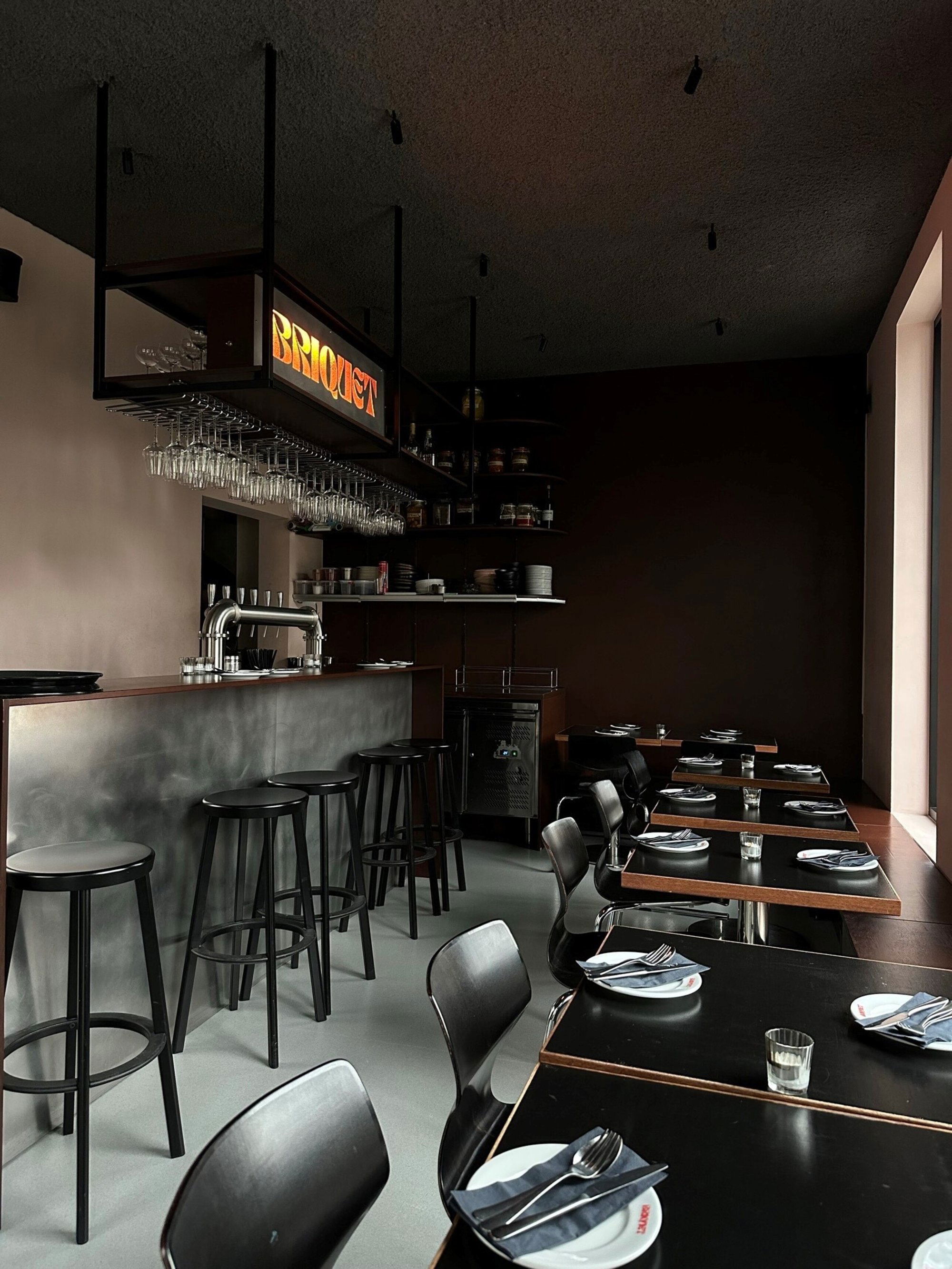
About Briquet
Briquet sits in Borgerhout's evolving dining scene, where Polish chef Igor Shalovinsky applies seasonal, locally sourced produce to a menu that crosses cultural registers with colour and intention. Recognised by We're Smart inspectors for its vegetable-forward potential, the restaurant represents the kind of contemporary neighbourhood cooking that Antwerp's inner ring has been quietly producing for several years.
Borgerhout and the New Geography of Antwerp Dining
Antwerp's serious restaurant culture has traditionally clustered around the old city centre and the waterfront, where addresses like Zilte have anchored the fine-dining tier for years. But the past decade has seen a secondary wave take hold further out, in the inner-ring neighbourhoods that mix working-class history with a younger, more international population. Borgerhout is the clearest expression of that shift. The neighbourhood carries a demographic texture that few Belgian postcodes match: a high proportion of residents with Polish, Moroccan, and Turkish backgrounds living alongside a growing cohort of artists, designers, and food-industry workers priced out of the city centre. That friction between cultures does not stay outside restaurant doors.
Vinçottestraat 36 sits inside this neighbourhood's grain rather than against it. The building's exterior gives little away, which is common for the area's more considered dining spots. The approach on foot, through streets that mix small grocers with independent workshops, sets expectations before you arrive at the table. Borgerhout does not perform its credentials; it simply has them. For a fuller picture of where to eat, drink, and stay in the area, see our full Borgerhout restaurants guide, our full Borgerhout bars guide, and our full Borgerhout hotels guide.
Where Briquet Sits in the Local Pecking Order
Borgerhout's restaurant offer currently spans a range of registers. At the casual creative end, Glou Glou operates a Creative French format at the €€ price point, offering approachable bistro-adjacent cooking. At the opposite end, Atelier Maple works a more ambitious Creative format with pricing at the €€€€ level. Briquet occupies a position that is harder to pin down precisely, which is part of what makes it worth attention: it reads as contemporary neighbourhood dining with the kind of cultural layering that resists easy categorisation. Bloesem represents another point on the local map, rounding out a neighbourhood scene that punches above what its postcode would suggest to an outsider.
Across Belgium more broadly, the vegetable-centred and produce-led approach that Briquet pursues has genuine precedent at higher altitudes. Addresses like Hof van Cleve in Kruishoutem and Boury in Roeselare demonstrate what seasonal produce-led cooking can achieve at the upper tier. Briquet is not competing at that level of formal recognition, but it draws from a similar instinct: that the quality of an ingredient, and the restraint applied to it, carries more weight than technique deployed for its own sake.
Polish Cooking, Belgian Seasons, and the Logic of Cultural Hybridity
The most useful frame for understanding what happens at Briquet is not nationality or style but rather disposition. Polish culinary tradition is rooted in fermentation, preserved vegetables, root-heavy preparations, and a larder logic that treats seasonality not as a trend but as a structural constraint. Chef Igor Shalovinsky brings that foundation into a Belgian context where the produce supply is strong and the market culture is embedded. The result is a cooking approach that uses Polish instincts on Belgian ingredients, neither purely one nor the other.
We're Smart, the vegetable-intelligence platform that evaluates restaurants on their handling and prioritisation of plant-based ingredients, recognised Briquet with a note that the inspectors believe in the potential of both the restaurant and the chef, while also indicating that vegetables could become even more central to the menu's identity. That is a meaningful double signal: confirmation of quality, paired with a direction of travel. In the We're Smart framework, that kind of conditional praise is common for restaurants on an upward trajectory rather than those that have plateaued.
The phrase used in the recognition, that Shalovinsky plays with ingredients like a musician and that the cooking flows naturally, points to a kitchen that has moved past deliberate construction into something more fluent. That shift from effortful to instinctive is one of the harder transitions in cooking, and it is often the marker that separates neighbourhood restaurants worth a single visit from those that sustain a following.
For comparison points outside Belgium, the tension between cultural inheritance and local produce is one that chefs in cities like New York and New Orleans have navigated for decades. Le Bernardin and Emeril's represent different resolutions to that same question: how much of your origin do you carry into a new culinary geography, and what does the local context demand in return? Briquet's answer leans toward absorption rather than assertion, using Polish sensibility as a filter rather than a flag.
The Dish Logic: Colourful, Seasonal, Locally Grounded
The We're Smart recognition describes the dishes as colourful and rooted in local seasonal produce. In practice, that combination tends to produce menus that shift meaningfully across the year, with spring and summer bringing forward lighter vegetable preparations while autumn and winter return to preserved and root-heavy territory. The colour dimension is worth noting: it is rarely accidental in kitchens that think carefully about produce, and at restaurants operating in the contemporary mode Briquet represents, visual composition tends to be part of the cooking logic rather than an afterthought.
What the menu does not appear to do, based on available evidence, is anchor itself to a single cuisine or a fixed format. The mix-of-cultures description in the We're Smart recognition is specific rather than vague: it implies that the menu moves between reference points, using whatever the seasonal supply and the chef's instincts suggest rather than committing to a single national register. That flexibility is both an asset and a risk. It requires a diner who is willing to follow rather than one who arrives with fixed expectations.
Elsewhere in Belgium, that kind of produce-first flexibility has found expression in coastal addresses like Willem Hiele in Oudenburg and Bartholomeus in Heist, where geography determines the larder. Inland, Castor in Beveren and Cuchara in Lommel represent different approaches to the same question of how to cook with locality and intention. Bozar Restaurant in Brussels shows what a more institutionally embedded version of contemporary Belgian cooking looks like. Briquet is working from a different position: smaller, less formal, more contingent on the neighbourhood that surrounds it.
Planning a Visit
Briquet is located at Vinçottestraat 36 in Borgerhout (2140 Antwerpen). The address is reachable from central Antwerp by tram or on foot from the city's inner ring. Given the restaurant's neighbourhood format and the We're Smart recognition it carries, booking ahead is advisable, particularly for weekend evenings when demand across Borgerhout's tighter roster of considered dining spots tends to concentrate. Phone and website details are not currently listed in our database, so reservations are leading confirmed through direct search or on-site contact. For broader planning, consult our full Borgerhout experiences guide and our full Borgerhout wineries guide to fill out an itinerary around the neighbourhood.
Frequently Asked Questions
What is the atmosphere like at Briquet?
Borgerhout shapes the atmosphere here more than any deliberate design gesture. The neighbourhood is genuinely mixed in terms of background and income, and the restaurants that succeed in it tend to carry that texture rather than smooth it away. Briquet reads as contemporary and informal without being studied about it. The We're Smart recognition places it in the category of a hip neighbourhood restaurant, which in Belgian terms usually means a relaxed room, unforced service, and a menu that changes rather than performs. It is not a celebration venue in the chandelier sense, but it suits a dinner that merits attention without requiring occasion.
Is Briquet okay with children?
No specific children's policy is available in our database. As a general pattern across Borgerhout's contemporary dining tier, venues at this price and format level tend toward the informal end of service, which often makes them more accommodating for families than the kind of tasting-menu-only format found at higher price points in Belgium. The colourful, vegetable-forward cooking style suggests a menu with some range. That said, confirming directly with the restaurant before visiting with young children is the sensible approach.
What do regulars order at Briquet?
The We're Smart recognition describes colourful dishes built on local seasonal produce, handled with a fluency that the inspectors compare to musical improvisation. Given Igor Shalovinsky's Polish background and the cultural-mix framing of the menu, the cooking likely includes preparations that draw on preservation and fermentation traditions alongside fresher seasonal preparations. The cuisine type is not locked to a single national register, so regulars are probably following the chef's current direction rather than returning to fixed signatures. Vegetable-forward dishes appear to be where the kitchen is most confident and most likely to evolve further.
Recognized By

Related editorial
- Best Fine Dining Restaurants in ParisFrom three-Michelin-star icons to the next generation of Parisian chefs pushing boundaries, these are the restaurants that define fine dining in the world's culinary capital.
- Best Luxury Hotels in RomeFrom rooftop terraces overlooking ancient ruins to Michelin-starred hotel dining, these are the luxury hotels that make Rome unforgettable.
- Best Cocktail Bars in KyotoFrom sleek lounges to hidden speakeasies, Kyoto's cocktail scene blends Japanese precision with global influence in ways you won't find anywhere else.
Save or rate Briquet on Pearl
Keep this venue in your Pearl passport, rate it after you visit, and track it alongside every other place you collect.