
The We're Smart World Top Restaurants list is an annual global ranking of the 100 best vegetable-forward and plant-based dining destinations. Founded by Chef Frank Fol, the list recognizes culinary excellence through its 'Think Vegetables! Think Fruit!' philosophy and a unique Radish rating system. It serves as a premier guide for sustainable and healthy gastronomy, highlighting restaurants that make produce the star of the plate.
How many of these have you visited?
Discover on Pearl
New York City, United States
Open since 2015, Avant Garden on Avenue A earned a Michelin Plate in 2024 for a plant-based menu that trades wellness signaling for genuine culinary craft. The East Village setting reads like a treehouse distilled into a dining room, and the cooking leans on contrast and texture rather than substitution logic. At the $$ price point, it sits well below the city's vegan fine-dining tier while delivering a level of plate discipline that peers rarely match.

Lima, Peru
Central occupies a converted house in Barranco, Lima's bohemian coastal district, and has held the number-one position on the World's 50 Best Restaurants list (2023). The tasting menu moves through Peruvian ecosystems by altitude — ocean floor to high Andes — using ingredients sourced by the research collective Mater Iniciativa. For serious diners visiting Lima, it represents the clearest single-table argument for Peru's biodiversity as a culinary framework.

Doetinchem, Netherlands
Lokaal holds consecutive Michelin Plate recognition (2024 and 2025) and sits at the €€€ tier in Doetinchem's dining scene, where chef Bjorn Massop works with local farmers to build a seasonal menu that reduces food waste through composting and closed-loop ingredient use. A dedicated vegetarian menu applies techniques including dry-aged beetroot alongside the main programme. Google reviewers rate it 4.4 from 119 submissions.
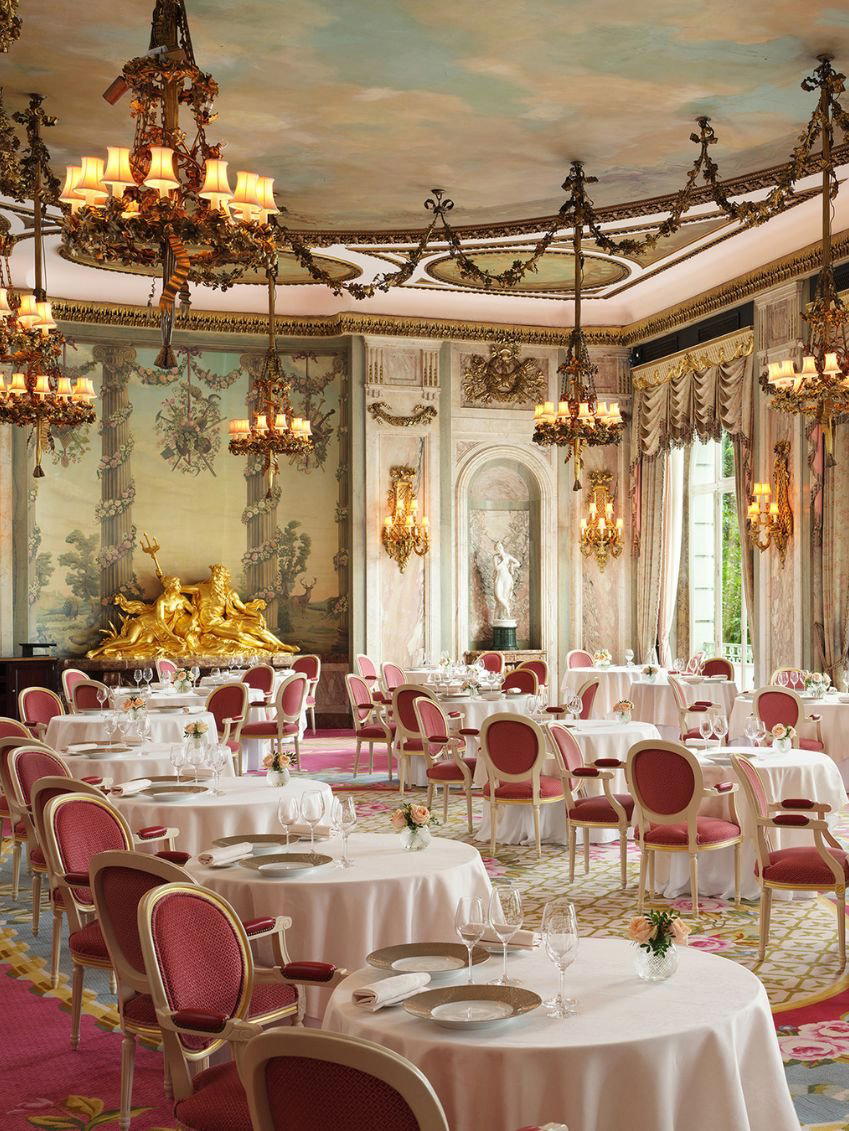
Woluwe-Saint-Pierre, Belgium
Menssa occupies the address where Christophe Hardiquest ran Bon Bon, reframed around a counter format, Belgian terroir, and a serious plant-based programme. The Michelin-starred kitchen draws heavily on woodland ingredients and local culinary assets, with a deliberately limited number of covers that keeps the experience close and precise. Ranked 230th in Opinionated About Dining's Classical in Europe list for 2025 and recognised by Les Grandes Tables du Monde, it is one of the more considered creative addresses in the Brussels arc.

Trent, Germany
Aedenlife sits in the rural quiet of Vaschvitz, a small settlement on the island of Rügen near Trent, where the kitchen puts vegetables at the centre of the plate rather than the margin. The approach here is produce-led and unhurried, shaped by the surrounding landscape of northeast Germany. Guests who flag dietary preferences in advance can expect a meal tailored to those choices rather than a fixed formula.

Théoule-sur-Mer, France
Holding a Michelin star in both 2024 and 2025, L'Or Bleu sits at the upper end of Théoule-sur-Mer's dining scene, where the Estérel coastline sets the frame and Chef Alain Montigny's vegetable-forward modern cuisine does the work. At the €€€€ price point, it competes not with the Riviera's beachside brasseries but with the region's small cohort of technically serious destination restaurants.

Ko Samui, Thailand
Koh Thai Kitchen sits on a hilltop within the Four Seasons Ko Samui, earning consecutive Michelin Plates in 2024 and 2025 for a menu of southern and central Thai dishes built around local seafood, Australian lamb, and Wagyu beef. The alfresco setting delivers unobstructed views across jungle canopy and open sea. Price range sits at ฿฿฿, placing it at the premium tier of the island's Thai dining options.

Ghent, Belgium
Kruidtuin sits on Kortrijksesteenweg in Ghent, a city that has built a genuine reputation for forward-thinking vegetable-led cooking. Chef Toon Deseyne works across meat, fish, and vegan preparations, always anchored by seasonal produce from his own kitchen garden. The parsnip brûlée with white chocolate and vanilla is a dish worth timing your visit around.

Geneva, Switzerland
L'Aparté holds a Michelin star (2024) and an 82-point La Liste ranking, placing it among Geneva's most recognised addresses for modern French cooking. Located on Rue de Lausanne in the city's right-bank corridor, it draws a 4.8 Google rating from 189 reviews. Price sits at the €€€ tier, making it accessible relative to Geneva's upper Michelin bracket.
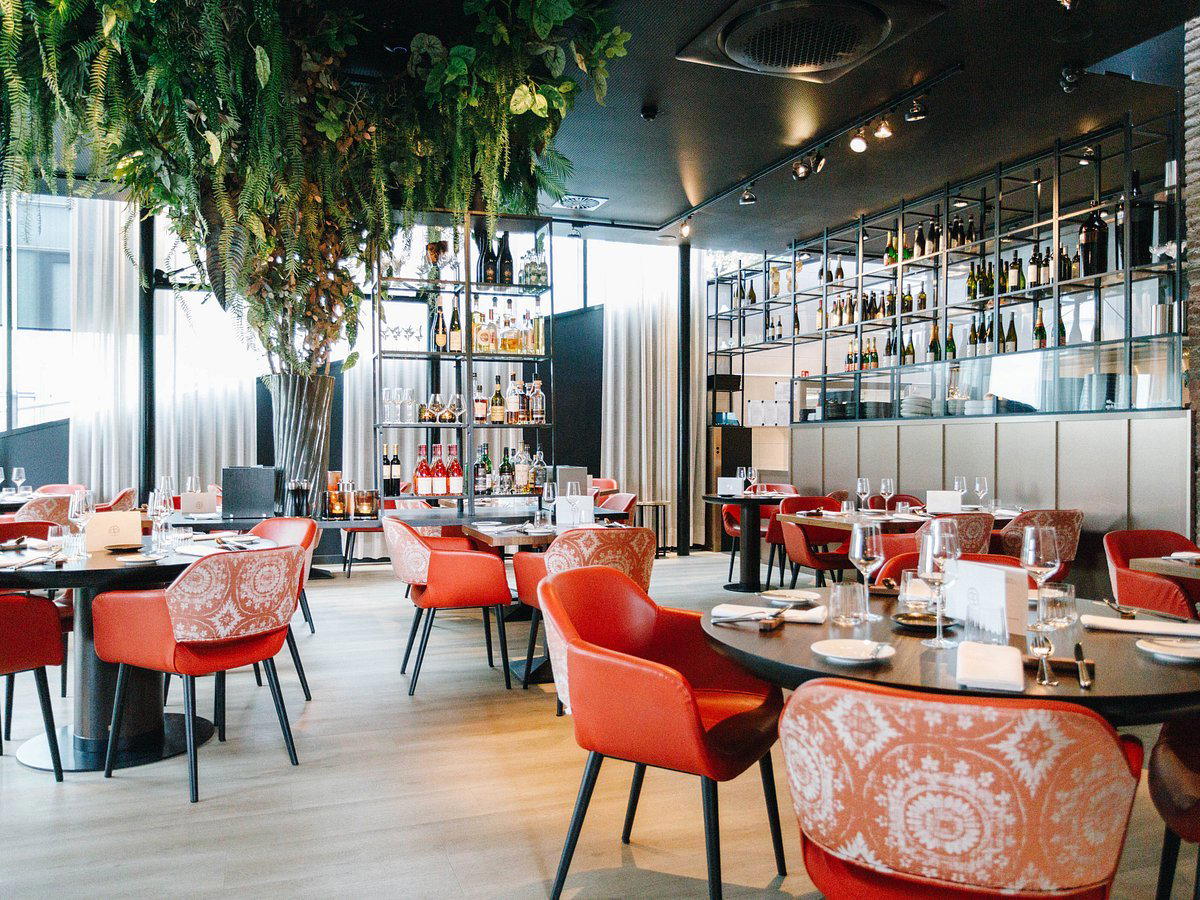
Nijmegen, Netherlands
Holding two Michelin stars and the number-one position in the We're Smart Green Guide TOP100 — an honour awarded to only three restaurants globally — De Nieuwe Winkel has made Nijmegen a reference point for serious plant-based cooking in Europe. Chef Emile Van Der Staak leads a menu built entirely on botanical ingredients, with a wine programme that earned Star Wine List's top Dutch ranking in 2025. Dinner runs Tuesday through Saturday, evenings only.

Munich, Germany
Beetle (also known as Green Beetle) occupies a distinct position in Munich's plant-forward dining scene: a Michelin Plate-recognised restaurant on Schumannstraße where certified organic sourcing and sustainability run through every detail, from the interior materials to the wine list. Chef Maximilian Philipp's seasonal menu spans vegetarian, vegan, fish, and meat dishes, anchored by a wine selection drawn from organic and biodynamic producers across Germany, Austria, and South Tyrol.

New York City, United States
ABC Cocina occupies a mid-century greenhouse dining room on East 19th Street, where Jean-Georges Vongerichten's kitchen trades in globally inflected Mexican cooking that lets vegetables, seeds, and fruit carry the menu. Chef Camila Avendano leads a kitchen that builds around seasonal produce, with Opinionated About Dining placing it at #481 in North America for 2025. Dinner runs Tuesday through Sunday, with weekend brunch from 11am.
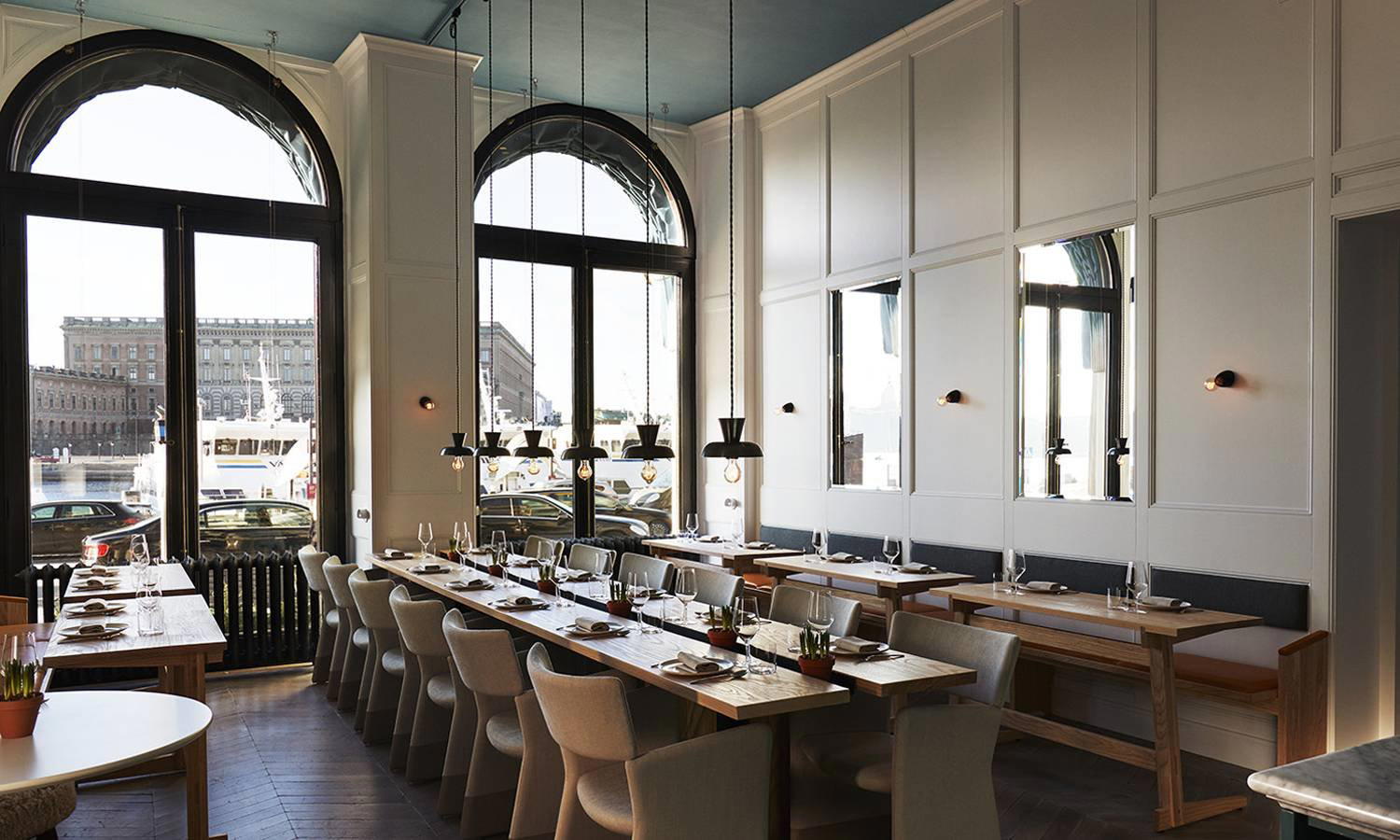
Stockholm, Sweden
Rutabaga occupied a significant moment in Stockholm's fine-dining conversation: the point at which a decorated chef voluntarily closed a successful meat-forward restaurant and reopened it as a fully lacto-ovo-vegetarian operation. Located at Södra Blasieholmshamnen 6, the restaurant earned five Radishes from the We're Smart Green Guide for its commitment to plant-forward cooking at the highest level. Note that Rutabaga is now permanently closed.

Cadiz, Spain
On the southern tip of Europe, overlooking Tarifa harbour, MICMOC frames itself as a culinary meeting point between a glutton and a vegan — and delivers on the premise. Seasonal produce, slow food sourcing, and a kitchen comfortable with both plant-based and seafood plates make it one of the more considered casual dining options along the Cádiz coast.

Lier, Belgium
On the Mechelsesteenweg in Lier, Barrel is a straightforward seasonal restaurant where chef Jeroen Moernaut builds menus around what the Belgian growing calendar actually delivers. The Groentemarkt menu earned recognition from the Radish inspector programme, placing Barrel in a small cohort of Flemish kitchens where vegetables are treated as the main event rather than an afterthought. A terrace opens when the weather allows.

Waalre, Netherlands
A two-Michelin-star address in a converted farmhouse on the edge of Waalre, De Treeswijkhoeve pairs rustic architecture with precise creative cooking. Chef Dick Middelweerd draws on organic-origin produce from named regional growers to build menus that treat vegetables as the structural backbone of the meal. Ranked 273rd in the 2025 Opinionated About Dining Classical in Europe list, it occupies a distinct position in the Dutch fine-dining tier.
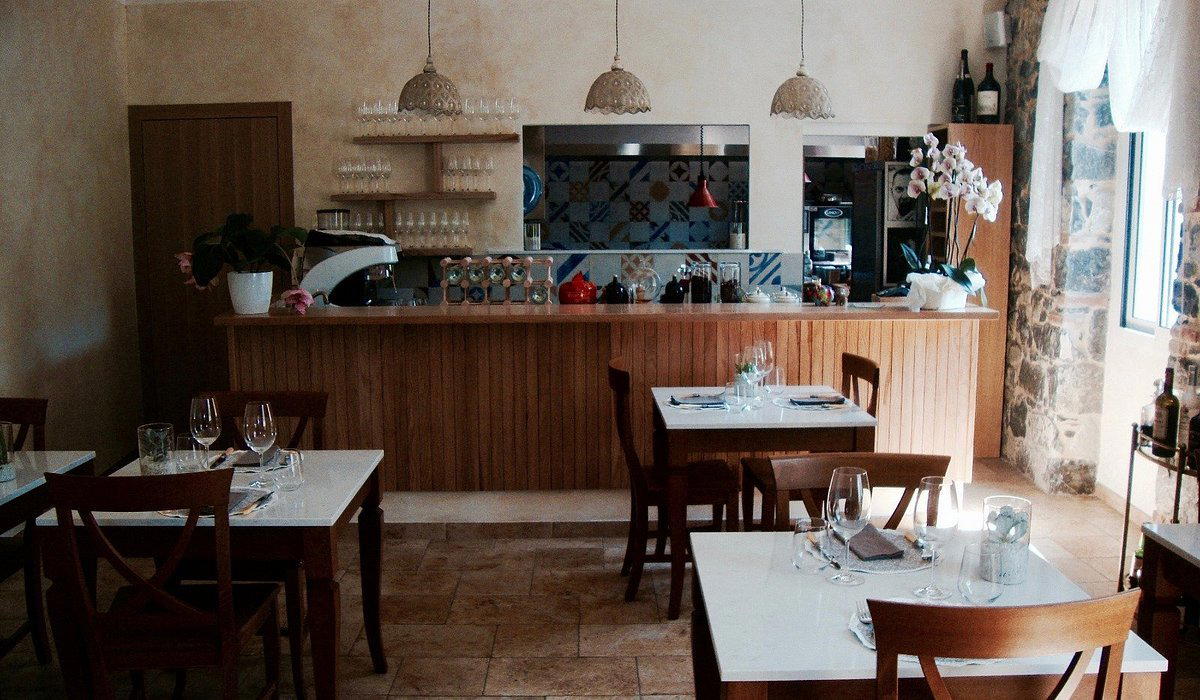
Ventimiglia, Italy
Casa Buono holds a Michelin star and an Opinionated About Dining Top 332 Europe ranking (2025), operating from a small village in the Val Roia just inland from Ventimiglia. The kitchen runs a single tasting menu, Orto e Mare, with no à la carte option, shaped by Ligurian produce and the chef's training at Mirazur. Google reviewers rate it 4.9 from 327 reviews.

Saint-Cannat, France
A Michelin-starred address on the Route Nationale 7 between Aix-en-Provence and Salon-de-Provence, Le Mas Bottero translates Provençal terroir into precise, produce-driven cooking. Green asparagus from Mallemort, aromatic herbs from an on-site kitchen garden, and relationships with local farmers define the menu. Google reviewers rate it 4.6 across more than 840 submissions.
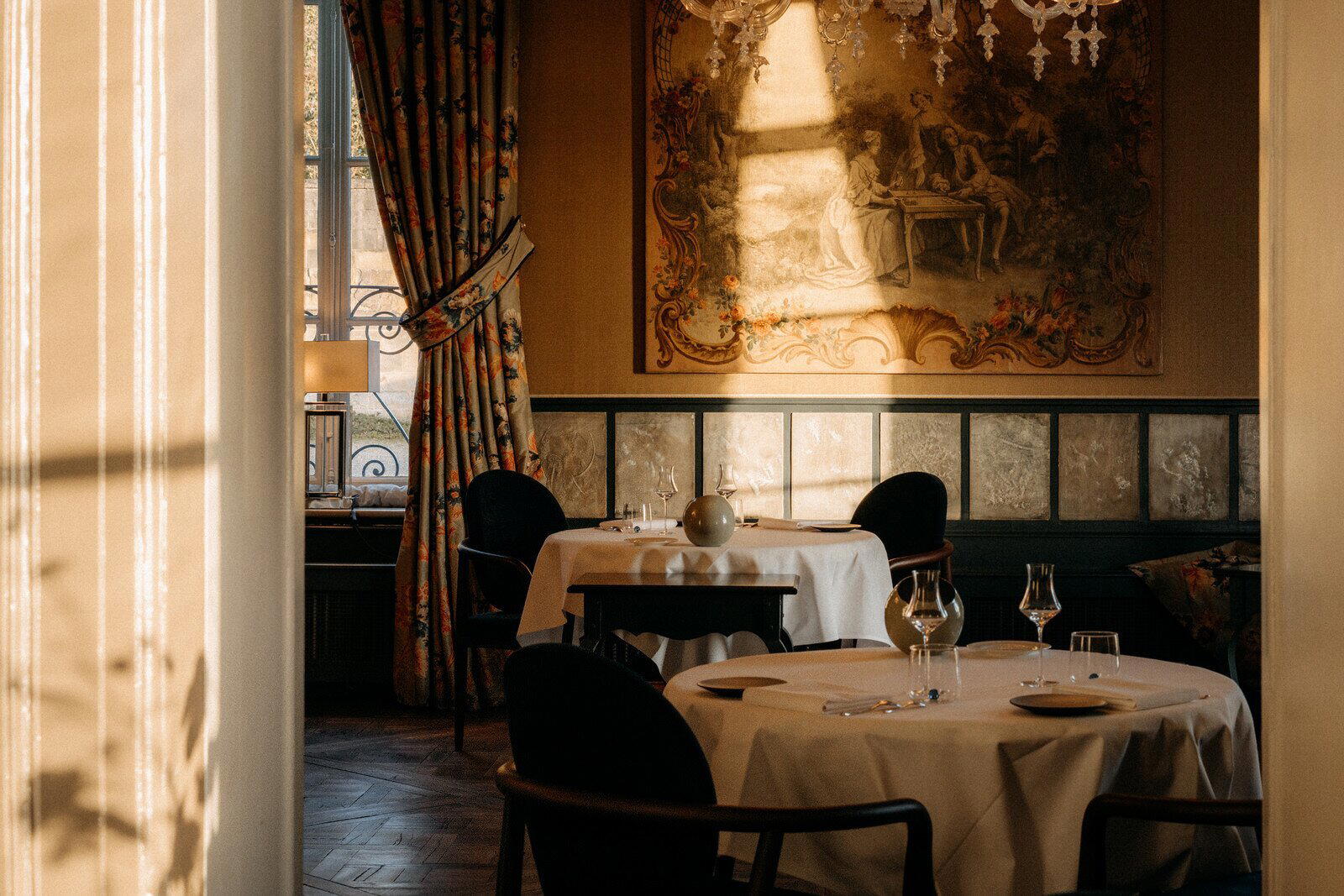
Maastricht, Netherlands
A 17th-century terraced castle on the southern fringe of Maastricht, Château Neercanne frames French contemporary cooking inside a setting of Baroque gardens, limestone cave cellars, and herringbone parquet floors. Chef Robert Levels draws on a working kitchen garden to anchor a menu where vegetables hold equal weight to the classic French canon, and the We're Smart recognition signals how seriously that commitment is taken.

Barcelona, Spain
A Michelin-starred gastro-bar on Carrer de la Diputació, Mont Bar occupies a distinct position in Barcelona's Eixample: formally credentialed yet deliberately casual, with a minimum-order format built around sharing plates, seasonal tapas, and a kitchen rooted in Val d'Aran produce. Ranked #258 on Opinionated About Dining's Casual Europe list in 2024, it sits at the more accessible end of Barcelona's starred tier without sacrificing technical ambition.

Rome, Italy
Perched atop the Mecenate Palace Hotel near Santa Maria Maggiore, Terrazza dei Papi trades on one of Rome's more persuasive rooftop views alongside a traditional Mediterranean menu. The setting leans romantic, the approach is accessible, and with considered ordering the kitchen accommodates plant-forward preferences. A reasonable pick for visitors wanting the Rome rooftop experience without the full-dress formality of the Michelin tier.
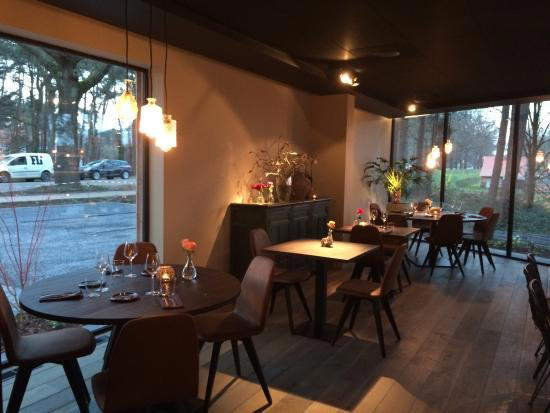
Kasterlee, Belgium
A Michelin Plate holder in Kasterlee, KAN10 runs a contemporary bistro format where world cuisine meets a genuinely vegetable-forward menu. Chef Joppe Van Balen offers both sharing menus and à la carte, with dishes like marinated burrata and stuffed zucchini with boboti and yellow curry signalling a kitchen comfortable drawing from multiple culinary traditions at a mid-range price point.

Rome, Italy
Open since 1720 at the foot of Tivoli's Temple of Vesta, Sibilla holds a Michelin Plate (2025) and a Google rating of 4.7 across nearly 2,000 reviews. The kitchen draws on local Lazio ingredients, with grilled dishes and plant-forward preparations as its anchors. The terrace, set against two Roman temples and a centuries-old wisteria, makes this one of the most historically charged dining addresses in the greater Rome area.
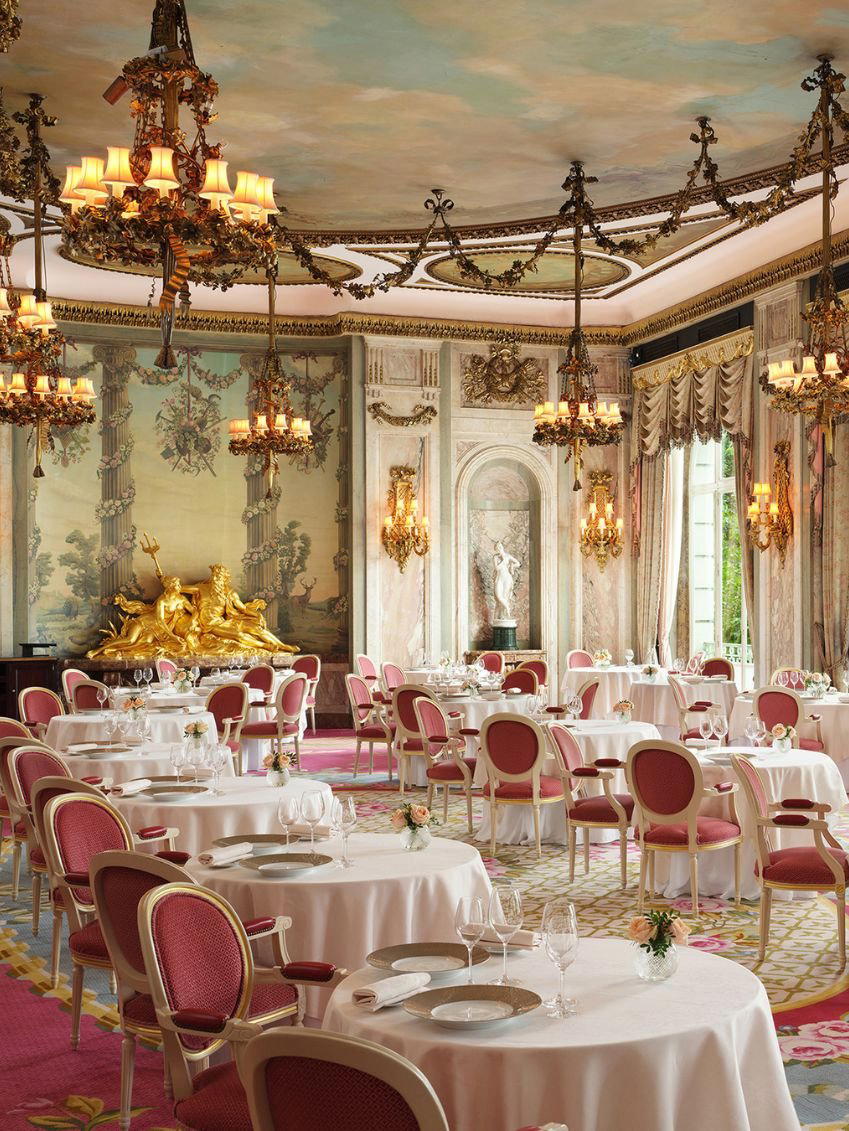
Præstø, Denmark
A Michelin-starred destination in rural Zealand, Frederiksminde sits at the intersection of coastal Denmark and kitchen-garden cooking. Chef Jonas Mikkelsen draws entirely from local farms, shoreline, and sea for the seasonally structured 'Essence' menu, earning a place in the Opinionated About Dining Top Restaurants in Europe list for two consecutive years. The setting — a historic manor on the Præstø Fjord — matches the food's sense of place.

Bristol, United Kingdom
Poco on Jamaica Street operates at the intersection of seasonal British cooking and transparent sourcing, serving tapas-format plates that change monthly in line with what local farms are producing. Suppliers are named on the menu, and the kitchen's ethical framework is published in full on the restaurant's website. It sits in Bristol's mid-range dining tier, alongside venues like Root and Wilsons, as a reference point for produce-led, low-waste cooking.

Contigliano, Italy
In the medieval hilltop village of Contigliano, on the Lazio-Umbria border, Delicato holds a Michelin Plate for country cooking that draws on the produce of two regions without fuss or pretension. Chef Carlotta Delicato keeps the ingredient at the centre of each dish, with vegetables given particular weight and a plant-based menu available on request. At €€, it sits well below the price tier of Italy's starred destination tables.

Lima, Peru
Clon occupies a compact space on Avenida Almirante Grau in Barranco, where Venezuelan chef Juan Luis Martínez folds high-end Peruvian ingredients into a menu shaped by his South American roots. Recognised by the We're Smart Green Guide team for its vegetable-forward creativity, this is the third restaurant from Martínez and the one that most clearly defines his direction.
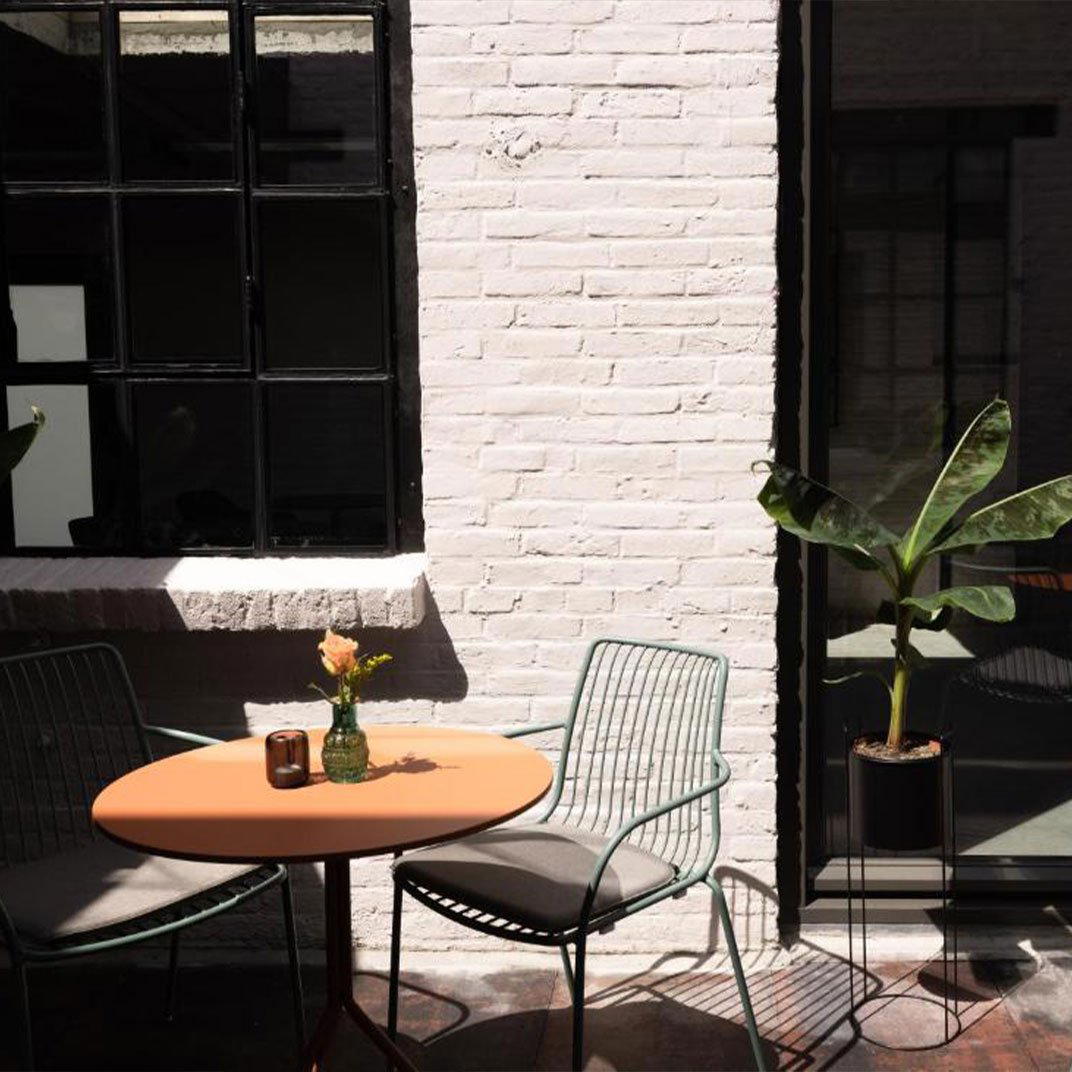
Hasselt, Belgium
Ogst holds a Michelin star in Hasselt's compact fine-dining tier, pairing Modern French technique with organic produce sourced from local Belgian farmers. The Scandinavian-inflected interior keeps ceremony to a minimum while the kitchen pursues combinations of real precision — Jerusalem artichoke with squid and piquillo pepper, Landes chicken with Chinese artichoke and Albufera sauce. A focused, unpretentious address in a city that rewards those who look beyond Brussels.

Lugano, Switzerland
META operates at the upper tier of Lugano's dining scene, where Chef Arturo Fragnito's Asia-inflected fusion menu draws on high-quality local products and a wine list anchored in Swiss and Italian producers. Open Wednesday through Saturday from 7 PM, the restaurant is relocating to Piazza Riforma and reopening on October 8, 2025, with a contemporary interior whose brightness mirrors the lake outside.

Vejle, Denmark
Set within Munkebjerg Forest above Vejle, Treetop holds a 2025 Michelin Plate and a White Star from Star Wine List, with a cellar of 18,000 bottles and a 650-label wine list weighted toward Bordeaux, Burgundy, and Italy. Chef Bjarke Jeppesen's modern menu draws on regional ingredients with a precision that puts Treetop among the more serious dining options in Jutland's mid-tier fine-dining scene.

Kyoto, Japan
A Tabelog Bronze Award winner every year since 2017 and a repeat entry in the Tabelog Japanese Cuisine WEST 100, Nawaya operates from a converted house in Kyotango — roughly 2.5 hours north of Kyoto city — where Chef Yukinori Yoshioka runs an eight-seat L-shaped counter focused on fish cookery and daily-changing menus shaped by the Tango coast and surrounding farmland.

Kyoto, Japan
In Kyoto's Kamigyo Ward, Epice operates at the intersection of French technique and regional Japanese produce, with the kitchen placing vegetables at the centre of the menu rather than treating them as support. French wines feature prominently on the list, signalling a house orientation that sits well outside the kaiseki mainstream. For diners seeking something beyond the city's dominant Japanese formats, it reads as a deliberate counterpoint.
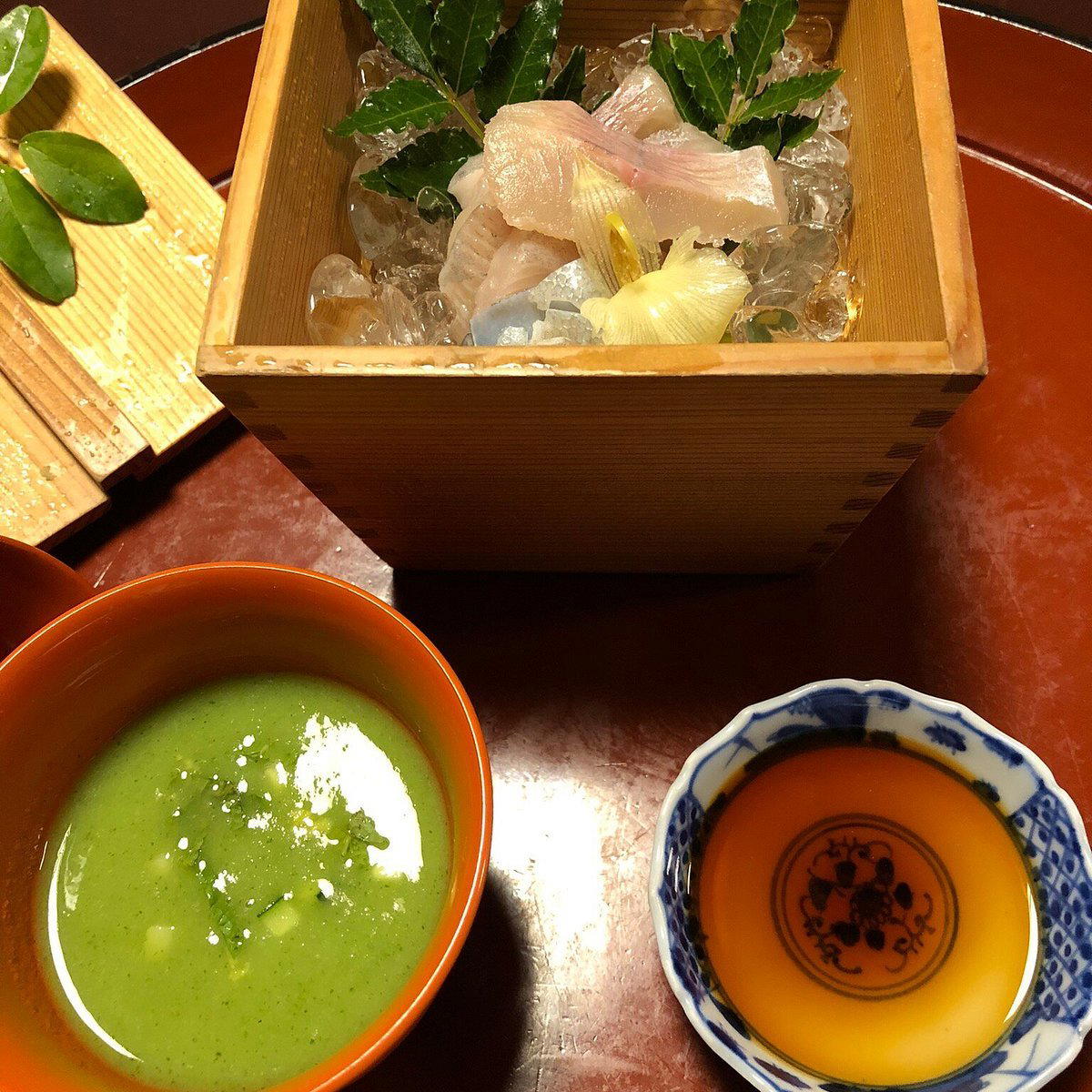
Kyoto, Japan
An hour's drive from central Kyoto into the mountains of Sakyo-ku, Miyama Sou operates as both restaurant and inn, run by the Nakahigashi family across four generations. Chef Hisato Nakahigashi forages daily from the surrounding land, building menus from what the mountain offers rather than what a supplier delivers. For those who find city kaiseki too controlled, this is where the discipline of that tradition meets something less predictable.

Roermond, Netherlands
A Michelin Plate holder and We're Smart Green Guide three-radish recipient, Rura by Naomi and Joey operates at the intersection of classical French technique and plant-forward cooking in central Roermond. Two set menus anchor the experience, one built around vegetables and one not, with roughly half of all guests opting for the plant-based route. At the €€ price tier, the format sits somewhere between casual warmth and serious culinary intent.

Madrid, Spain
Where Madrid's Barrio de las Letras neighbourhood eats on a weekday: La Huerta de Tudela on Calle del Prado draws a loyal local crowd with vegetable-forward cooking rooted in Chef Ricardo Gil's own garden in Tudela, Navarra. Asparagus, artichokes, and mushrooms arrive in their most direct form, and the menu structure spans full vegetarian, flexible vegetable-led, and strictly vegan formats — a rarity in Madrid's centro dining scene.

Puligny-Montrachet, France
Situated on the central square of Puligny-Montrachet, Le Montrachet operates as both a hotel and restaurant anchored to Burgundy's most demanding terroir traditions. Chef Romain Versino sources Bresse poultry, Charolais beef, and organic vegetables from a dedicated horticulturist, building a plate-and-glass dialogue that has earned consecutive Opinionated About Dining Classical in Europe rankings and a Michelin Plate since 2023.

El Hierro, Spain
Set inside Valverde's Casino building, 8aborigen is the kitchen that put El Hierro's produce on Spain's fine-dining map. Chef Marcos Tavio builds menus around island-grown vegetables, with a fully plant-based option available in winter. Recognition from We're Smart — which tracks vegetable-forward restaurants across Europe — confirms what the menu makes obvious: the sourcing here is the point, not a supporting detail.

Mechelen, Belgium
Tinèlle holds a Michelin star for the second consecutive year in 2025, placing it among Mechelen's serious French contemporary addresses. Chef Ken Verscheuren's kitchen shows a marked commitment to vegetable-forward plates within a format that draws diners from well beyond the city. At the €€€ price point, it represents one of the more considered options in a dining scene that has quietly grown in ambition.

Gent, Belgium
DOOR73 sits on Hoogstraat as the sister address to Oak, one of Ghent's most recognised modern kitchens. Under chef Eric Ivanidis, the format shifts from Oak's fine-dining register to a sharing-plates concept built around international comfort cooking with an unusually strong vegetable programme. Two consecutive Michelin Plate recognitions confirm the kitchen's consistency at this more accessible price point.

Schriesheim, Germany
A Michelin-starred farm-to-table address in Schriesheim's Mühlenhof, Raro places vegetables and fruit at the centre of its menu without abandoning the regional cooking traditions of the Bergstraße. Chef Jan Hildenhagen leads a kitchen that earns its star through product discipline and local sourcing, making it one of the more considered fine-dining options in the Rhine-Neckar region.
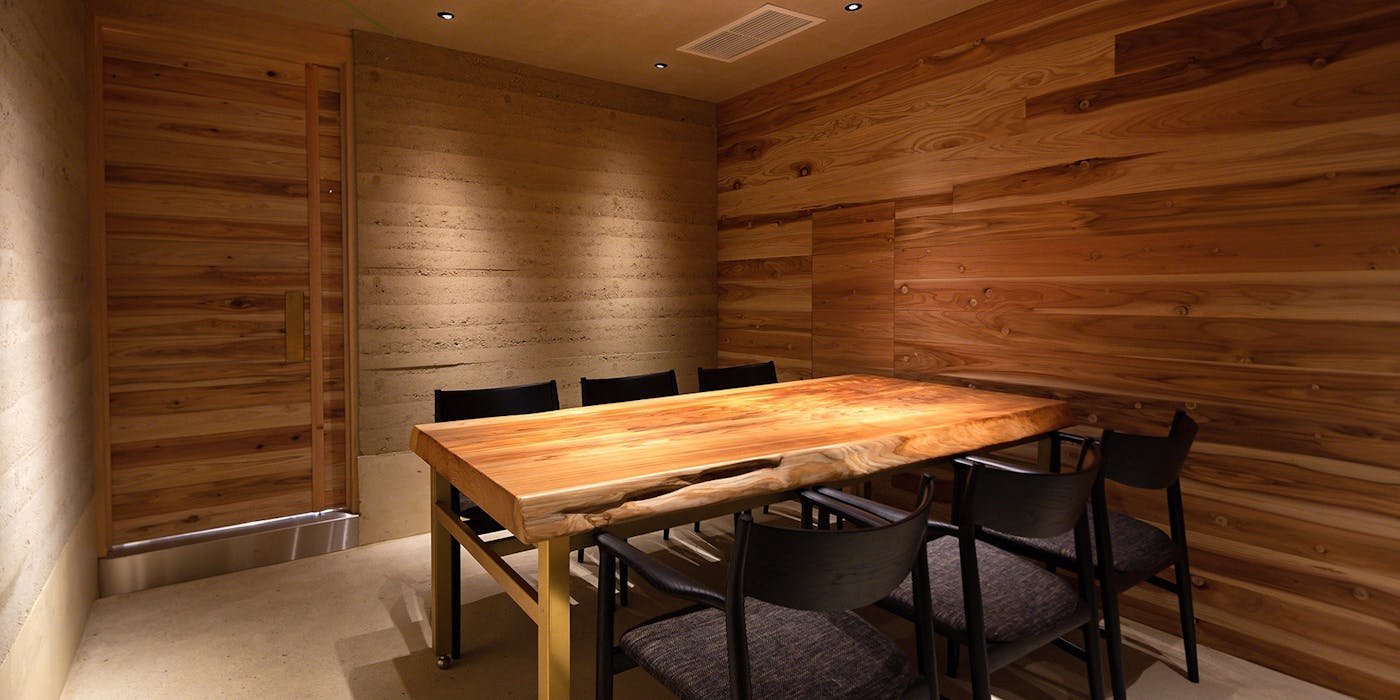
Tokyo, Japan
Nœud. TOKYO sits in Chiyoda's Hirakawachō basement, where an 'All Sustainable French' philosophy turns vegetable stems, peels, and leaves into a modern French menu built around aroma. Holding a Michelin Plate in 2025 and rated 4.8 on Google across 126 reviews, it occupies a distinct position among Tokyo's French restaurants — plant-forward, waste-minimising, and increasingly recognised for it.
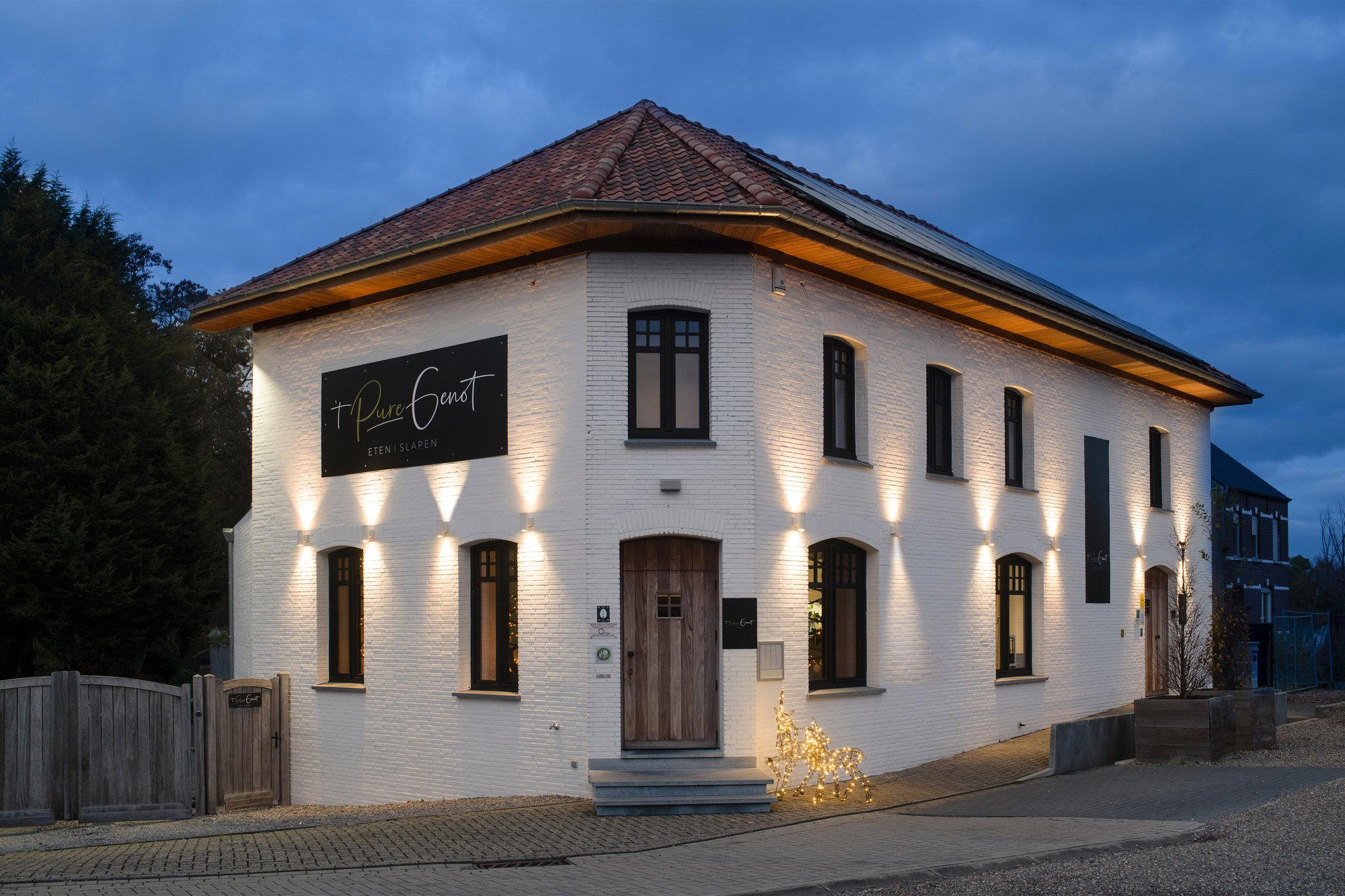
Dilsen-Stokkem, Belgium
't Pure Genot in Dilsen-Stokkem operates within the We're Smart vegetable-forward movement, where chef An Nelissen's 'Pure Nature' menu treats seasonal produce as the primary ingredient rather than a supporting element. The kitchen's commitment to waste reduction shapes both sourcing decisions and plate composition, placing this Limburg address in the same sustainability-focused conversation as Belgium's most discussed ingredient-driven restaurants.

Santiago, Chile
Ambrosia in Santiago is a contemporary French-Latin bistro that pairs market-driven cooking with an intimate, home-like setting. Must-try plates include Foie Gras with mushroom purée, a bright Citrus Ceviche, and Southern Toothfish with asparagus gazpacho and cucumber noodles. The kitchen, led by Chef Carolina Bazán, turns seasonal produce into refined, comforting dishes while sommelier Rosario Onetto curates a focused wine list to match. Ranked No. 30 in Latin America's 50 Best Restaurants in 2019, Ambrosia delivers efficient, warm hospitality in multiple dining rooms of a converted home, offering a relaxed yet polished meal that favors fresh flavors, precise technique, and memorable wine pairings.

Hamburg, Germany
Haebel holds a Michelin star in Hamburg's Schanzenviertel, operating at the €€€€ tier with a format that treats vegetable-forward cooking not as a concession but as a distinct creative direction. The Flora menu, which runs alongside the main offering, signals a kitchen that takes plant-based composition seriously. With a 4.7 Google rating across 480 reviews, the room attracts a crowd that skews younger and more curious than the city's older fine-dining circuit.

Vught, Netherlands
Inside a 17th-century villa on Raadhuisstraat, Sense splits its offering between a relaxed gastrobar and a more formal fine dining room, both overseen by chef Dennis Middeldorp. The kitchen draws on classical French technique, Dutch Cuisine principles, and a plant-forward agenda supplied in part by the local food forest Deer Farmer. Recognition from Michelin highlights the depth of cooking on both sides of the house.

Salzburg, Austria
Inside a converted metal factory on the edge of Salzburg, Senns holds two Michelin stars and a La Liste score of 92 points (2026). Chef Andreas Senn's cooking moves through Austrian produce with a distinctly contemporary hand, pairing brook trout with caviar and carabinero shrimp with quinoa alongside a wine list that draws from across the Alpine arc and beyond. Dinner runs Tuesday through Saturday from 6:30 pm.

València, Spain
Canalla Bistro sits in València's L'Eixample district as the casual counterpoint to Ricard Camarena's fine-dining work, running a globe-ranging menu weighted toward vegetables and ranked #804 in Opinionated About Dining's 2025 Casual Europe list. The room runs busy most nights, the format is informal, and the kitchen's vegetable-forward approach gives the wine list a different set of demands than the city's more protein-centred addresses.

Hengelo, Netherlands
Established in 1916 in Hengelo's historical Tuindorp neighbourhood, 't Lansink operates at the €€€€ tier with a kitchen built around regional sourcing — Twente asparagus, local game, and produce that shifts with the season. Chef Lars van Galen has drawn recognition from We're Smart for a plant-forward menu direction, while the chef's table and overnight accommodation make it a complete destination rather than a single-service stop.

Córdoba, Spain
Three Michelin stars and a La Liste score of 87 points place Noor at the top of Córdoba's dining hierarchy and among Spain's most consequential modern restaurants. Chef Paco Morales structures the experience around a rotating historical period, currently the 18th century, explored through three named menus that draw on Andalucian culinary heritage and Moorish tradition. The result is one of the most intellectually coherent tasting formats in southern Spain.

Reykjavík, Iceland
Inside the Radisson Blu 1919 Hotel on Pósthússtræti, Brút operates at the upper end of Reykjavík's modern dining tier, holding a 2025 Michelin Plate and back-to-back Star Wine List recognition in 2022. The kitchen works primarily with Icelandic seafood in purity-forward preparations, while a wine list spanning established labels and more unconventional selections makes it a credible destination for serious drinkers as much as diners.

Charleston, United States
On Wentworth Street in the heart of historic Charleston, Basic Kitchen builds its menu around what grows in its covered courtyard and what arrives from local farms, waters, and ranches. The kitchen draws on global culinary references while staying grounded in the Lowcountry's seasonal produce, local fish and seafood, and sustainably farmed meat. It is a reference point for health-conscious dining in a city more often associated with fried heritage and barbecue tradition.

San Antonio de Benagéber, Spain
Fifteen kilometres from Valencia, Simposio operates in the quiet village of San Antonio de Benagéber with a format that prioritises ingredient provenance and direct kitchen access. Four tasting menus, including a dedicated ovolactovegetarian option, showcase produce rooted in the surrounding region. The open kitchen with its central island turns a meal here into something closer to a conversation than a transaction.

Singapore, Singapore
Le Pristine brings Sergio Herman's European fine-dining sensibility to the Grand Hyatt on Scotts Road, with Chef Sebastian Feldbacher running the kitchen on a program centered on seafood and pasta. The format sits inside Singapore's upper tier of European fine dining, where the cooking draws on Italian reference points while remaining attentive to produce quality. We're Smart Green Guide recognition signals a genuine commitment to vegetables, even where plants play a supporting role.

The Hague, Netherlands
A Michelin Plate recipient for both 2024 and 2025, 6&24 on Nobelstraat positions itself at an interesting intersection in The Hague's modern dining scene: €€€ pricing, a committed plant-based menu, and a format built around professional front-of-house craft. Owned by chef Rik van der Laar and sommelier-maître Saskia de Kuijer, the restaurant has accumulated a Google rating of 4.8 across more than 500 reviews.

Ixelles, Belgium
At Place St Boniface in Ixelles, Savage operates within a growing Brussels tradition of vegetable-first cooking built on traceable organic supply chains. The menu is structured around 100% plant-based creations, with fish or meat available as paid supplements. A closed-loop composting programme called Recyclo connects kitchen waste directly back to regional vegetable growers, making the sourcing cycle unusually legible for a mid-price restaurant.

Lima, Peru
Set inside the 17th-century Casa Moreyra hacienda in San Isidro, Astrid & Gastón has held a place in the World's 50 Best Restaurants every year from 2011 to 2018, peaking at #14 in 2013 and 2015. Under chef Jorge Muñoz Castro, the restaurant runs a tasting format built around Peruvian biodiversity, with vegetables as a recurring editorial thread. Ranked #9 in South America by Opinionated About Dining in 2025.
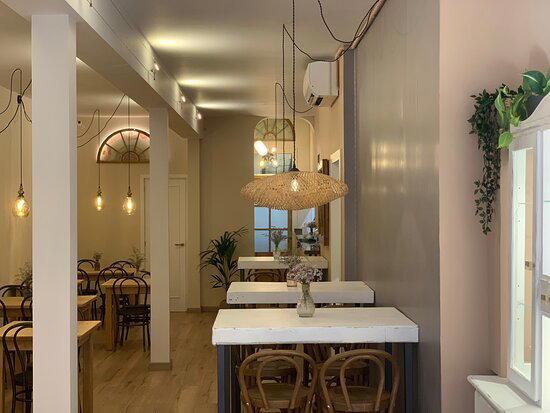
Langenlebarn, Austria
Floh in Langenlebarn operates somewhere between a Wirtshaus and a working farm ecosystem, with an on-site vegetable garden, market, and shop anchoring a menu built around organic, regional produce. The JRE-affiliated restaurant holds a Michelin Plate (2025) and a Star Wine List #1 ranking, and carries a 4.8 Google rating across more than 1,200 reviews. At the €€ price point, it represents a serious-cooking Wirtshaus format that sits well outside the typical rural Austrian middleground.

Santiago de Compostela, Spain
A Michelin-starred address on Rúa da Virxe da Cerca, A Tafona brings contemporary technique to the seafood and vegetable traditions of Galicia. Chef Lucía Freitas — trained at El Celler de Can Roca and Mugaritz — structures the meal around two tasting menus, Limiar and Alba de Gloria, in a dining room where medieval stone walls meet a glazed skylight overhead. One of Santiago de Compostela's most considered restaurants for the full ritual of a long lunch or dinner.

Mougins, France
L'Amandier de Mougins sits in the hilltop village above Cannes where Provence's market-garden produce has long set the kitchen's agenda. Under chef Sébastien Zunino, seasonal vegetables remain the structural core of every plate, with a plant-forward menu that has earned recognition from the We're Smart community. The address on Avenue Jean-Charles Mallet is a reliable stop for ingredient-driven cooking in one of the Côte d'Azur's most storied dining villages.
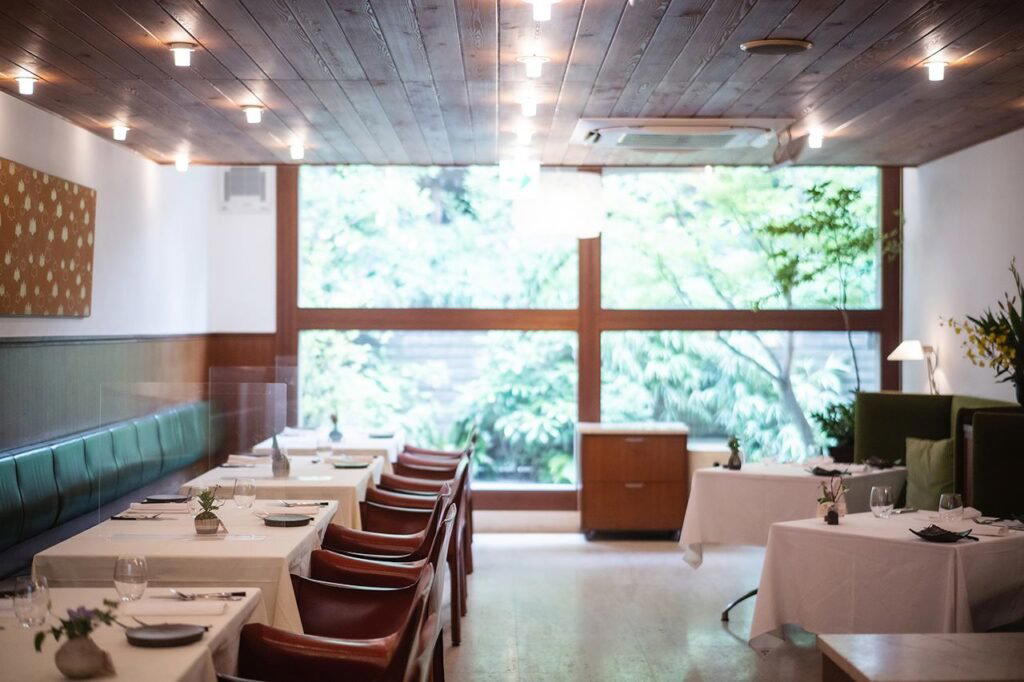
Kyoto, Japan
Il Ghiottone occupies a compelling niche in Kyoto's Higashiyama district, translating Japanese precision and seasonal produce through an Italian-inflected lens. The result is a quietly confident fusion that rewards diners who come with curiosity rather than expectation. Located steps from the historic Yasaka Kamimachi quarter, it makes a considered choice for a meal that warrants a specific evening rather than a casual reservation.
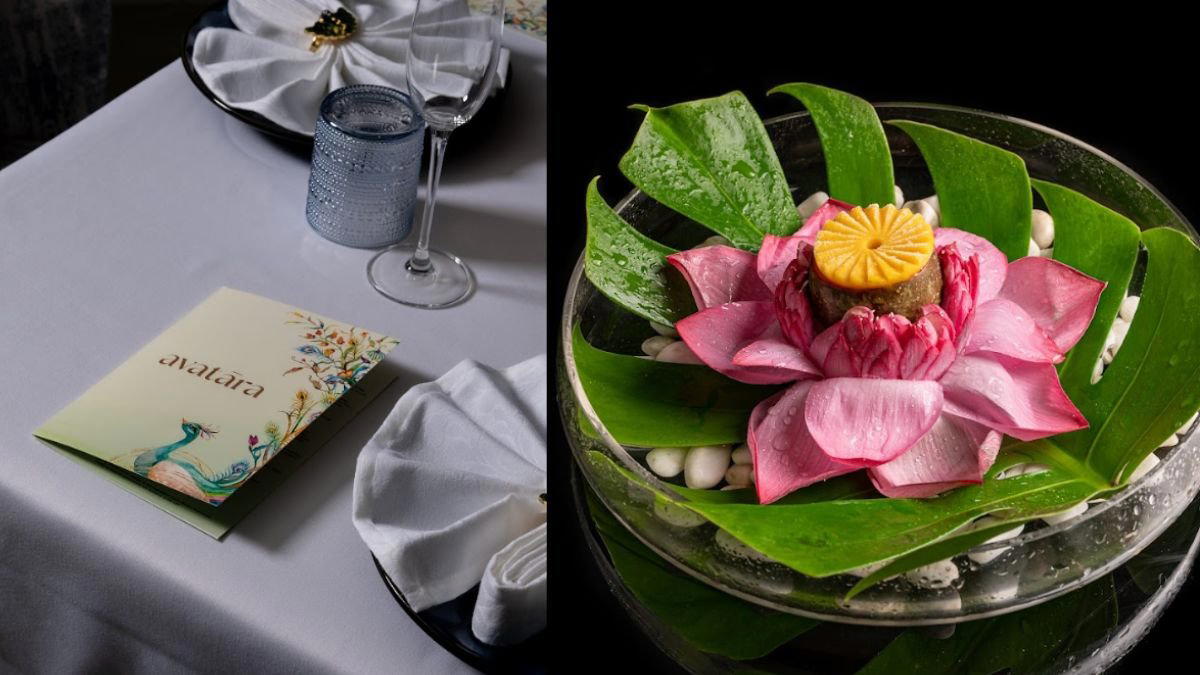
Mumbai, India
On the seventh floor above Juhu Tara Road, Avatara makes a case that 100% plant-based cooking and the full range of Indian culinary tradition are not in tension but in conversation. Recognised by the We're Smart Green Guide for sophisticated, colourful pure-plant cuisine, and noted for a non-alcoholic drinks menu that holds its own against the wine list, it sits at a tier of Mumbai dining where ambition and sourcing discipline define the offer.
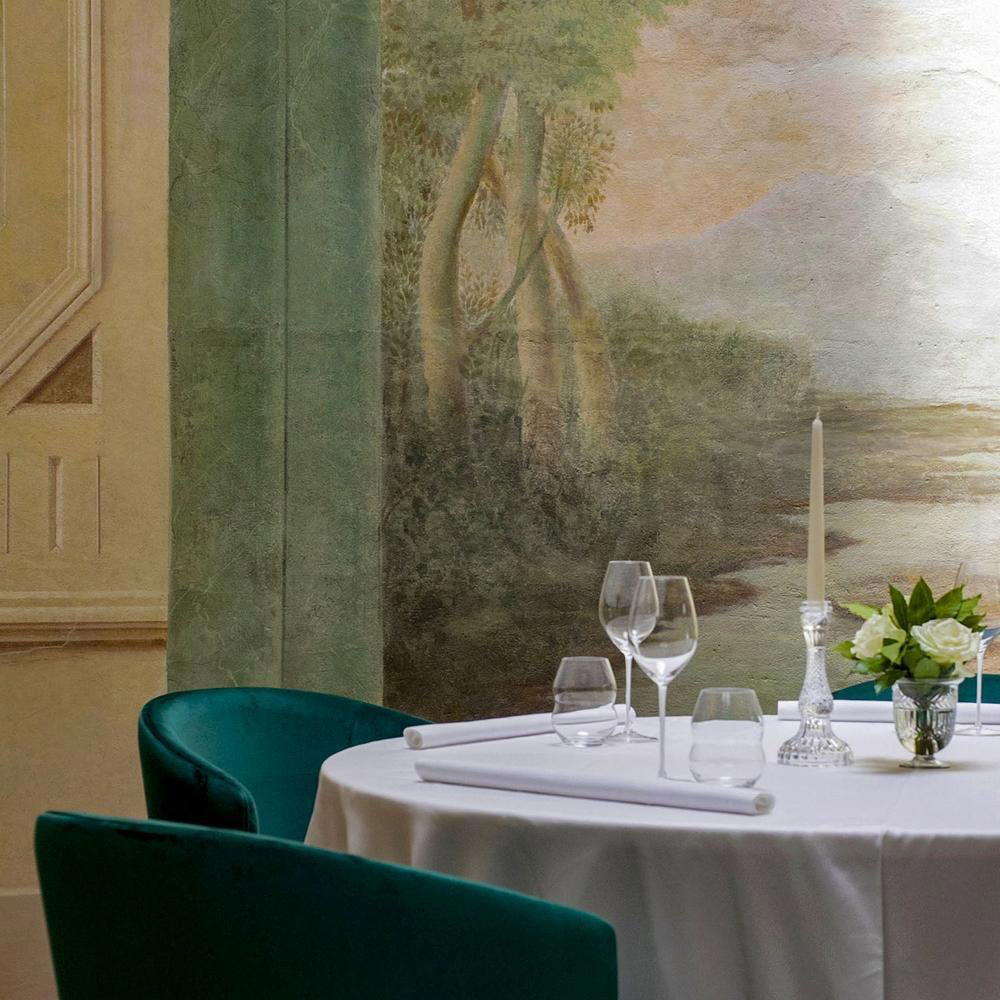
Sint-Oedenrode, Netherlands
Odille distills the spirit of modern French cuisine into an intimate coastal sanctuary, where fire, seasonality, and craftsmanship converge. The dining room glows with understated warmth—linen-dressed tables, sculptural ceramics, the soft hush of conversation—while a meticulous team ushers guests through a refined progression of wood-kissed courses. Expect pristine seafood, garden-bright vegetables, and heritage meats transformed by live fire and exacting technique, paired with a sommelier’s nuanced selections from Old World icons and rare, small-lot producers. Odille is not simply a meal; it is a thoughtful, lingering encounter with flavor, texture, and time, designed for those who savor subtlety and seek quiet, cultivated luxury.

Brussels, Belgium
Entropy occupies a address on Place Saint-Géry in central Brussels, serving a fully plant-based menu that earned chef Elliott Van de Velde the maximum five-radish rating from We're Smart in 2025. The kitchen operates within a strict seasonal framework, with each dish constructed around vegetables and plants as the primary language of the plate. It sits at the serious end of Brussels' growing plant-forward dining scene.
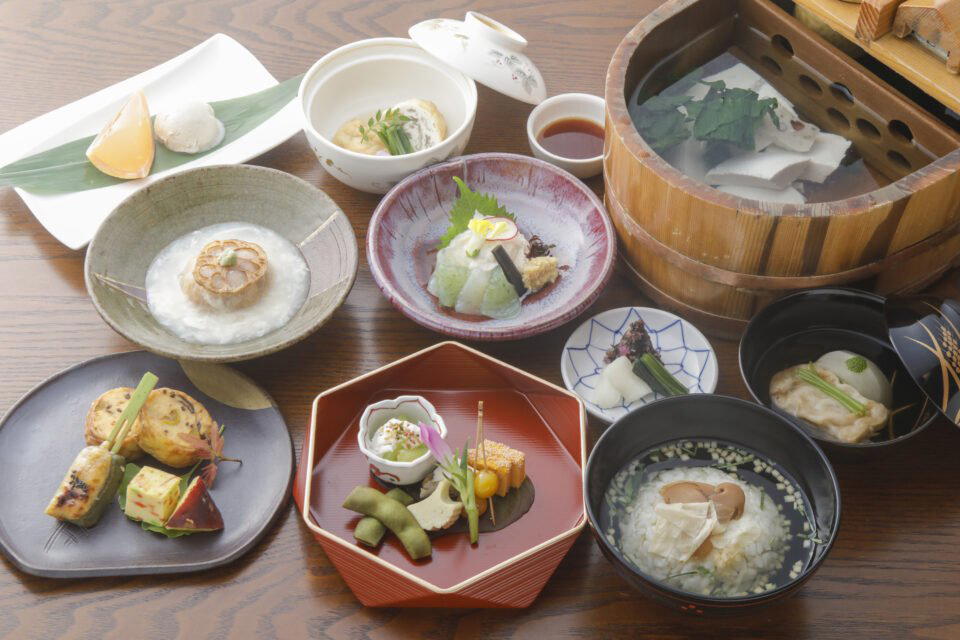
Kyoto, Japan
On Kiyamachi's canal-side stretch in central Kyoto, Tousuiro occupies a position that few restaurants in the city attempt: a classical Japanese kitchen built around vegetables, with a fully plant-based path available through the Rokuhara menu. The seasonal presentations are precise and visually coherent, though the We're Smart Green Guide — which lists the restaurant — notes that a more personal culinary voice would sharpen its case further.

Córdoba, Spain
Terra Olea holds consecutive Michelin Bib Gourmand recognition (2024 and 2025) for contemporary cooking that draws directly from Córdoba's small producers. Two tasting menus — Flos and Cibarium — frame olive culture and regional agriculture as their central subject. At a €€ price point in the Arruzafilla district, it sits in a different register to Córdoba's starred rooms while sharing their commitment to provenance.

Barcelona, Spain
Rodrigo de la Calle's Barcelona address on Gran Via brings the plant-forward philosophy of his celebrated 'green cuisine' to the Eixample, with tasting menus built around organically grown produce and small-scale local suppliers. Holding a Michelin Plate for 2024 and 2025, and recognised with a We're Smart Discovery Award for Spain in 2022, Virens sits at the thoughtful end of Barcelona's contemporary dining scene at the €€ price point.
London, United Kingdom
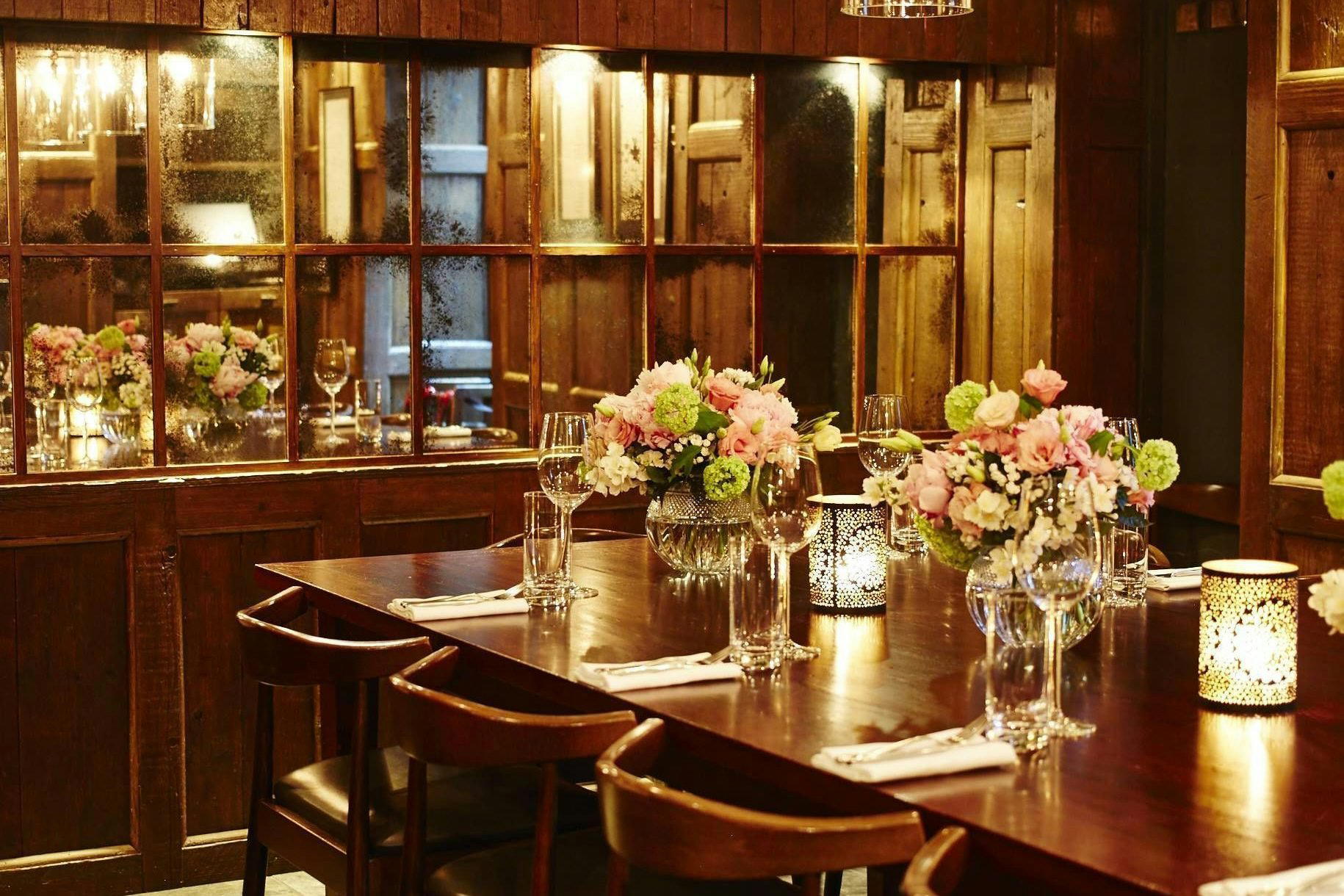
Trishna has held a Michelin star since 2012 and remains one of London's most coherent arguments for India's southwest coastal kitchen. The menu draws from Cochin, Kerala and Mangalore, with seafood as the anchor and spicing that ranges from clean and aromatic to deeply layered. The wine list, assembled with producers from lesser-known regions, is among the more thoughtfully matched in London's Indian dining tier.

Izegem, Belgium
De Smaak in Izegem brings the creative vegetable kitchen into a West Flemish setting, with chef Wouter Creytens — a veteran of Frank Fol's vegetable-forward philosophy — combining seasonal produce with fish and meat in preparations that treat vegetables as the structural centre of the plate. Dishes such as pak choi with couscous, soy and shiitake or carrot with sucrine and aged cheese signal a kitchen working well beyond standard Belgian bistro territory.

Vinaròs, Spain
A Michelin Bib Gourmand recipient for 2024 and 2025, Rubén Miralles operates from a narrow side street near Vinaròs's Plaza Parroquial, delivering modern Spanish cooking that draws on the Valencian coast, the local market garden, and global references from Arabia to Peru. Four distinct menus span weekday lunch to a full vegan tasting format, all at a price point that makes this one of northern Castellón's most purposeful dining addresses.

Antwerp, Belgium
Folia has earned five Radish awards from the Michelin plant-based recognition program, making it one of Belgium's most decorated vegetable-forward restaurants. Chef Bart Gauwloos and restaurant manager Alain Lepage have built a 100% plant-based format on Antwerp's Mechelsesteenweg that rewards serious attention. The menu architecture, not the ingredient list, is the reason to book.

Tokyo, Japan
A Michelin Plate French restaurant in Shibuya's Shoto neighbourhood, Keichitsu takes its name from a Japanese micro-season marking the first stirrings of spring. Chef Yuki Matsumoto, trained at La Grenouillère in northern France, builds tasting menus around a small number of seasonal ingredients prepared multiple ways on a single plate, with a fully plant-based menu available on request. Priced at ¥¥¥, it occupies a quieter tier than Tokyo's top-rated French houses.

Copenhagen, Denmark
On the quiet canal-side stretch of Christianshavns Voldgade, Lola occupies a different register from Copenhagen's headline tasting-menu circuit. Chef Kamilla Sneidler brings a vegetable-forward sensibility shaped by years in Latin America, producing a menu that surprises without ideological rigidity. Recognised by We're Smart for its approach to produce, Lola rewards the kind of occasion that calls for something genuinely considered rather than merely celebrated.

London, United Kingdom
Bubala on Poland Street brings Michelin Plate-recognised Middle Eastern vegetarian cooking to Soho, where naturally fermented flatbreads and sharply spiced plant-based plates share the table with a largely natural wine list. Chef Helen Graham leads a kitchen that treats za'atar, sumac, and baharat as structural elements rather than garnish. Google reviewers rate it 4.7 from over 1,200 visits.

Budapest, Hungary
The sister restaurant to Budapest's first Michelin-starred Costes sits on the ground floor of the Prestige Hotel in District V, running a vegetable-forward modern menu under the Costes Group umbrella. A Michelin Plate holder with a 4.8 Google rating across more than 2,500 reviews, it operates at the €€€€ tier and ranks #656 in Opinionated About Dining's 2025 European list — accessible fine dining by Budapest standards, with serious wine credentials to match.

Athens, Greece
Soil Restaurant occupies a neoclassical house in Athens' Pagrati neighbourhood, where Michelin-starred chef Tasos Mantis runs a single tasting menu built around his own kitchen garden. Ranked #399 in Europe by Opinionated About Dining in 2024, Soil sits in the smaller tier of Athens fine dining that grounds its identity in land and season rather than imported luxury.

Lyon, France
At 52 Rue Tronchet in Lyon's 6th arrondissement, Mertensia is one of France's few serious plant-forward restaurants to also put the sea at the center of its proposition. Recognized by We're Smart for Chef Flavien Guarato's clean, season-led approach, the kitchen offers both a fully plant-based path and a menu that pairs vegetables with seafood — a rare dual commitment in a city built on classical tradition.

Kyoto, Japan
Among Kyoto's kaiseki houses, Sojiki Nakahigashi occupies a distinct position: a two-Michelin-star counter in Sakyo Ward where the menu is built around wild plants foraged daily from the surrounding hills. Tabelog Silver-rated with a 4.31 score, it holds consistent placement on Opinionated About Dining's Japan rankings and La Liste's global list. Dinner runs ¥30,000–¥39,999; lunch offers the same kitchen at ¥10,000–¥14,999.

Hokkaido, Japan
A We're Smart World tailor-made project in Sapporo's Nishi Ward, Agriscape anchors its kitchen in the organic farming networks that define Hokkaido's agricultural identity. The food travels from soil to table with unusual directness, shaped by a young team of growers and cooks who treat the land around Sapporo as both supplier and creative brief. For anyone tracing Japan's farm-driven dining movement beyond the major cities, this is a serious reference point.

Voorburg, Netherlands
A hotel restaurant in Voorburg that has grown well beyond its gastrobar origins, Central Park has built one of the most consistently recognised wine programs in the Netherlands, earning Star Wine List recognition in both 2024 and 2025. The kitchen pairs seasonal Dutch produce with European technique, placing it in the same serious tier as top tables in The Hague's broader dining orbit. Gijs Verbeek leads the floor with a no-nonsense approach to hospitality that matches the menu's directness.

Montpellier, France
Bistro Folia operates inside Château de Faugergues, a historic estate on the edge of Montpellier, where chef Damien Fourvel builds plates around vegetables in a supporting role that quietly accounts for half or more of every dish. The setting alone, a working château with grounds, reframes what a bistro lunch or dinner can mean in the Hérault. Plan around it rather than stumbling upon it.

Sint-Denijs, Belgium
Sensum holds two consecutive Michelin stars (2024–2025) and operates as a wine bar and restaurant along the Kortrijksesteenweg in Ghent's southern corridor. The kitchen works in a refined, concentrated register — small tasting portions that carry real weight — and accommodates a fully vegetable menu on request, without listing it formally. Rated 4.7 across 236 Google reviews, it sits at the €€€ price tier.
Warmond, Netherlands
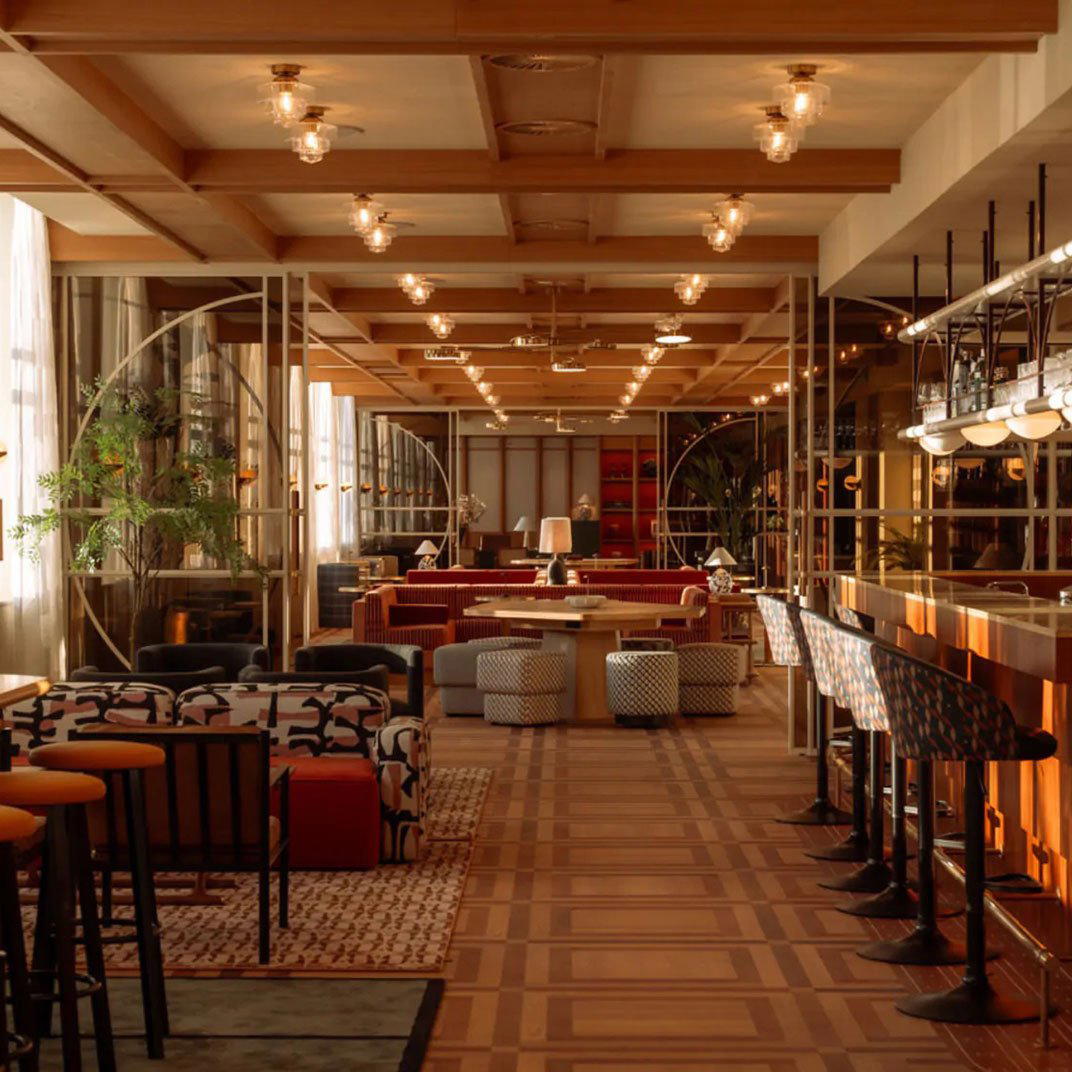
Operating from a converted 1996 farmhouse in the village of Warmond, De Moerbei holds two radishes in the We're Smart Green Guide and a Google rating of 4.8 from 236 reviews. Chef Michael Corpel builds his menus around North Sea produce and local sourcing, threading in global technique — dashi-infused beurre blanc, herb oils — without losing the register of classic Dutch coastal cooking.

Lima, Peru
In San Isidro's quieter residential stretch, El Pan de la Chola has become a reference point for bread-led café dining in Lima. Ranked 51st in Opinionated About Dining's 2025 South America list, the bakery under chef Pamela Davila operates around a sustainability-first sourcing philosophy that shapes everything from the loaves to the juice program. It sits in a different register from Lima's tasting-menu circuit, but earns its place on the same serious dining map.

Naples, United States
Sails at 301 5th Ave S occupies a polished position in Naples, Florida's dining scene, earning recognition in the We're Smart Green Guide for its dedicated plant-based menu options. The room pairs a serious cocktail and wine program with classic, product-driven cuisine, making it one of the few addresses in Southwest Florida where plant-forward dining reaches this level of formal ambition.

Barcelona, Spain
Impar occupies the ground floor of Barcelona's Hotel Sofia, dressed in mid-century vintage decor that sets a deliberately unhurried tone. The menu draws from five continents while anchoring everything in Mediterranean produce, with sharing plates, housemade pasta, rice, and wood-fired pizzas forming a wide spread that suits groups and solo diners alike. It reads less as a fine-dining statement and more as a well-resourced hotel restaurant comfortable in its own register.
Castelrotto (BZ), Italy
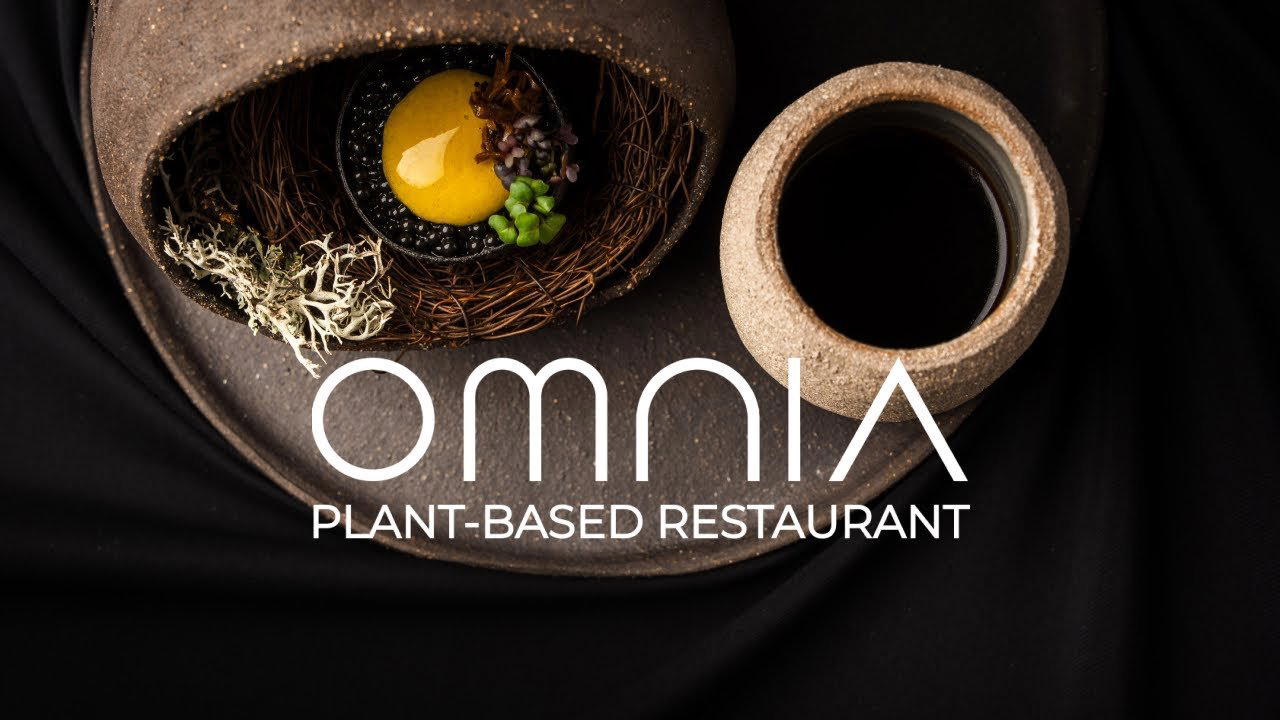
At 2,000 metres in the South Tyrolean Alps, Omnia takes an uncompromising position in plant-based fine dining, operating within a hotel concept built entirely around the same principle. Recognised by the We're Smart Green Guide for chef Aggeliki Charami's vegetable-forward approach, the restaurant sits at an altitude where ingredient sourcing is both a constraint and a creative driver — and that tension produces compelling food.
Zwolle, Netherlands
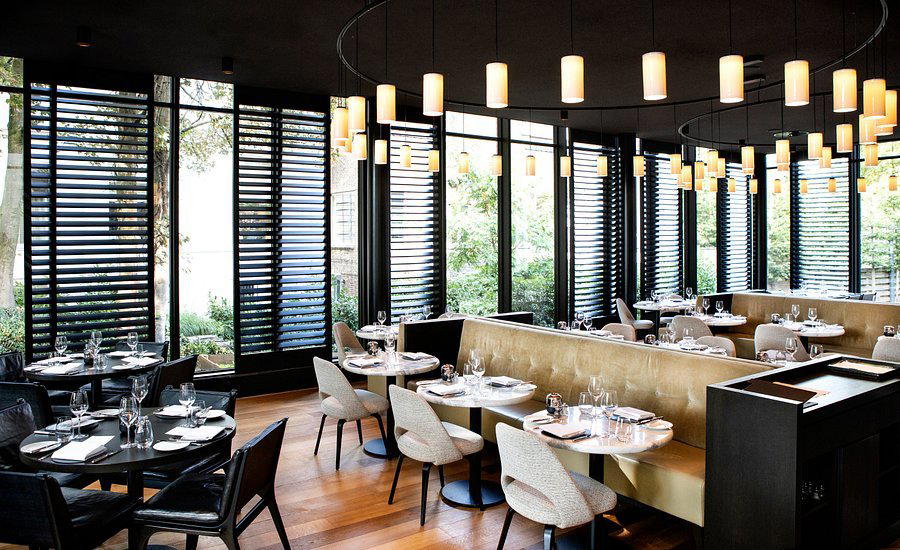
Coperto Restobar operates from within the Pillows Hotel on Stationsweg, a short walk from Zwolle's city centre and steps from De Librije's own address. Chef Gijs Koopman runs an all-day format that spans breakfast through dinner, with a growing interest in plant-based cooking that the kitchen is still refining. The setting does most of the heavy lifting: a beautifully restored hotel interior that makes it one of the more atmospheric dining rooms in the city.

Delden, Netherlands
Set on the historic Landgoed Carelshaven estate near Kasteel Twickel, this Michelin Plate-recognised restaurant channels Modern French technique through produce grown on the property's own vegetable garden. Chef Daniël Nijkamp, recognised by the JRE as a young talent to watch, brings classic French structure to ingredients that have rarely travelled far from the soil. A rare combination of country-estate accommodation dating to 1772 and serious kitchen ambition in the Twente region.

Forest, Belgium
Set inside a handsome mansion on Avenue Brugmann, this Forest address from French-Belgian chef Mathias Vaneeno holds a Michelin Plate for cooking driven by daily market sourcing. Fish, crustaceans, and shellfish define the menu's direction, joined by seasonal produce from Belgian and northern French suppliers. At the €€€€ tier, it competes with Brussels' sharper fine-dining addresses without leaning on formality for its own sake.
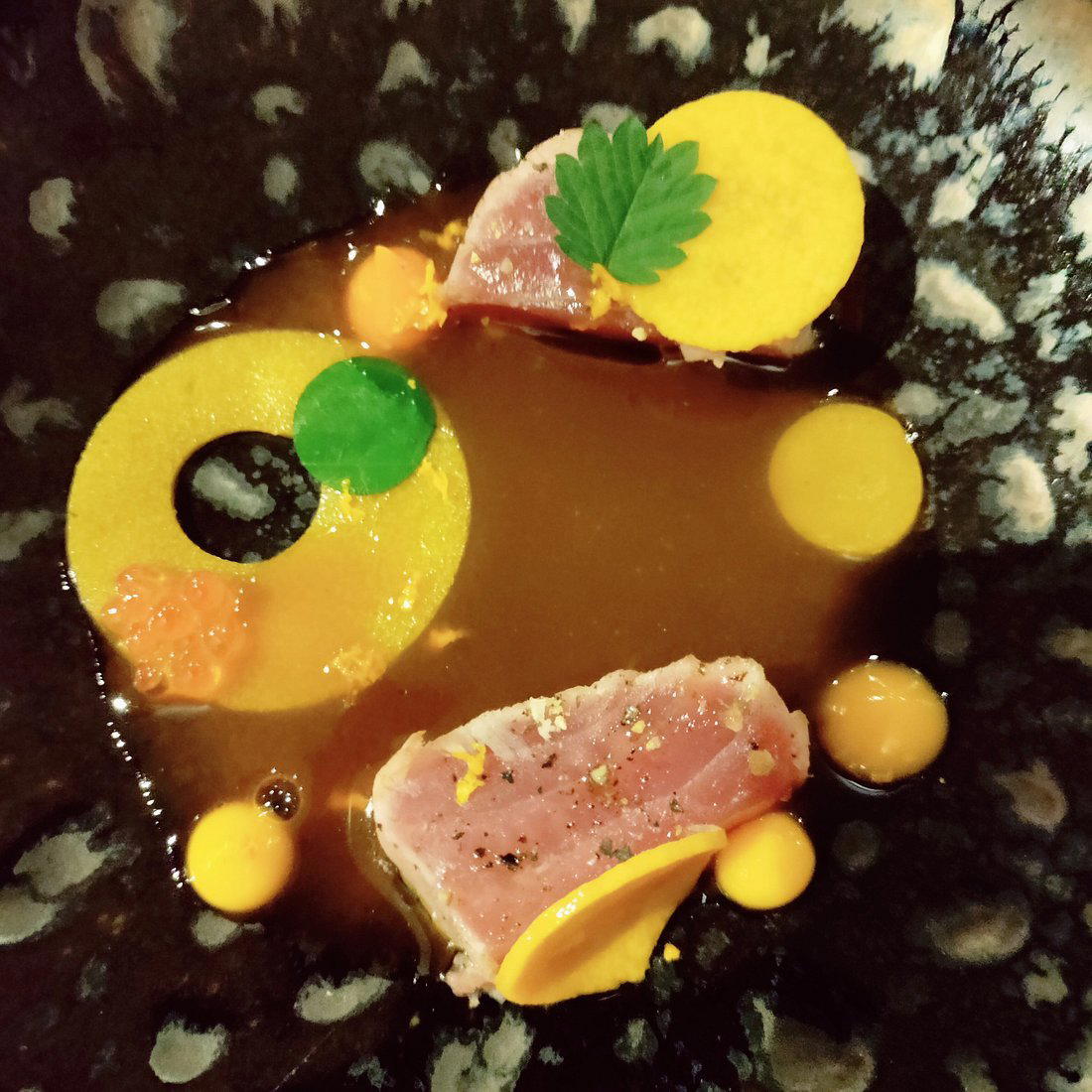
Brakel, Belgium
La Granja 4 Hoeve sits in the Flemish Ardennes outside Brakel, where chef Stefan Van Paemel draws on southern European sensibility and local agricultural rhythms in equal measure. The kitchen has earned recognition from the We're Smart Green Guide for its treatment of vegetables, herbs, and flowers as primary ingredients rather than supporting cast. For anyone tracing Belgium's vegetable-forward dining movement beyond the cities, this address belongs on the itinerary.

Marbella, Spain
Kava is a five-table tasting menu restaurant in Marbella's old town, where chef Fernando Alcalá builds seasonal menus around Andalusian raw materials and fermentation, with technique that draws on Asia, Latin America, and Spain in equal measure. Awarded a Michelin Plate in 2024 and 2025, and ranked #389 in Opinionated About Dining's Top Restaurants in Europe for 2024, it occupies a distinct tier among the Costa del Sol's serious kitchens.

Vailhan, France
A Michelin-starred auberge in the village of Vailhan, Äponem operates from a converted presbytery where the kitchen draws directly from an on-site vegetable garden and foraged wild herbs. The cooking sits in the precise, produce-led register that defines the best of provincial modern French cuisine. With a 4.7 Google rating across 610 reviews, it has built a quiet but committed following in the Languedoc.
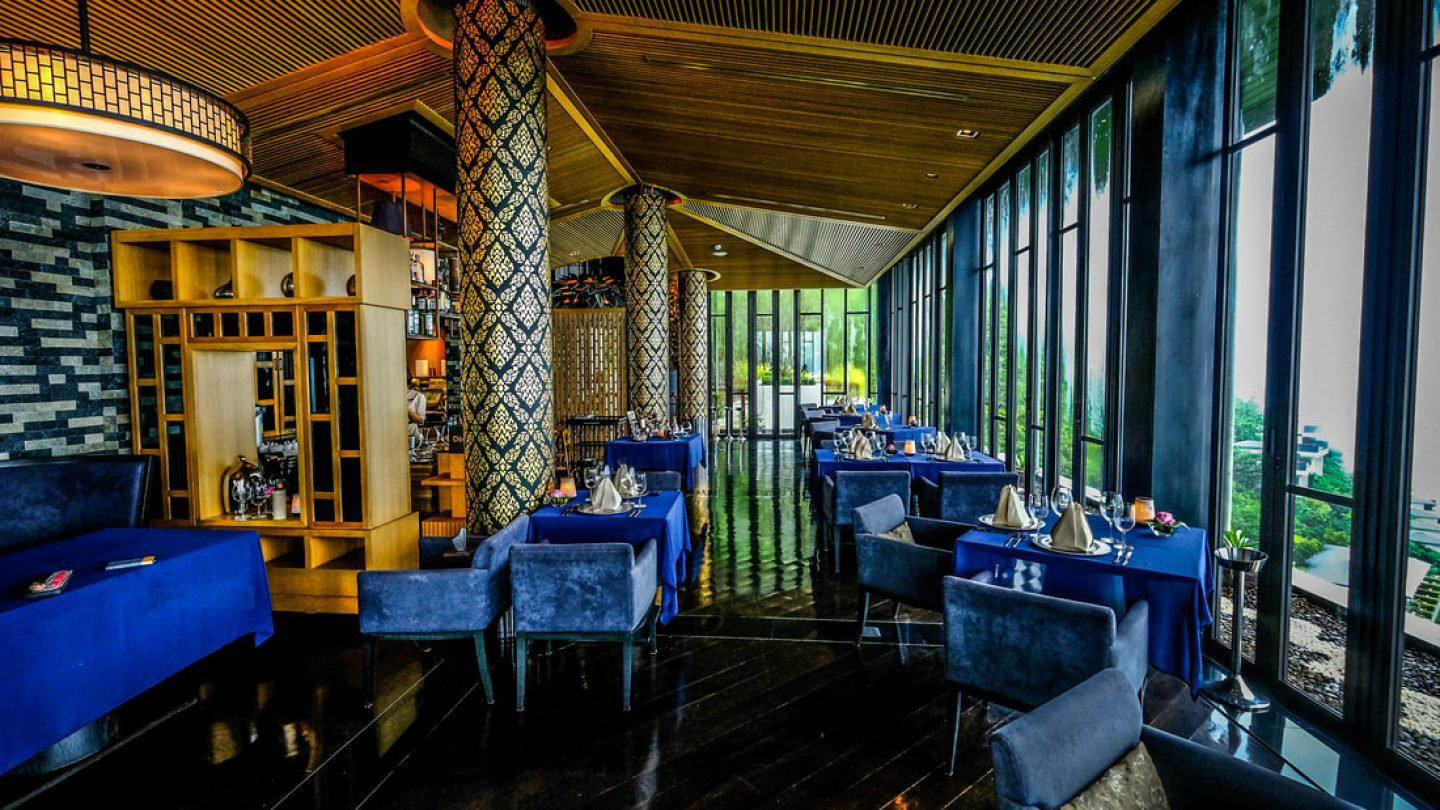
Surat Thani, Thailand
Jahn sits at the top of Ko Samui's Hillcrest Road inside the Conrad hotel, where chef Nicolas Piatti's wholly plant-based menu draws on the property's own farm and a rigorous approach to waste. The result is a vegetable-forward tasting format that positions itself well outside the island's standard resort dining tier, with a clifftop view over the Gulf of Thailand that reinforces the separation.

Luxembourg, Luxembourg
Holding two Michelin stars and 85 points in La Liste 2026, Léa Linster in Fréiseng operates at the uppermost tier of Luxembourg's formal dining scene. Under chef Louis Linster, the kitchen continues the restaurant's vegetable-forward approach to classical French cooking — a tradition rooted in the 1989 Bocuse d'Or victory that first placed this address on the European map.

Sint-Kruis, Belgium
A two-Michelin-star address in the Sint-Kruis countryside outside Bruges, De Jonkman holds 92.5 points from La Liste (2025) and a ranking of #219 in Opinionated About Dining's European list. Chef Filip Claeys, widely regarded as Flanders' leading fish cook, builds a creative Modern Flemish menu in which vegetables and marine produce carry equal weight across Wednesday to Saturday service.

Mafra, Portugal
A working quinta outside Mafra where the vegetable garden is not a decorative feature but the operational engine of the kitchen. Quinta do Arneiro holds recognition from the We're Smart Green Guide for vegetable-forward cooking that regularly reaches 100% plant-based territory. It represents a strand of Portuguese dining that prioritises what grows on the property over the conventions of classical Portuguese cuisine.

Saint-Martin-de-Belleville, France
Two Michelin stars and a La Liste score of 88 points place La Bouitte among the most serious alpine kitchens in France. Situated in the hamlet of Saint-Marcel above Saint-Martin-de-Belleville, the second-generation family restaurant runs a cuisine built entirely around Savoyard terroir: wild mountain plants, local fish, crayfish, dairy, and livestock from producers within the valley. Opinionated About Dining ranked it 31st in Europe for 2025.

Lincoln, Canada
Perched above Pearl Morissette Estate Winery in Ontario's Niagara region, Restaurant Pearl Morissette holds a Michelin star and ranks among North America's top restaurants on Opinionated About Dining. Daniel Hadida and Eric Robertson's tasting-menu format draws on training in Paris and rural Belgium to produce French-influenced farmhouse cooking that is deeply rooted in the 17-hectare regenerative farm below the dining room.
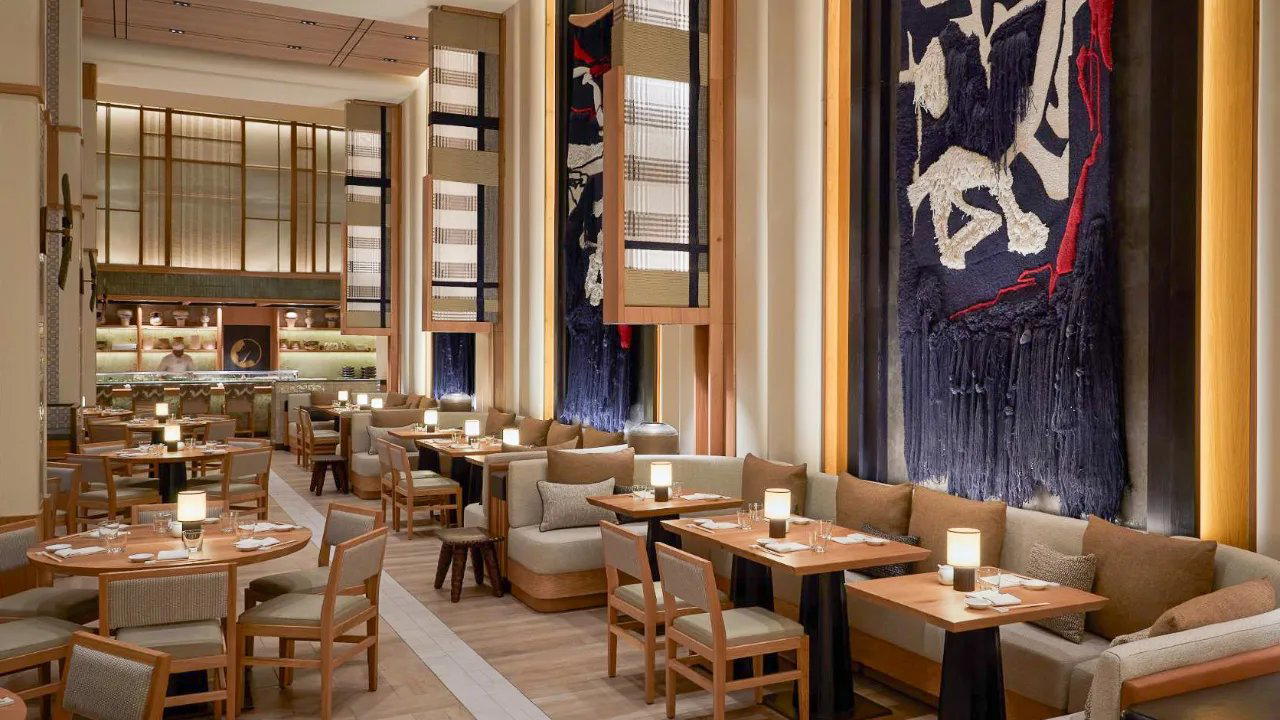
Cape Town, South Africa
Nobu at One&Only Cape Town brings the global Japanese-Peruvian format to the Victoria & Alfred Waterfront, operating under a 3-Star World of Fine Wine & Lifestyle Awards accreditation. The setting inside one of Cape Town's most prominent luxury hotels means the restaurant competes in a tier defined by international brand credibility and hotel-dining polish. Advance planning is advisable, particularly for weekend tables.

Grottaferrata Roma, Italy
Inside the frescoed walls of Villa Grazioli, a historic palazzo in the Castelli Romani hills above Rome, the Art Bistrot operates with a quietly serious commitment to plant-forward cooking. The kitchen accommodates fully plant-based menus on request at booking, placing it among a small tier of Italian dining rooms where vegetables hold structural rather than decorative weight. A detour well worth planning for anyone visiting the region.

Sint-Katelijne-Waver, Belgium
Ranked #250 in Opinionated About Dining's Classical Europe list and holding steady in the top 300 through 2025, Centpourcent brings French modern cuisine to the Mechelen hinterland with a lightness of touch that consistently draws a loyal crowd of regulars. Chef Axel Colonna-Cesari works with seasonal produce rooted in the agricultural identity of Sint-Katelijne-Waver, where fruit and vegetable cultivation is part of the local fabric. The €€€ price point makes this one of Belgium's more considered fine-dining propositions outside the major cities.

Hokkaido, Japan
A farm restaurant in Nakafurano committed to chemical-free, organic, and plant-forward cooking, Auberge Erba Stella has earned recognition from the We're Smart Movement for its uncompromising approach to sustainable agriculture and seasonal produce. Set in Hokkaido's agricultural heartland, it presents cuisine defined by purity over spectacle, making it a reference point for farm-to-table dining in northern Japan.

Toronto, Canada
Est Restaurant on Queen Street East brings a distinctly Canadian vegetarian lens to Toronto's fine dining conversation. Chef Sean MacDonald composes tasting menus around domestic ingredients and multicultural influences, earning recognition for technically precise presentations that treat plant-based cooking as the main event rather than an afterthought. The room sits in the east end, away from the downtown fine dining cluster, which shapes both the pacing and the atmosphere.

Seneffe, Belgium
A converted barn in Hainaut's countryside, Au Gré du Vent holds a 2025 Michelin star under chef Stéphanie Thunus, GaultMillau's 'Grande de demain' and 2014 Lady Chef laureate. The kitchen draws directly from the family farm opposite and neighbouring Hainaut producers, building a menu where vegetables and fruit anchor every plate. The adjacent Au Fil de l'Eau Hotel makes an overnight stay the logical extension of dinner.

València, Spain
On the Passeig de l'Albereda, Somos Raro works through classic Valencian cooking with a plant-forward discipline that sets it apart from the city's mainstream dining tier. Recognised by We're Smart for its vegetable-led menu — part fully plant-based, part amplified with tuna flakes or dried shrimp — it occupies a distinct position between neighbourhood trattoria and creative destination.

Kyoto, Japan
KOGA in Kyoto's Kamigyo Ward sits at the intersection of French classical training and Japanese seasonal produce. Chef Koga Ryuji, a protégé of Christian Le Squer in Paris, translates that influence through Kyoto's local ingredient culture, most notably in the Warm Salad built from Takagamine-district vegetables. We're Smart Green Guide has recognised the kitchen's commitment to natural flavours and plant-forward thinking.

Paris, France
On Rue de Richelieu in the 2nd arrondissement, Le Mesturet holds its ground as a traditional Parisian bistro operating under chef Alain Fontaine, who is affiliated with the 'Bon pour le climat' initiative. The menu balances classic bistro cooking with seasonal vegetable dishes sourced from local growers. For a celebratory lunch or an unhurried dinner rooted in the rhythms of old Paris, it reads as a considered choice.

Paris, France
Inside Paris's Gare Saint-Lazare, Lazare makes a compelling case that station dining need not mean compromise. Chef Eric Frechon's brasserie delivers the great classics of French cuisine — whole artichoke, sweetbread with morels, steamed asparagus — in a contemporary setting that holds a Michelin Plate and consistent recognition on the Opinionated About Dining Casual Europe list. Open seven days from morning through evening, it suits travellers and locals alike.
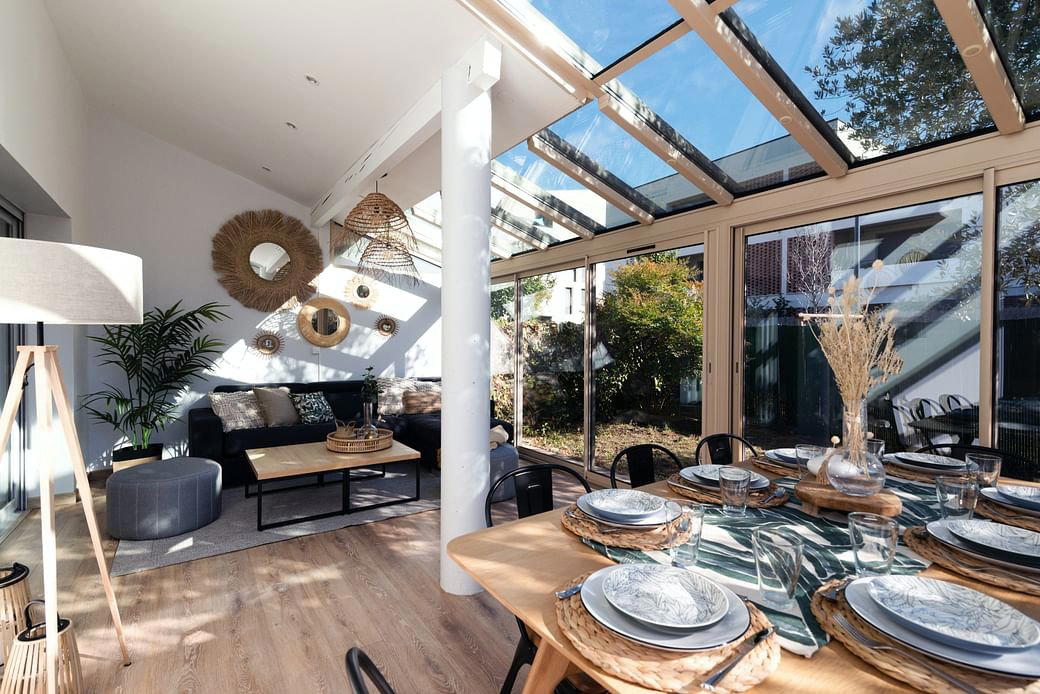
Toulouse, France
Les Jardins de l'Opéra sits at 1 Place du Capitole, where Stéphane Tournié — trained under Philippe Legendre at Taillevent and Christian Constant at the Crillon — serves a Southwest-rooted modern menu at the €€€ price point. A glass-roofed courtyard and parquet dining room make it one of Toulouse's most architecturally distinctive addresses. Open Tuesday through Saturday for lunch and dinner; closed Sunday and Monday.

Hue City, Vietnam
Rice Bowl at Angasana Hotel in Phú Lộc sits within a dining scene where Hue's deep rice culture meets a format that ranges from sushi to wok dishes and plant-forward plates. The room's wall of coloured bowls signals the concept before the food arrives, and Vietnamese hospitality sets the pace. Reservations are advised.
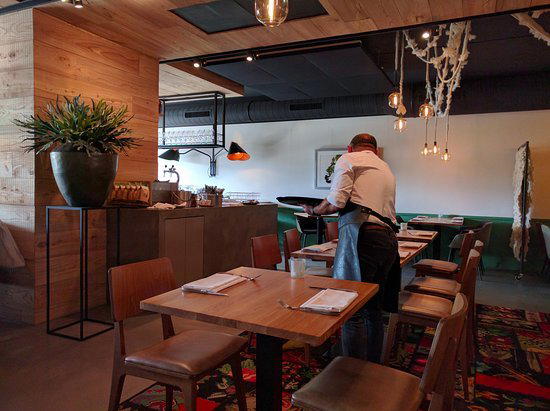
Hertogenbosch, Netherlands
At Pollevie in 's-Hertogenbosch, seasonal vegetables from the surrounding region take the structural centre of the menu rather than the plate's edge. Holder of the Michelin Plate in both 2024 and 2025, the contemporary restaurant at Hofvijver 2b inverts the traditional meat-led format, drawing on fermentation and cross-cultural technique to build dishes where local produce carries its own history. Google reviewers rate it 4.4 across 381 responses.

La Chapelle d’Abondance, France
In the Abondance valley, Esprit Montagne places the alpine terrain itself at the centre of the plate. Chef Raf Meuris draws on wild mushrooms, mountain herbs, edible flowers, and artisanal regional products to build a menu that reads as a direct translation of the surrounding landscape. For those combining serious eating with mountain rest, this is a considered address in a valley that rarely makes headlines outside ski season.

Brighton, United Kingdom
Brighton's longest-running vegetarian restaurant, Terre à Terre has occupied its East Street address for over 25 years under founders Amanda Powley and Philip Taylor. The kitchen works entirely within vegetarian and vegan parameters, treating sustainability and waste reduction as operational defaults rather than marketing positions. It occupies a specific tier in Brighton's dining scene: serious, technically considered, and not easily compared to anything else in the city.

Kuala Lumpur, Malaysia
Opened in September 2023 in Bamboo Hills, Potager brings French contemporary technique to a setting defined by greenery and relative quiet, well outside Kuala Lumpur's central din. Tasting menus of five or nine courses draw on regional Malaysian produce, and the restaurant holds a Michelin Plate, a La Liste score of 89 points, and the first We're Smart Green Guide 4 Radishes distinction awarded in the city.
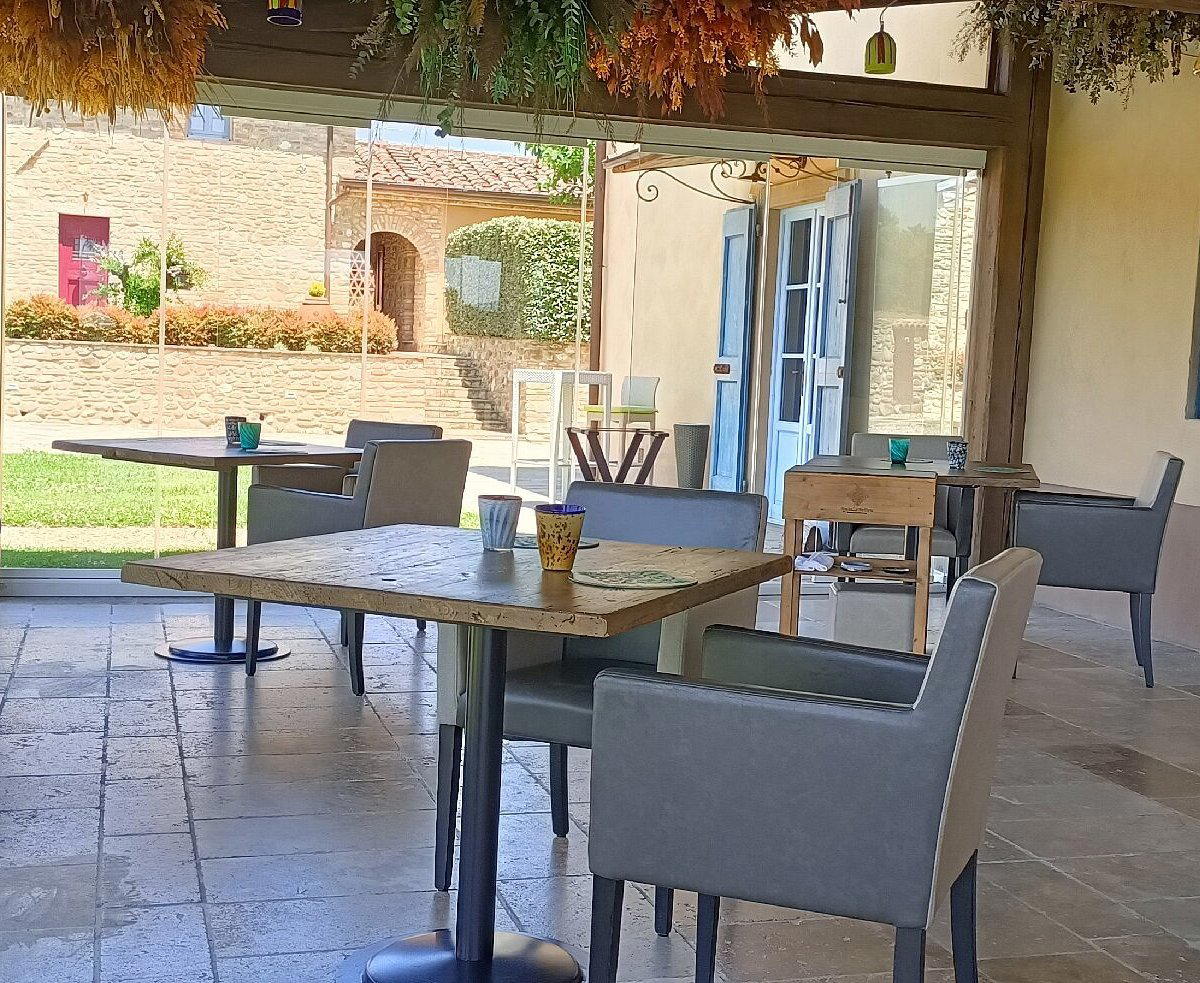
Scarperia e San Piero, Italy
Set in the Tuscan hills near Florence, Virtuoso gourmet draws its kitchen logic directly from an on-site vegetable and herb garden that shifts the menu with the seasons. Chef Antonello Sardi's cooking stays rooted in local tradition without drifting into nostalgia. The wine list carries the same seriousness as the food, making this a considered stop for anyone moving through the Mugello valley.

Telese, Italy
Housed in an ancient farmhouse in Campania's Sannio territory, Krèsios holds two Michelin stars and a La Liste score of 91 points (2026). Chef Giuseppe Iannotti presents a single blind tasting menu that draws on fermentation, maceration, and extraction to reframe regional ingredients through a global lens. The wine programme leans toward small, natural producers, in keeping with the restaurant's name, an epithet of Bacchus.

Copenhagen, Denmark
Occupying the former Noma building on Strandgade, Barr trades the avant-garde for something more grounded: classic Northern European cooking rooted in the childhood dishes of chef Thorsten Schmidt. Ranked #67 in Opinionated About Dining's Casual Europe list for 2025 and holding a Michelin Plate, it sits at the accessible end of Copenhagen's serious dining tier, open Tuesday through Saturday from midday or early evening.

Tokyo, Japan
A Roppongi French restaurant that has held consecutive Tabelog Bronze Awards since 2017 and appeared on La Liste's global rankings, EdiTion Koji Shimomura operates from a 28-seat dining room inside Roppongi T-Cube. The menu is built around a deliberate architecture of lightness — minimal butter and cream, seasonal Japanese vegetables, and a plant-based vegan course alongside the main offering — priced from JPY 15,000 at lunch and JPY 30,000 at dinner.

Valencia, Spain
A working barraca on Valencia's agricultural fringe, Toni Montoliu draws Spanish families and informed visitors with homemade paella and produce grown on the surrounding land. The format is resolutely seasonal and deliberately low-key: opening days are limited, booking is advised, and the kitchen's credibility rests on soil rather than ceremony.
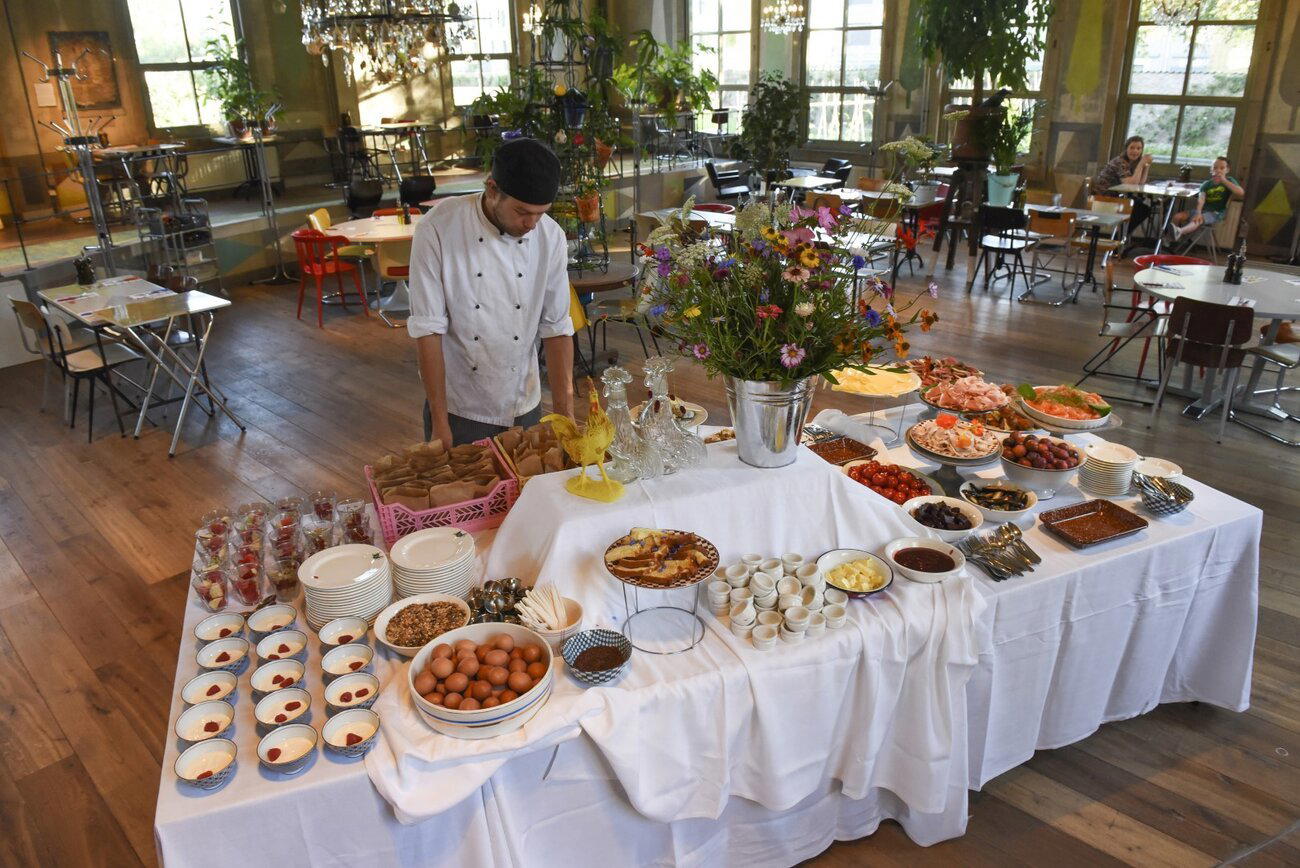
Dordrecht, Netherlands
Set inside a 19th-century water tower on the edge of Dordrecht, Villa Augustus runs its kitchen around a working garden that supplies vegetables, fruit, and herbs across all four seasons. A wood oven at the centre of the open kitchen drives a menu that moves from garden-roasted vegetables to wood-fired pizza, fish, and meat. Thirty-seven hotel rooms occupy the tower itself, making it one of the few places in the Netherlands where garden, kitchen, and overnight stay occupy the same grounds.

Kyoto, Japan
In Kyoto's Higashiyama Ward, Abbesses translates a French culinary education through the lens of local produce, with chef Norifumi Tanaka building every plate around a minimum 50% plant-based ratio sourced from Kyoto's celebrated vegetable tradition. The result is a Franco-Japanese register that owes more to what grows in the surrounding region than to either national cuisine in isolation.

Nara, Japan
Set among the ancient fields of Asuka in Nara Prefecture, Da terra holds a Michelin star and back-to-back recognition in the Opinionated About Dining European rankings — an unusual credential for a restaurant rooted in southern Japan. The kitchen works from its own garden, crossing Italian technique with the finest local produce in a format that reads more like a philosophical argument than a tasting menu.

Luxembourg, Luxembourg
De Gaart occupies a distinct position in Luxembourg's Gasperich district, operating as a sharing-format restaurant within the Innside by Meliá complex. The kitchen draws on produce from small local growers, building a straightforward menu around seasonal availability rather than culinary spectacle. For a business-hotel address, the sourcing commitment is notably deliberate.

Arnhem, Netherlands
Arnhem's plant-based cooking has found one of its most committed expressions at Konijnenvoer, where chef Damian Parasmo treats vegetables, ferments, and foraged ingredients not as a dietary concession but as a full creative brief. Mediterranean influences, shio koji fermentation, and local Arnhem produce appear on a menu deliberately free of rigid rules, producing dishes that shift in texture and register from plate to plate. The antipasti bar at the front offers a lower-commitment entry point.

Waterloo, Belgium
Parf'Inde épices on the Chaussée de Bruxelles brings Indian cooking stripped of the usual European concessions: no butter-heavy sauces, no fusion hedging, just herb-forward stews, tandoor preparations, and a vegetarian range anchored in regional Indian technique. Sautéed lentils with cumin and poppy seeds, okra cooked Punjab-style, and vegetable compositions with fresh coriander set the register. It sits in the quieter, more considered end of Waterloo's dining scene.

Bangkok, Thailand
At a 14-seat counter on Sukhumvit 31, Gaggan Anand delivers up to 25 courses across five theatrical acts — progressive Indian cuisine decoded by emoji, set to a rock soundtrack, and ranked #1 in Asia's 50 Best Restaurants 2025. The format demands participation: eating with your hands, licking the plate, and deciphering the menu are part of the evening's structure, not the novelty.

Lyon, France
In Lyon's 6th arrondissement, Maison Clovis sits at the intersection of modern technique and seasonal vegetable-forward cooking that critics have singled out for its poetic contrasts. The sober, contemporary interior frames a cuisine where colour and composition do the talking. For a city that defines French gastronomy's gravitational centre, Maison Clovis represents a quieter but considered counterpoint to the region's richer traditions.
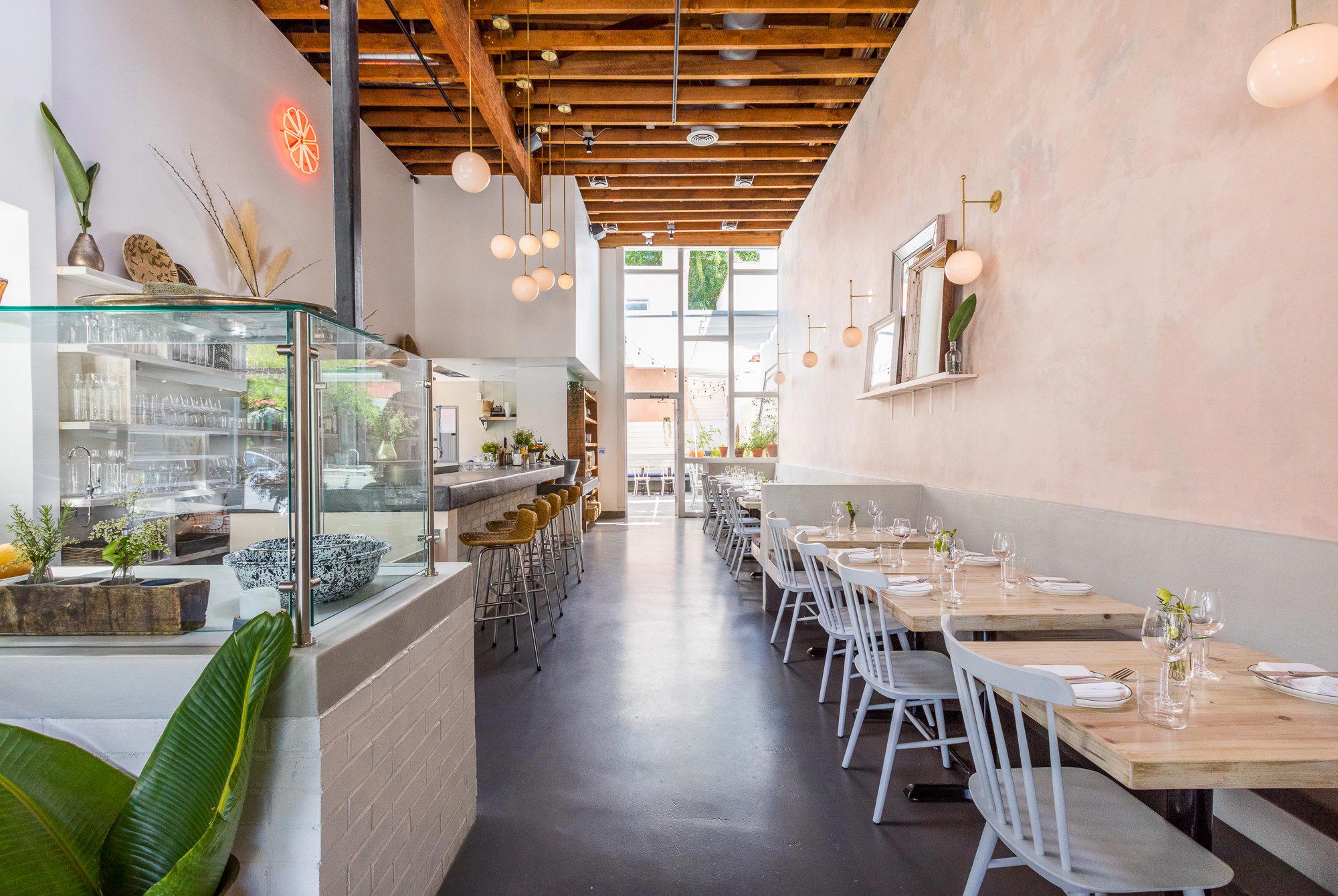
Los Angeles, United States
A Silver Lake fixture for breakfast, brunch, and easy evening meals, Botanica at 1620 Silver Lake Blvd sits inside the eastside's broader shift toward bright, ingredient-focused neighbourhood dining. The space is open and light-filled, the food simply presented but carefully considered. It draws repeat visitors across multiple dayparts, which in Los Angeles is a reliable indicator of a restaurant doing something right.

Saint-Gilles, Belgium
Nénu holds consecutive Michelin Bib Gourmand recognition (2024 and 2025) for its contemporary Vietnamese cooking in the heart of Saint-Gilles. Chef Masaki Misaka leads a plant-forward menu that draws plant-based diners and omnivores in equal measure. At the €€ price point on Rue Dejoncker, it occupies a sweet spot between neighbourhood accessibility and genuine culinary seriousness, with a Google rating of 4.6 across more than 535 reviews.

Hobart, Australia
At Brooke Street Pier, Aloft puts Tasmanian seasonal produce at the centre of every decision on the plate. Christian Ryan and Glenn Byrnes run a kitchen that covers both omnivore and plant-based diners with equal seriousness, from tempura courgette with pickled fennel to wood ear mushroom dumplings. The waterfront address makes it one of Hobart's more consequential dining stops.

Lichtaart, Belgium
A Michelin-starred address in the Kempen countryside, De Pastorie has built its reputation on produce-driven modern cuisine where vegetables and fruit carry equal weight to protein. Chef Pascal Vandenheulen and the Wens family run one of Belgium's more quietly compelling restaurants, ranked 453rd in Opinionated About Dining's Classical in Europe list for 2025, operating Thursday through Sunday from a converted parish building in Kasterlee.

Madrid, Spain
Few restaurants in Madrid have done more to reframe vegetables as a serious fine-dining proposition than El Invernadero. Rodrigo de la Calle, ranked No. 1 in the We're Smart Global TOP100 and holder of a Michelin star, runs a fully seasonal kitchen on Calle Ponzano where plant matter is the architecture of every dish, not a supporting act. Four tasting menu formats allow entry at different levels of commitment.
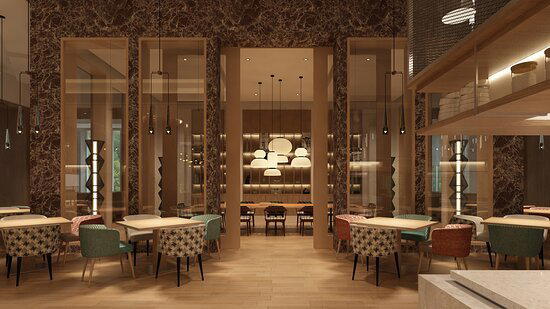
Cesson-Sévigné, France
A mid-range modern restaurant in Cesson-Sévigné where chef Grégory Hamon channels training under Bernard Loiseau, Jean-Michel Lorain, and Jean-Georges Vongerichten into produce-led, vegetable-forward plates. Fruit and local Breton ingredients anchor a menu that reads as technically precise without the price weight of destination dining. Google reviewers rate it 4.8 from 777 submissions.

San Francisco, United States
Millennium has carried plant-based cooking through three decades of shifting attitudes toward vegan dining, earning a Michelin Bib Gourmand in 2024 and a following that stretches well beyond its Oakland address. Chef-owner Eric Tucker, author of The Artful Vegan, anchors the menu in simplicity, occasionally to the point where seasoned diners may want more technical ambition. At the $$ price tier, it remains one of the Bay Area's most credible all-plant kitchens.

Vienna, Austria
On Wiedner Hauptstraße in Vienna's 4th district, Allergiker Café operates as something of a counter-statement to the city's butter-and-flour café tradition. Cakes, pastries, and a concise breakfast and lunch menu are built around ingredients free from gluten, lactose, nuts, and soy, with vegetarian options running throughout. In a city defined by Kaffeehaus convention, this café charts a notably different course.

Paris, France
Inside the Welkin and Meraki business and service center near Rue de Surène in the 8th arrondissement, The White operates on a premise that corporate dining need not mean compromise. The menu is shaped around what the team calls Brainfood, a health-conscious take on Parisian simplicity, with We’re Smart 5 Radishes-recognised chef Benoit Dewitte involved in menu development. Gardens and a terrace set it apart from the standard Paris office lunch circuit.
Reil a.d.Mosel, Germany
At Villa Melsheimer in the Mosel village of Reil, Chef Dirk Melsheimer has built a vegetable-forward kitchen around an on-site garden and regional produce. We're Smart, the international plant-based cuisine authority, has singled out the kitchen's sourcing discipline and colourful, classic-rooted cooking as deserving wider recognition. The setting, along the Mosel riverbank, frames a meal that is genuinely grounded in place.

Antibes, France
On the Boulevard Albert 1er, Le44 sits squarely in the gap between Antibes tourist-trap dining and the Côte d'Azur's formal haute cuisine circuit. Chef Jérôme Clavel runs a kitchen that takes vegetables seriously and sources with intent, producing plates that reward genuine attention. It reads as a local's address in a town that can too easily settle for less.
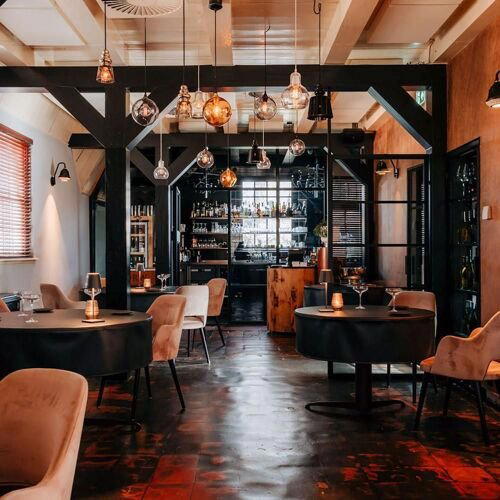
Bavel, Netherlands
In a converted old inn along Gilzeweg in Bavel, Restaurant Vannu has earned consecutive Michelin Plates (2024 and 2025) by grounding its kitchen in seasonal produce and regional sourcing. The cooking is technical but accessible, built around sauces, nourishment, and the kind of vegetable-forward flavours that appeal beyond fine-dining circles. A 4.9 Google rating from 140 reviews reflects a dining room that performs consistently.

Kyoto, Japan
ristorante DONO occupies the second floor of a building overlooking the torii gate of Heian Shrine in Okazaki, bringing Italian cooking into direct conversation with Kyoto's seasonal ingredient culture. Chef Pino Saccheri, second son of Sojiki Nakahigashi's owner, tends his own fields and forages edible wild plants, translating that harvest into risotto, pasta, and vegetable-forward dishes with a Michelin Plate recognition in both 2024 and 2025.
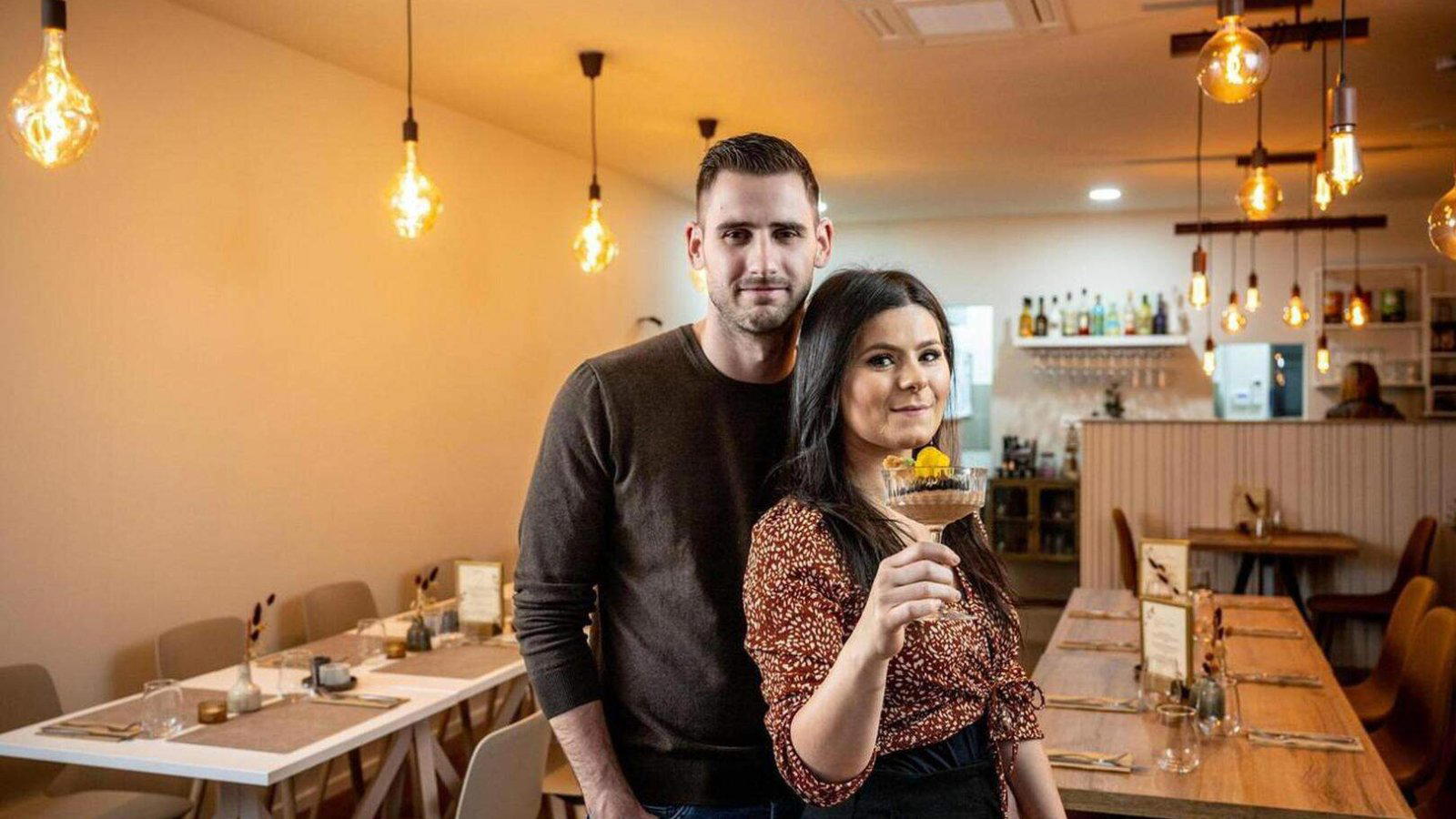
Genk, Belgium
Foglia in Genk operates on a 100% plant-based three-course menu that rotates every six weeks in step with the seasons. Recognised by the We're Smart Movement for its creative approach to vegetables and plant-based ingredients, it sits at the accessible end of Genk's dining scene without sacrificing ambition. The address is Vennestraat 203 in Genk.

Lima, Peru
Limaná sits in San Isidro's quieter residential grid, operating a 100% plant-based menu that earned EP Club's Discovery of the Year 2024 and a five-radish rating. In a city defined by ceviche and fire-roasted proteins, this is Lima's most decorated purely plant-based table. Chef Jorge Sulca and owner Anita Belounda have held this position for years, well before the format found its current critical moment.

Doetinchem, Netherlands
Set on the rural edge of Doetinchem, Orangerie De Pol is a JRE-recognised farm-to-table restaurant where chef Mark Captein builds menus around local, seasonal produce. A Michelin Plate holder in both 2024 and 2025, the kitchen draws particular attention for its vegetable-led menu and house-made kombuchas. Google reviewers rate it 4.8 from 289 submissions.

Duffel, Belgium
Two Michelin stars and a Les Grandes Tables du Monde listing place Nuance among Belgium's most decorated small-town restaurants. Chef Thierry Theys works a Modern Flemish register defined by acidic precision and layered vegetable technique, operating Tuesday through Saturday from a quiet address in Duffel. La Liste scored the kitchen 92.5 points in 2025, a figure that positions it well inside the upper tier of Belgian fine dining.

Ghent, Belgium
Soul Kitchen on Godshuizenlaan brings a playful, plant-forward approach to Ghent's already strong vegetarian scene. Chef Misha Berger works with organic produce and simple preparations, prioritising colour and freshness over technical complexity. The result is an honest, unpretentious counter to Ghent's more formal dining options — and a reliable address for those who want their vegetables treated with conviction rather than ceremony.

Avignon, France
La Mirande Avignon elevates fine dining within a restored 14th-century Cardinal's palace, where Michelin-starred Chef Florent Pietravalle crafts seasonal Provençal tasting menus in Renaissance-era dining rooms and an extraordinary medieval kitchen chef's table experience steps from the Palais des Papes.

Orvieto (TR), Italy
A fully plant-based restaurant in the heart of Orvieto, Vis a Vis has drawn attention for chef Emanuele Rengo's handmade pasta work and house-made vegetable cheeses, set against the backdrop of one of Umbria's most storied hilltop towns. The kitchen reinterprets the vegetable-forward traditions of the surrounding region without relying on the usual animal-based foundations.
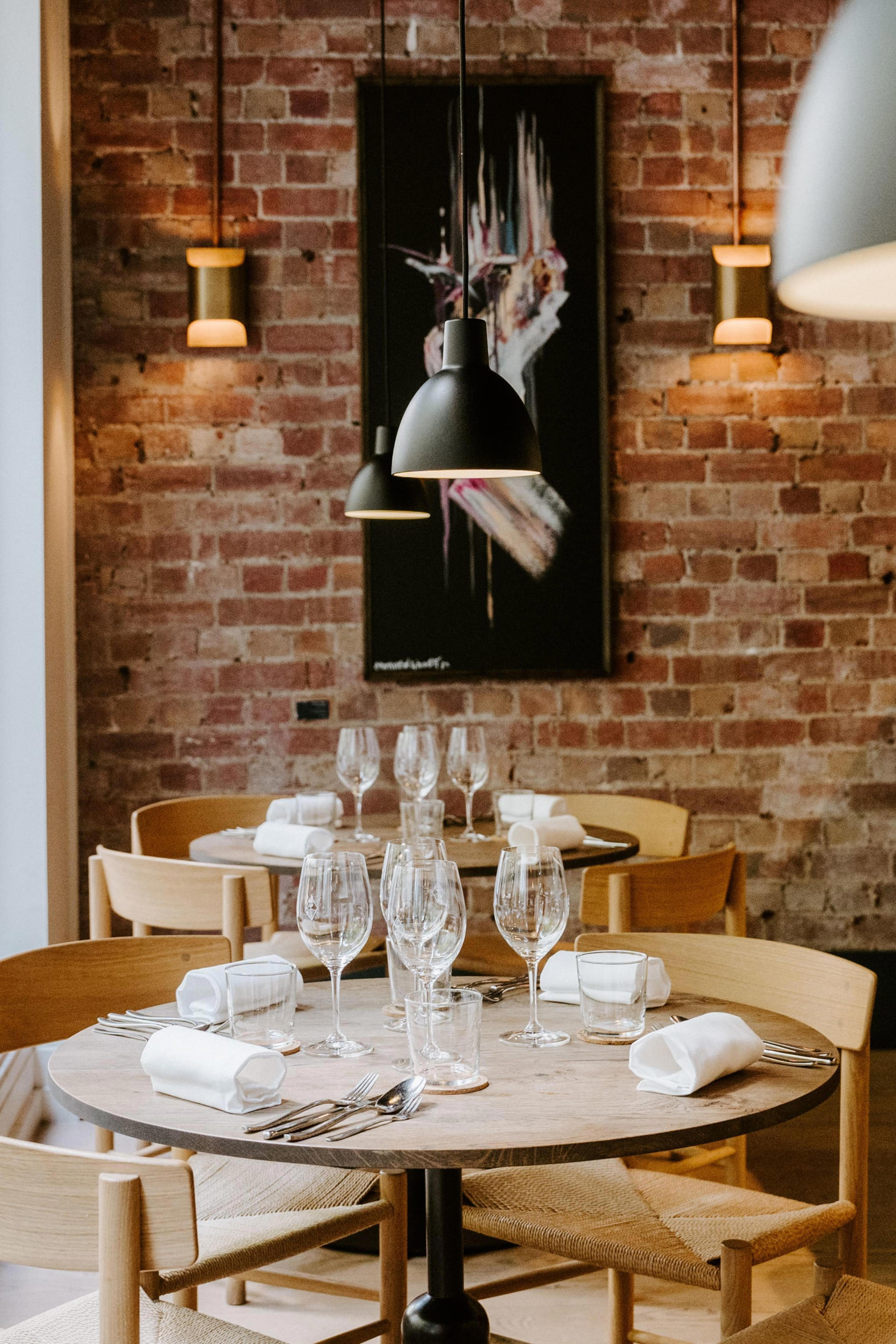
Destelbergen, Belgium
On the edge of Ghent's suburban fringe, Bruun has built a reputation around market-led cooking with a Nordic-inflected vegetable focus. Consecutive Michelin Plates in 2024 and 2025, alongside recognition from the We're Smart Green Guide, confirm its place among Belgium's more serious ingredient-led kitchens. At €€€ pricing, it sits a tier below the region's prestige flag-bearers, making it one of the more accessible addresses in this style.
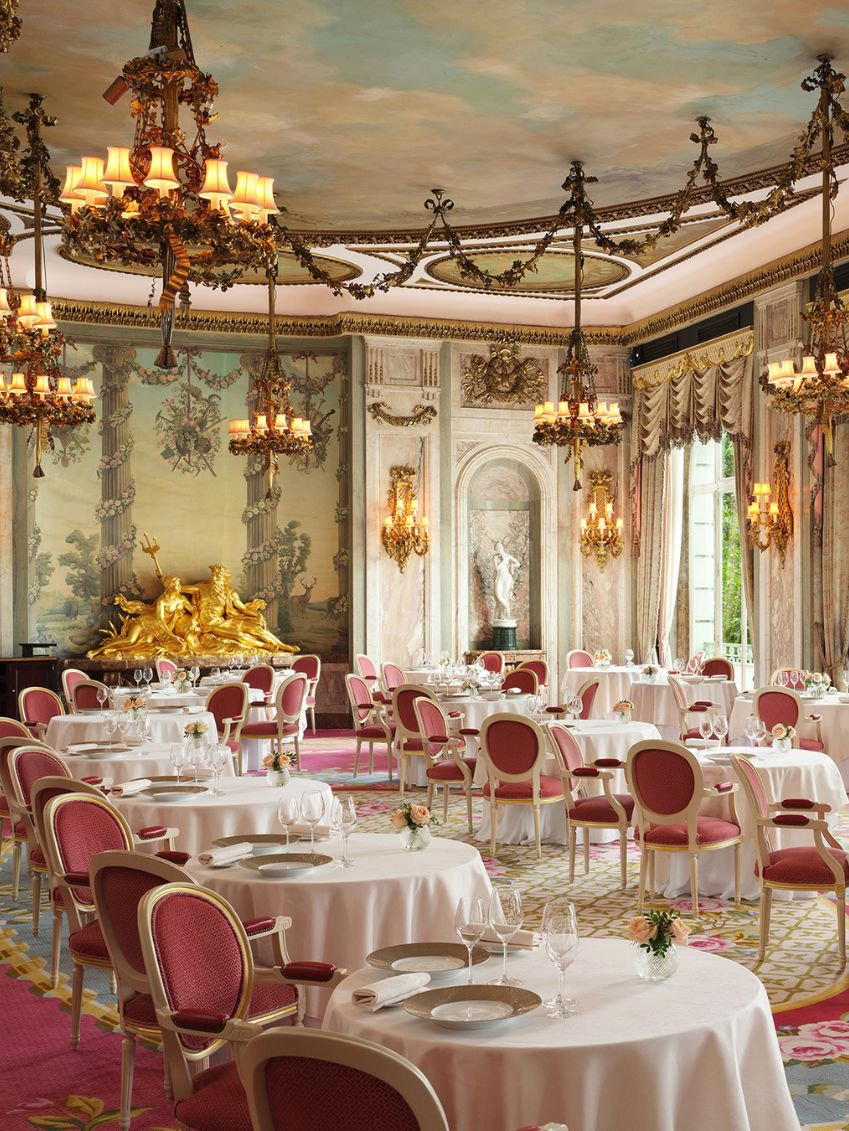
Paris, France
A Michelin-starred address in the 3rd arrondissement where vegetables take the lead and seasonal produce from local growers shapes every plate. Chef Manon Fleury has built a kitchen around ecological accountability, earning recognition from both Michelin and the We're Smart Green Guide. The price sits at €€€€, but the proposition is grounded in restraint and conviction rather than luxury for its own sake.

Barcelona, Spain
Somni Restaurant occupies a considered position in Barcelona's Eixample district, where the city's creative dining scene pushes into plant-forward territory with increasing seriousness. The kitchen works with strong seasonal produce and a team committed to hospitality, though the vegetable-led menu invites scrutiny about execution depth. For visitors oriented around Barcelona's progressive fine dining circuit, it belongs on the shortlist for evaluation.

Berlin, Germany
A two-Michelin-star restaurant on the Kreuzberg canal, Horváth places Austrian culinary tradition in dialogue with seasonal German produce under chef Sebastian Frank, named Best Chef in Europe in 2018. The kitchen gives vegetables a structural rather than decorative role, and the wine program has earned consecutive Star Wine List recognition. Open Thursday through Sunday evenings only, from 6:30 pm.

Luxembourg, Luxembourg
Two Michelin stars and a 91-point La Liste score position Ma Langue Sourit among Luxembourg's most decorated tables. Chef Cyril Molard's contemporary French cooking places the raw ingredient at the centre of every dish, with vegetables carrying unusual weight across the menu, from starters through to dessert. The address is Oetrange, a short drive southeast of Luxembourg City, and the room runs Tuesday through Saturday at lunch and dinner.
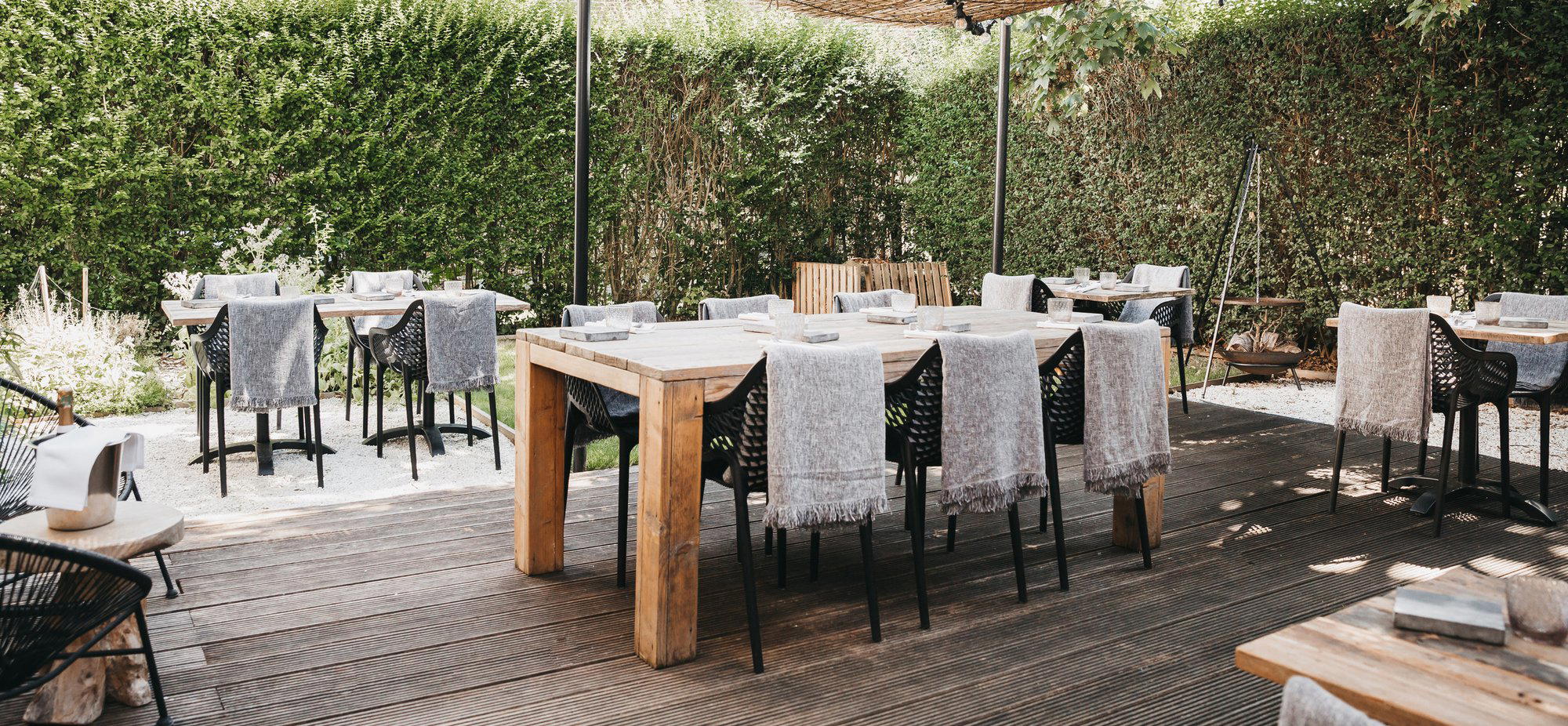
Woluwé-Saint-Pierre, Belgium
At Coquum in Woluwé-Saint-Pierre, Chef Dassonville runs the kitchen alone, threading Nordic discipline and Belgian creativity into a menu where vegetables hold as much weight as meat or fish. The approach has drawn early recognition for its flavor precision and the ease of the dining experience. A solo-chef format means availability is limited, making forward planning advisable.

Carcassonne, France
Set on a historic domain south of Carcassonne, Domaine d'Auriac pairs a classical Languedoc kitchen with the kind of estate setting — golf course, stone architecture, family-run character — that the region's fortified city draws attention away from. Chef Philippe Deschamps holds a Michelin Plate (2025) for cooking that treats the season's regional produce, from truffles to morels to artichoke, as the argument, not the ornament.

Barcelona, Spain
Uma takes its name from the Swahili word for fork and earns its Michelin Plate recognition through a format built around vegetables, Basque precision, and Catalan produce. An open-view kitchen at the centre of the room means the cooking is always part of the experience. Three pre-booked tasting menus, all starting simultaneously, give the evening a quiet theatrical discipline that sets it apart from Eixample's broader fine-dining circuit.

Agaete, Spain
In the Agaete Valley, surrounded by coffee plantations and terraced farmland, Casa Romántica operates one of Gran Canaria's most farm-rooted restaurants. Chef Aridani Alonso draws almost entirely from the restaurant's own farm, La Laja, across tasting menus named after Canarian poets and a separate à la carte garden. Holding a Michelin Plate since 2024, it prices at the accessible end of the island's serious dining spectrum.
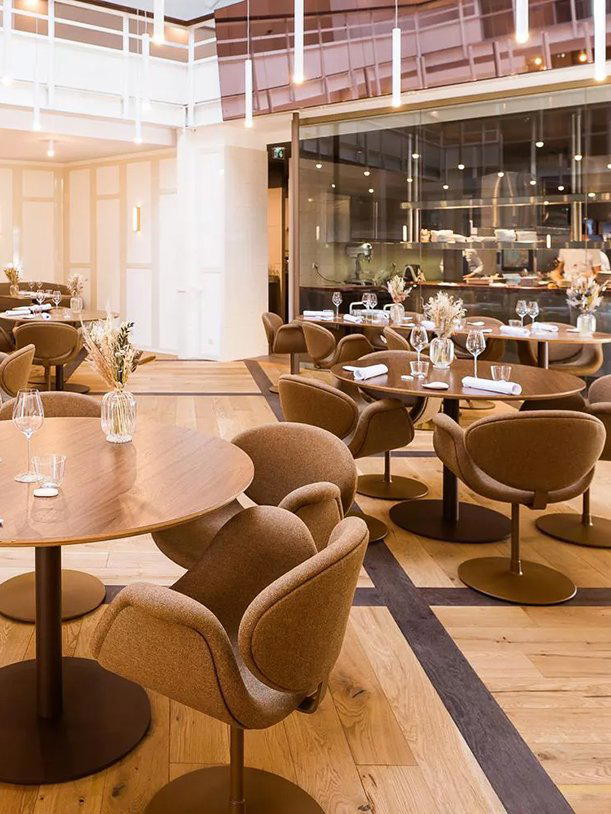
Brem-sur-Mer, France
A Michelin-starred address in the Vendée marshland, Les Genêts draws from a 1,400m² kitchen garden and the Atlantic coast to produce creative, ingredient-driven cooking at prices that hold their own against far more self-important tables. Chef Nicolas Coutand, trained at Troisgros and L'Amphitryon, keeps the menu rooted in what the region actually produces: sardine, mackerel, hake, and whatever the garden offers that week.

Doha, Qatar
Nobu Doha occupies a striking position within the Four Seasons' waterfront complex on Diplomatic Street, bringing the brand's Japanese-Peruvian framework to a city still shaping its fine-dining identity. Recognised with a Michelin Plate in 2025 and rated 4.4 across nearly 1,900 Google reviews, it sits at the upper end of Doha's international restaurant tier, priced at the same level as IDAM by Alain Ducasse and Hakkasan.
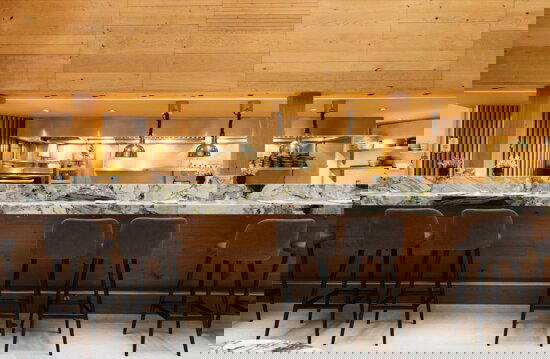
Mexico City, Mexico
Quintonil holds two Michelin stars and ranked #7 on the World's 50 Best Restaurants list in 2024, placing it among the most closely watched restaurants in the Americas. Chef Jorge Vallejo's tasting menu draws on fresh local produce, traditional Mexican technique, and a counter section serving insect-based tacos that distills the kitchen's priorities into a single, direct statement.

Tokyo, Japan
Epicure Low in Motoazabu operates on a fully customisable menu model, where dietary restrictions are treated as a starting point rather than an obstacle. The kitchen's orientation toward plant-based and vegetable-forward cooking places it in a distinct niche within Tokyo's dining scene, serving guests who find conventional restaurants structurally difficult to navigate. Bookings are taken in advance; the format rewards those who communicate clearly before arriving.

Girona, Spain
Normal occupies a quiet corner of Girona's historic centre, offering traditional Catalan cooking at a price point well below the Roca family's flagship. The menu revolves around seasonal vegetables, regional stews, and family recipes executed by chef Elisabet Nolla. A Michelin Plate holder and Opinionated About Dining Casual pick for 2025, it sits at the accessible end of a dining family that also runs El Celler de Can Roca.

Elche (Alicante), Spain
La Finca sits on the agricultural edge of Elche, where Chef Susi Díaz has built one of Spain's more quietly serious fine-dining addresses. Recognised by We're Smart for its commitment to sustainability and vegetable-forward cooking, the kitchen draws heavily on the produce of the Valencian interior while the sea remains a persistent influence. It belongs in the same conversation as Spain's leading creative houses, but on its own geographic and philosophical terms.
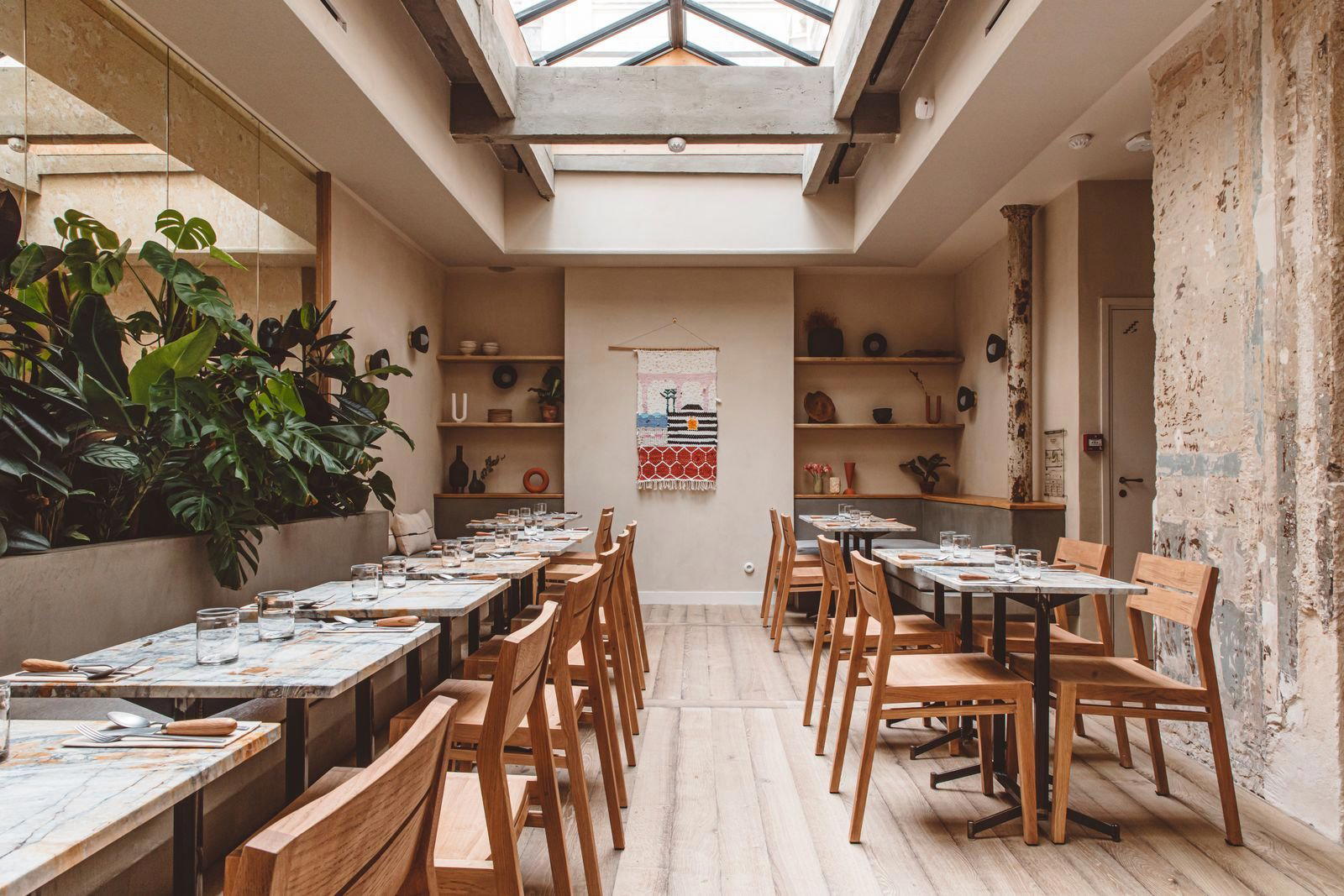
Paris, France
Mesa sits within Hoy, a plant-forward hotel concept on Rue des Martyrs in the 9th arrondissement, where the kitchen runs a strictly seasonal, ingredient-led menu with no animal products. The space connects dining to a broader hospitality philosophy that includes massage and yoga, positioning it firmly outside Paris's conventional restaurant circuit. It is the kind of address that draws those already committed to a particular way of eating rather than the curious omnivore.
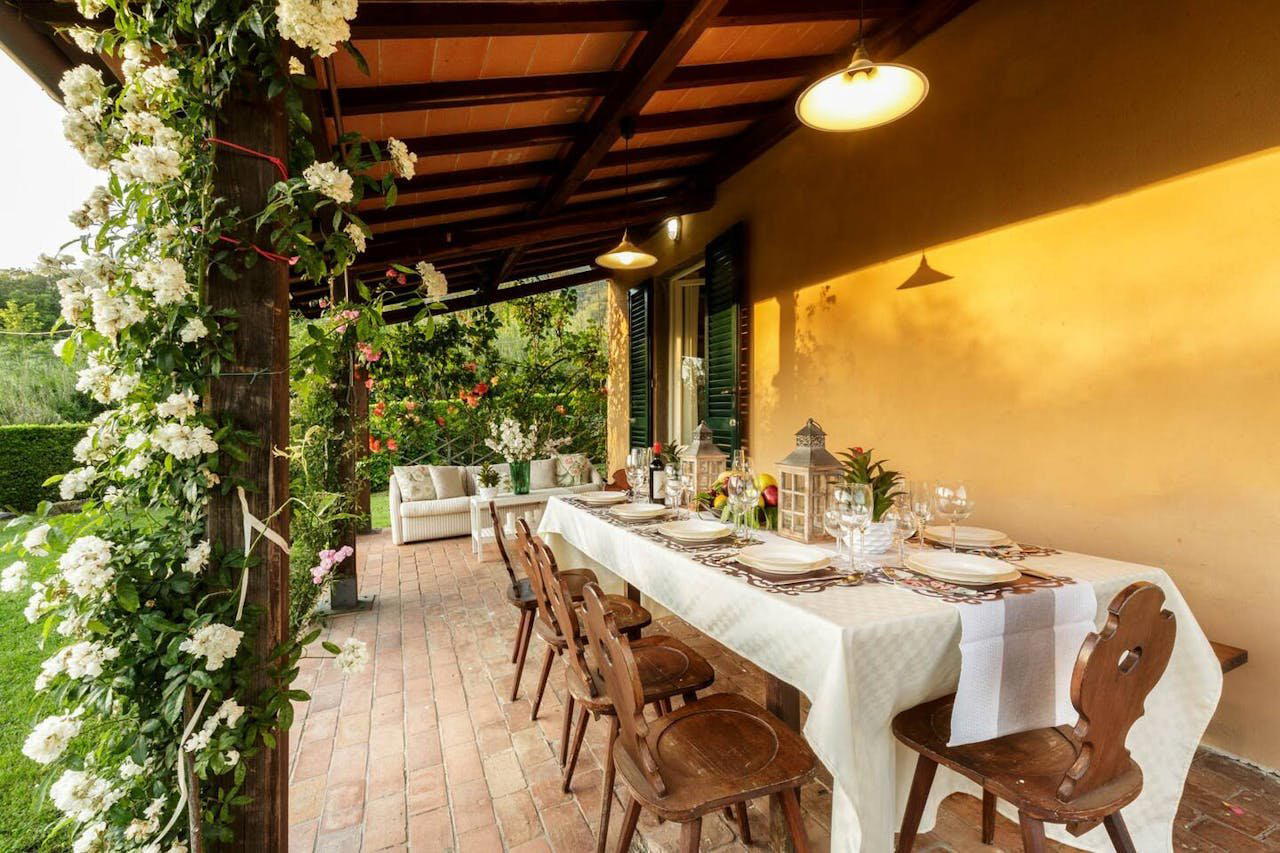
Marlia, Italy
Set in a 19th-century farmhouse on the edge of Lucca's countryside, Butterfly holds a Michelin star and a family-run kitchen where Fabrizio and Andrea Girasoli balance Tuscan tradition with inventive technique. The glass-enclosed veranda shifts with the seasons — open to the garden in summer, warm and enclosed in winter. For serious dining just outside the city walls, it earns its place at the top of the Marlia table.

Saldanha Bay Municipality, South Africa
Leeto at The Strandloper Ocean Boutique Hotel brings a seafood-forward kitchen to Paternoster's whitewashed Atlantic coast, led by Chef Garth Almazan, formerly of Catherina at Steenberg. The menu draws heavily on the cold Benguela Current waters and the West Coast's coastal produce, placing it squarely in the tradition of ingredient-led South African cooking that has earned the region serious culinary attention.

Portland, United States
Astera on SE Belmont brings 100% plant-based, zero-waste cooking to Portland's most produce-forward dining scene. Chef Aaron Adams works entirely within seasonal and local constraints, earning recognition from We're Smart Green Guide for cuisine that treats vegetables as the primary language of flavor and technique, not as a substitute for anything else.
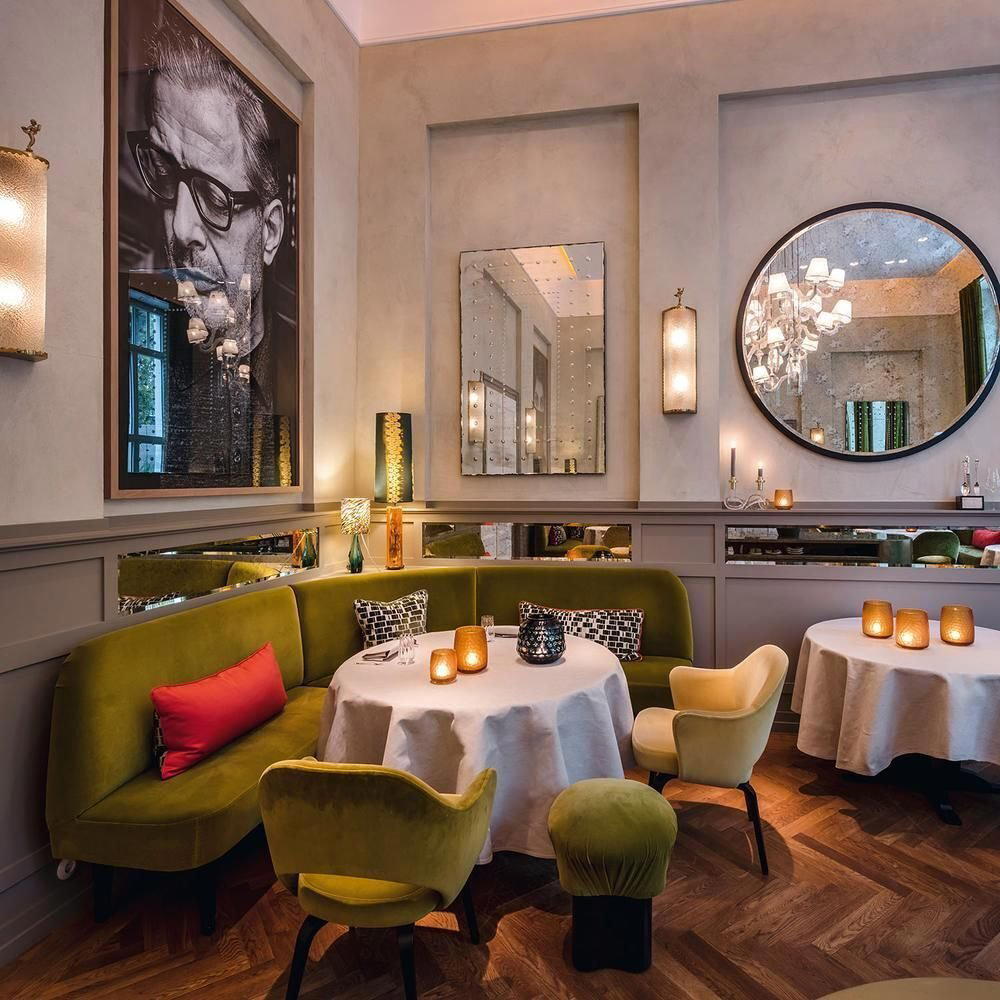
Saarlouis, Germany
A two-Michelin-star address inside Hotel La Maison, LOUIS positions itself at the intersection of modern French technique and plant-forward cooking in the Saar region. Chef Stéphane Pitré leads a menu where vegetables hold the same weight as protein, recognised by both Michelin and the We're Smart Green Guide. Saarlouis rarely appears on German fine-dining itineraries, which makes this one of the country's more quietly serious restaurants.

Modena, Italy
In a city that defines Italian food culture through aged vinegar and hand-rolled pasta, Erbavoglio makes a different argument entirely: that plant-based cooking, shaped by fermentation and product-first simplicity, belongs at Modena's table. Chef Fabio Vandelli runs Modena's only dedicated vegan restaurant of note, and the result is a kitchen where fermented accents and seasonal sourcing do most of the talking.

Paris, France
La Timbale occupies a quiet corner of Montmartre's upper village, where the 18th arrondissement settles into a residential rhythm far removed from the tourist circuit below. The restaurant holds affiliation with Bon pour le Climat, signalling a documented commitment to seasonal French produce and vegetable-forward cooking that places it within a growing cohort of climate-conscious dining rooms reshaping how Paris eats.

Rubano, Italy
Three Michelin stars since 2002, a 99-point La Liste ranking in 2026, and a permanent position in the World's 50 Best since 2006: Le Calandre in Rubano operates at the upper tier of Italian fine dining. Chef Massimiliano Alajmo runs three tasting menus from a minimalist dining room where tables are carved from a single 300-year-old ash tree, forty minutes from Venice.

Marrakesh, Morocco
La Grande Table Marocaine at Royal Mansour holds a place in the World's 50 Best Restaurants MENA 2024 (ranked 22nd) and earned 97 points on La Liste 2025, alongside a Les Grandes Tables du Monde award. Under executive chef Karim Ben Baba, the kitchen reframes Moroccan cooking around vegetables, aromatics, and slow-cooked proteins rather than the familiar procession of tagines and cooked salads that defines most of the city's fine dining.

Olot, Spain
A two-Michelin-star restaurant on a converted family farm outside Olot, Les Cols draws on the volcanic La Garrotxa region's produce for a single tasting menu built around vegetables, seasonality, and the principle that ingredients should not travel far to reach the table. Fina Puigdevall and her daughter Martina lead a kitchen that has earned 94 points from La Liste and consistent recognition from Opinionated About Dining across three consecutive years.

València, Spain
On the third floor of the Veles y Vents building above València's harbour, La Sucursal frames its tasting menus against an uninterrupted view of the marina. Chef Fran Espí works with local Valencian produce inside a format that has earned consecutive rankings in the Opinionated About Dining Top Restaurants in Europe list, reaching 489th place in 2024. A plant-forward menu is available on request, and advance booking is strongly advised given the venue's dual role as an event space.

New York City, United States
Oxomoco holds a Michelin star and an Opinionated About Dining ranking among North America's top casual restaurants, operating out of Greenpoint, Brooklyn since opening on Greenpoint Avenue. Chef Justin Bazdarich's kitchen ranges across Mexican regional traditions — wood-fired tacos, tlayuda, agua chile — at a price point that sits well below comparable starred rooms in Manhattan.

Paris, France
Canadian warmth meets Parisian sophistication at Comice Paris, where chef Noam Gedalof's seasonal tasting menu showcases modern French cuisine in an intimate blue-walled dining room, while Etheliya Hananova's front-of-house expertise delivers hospitality that transforms fine dining into genuine connection.

Tourlaville, France
La Cantine de Babel sits at the practical intersection of ecological responsibility and global flavour, operating in Cherbourg-en-Cotentin with a strict commitment to fresh local, organic, and seasonal produce. Aligned with the Slow Food movement and the Bon pour le Climat initiative, it positions itself as a canteen in the honest sense: nourishing, principled, and rooted in Normandy's agricultural and coastal supply chain.

Edinburgh, United Kingdom
Open since 2002 near Edinburgh's Royal Mile, David Bann occupies a distinct position in the city's dining scene as one of Scotland's most established vegetarian restaurants. The menu draws on global influences, producing dishes that treat plant-based cooking as a full creative discipline rather than an afterthought. It sits in a different price tier from Edinburgh's Michelin-starred set, making it a practical as well as principled choice.
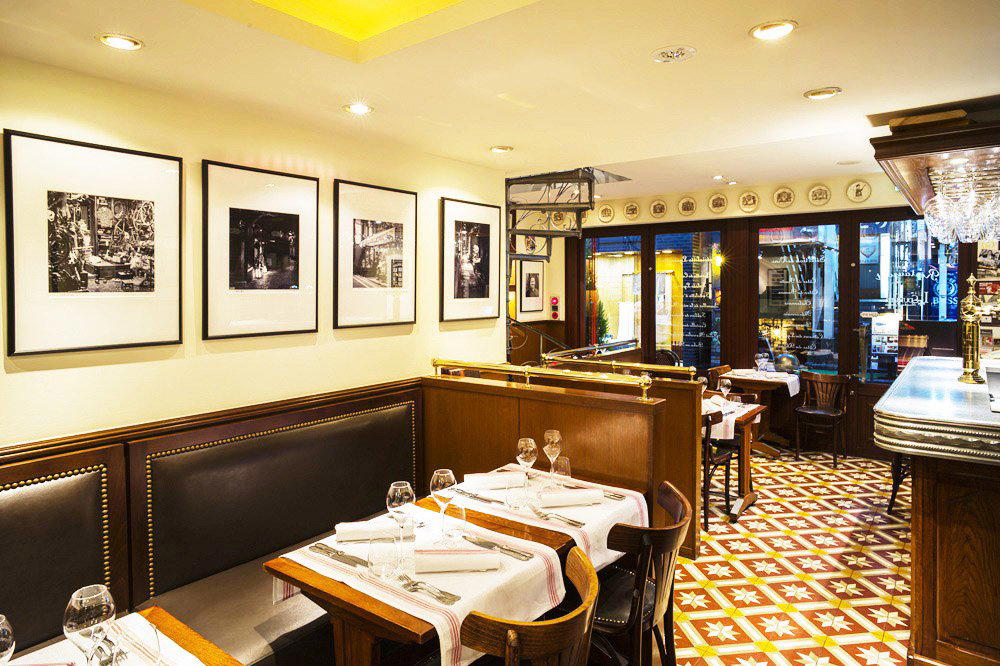
Nara, Japan
In the historic Naramachi district, Chugokukusai Naramachi Kuko applies the logic of Sichuan cuisine to an ingredient sourcing philosophy built around pesticide-free vegetables, in-house fermentations, and native soya bean tofu. Chef Kazuyuki Miyamoto's approach treats food as medicine, and the vegetarian Tenshin menu is where that commitment is most fully expressed.

Istanbul, Turkey
On the 18th floor of the Marmara Pera, Mikla has spent two decades refining what New Anatolian Cuisine means in practice: producers from across Turkey, technique shaped by Nordic discipline, and a Michelin star earned in 2024. The 360-degree rooftop view over Beyoğlu and the Bosphorus is the backdrop, but it is the cooking that keeps the reservation list full.
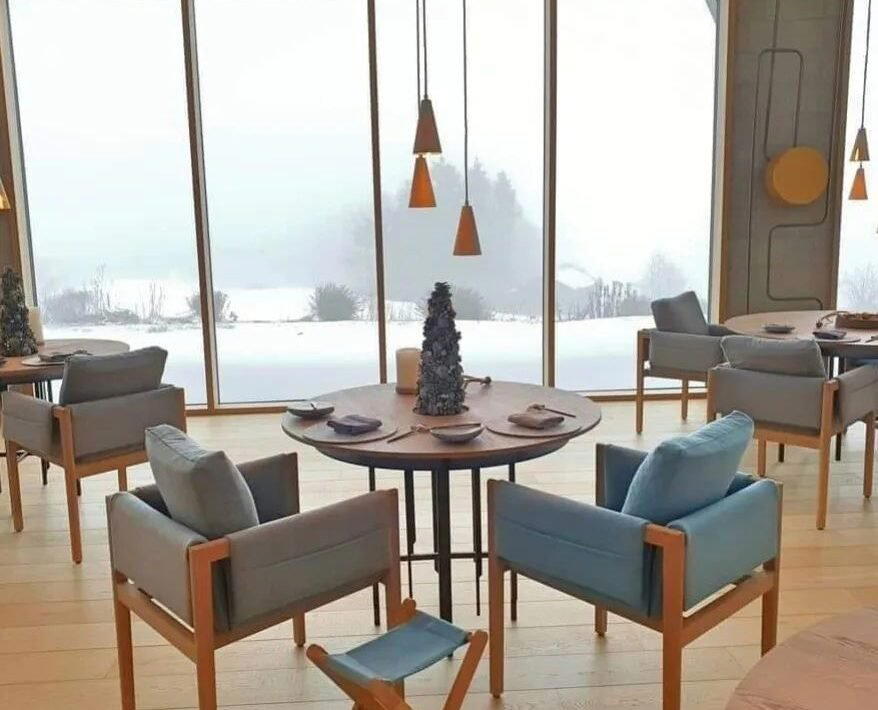
Faulquemont, France
A Michelin-starred restaurant in Faulquemont, Moselle, Toya operates at the intersection of classical French technique and Japanese seasonal philosophy. Chef Loïc Villemin's weekly-changing mystery menu draws heavily on wild plants, local farm produce, and the principles of restraint that define kaiseki-informed cooking. Ranked 394th in Opinionated About Dining's Classical in Europe list for 2025, it is among the most quietly serious restaurants in the Grand Est region.
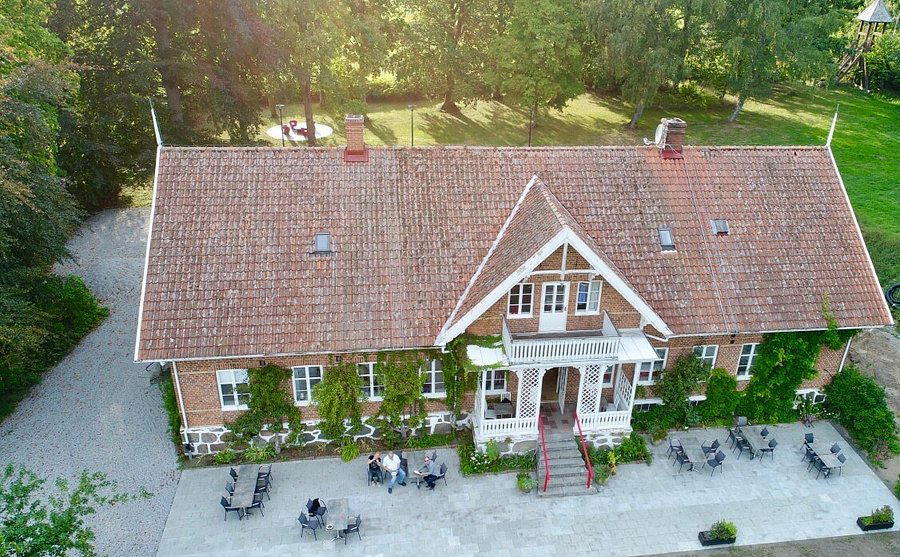
Brösarp, Sweden
Tucked into the forests of Österlen, Tastecelebration Residence in Brösarp operates as a plant-based residence where seasonal produce from the surrounding landscape drives every meal. Hosts Isabel and Joost run the kitchen and the table together, with the Big Green Egg central to much of the cooking. It reads as a deliberate counterpoint to urban fine dining — slower, rooted, and tied to what the woods and fields are actually offering.
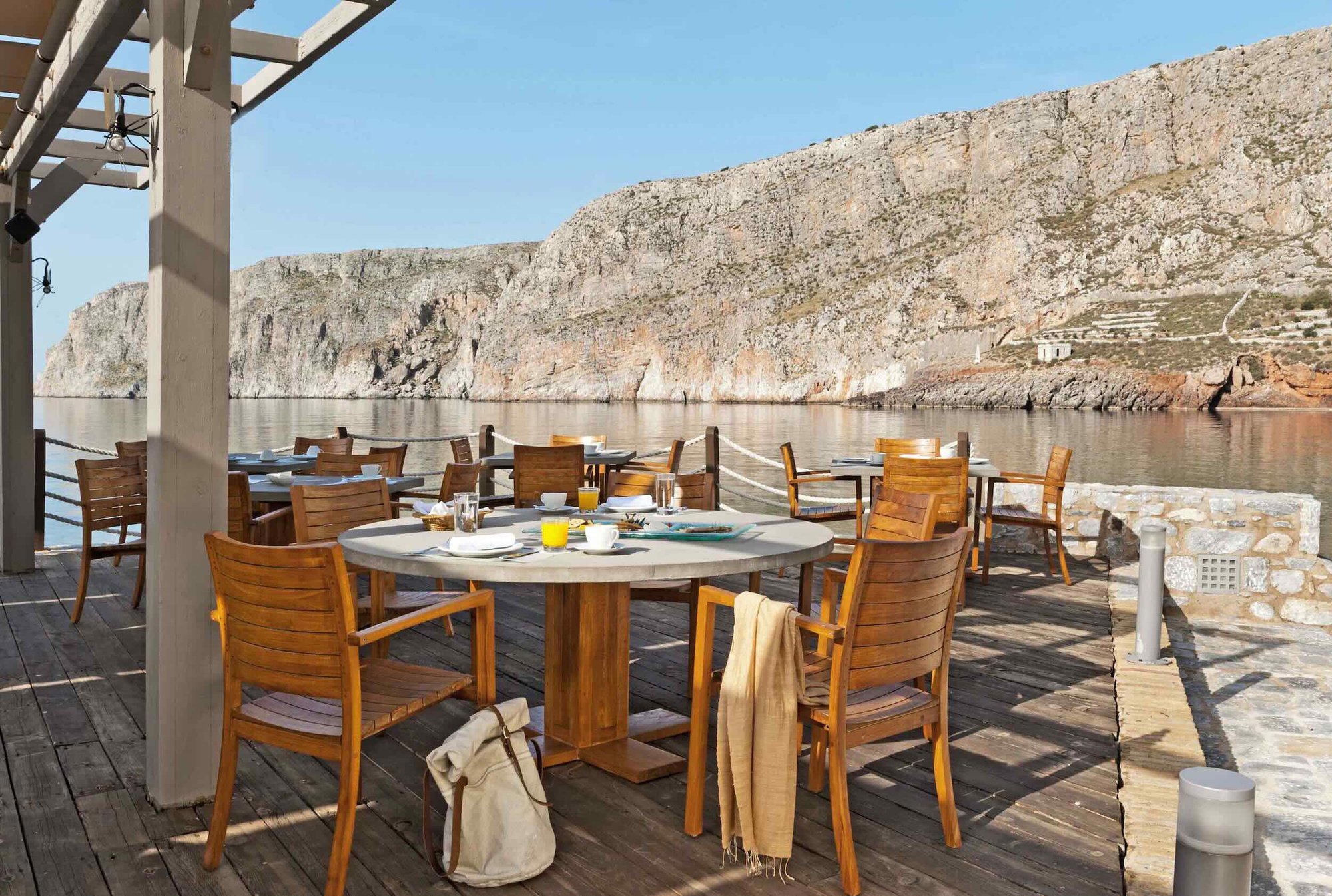
Peloponese, Greece
At the southern tip of the Mani peninsula, Hotel Kyrimai occupies a converted 19th-century sea captain's mansion in Gerolimenas, where the kitchen draws on one of Greece's most isolated and ingredient-driven regional traditions. The setting, a small harbour village largely unchanged by mass tourism, gives the food a context that purpose-built resort cooking rarely achieves. For travellers seeking the Peloponnese at its most unmediated, this is a serious reference point.

Kuala Lumpur, Malaysia
Yun House occupies a high-ceilinged dining room at Four Seasons Kuala Lumpur, overlooking KLCC park, and serves a pork-free Cantonese menu built around precision seafood, daily soups, and dim sum. The 2025 Michelin Plate recognition places it among the city's more serious Chinese dining addresses. The signature duck requires advance notice; everything else rewards a slower, considered approach.
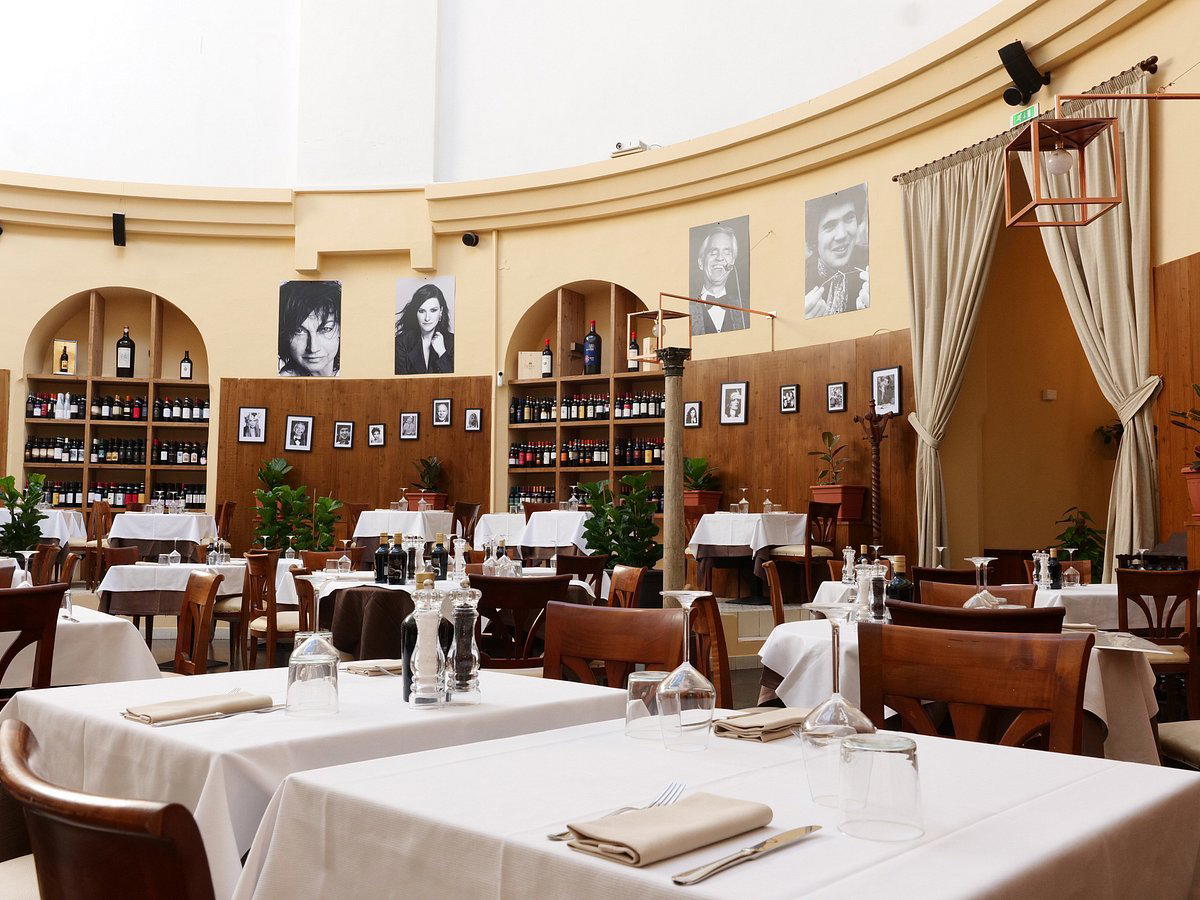
Florence, Italy
Cuculia occupies a quietly bookish room on Via dei Serragli, just back from the Arno, where Chef Oliver Betancourt fuses seasonal Italian produce with ingredients drawn from his training across Venezuela, France, Spain, and Italy. Holding a Michelin Plate (2025) and a Google rating of 4.6 across 719 reviews, it sits at the €€€ tier among Florence's contemporary restaurants, offering a serious vegetarian and vegan menu alongside a wine list that annotates every label.

Tokyo, Japan
Occupying the tenth floor of the Shiseido Ginza Building, FARO brings Italian structure to Japanese agricultural produce, with a vegetable-forward program that includes a dedicated gourmet vegan menu. Chef Kotaro Noda sources directly from provincial farms across Japan, translating seasonal harvests into a format that sits at the intersection of European technique and Japanese terroir. Opinionated About Dining has ranked it among Japan's top restaurants consistently since 2023.

Tokyo, Japan
Florilège sits at the intersection of French technique and Japanese seasonal thinking, operating from a single long communal table inside Azabudai Hills since late 2023. Chef Hiroyasu Kawate holds two Michelin stars and ranked 17th at Asia's 50 Best Restaurants in 2025. Dinner runs from ¥22,000 before service charge, with a plant-forward tasting menu and dedicated sommelier program.

Barcelona, Spain
Gatblau occupies a considered position in Barcelona's Eixample, where chef Pere Carrió holds a 5 Radishes distinction from the We're Smart Green Guide — the benchmark rating in vegetable-focused gastronomy. The menu moves through seasons rather than proteins, structured entirely around produce at its peak. For those tracking where serious vegetable cooking has arrived in Spain, this address in the Comte Borrell corridor belongs on the list.
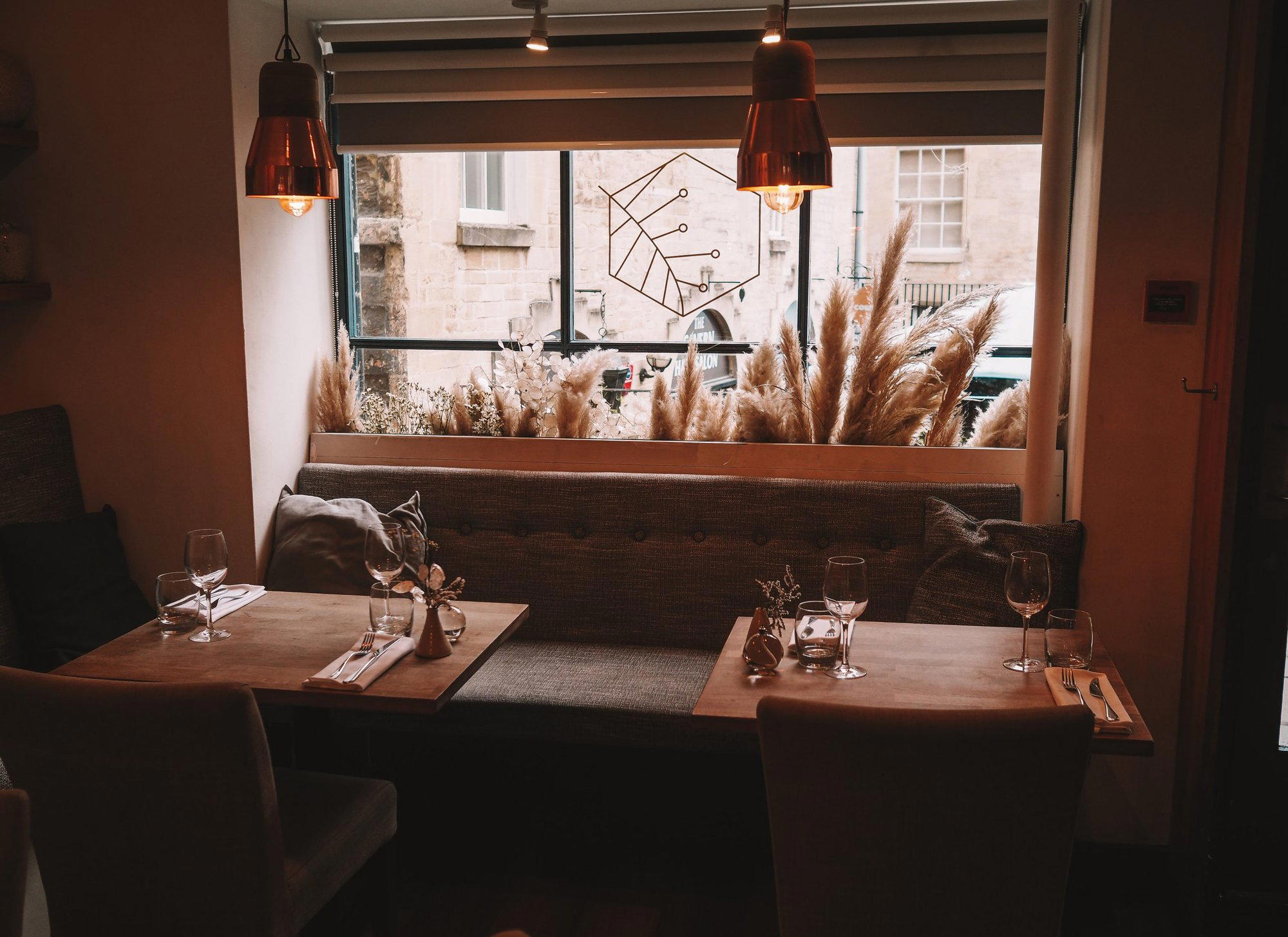
Bath, United Kingdom
Acorn has spent years making the case that plant-based cooking belongs in the same conversation as any serious restaurant in Bath. Working from a narrow address off North Parade Passage, the kitchen produces vegetable-driven dishes of real technical ambition: coffee-infused cauliflower with hazelnut polenta, black truffle gnocchi, and an organic squash terrine that has become a house reference point.

Leersum, Netherlands
Bistro LOF in Leersum holds consecutive Michelin Plate recognition for 2024 and 2025, built on a daily-changing buffet of around 40 plant-forward dishes weighed and priced by quantity. Chef Zoë Jonker-Lenser's vegetable-led cooking draws from organic sourcing and shifts weekly, placing this Utrechtse Heuvelrug address firmly in the Netherlands' growing current of serious plant-based dining at an accessible price point.

Sabran, France
Bistro de Montcaud operates from the grounds of Château de Montcaud in Sabran, southern France, serving traditional cuisine at a mid-range price point with two consecutive Michelin Plate recognitions. The kitchen applies a personalised menu approach, adapting each service to guests' preferences in advance, with a particularly committed plant-based offering that distinguishes it from comparable rural bistros in the Gard.
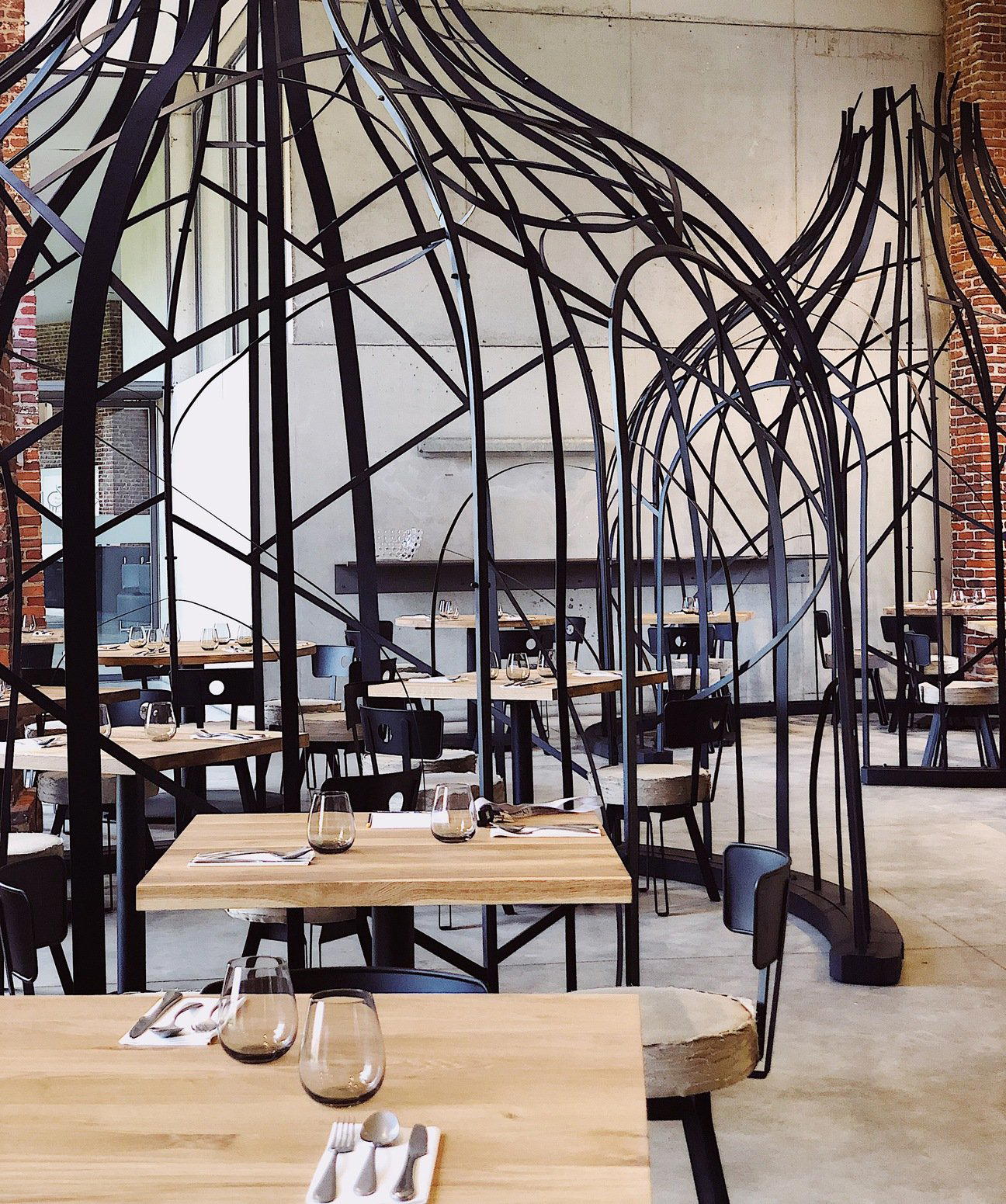
Boussu, Belgium
Set on the historic grounds of Grand-Hornu in Wallonia, Rizom draws on regional producers and seasonal rhythms to build a menu that holds plant-based cooking at the same level as everything else. Chef Olivier De Vriendt, formerly of San, applies a quietly modernist approach to ingredients sourced close to home, making this one of the more considered addresses in the Borinage.
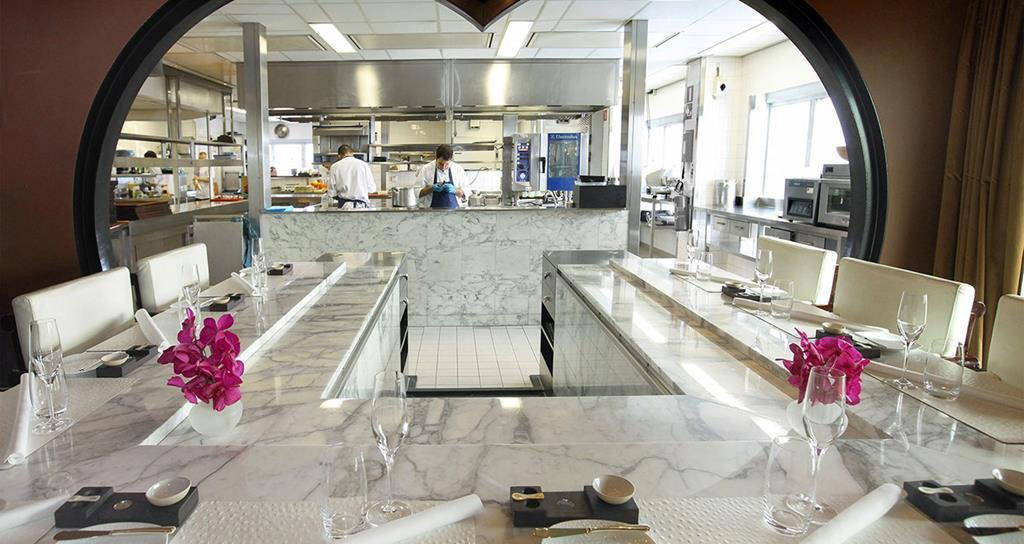
Amsterdam, Netherlands
Ciel Bleu holds two Michelin stars and a La Liste score of 94 points (2026), operating from the 23rd floor of Hotel Okura Amsterdam South. Chef Arjan Speelman leads a creative menu weighted toward crab, lobster, fish, and meat, with vegetables treated with precision if not yet full parity. Star Wine List ranked it #1 in 2025. Open Tuesday through Saturday from 6:30 pm.
San Francisco, United States
Founded by Alice Waters in 1971, Chez Panisse is the Berkeley restaurant most credited with establishing California cuisine and the farm-to-table movement in the United States. Operating from a converted craftsman house on Shattuck Avenue, it holds a Michelin Plate and consistent Opinionated About Dining recognition, and remains a reference point for any serious conversation about American cooking.

Luxembourg, Luxembourg
Luxembourg's most decorated Italian table, Mosconi holds two Michelin stars, Relais & Châteaux membership, and a place on Les Grandes Tables du Monde — a peer set that locates it firmly within Europe's highest-recognition tier. Housed in the historic Grund quarter, Illario Mosconi's kitchen imports its produce directly from Italy, anchoring the cooking in product clarity over technique display.

Capodacqua, Italy
Une holds a Michelin star and occupies a 17th-century mill in Capodacqua, a hamlet in Umbria's Foligno territory where springs fed the original millworks. Chef Giulio Gigli runs tasting menus anchored to produce sourced within 20 kilometres, alongside a wine list weighted toward organic and biodynamic labels. The setting, the sourcing radius, and the price tier place it firmly in Italy's serious rural fine-dining circuit.
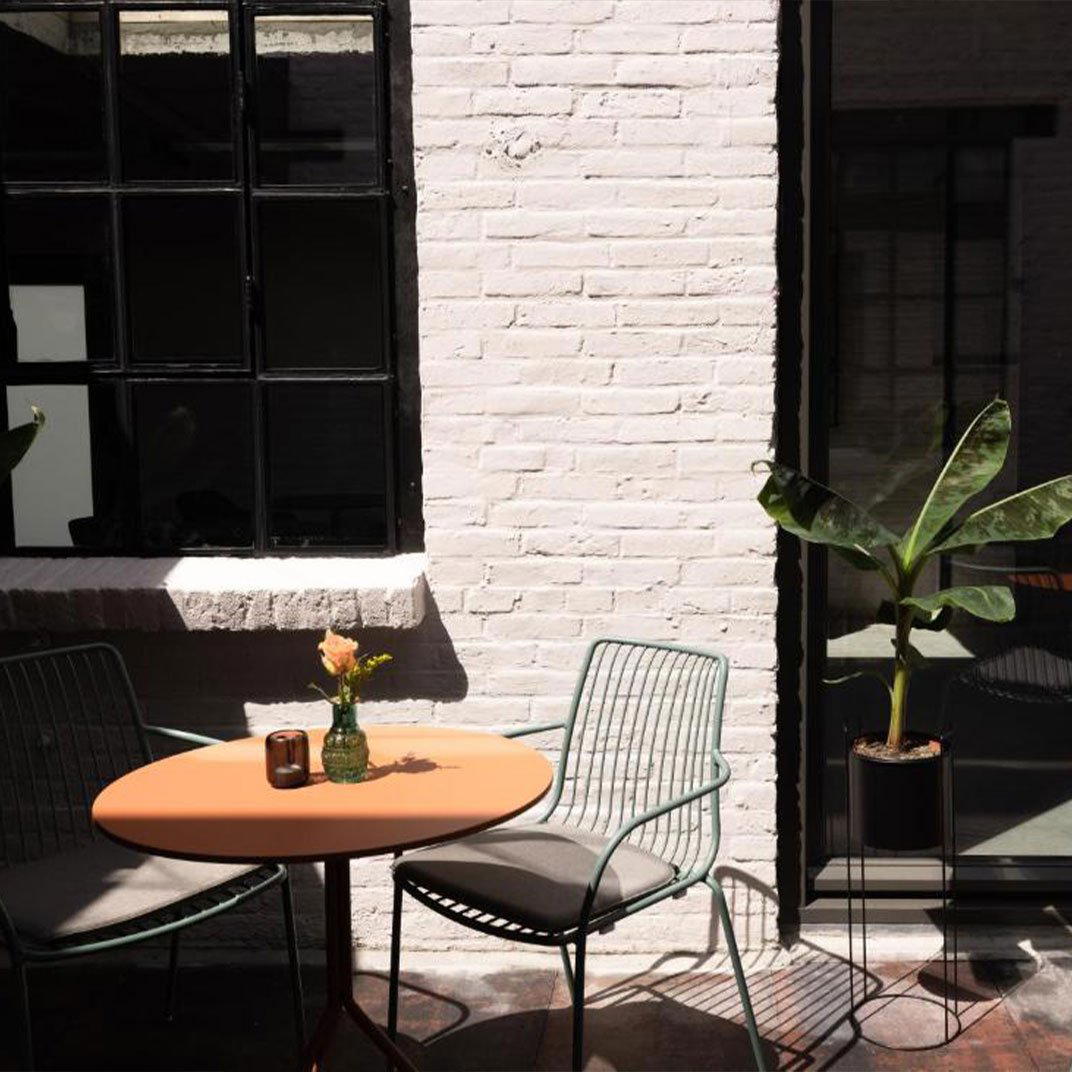
St-Martens-Voeren, Belgium
A Michelin-starred farm-to-table address in the Voeren hills, Hoeve De Bies translates the agricultural richness of one of Belgium's most rural enclaves directly onto the plate. Chef Maurice Huynen draws from local meat, vegetables, fish, and fresh herbs to build a menu grounded in regional provenance. The €€€€ price tier reflects two consecutive Michelin stars and a setting that earns the drive from any nearby city.

Montepulciano SI, Italy
A long-running address on Montepulciano's main corso, La Grotta applies a lightening hand to the Sienese kitchen without abandoning its foundations. Dishes like pappardelle with guinea fowl and prunes or slow-cooked suckling pig with chard read as the region's larder treated with some discipline. It is the kind of table that makes sense after a morning walking the town's Renaissance streets.

Glasgow, United Kingdom
In the affluent suburb of Bearsden, Elements sits at the serious end of Glasgow's neighbourhood dining scene, earning a Michelin Plate in 2025 for cooking that applies classical technique to Scottish produce with quiet confidence. West Coast langoustines, a considered wine list, and a plant-based tasting menu that draws green-guide recognition make it a destination worth crossing the city for. Rated 4.9 on Google across early reviews.

Ubud, Indonesia
Locavore NXT sits at the sharper end of Ubud's fine dining tier, where European technique meets plantation-sourced Balinese produce in a format that ranked #92 on Asia's 50 Best Restaurants in 2025 and scored 91 points on La Liste 2026. Chefs Eelke Plasmeijer and Ray Adriansyah push further here than at their original Locavore, with a menu structure that rewards guests who come ready to surrender the pace of the meal to the kitchen.

València, Spain
In L'Eixample, Saiti positions Vicente Patiño's Mediterranean cooking within the sharper end of València's mid-tier restaurant scene. Three seasonal menus — each available with wine pairing — work through regional products from white prawns to blue crab, grounded in Valencian tradition and reframed through a contemporary lens. A Michelin Plate holder and ranked among Europe's top restaurants by Opinionated About Dining, it occupies a considered space between neighbourhood bistro and serious kitchen.
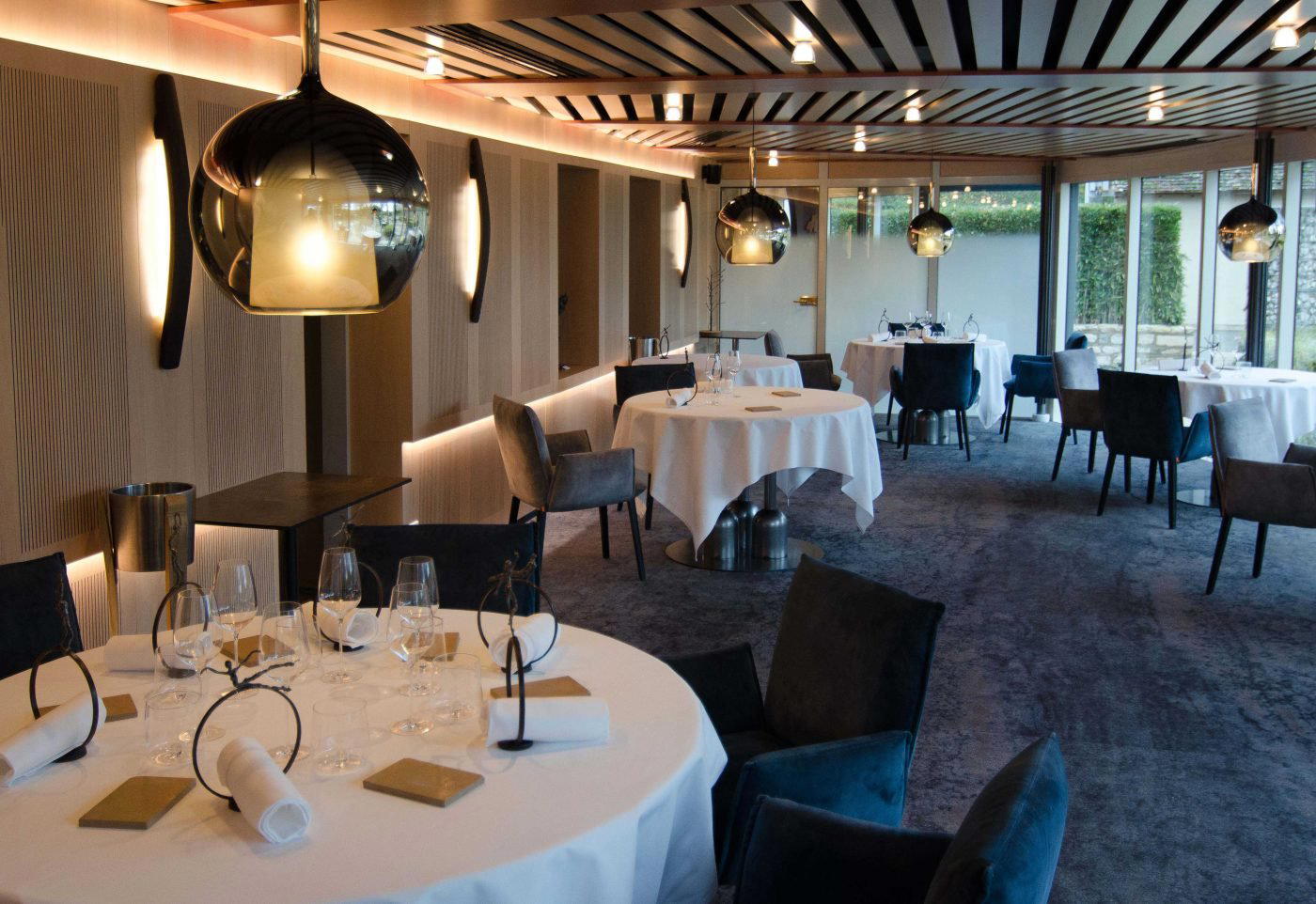
Saint-Rémy, France
A two-Michelin-star address in the Burgundy countryside, Cédric Burtin sits quietly off the main arterial routes between Mâcon and Chalon-sur-Saône, drawing guests with creative plant-forward menus and a waterside terrace that earns its own reputation. La Liste scored it 79.5 points in 2025, and the We're Smart Green Guide places it among its five-radish tier. The setting does much of the talking before a single dish arrives.
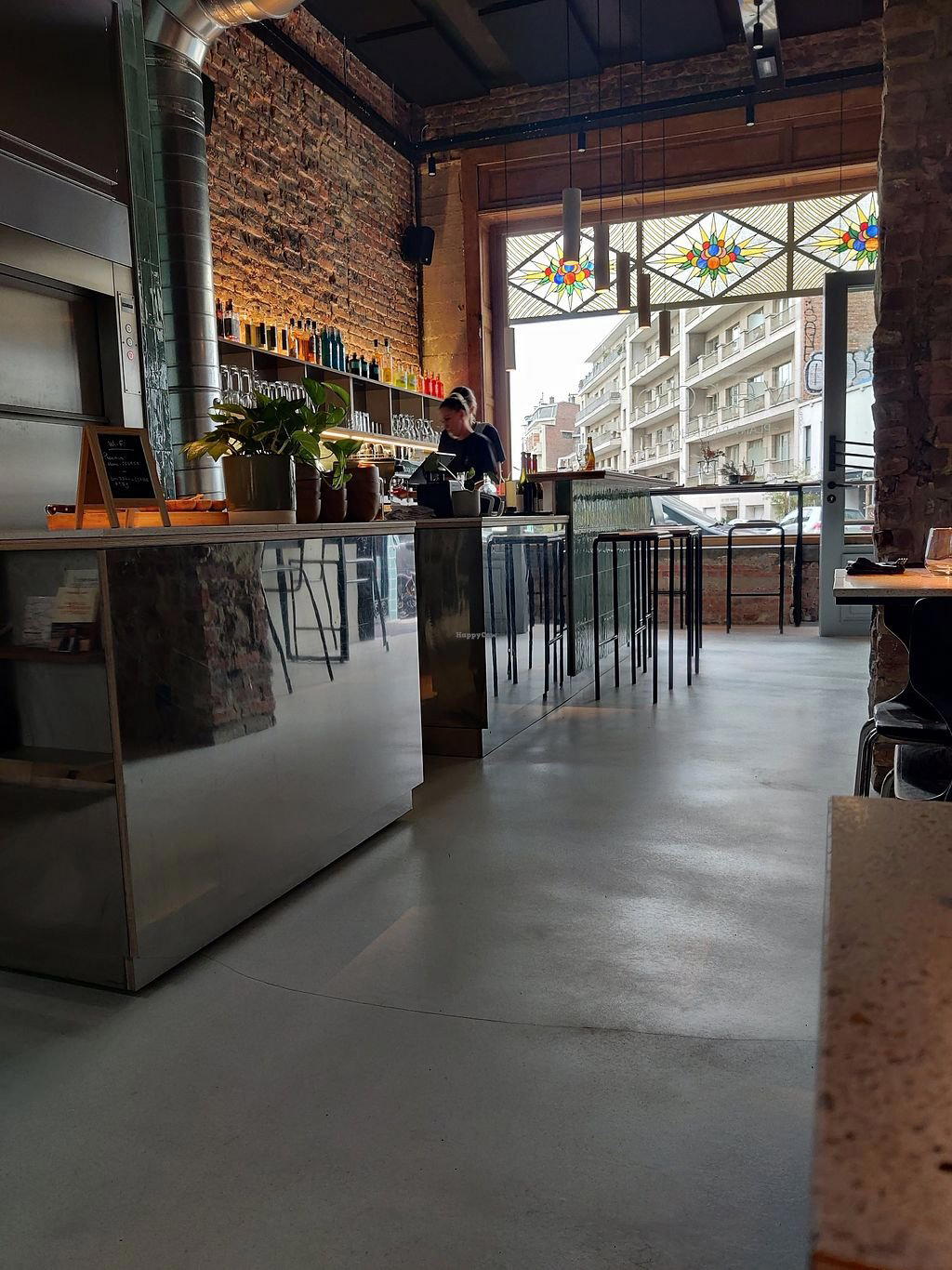
Brussel, Belgium
Verdo on Chaussée de Vleurgat makes a strong case for what plant-based cooking in Brussels can look like when handled with conviction rather than compromise. The menu leans on seitan and creative meat substitutes, shared at the table, with a seasonal discipline that keeps the cooking honest. For anyone serious about this category, it represents the approach done right.

Sittard, Netherlands
G7 Restaurant in Sittard has earned recognition from both Star Wine List (White Star, 2026) and the We're Smart Green Guide for its vegetable-forward cooking, on-site kitchen garden, and plant-based wine pairings. The live cooking format inside a greenhouse kitchen signals where the kitchen's priorities sit: directly in the soil before it reaches the plate. For Limburg, that combination places G7 in a narrow peer set.

Brietenbach, France
In the forested hills above Strasbourg, La Table de 48° Nord represents a quieter strand of Alsatian cooking: garden-driven, vegetable-forward, and shaped by Scandinavian preservation methods. Chef Frédéric Metzger works from an organic garden on-site, positioning the restaurant within a French tradition that treats ingredient provenance as the primary creative constraint.
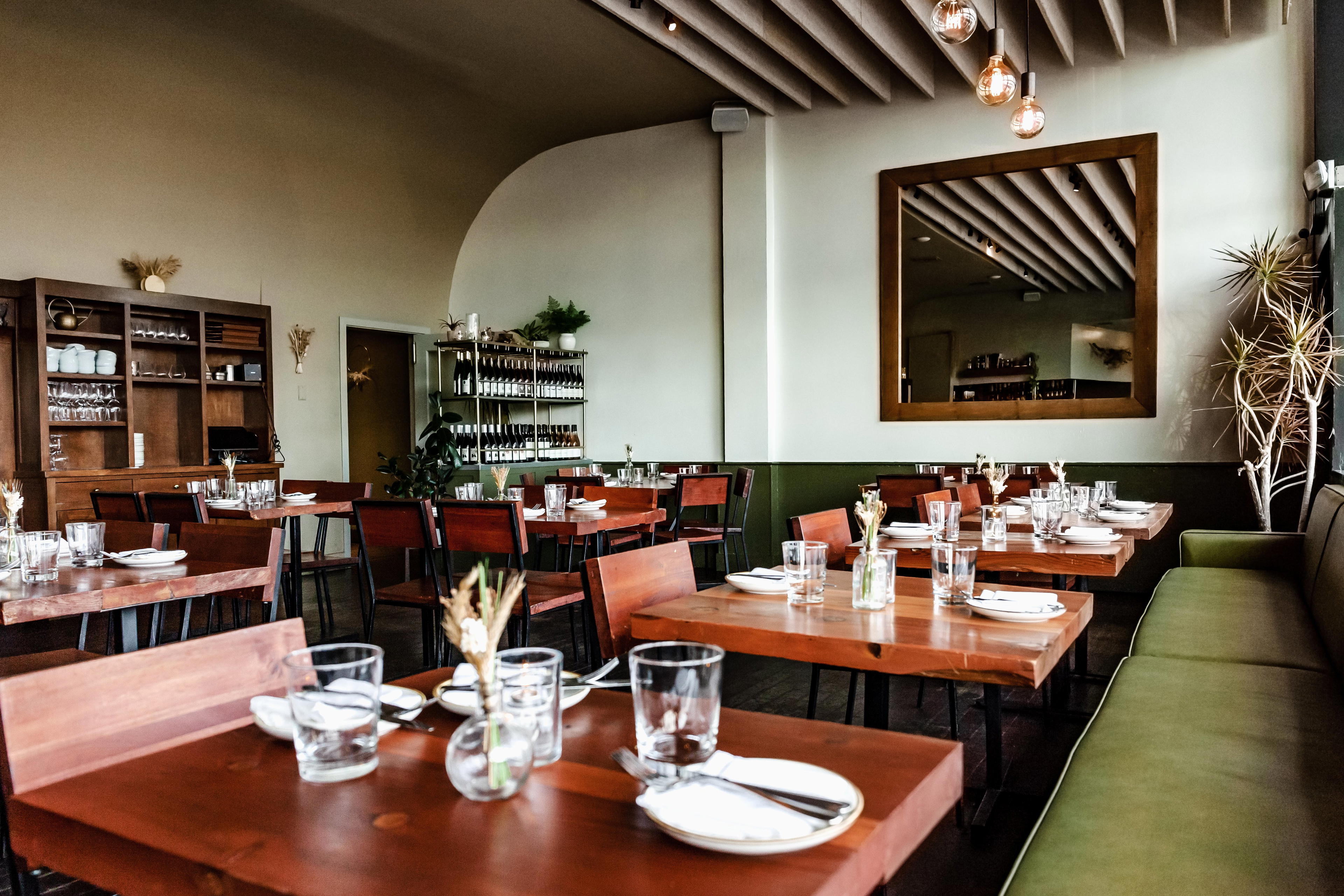
Los Angeles, United States
Rustic Canyon has anchored the Santa Monica dining scene since its early days as a farmers' market-driven neighborhood restaurant, earning Michelin Plate recognition in both 2024 and 2025 alongside consistent placement on the LA Times 101 Best Restaurants list. The daily-changing menu tracks California's harvest calendar through local seafood, vegetables, and meats sourced from the Santa Monica Farmers' Market. Dinner runs nightly from 5 pm on Wilshire Boulevard.

Berlin, Germany
On Linienstraße in Mitte, 136 brings a Peruvian-Italian fusion framework to Berlin's plant-forward dining conversation, earning consecutive Michelin Plates in 2024 and 2025 alongside recognition from the We're Smart Green Guide. Chef Matias Diaz Silva steers a kitchen where produce sourcing and cross-continental flavor logic sit at the centre of the menu, priced at the top tier of Berlin's creative dining bracket.

Paris, France
A vegan address in Paris's 9th arrondissement where David and Adrien Valentin work with local, organic produce to deliver plant-based cooking at a genuinely gastronomic register. The kitchen prioritises preparation and taste over novelty, rooting each dish in seasonal biodiversity. For those committed to 100% vegan dining without sacrificing culinary seriousness, 12 Rue Louise-Émilie de la Tour d'Auvergne is a considered choice.
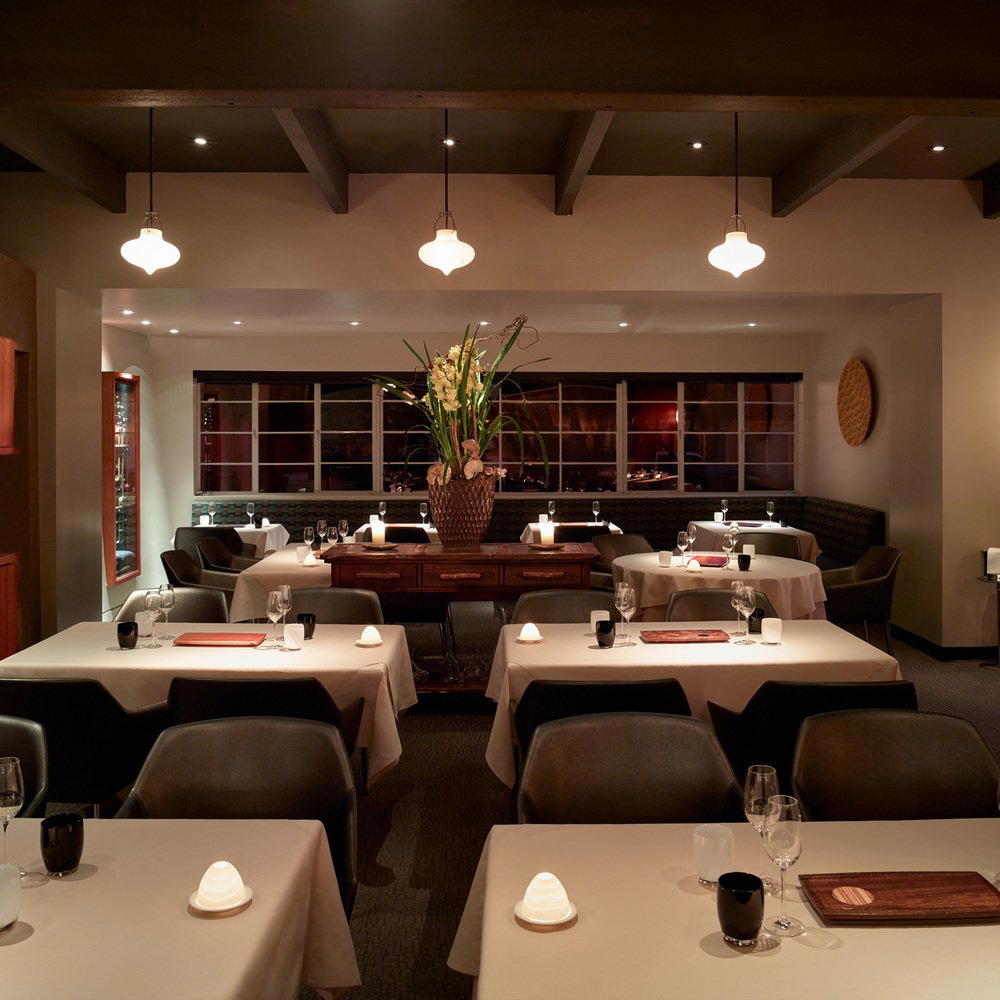
Los Gatos, United States
Manresa was Los Gatos's three-Michelin-starred benchmark for California's farm-to-table fine dining tradition, holding its stars for seven years and reaching number 38 on the World's 50 Best Restaurants list. Chef David Kinch shaped a tasting menu format rooted in daily farm harvests, positioning the restaurant within the top tier of American modern cuisine before closing in late 2022.

Barcelona, Spain
On a quiet stretch of Barceloneta, The Green Spot takes a deliberately ingredient-led approach to plant-based cooking, drawing on seasonal Catalan produce without relying on meat substitutes or processed alternatives. Chef Julia Kleist steers a menu that moves between Moroccan, Vietnamese, Thai, and European registers, all rooted in whole vegetables cooked from scratch. It sits at a notable distance from Barcelona's fine-dining tasting-menu circuit, occupying a more accessible but no less considered tier.

Hannover, Germany
Rüpel at Kötnerholzweg 30 in Hannover's Linden district operates as a fully plant-based restaurant recognised by the We're Smart community for strong price-to-quality value. Chef Lennart Röbbel leads the kitchen with a vegetable-forward focus, while the drinks list runs toward alcohol alternatives and natural wines. It sits in a different register from Hannover's conventional dining scene.

Polverara (PD), Italy
In the agricultural flatlands of the Paduan Veneto, La Posa degli Agri quietly operates at the intersection of field-to-table sourcing and serious culinary technique. Chef Andrea treats vegetables not as a supporting act but as the structural language of the menu, channelling the Euganean lowlands into plates that read as both rooted and considered. The garden terrace, when weather allows, is where the experience fully lands.

Rome, Italy
Inside the Vilòn hotel, a short walk from the Pantheon, Adelaide operates at the intersection of Roman trattoria tradition and Campanian ingredient rigour. Chef Gabriele Muro's menu moves between the city's canonical pasta repertoire and southern Mediterranean produce, earning Michelin Plate recognition in both 2024 and 2025. The terrace garden, Il Nido, is available on request for fine-weather dining.

Châteauroux, France
At 8 Rue Amiral Ribourt, Orbys brings a vegetable-forward approach to Châteauroux's modern dining scene, with Chef Adam Blondeau drawing on a close relationship with seasonal produce to shape menus where plants are central rather than peripheral. Recognised with a Michelin Plate in 2025 and rated 4.7 on Google across 51 reviews, it occupies the €€€ tier in a city where modern cuisine restaurants typically price at €€.
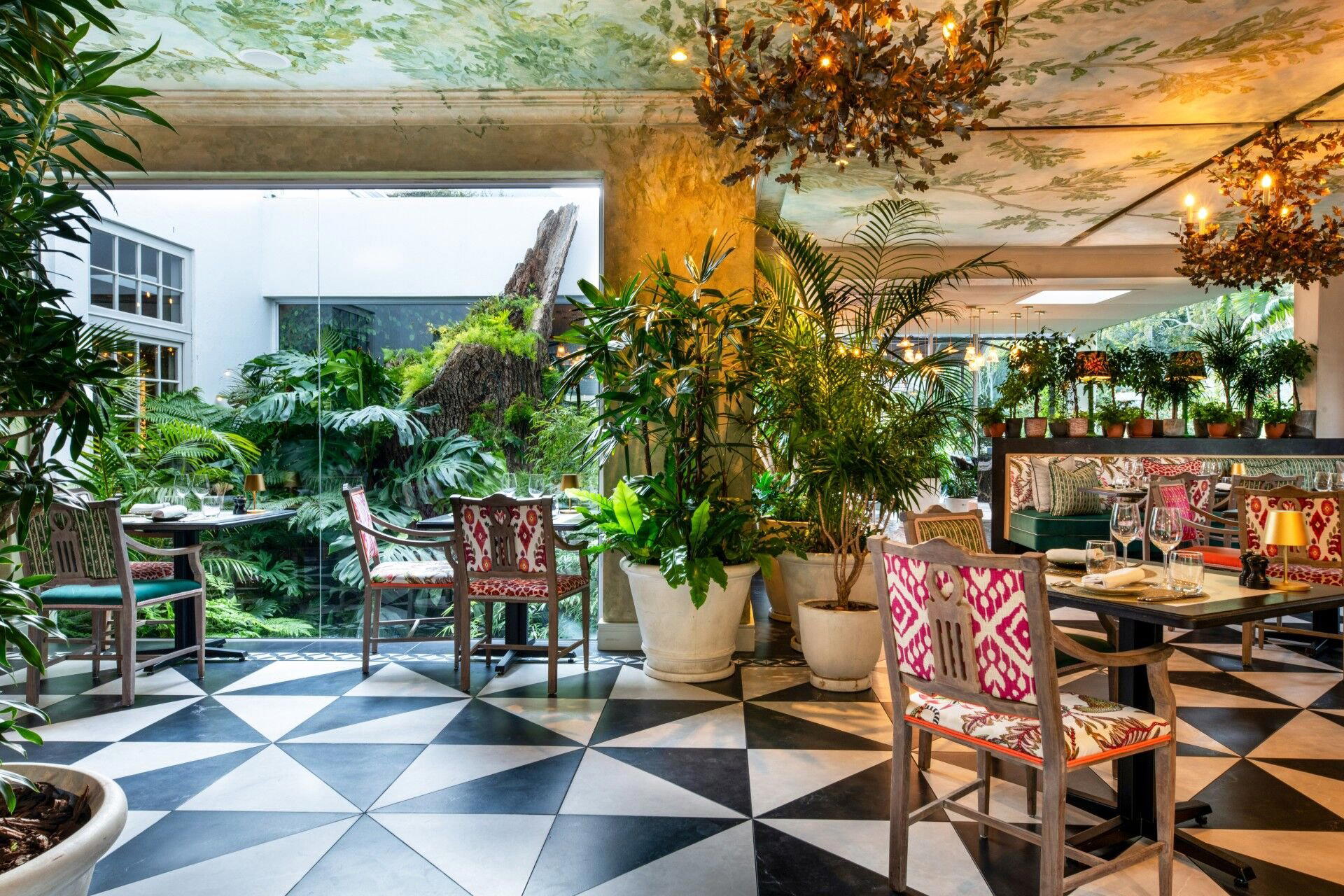
Western Cape, South Africa
Set within the Cellars-Hohenort hotel grounds in Constantia, The Conservatory by Hohenort draws on the Cape's long tradition of garden-to-table cooking, with seasonal produce and classical technique at its centre. The kitchen leans into roast meats and fresh vegetables rather than modernist elaboration, placing it in a quieter register than Cape Town's tasting-menu circuit. For visitors exploring the Constantia Valley wine corridor, it offers a grounded, unhurried alternative to the city's more theatrical dining rooms.
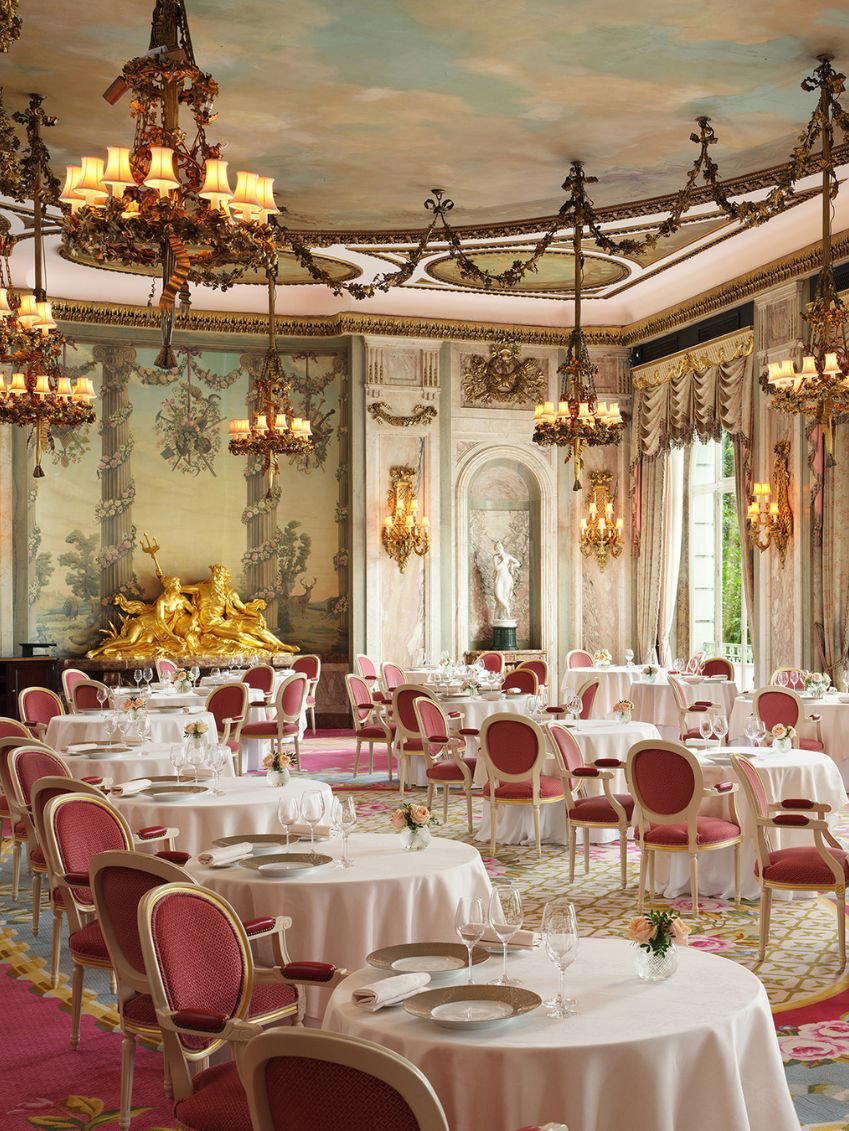
Utrecht, Netherlands
Maeve holds a Michelin star on Utrecht's historic Kromme Nieuwegracht canal, where chef Tommy Janssen builds a vegetable-forward creative French tasting menu around seasonal, locally sourced produce. Acidic brightness, precise temperatures, and confident use of fermentation techniques like miso and koji distinguish the kitchen's approach. The wine list leans into Dutch and Belgian labels, and the cellar is visible from the dining room.
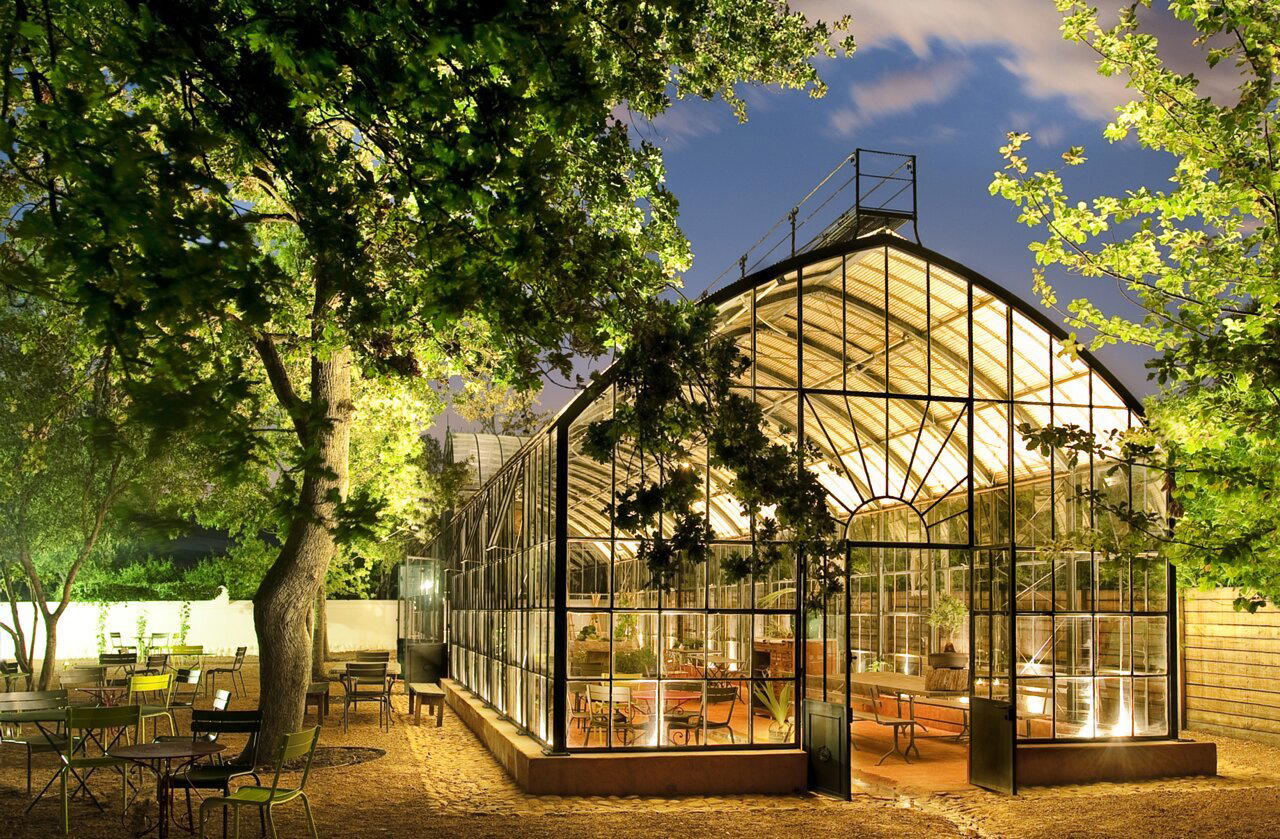
Simondium, South Africa
Babylonstoren sits at the intersection of working farm and restaurant, drawing its menu directly from one of the Cape Winelands' most photographed gardens. The kitchen leans on seasonal produce over technique, and the result is food that reads as honest rather than elaborate. Set on the Klapmuts-Simondium road in the Franschhoek Valley, it draws visitors from across the region for the grounds as much as the meal itself.

Nijmegen, Netherlands
In a former bistro on Kelfkensbos, Flores operates in the gastropub register that Nijmegen's ingredient-led dining scene has made its own. Chef Luuk Freriks works with responsibly sourced meat and fish, applying koji fermentation and whole-animal technique to produce big, grounded flavours. A Michelin Plate (2025) and a Google rating of 4.8 across 939 reviews confirm its position in the city's mid-to-upper tier.

Sasso Marconi, Italy
A Michelin-starred address in Sasso Marconi where the kitchen draws equal weight from Sicilian roots and Emilian tradition, producing stuffed pastas, oven-baked dishes, and two tasting menus that reframe northern Italian cooking through a distinctly southern lens. Chef Aurora Mazzucchelli holds a 2024 Michelin star and was named Italy's best emerging chef. Open Wednesday through Sunday for lunch and dinner, at a €€€ price point.

Barcelona, Spain
Cinc Sentits holds two Michelin stars and a consistent OAD European ranking, anchored by a tasting format that reads as a study in Catalan ingredient provenance: Palamós prawns, Maresme peas, Figueres onions. The Eixample address runs two menus only, Corto and Degustación, with a chef's table overlooking the kitchen that books well ahead of standard tables.

Antwerpen, Belgium
At Yust on Coveliersstraat, Chef Laurens Jasperse builds a menu around a single proposition: vegetables, and then more of them. The vegan tasting format sits at the far end of the spectrum, but the kitchen's commitment to plant-forward cooking runs through every option. In a city that takes its restaurants seriously, Yust has earned a reputation for atmosphere and conviction in equal measure.

Portonovo, Italy
Perched on stilts above the Adriatic at Portonovo's bay, Clandestino Susci Bar translates Japanese precision through a distinctly Italian-coastal lens. Moreno Cedroni's concept of 'susci' — reinterpreting sushi with Adriatic seafood and Mediterranean technique — has earned consistent Michelin Plate recognition and a place on the Opinionated About Dining European rankings since 2023. The wooden chalet setting, inside Monte Conero Regional Park, gives the cooking a specific geographic logic that few Italian seafood restaurants can match.

Minato-ku, Japan
At a second-floor counter in Nishiazabu, Toumin sits at the intersection of French technique and Japan's seasonal produce traditions. Chef Kazuya Iguchi, whose training included time with vegetable-focused French chef Michel Bras, builds a single fixed menu around fermentation, meat, fish, and a depth of vegetable work that earned recognition from the We're Smart Green Guide.

Bruton, United Kingdom
Set in a converted 17th-century coaching inn ten minutes from Bruton, Osip holds a Michelin star and a 91-point La Liste ranking for 2026. Merlin Labron-Johnson's surprise tasting menu draws on two organic smallholdings and a wine list built around low-intervention bottles. Four rooms named after Somerset rivers make it a genuine overnight destination.

Levernois, France
A Michelin-starred restaurant in the Burgundian village of Levernois, Table de Levernois holds a 4.8/5 EP Club rating and successive Michelin stars in 2024 and 2025. Chef Philippe Augé anchors the cooking in Côtes de Beaune produce, with a wine list that matches the plate's regional discipline. The setting is bucolic, the atmosphere notably familial, and the room draws a high proportion of returning guests.

Florence, Italy
Il Vegetariano has operated on Via delle Ruote for decades as one of Florence's most consistently attended plant-based restaurants. The format is deliberately lean: a chalkboard lists what's available that day, you write your own order, pay at the counter, and the food arrives quickly. The menu rotates weekly around seasonal produce, and the loyal repeat custom it generates says more about the cooking than any award could.

Wépion, Belgium
Formerly a gastronomic address on the heights of Namur, L'O à la Bouche has relocated to the banks of the Meuse in Wépion and shifted its format to a contemporary brasserie. The kitchen remains modern and inventive, with Michelin Plate recognition in both 2024 and 2025, and a Google rating of 4.6 across nearly 400 reviews. Pricing sits at the accessible end of the Walloon fine-dining spectrum.
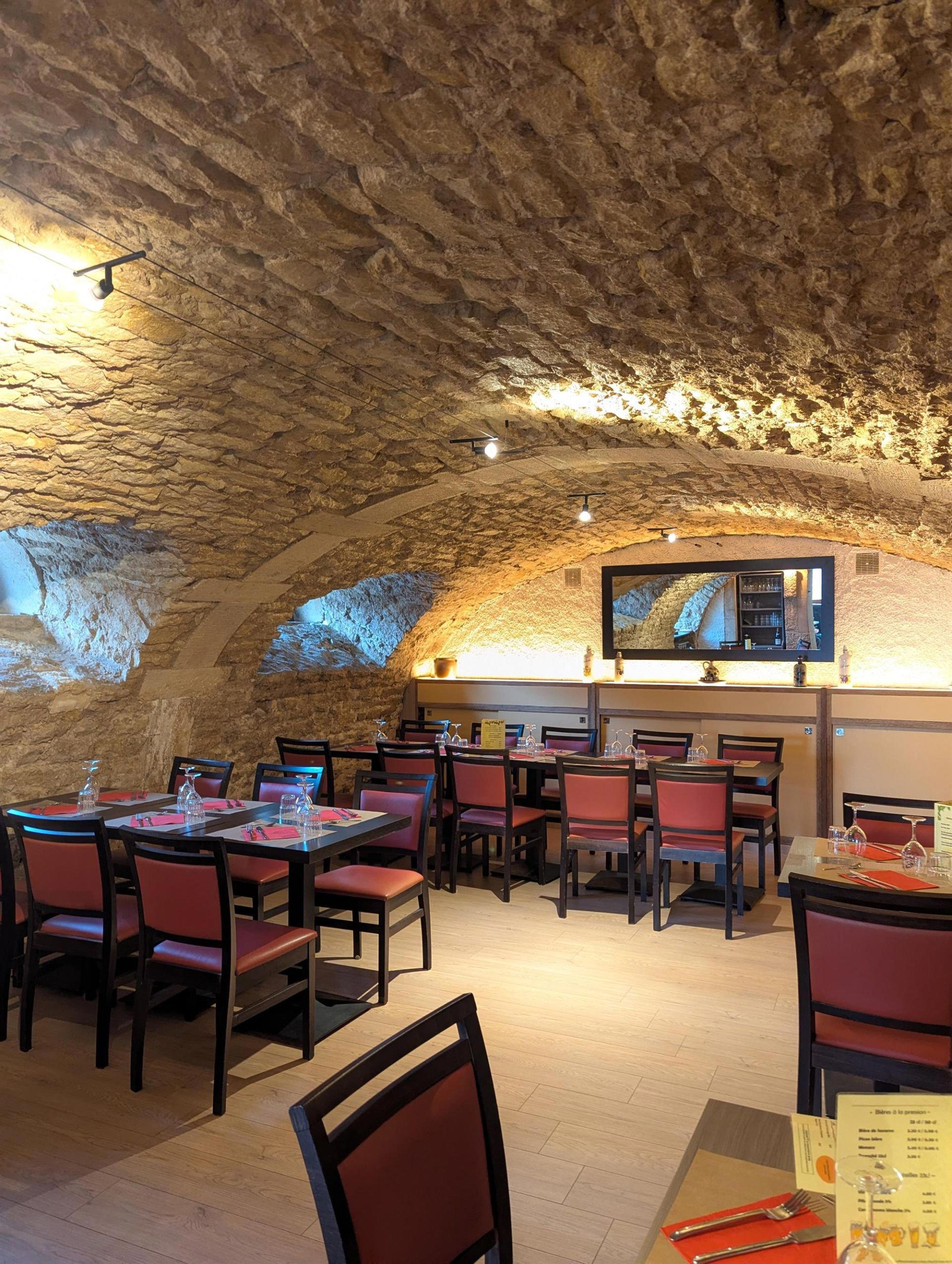
Bruley, France
In the village of Bruley, on the wine-producing edge of Lorraine, Au Caveau has earned recognition from the We're Smart Green Guide for Chef Elodie Favaro's vegetable-forward cooking. The menu follows seasonal market availability closely, with produce forming the structural core of each dish rather than a secondary note. It occupies a distinct position in a region better known for its vineyards than its restaurant tables.

Bangkok, Thailand
Haoma occupies a private house on Sukhumvit 31, where Chef Deepanker Khosla's neo-Indian tasting menus draw on an on-site urban farm, a certified organic plot in Chiang Mai, and a zero-waste operating model that earned Thailand's first Michelin star for sustainable Indian fine dining. Ranked 89th in Asia by Opinionated About Dining (2025) and recognised by La Liste with 80.5 points, it sits at the precise intersection of Indian culinary tradition and Bangkok's most rigorous farm-to-table discipline.

Copenhagen, Denmark
Øens Have occupies Refshalevej's repurposed industrial fringe, growing much of its produce in an attached kitchen garden and building its menu around open-fire vegetables with minimal intervention. The kitchen leans heavily on butter and dairy, which rewards vegetarians but leaves vegans with limited options. EP Club awards 3 Radishes — a score that recognises genuine produce integrity alongside a menu that hasn't yet reached full technical polish.

Franschhoek, South Africa
La Petite Colombe sits within Leeu Estates in Franschhoek, operating as part of the same group behind La Colombe, Foxcroft, and Protégé. Rated 93 points by La Liste in both 2025 and 2026, the restaurant runs a ten-course vegetarian menu that draws on local produce, fermentation, and global technique. Reservations are advisable well ahead, particularly for weekend sittings during the Cape Winelands high season.

Amsterdam, Netherlands
Housed in an 18th-century former bakery on the Keizersgracht, Vinkeles holds two Michelin stars and an 86.5-point La Liste ranking, placing it firmly within Amsterdam's small tier of destination fine dining. Chef Jurgen van der Zalm works a restrained French-creative framework, with a plant-forward menu that has drawn particular attention from the We're Smart Green Guide alongside recognition from Opinionated About Dining's Classical Europe list.

Lima, Peru
Fiesta Lima brings four decades of northern Peruvian culinary mastery to Miraflores, where Chef Héctor Solís transforms Chiclayo traditions into refined dining experiences featuring signature Arroz con Pato, exceptional ceviche, and rare loche squash preparations unavailable elsewhere in the capital.

Leuven, Belgium
Den Optimist occupies a relaxed corner of Leuven's Vismarkt with a 100% plant-based menu that sits outside the fine-dining register entirely. Recognised by the We're Smart Green Guide for its approachable, ingredient-led cooking, it fits the city's character as a place where students, locals, and visitors share the same tables. Pair the food with a local Belgian beer and the format makes complete sense.

Seoul, South Korea
Seoul's first restaurant to earn both a Michelin star and a perfect five-radish score from We're Smart, Légume operates entirely within a 100% plant-based kitchen on Gangnam-daero. Chef Siwoo Sung brings a seasonal, produce-led approach to Korean vegetable traditions, producing a menu that positions vegan fine dining as a serious culinary category rather than a dietary compromise.

Lisbon, Portugal
SEM occupies a quiet stretch of Alfama with a tasting menu built around regenerative agriculture and fermentation, changing week to week in step with what local producers supply. Chefs George Mcleod and Lara Prado hold a 2025 Michelin Plate and are part of the We're Smart Movement, placing SEM among Lisbon's most considered addresses for vegetable-forward creative cooking at a mid-range price point.

Stockholm, Sweden
Stockholm's only three-Michelin-star restaurant, Frantzén operates across three floors of a 19th-century Norrmalm townhouse, delivering a single tasting menu that merges Nordic technique with Asian reference points. Ranked #2 in Europe by Opinionated About Dining (2025) and 99 points by La Liste (2026), it holds a position among the most decorated tables in Scandinavia. Booking demand is high; plan well in advance.
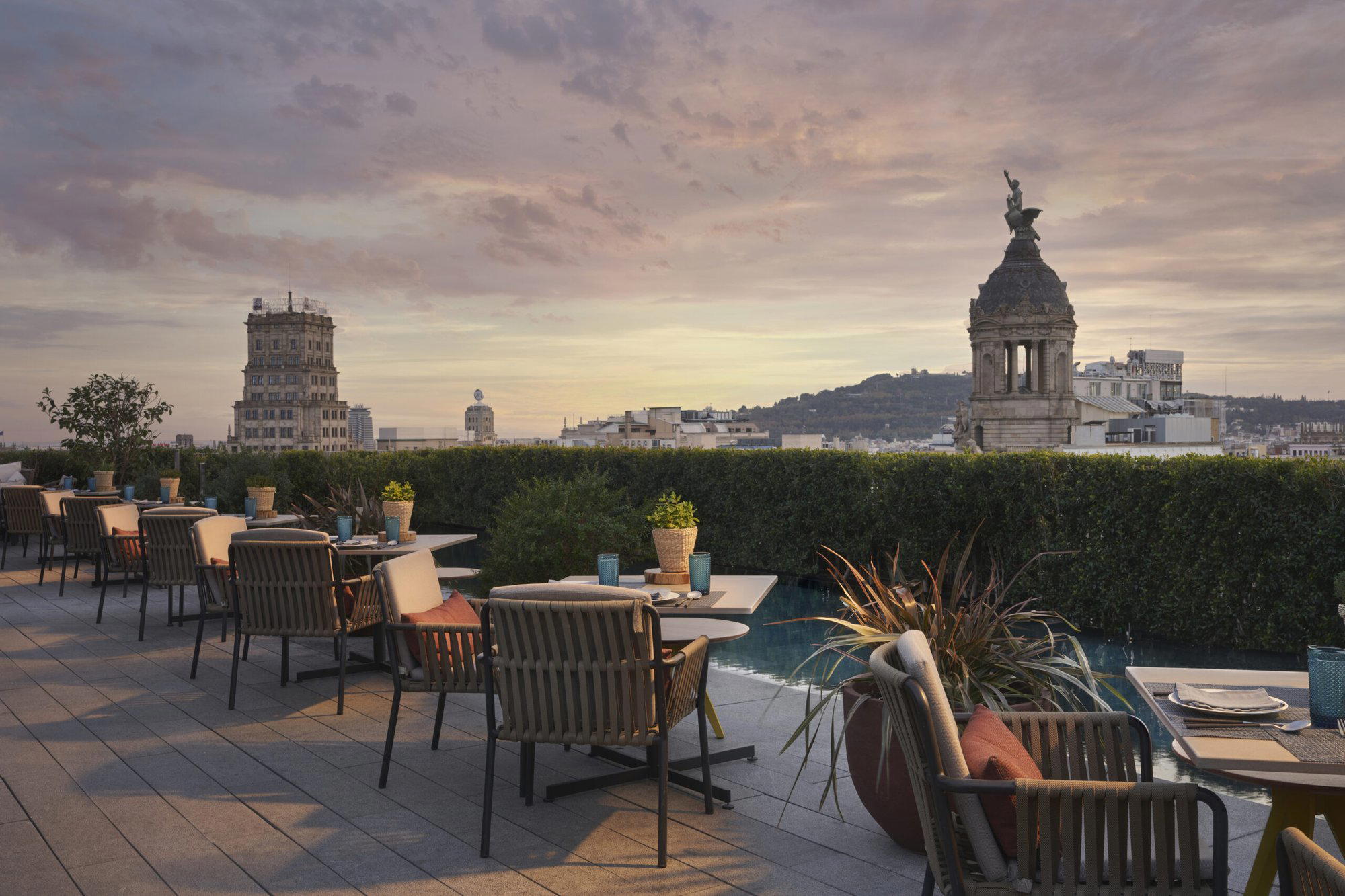
Barcelona, Spain
On the roof of the Mandarin Oriental on Passeig de Gràcia, Terrat brings the reach of Gastón Acurio's Peru-rooted kitchen to one of Barcelona's more commanding outdoor settings. The format shifts meaningfully between lunch and dinner, making the time of visit a genuine choice rather than a formality. For a city with no shortage of high-end rooftop options, the Peruvian-inflected menu gives it a distinct position.
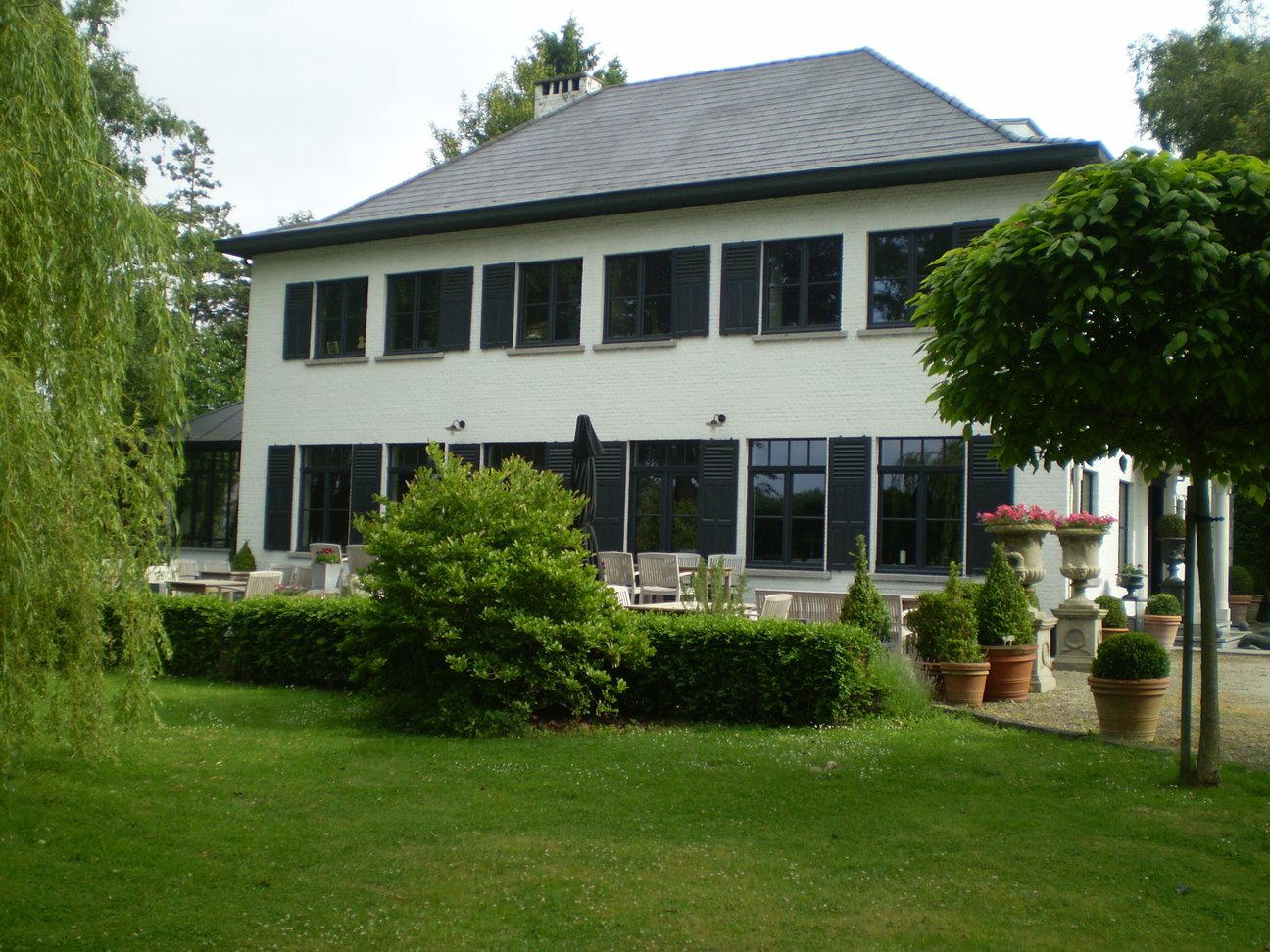
Hekelgem (Affligem), Belgium
Set along a quiet stretch of Brusselbaan in Affligem, Anobesia is where Geert Gheysels has spent 25 years building a kitchen around what the season actually offers. Plates skew heavily toward vegetables, sourced from his own picking and herb garden each spring, with fish and meat playing supporting roles. The result is a quietly serious restaurant that earns its reputation through discipline rather than spectacle.

Dijon, France
Housed in a 17th-century Burgundy stone building on rue Jeannin, CIBO holds a Michelin star and a 'Remarkable' rating from We're Smart for its ingredient-led modern cuisine. Chef Angelo Ferrigno sources exclusively within a 200km radius, drawing Nordic-inflected technique into the heart of Burgundy's produce tradition. Tables book out quickly; Tuesday through Friday service only.
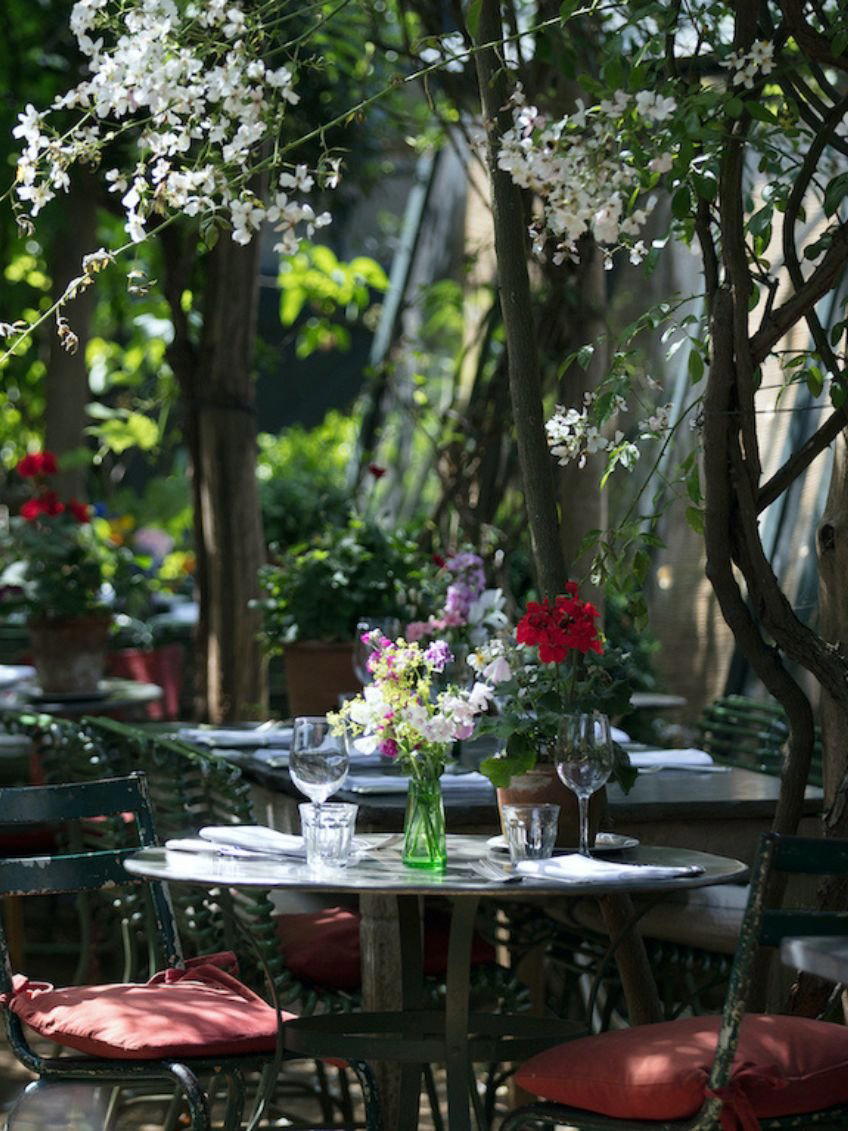
Dijon, France
At 5 Rue Michelet, William Frachot's two-Michelin-star address within the Hôtel Chapeau Rouge occupies a distinct position in Dijon's fine-dining tier: a kitchen rooted in Burgundian tradition but genuinely curious about plant-forward cooking. Recognised by La Liste, Les Grandes Tables du Monde, and Opinionated About Dining, it draws both regional loyalists and visitors who cross Burgundy specifically for the table.
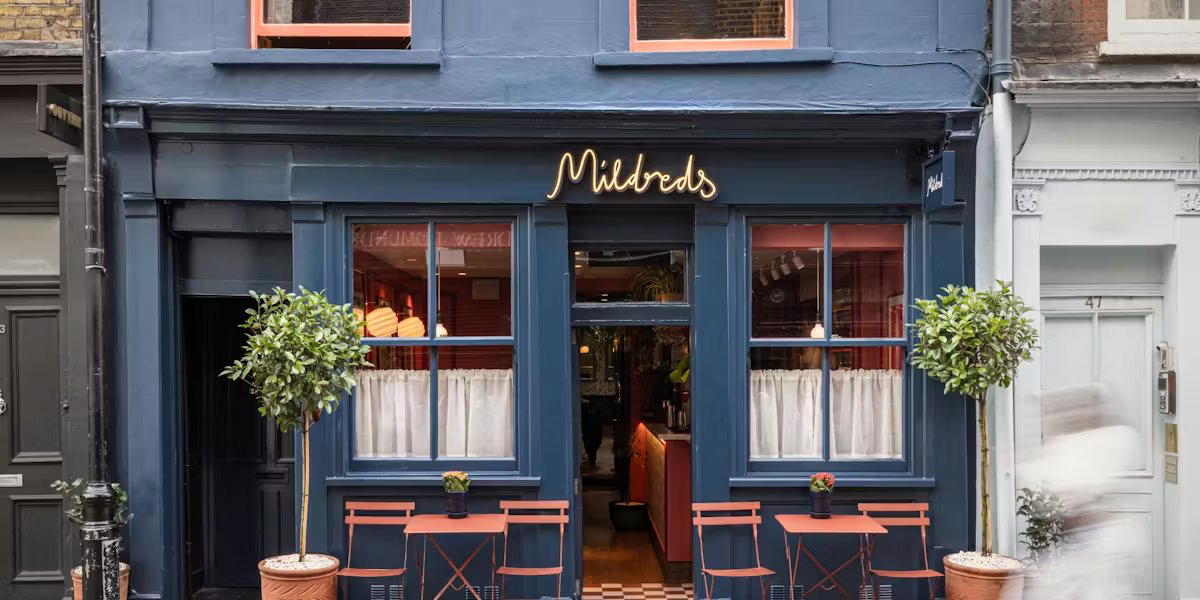
London, United Kingdom
Open since 1988, Mildreds has grown from a single Soho spot into a four-site London institution for plant-based dining. The menu spans tandoori 'chicken' with black dahl and roti to Sri Lankan curry and vegetarian sausage with mash, drawing on global references without losing a sense of place. It occupies a distinct tier in London's vegetarian scene: accessible, consistent, and long-established enough to have shaped the category.

Fukuoka, Japan
Forty minutes south of Fukuoka city, in the rice-farming municipality of Yame, NONOKA RESTAURANT has earned consecutive Tabelog Bronze Awards in 2025 and 2026, plus selection for the Tabelog Innovative/Creative Cuisine Top 100. Chef Takashi Hara works within a French-creative framework with a particular focus on vegetables, drawing diners well beyond the prefecture for lunch and dinner seatings that require advance reservation.
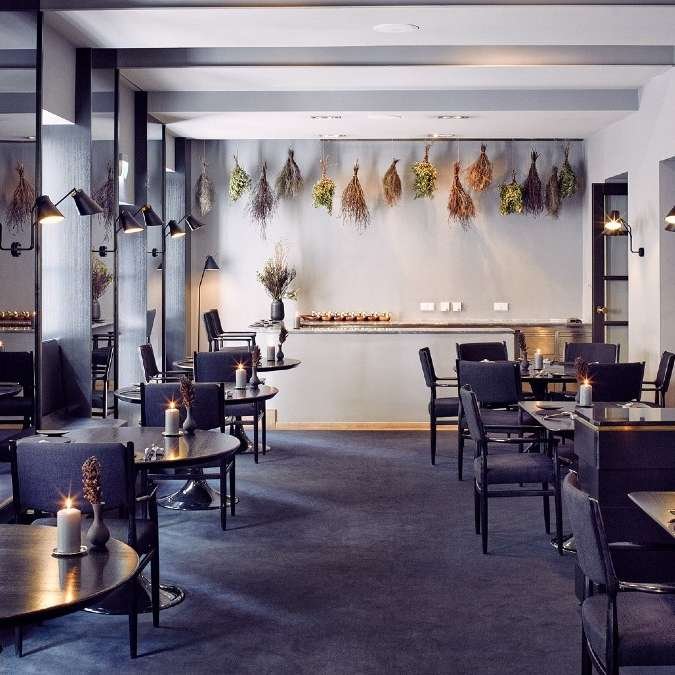
Vienna, Austria
Vienna's two-Michelin-star address on Dominikanerbastei 17 sits at the sharper end of the city's modern European table. Ranked 52nd in Europe by Opinionated About Dining in 2025 and scoring 91 points in La Liste's 2026 ranking, Konstantin Filippou operates in the same critical tier as the city's most scrutinised kitchens, distinguished by ingredient-led cooking that draws on Mediterranean and Central European references in equal measure.

Los Angeles, United States
On the Sunset Strip, Ardor applies a plant-forward Californian framework that earned back-to-back Michelin Plate recognition in 2024 and 2025, alongside inclusion in the We're Smart Green Guide for its vegetable-led approach. Chef John Fraser's kitchen operates at the $$$ tier, positioning the restaurant between West Hollywood's casual dining scene and the upper reaches of LA's fine-dining circuit.

Castel Gandolfo RM, Italy
On the shore of Lake Albano, directly opposite the Pope's summer residence, Gardenia occupies one of the more theatrically situated dining rooms in the Castelli Romani. The interior layers animal figures, gilded furniture, and decorative stucco into something that reads less as décor and more as committed personality. The kitchen runs a creative menu with a consistent vegetarian strand, served against a terrace view that few restaurants in Lazio can match.
Da Nang, Vietnam
La Sen is the plant-based restaurant at Four Seasons Resort The Nam Hai, set on a stretch of coastline south of Da Nang. The menu draws on Vietnamese produce and global influences, with a fully plant-based lunch and dinner format that has earned recognition as one of the more considered dining programs in central Vietnam's premium hotel tier.
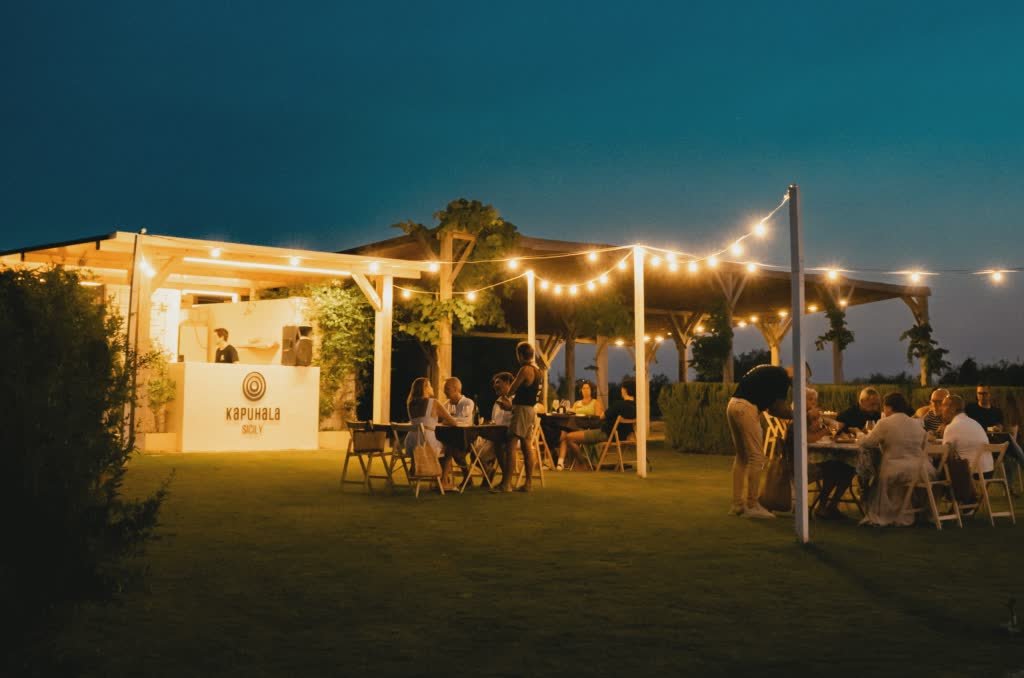
Siracusa, Italy
Set on a Sicilian estate outside Noto, Vivi Vinu operates on a strict zero-kilometre philosophy: no meat, no imports, nothing that cannot be sourced from the estate or the island itself. Chef Christal Lee's cooking is grounded in the seasonal abundance of southeastern Sicily, paired with wines from the property and the broader Sicilian wine tradition. The experience belongs to the Kapuhala group, which applies the same principles at its Koh Samui outpost.

Heist, Belgium
A Michelin Plate-recognised address on the Knokke-Heist coast, Caillou puts contemporary vegetable-forward cooking at the centre of the meal. The kitchen carries the lineage of Sel Gris, one of the Belgian coast's most respected establishments, channelled through a cooking partnership that makes vegetables the structural argument of each plate. Google reviewers rate it 4.7 from 255 scores — a consistent signal of local and visitor approval.

Phuket, Thailand
The Thai restaurant at Amanpuri sits at the quieter, more precise end of Phuket's fine dining spectrum. Vegetable preparations are handled with a calibration rare in a cuisine where bold aromatics tend to dominate, and the open-air setting on Pansea Beach adds a physical context that most urban Thai restaurants cannot replicate. For those who find resort dining too conservative, this is the counter-argument.
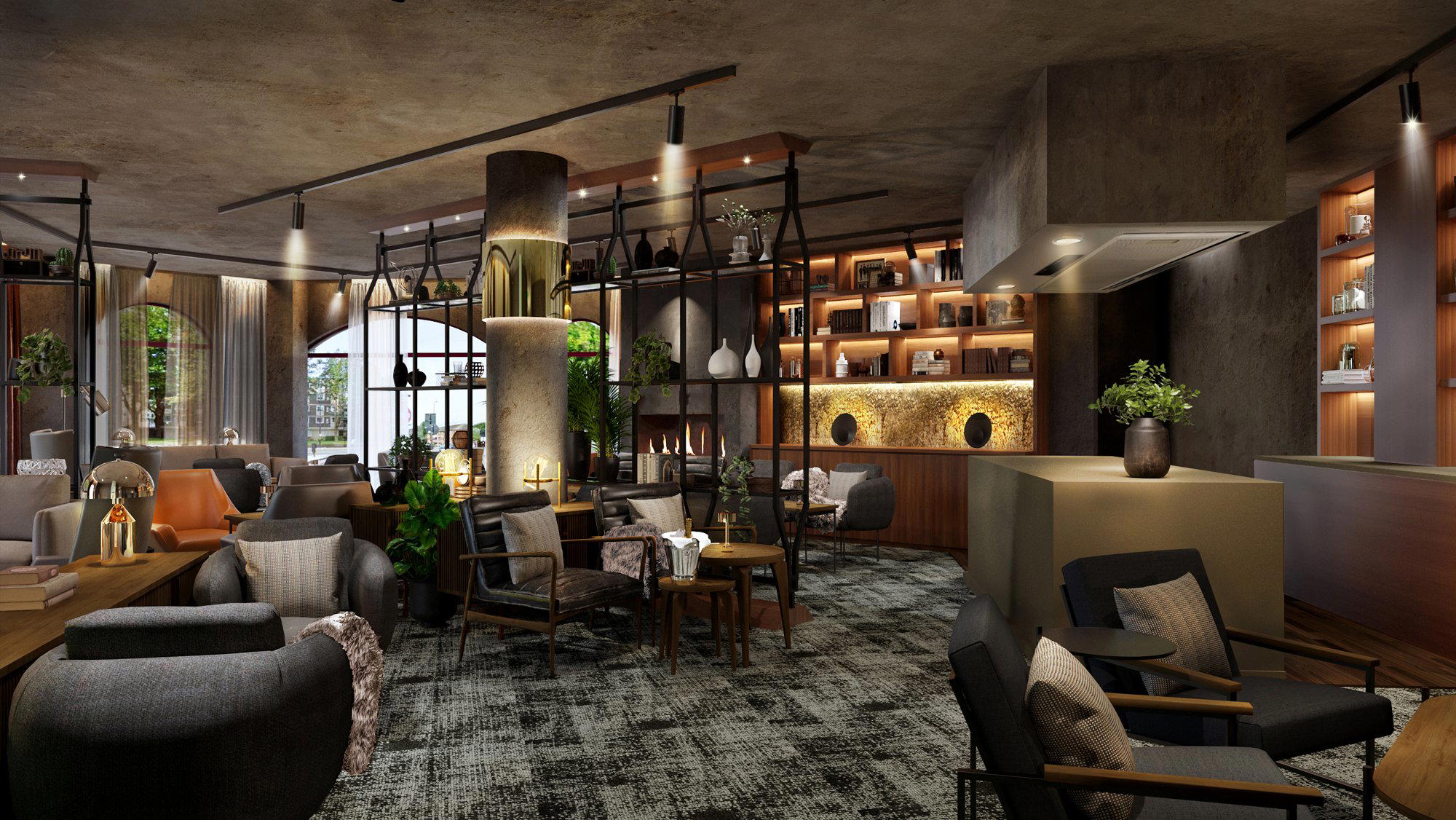
Birmingham, United Kingdom
Opheem holds two Michelin stars and a La Liste score of 84 points, placing it firmly among Britain's leading Indian restaurants. Chef Aktar Islam's multi-course menus at this Jewellery Quarter address work with British seasonal produce and precise spicing across five or ten courses. The team's coordination between kitchen, sommelier, and floor service defines the experience as much as the food itself.

Èze, France
Two Michelin stars, a 2025 La Liste score of 94 points, and a kitchen shaped by Meilleur Ouvrier de France Tom Meyer make La Chèvre d'Or one of the Côte d'Azur's most credentialed dining addresses. Set within a medieval village above the Mediterranean, the restaurant holds an Opinionated About Dining ranking of #56–58 in Classical Europe and a wine cellar of 32,000 bottles across 1,500 selections.
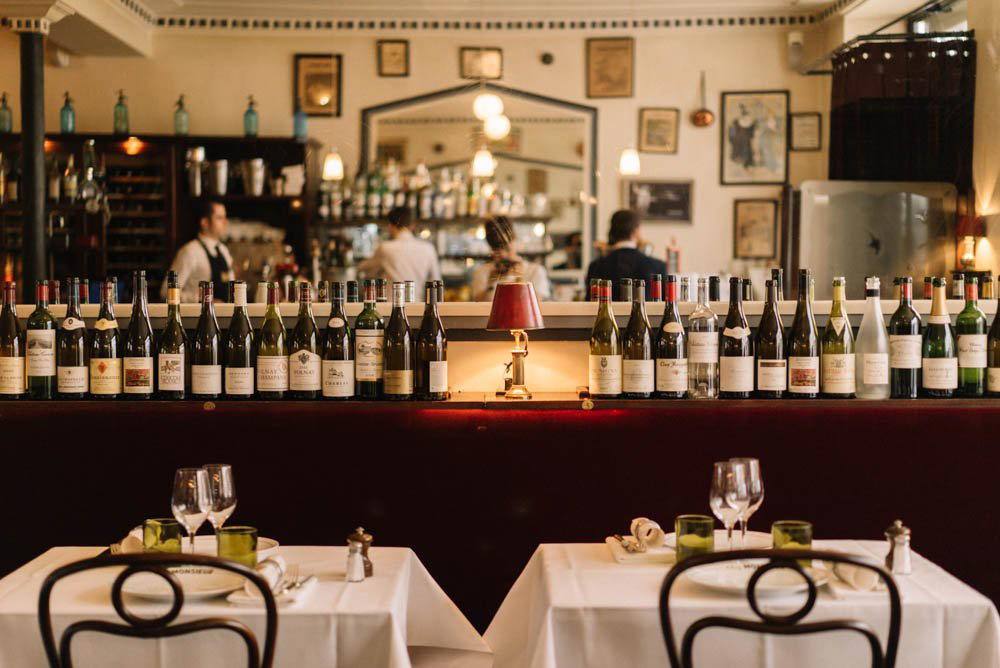
Gouy-lez-Piéton, Belgium
Le Mont-à-Gourmet occupies a quiet corner of Courcelles, where Michelin Plate recognition in both 2024 and 2025 confirms what the 4.7-star Google rating across 562 reviews already suggests: this is serious seasonal cooking in an unlikely postcode. Chef Nicolas Tournay builds his menus around small local producers, with vegetable-forward preparations that track the Belgian growing calendar rather than chef fashion.

Saint-Martin-d'Uriage, France
Maison Aribert holds two Michelin stars and an 87-point La Liste rating in Saint-Martin-d'Uriage, southeast of Grenoble, where Christophe Aribert's plant-forward creative menu draws on the surrounding Alpine farmland, lakes, and mountain terrain. The kitchen's 'Think Vegetables! Think Fruit!' philosophy operates at the prestige tier, placing it among France's most decorated addresses outside the major cities. Google reviewers rate it 4.6 from nearly 950 reviews.

Monestier, France
Inside a Renaissance-frescoed dining room within a 16th-century Périgord château, Les Fresques earns its Michelin star through deep engagement with southwest France's larder. Chef Didier Casaguana builds surprise menus around line-caught fish, Blonde d'Aquitaine beef, and vegetables sourced from small-scale regional producers, placing this rural Dordogne address in a distinct tier of ingredient-driven French cooking.

Glasgow, United Kingdom
Mono occupies a singular position in Glasgow's independent scene: a vegan café, record store, live music venue, and gallery rolled into one address on King Street. The kitchen draws inspiration from cuisines across the world, and the beer selection runs deep. Walk-ins are generally manageable, making it one of the Merchant City's more accessible creative spaces.
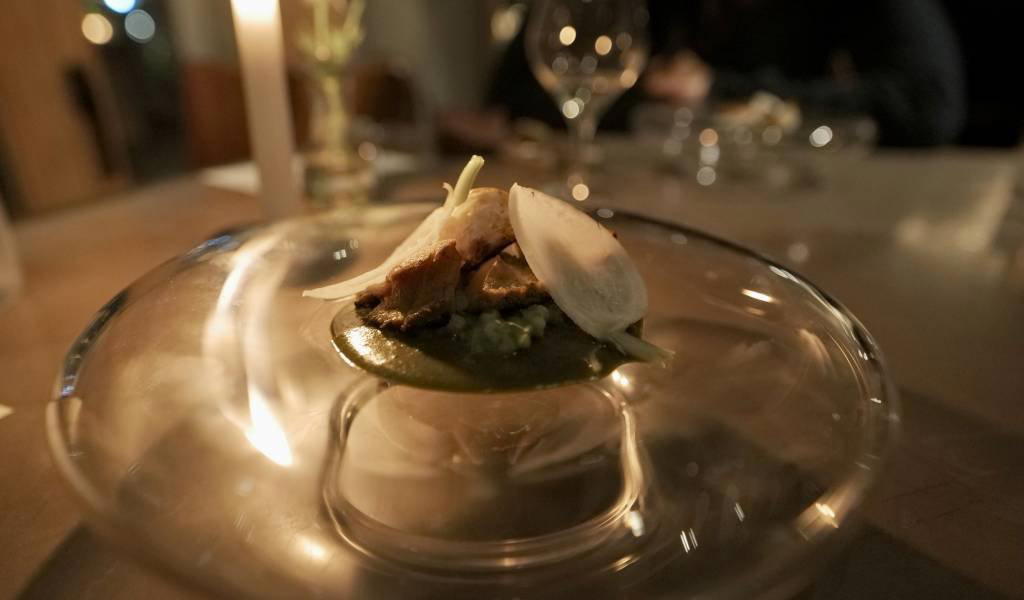
Tokyo, Japan
In Setagaya's residential quiet, Naturam translates its Latin name into practice: a French-trained kitchen built on direct relationships with Japanese farmers and a production philosophy that treats sourcing as the central act of cooking. Chef Kazuya Sugiura spent a decade cooking in Paris before returning to Tokyo, and the restaurant reflects that dual formation — French technique applied with the ingredient reverence more common to kaiseki.
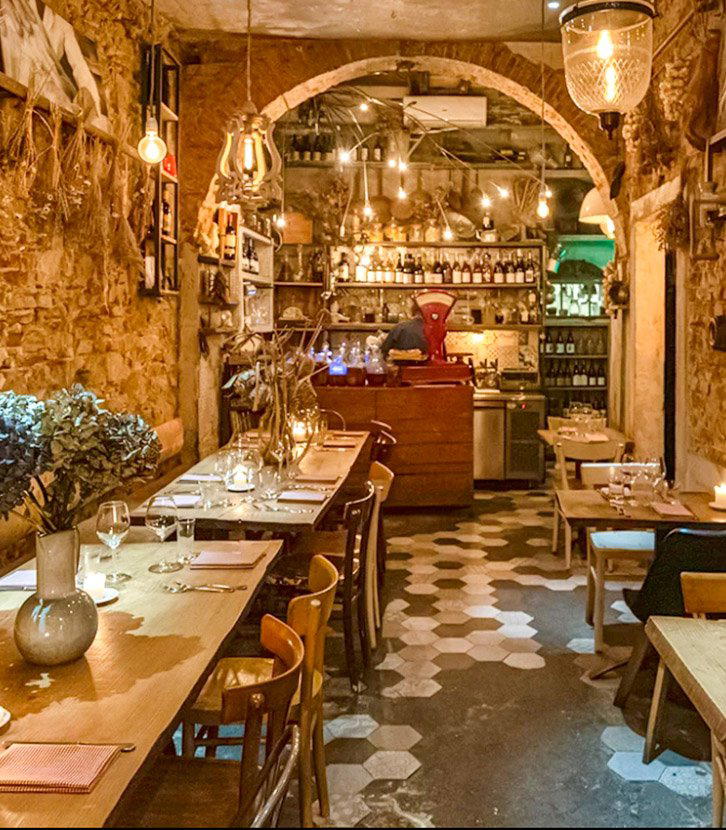
Luxembourg, Luxembourg
Set in Echternach and earning a Michelin Star in 2025, Archibald De Prince operates at the serious end of Luxembourg's plant-forward dining scene. Chef Archibald de Prince trained alongside vegetable pioneer René Mathieu, and the restaurant's seasonal menu — built around local plants, edible flowers, and herbs grown in the adjacent garden — reflects that lineage with clarity. Guests choose freely between plant-based and classically inspired dishes at the €€€€ price point.

Koudekerke, Netherlands
Hof aan Zee sits in a historic Scandinavian farmhouse 500 metres from the North Sea, where Chef Marcel Meijer's vegetable-centric kitchen draws on a kitchen garden, foraged coastline produce, and local suppliers. Holder of the Michelin Plate in both 2024 and 2025, it represents a quieter, landscape-rooted style of fine dining that Zeeland's rural edge makes possible. The pure plant menu option signals where the kitchen's ambitions are heading.

Saint-Brieuc, France
Aux Pesked holds a Michelin star and a We're Smart 'Remarkable' rating for its port-to-plate approach to Breton seafood, served in a light-filled dining room above the Gouët River. Chef Mathieu Aumont sources directly from local fishermen and market gardeners, letting the seasons of the Breton coast dictate the menu. The organic and biodynamic wine list, managed by Sophie Aumont, adds further rigour to the offering.

Hamburg, Germany
A two-Michelin-starred lakeside address in Hamburg's Fontenay district, Lakeside operates Tuesday through Saturday from 7pm, placing it firmly in the city's top tier of fine dining. Chef Julian Stowasser's kitchen draws La Liste recognition and an OAD European ranking, with the room's waterside setting adding a physical dimension that few of Hamburg's €€€€ tasting-menu restaurants can match.
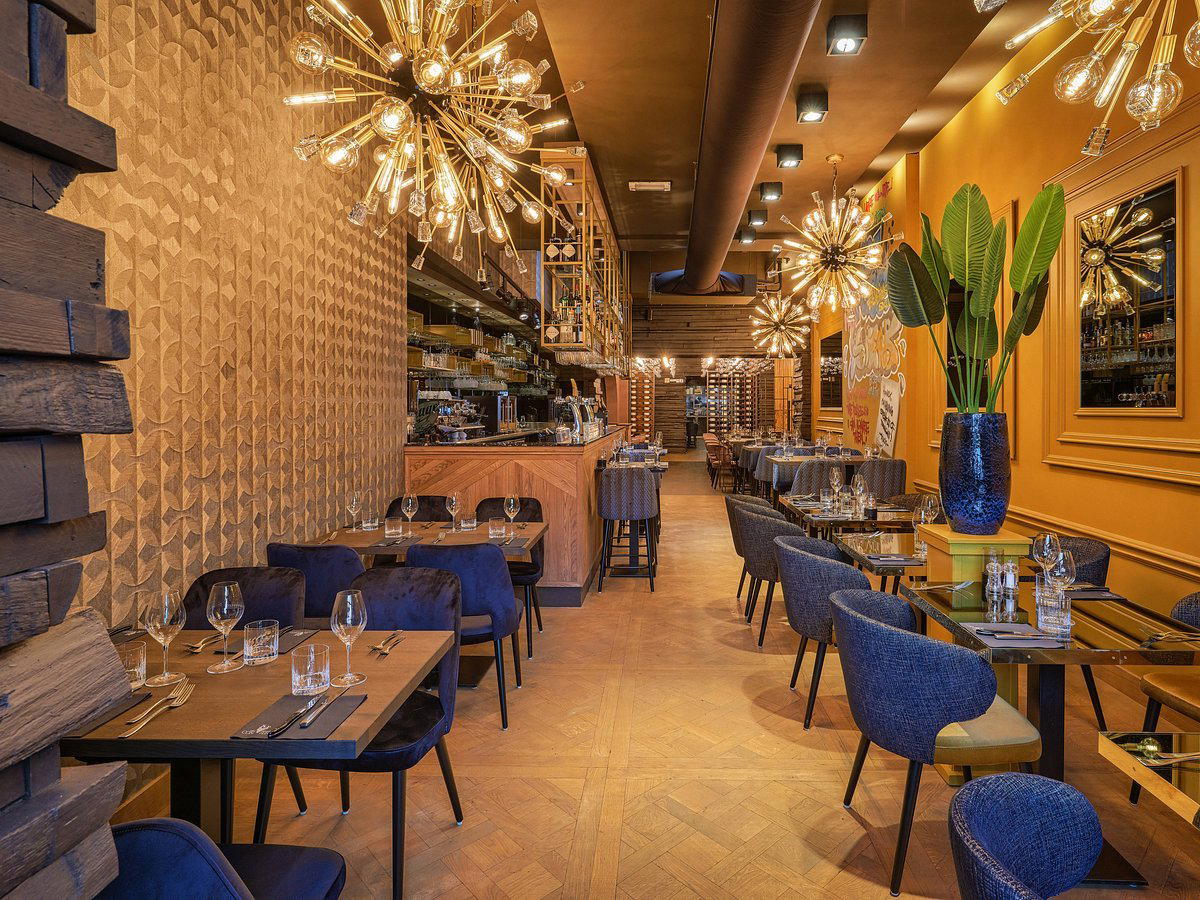
Sint-Andries, Belgium
Floris holds consecutive Michelin Plates (2024 and 2025) for a modern French kitchen that puts seasonal produce at the centre of the plate rather than the margin. Located on Gistelse Steenweg in Sint-Andries, just outside Bruges, the restaurant sits at the €€€ price point and earns a 4.5 Google rating from 240 reviews — a reliable signal of consistent execution across a broad dining public.
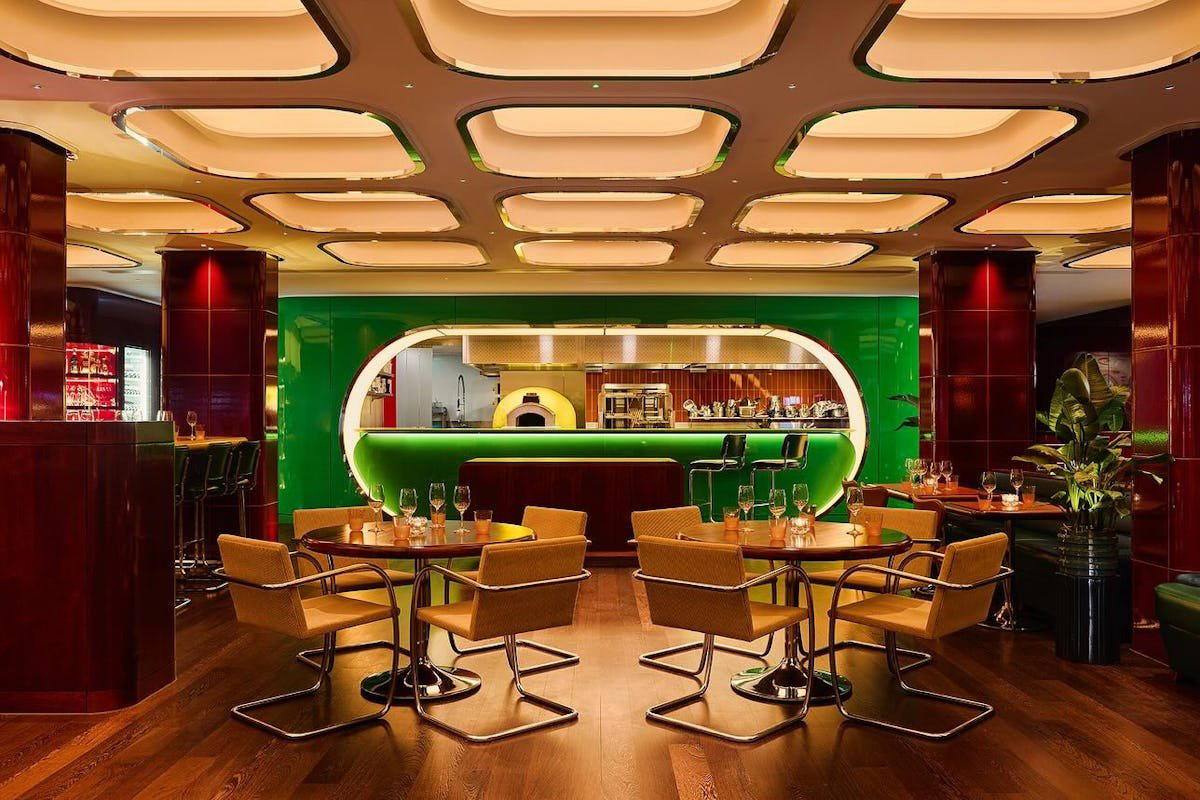
London, United Kingdom
On Drury Lane in Covent Garden, TOWN sits within the accessible end of London's British-produce dining spectrum, where seasonal menus, a strong plant-forward offering, and an open-kitchen format define the experience. Recognised by the We're Smart Green Guide for its 100% pure plant dishes, it draws a crowd looking for quality cooking without ceremony, with a quick-lunch format that keeps both pace and cost in check.

Lamego, Portugal
Set within Quinta Vale de Abraão amid vineyard views outside Lamego, Restaurant The Vale de Abraao positions itself around produce from an organic herb and vegetable garden tended by Chef Nuno Matos. The kitchen leans toward vegetables and health-conscious cooking, though the concept is still finding its footing. For travellers in the Douro wine country seeking a garden-to-table format, it offers a promising premise with room to grow.

Milan, Italy
Contrada Govinda occupies a quiet address on Via Valpetrosa in Milan's historic centre, where Chef Nata Qatibashvili fuses Italian ingredients with Middle Eastern flavour logic under a sustainability framework that shapes sourcing, seasonality, and waste reduction. The kitchen skews heavily vegetable-forward without leaning on the usual plant-based clichés, and the cooking rewards diners who want assertive flavour rather than decorative restraint.
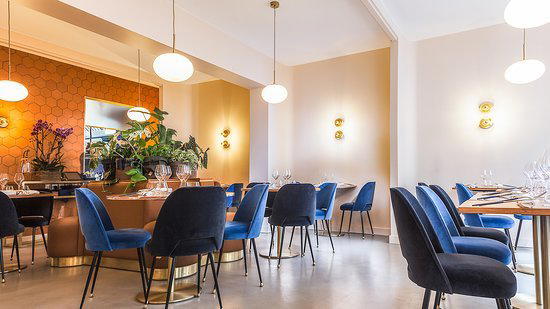
Paris, France
Oxte holds a Michelin star on Rue Troyon in Paris's 17th arrondissement, where chef Enrique Casarrubias fuses Mexican technique with French seasonal produce. The compact dining room runs tight sittings across lunch and dinner, five days a week. Seasonal moles, recado negro, and a celebrated avocado-mezcal-lime dessert define a menu that moves between two culinary traditions without compromise.

Barcelona, Spain
La Mundana occupies a specific and increasingly rare position in Barcelona's dining scene: a neighbourhood vermuteria in Sants-Montjuïc that runs a kitchen with serious credentials. Chef Alain Guiard, formerly of AbaC under Xavier Pellicer, applies a Catalan-French-Japanese-Mediterranean cross to small plates, earning an Opinionated About Dining Casual Europe ranking of #796 in 2025. The room operates at genuine local pace, not tourist tempo.

Basel, Switzerland
Roots holds two Michelin stars and an 82-point La Liste ranking at its Bachlettenstrasse address in Basel, operating Tuesday through Saturday from 6:30pm. Chef Pascal Steffen builds menus around vegetables as the central ingredient, with meat and fish in supporting roles. The We're Smart Green Guide has recognised this approach with three Radishes, placing roots inside a small peer group of kitchens taking plant-forward fine dining seriously.

Dilsen, Belgium
A Michelin-starred hostellerie in a converted 18th-century presbytery on the banks of the Oude Maas, Hostellerie Vivendum is where Limburg's fruit-and-vegetable heritage meets a kitchen fluent in Thai technique. Chef Alex Clevers holds a 2025 Michelin star for preparations that draw from his own garden and regional suppliers, with overnight guestrooms available for those who want to extend the experience.

Bangkok, Thailand
A Michelin-starred tasting counter on Charoen Krung, 80/20 builds its seasonal menu from 100% locally sourced Thai ingredients, working traditional techniques against Lao regional influences. The kitchen, led by chefs Napol Jantraget and Saki Hoshine, earned La Liste recognition (76.5pts, 2025) and OAD Highly Recommended status alongside its star. Open Wednesday through Sunday from 6 PM.
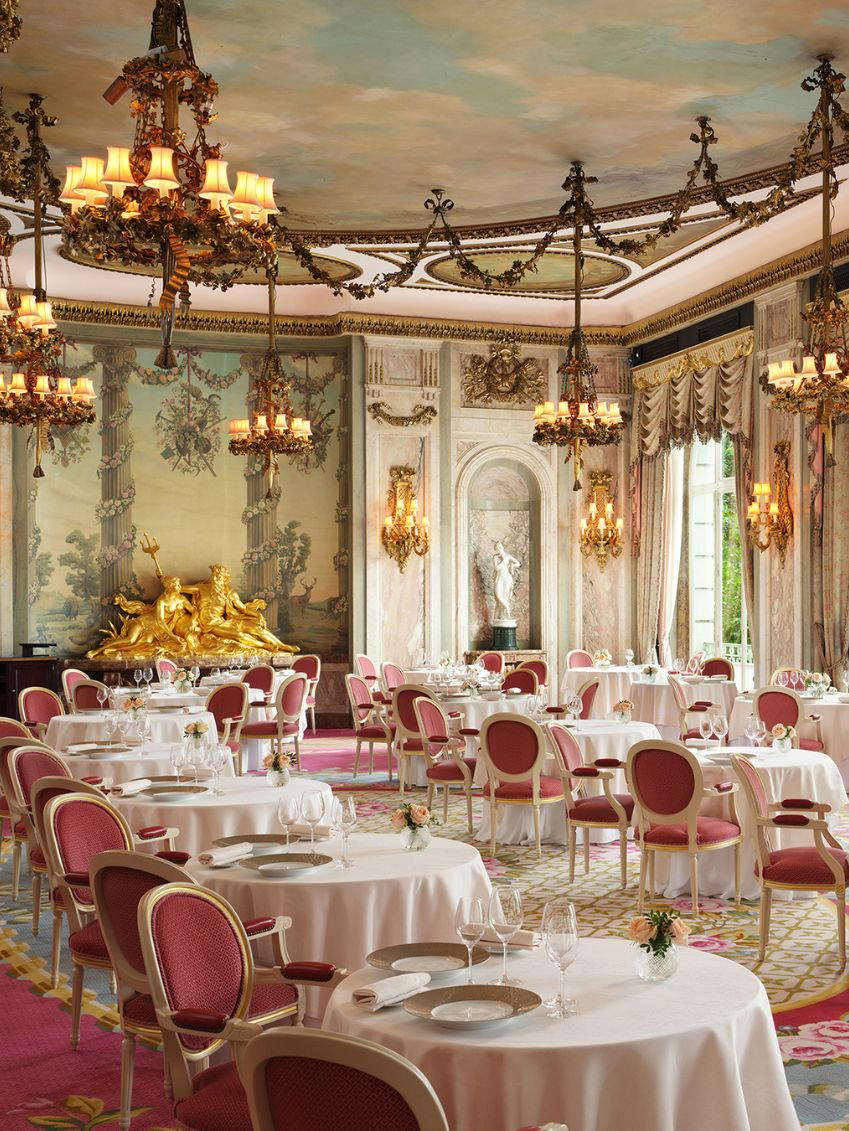
London, United Kingdom
A Grade II listed former chapel in Spital Square, Galvin La Chapelle carries a Michelin star and an OAD Classical Europe ranking alongside one of the most architecturally arresting dining rooms in the City fringe. The kitchen works classic French technique with a modern hand, running a format that covers weekday lunch through Sunday service — a rarity at this level in London.

Abu Dhabi, United Arab Emirates
Talea by Antonio Guida holds a Michelin star at the Emirates Palace in Abu Dhabi, presenting cucina di famiglia cooking anchored in plant-forward Italian tradition. The menu moves from simple, seasonal produce to refined pasta and fish preparations, with a 100% plant-based menu option available. Service runs Tuesday through Sunday for both lunch and dinner, closed Mondays.
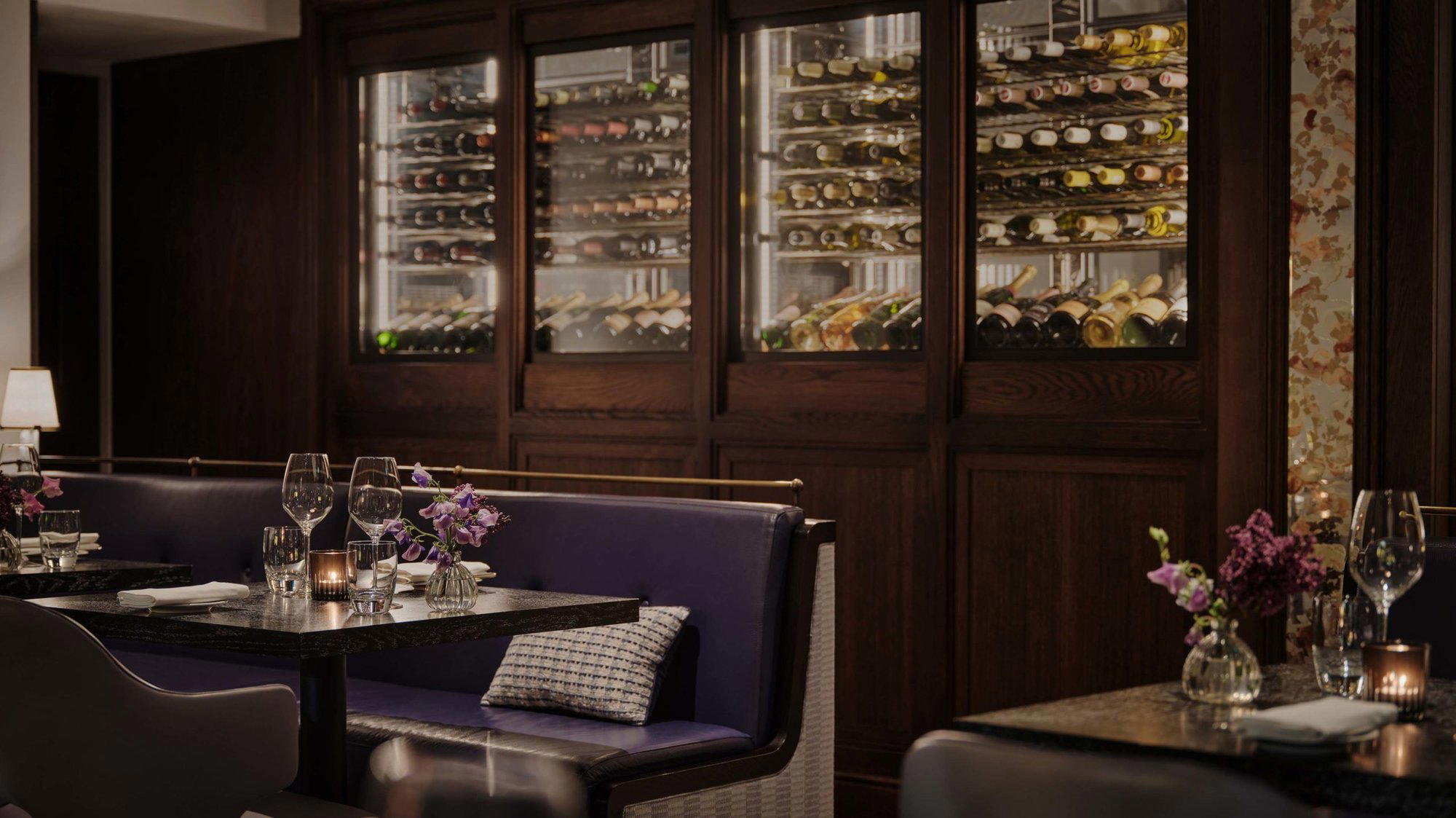
London, United Kingdom
Inside Hotel One Aldwych, Indigo operates at the intersection of modern British cooking and fully plant-based menus, a combination rare at this address tier in London. Head chef Dominic Teague anchors the kitchen in recognisable British culinary tradition while maintaining a 100% plant offering that has earned recognition from We're Smart, the authority on vegetable-forward fine dining.
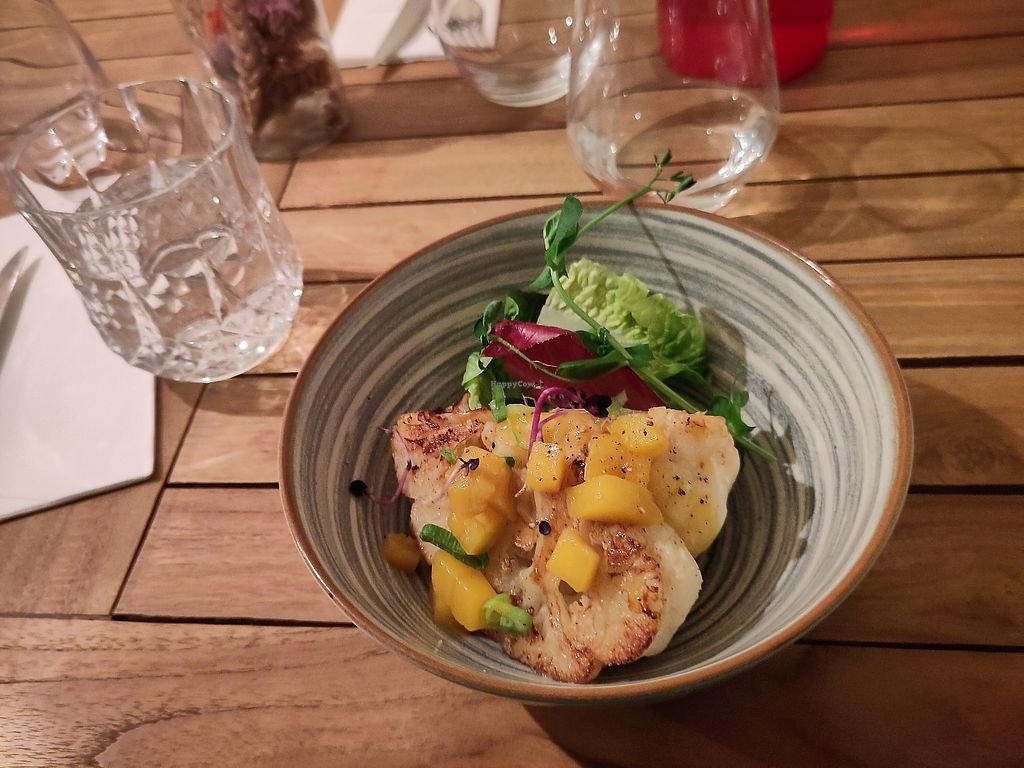
Montpellier, France
A neighbourhood bistro on Rue Roucher where plant-based cooking sits at the centre of the menu rather than the margin. Fish appears, but the vegetable preparations draw the most attention from a loyal local following. In a city with a strong gastronomic identity, Thym et Romarin represents the quieter, ingredient-led end of the Montpellier dining spectrum.

Marke, Belgium
Het Vliegend Tapijt in Marke sits at an interesting moment in West Flemish gastronomy: a restaurant with seasonal, locally sourced foundations now exploring a fully plant-based menu option. Nel Desmet and Chef Felix François are among the names drawing attention in Kortrijk's dining orbit for taking the region's ingredient-led tradition in a more forward-looking direction.

Matsumoto, Japan
A Relais & Châteaux ryokan in the Japanese Alps outside Matsumoto, Tobira Onsen Myojinkan combines traditional onsen bathing with kaiseki cuisine rooted in Nagano's mountain seasons. Chef Masahiro Tanabe's restaurant Nature builds its menus around local vegetables and macrobiotic principles, earning a 4.4/5 Google rating across 100 reviews. Access from Matsumoto Station is straightforward via the property's complimentary shuttle service.

Sapporo, Japan
Sapporo's vegan Franco-Japanese counter at Urasan-do Terrace makes a clear argument: plant-based cooking and classical French technique belong together. Seasonal Hokkaido produce drives a menu that is colorful, ingredient-led, and occasionally surprising. For travellers seeking something outside the city's dominant sushi and kaiseki axis, L'Espérance is the most considered detour on the table.
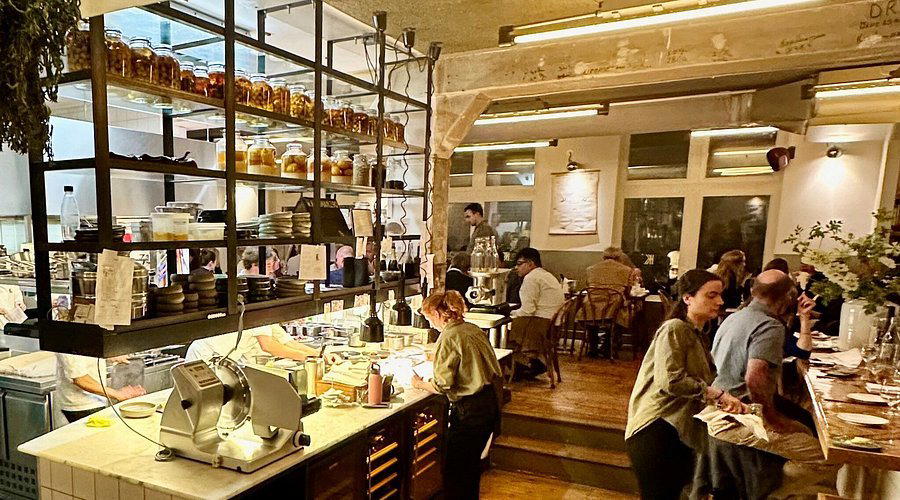
Amsterdam, Netherlands
A Michelin Plate-recognised bistro on Sint Nicolaasstraat where the menu rotates around vegetables, wild game, and fish treated with skill and genuine curiosity. Kaagman & Kortekaas holds a 4.5 Google rating across nearly 600 reviews and earns Michelin Green Guide recognition for its vegetable-forward approach. The €€€ pricing sits in Amsterdam's mid-to-upper bistro tier, accessible without the formality of the city's starred rooms.

Dijon, France
At 12 Parvis de l'Unesco, La Table des Climats anchors itself to Burgundy's most legible identity: the terroir-defined wine classifications that carved this region into the map. Chef Alexandre Clochet Rousselet pairs seasonal, local produce with a cellar of more than 800 Burgundy wines, earning consecutive Michelin Plate recognition in 2024 and 2025. The result is a dining room that functions as both a regional classroom and a destination for serious wine-minded tables.

Emptinne, Belgium
La Grange d'Hamois transforms a 150-year-old Ardennes barn into Emptinne's premier fine dining destination, where Chef Grégory Gillain's masterful technique elevates regional Belgian ingredients through signature dishes like braised sweetbread and confit pork belly, creating sophisticated expressions of local terroir.
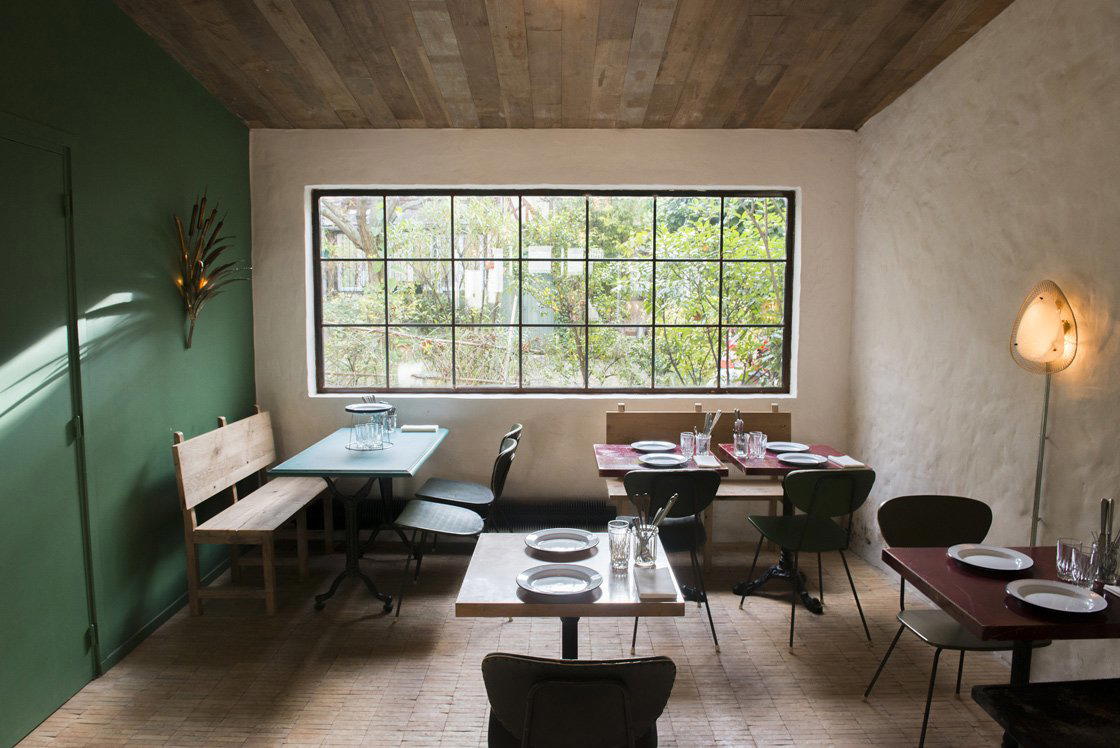
Zoutleeuw, Belgium
L'air des Sens brings a vegetable-forward, 12-course 'Leeuwse Velden' menu to the small Flemish town of Zoutleeuw, backed by consecutive Michelin Plate recognition in 2024 and 2025. The kitchen is rooted in seasonal produce from the surrounding fields, with a format that places land-grown ingredients at the centre and protein as accent. A Michelin-recognised address at €€€ pricing in a town most Belgian diners have not yet put on their radar.

Amsterdam, Netherlands
BAK occupies the third floor of Amsterdam's Veem warehouse, overlooking the IJ with a menu architecture built around vegetables long before that became a familiar restaurant pitch. Chef Benny Blisto runs five- and seven-course menus drawing on around 80 vegetable varieties and 50 herb types annually, sourced from regional artisan growers. Michelin Plate recognition and a 2025 Opinionated About Dining ranking confirm its place in Amsterdam's serious mid-tier dining conversation.
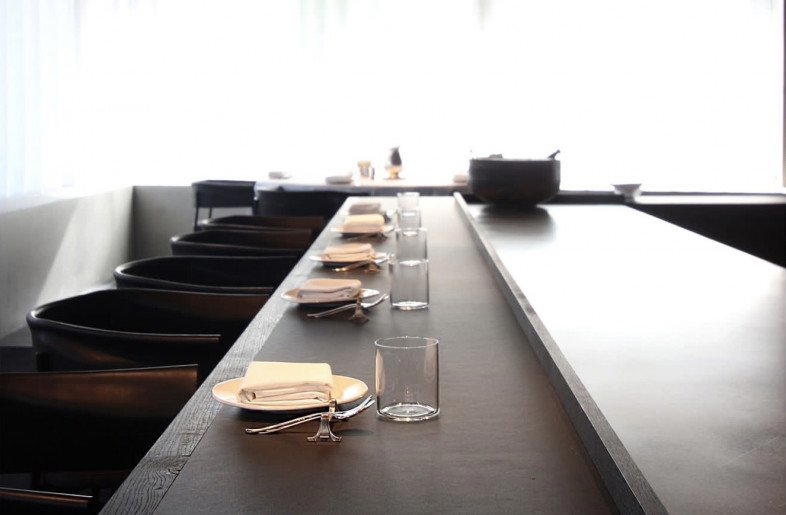
Antwerp, Belgium
A Michelin-starred creative French table in Antwerp's southern belt, Misera channels the coastal precision Nicolas Misera built at Cadzand into a sea-focused, product-driven kitchen now operating fully under his own name. Ranked 439th in the 2025 Opinionated About Dining Classical Europe list, the restaurant holds a clear position among Antwerp's upper tier of contemporary tasting-menu addresses. Reserve well ahead at the €€€€ price point.

Paris, France
Set inside the Palais de Tokyo, Monsieur Bleu occupies one of Paris's most architecturally charged dining rooms — a 1930s Art Deco space that frames an internationally inflected menu of French classics and Asian-accented dishes. Michelin has awarded it a Plate in both 2024 and 2025, reflecting consistent execution across a menu designed to speak to a broad, cosmopolitan audience. The 16th arrondissement address places it squarely on the Seine-facing museum corridor.

Santagio, Chile
Set within its own working vineyard in Las Condes, VIK's Milla Milla restaurant brings the estate-to-table concept into sharp focus: a seasonal menu built around produce from the property's garden, paired with wines grown on the same land. The setting draws comparisons to cinematic drama, and the approach to sourcing places it among Chile's most self-contained dining experiences.

Lyon, France
A vegetarian restaurant on Rue de l'Arbre Sec in Lyon's 1st arrondissement, Culina Hortus holds a Michelin Plate and four We're Smart Radishes, positioning it as a serious address in a city better known for quenelles and offal. The menu draws almost entirely from organic, local, and French-origin produce, with vegetables treated as the structural centre of each course rather than a supporting act.

Washington D.C., United States
Oyster Oyster sits at the sharper end of Washington D.C.'s tasting menu scene, where Chef Rob Rubba's vegetable-focused progression earned a Michelin star in 2024, a 2023 James Beard Award for Outstanding Chef, and a place in the Opinionated About Dining North America top 250. The format is a multi-course plant-led menu in Shaw, with a 165-label wine list weighted toward France and Maryland.

Bazel, Belgium
A Michelin-starred address in rural Flanders, Hofke van Bazel earns its place among Belgium's serious seasonal tables through a kitchen that sources the majority of its vegetables, herbs, and fruit from its own garden beside the Schelde. Chef Kris De Roy's menu moves between modern Flemish cooking and dedicated plant preparations, with the vegetable-forward 'Gina's Choice' strand recognising the restaurant's 2017 distinction as Belgium's Best Vegetable Restaurant.

Basel, Switzerland
Among Basel's two-Michelin-star addresses, Stucki stands apart through Tanja Grandits's vegetable-forward creative cooking, a fully vegetarian menu running alongside the main tasting format, and front-of-house choreography that matches the kitchen's precision. Holding 94 points on La Liste 2025 and recognised by Les Grandes Tables du Monde, it occupies a tier of its own within the city's fine-dining set.

Helsinki, Finland
On Iso Roobertinkatu in Helsinki's Punavuori district, Natura holds a Michelin Plate (2025) and a maximum five-radish rating from the We're Smart Green Guide for its plant-forward Finnish cooking. Around half the menu is fully plant-based; sustainable fish fills the rest. Chef David Alberti forages herbs, flowers, and berries locally, and sources organic produce wherever the supply chain allows.

Altura, Spain
A Michelin Bib Gourmand holder for two consecutive years, La Farola in Altura translates the recipes of the Alto Palancia region into a concise, market-driven menu that moves between updated local classics and sharper international influences. The bright dining room, with its glass-fronted wine cellar, and a price tier that stays at a single euro sign, make it one of the more considered stops in inland Castellón.

Mexico City, Mexico
Sud 777 operates from Jardines del Pedregal with a plant-forward Mexican kitchen that has earned a Michelin star and placed as high as #70 on the World's 50 Best list. Chef Edgar Núñez draws from an on-site vegetable garden to produce dishes that read simple on the plate but carry real technical depth. The wine list runs to 2,300 bottles with strong representation from Mexico, Italy, and California.

Simrishamn, Sweden
Two Michelin stars and a La Liste score of 90 points place VYN among Scandinavia's most closely watched Nordic tables. Set above the Baltic coastline in Skåne, Daniel Berlin's roughly 16-course menu draws from foraged, farmed, and hunted ingredients within the surrounding region. A 15-room boutique hotel and a food and wine bar make it a destination rather than a day trip.

Madrid, Spain
Mo de Movimiento occupies a modest corner of Chamberí with a daily-changing menu built around fresh vegetables and straightforward cooking. There is no performance here, no tasting-menu theatre — just produce-led plates served in an atmosphere that reads young and unpretentious. In a city that can tip easily toward spectacle, that restraint carries its own kind of weight.

Middelburg, Netherlands
The Green Room at Cityhotel Wood positions vegetables as the main event, drawing on unprocessed, close-to-source ingredients with an emphasis on organic produce and whole-product cooking. Located in Middelburg, Zeeland's provincial capital, it spans comfort food and more refined preparations, with meat or fish available as an optional addition. A considered choice for plant-forward dining in a city better known for traditional Dutch cuisine.

Cambridge, United Kingdom
On Mill Road, Cambridge's most independently-minded stretch, Vanderlyle holds a Michelin Plate and a 4.9 Google rating across 251 reviews for its six-course vegetarian tasting menu. Alex Rushmer's cooking draws on regenerative-agriculture sourcing and seasonal discipline, with alcohol-free pairings as carefully considered as the wine list. Booking opens monthly on Tock and fills fast.
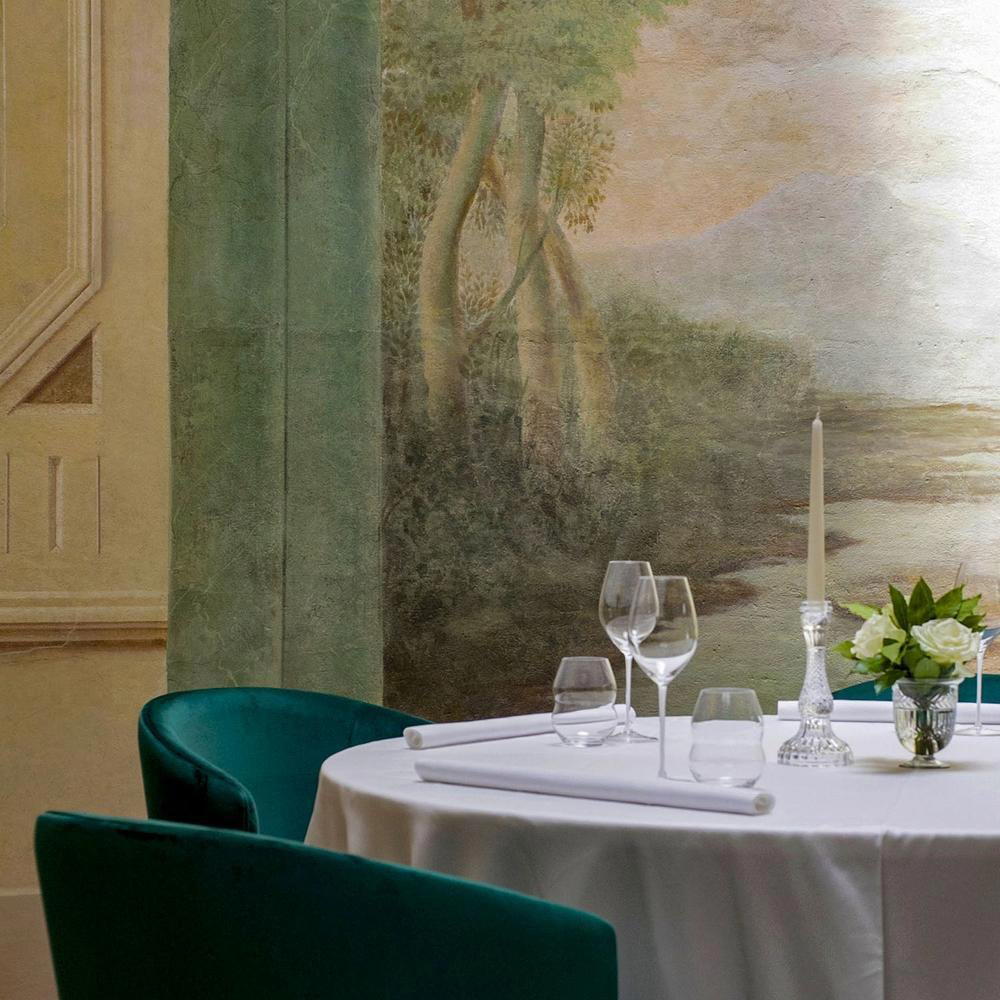
Anglès, Spain
Aperitif-led tasting menus and Catalan terroir define L'Aliança d'Anglès in Anglès, where chef Àlex Carrera reimagines a 1919 social club into a refined fine dining landmark under Cristina Feliu’s gracious stewardship.

Paris, France
A Michelin Plate bistro on the edge of the 17th arrondissement, Comme Chez Maman channels market-driven cooking through a Belgian lens — Wim Van Gorp's daily haul from the vegetable stalls shapes a menu built around Puy lentils, seasonal stews, and clean beurre blanc reductions. At €€€, it sits in the mid-tier of Paris neighbourhood dining, drawing a Google rating of 4.5 from over 1,100 reviews.

Bristol, United States
Foglia on State Street in Bristol, Rhode Island occupies a particular niche in the region's plant-based dining scene: 100% vegan, entirely nut-free, and with a meaningful gluten-free selection built into the menu rather than bolted on. Chef Peter Carvelli's approach prioritises direct, flavour-forward cooking over technical flourish, making it one of the more grounded options in a town with limited serious vegetable-focused restaurants.

Madrid, Spain
La Manduca de Azagra brings the agricultural traditions of Navarra into the heart of Madrid's Alonso Martínez neighbourhood, anchored by vegetables still sourced from the family plot in Azagra. Chef Juan Miguel Sola has held Opinionated About Dining recognition since 2023, with a 2025 ranking of #790 in Casual Europe. The kitchen's signature is restraint: artichokes, cardoon, white asparagus, and cristal peppers treated with charcoal and little else.
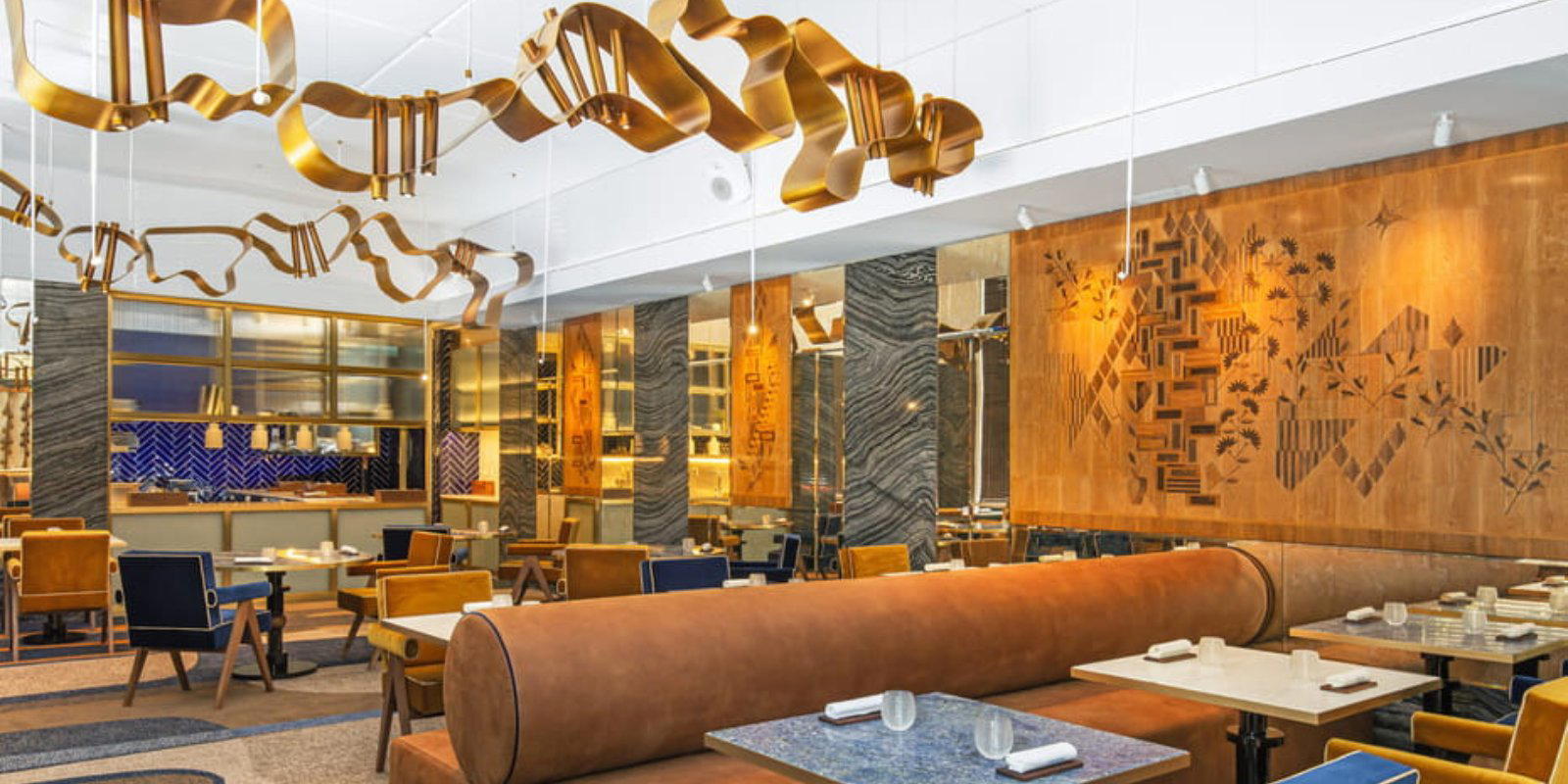
Lisbon, Portugal
Located inside the Four Seasons Hotel Ritz Lisbon with its own entrance on Rua Rodrigo da Fonseca, CURA holds a Michelin star and a La Liste ranking of 81 points (2026). Chef Pedro Pena Bastos presents two tasting menus built around the tension between Portuguese culinary memory and contemporary technique, with vegetables occupying a central role across both formats. Ranked 214th in Europe by Opinionated About Dining in 2025.

Lisbon, Portugal
Plano, in Lisbon's Graça neighbourhood, is the project of Trás-os-Montes-born chef Vítor Adão, built around two surprise tasting menus of seven or ten courses that shift with seasonal availability. Holding a Michelin Plate in 2024 and 2025, and recognised by the We're Smart Green Guide for its plant-forward approach, it sits at the mid-to-upper end of Lisbon's contemporary tasting-menu circuit, priced at €€€.
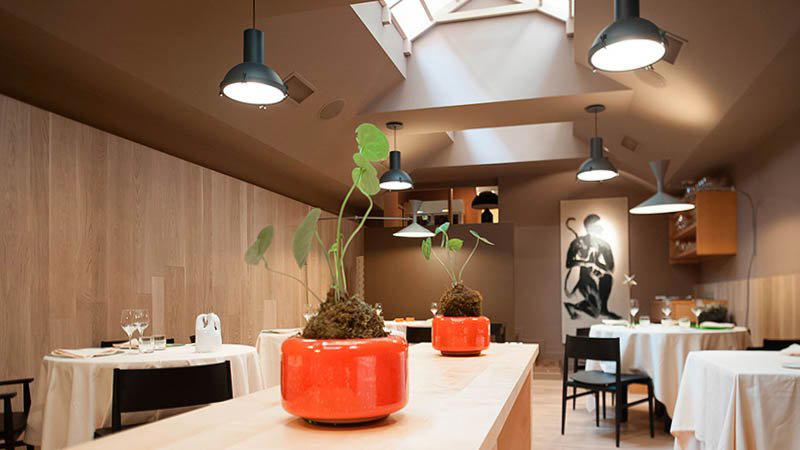
Milan, Italy
Milan's first Michelin-starred vegetarian restaurant, Joia has anchored plant-based haute cuisine in Italy since Pietro Leemann introduced the format to the country's fine dining scene. Now guided by chefs Sauro Ricci and Raffaele Minghini, who took over in 2024, the restaurant holds one Michelin star and a 5-Radish rating, offering two tasting menus and a midday Piatto Quadro format at its Via Panfilo Castaldi address in the Porta Venezia district.
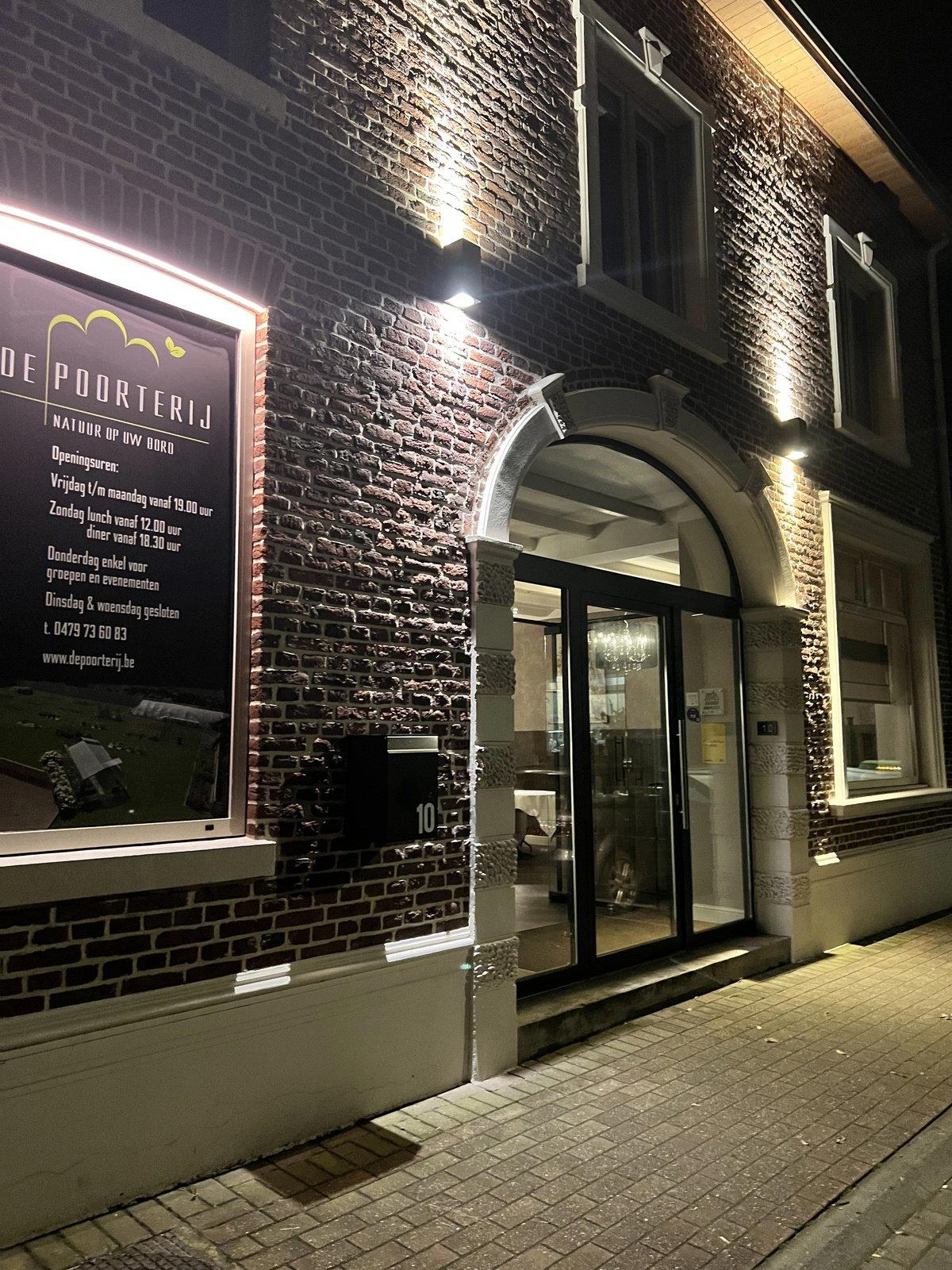
Dilsen-Stokkem, Belgium
In Dilsen-Stokkem, De Poorterij operates around a kitchen where the vegetable garden sets the daily agenda. Chef Rudi Peeters works with simple but layered preparations, anchoring menus like 'From garden to fork' and 'Nature on your plate' in produce-first thinking. For a small Limburg town, the level of vegetable cookery here sits well above what the postcode might suggest.

Utrecht, Netherlands
A Michelin Plate holder on Utrecht's Lucasbolwerk, Rosie delivers Modern French cooking in a setting where the atmosphere is deliberate rather than decorative. Chef-owner Jac Rijks positions vegetables at the centre of the plate as often as at its edge, and the We're Smart Community recognition confirms that priority. The price point sits squarely in the mid-tier Utrecht dining scene, making it one of the more accessible routes into this style of cooking in the city.

Bellvís, Spain
A Michelin-starred creative restaurant in rural Lleida, La Boscana sits inside glass-fronted buildings overlooking gardens, groves, and a lake on the Catalan plain. Chef Joël Castanyé builds his menus around the fruit farms and kitchen gardens of the Lleida region, placing local produce at the centre of a technically precise, seasonally driven program rated 4.8 across more than 1,300 Google reviews.

Rome, Italy
La Locanda di Bacco sits on Via Flavia in central Rome, drawing attention for a menu that gives vegetables genuine structural weight rather than treating them as accompaniment. Recently renovated, the dining room carries a quiet confidence that matches the kitchen's approach: tradition and creativity balanced without either overwhelming the other. A recommended stop for those seeking high-quality, plant-forward Italian cooking in the city.

Guarene, Italy
At La Madernassa in Guarene, chef Giuseppe D'Errico leads a garden-rooted creative kitchen across three distinct menus, from a vegetable-forward tasting format to an open-ended surprise menu. Ranked #127 in Opinionated About Dining's Classical Europe list for 2024 and holding a Michelin Plate, the restaurant sits at the serious end of Langhe dining, where the estate's own garden sets the seasonal agenda.

Barcelona, Spain
Oria occupies the lobby of Barcelona's Monument Hotel on Passeig de Gràcia, operating under the creative direction of Martín Berasategui — whose three-Michelin-star Lasarte sits in the same building. The menu offers three distinct formats, from a midweek executive lunch to the Itsasmendi tasting menu drawing on Basque and Mediterranean traditions. A Google rating of 4.6 across nearly 1,000 reviews reflects consistent delivery at the €€€€ tier.

Annecy, France
Le Clos des Sens holds three Michelin stars and a 95-point La Liste score in Annecy, placing it among the most decorated tables in the French Alps. Following a leadership transition in late 2022, chefs Thomas Lorival and Franck Derouet have deepened the restaurant's commitment to vegetable-forward, ecologically grounded cooking, drawing on the surrounding lakes, gardens, and regional producers.

East Grinstead, United Kingdom
An Elizabethan manor in 35 acres of Sussex gardens, Gravetye carries a Michelin star, a 4.8/5 member rating, and a kitchen garden that drives the seasonal menu. The contemporary glass-fronted dining room, added in 2019, sits in sharp contrast to the ornate panelled rooms around it. Ranked #122 in La Liste 2026, it occupies the upper tier of British country house dining.
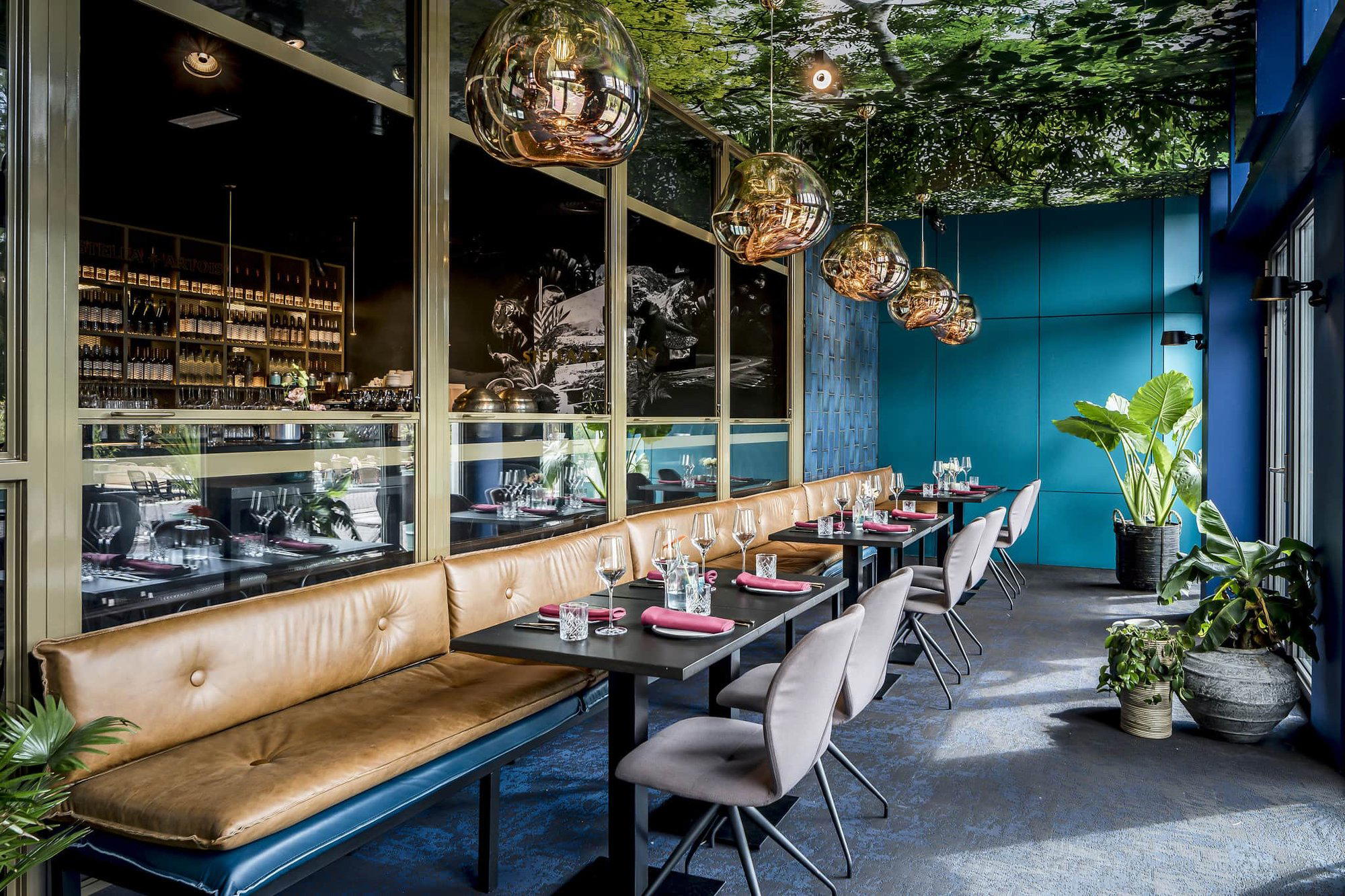
Amsterdam, Netherlands
At IJdok 87, Nomad is Amsterdam's plant-forward creative table where Chef Denisa Kacirkova builds entirely vegan menus from ingredients spanning Portugal to Norway and the USA to China. The 100% plant menu moves through courses that challenge the category, with a plant-based salmon that has drawn particular attention. Book ahead: tables at a restaurant this specific in its focus fill quickly.

Villacarriedo, Spain
Ruda in Villacarriedo, Cantabria, operates as a plant-forward restaurant where Mexican and Asian influences shape a menu rooted in the region's natural environment. Recognized by the Michelin Green Guide for its commitment to sustainable, ingredient-led cooking, it offers a fully plant-based experience alongside broader options. The setting in the Cantabrian countryside is as deliberate as the sourcing.
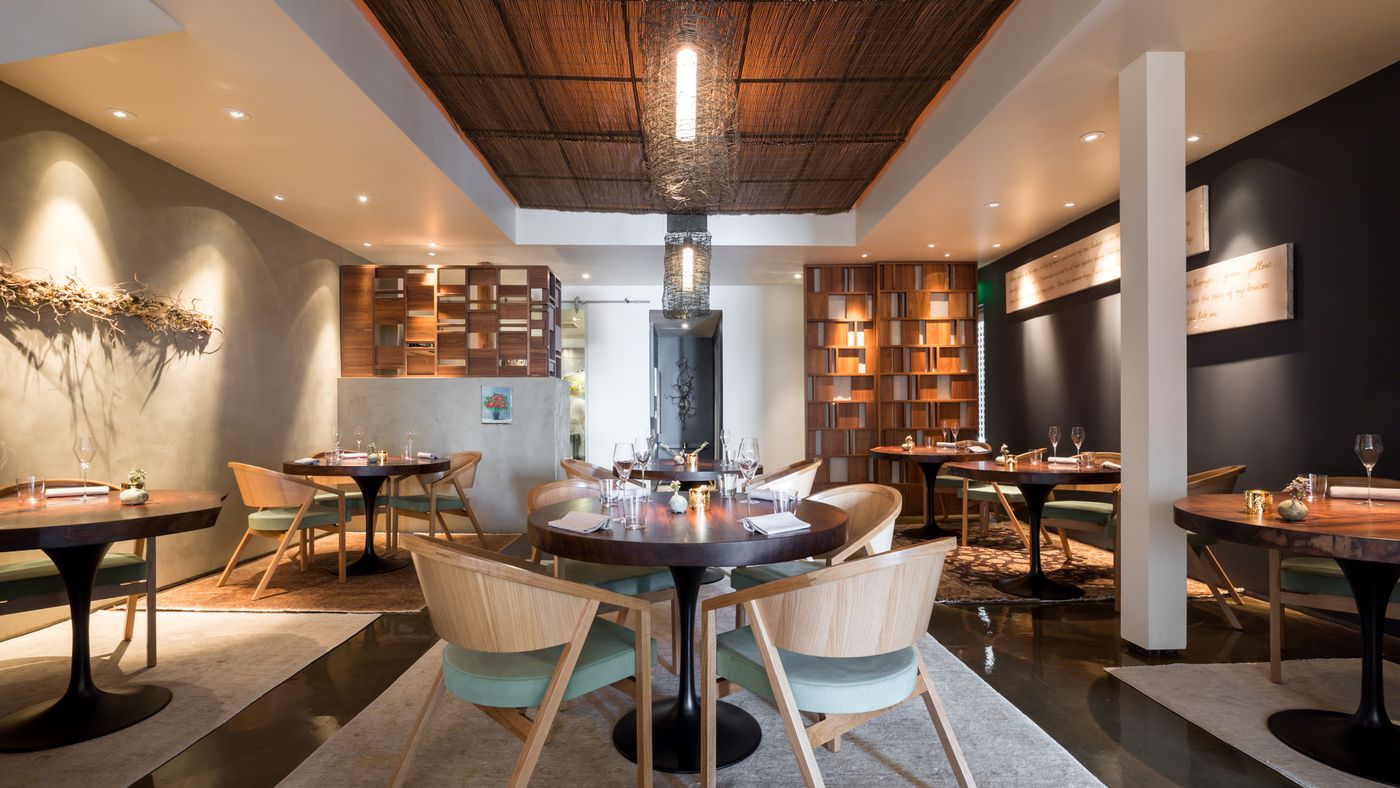
San Francisco, United States
Atelier Crenn holds three Michelin stars and a place in the World's 50 Best at number 96 (2025), operating from a quiet stretch of Fillmore Street in Cow Hollow. Chef Dominique Crenn's pescatarian tasting menu is presented as a poem, with each line corresponding to a course drawing on French-Californian sourcing — seafood, seasonal produce from her Sonoma farm, and a wine list of 1,195 selections weighted toward Burgundy and Champagne.

Caimari, Spain
Ca Na Toneta sits in the mountain village of Caimari, mid-island Mallorca, where two sisters have run a single seasonal tasting menu for over 25 years. The kitchen draws from the island's agricultural interior rather than its coastline, with vegetables given structural weight on every plate. A Michelin Plate and consistent Opinionated About Dining recognition confirm its standing in the regional restaurant conversation.
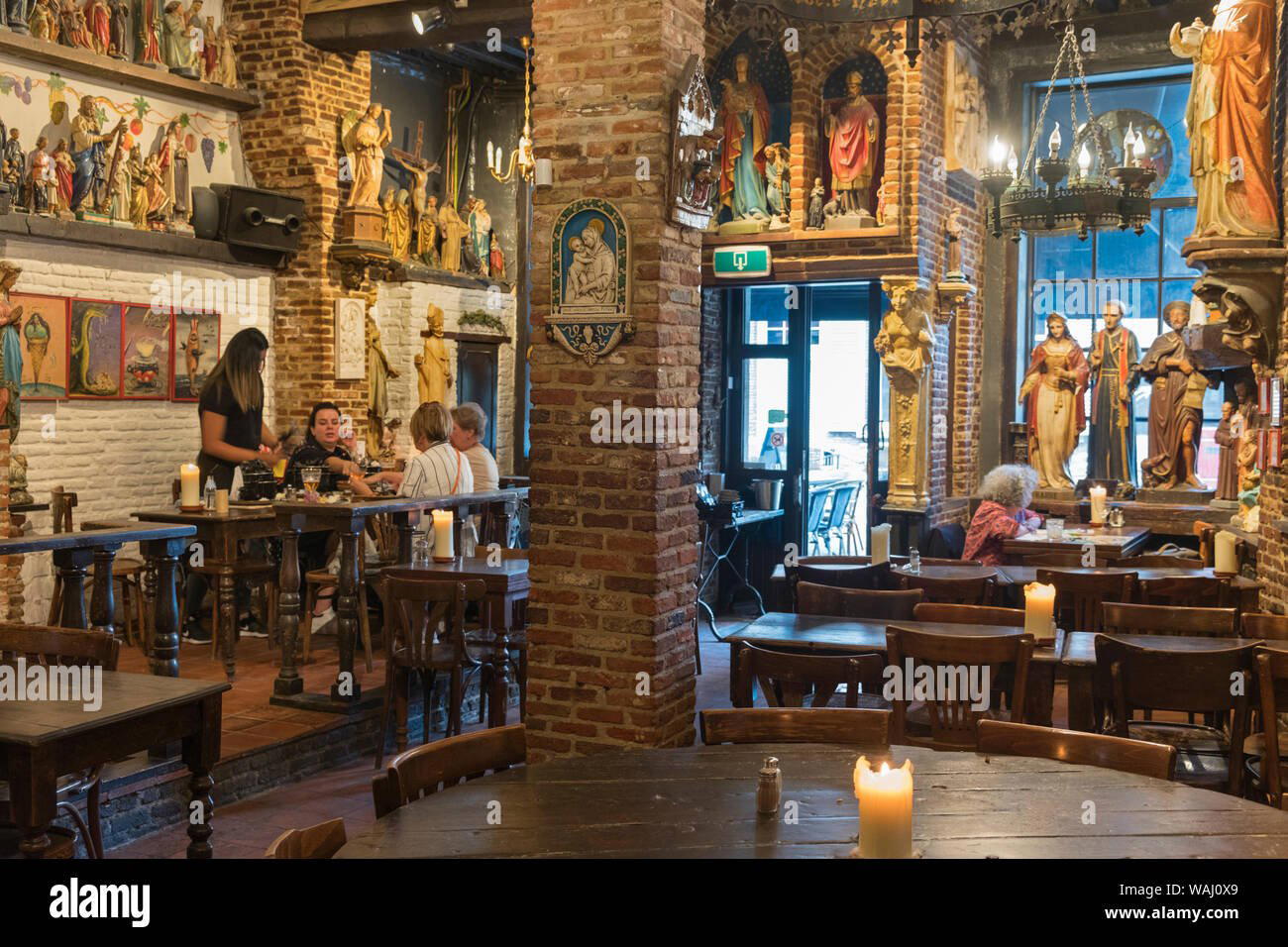
Antwerp, Belgium
and/or brings plant-based sharing plates to Antwerp's mid-market dining scene with a format shaped by New York's ABC Kitchen. Chef Karen Shu's approach, colourful and produce-led, earned a Michelin Bib Gourmand in 2025, placing it among the city's most credible vegan addresses at a price point that sits comfortably below the Flemish fine-dining tier.

Markdale, Canada
Down Home in Markdale, Ontario operates from a regenerative organic farm where the menu is dictated entirely by what the land produces each day. Holding a Michelin Plate for 2024 and 2025 and a 4.9 Google rating, it represents the serious end of farm-to-table cooking in Grey County — a region increasingly worth the drive from Toronto.

Oropesa del Mar, Spain
Set in Oropesa del Mar's residential upper district, Llavor takes its name from the Valencian word for 'seed' — a pointer to its ingredient-driven, vegetable-forward ethos. Chefs Jorge Lengua and Adrián Peralta offer two tasting menus rooted in Castellón's coastal and mountain produce, recognised by We're Smart Green Guide for their creative approach to regional cooking. A terrace with Mediterranean views opens the experience before the dining room takes over.
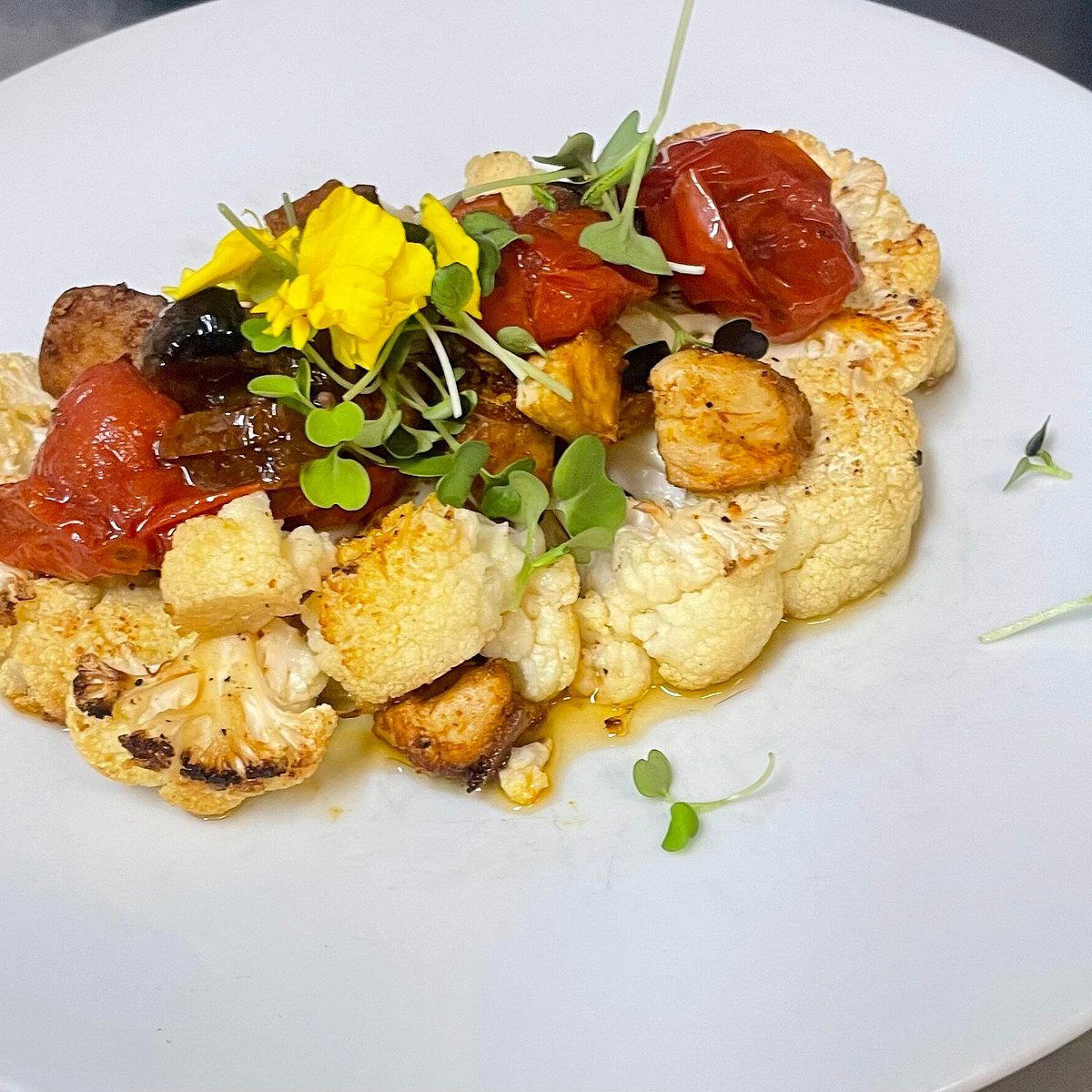
Tarragona, Spain
On Carrer Major in the heart of Tarragona's old city, Vergel Veggie makes the case that 100% plant-based cooking belongs in the same conversation as any serious Mediterranean table. Recognised by the We're Smart Green Guide for its commitment to pure plant food, it draws both curious diners and committed vegans with familiar, recognisable dishes built entirely without meat, fish, or dairy. Not fine dining, but a genuinely considered address for plant-forward eating in a city still largely defined by seafood and rice.

Koblenz, Germany
Verbene holds a Michelin star in Koblenz's Altstadt, operating from Florinspfaffengasse with a monthly-changing menu that also runs as a complete plant-based version. The kitchen treats vegetables as a structural element across both formats, earning recognition in the We're Smart Green Guide alongside its Michelin credentials. For a city of Koblenz's size, it occupies a tier of its own among fine-dining options.

Ixelles, Belgium
A Michelin-starred, plant-forward restaurant in Ixelles that holds a place in the We're Smart World Top 10 and carries a 5-Radish rating. Nicolas Decloedt and Caroline Baerten work exclusively with herbs, grains, flowers, and vegetables from local producers, paired with natural fermentations and biodynamic wines. Ranked 461st among Europe's top restaurants by Opinionated About Dining in 2025, it is the most decorated vegetable-focused address in Brussels.
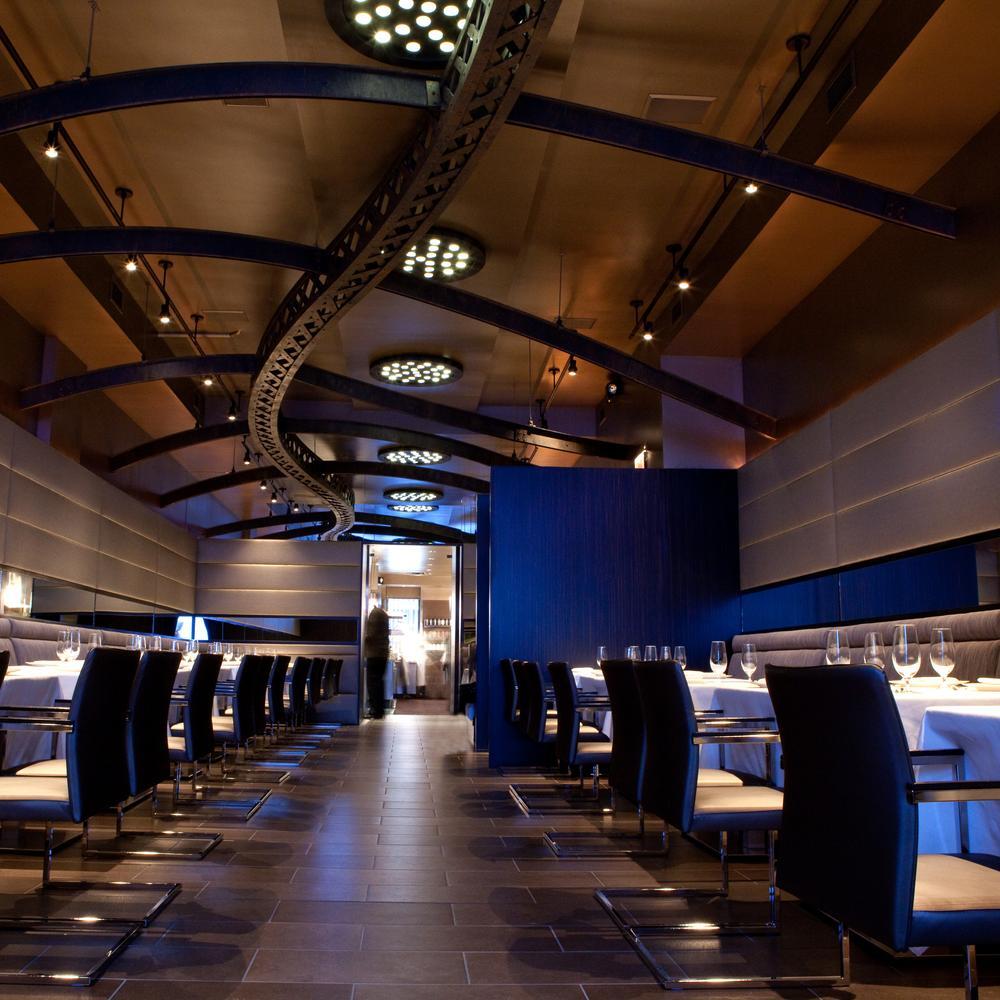
Chicago, United States
Next Restaurant on Fulton Market operates on a format that few American fine dining rooms attempt: a rotating thematic menu that changes every four months, pulling from culinary traditions as distant as ancient Rome and early 20th-century Paris. Holding a Michelin star since 2024 and ranked 76th in North America by Opinionated About Dining in 2025, it occupies a specific tier within Chicago's serious dining scene.

Utrecht, Netherlands
A Michelin-starred restaurant inside a medieval complex at the edge of Utrecht's old city, Karel 5 pairs a chandelier-lit dining room and garden terrace with a produce-driven creative menu that rotates every three months. Chef Leon Mazairac sources game from the Veluwe and saffron from Herentals, building menus around vegetable-forward themes without sacrificing classical technique. A complete plant-based version of the tasting menu is available on request.

Rome, Italy
All'Oro holds a Michelin star and an OAD Classical Europe ranking (\u2116459, 2025) for creative reinterpretations of Roman and Italian tradition. Chef Riccardo Di Giacinto, a JRE member, works from a basement dining room in Prati, close to Piazza del Popolo, transforming dishes like carbonara and tir\u00amisù into something recognisable yet unexpected. A dedicated plant-based menu runs alongside the main offering.

Maastricht, Netherlands
On the eighth floor of Dormio Resort Hotel, Rantrée positions itself inside Maastricht's growing reputation as a serious dining destination. Chef Ralph Hermans holds a Michelin Plate (2025) and JRE membership, delivering a fully plant-based menu where even the cheeses are non-animal. Rated 4.6 from over 400 Google reviews, this is a place where refined French technique meets a committed vegetable-forward philosophy and panoramic city views.

Béziers, France
Calice unfolds within an Art Deco landmark, gracefully expanded with contemporary curves and organic finishes that cocoon guests in refined calm. The chef’s modern Mediterranean lens celebrates pristine, market-led ingredients, translating them into vibrant, precise flavors with an effortless sense of luxury. With service that is warm, attentive, and impeccably choreographed, a seasonally evolving menu, and a cellar of over 800 labels guided by expert sommeliers, Calice offers an elegant, sensorial journey that balances heritage, innovation, and rarefied hospitality.

Mechelen, Belgium
At Guldenstraat 9, Ember brings fire-led seasonal cooking to central Mechelen, with Chef Zino Jacobs building menus around vegetables and the BBQ in equal measure. A Michelin Plate holder in 2025 and a rare destination in Belgium's mid-sized city dining scene, Ember earned a move from two to four Radishes in the Gault&Millau guide. Google reviewers rate it 4.9 from 163 responses.

Rīga, Latvia
A Michelin-starred restaurant in a former wood-processing factory on the edge of Rīga, Max Cekot Kitchen runs a surprise tasting menu rooted in Latvian seasonal produce, with ingredients drawn from the restaurant's own garden and greenhouse. Open Thursday to Saturday evenings only, it holds a 2026 Michelin star, 75 points on La Liste, and four consecutive Star Wine List rankings. Rated 4.7 from 382 Google reviews.

London, United Kingdom
BiBi brings modern Indian cooking to the heart of Mayfair, where JKS Group and chef Chet Sharma translate family recipes and fine-dining technique into a compact, counter-led format. Holding a Michelin Plate and ranked among Europe's top restaurants by Opinionated About Dining, it sits at the serious end of London's booming Indian dining scene. The narrow, dimly lit room on North Audley Street rewards those who book the counter.

Macerata, Italy
In Macerata's historic centre, Signore te ne ringrazi holds a Michelin Plate for chef Michele Biagiola's cooking rooted in the rural traditions of the Marche. Foraged herbs from surrounding fields and mountains shape a menu that leans heavily vegetable-forward, with a split format: gourmet preparations at lunch, more relaxed and traditional plates in the evening. Priced at €€, it represents one of the more considered addresses in this undervisited hill town.

Sorengo, Switzerland
In the quiet residential commune of Sorengo, just outside Lugano, Felix Lo Basso operates as one of the Ticino region's more serious fine dining addresses. Chef Felice Lo Basso builds his menus around market availability and seasonal momentum rather than fixed templates, with a kitchen that accommodates vegetarian requests at the same level of craft as the main menu.

Nieuwkerken-Waas, Belgium
Holding a Michelin star in both 2024 and 2025, 't Korennaer operates from Nieuwkerken-Waas with a kitchen philosophy built around disciplined ingredient sourcing and Eastern-inflected flavour signatures. Chef Edwin Van Goethem layers vegetables, fruits, and premium proteins — Norwegian scallop, young Anjou pigeon, brill, winter truffle — into compositions where texture and contrast do the structural work. At €€€ pricing, it sits a tier below Belgium's most expensive creative tables while matching their ambition.
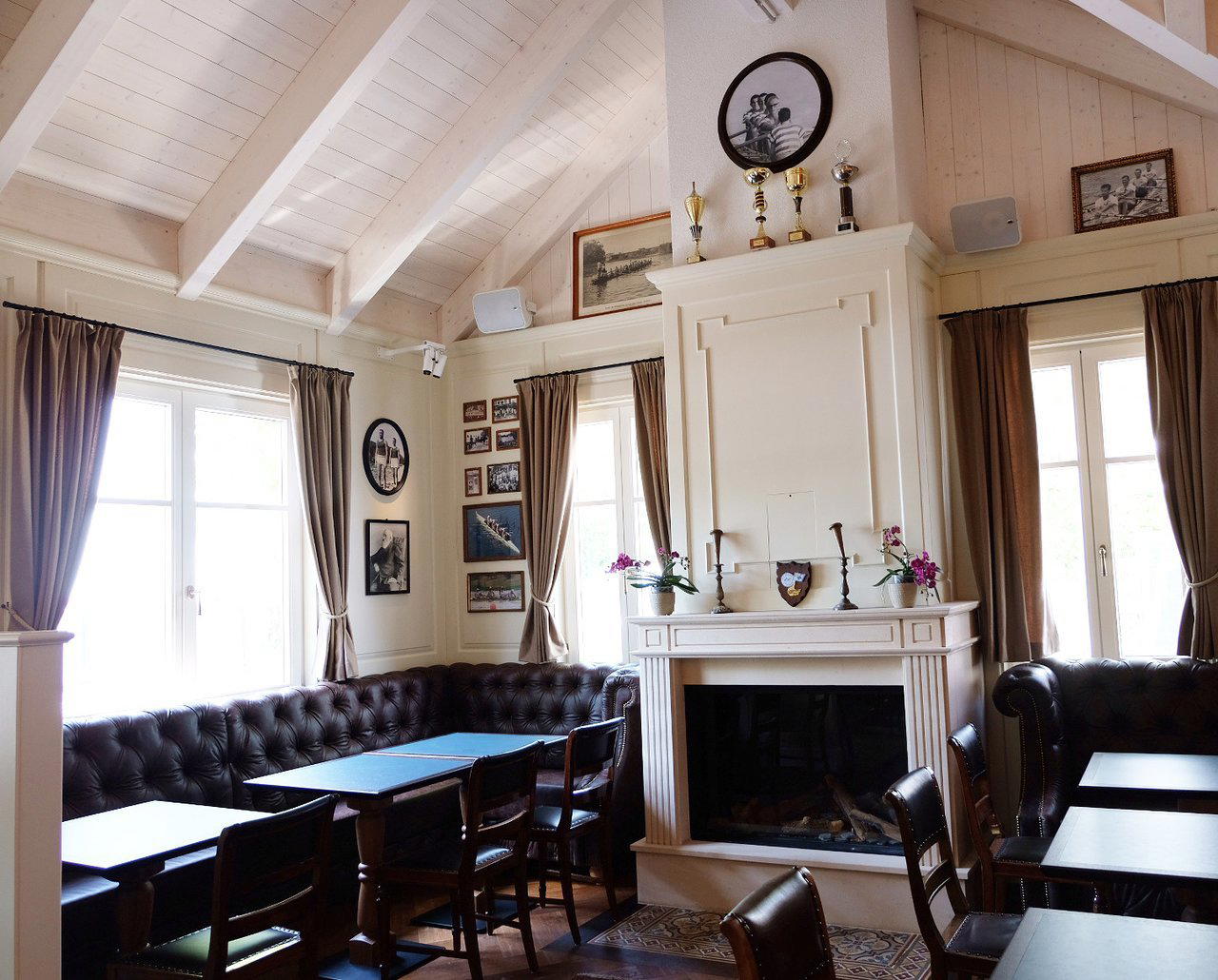
Bingen am Rhein, Germany
Inside the Papa Rhein Hotel on the Bingen waterfront, Das Bootshaus is home to Chef Nils Henkel's plant-forward tasting menu 'Flora', a Michelin Plate-recognised format built around the botanical richness of the Rhine region. Dishes shift between fully vegan and broader plant-based preparations, always framed by local colour, spice, and structure. At the €€ price tier, it offers a credible entry point into regional haute cuisine.

Copenhagen, Denmark
Baka d'Busk in Copenhagen's Nørrebro district operates as a Plant Bistro with a French-influenced vegetarian menu that rotates with the seasons and local supply. Dishes arrive as shared plates, with butter and cheese present throughout, though a dairy-free path through the menu is available on request. The format is convivial rather than formal, and the kitchen puts texture and technique at the centre of each vegetable-led plate.

Serralunga d'Alba, Italy
A two-Michelin-star address set within Il Boscareto Resort outside Alba, La Rei Natura by Michelangelo Mammoliti holds a 92-point score from La Liste (2026) and a ranking of 348 in Opinionated About Dining's European classical list. Three tasting menus anchor the kitchen's vegetable-forward, biodynamically sourced program, with à la carte access available on two of them. Open Thursday through Sunday evenings, with Saturday and Sunday lunch service.

Vejle, Denmark
LYST holds a Michelin star and ranks among Europe's top 150 restaurants on Opinionated About Dining, operating from a striking harbour building on Vejle's waterfront. Chef Daniel McBurnie builds menus around local and seasonal produce, with the sea and foraged vegetables as recurring structural elements. Open Thursday through Saturday evenings, plus Saturday lunch, at the €€€€ price tier.

Barcelona, Spain
Barcelona's plant-based dining scene has a clear reference point on Carrer de Jovellanos: Teresa Carles, a vegetarian and vegan restaurant with decades of influence behind it and a seasonally rotating menu that tracks what Catalan markets actually produce month by month. Listed in the We're Smart Green Guide, it occupies a distinct tier in Barcelona's otherwise meat-forward restaurant culture, and it works equally well for a considered celebration meal as for a long, unhurried lunch.

London, United Kingdom
A 12-seat chef's table in a Soho alleyway, Aulis London distils Simon Rogan's L'Enclume ethos into a 15-course tasting menu built around produce from the group's organic Cartmel farm. Holding a Michelin star and ranked 151st in Europe by Opinionated About Dining in 2024, it operates Tuesday through Saturday at £195 per person with no printed menu.
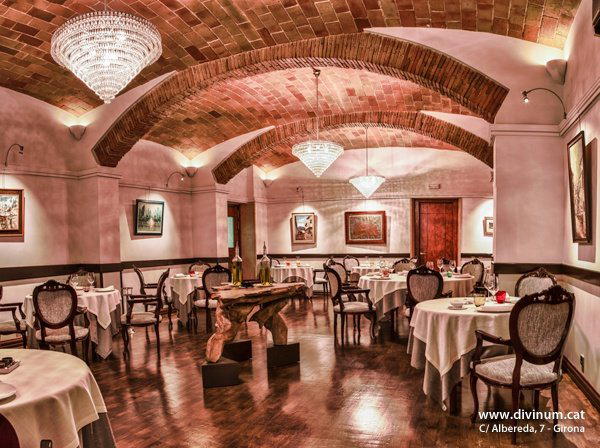
Girona, Spain
Michelin-starred Divinum on Carrer de l'Albereda holds a 4.7 Google rating across 1,104 reviews and earned its first Michelin star in 2024. The kitchen works a modern-Catalan register, drawing on deep regional larder — Maresme peas, seasonal escalivada, a 20-variety cheese trolley — with two tasting menus and a flexible à la carte that includes half-portions. Closed Monday and Sunday; open for lunch and dinner Tuesday through Saturday.

Kobarid, Slovenia
Three Michelin stars and a place in the World's 50 Best Restaurants confirm what visitors to this remote Soča Valley farmhouse already know: Hiša Franko operates at a level rarely found outside major capitals. Chef Ana Roš, self-taught and hyper-local in her sourcing, has built a menu anchored in the Julian Alps, drawing ingredients from foragers, shepherds, and fishermen across the valley's tight community of producers.

Ghent, Belgium
On Burgstraat in central Ghent, Epiphany's Kitchen positions itself within Belgium's growing plant-based dining conversation, serving colourful, flavour-led vegan dishes in a city already sympathetic to that direction. The kitchen operates with a stated commitment to quality and environmental purpose, making it a reference point for visitors looking beyond conventional Flemish restaurant fare.

Amsterdam, Netherlands
On Vijzelstraat in central Amsterdam, Senses has undergone a sharp editorial shift under chef Renaud Goigoux, whose plant-forward approach earned the restaurant a jump from 1 to 4 Radishes in the Michelin Green Star programme alongside consecutive Michelin Plate recognition in 2024 and 2025. The pure plant menu is a permanent fixture on the carte, making this a rare address in the €€€ tier where vegetables are genuinely the main event.

London, United Kingdom
Row on 5 occupies the heart of Savile Row with a 15-course tasting menu that draws on outstanding British produce through Japanese and Mediterranean technique. Backed by Jason Atherton and led by chef Spencer Metzger, it holds a Michelin star and ranked among La Liste's top 89-point restaurants in 2026. The wine programme, a ranked Star Wine List title-holder, is as serious as anything in the city.

Buckfastleigh, United Kingdom
Turning 20 in 2025, Riverford Field Kitchen sits in the heart of the Buckfastleigh farm that made the organic box scheme famous. Meals are served family-style to the whole room at once, with daily-changing menus built entirely around what the surrounding fields and polytunnels are producing that day. It is one of the most disciplined expressions of farm-to-fork dining in Devon.

València, Spain
Mala Hierba is a neighbourhood restaurant in El Pla del Real that has built a loyal local following around one principle: let the ingredient carry the dish. Seasonal vegetables, well-sourced meats, and an absence of unnecessary technique define a meal here. It is the kind of place that reminds you why simplicity, done with conviction, is its own discipline.

Surat Thani, Thailand
Zest operates on a format that is rare on Ko Samui: one curry, four vegetable sides chosen from roughly thirty preparations, and a table that fills with shared dishes the more people join. Located in Taling Ngam, it sits outside the island's resort-strip circuit and rewards the kind of deliberate planning that communal Thai dining has always asked for.

São Paulo, Brazil
Ama.zo Cozinha Peruana holds consecutive Michelin Plates for 2024 and 2025 and sits at the mid-range price tier in Campos Elíseos, where chef Enrique Paredes applies a vegetable-forward reading of Peruvian cooking. A second São Paulo location operates at Pátio Higienópolis, giving diners two access points to the same kitchen philosophy. Google reviewers rate the restaurant 4.6 across more than 2,400 submissions.
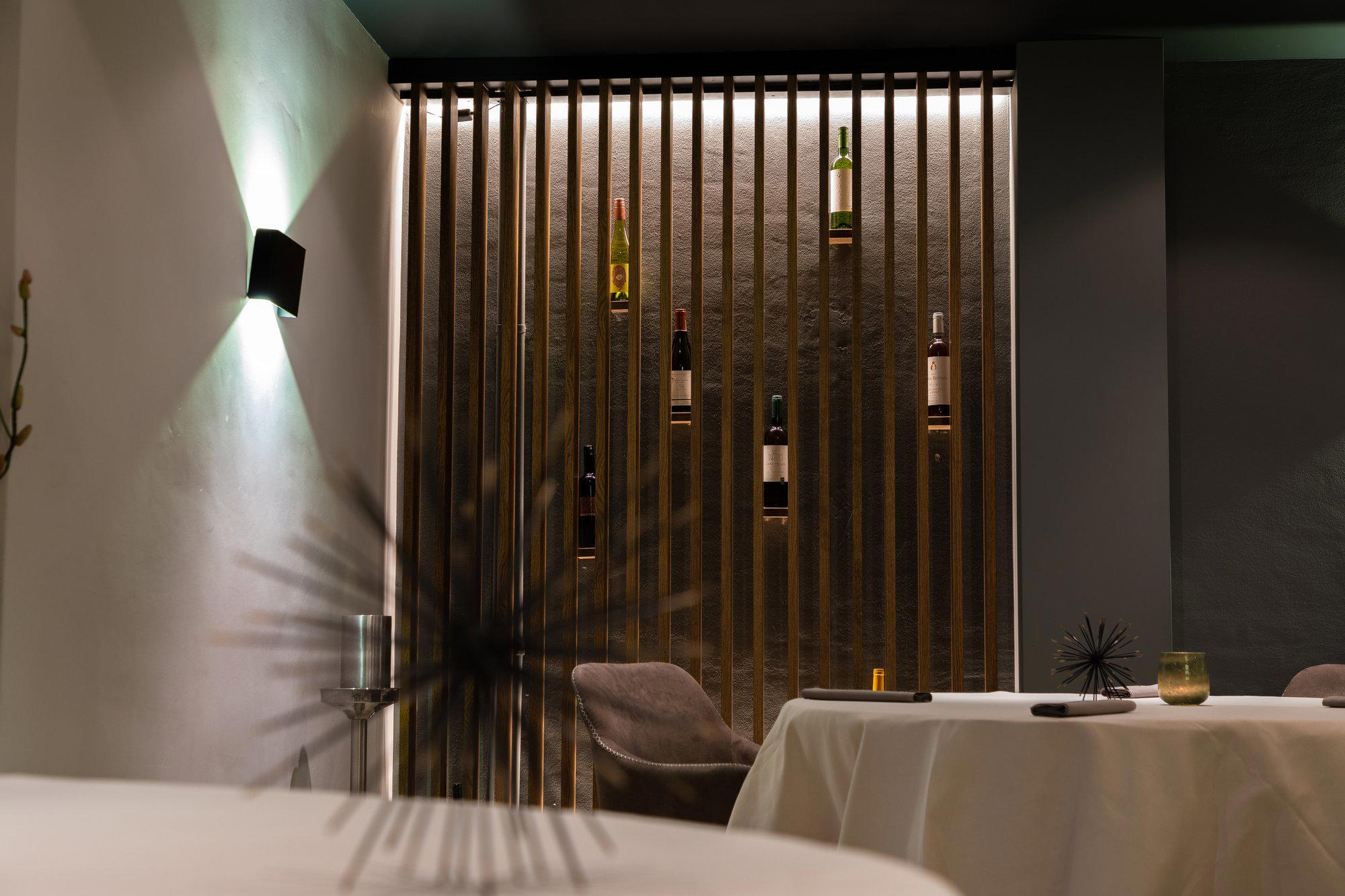
Son en Breug, Netherlands
At Raadhuisplein in Son, T'Kleijn Geluck operates in a space where the kitchen garden sets the terms of the menu. Chef Rick Geven's plant-forward cooking draws on seasonal produce grown on-site, placing this North Brabant address among a growing tier of Netherlands restaurants where ingredient sourcing is the primary creative discipline. The We're Smart Green Guide has identified it as a contender worth watching.

Lesneven, France
In a small Breton market town, Le Coq en Pâte channels the region's produce-driven cooking through a menu shaped by seasonal rhythms and local supply chains. Chef Yann Kermarrec, affiliated with the Bon pour le climat network, builds dishes around Brittany's signature ingredients in a format that sits closer to engaged regional cooking than to destination-restaurant spectacle.

Zurich, Switzerland
The oldest vegetarian restaurant in the world, Haus Hiltl has occupied Sihlstrasse in Zurich's city centre since 1898 and earned consecutive Opinionated About Dining Casual Europe rankings through 2023–2025. A six-location Zurich institution, it draws a loyal daily crowd to its buffet-led format and evening à la carte offer, spanning everything from Indian-spiced dishes to Swiss-inflected plant cooking.

Seoul, South Korea
Dresden Green occupies a precise position in Seoul's fine dining scene: a Gangnam counter where chef Park Ga-ram applies close attention to plant-forward flavors and the reinterpretation of French, American, and Korean classics. We're Smart has recognized her kitchen's focus on green, refined cooking as something that sits comfortably alongside the city's most serious tasting-menu addresses.
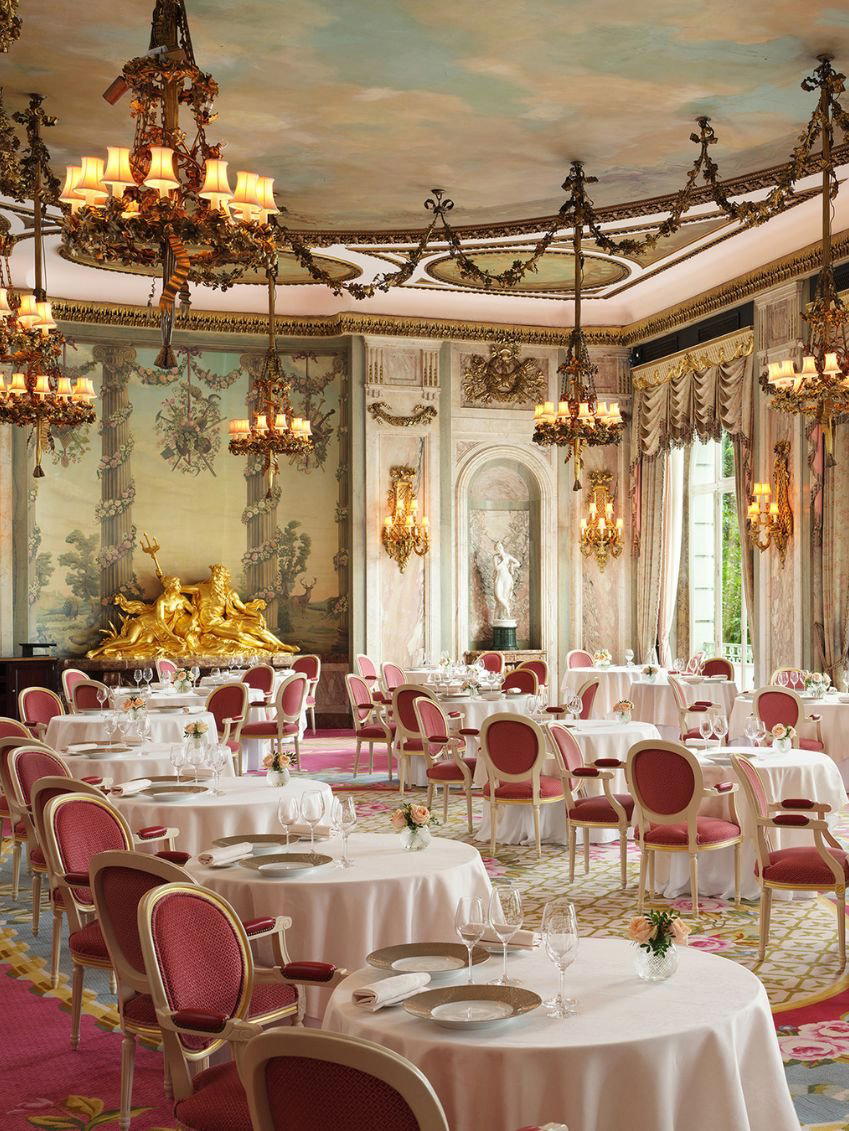
Zwolle, Netherlands
At Oude Vismarkt 10 in Zwolle's historic centre, NOÏS operates without a written menu — Chef Vincent van Benthem presents options verbally, then builds imaginative, plant-forward courses that have earned a Michelin Plate in 2025. Front-of-house host Laura pairs the experience with a considered wine list she navigates with confidence. A €€€ price point makes this one of the stronger value propositions in the city's modern cuisine tier.

Isola Vulcano, Italy
On the volcanic island of Vulcano, I Tenerumi holds a Michelin star and a perfect five-radish rating from the We're Smart Green Guide for a plant-based tasting menu that treats vegetables as the main event, not a substitution. Chef Davide Guidara works from an open kitchen, drawing on fermentation, maceration, and garden produce to build a single surprise menu paired with kombucha and herbal cordials, with the Aeolian Islands as backdrop.

Birmingham, United Kingdom
Simpsons has held a Michelin star continuously since 2000, making it one of Birmingham's most enduring fine-dining addresses. Operating from a Georgian mansion in Edgbaston, the kitchen under Head Chef Luke Tipping produces set-menu modern British cooking grounded in classical technique and seasonal produce. With three bedrooms on-site and a cookery school, it occupies a category of its own among the city's top-tier restaurants.

Austin, United States
Named the We're Smart Green Guide's pure plant discovery of the year in the USA, Fabrik operates out of East Austin with a 100% plant-based menu that chef-owner Je Wallerstein frames as low-impact, seasonally driven cooking. This is not wellness-market positioning — it is a serious kitchen applying precision and restraint to vegetables at a moment when that approach is reshaping American fine dining.

Grou, Netherlands
Oostergoo sits on the waterfront in Grou, Friesland, serving traditional Dutch cuisine through a plant-forward lens at €€ pricing. Chef Marcel Oost is an ambassador of the Dutch Cuisine concept, which targets 80% vegetable-based dishes, and the kitchen holds consecutive Michelin Plates for 2024 and 2025. Google reviewers rate it 4.2 across 654 reviews.

Moray, Peru
Set among the Inca circular terraces of Moray at 3,500 metres, Mil Centro is one of South America's most seriously regarded restaurants, ranking second on Opinionated About Dining's South America list in 2024 and 2025 after holding the top spot in 2023. Virgilio Martínez's high-altitude kitchen anchors its menu in Andean biodiversity, drawing on ingredients from the surrounding Sacred Valley with the same intellectual rigour as his Lima flagship, Central.
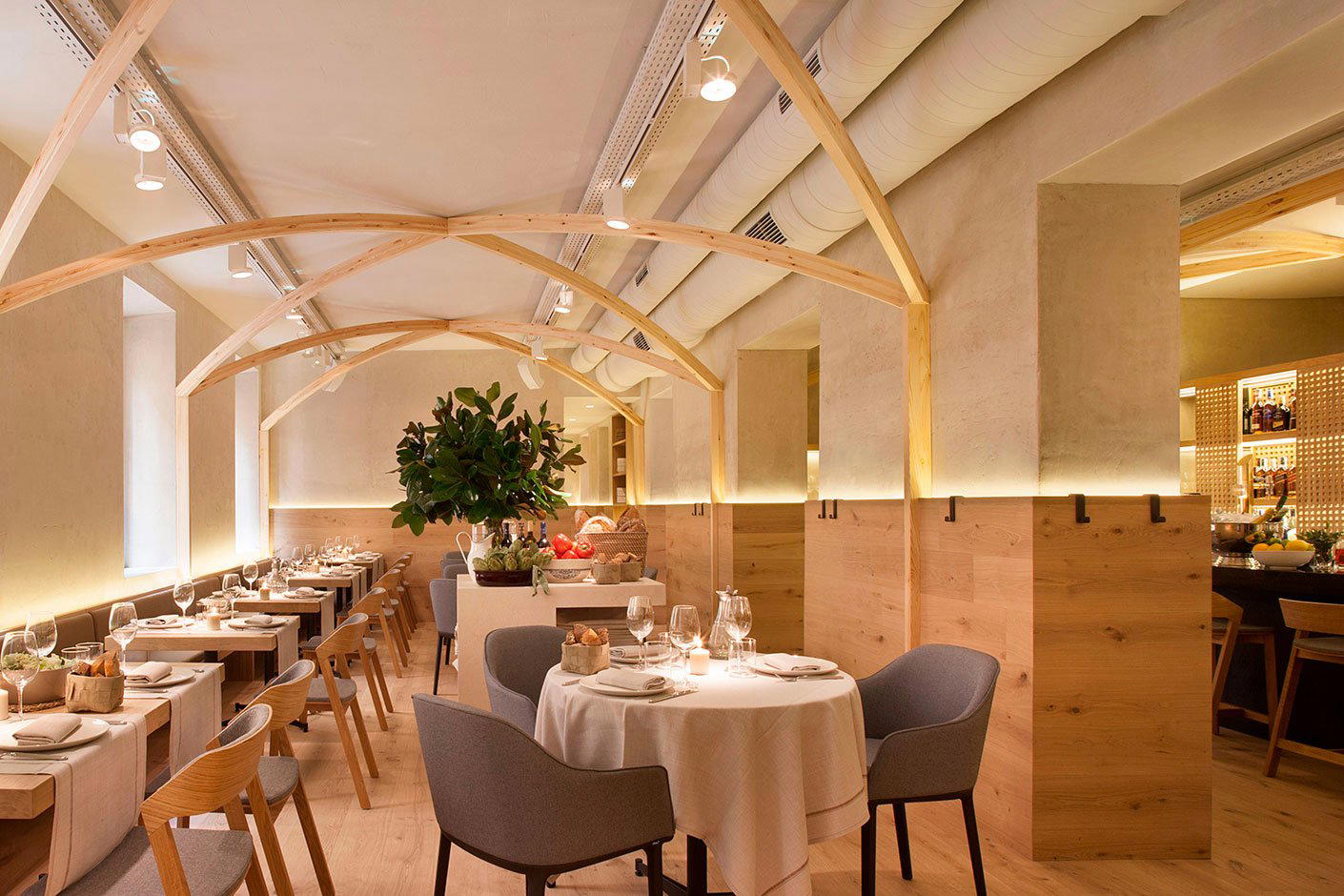
Madrid, Spain
On Calle de Jorge Juan in Madrid's Salamanca district, La Bien Aparecida imports the flavours of Cantabria into one of the capital's most polished postcodes. Named after the patron saint of the region, the kitchen under Chef José Manuel de Dios reworks traditional northern recipes, from fried squid to creamy rice with clams, with a vegetable-forward sensibility shaped by the Bras school of cooking. It holds a Michelin Plate (2025) and ranks #669 in Opinionated About Dining's Europe list.

Larrabetzu, Spain
Azurmendi Larrabetzu elevates sustainable fine dining to an art form, where Chef Eneko Atxa's three-Michelin-starred vision unfolds through an immersive greenhouse-to-table experience. This architectural marvel seamlessly integrates Basque tradition with cutting-edge gastronomy, offering the acclaimed Adarrak tasting menu in a bioclimatic structure that defines the future of responsible luxury dining.

Brussels, Belgium
On a quiet Ixelles street, TAN pairs a ground-floor organic grocery with an upstairs restaurant committed to vegetarian cooking built on raw and low-temperature techniques. The kitchen favours unprocessed ingredients, thoughtful dressings, and raw sauces over heat-heavy methods, producing food that registers as considered rather than ascetic. A rooftop city terrace completes a format that places TAN firmly within Brussels' growing ecology of ingredient-led, plant-forward dining.

Adeje, Spain
Set within the Royal Hideaway Corales Suites in La Caleta, Starfish occupies a considered position inside one of Adeje's more design-conscious resort complexes. The kitchen divides its attention between fish — as the name signals — and a plant-forward program that has drawn early recognition from EP Club, which awarded three radishes in acknowledgment of a promising start under Chef Victor Bossecker.

London, United Kingdom
Rovi is Yotam Ottolenghi's 85-cover Fitzrovia restaurant built around fermentation, open-fire cooking, and vegetables treated as the main event. Chef Neil Campbell leads a menu rooted in Levantine and Mediterranean traditions, backed by a bar program of seasonal herb cocktails and house-made shrubs. Ranked in Opinionated About Dining's Casual Europe list every year since 2023, it occupies a distinct position in London's mid-to-upper casual dining scene.
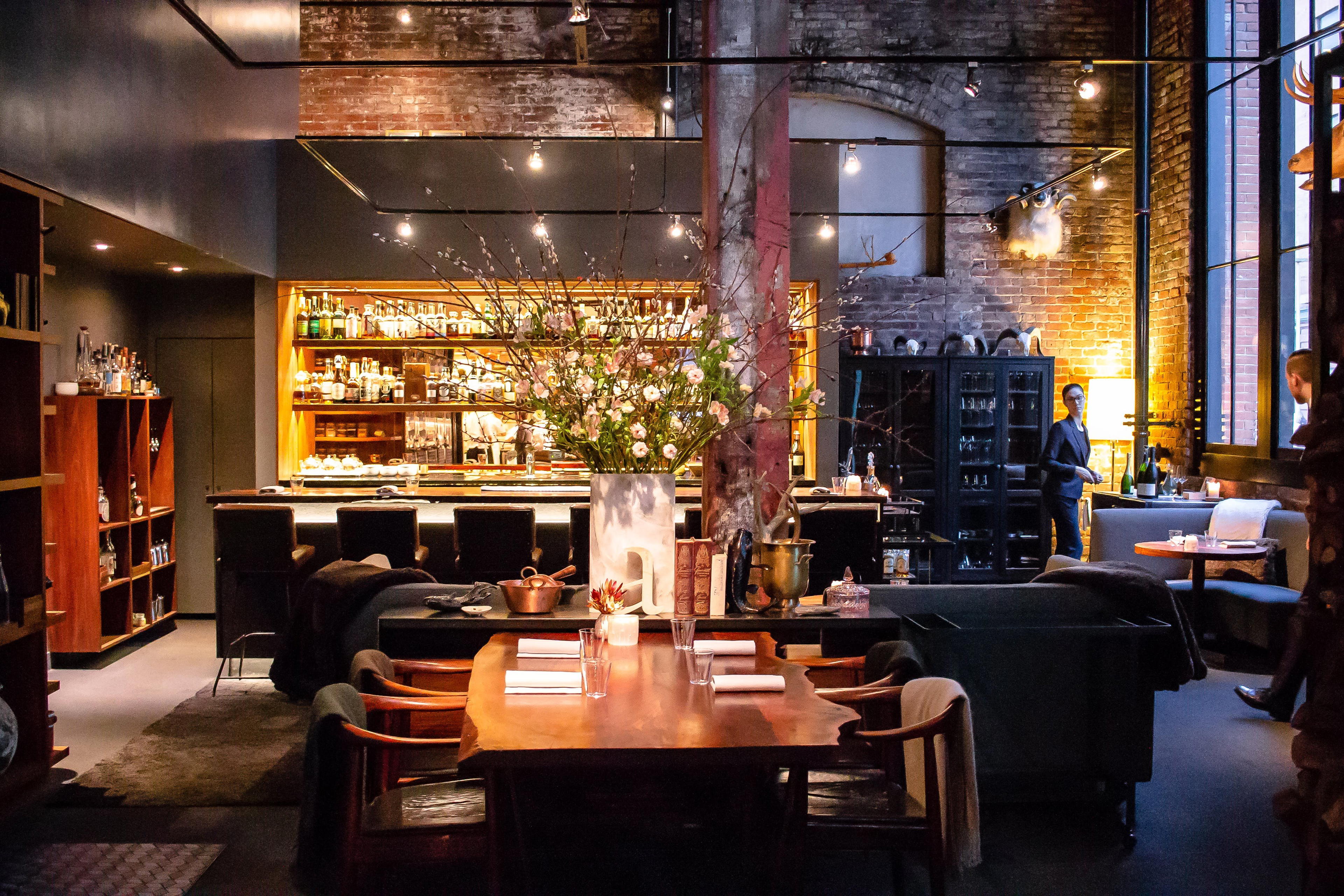
San Francisco, United States
Saison has held two Michelin stars since at least 2024 and ranked third in Opinionated About Dining's North America list for 2025. The SoMa restaurant built its reputation on open-hearth cooking and hyper-local sourcing, and under executive chef Richard Lee it has expanded that foundation to incorporate a Chinese-American perspective on Northern California's seasonal pantry. A 9,285-bottle cellar anchored by Burgundy, Bordeaux, and California makes the wine program a parallel draw.

Edegem, Belgium
La Rosa has been a fixture on Mechelsesteenweg in Edegem for nearly two decades, and the kitchen's approach to vegetable-forward balance distinguishes it from the broader Antwerp-area dining scene. Combinations like scallop with Brussels chicory and truffle hazelnut butter, or lamb saddle built around chickpeas, lentils, and young carrots, show a kitchen that treats produce as architecture rather than garnish.
Leiden, Netherlands
In den Doofpot occupies a canal-side address on Turfmarkt in central Leiden, operating in the creative fine-dining tier with a Michelin Plate (2025), a We're Smart Green Guide three-radish rating, and a Star Wine List White Star. Among Leiden's handful of serious dinner destinations, it positions closest to The Bishop and Wielinga in price and ambition, with a stronger sustainability signal than either peer.

Llagostera, Spain
A Michelin-starred farmhouse on the road between Sant Feliu de Guíxols and Girona, Els Tinars has anchored Costa Brava's serious dining scene for decades. Chef Marc Gascons works an à la carte of traditional Catalan cooking sourced from nearby producers and the Palamós fish auction, with two set menus available alongside. Ranked 505th in Europe by Opinionated About Dining in 2025 and scoring 79.5 points on La Liste, this is the kind of place the region built its reputation on.

Napa, United States
Charter Oak sits at the quieter, more agrarian end of the Napa Valley restaurant spectrum — open-fire cooking, farm-sourced vegetables, and a wine list of 1,010 selections anchored in California and France. Ranked #78 on Opinionated About Dining's 2025 Casual North America list and holding a Michelin Plate, it occupies the mid-price tier ($$ cuisine, $$ wine) where the valley's farm-to-table instinct is most honestly expressed.

Riquewihr, France
In a 16th-century building at the centre of one of Alsace's most-visited medieval villages, La Table du Gourmet holds a Michelin star under chef Jean-Luc Brendel, whose menus draw from a permaculture garden of some 350 plant varieties. The cooking is rooted in Alsatian produce and seasonality, with a dedicated Alsace wine list and guestrooms on site for those who want to extend the visit.
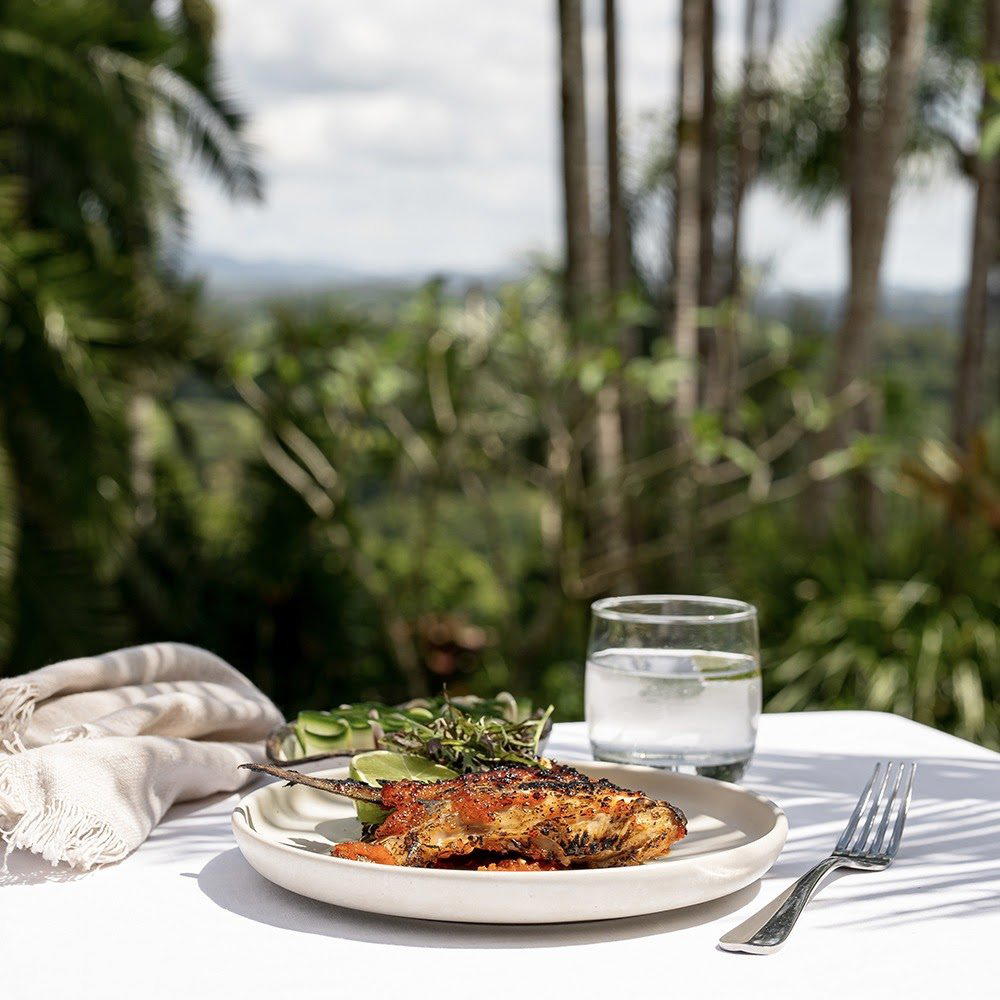
Brooklet, Australia
Gaia Retreat in Brooklet, NSW, sits at the quieter end of the Northern Rivers dining circuit, where the kitchen operates on a pure plant philosophy rooted in an on-site organic garden. Chef Dan Trewartha's approach, which he terms 'Gourmet Health Cuisine', treats vegetables as the primary event rather than accompaniment. The result is a table that asks something of you: slow down, pay attention, let the food restore.

Schoorl, Netherlands
A Michelin-starred address on the Dutch north coast, Merlet sits in the dunes near Schoorl and pairs a 640-bottle wine list strong in Burgundy and Bordeaux with modern cuisine that moves between French technique and Asian inflection. Ranked 431st in the Opinionated About Dining Classical Europe list for 2025 and awarded the Star Wine List top ranking, it represents a serious dining destination well outside the Randstad circuit.

Ripon, United Kingdom
Shaun Rankin at Grantley Hall holds a Michelin star and an 82-point La Liste ranking (2026), operating Thursday to Sunday evenings in a 17th-century Palladian house outside Ripon. The kitchen draws on estate-grown produce and Yorkshire suppliers to deliver multi-course modern British cooking of considerable technical depth. Booking at ££££ pricing warrants planning well in advance.
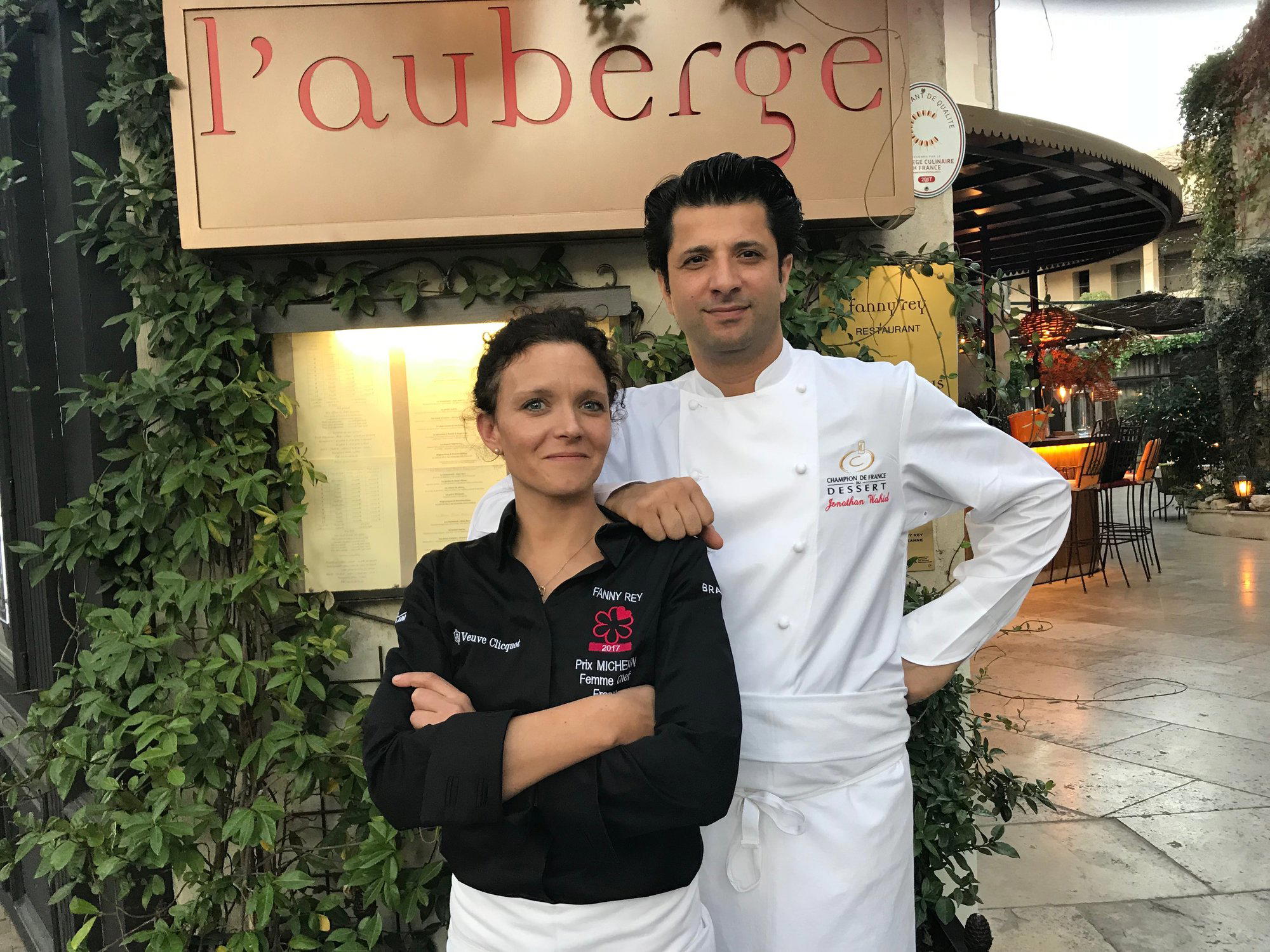
Saint Remy de Provence, France
In Saint-Rémy-de-Provence, where Provençal produce defines the plate, L'Auberge de St-Remy puts olive trees, fresh herbs, and edible flowers at the centre of its cooking philosophy. Chefs Fanny Rey and Jonathan Wahid bring a well-earned reputation to a town already dense with culinary ambition, and the results justify the detour. Expect inventive finishes: pralines of apple, radish, grapefruit, and dill; a gherkin served like candy.

Calldetenes, Spain
Opened in 1995 in a restored farmhouse outside Vic, Can Jubany holds a Michelin star and scores 92 points on La Liste 2026, placing it among Catalonia's most recognised destination restaurants. Chef Nando Jubany builds menus around the estate's own vegetable garden, with two tasting formats and an à la carte rooted in Catalan tradition. The setting, an hour from Barcelona, is as much part of the proposition as the cooking.

Vienna, Austria
At Salzgries 15 in Vienna's first district, Jola operates within the We're Smart plant-based dining movement and holds a four-radish rating from that guide — the equivalent of serious recognition in the plant-forward world. Chef Jonathan Wittenbrink leads a kitchen where the atmosphere runs lively and the cooking stays firmly and deliberately plant-based. For Vienna's growing cohort of ingredient-led restaurants, Jola is a notable address.

London, United Kingdom
Miranda Café on Broadway Parade brings a plant-forward menu to Crouch End's neighbourhood dining scene, drawing on global references from Greek-style vegan haloumi salads to BBQ jackfruit burgers and Green Thai curry. It sits in a different tier from Central London's high-end dining rooms, operating as a casual, community-facing café where the agenda is accessible, ingredient-led cooking without animal products.
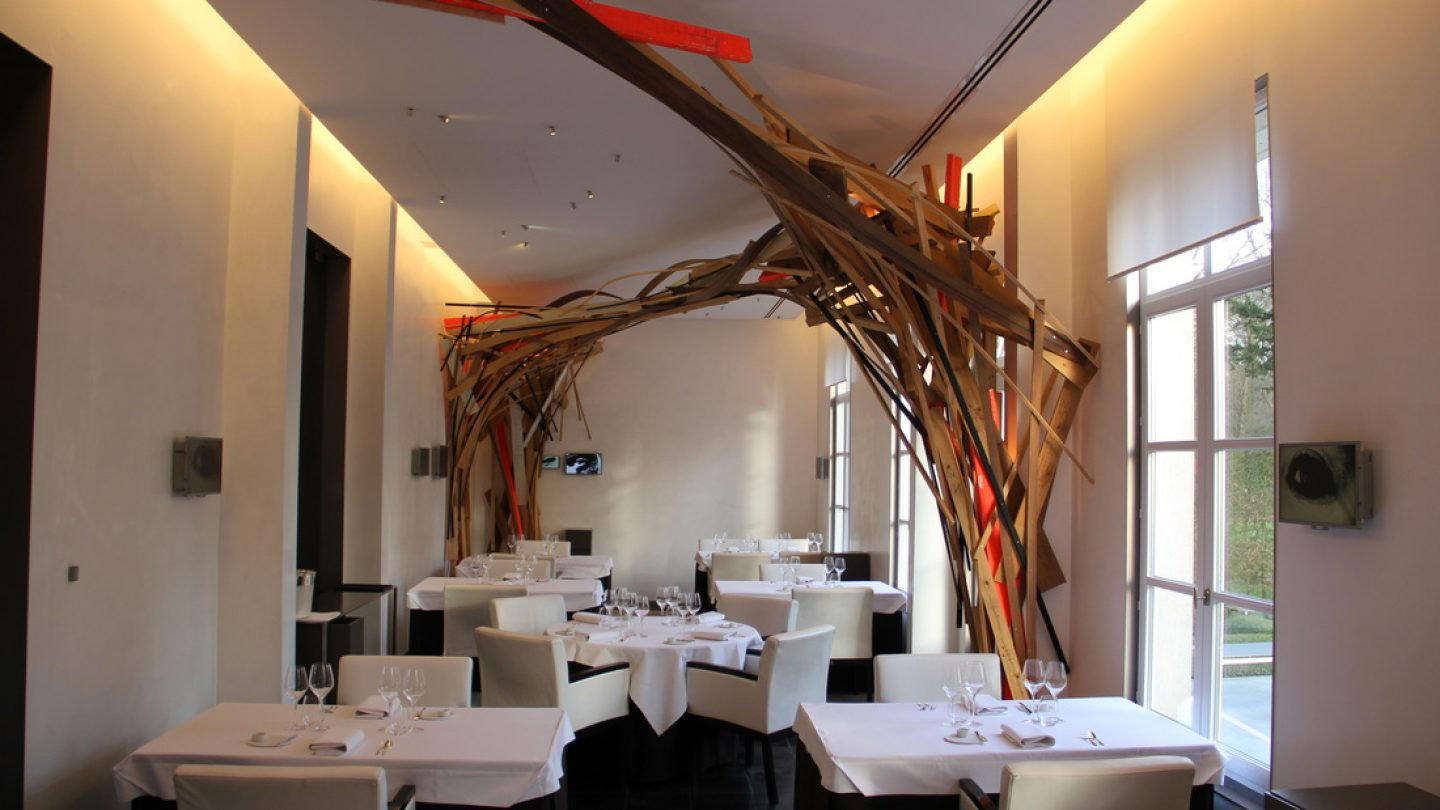
Reet, Belgium
Pastorale in Reet was one of Belgium's most serious destination restaurants before its permanent closure, built around Bart De Pooter's garden-to-table vegetarian programme. The Flora menu drew on produce harvested at peak flavour from an on-site kitchen garden, combining vegetables with fermented, pickled and foraged elements. Its closure leaves a gap in the Belgian fine dining circuit that few regional addresses have filled.

Barcelona, Spain
ABaC sits in the upper tier of Barcelona's three-Michelin-star dining, where Jordi Cruz runs a single tasting menu rooted in Mediterranean technique and seasonal produce. Awarded 95 points by La Liste in both 2025 and 2026, the restaurant occupies a garden-facing room in the Sarrià-Sant Gervasi neighbourhood, with the experience beginning in the kitchen itself. It is one of five multi-star addresses in a city that has become one of Europe's most competitive fine-dining markets.

London, United Kingdom
Holding a Michelin Bib Gourmand since 2024 and ranked among Europe's top casual dining destinations by Opinionated About Dining, Palomar has been translating the flavours of modern Jerusalem for Soho since the mid-2010s. The zinc counter facing an open kitchen remains the place to sit, where fire-cooked meats, kubaneh bread, and vegetable-forward plates anchor a menu rooted in Levantine, North African, and Iberian crosscurrents. At the ££ price point, it represents one of central London's most credentialled Middle Eastern tables.
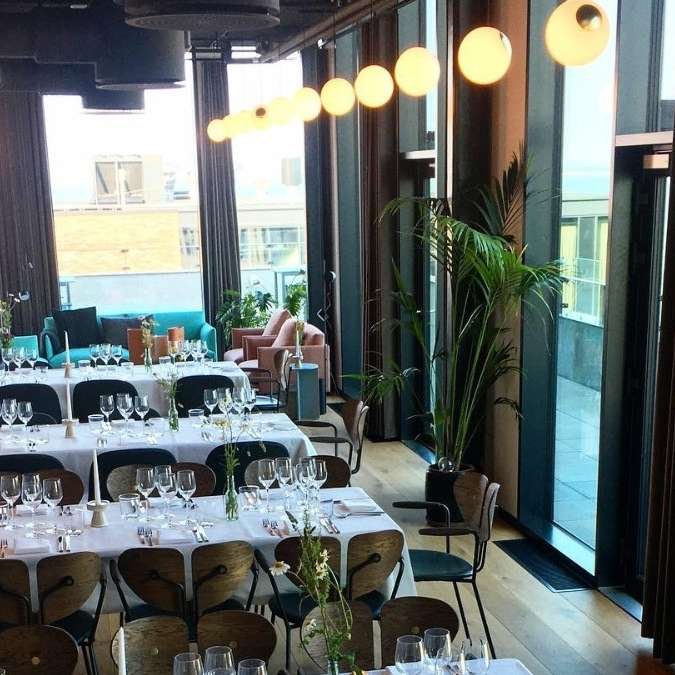
Aarhus, Denmark
Substans holds a Michelin star in both 2024 and 2025 and has recently relocated to Aarhus harbour, operating from the 13th floor with a sea-facing panorama. Chef-owner René Mammen builds menus around seasonal vegetables and coastal produce, earning recognition from We're Smart for the kitchen's plant-forward commitment. It sits at the premium end of the Aarhus dining tier, alongside Frederikshøj and Gastromé.

Kraainem, Belgium
On the edge of a pond in Kraainem, Maxime Colin — formerly La Villa Lorraine — brings creative French cooking to a setting that feels closer to the Brabant countryside than the Brussels suburbs. The kitchen pairs fish and shellfish with produce-driven vegetable work, earning consecutive Michelin Plate recognition in 2024 and 2025. A qualified sommelier and a young, curious brigade make this one of the more considered options in the eastern Brussels periphery.
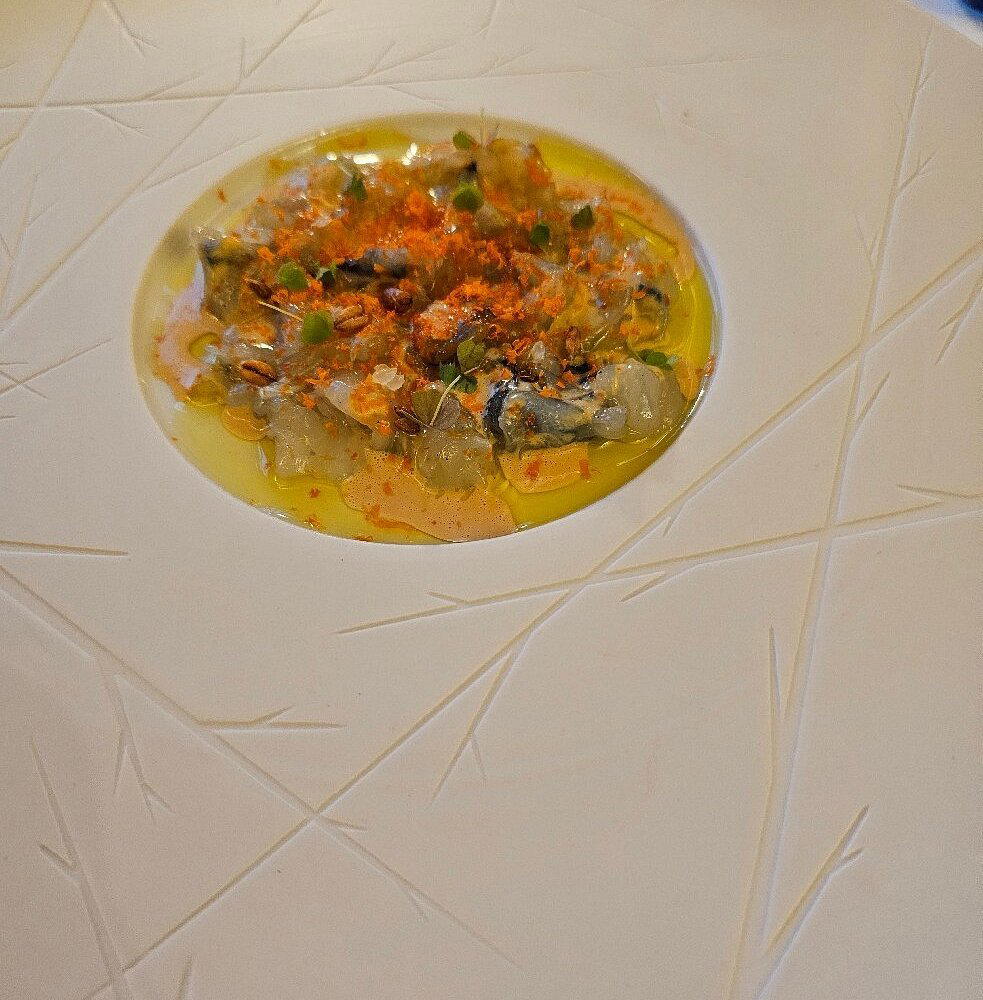
Louvain-la-Neuve, Belgium
Inside Hotel Villa Monceau, Cécila serves a dedicated plant-based menu called 'Exploration Végétale' — built on local, seasonal vegetables, fresh herbs, and edible flowers. Chef Mélanie holds We're Smart Ambassador status, a recognition awarded to practitioners leading the charge in vegetable-forward cooking. For Louvain-la-Neuve, it represents a serious, ingredient-led counterpoint to the city's more conventional dining options.

Onzain, France
A two Michelin star restaurant set within a Relais & Châteaux property in the Loire Valley, Les Hauts de Loire places chef Rémy Giraud's kitchen-garden sourcing at the centre of its classic French cooking. Rated 4.7 from nearly 700 Google reviews and a Michelin Plate holder in 2025, it sits in the upper tier of destination dining between Tours and Blois, drawing guests willing to make the property the reason for the journey.

Tielt-Winge, Belgium
In Tielt-Winge, a small Flemish municipality better known for its fields than its restaurant scene, L' OH makes a case for vegetable-forward cooking without abandoning classical technique. Chef Simon Goyens runs a menu where every dish is available in a vegetarian variant, and the kitchen's treatment of cauliflower, romanesco, and beetroot sits comfortably alongside fish preparations. A quiet but considered address in Belgian provincial dining.

Copenhagen, Denmark
Kiin Kiin VeVe occupies a converted industrial bakery in Copenhagen's Østerbro district, applying the technical ambition of the original Kiin Kiin to a fully vegetarian framework. The kitchen draws on global reference points, structuring dishes around sophisticated combinations rather than substitution logic. A Michelin Plate in 2024 and 2025, and advancing recognition from the We're Smart Green Guide, position it among the city's more serious plant-focused restaurants.

Sorrento, Italy
Zest sits inside the Grand Hotel La Favorita on Via Torquato Tasso, bringing Michelin Plate recognition and a We're Smart Green Guide listing to Sorrento's creative dining scene. The kitchen draws on Campanian produce and pairs it with a dedicated vegetarian tasting menu, placing Zest in a small tier of Sorrento restaurants where plant-forward cooking is treated with the same seriousness as the fish-led competition.
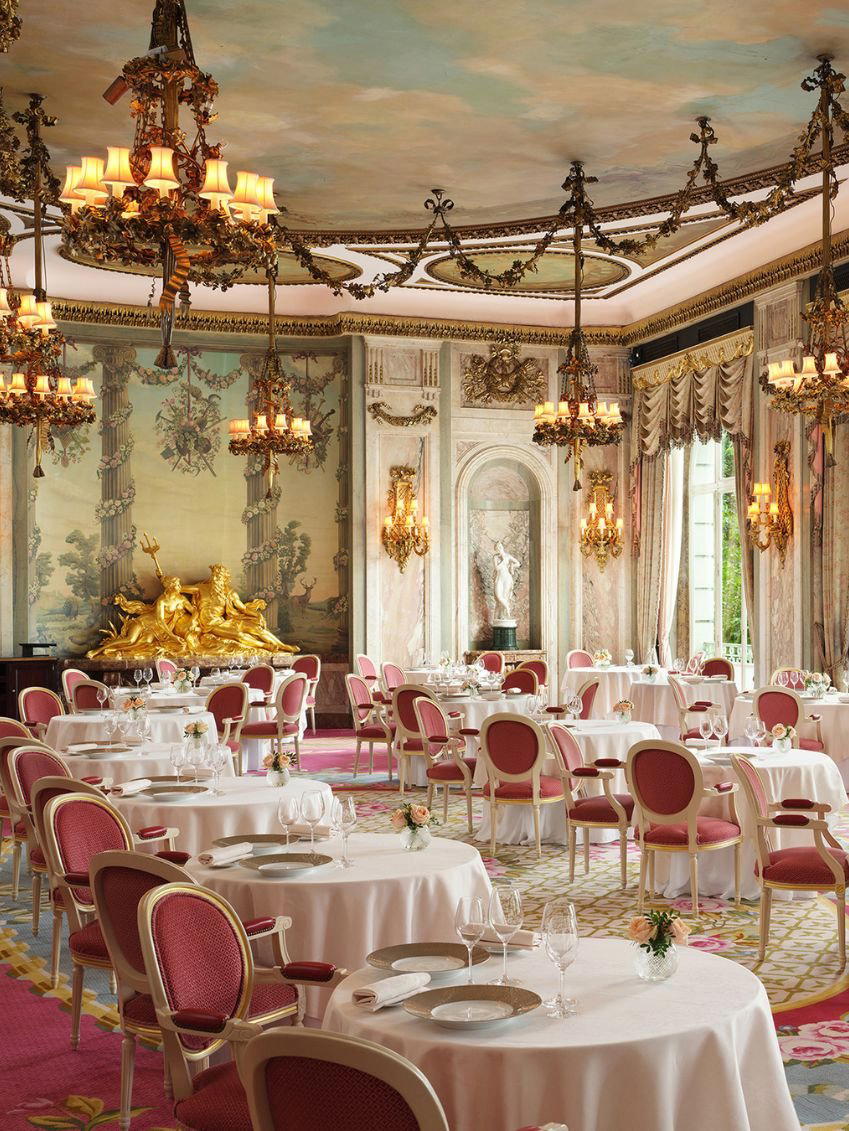
Anderlecht, Belgium
A Michelin Plate-recognised Modern French restaurant on the Route de Lennik in Anderlecht, Cinq sits within the semi-rural fringe of Pajottenland, where a kitchen grounded in seasonal produce and regional character draws diners away from the city centre. Google reviewers rate it 4.5 from 374 reviews, placing it among the more consistently regarded addresses in its price tier.

Valchiusa, Italy
Rantan, run by owner-chefs Carol Choi and Francesco Scarrone in the Canavese hills of Piedmont, operates as a farmer-and-cook experience where the growing and cooking are handled by the same hands. Recognised by We're Smart for its organic philosophy and deep engagement with the land, the property offers overnight stays for those who want the full immersion. The menu leans heavily on what the land produces, with the sourcing and the cooking inseparable.

Amstelveen, Netherlands
SAAM brings South African cuisine to Amstelveen's dining scene, earning consecutive Michelin Plate recognition in 2024 and 2025 — a signal of consistent kitchen discipline at the €€€ price point. Rated 4.8 across 189 Google reviews, it occupies a distinct position in a suburb better known for Dutch and Asian dining. For a cuisine rarely represented at this level in the Netherlands, SAAM makes a credible case.
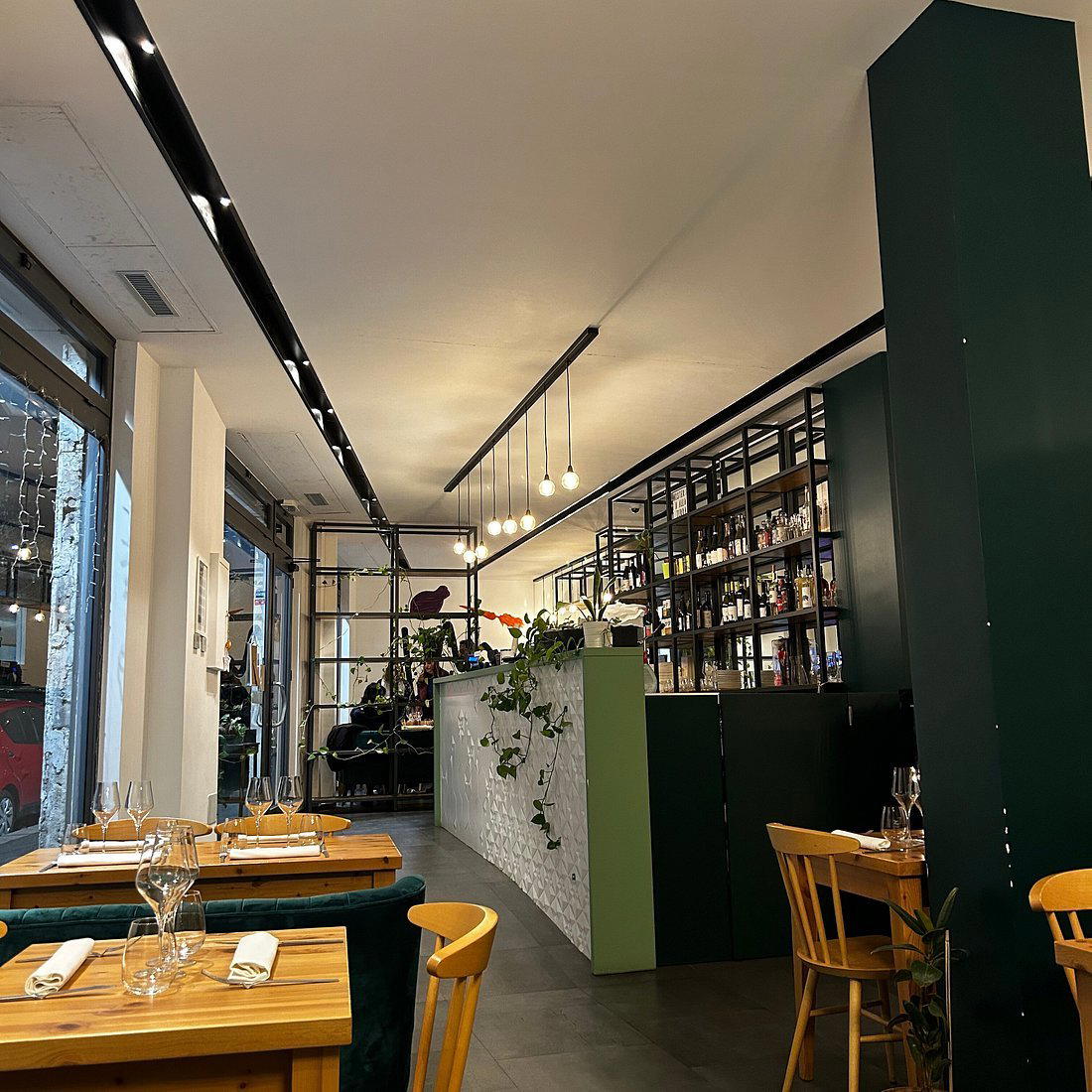
Rome RM, Italy
Misticanza occupies a specific and still-rare position in Rome's dining scene: a wholly plant-based osteria drawing on Italian culinary tradition rather than departing from it. Recognized by the We're Smart Green Guide for its colourful, flavour-driven approach, the restaurant sits on Via Cesare Baronio in the Appio Latino neighbourhood and represents one of the more closely watched openings in the city's growing botanical cooking conversation.

Kyoto, Japan
At the Ritz-Carlton Kyoto, Chef Katsuhito Inoue structures his menu around the Japanese calendar's 72 micro-seasons, with vegetables harvested directly by the kitchen team and brought to the table at peak freshness. The result is a plant-forward tasting format that places ingredient provenance at the centre of every course. Recognised by the We're Smart Green Guide for its depth of seasonal sourcing, this is one of Kyoto's most considered ingredient-led dining experiences.

Fontevraud-l'Abbaye, France
Inside the cloisters of Fontevraud Abbey, one of Europe's largest monastic complexes, Thibaut Ruggeri — Bocuse d'Or 2013 winner — cooks a tightly focused creative menu anchored in the Loire's biodynamic produce. A Michelin star since 2024 confirms the kitchen's standing. The setting alone sets an agenda that most French restaurants cannot match on geography alone.
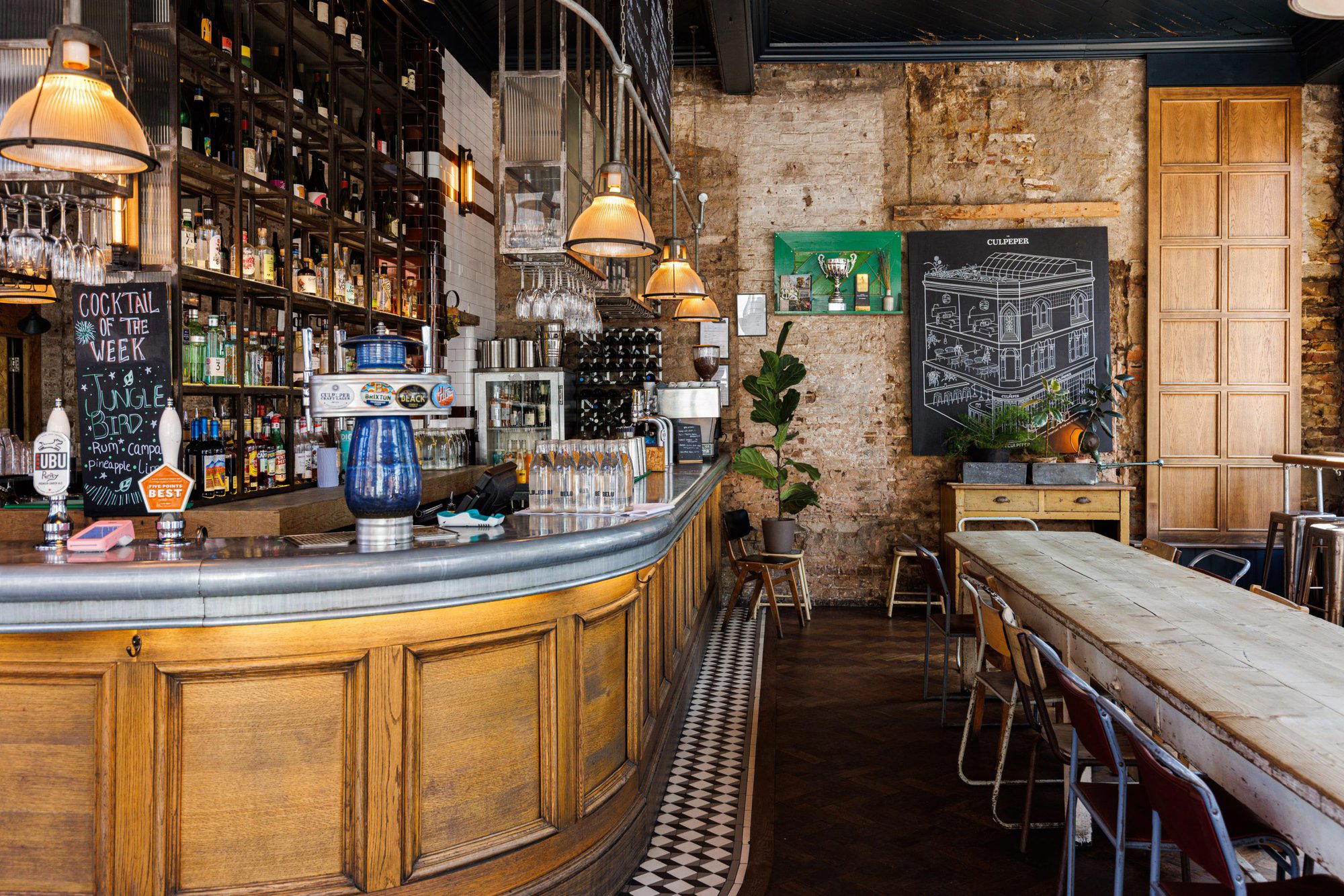
London, United Kingdom
A four-storey operation on Commercial Street in Spitalfields, The Culpeper layers a ground-floor pub, a first-floor restaurant, a second-floor hotel and a working rooftop vegetable garden into a single address. Named after 17th-century herbalist Nicholas Culpeper, the kitchen runs a weekly-changing menu with consistent attention to vegetables and a guaranteed vegetarian option at every service.

Brussels, Belgium
Chaga at Hotel Faubourg 21 is chef Kevin Lejeune's plant-forward restaurant in central Brussels, where a seasonal pure-plant menu runs alongside an open kitchen that puts the cooking squarely in view. Recognised by We're Smart for vegetable-based cuisine, Lejeune brings considered technique to produce-led tasting formats in one of the Belgian capital's more coherent chef-driven dining spaces.

Bruges, Belgium
Bruut sits in Bruges's serious dining tier alongside peers like Mémoire and Sans Cravate, with Opinionated About Dining rankings in Europe's top 70 across three consecutive years. Chef Bruno Timperman runs a monthly-changing menu built around vegetables as structural ingredients rather than garnish, and the format — concise service windows, five days a week — rewards forward planners.

Lake Como, Italy
A Michelin-starred Italian Contemporary restaurant on the edge of Como, Kitchen operates from a private park setting with a biodynamic kitchen garden that shapes both its menus and its identity. Chef Andrea Casali runs two tasting menus — the vegetable-led Green and the broader Experience — alongside an à la carte. The wine selection draws consistent praise, and the Google rating of 4.5 across 369 reviews reflects steady local and visitor confidence.

London, United Kingdom
A Michelin Plate-recognised tasting menu restaurant on a graffiti-lined side street in Bethnal Green, The Water House Project operates at the intersection of fine-dining technique and supper club informality. An 11-course discovery menu built on British ingredients, a communal-table format, and bespoke drinks pairings place it firmly outside London's stiff-formality tier, and well inside the city's most interesting Modern British conversation.

Aduard, Netherlands
Set inside a monumental 1735 farmhouse in the monastery village of Aduard, Herberg Onder de Linden holds a Michelin star and the We're Smart Movement's rare 5 Radishes distinction for its pure plant menu. Chef Steven Klein Nijenhuis draws on locally foraged ingredients and Asian fermentation techniques to produce vegetable-forward cooking that earned recognition as the Netherlands' plant-based culinary discovery of 2025. Five guestrooms make an overnight stay a practical option.

Porto, Portugal
Set in a former coffee and tea shop near Bolhão market, Almeja positions itself in Porto's mid-tier contemporary scene with a seasonal, producer-led approach. Chef João Cura, whose training took him through prestigious Spanish kitchens, runs a concise format spanning à la carte, two weekday menus, and a 10-course tasting option. A Michelin Plate holder since 2024, it earns its place on Rua de Fernandes Tomás with intelligent cooking that takes local ingredients seriously.

Hay-on-Wye, United Kingdom
A former chapel meeting room on Lion Street, CHAPTERS holds a Michelin Plate for Creative British cooking built around hyper-seasonal, locally sourced ingredients. The set menu changes with the kitchen garden and what the surrounding Welsh Marches produce, placing it among the most committed field-to-fork restaurants in rural Britain. At £££, it rewards the journey to Hay-on-Wye with cooking that reflects the landscape it sits inside.

Chagny, France
Maison Lameloise holds three Michelin stars in the small Burgundian town of Chagny, where Éric Pras has built a reputation for modern cuisine that draws on the region's exceptional produce. Ranked 85th in Opinionated About Dining's Classical Europe list for 2025 and awarded 95 points by La Liste, it sits among France's most consistent fine dining addresses. The dining room operates five days a week with both lunch and dinner service.

Mainz, Germany
A 14-course tasting menu built on seasonal produce sourced directly from local farmers defines the experience at Pankratz, one of Mainz's most considered modern German tables. An in-house bakery and a fully plant-based menu option signal the kitchen's depth beyond the main sequence. Ranked #391 in the Opinionated About Dining Top Restaurants in Europe (2025), it occupies a clear position in the city's serious dining tier.

Paris, France
An hour north of Paris in the Canche river valley, La Grenouillère holds two Michelin stars, a Green Star, and a place at #77 on the World's 50 Best list (2024). Alexandre Gauthier's cooking pulls directly from the surrounding wetlands and fields, framing nature-rooted Modern French cuisine in a property that functions as auberge, landscape, and dining destination in one.

Niigata, Japan
Set among rice paddies on the Itoigawa coast where the Japan Alps meet the Sea of Japan, Mûrir places vegetables and local land-and-sea produce at the centre of its menu. Chef Watanabe Mitsunori's approach is product-led and deliberately spare, letting the surrounding terrain do the argumentative work. For travellers willing to leave Niigata city, the drive alone reframes expectations of what regional Japanese cooking can be.

Copenhagen, Denmark
A rooftop greenhouse restaurant in Østerbro where a fully plant-based menu of three to five courses changes daily and every element of the operation loops back into the same closed-cycle logic. Gro Spiseri positions itself differently from Copenhagen's tasting-menu circuit: open seven days a week, with ingredients drawn from the roof garden above your table and supplemented by local producers. It is one of the more coherent expressions of circular dining in the city.

Biarritz, France
Biarritz's first serious entry in the We're Smart Green Guide, Dialogues brings plant-forward cooking to the Basque coast with a program rooted in the garden rather than the ocean — though the sea finds its way in through subtle accents. Chef Adrien Zedda, recognised for his work at Culina Hortus in Lyon, pairs each course with a carefully matched drinks selection, with the option to dine in the wine cellar itself.

Maastricht, Netherlands
At Tout à Fait, contemporary Belgian finesse meets Maastricht’s understated charm in a dining room that whispers of quiet luxury. The kitchen crafts seasonally attuned menus where pristine North Sea catch, Limburg terroir, and impeccable technique converge, each plate balanced with clarity, texture, and warmth. Candlelit tones, linen-draped tables, and an enlightened wine program—rich in grower Champagne, Burgundy, and expressive Lowlands producers—set the stage for intimate celebration. Service flows with effortless grace: precise, personable, and perfectly paced. From a silken shellfish velouté to butter-poached white asparagus and dry-aged venison layered with woodland aromatics, every course feels like an elegant step in a story about place and season. For travelers who collect meals as memories, Tout à Fait offers a quietly luminous experience—refined, heartfelt, and distinctly Maastricht.

Rotterdam, Netherlands
A two-Michelin-star address in Rotterdam's Katshoek district, FG operates in the upper tier of Dutch fine dining with a vegetable-forward creative menu that La Liste has rated 89 points across consecutive years. The price-to-experience ratio at this level is notably sharp, particularly on the Vega tasting menu, which delivers multi-course precision without the pricing ceiling typical of comparable starred kitchens.
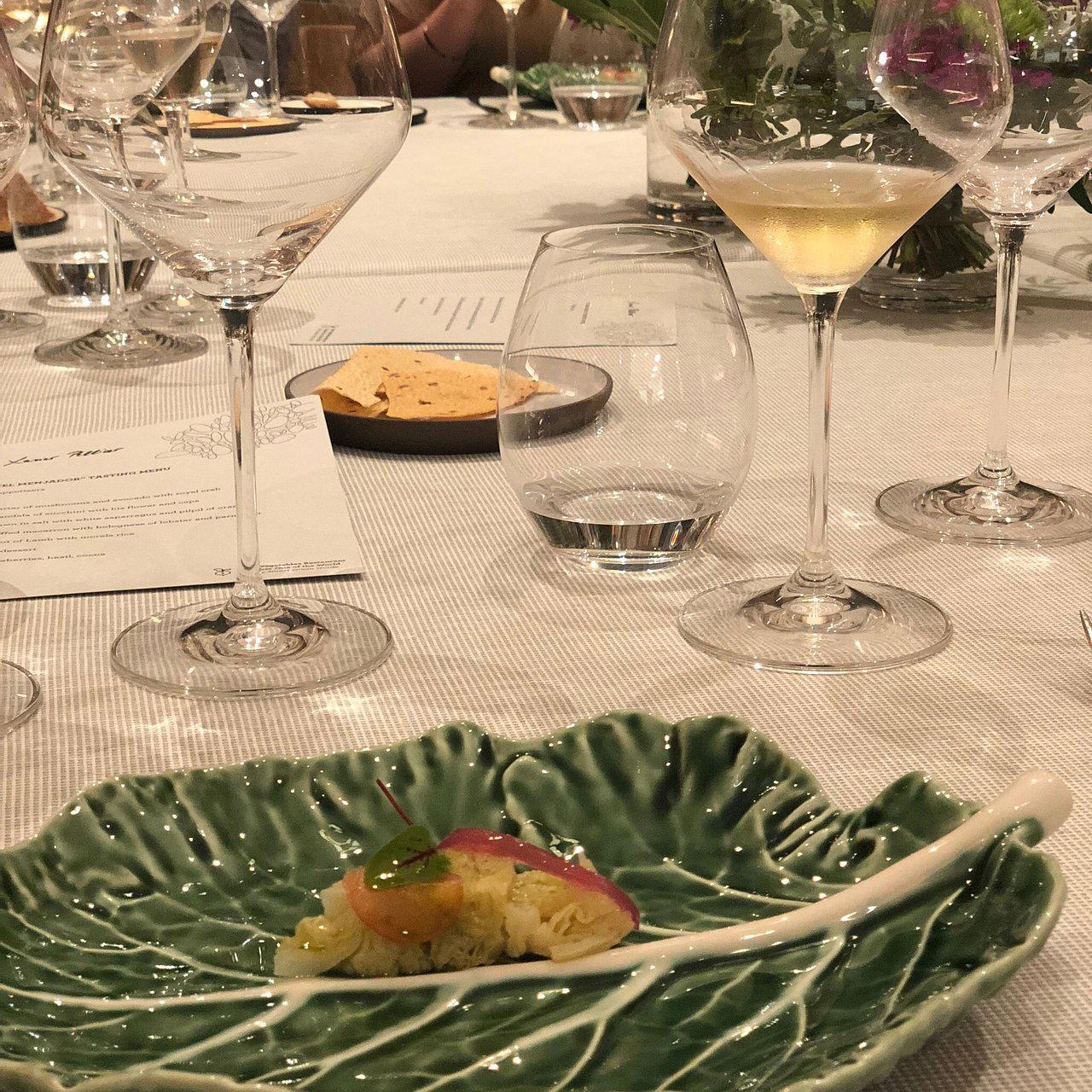
Barcelona, Spain
On a block in Eixample steps from Casa Milà, Xavier Pellicer has built one of Europe's more structurally ambitious vegetable-forward restaurants. The kitchen operates across three distinct menu formats, each offered in vegan, vegetarian, and omnivore versions, and holds a Michelin Plate alongside consecutive Opinionated About Dining rankings in 2024 and 2025. The wine list skews toward lesser-known producers, consistent with the kitchen's sourcing philosophy.

Heeze, Netherlands
Tribeca holds two Michelin stars and a La Liste score of 93.5 points, operating out of a quiet suburban address in Heeze, southeast of Eindhoven. Chef Jan Sobecki runs a harvest-driven creative menu where the morning's ingredients determine the evening's plates. Two thorough renovations have shaped the space into one of the Netherlands' most decorated dining rooms outside the major cities.
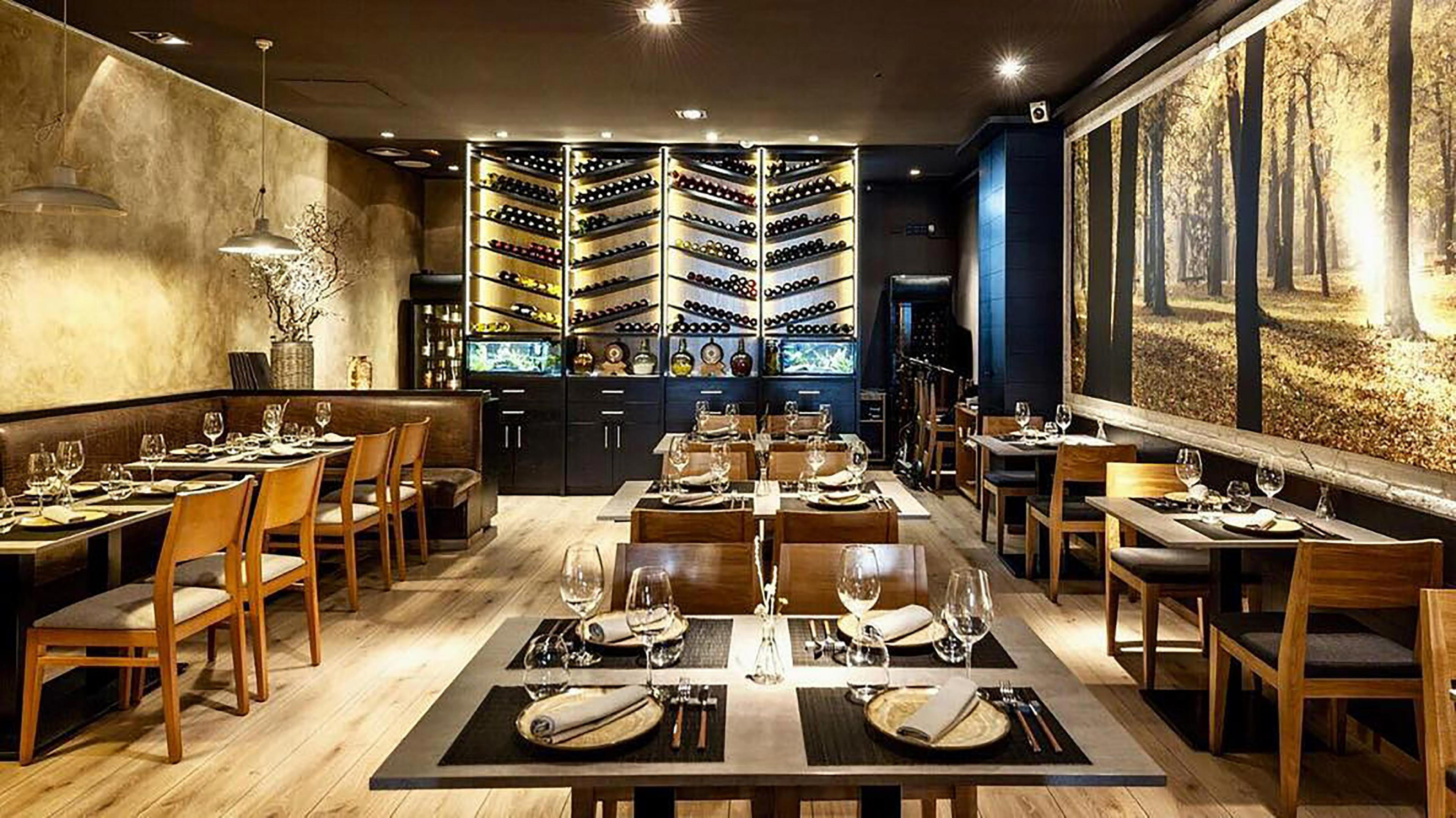
Barcelona, Spain
In the Eixample grid, The Alchemix operates in the gastrobar-cocktail format that Barcelona has made its own: food and drink developed together rather than sequenced. Ranked #567 on Opinionated About Dining's Casual Europe list in 2024 and climbing to #841 in 2025, the bar on Carrer de València draws a following for its vegetable-forward snacks and aromatics-driven cocktails in a room that reads more Asian metropolis than Spanish mid-block. Open Thursday through Monday from 6:30 pm.

Bastogne, Belgium
Operating from a hamlet just outside Bastogne since 2002, L'adresse has built its reputation on modern cuisine that treats the Ardennes landscape as a pantry: seasonal vegetables, regional producers, and a two- or three-course lunch format that delivers serious cooking at an accessible price point. Google reviewers rate it 4.6 from 291 reviews, a consistent signal in a town not oversupplied with fine-dining options.

Oostende, Belgium
Perched in Oostende's Skytowers with an unobstructed view of the North Sea, HAUT earned its first Michelin star in 2025 under Chef Dimitri Proost's modern French kitchen. The cooking draws on local coastal produce and the chef's international experience, with a fully plant-based menu available alongside the main tasting format. Reserve in advance and mention dietary preferences at booking.

Guimaraes, Portugal
In a city where pork, codfish, and aged cheese dominate most menus, Cor de Tangerina takes a different position entirely. Chef Liliana Duarte's plant-based cooking, recognised by We're Smart, sits at Largo Martins Sarmento in the heart of Guimarães, offering a kitchen where vegetables are the main event rather than the garnish. The food reads festive on the plate without losing sight of what actually matters: flavour.

Pretoria, South Africa
Mosaic at The Orient Hotel was one of Pretoria's most decorated destination restaurants, built around Chef Chantel Dartnall's classical French training and a commitment to organic, seasonal produce. Dartnall's recognition as Chef of the Year placed Mosaic firmly within South Africa's small tier of internationally recognised fine dining. The restaurant has since permanently closed, but its influence on the country's fine dining conversation endures.

Antwerpen, Belgium
On Lange Nieuwstraat in Antwerp's historic centre, Fiera has attracted attention from We're Smart, the plant-forward recognition programme, for a vegetable-led approach that sits at odds with the city's protein-heavy dining tradition. The kitchen shows particular precision with its vegetable dishes, even as the broader menu leans toward conventionally structured plates. Worth tracking as its plant-forward ambitions sharpen.

Barcelona, Spain
Enoteca Paco Pérez holds two Michelin stars inside Hotel Arts on Barcelona's waterfront, where a Mediterranean kitchen built around hyper-local sourcing meets a composed, white-toned dining room that signals intent before a single plate arrives. The cooking draws from coastal Catalan traditions, seasonal produce from gardens bordering the Mar d'Amunt, and the occasional East-West inflection that keeps the menu from feeling formulaic.

Forte dei Marmi, Italy
A Michelin-starred seafood address in Forte dei Marmi, Bistrot earns its single star through rigorous Tyrrhenian sourcing and a kitchen that handles wood-fired technique with as much discipline as it does raw ingredients. The wine cellar runs to nearly 2,000 labels, with notable depth in Champagne and Burgundy. At the €€€€ tier, it sits among the resort town's most serious dining commitments.

Todi (Perugia), Italy
Set on the rolling hills outside Todi in Umbria's Perugia province, Relais Todini operates as both a restaurant and event destination with deep roots in the local community. The valley surrounding Collevalenza is among Italy's most productive zones for vegetables and legumes, and the kitchen works within that tradition. A We're Smart recognition points to where the menu could push further into plant-forward territory.
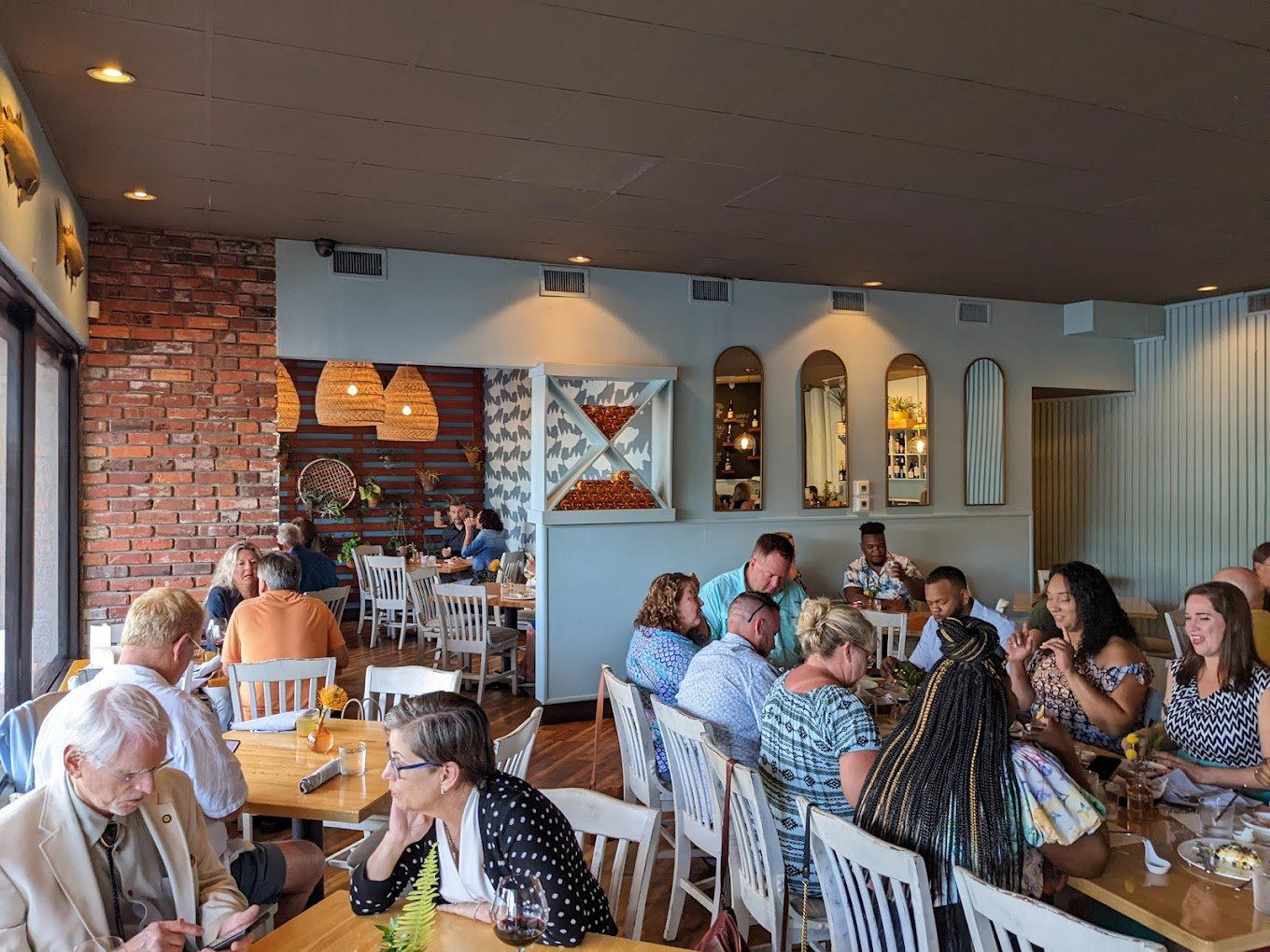
Arnhem, Netherlands
Locals sits at Stationsplein 1 in Arnhem, earning consecutive Michelin Plates in 2024 and 2025 for its farm-to-table cooking built on hyper-local sourcing. A vertical herb farm operates upstairs in the same building, and collaboration with vegetable-focused chef Niven Kunz of the five-restaurant-recognised Tryptique shapes the menu's produce-driven direction. Rated 4.2 from 164 Google reviews, it occupies the accessible €€ tier in a city with several higher-priced creative tables.

Oldstead, United Kingdom
A Michelin-starred inn on the edge of the North York Moors, Black Swan has redrawn the line between country pub and serious destination restaurant. The tasting menu, priced at £175 per person, draws entirely from the Banks family's 160-acre farm, kitchen garden, and foraged wild ingredients. Google reviewers rate it 4.8 from 599 reviews, and La Liste placed it among Europe's top restaurants in both 2025 and 2026.
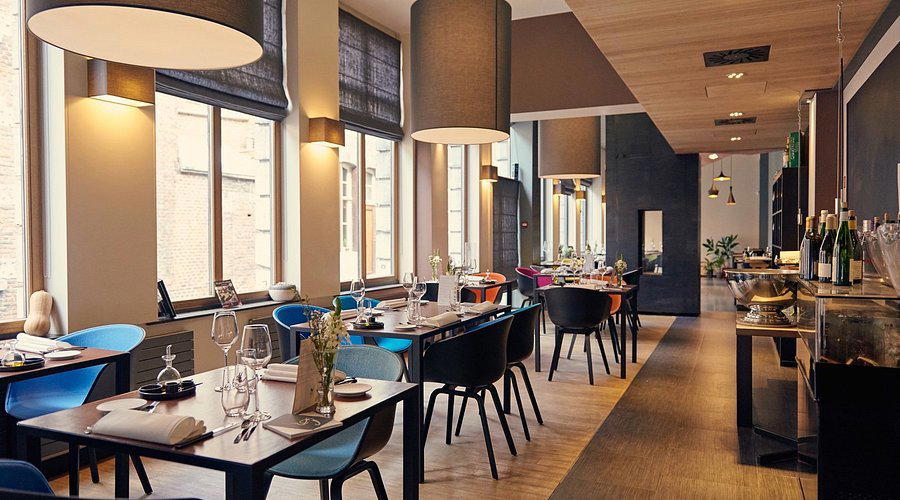
Mons, Belgium
Les Gribaumonts holds a Michelin Plate for 2024 and 2025, positioning it among Mons's most credentialed creative French addresses. The kitchen works in a register that crosses classical French technique with global accent ingredients, producing a menu that earns its €€€ price point through execution and sourcing depth. Google reviewers rate it 4.7 across 371 responses, a signal of sustained consistency rather than occasional brilliance.

Blois, France
Occupying a 17th-century hospice on the banks of the Loire in Blois, Fleur de Loire holds two Michelin stars and a Green Star under chef Christophe Hay. The kitchen draws heavily from Loire Valley terroir, with vegetables from the restaurant's own gardens sharing equal footing with regional fish and meat. La Liste ranked it 96 points in 2025, placing it among France's upper tier of destination restaurants.

Les Baux, France
The more accessible sibling of the two-Michelin-starred L'Oustau de Baumanière, La Cabro d'Or holds a Michelin Plate in 2024 and 2025 and represents the Baumanière estate's commitment to Provençal cooking at a slightly gentler register. Chef Michel Hulin's menu includes a dedicated vegetable-forward 'Green Food' offering alongside the classic Provençal repertoire, making it a considered entry point into the estate's broader dining world.

Turin, Italy
On Piazza Emanuele Filiberto, Mezzaluna runs one of Turin's more committed all-vegetable kitchens, anchored in organic, seasonal, and locally sourced produce. The cooking is direct rather than decorative, with an organic drinks list to match. Lunch skews quick; evenings open into something more considered. Locals have made it a habit, and that tells you most of what you need to know.

Berlin, Germany
Lucky Leek in Berlin's Prenzlauer Berg has held a Michelin Bib Gourmand since 2025, making it one of a small number of fully vegan restaurants to earn that recognition. Chef Josita Hartanto runs a three- to five-course seasonal tasting menu from a compact room on Kollwitzstraße, where the front-of-house team is credited as much as the kitchen for defining the experience.

Amsterdam, Netherlands
Bolenius holds a Michelin star and a We're Smart Top Chef designation, operating from a calm setting beside Rembrandtpark with its own kitchen garden on-site. Chef Luc Kusters runs two set menus — Pure Plant and Dutch Menu — built around micro-seasonal produce, Dutch Kamper lamb, and North Sea fish. It sits in Amsterdam's highest price tier alongside Ciel Bleu and Vinkeles, but occupies a distinct niche: plant-forward, ecologically grounded, and quietly serious.

Vernante, Italy
Inside a classic Alpine lodge in Vernante, on the Cuneo side of the Franco-Italian border, Il Nazionale di Vernante delivers a meat-forward Piedmontese kitchen sharpened by three supply gardens and a recently expanded bistrot. Ranked #530 in Opinionated About Dining's 2025 European list, the restaurant operates on two tasting menus plus a full à la carte, with a Google rating of 4.6 across 620 reviews.

Amsterdam, Netherlands
Inside the Rijksmuseum, RIJKS® holds a Michelin star and an Opinionated About Dining ranking, built on Joris Bijdendijk's programme of Dutch-product cooking shaped by the country's colonial and maritime history. The kitchen is serious about vegetables, the wine list earned a Star Wine List White Star, and the room runs lunch and dinner Tuesday through Sunday at one of Amsterdam's more considered creative addresses.
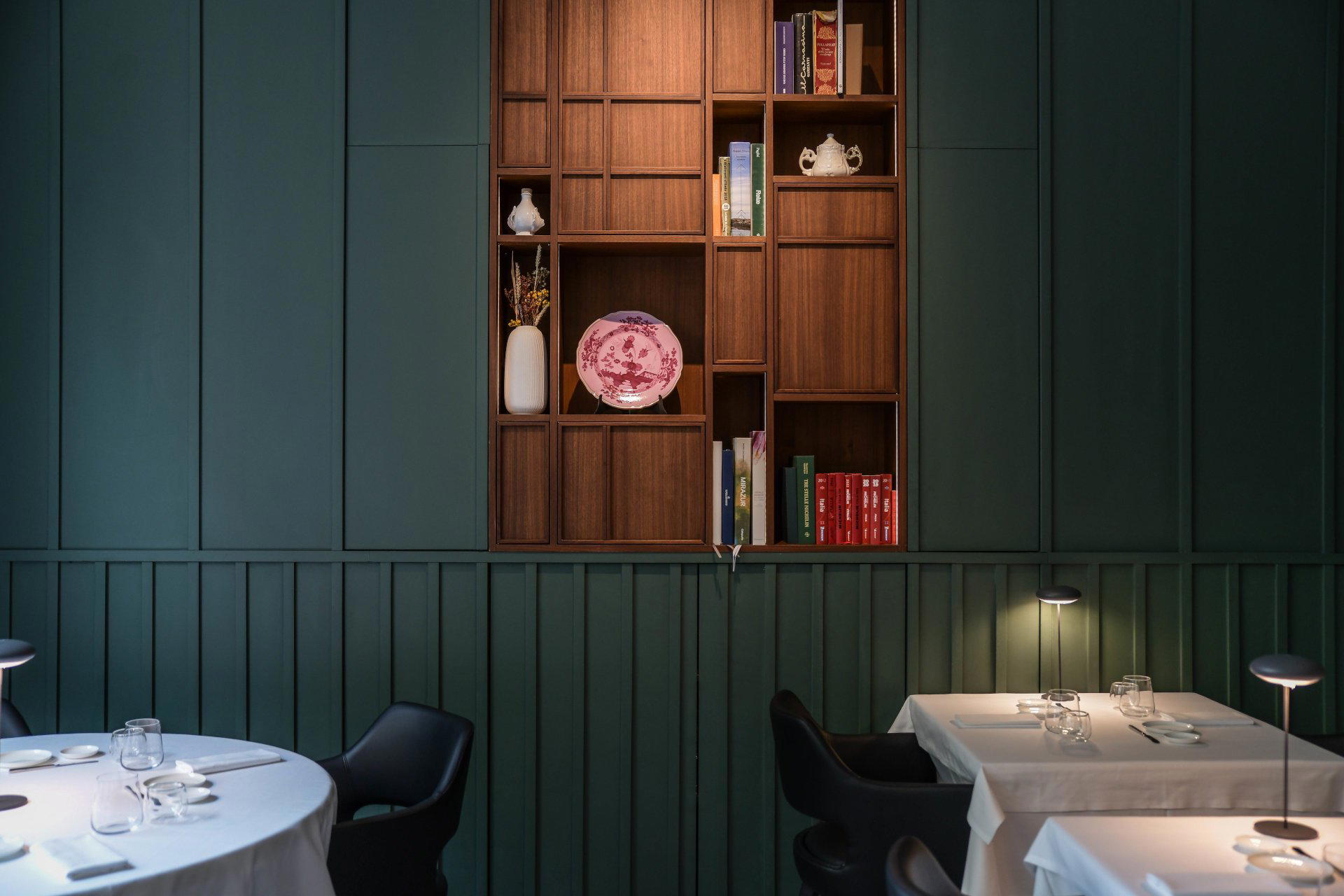
Milan, Italy
Autem* sits near Porta Romana in Milan's southern residential belt, where chef Luca Natalini (Michelin Plate, 2025; Opinionated About Dining Europe #223, 2025) runs an intimate open-kitchen room with handwritten menus on rice paper. The cooking is rooted in seasonal produce and personal service, with Natalini delivering and explaining each course at the table. A serious address for those tracking Milan's mid-tier creative scene.

Budapest, Hungary
Salt holds a Michelin star and consecutive La Liste scores of 75–76 points, placing it among Budapest's most critically recognised tasting-menu addresses. Set inside a boutique hotel on Királyi Pál utca, the restaurant's open kitchen and foraged-ingredient pantry reflect a broader shift in Hungarian fine dining toward regional provenance and ingredient-led cooking. A 15-course surprise menu runs in both omnivore and vegetable formats.

Kortrijk, Belgium
Va et Vient on Handboogstraat brings modern Flemish cooking to Kortrijk's mid-tier fine dining scene with a Michelin Plate in both 2024 and 2025. Chef Matthias Speybrouck builds seasonal menus around local growers and producers, combining precise technique with earthy directness. At €€€ pricing, it occupies a confident position among the city's creative-leaning restaurants without the formality of white-tablecloth tradition.
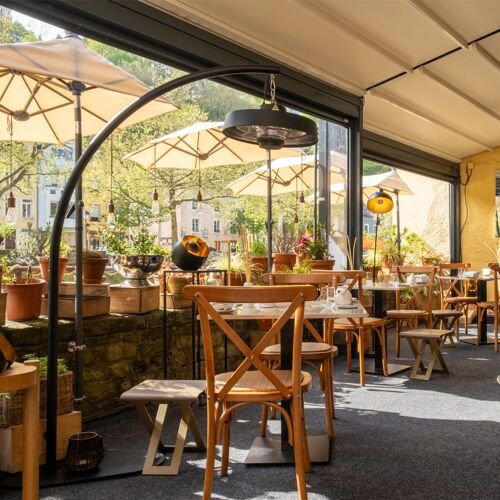
Luxembourg, Luxembourg
Set on the edge of Luxembourg's Clausen district, Les Jardins d'Anaïs pairs a garden setting with creative French cooking under chef Jérémy Parjouet. A Michelin Plate holder in both 2024 and 2025, it draws a loyal following with a 4.6 Google rating across more than 1,600 reviews. For a city that rewards those who look beyond the obvious, this address delivers.

Paris, France
Halle aux Grains occupies a historic Paris grain exchange beneath the Bourse de Commerce, where the Bras family brings their vegetable-forward Modern Cuisine to the first arrondissement. Michelin Plate recognition in both 2024 and 2025 places it within a reliable tier of Paris dining without reaching the starred echelon. The room is among the more architecturally compelling in the city.

Oud-Heverlee, Belgium
A 14th-century building on the Zoete Waters in Oud-Heverlee, Spaans Dak carries Michelin Plate recognition (2024, 2025) and a kitchen led by Jonathan Uytendaele, whose creative preparations balance pure, produce-driven flavors with a strong vegetable presence. The service and wine selection sit with his brother Kristof, keeping the operation distinctly family-shaped. For creative Belgian cooking outside the city circuit, this is a serious address at the €€€ tier.

Paris, France
On the Avenue de Friedland in the 8th arrondissement, Papillon sits at a different register from the grand-table circuit that dominates its neighbourhood. Chef Christophe Saintagne runs a straightforward, produce-led kitchen with a particular commitment to vegetables, drawing a loyal local following and recognition from the We're Smart vegetable-forward community.
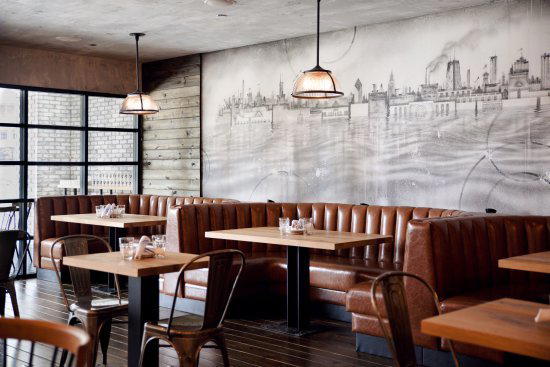
Birmingham, United Kingdom
Inside Great Western Arcade, a Grade II-listed Victorian shopping gallery in Birmingham city centre, Land serves four- and six-course vegetarian and vegan tasting menus that draw a broad, loyal audience well beyond the plant-focused dining crowd. Holding a Michelin Plate and a place in the We're Smart Green Guide, it sits at the serious end of Birmingham's tasting-menu tier — priced at £££ and booking ahead is advisable.

London, United Kingdom
KOL arrived in Marylebone in late 2020 and rapidly became one of London's most closely watched restaurant openings, earning a Michelin star and a World's 50 Best ranking of #17 by 2024. The premise is structurally unusual: a ten-course tasting menu built entirely on British-sourced ingredients, reinterpreted through 9,000 years of Mexican culinary tradition. The downstairs Mezcaleria offers one of the UK's most serious agave spirit collections as a standalone destination.

Yecla, Spain
In Yecla's Plaza de la Concordia, Estirpe has earned We're Smart 5 Radishes recognition — the benchmark award for plant-based fine dining — for its Experiencia Verde tasting menu. Chef Juan Azorín constructs a 100% plant-based format that draws serious diners to this Murcian wine town. It is among the more compelling reasons to look beyond Spain's major dining cities.
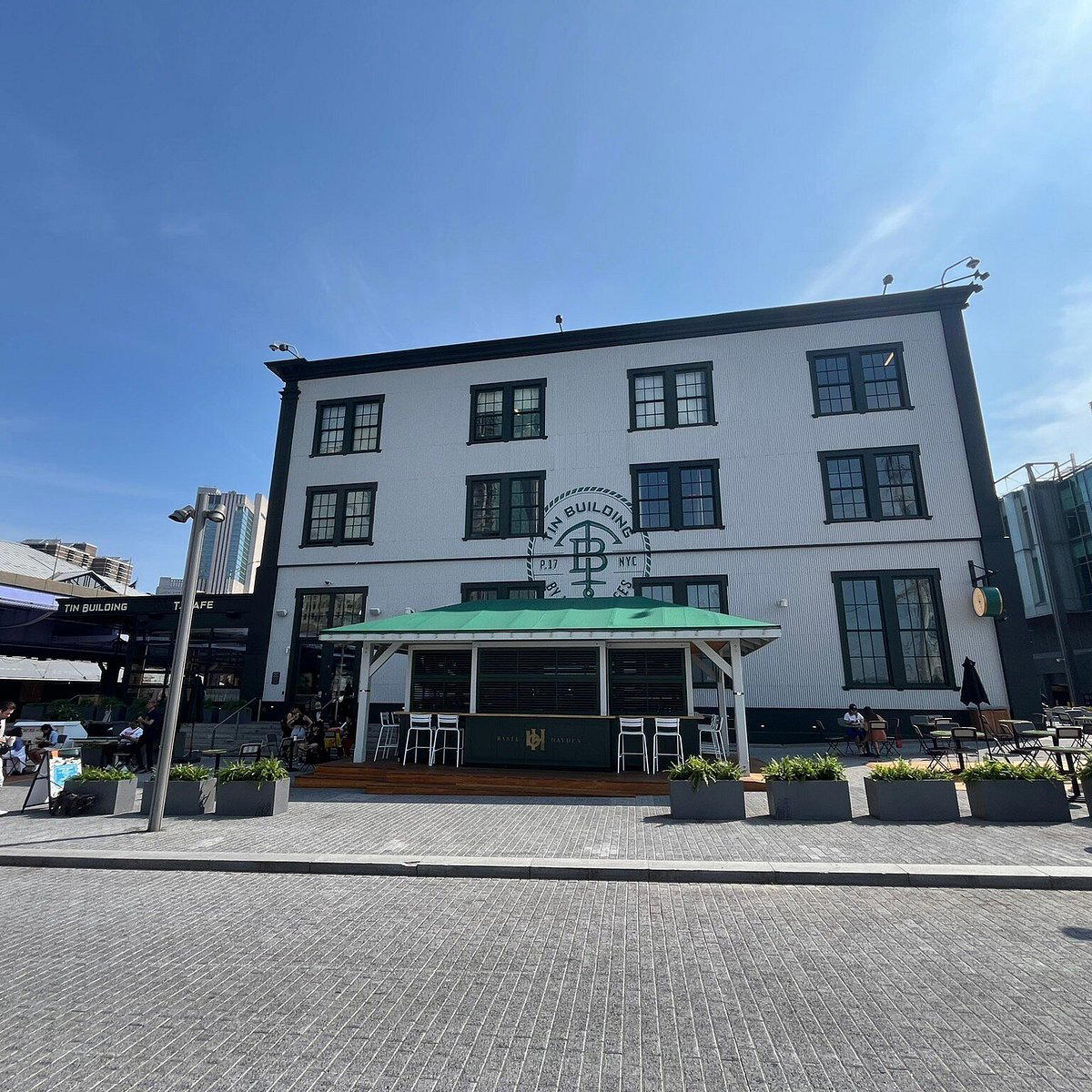
New York City, United States
Inside Jean-Georges Vongerichten's Tin Building on the Lower Manhattan waterfront, abcV brings a plant-based format across cultural boundaries — Mediterranean sharing plates, Indian spicing, Mexican inflections — within a sprawling market hall that doubles as one of the city's more ambitious food destinations. The menu leans into surprising combinations rather than straight substitution, making it relevant to omnivores and dedicated herbivores alike.
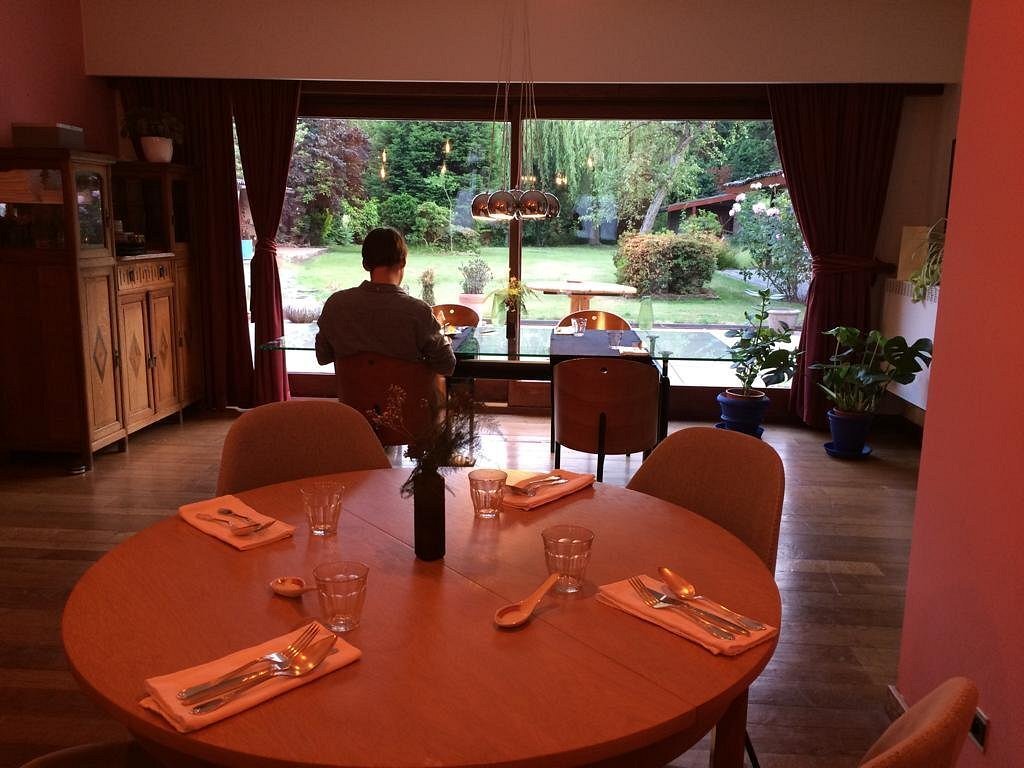
Hemiksem, Belgium
A pork-forward restaurant in Hemiksem that takes the pig as its creative foundation, Cochon en Carrot pairs meat-centric cooking with a genuinely considered vegetarian menu, including plant-based charcuterie that signals real kitchen ambition. The Carrot Menu offers a complete vegetarian progression rather than an afterthought alternative, and the kitchen accommodates fully plant-based requests when noted at booking. A quiet address on the southern fringe of the Antwerp agglomeration, worth the detour.

Copenhagen, Denmark
Vækst sits in Copenhagen's affordable modern dining tier, holding a Michelin Plate in both 2024 and 2025 for vegetable-forward cooking on Sankt Peders Stræde. The three-course green menu places produce at the centre of each dish, though dairy appears consistently throughout. A Google rating of 4.6 across nearly 2,800 reviews points to a reliable neighbourhood address rather than a destination occasion.

València, Spain
Recommended by Ricard Camarena himself, Gallina Negra operates out of the Poblats Marítims district with a daily menu built around freshness and free expression. The kitchen delivers carefully seasoned, market-driven plates in a relaxed setting that feels genuinely local rather than tourist-facing. A credible stop for anyone tracing València's emerging neighbourhood dining scene.

Bali, Indonesia
Set among papaya and coconut trees in the rice-paddy fringes of Sayan, Moksa operates as one of Ubud's most committed plant-based restaurants, drawing on Indian culinary traditions to shape a menu of raw and vegan dishes built from produce grown on-site. Chef Made Runatha's approach is rooted in daily freshness rather than formula, placing Moksa in a different register from Ubud's hotel-restaurant circuit.
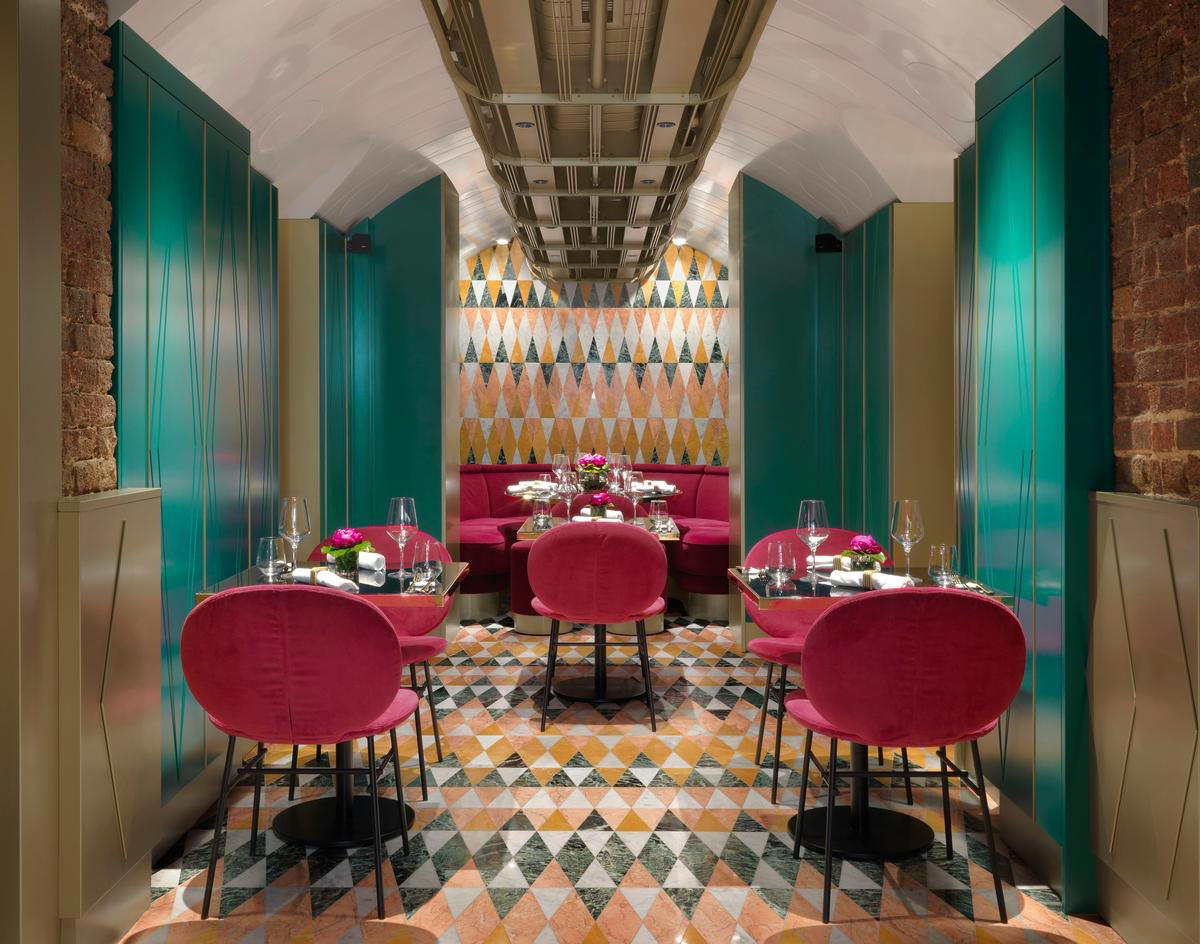
Manchester, United Kingdom
Eddie Shepherd's Whalley Range underground restaurant operates on a strict limited-capacity format, sending twelve plant-based courses through a sequence of technical precision that has drawn visiting chefs from across Europe. Ranked #520 in Opinionated About Dining's Top Restaurants in Europe for 2025, it sits in a narrow tier of serious vegetarian tasting menus in the UK. Book well ahead — seats are genuinely scarce.

Taipei, Taiwan
Ephernité brings Chef Vanessa Huang's Parisian training to a quietly elegant room in Da'an District, where a daily-changing menu builds around farm-sourced produce from Taipei's outskirts. Ranked #439 in Opinionated About Dining's Top Restaurants in Asia (2025) and recognised with a Michelin Plate, it operates Wednesday through Sunday, evenings only, at a mid-to-upper price point for contemporary French cooking in Taiwan.

Marchin, Belgium
Michelin-starred Arabelle Meirlaen Marchin showcases Belgium's most innovative garden-to-table cuisine, where the nation's pioneering female chef transforms vegetables and spices into intuitive fine dining experiences. Her personal kitchen garden supplies this luminous countryside restaurant, earning both Michelin Green Star recognition and international acclaim.

New York City, United States
Nix brought vegetable-forward cooking to Greenwich Village at a moment when plant-based dining in New York was still searching for a serious fine-dining voice. Named the We're Smart Green Guide's Best Vegetable Restaurant in the USA for 2018, the kitchen under chef John Fraser made the case that vegetables could anchor a full dining experience without apology or compromise. The restaurant is now permanently closed.

Aarhus, Denmark
Domestic Aarhus elevates radical locality to Michelin-starred artistry, where chefs Christoffer Norton and Morten Frølich Rastad craft innovative tasting menus using exclusively Danish ingredients, transforming fermentation and preservation into fine dining poetry within an intimate 35-seat former butcher shop.

Barcelona, Spain
A Michelin-starred address on Passatge de Marimon in Barcelona's Sarrià-Sant Gervasi district, Hisop sits at the more accessible end of the city's creative fine-dining tier. Chef Oriol Ivern works a seasonal, locally sourced Catalan menu that pairs à la carte and tasting formats at €€€ pricing, making it one of the sharper value propositions among Barcelona's starred restaurants.

Fürstenau, Switzerland
Set within the storied Schloss Schauenstein estate, Oz distills the meaning of “today” into a refined vegetarian journey that celebrates terroir with uncommon grace. Chef Simeon Nikolov crafts a nine-course tasting that draws from the restaurant’s own permaculture garden and trusted local partners, transforming pristine seasonal ingredients into dishes of quiet intensity and luminous balance. Seated at the U-shaped counter, guests watch the culinary ballet unfold—sautéed forest mushrooms with roasted perfume layered on warm puff pastry, filigreed celeriac straws, and a silken mushroom foam—each plate a study in contrast, texture, and restraint. The atmosphere is intimate and cerebral yet warmly personal, where conversation with the kitchen feels as natural as the cuisine itself. A discreet CHF 2 donation woven into the menu supports the next generation of chefs, underscoring Oz’s commitment not only to flavor, but to the future of gastronomy.
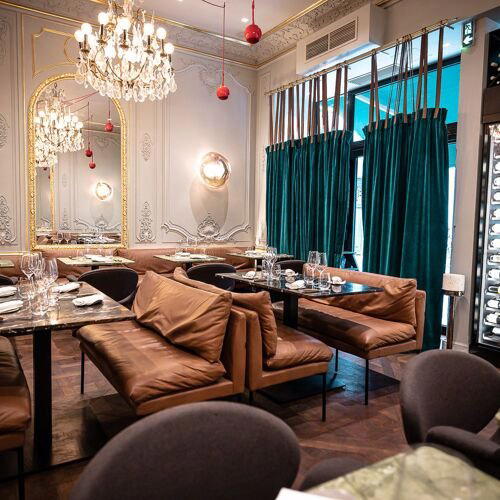
Luxembourg, Luxembourg
A Michelin Plate-recognised restaurant set within Esch-sur-Alzette's Gaalgebierg park, Bosque FeVi brings Mediterranean-Spanish cooking to Luxembourg's second city in a setting that balances modern warmth with natural surroundings. The kitchen runs a dedicated plant-based menu, 'Coolveggie', alongside its main Mediterranean offer, placing it at the intersection of contemporary dining values and classical southern European cooking traditions.
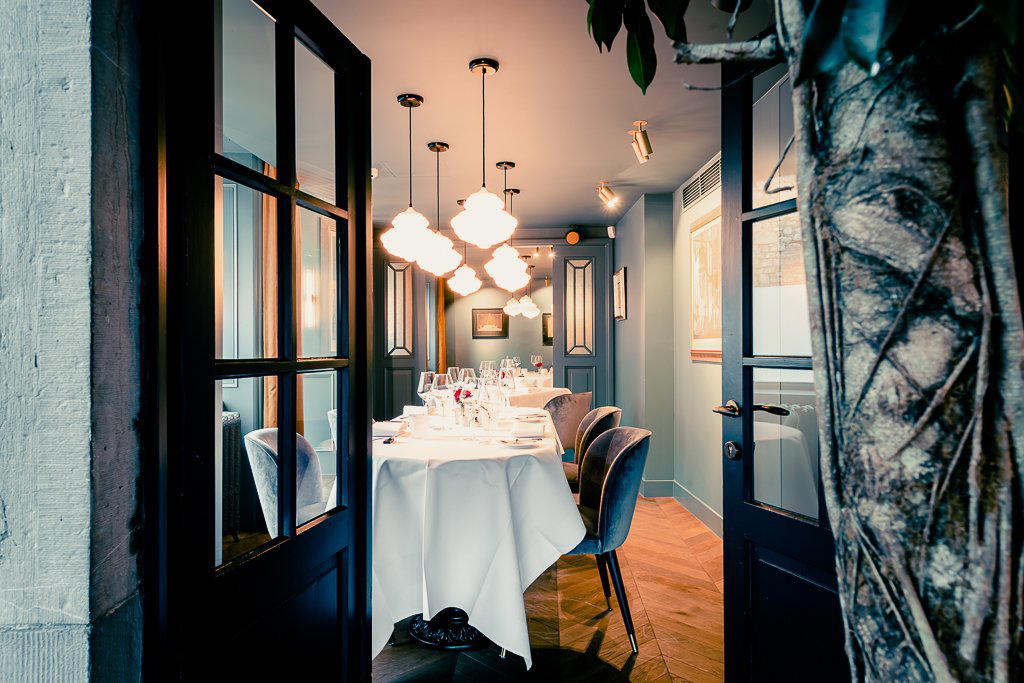
Durbuy, Belgium
Le Grand Verre holds a Michelin star and leads the dining conversation in Durbuy, a small Ardennes town that has quietly grown into a serious culinary stop. Anchored at Place aux Foires 26, the restaurant operates at the upper register of Belgian fine dining outside the major cities, with a modern French programme that has drawn national attention and a We're Smart Green Guide recognition for its vegetable-forward approach.

Barcelona, Spain
On Carrer Laforja in the Sarrià-Sant Gervasi district, Sergi de Meià operates as one of Barcelona's most committed organic Catalan kitchens, building its menu entirely from produce grown and raised within Catalonia. Seasonal combinations — langoustines with zucchini, duck with quince and mushrooms, pork leg with chocolate and scampi — frame the cooking as a study in regional produce rather than technical showmanship.

Wateringen, Netherlands
Triptyque occupies the historic town hall of Wateringen, in the heart of the Westland greenhouse belt, where Chef Niven Kunz builds a Michelin-starred menu around an 80/20 vegetable-to-protein ratio. Named the We're Smart Green Guide's Dutch Discovery of the Year 2021, the restaurant makes the case that produce-led fine dining does not require compromise on depth or complexity.

Dubai, United Arab Emirates
Avatara holds a Michelin star and a 2025 ranking on Opinionated About Dining's Top Restaurants in Asia for its 18-course 'Rasas' tasting menu, which is entirely plant-based and free of garlic and onion. Set in Dubai Hills Estate, it represents the serious end of modern Indian vegetarian fine dining in the UAE, with a format that rewards patience and attention.

Berg en Dal, Netherlands
Puur Sanh holds consecutive Michelin Plates (2024 and 2025) and a place in the We're Smart Green Guide for plant-forward cooking that treats organic sourcing and no-waste principles as structural commitments rather than marketing postures. Chef Jean Paul Witte runs the kitchen at Zevenheuvelenweg 87 in Berg en Dal, a quiet Gelderland village on the edge of the Nijmegen hills, where the vegetable-led creative menu sits in the €€€ tier.

Antwerp, Belgium
On Bolivarplaats in Antwerp's city centre, Barriq Gastrobar operates in a sharing-plate format that draws recognition from We're Smart, the vegetable-forward restaurant guide, for its range of plant-based and vegetable-led dishes alongside more traditional preparations. The gastrobar approach, combining broad menu choice with accessible lunch pricing, positions it within Antwerp's mid-tier dining scene rather than its Michelin-tracked fine-dining tier.

Brussels, Belgium
A plant-forward address in Ixelles where organic sourcing and zero-waste discipline shape the kitchen's daily decisions. Recognition from We're Smart confirms the approach: every ingredient is seasonal, regional, and handled with a respect for the supply chain that most Brussels restaurants still treat as optional. The vibe is distinctly Bruxellois — relaxed, neighbourhood-rooted, and serious without being ceremonious.

Cadzand, Netherlands
On the second floor of Strandhotel Cadzand, Demain positions Zeeland's coastal terroir within a modern cooking framework that reaches south toward the Mediterranean. Chef Dani Hoefnagels leads a kitchen where vegetables carry genuine weight alongside the region's langoustines and hamachi, and an entirely plant-based menu is in development. The dune and North Sea views are not incidental — they are part of the room's logic.
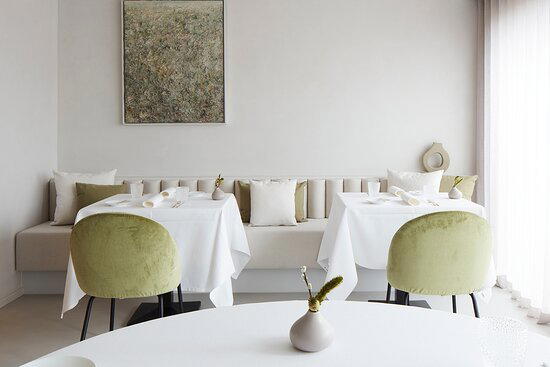
De Haan, Belgium
Markt XI brings the North Sea to the table in De Haan with a focus on locally sourced fish, crustaceans, and creative vegetable work that has earned back-to-back Michelin Plate recognition in 2024 and 2025. Chef Benny Van Torre operates at the sharper end of the Belgian coast's modern seafood scene, with a Google rating of 4.9 across 174 reviews confirming consistent execution at the €€€ price point.

Lille, France
Bloempot sits on Rue des Bouchers in central Lille and makes a clear argument for northern French produce: local, organic, and seasonal, with vegetables at the centre of most plates. Florent Ladeyn, known from Top Chef France, runs the kitchen alongside Kevin Rolland with a Michelin Plate recognition in both 2024 and 2025. At the €€ price point, it holds a distinct position in Lille's modern dining scene.

Almería, Spain
On the ground floor of the Avenida Hotel, Tony García Espacio Gastronómico channels Almería's extraordinary agricultural abundance into a menu that moves between tradition and contemporary technique. Two Michelin Plates and a We're Smart five-radish rating confirm its standing as the province's most serious advocate for plant-forward fine dining. The €€ price range makes it one of southern Spain's more accessible addresses at this level of creative ambition.

Helsinki, Finland
Garden by Olo operates as the informal counterpart to Olo, Helsinki's acclaimed Scandinavian tasting menu restaurant, occupying a covered courtyard on Helenankatu. The kitchen shares the same philosophy as its parent but tilts even further toward vegetables and herbs as primary ingredients, expressed through a six-course vegetarian menu. Dishes such as new potatoes from Lindroth garden with whey sauce and spinach pancake with cranberries signal the seriousness of the produce sourcing.
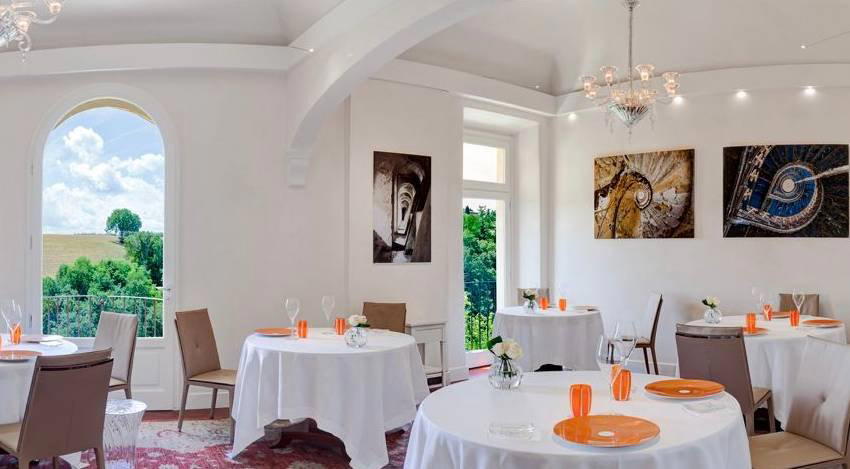
Colle di Val d'Elsa, Italy
Arnolfo holds two Michelin stars in the small hilltop town of Colle di Val d'Elsa, where brothers Gaetano and Giovanni Trovato have built one of Tuscany's most considered fine-dining addresses. The 2022 move to a purpose-built space with iron, glass, and a yellow Siena marble kitchen wall brought architecture in line with a cuisine long defined by vegetable-forward precision and produce from the surrounding Val d'Elsa. Three tasting menus — including a vegetarian option — can also be ordered à la carte.
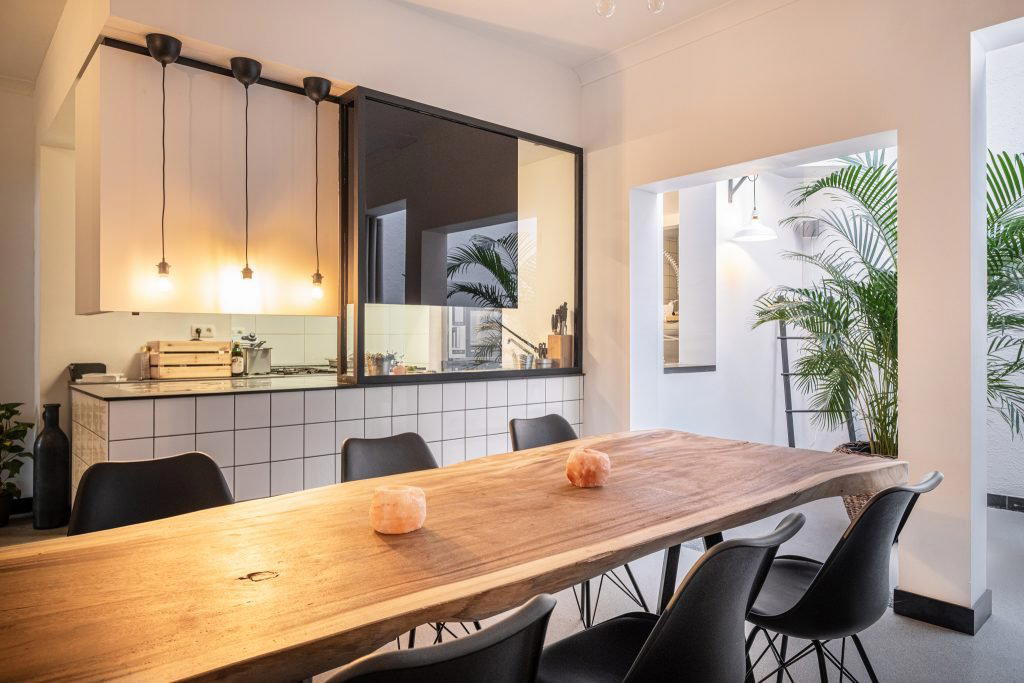
Hasselt, Belgium
Lento on Zuivelmarkt 34 is Hasselt's dedicated all-vegan address, winner of the Belgian Vegan Award for Best Restaurant 2018, and the city's clearest argument that plant-based cooking belongs in the same conversation as the region's Burgundian table traditions. The format runs from a weekday blunch through a Sunday brunch, anchored by dishes like focaccia with hummus and penne no-chicken with curry sauce and mushrooms.
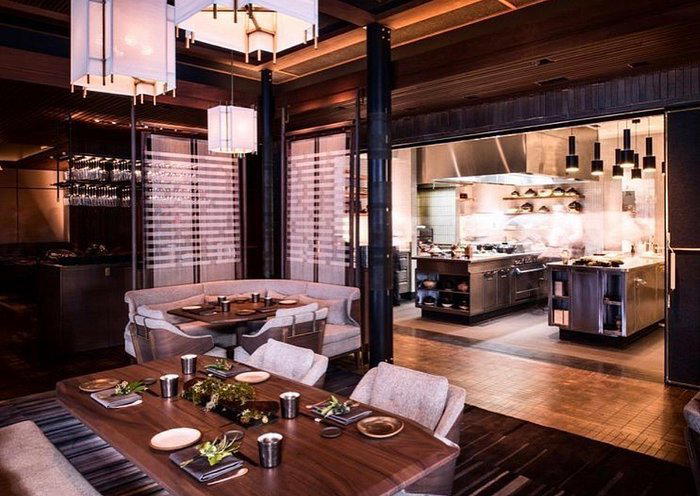
Healdsburg, United States
Three Michelin stars, a 24-acre working farm, and a kaiseki-influenced tasting menu that changes daily with the harvest: SingleThread sits at the precise intersection of Northern California produce and Japanese technique. Ranked #80 on the World's 50 Best Restaurants list in 2025 and scoring 99 points on La Liste, it operates as a restaurant, inn, and agricultural operation in downtown Healdsburg.

Paris, France
Le Gabriel at La Réserve Paris holds three Michelin stars and a 97-point La Liste ranking under Chef Jérôme Banctel, placing it among the 8th arrondissement's most decorated tables. The address on Avenue Gabriel puts it steps from the Élysée Palace and the Champs-Élysées axis, in a quarter where formal French classicism and creative ambition have long coexisted. A lunch-only plant-based menu signals a kitchen confident enough to lead, not just follow.

Malonne, Belgium
Set in an elegant villa in Malonne, just south of Namur, Yirmi holds a Michelin Plate (2025) and a Google rating of 4.8 from 182 reviews. The kitchen operates a flexible, choice-of-courses format built around creative French cooking, with a committed plant-based menu available on request. A glazed wine cellar where guests select their own bottles at fixed prices is one of the more distinctive structural choices in Wallonia's mid-to-high dining tier.

Gent, Belgium
Naturell was a Gent restaurant by Lieven Lootens, operating as a companion concept to Aards Paradijs with menus built around seasonal vegetables and herbs. The kitchen treated produce as the structural core of each dish rather than a supporting element. The restaurant has since permanently closed, but its approach reflected a broader movement in Flemish creative dining toward ingredient-led, plant-forward menus.

Vall d'Alba, Spain
Cal Paradís is a Michelin-starred sanctuary where Chef Miguel Barrera translates the landscapes of Castellón into poised, contemporary cuisine. Educator-turned-chef, Barrera marries scholarly rigor with heartfelt memory, crafting tasting menus—Tradición, Gastromercat, and Miguel Barrera—that honor zero‑mile produce, much of it from his own garden. Signature expressions, like tomatoes de penjar with whole sardines and grilled garlic, and exquisitely calibrated rice courses, reveal a cuisine rooted in heritage yet lifted by modern finesse. For the refined traveler, this is an invitation to taste the Mediterranean through texture, scent, and season—quiet luxury in every course.

Barcelona, Spain
Three Michelin stars and a 95-point La Liste score place Lasarte among Barcelona's most decorated tables. Under Paolo Casagrande, a protégé of Martín Berasategui, the Eixample address translates Basque-rooted fine dining into a more avant-garde register, with a private dining format called Il Milione available for those who want to take the experience further.

Barcelona, Spain
Cocina Hermanos Torres holds three Michelin stars and ranks #78 on the World's 50 Best list (2025), placing it among Barcelona's most decorated creative restaurants. The Torres twins operate from three open cooking stations at the centre of the dining room, with five sommeliers overseeing a wine programme that earned three Star Wine List distinctions in 2026. Lunch and dinner service runs Tuesday through Saturday in Les Corts.

Heers, Belgium
Marsnil opened in Heers in November 2017, planting itself firmly in the Haspengouw agricultural belt and drawing its identity from the region's fruit and vegetable abundance. Chef Frederik Cornelis builds combinations that feel genuinely regional rather than generically seasonal, pairing sea bass ceviche with pork belly or matching lamb stew to the root vegetables that define the local harvest. For Flemish Belgium's creative dining scene, this is a serious address.

València, Spain
A Michelin-starred counter in Ruzafa where Argentine-Spanish kitchen duo Carito Lourenço and Germán Carrizo — alumni of the Quique Dacosta group — have built one of València's most committed tasting-menu addresses. Two menus structured around ten years of signatures, a Mediterranean backbone, and vegetable cooking that earned a perfect 5-Radish score from We're Smart make Fierro a regular fixture on serious diners' calendars.

Eindhoven, Netherlands
De Luytervelde is a farm-to-table restaurant on the outskirts of Eindhoven, recognised with a Michelin Plate in 2024 and 2025 and a White Star from Star Wine List. Chef Rob van der Veeken builds the menu around vegetables and seasonal produce, with the plant-based tasting menu drawing particular attention from We're Smart Green Guide. Priced at €€€, it occupies the mid-premium tier of the Eindhoven dining scene.

Bilbao, Spain
Nerua holds a Michelin star inside the Guggenheim Bilbao, ranked #153 in Opinionated About Dining's 2025 European list and a former World's 50 Best entry at #32. Chef Josean Alija's progressive Basque menu offers both à la carte and the Muina tasting format, with service running two tight sittings daily. Booking ahead is essential; the restaurant operates within one of Europe's most visited cultural institutions.

Tokyo, Japan
In Minato's Shiba Park district, Tokyo Shiba Toufuya Ukai occupies a setting where traditional Japanese architecture frames a menu built entirely around tofu and seasonal vegetables. The kitchen applies a full range of classical preparation techniques — raw, steamed, fried, miso-dressed, dashi-poached — to ingredients that most Tokyo restaurants treat as supporting cast. For visitors interested in the depth of washoku vegetable tradition, it holds a distinct position in the city's dining scene.
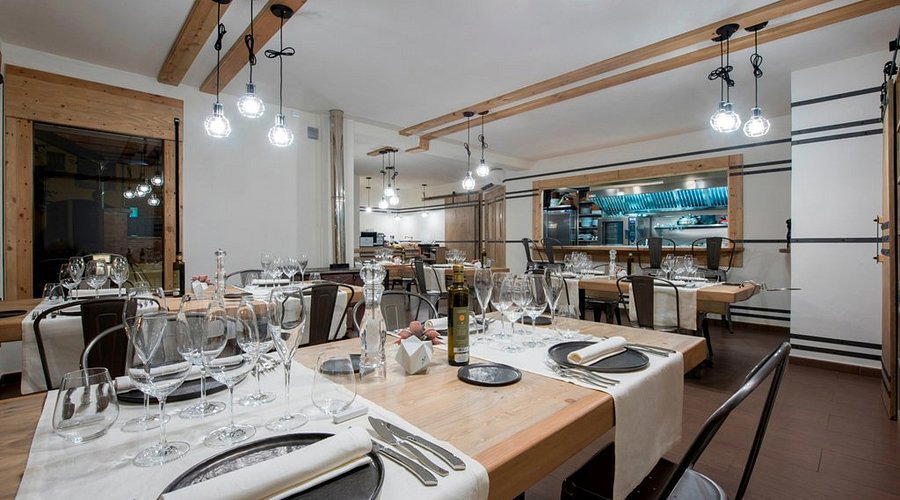
Cornudella de Montsant, Spain
A Michelin-starred address in the Priorat wine country where chef Rafel Muria — whose family has kept bees since 1810 — uses honey not as a flavour statement but as a structural tool. Two tasting menus anchor the offer, supported by a wine list drawn almost entirely from Montsant and Priorat estates. At €€€€, it occupies a tier well above casual regional dining.

Turin, Italy
On Via Monferrato in Turin's Vanchiglia district, L'Orto già Salsamentario makes a direct case for raw and vegan cooking through the language of craft. Chef Eduardo Ferrante applies the precision once associated with charcuterie to vegetable ingredients, producing a counter experience where the sourcing logic is as central as the food itself. The name — a deliberate echo of the butcher's art — frames the whole proposition.

Antwerp, Belgium
Jerom occupies a quiet stretch of Graaf van Egmontstraat in central Antwerp, where Chef Filip De Pauw's plant-based cooking has drawn recognition from Star Wine List with a White Star designation. The kitchen works fluently across vegetable-forward dishes with enough finesse to surprise even committed omnivores. It sits in the contemporary, cosy register that Antwerp's mid-to-upper dining tier does particularly well.

Cork, Ireland
Cork's most committed vegetable-forward restaurant, Paradiso on Lancaster Quay has spent decades making the case that produce-led cooking belongs in the same conversation as any serious Irish kitchen. Recognised by We're Smart for its seasonal conviction, the restaurant moves through the calendar with a menu that shifts register as often as the weather — spring brightness, late-summer intensity, autumnal depth — all from a single sitting.

Barcelona, Spain
Tragaluz occupies a Passatge de la Concepció address in the heart of Eixample, where the room's design has long set the tone for Barcelona's design-led dining generation. The kitchen delivers consistently pleasant food with a particular eye on vegetables, though the overall experience sits comfortably rather than ambitiously within Barcelona's mid-to-upper dining tier. A reliable address for a well-designed evening without the pressure of a destination meal.
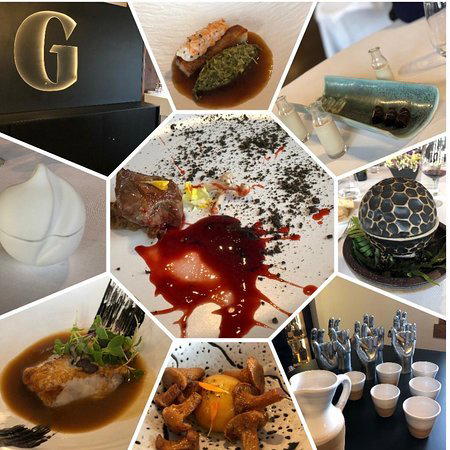
Lamindao, Spain
Set among vineyards and vegetable gardens in rural Biscay, Garena Jatetxea brings Basque seasonal cooking to a farmhouse setting outside Lamindao. Chef Julen Baz draws on the surrounding land, with plant-forward plates that reflect the kitchen garden without abandoning the protein-led instincts of the Basque table. Recognised by Opinionated About Dining in 2025, it holds a 4.6 Google rating across 636 reviews.

Hasselt, Belgium
ROSS sits on Het Dorp in Hasselt, where Glenn Ross and Nicole Schellekens bring structured Creative French cooking shaped by time at Hof Van Cleve and The Fat Duck. The kitchen operates with a clear logic: balance, texture, and vegetables given genuine weight rather than token inclusion. A Michelin Plate in both 2024 and 2025 and a Google rating of 4.9 from 228 reviews confirm a consistent following in a city with an increasingly competitive fine-dining tier.

Jaén, Spain
Radis earned a Michelin star in 2024, confirming chef Juanjo Mesa's position at the centre of Jaén's emerging modern dining scene. Two tasting menus — nine and fifteen courses respectively — draw on the flavours of Sierra Mágina, translated through French-influenced technique and an open kitchen in a compact, contemporary bistro on Calle Tablerones. Mesa won the Best Olive Oil Chef title at San Sebastián Gastronomika's 2023 Jaén contest.
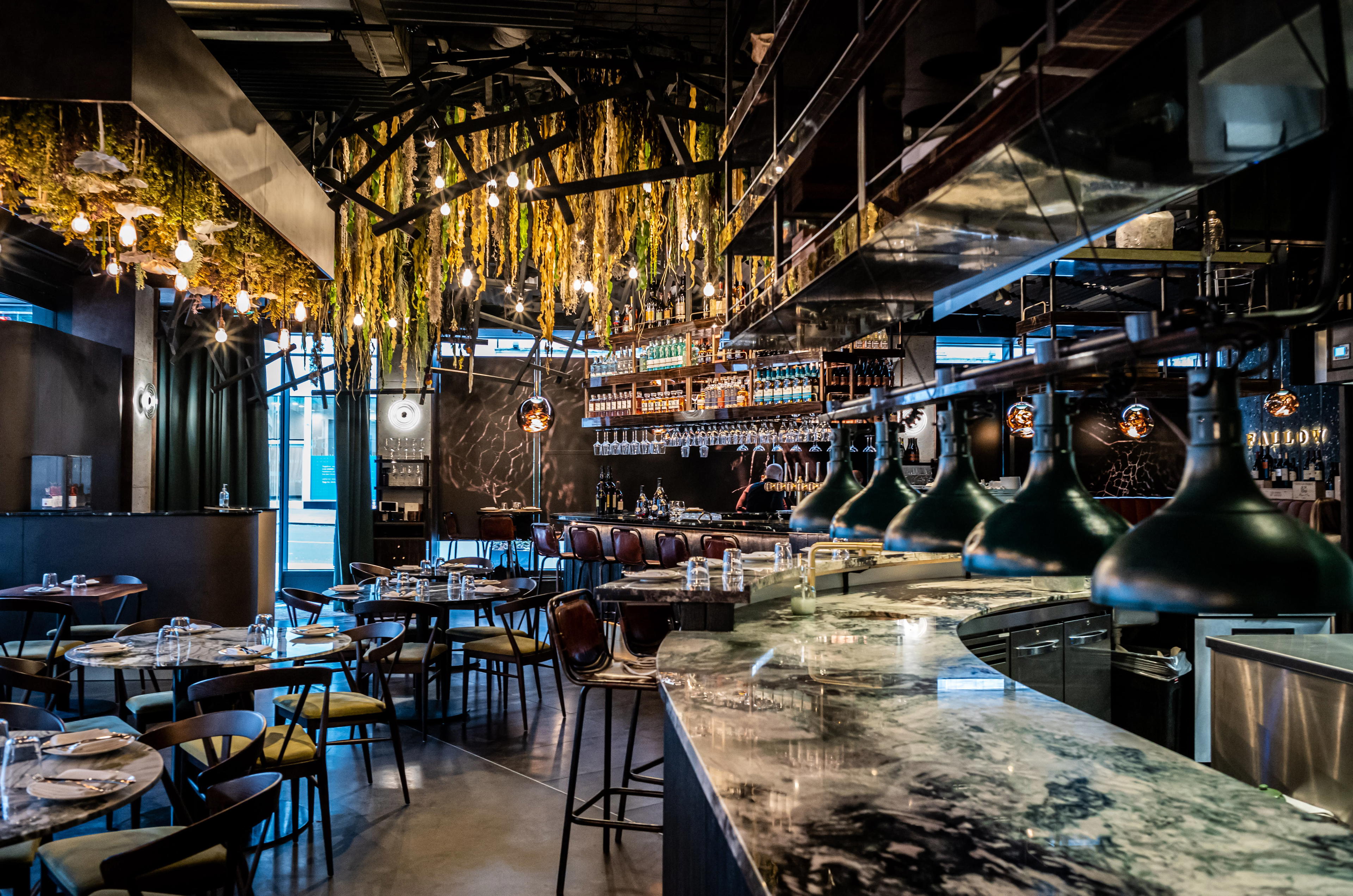
London, United Kingdom
Fallow on Haymarket has grown from a pop-up into one of St James's most discussed addresses, earning a Michelin Plate and a Star Wine List White Star recognition. The kitchen, shaped by Dinner by Heston Blumenthal alumni Jack Croft and Will Murray, runs a nose-to-tail programme across snacks, sharing plates, and 45-day dry-aged steaks. The room is loud, packed, and deliberately accessible in a neighbourhood that skews formal.

Brussels, Belgium
On a quiet side street near Porte de Namur, Umā holds a Michelin Plate (2025) for its world bistro format built around Nikkei cuisine — the gutsy meeting point of Japanese technique and Peruvian flavour. The à la carte and set menus both carry the kitchen's interest in contrast: spicy-sweet combinations, smoking techniques, and global reference points executed at bistro prices. A plant-based menu is available on request at booking.

Tokyo, Japan
Located within the grounds of Zen-sect Tengenji Temple in Minamiazabu, Seisoka holds a Michelin star and a La Liste score of 90 points. Chef Nozomu Yamai presents kaiseki that draws directly on shojin ryori, the vegetarian discipline developed by Buddhist monks, with a daily-changing menu built around what seasonal produce offers at its most immediate. The result is one of Tokyo's more philosophically coherent kaiseki addresses.
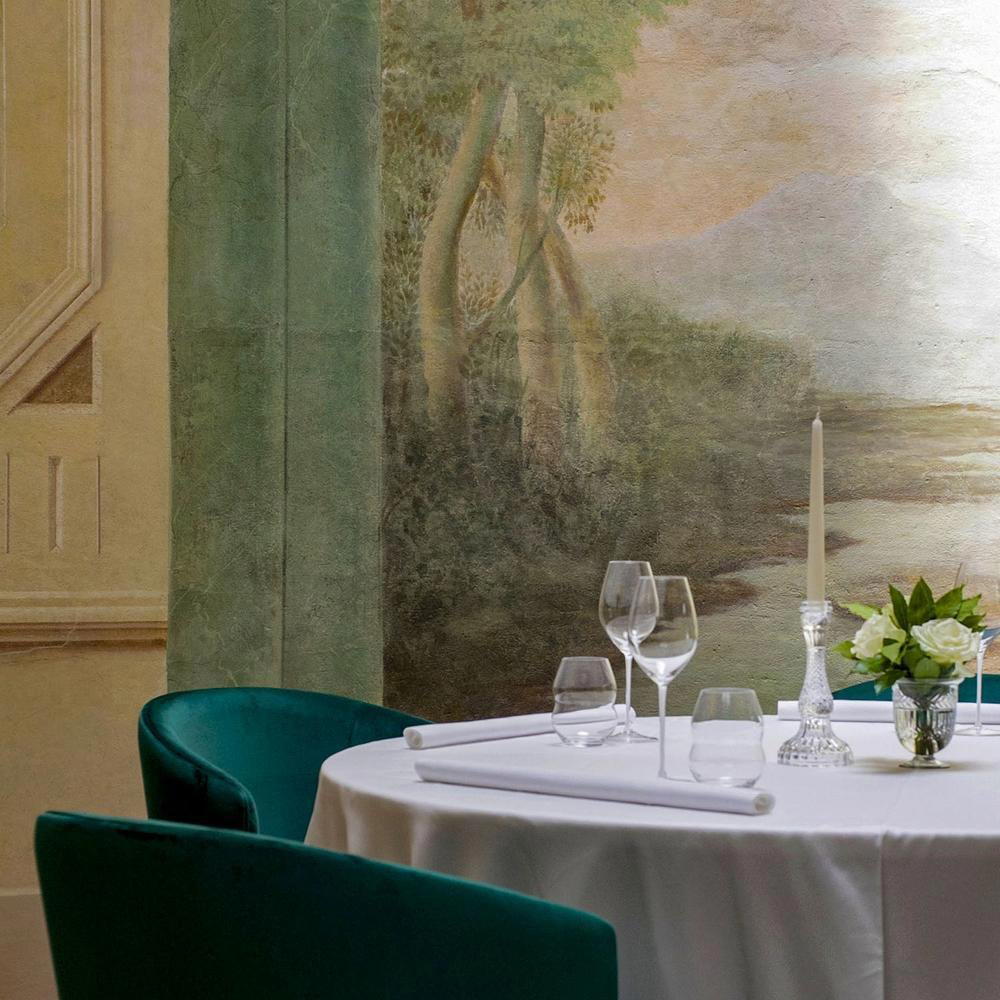
Rome, Italy
On the top floor of the Bio Hotel Raphael, steps from Piazza Navona, Mater Terrae holds a Michelin Plate for creative vegetarian cooking in one of Rome's most consequential dining locations. Chef Ettore Moliteo leads a menu built on organic, seasonal produce, with a panoramic terrace that opens in fine weather for rooftop dining above the city's domes and terracotta rooflines.
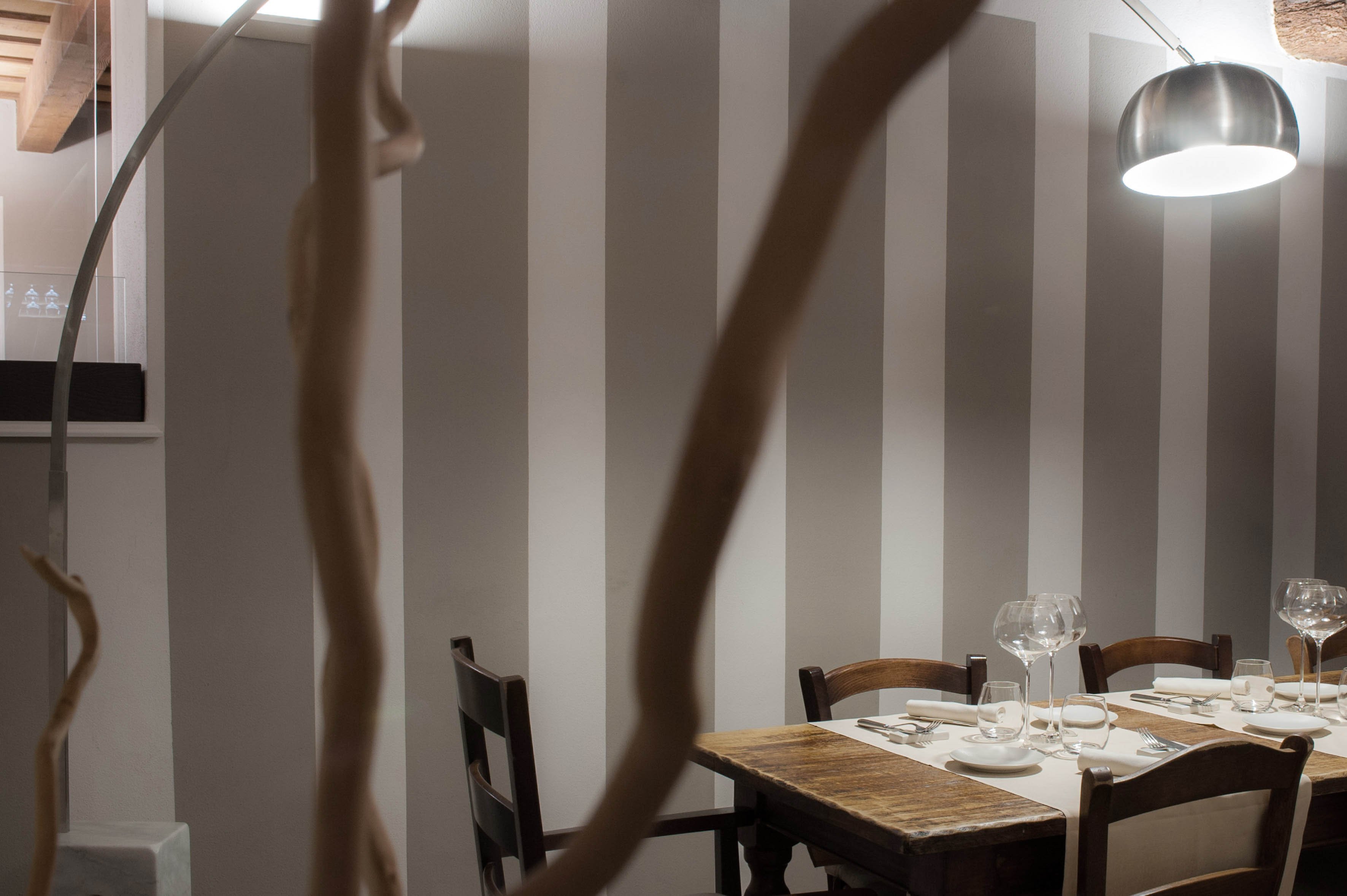
Lodi, Italy
A 17th-century farmhouse on the edge of Lodi, La Coldana holds a Michelin star and a sourcing philosophy that draws ingredients from within a 3km radius. Chef Alessandro Proietti Refrigeri's contemporary menu revolves around the Po Valley's agricultural calendar, with the San Massimo risotto and a seasonal vegetable dish that changes with the harvest standing as its clearest expressions.

Ugchelen, Netherlands
Huisje James in Ugchelen earns consecutive Michelin Plates (2024 and 2025) for seasonal cooking driven almost entirely by its own kitchen garden. Chef Laurens Samsen's vegetarian menu is the kitchen's clearest statement of intent, translating what the soil produces into composed, unfussy plates. The à la carte offer sits at the €€€ tier, with garden-led sourcing shaping every decision on the menu.

Saint-Hubert, Belgium
Set within a historic château in the Ardennes, Château de Mirwart places regional produce and plant-forward cooking at the centre of its menu, with Chef Jimmy Boniface working under Smart Green Guide recognition for sustainability. The setting alone warrants the drive from Brussels or Luxembourg, but the kitchen's commitment to local sourcing gives the experience genuine culinary weight beyond the architecture.
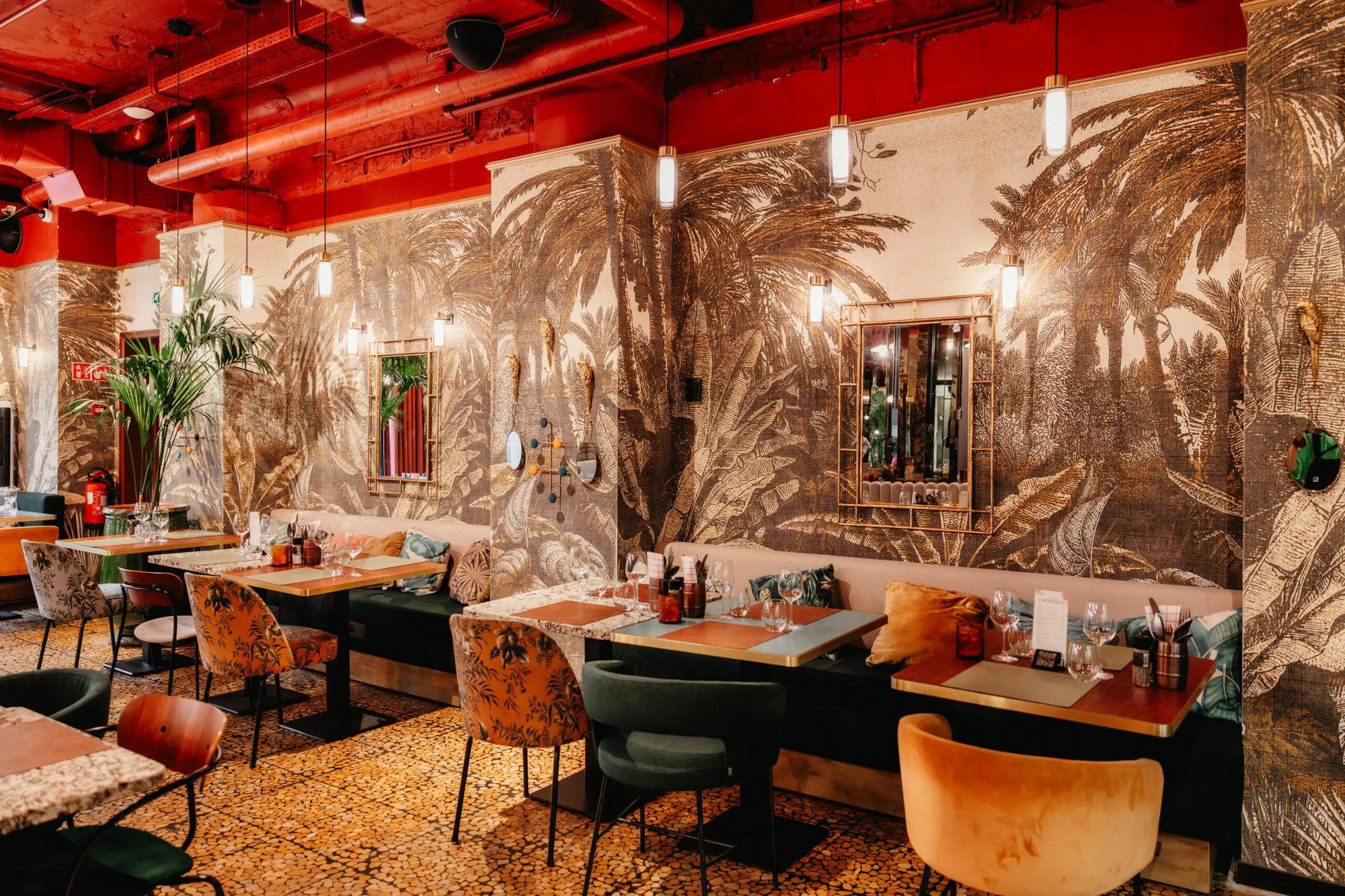
Brussels, Belgium
Serra's Garden Kitchen places vegetables at the centre of the plate in a format that reflects how Brussels dining has shifted toward produce-led, seasonal cooking. Under chef Pierre Balthazar, the kitchen works with local supply and responds to the season rather than a fixed menu logic. Located at Place Charles Rogier, it sits in a tier distinct from the city's classic French-Belgian houses.
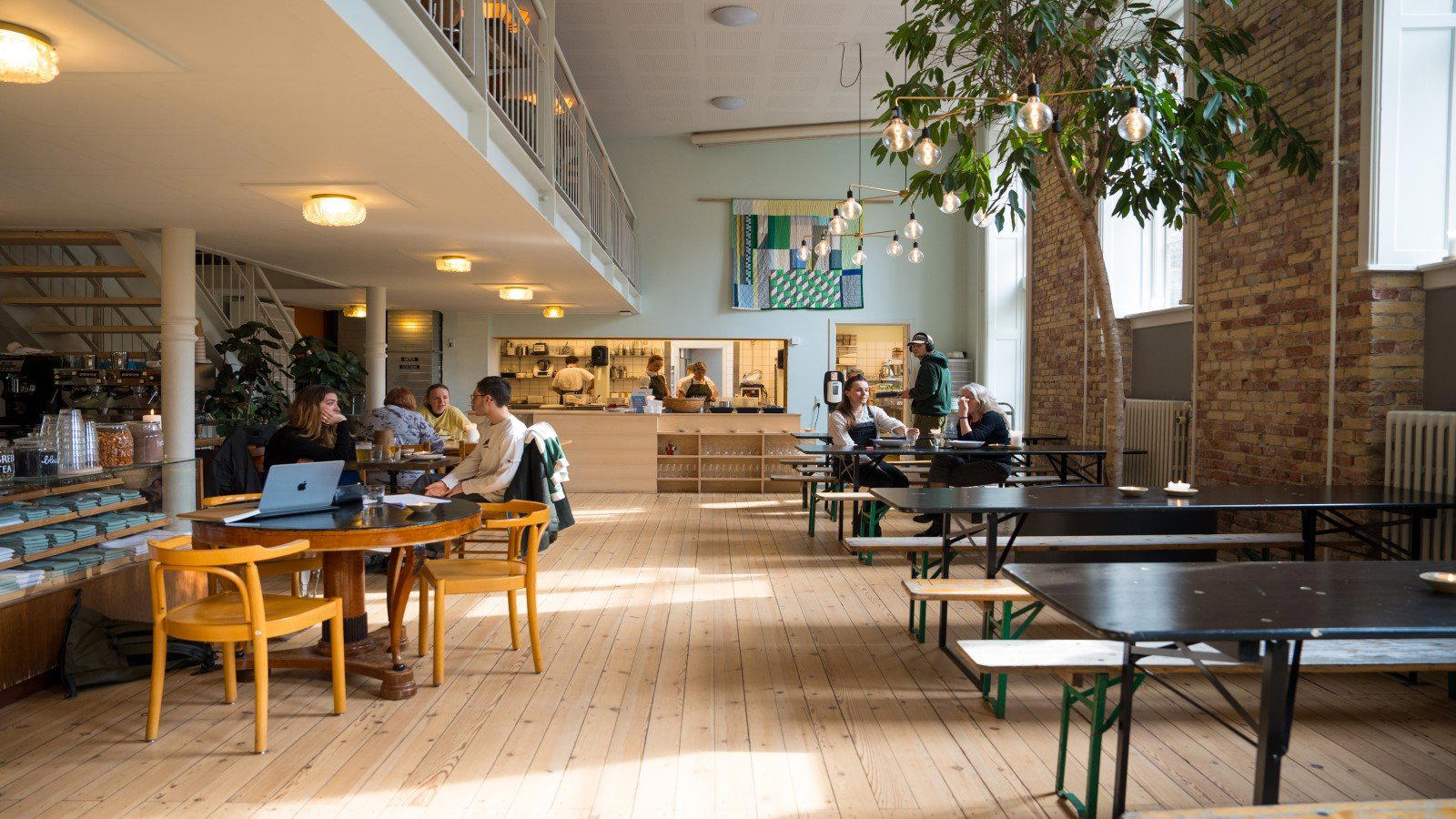
Copenhagen N, Denmark
Villette on Fælledvej brings a vegetable-forward, seasonally driven menu to Copenhagen N, with natural wines and an alcohol-free option that reflects how the neighbourhood eats. The kitchen, shaped in part by New York-based chef Marissa Lippert, leans on Danish seasonal produce. As a newer addition to the area, it is still finding its footing but already signals a clear direction.

Lormont, France
Housed in a château setting in Lormont, just east of Bordeaux, Le Prince Noir puts plant-based cooking and local sourcing at the centre of a menu shaped by classical French technique. Chef Vivien Durand earned a White Star recognition from Star Wine List in 2025, and the wine program matches the kitchen's commitment to the region. A serious address for anyone exploring the Bordeaux wine country beyond the châteaux circuit.

London, United Kingdom
CORE by Clare Smyth reigns as London's premier British fine dining destination, where the UK's first female chef to earn three Michelin stars transforms indigenous ingredients into extraordinary tasting menus. Located in elegant Notting Hill, this intimate 50-seat restaurant showcases signature dishes like 'Potato and roe' through impeccable technique and unwavering commitment to British terroir.

Noirmoutier-en-L'Ile, France
On a salt-flecked island off the Vendée coast, Alexandre Couillon's restaurant frames its cooking around two equal sources: the Atlantic immediately offshore and the kitchen garden on the property. The result is a contemporary French table shaped by Scandinavian clarity and seasonal discipline, where fish and vegetables carry equal narrative weight. It sits among a small cohort of destination restaurants in provincial France where geography drives every plate.

Obernai, France
Among Alsace's Michelin-starred addresses, Thierry Schwartz - Le Restaurant in Obernai takes a position defined by terroir conviction and natural wine depth. Three set menus draw on permaculture produce and a 1,500-label wine list weighted toward natural producers. Rated 'Remarkable' by Michelin's editorial team, it sits in a different register from Obernai's conventional fine-dining options.

Girona, Spain
BionBo on Carrer del Carme puts prebiotic thinking at the centre of daily cooking, with Chef Xavier Aguado building a rotating, seasonally constrained menu around plant-forward ingredients that read as both considered and genuinely pleasurable. In a city defined by ambitious tasting menus, this is a quieter, more ingredient-led proposition — one where the sourcing logic is the point, not the backdrop.

Gent, Belgium
On a quiet Ghent square, Elders operates within the city's growing vegetable-forward dining scene at an accessible price point. Chef Tom Pauwelyn shapes menus around market availability, earning back-to-back Michelin Plate recognition in 2024 and 2025. At €€ pricing, it sits well below Ghent's top-tier creative tables while drawing from the same regional, seasonal produce philosophy.

Valmont, France
A Michelin-starred inn in the Normandy village of Valmont, Maison Caillet draws on an extensive kitchen garden and Pierre Caillet's Meilleur Ouvrier de France technique to argue a serious case for vegetable-forward French cooking. The 19th-century property sits beside a lake, with guestrooms extending the stay beyond a single meal. At €€€€, it prices alongside France's regional one-star tier but operates on a different philosophical register.

València, Spain
Apicius in the El Pla del Real district places Valencian seasonal produce at the centre of its modern cuisine, with a format that spans set menus and ingredient-led themed days. Ranked #174 among classical European restaurants by Opinionated About Dining in 2025 and holding a Michelin Plate, it occupies the mid-premium tier in a city whose serious dining scene has been gaining wider attention. A dedicated plant menu, EM Green, is available on request.

Doha, Qatar
Al Sufra at Marsa Malaz Kempinski brings together the distinct culinary traditions of Lebanon, Cyprus, Syria, Jordan, and Palestine under one roof on The Pearl's Marina Drive. Chef Julien Al Khal, a multiple award recipient for his Levantine cooking, shapes a menu where vegetables and aromatics carry as much weight as proteins. The pricing sits firmly in the upper tier of Doha's dining scene, and the kitchen's execution justifies that position.

Yufu, Japan
Enowa Yufuin sits inside a botanical eco-resort in Oita Prefecture's Yufuin valley, where Tibetan chef Tashi Gyamtso shapes kaiseki menus from produce grown on the property. The format places seasonal sourcing at the centre of every course, with private onsen access and a Google rating of 4.6 underlining the resort's standing in the region. For kaiseki within a working landscape, this is a considered proposition.

Lisbon, Portugal
Loco holds a Michelin star and ranks among Europe's top 400 restaurants (Opinionated About Dining, 2025), operating from the Estrela neighbourhood on a fixed 16-course surprise tasting menu. Chef Alexandre Silva structures the kitchen around micro-seasonal sourcing and a zero-waste policy, with house-fermented drinks completing a format that rewards repeat visits. Open Tuesday through Saturday from 7 PM.

Phuket, Thailand
Set within the Tri Vananda wellness estate in Thalang, Jampa holds a Michelin Plate and an Opinionated About Dining ranking among Asia's top restaurants. Chef Rick Dingen's plant-forward European Contemporary menu draws directly from an on-site garden, with lunch service — particularly the multi-course Jampa Experience — offering the clearest expression of his seasonal, near-zero-waste approach.

New York City, United States
Michelin-starred Estela elevates SoHo dining through Chef Ignacio Mattos's modern American small plates with Mediterranean influences, where signature dishes like ricotta dumplings and arroz negro create communal experiences in an intimate downtown setting that perfectly balances sophistication with neighborhood warmth.

Kyoto, Japan
Within Tenryu-ji’s UNESCO-listed temple in Kyoto, Shigetsu presents refined shojin ryori—plant-based temple cuisine—served in tranquil tatami rooms with garden views, offering a contemplative fine-dining experience rooted in Zen.

Arles, France
Jean-Luc Rabanel's vegetable-focused address in Arles has spent more than fifteen years making the case that plant-based cooking can carry the same precision and ambition as any protein-led kitchen. Positioned at the accessible end of the Rabanel portfolio, Greenstronomie translates that philosophy into a format the wider Camargue-and-Arles circuit can engage with daily. For anyone travelling through Provence, it represents a serious stop.

Jodoigne, Belgium
Aux petits oignons holds a Michelin star in Jodoigne, where chef Stéphane Lefebvre grounds his modern French cooking in local Walloon produce and a clear preference for vegetables alongside classic technique. The restaurant draws a loyal regional following, with seasonal themed menus extending its appeal beyond its core à la carte offer. At the €€€ price point, it represents one of the more accessible Michelin-starred addresses in the Brabant Wallon area.

Rome, Italy
On the penultimate floor of Hotel Splendide Royal, just off the Pinciana gate on the Borghese side of the Aurelian Walls, Mirabelle commands a panorama that sweeps from Villa Medici to St Peter's. Chef Stefano Marzetti's menu works within a classically-grounded, modern Italian register, with consistent recognition from Michelin and Opinionated About Dining across multiple years. The view, the cooking, and the address together place it in Rome's upper tier of fine dining.

Ghent, Belgium
A plant-forward sharing table on Ottogracht, Ferri earns 2 Radishes in the We're Smart Green Guide for cooking that treats seasonality and local sourcing as structural commitments rather than marketing positions. The menu is built around simply prepared vegetable-led dishes, and the house-made kombuchas and kefirs signal a kitchen that thinks in fermentation as much as in fire. The room reads honest and unhurried, which is precisely the point.

Hue City, Vietnam
Saffron at Banyan Tree Lang Co brings the Thai kitchen concept — known from Koh Samui — to the central Vietnamese coast, making it one of the few dedicated Thai dining rooms in the region. The menu leans on plant-forward cooking traditions, herb-driven sauces, and a hospitality approach that reads more like a private residence than a hotel restaurant. Guests staying at the resort and day visitors alike are welcome.

Zurich, Switzerland
Zurich's most decorated creative kitchen, The Restaurant at the Dolder Grand holds two Michelin stars and consecutive La Liste scores in the low-to-mid 90s under chef Heiko Nieder. The multi-course format moves through precisely constructed sequences that draw on classical European foundations while resisting easy categorisation. For the city's highest tier of occasion dining, it occupies the reference position.

Hamburg, Germany
A Michelin Bib Gourmand holder for 2024 and 2025, HYGGE Brasserie & Bar operates from Hotel Landhaus Flottbek in Hamburg's leafy Klein Flottbek district, roughly 25 minutes from the city centre. The kitchen anchors its menu in farm-to-table sourcing, including a dedicated plant-forward 'Farm & Field' menu, with a Google rating of 4.7 across nearly a thousand reviews.

Cartmel, United Kingdom
Three Michelin stars since 2022 and ranked 13th in Europe by Opinionated About Dining in 2025, L'Enclume operates from a converted blacksmith's workshop in the Cumbrian village of Cartmel. Simon Rogan's fifteen-course tasting menu (£265 per person) draws directly from the on-site 'Our Farm' project, producing farm-to-table cooking at the sharper end of British fine dining. Book well ahead; the drive from any direction is deliberate.

Schwyz, Switzerland
Two-Michelin-starred Magdalena Schwyz revolutionizes vegetarian fine dining through Chef Dominik Hartmann's "raw, rough, regional" philosophy, serving exclusively plant-based tasting menus sourced from neighboring organic farms. Set against stunning alpine views, this intimate 40-seat destination has rapidly become Switzerland's most acclaimed vegetarian restaurant.
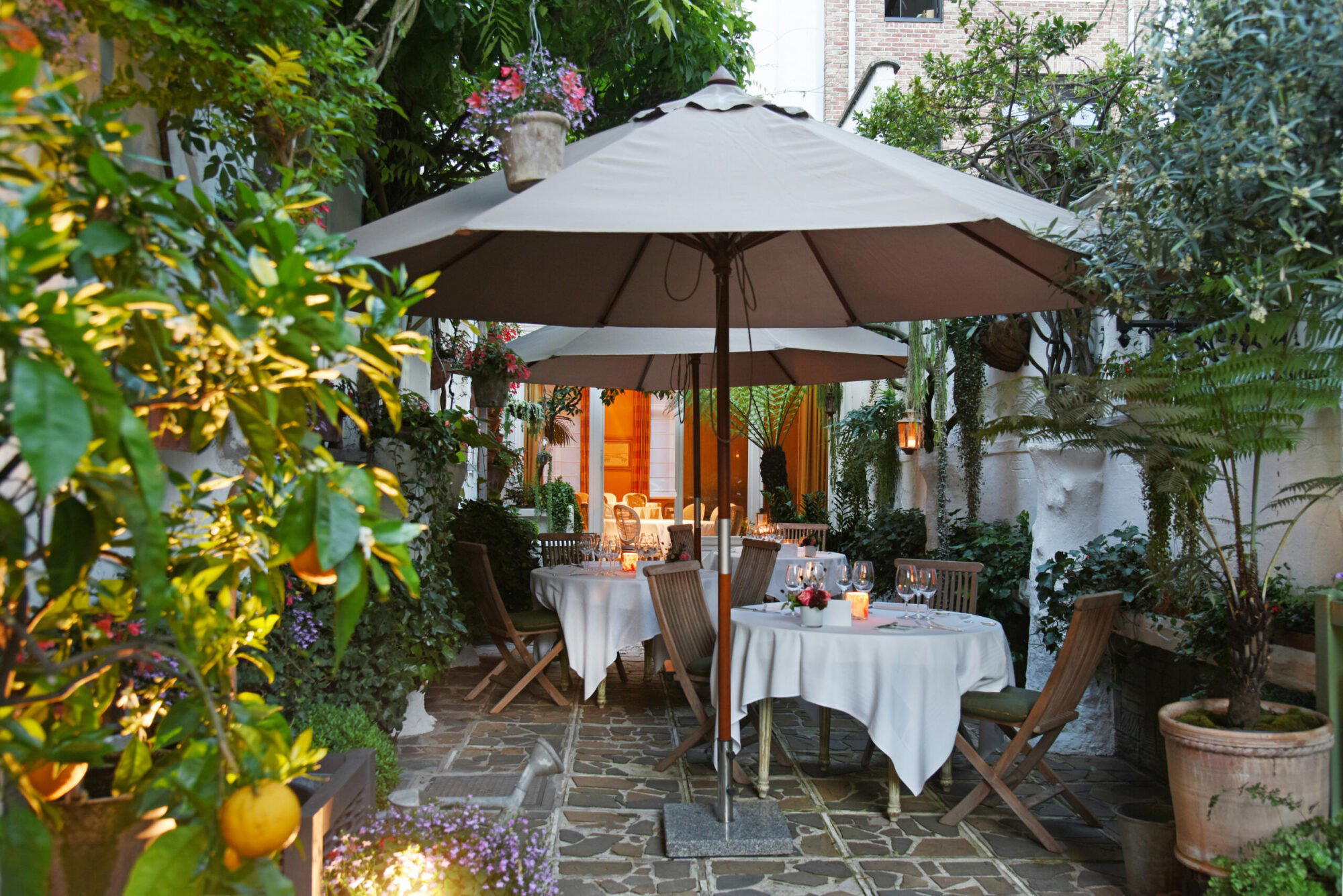
Ghent, Belgium
Jan Van den Bon in Ghent occupies a distinct position in Belgium's serious dining tier, shaped by a family lineage in which vegetables, herbs, and aromatic seasonings are central to how food is conceived. The kitchen integrates a broad range of ingredients into cohesive, layered preparations. Situated at Floraliënlaan 22, it represents Ghent's quieter, ingredient-led fine dining tradition alongside neighbours like Boon and Ferri.

Zwolle, Netherlands
De Librije has held three Michelin stars since 2004, making it the most consistently decorated restaurant in the Netherlands over the past quarter-century. Housed in a converted women's prison in Zwolle, it operates Thursday through Saturday evenings under chef and co-owner Nelson Tanate, with a programme built on regional produce, fermentation, and a vegetable-led approach that shaped modern Dutch cooking.

Athens, Greece
A Michelin-starred address in Halandri, a northern suburb of Athens, Botrini's operates at the intersection of Greek tradition and Italian influence, shaped by the dual heritage of chef-owner Ettore Botrini. Two tasting menus trace a route between the Ionian coast and Tuscany, set inside a converted school with an open-view kitchen and a chef's table. The restaurant holds a Michelin star (2024) and ranks 227th on Opinionated About Dining's Classical in Europe list.
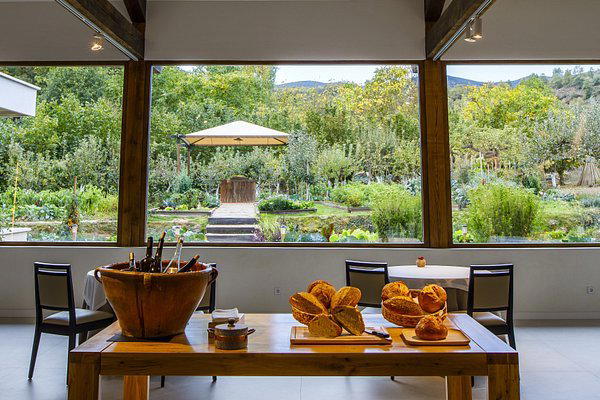
Daroca de Rioja, Spain
A two-Michelin-star and Michelin Green Star restaurant set in one of the smallest villages in Europe, Venta Moncalvillo draws serious diners to the Rioja Alta with tasting menus built around daily harvests from a biodynamic garden. Chef Ignacio Echapresto and his brother Carlos run the dining room and wine cellar together, offering three seasonal menus and a wine program that includes home-produced meads and kombuchas. Ranked in La Liste's Top Restaurants (83.5pts, 2025) and Opinionated About Dining's European Top 400.

Houten, Netherlands
A fully restored 17th-century château outside Utrecht, Kasteel Heemstede places Ollie Schuiling's precise, produce-driven modern cuisine inside one of the Netherlands' most arresting dining settings. Ranked #527 in Opinionated About Dining's European list in 2024 and recognised by Star Wine List with a White Star, it draws serious diners from across the region for its caviar menu, considered wine list, and cooking that earns consistent critical attention.
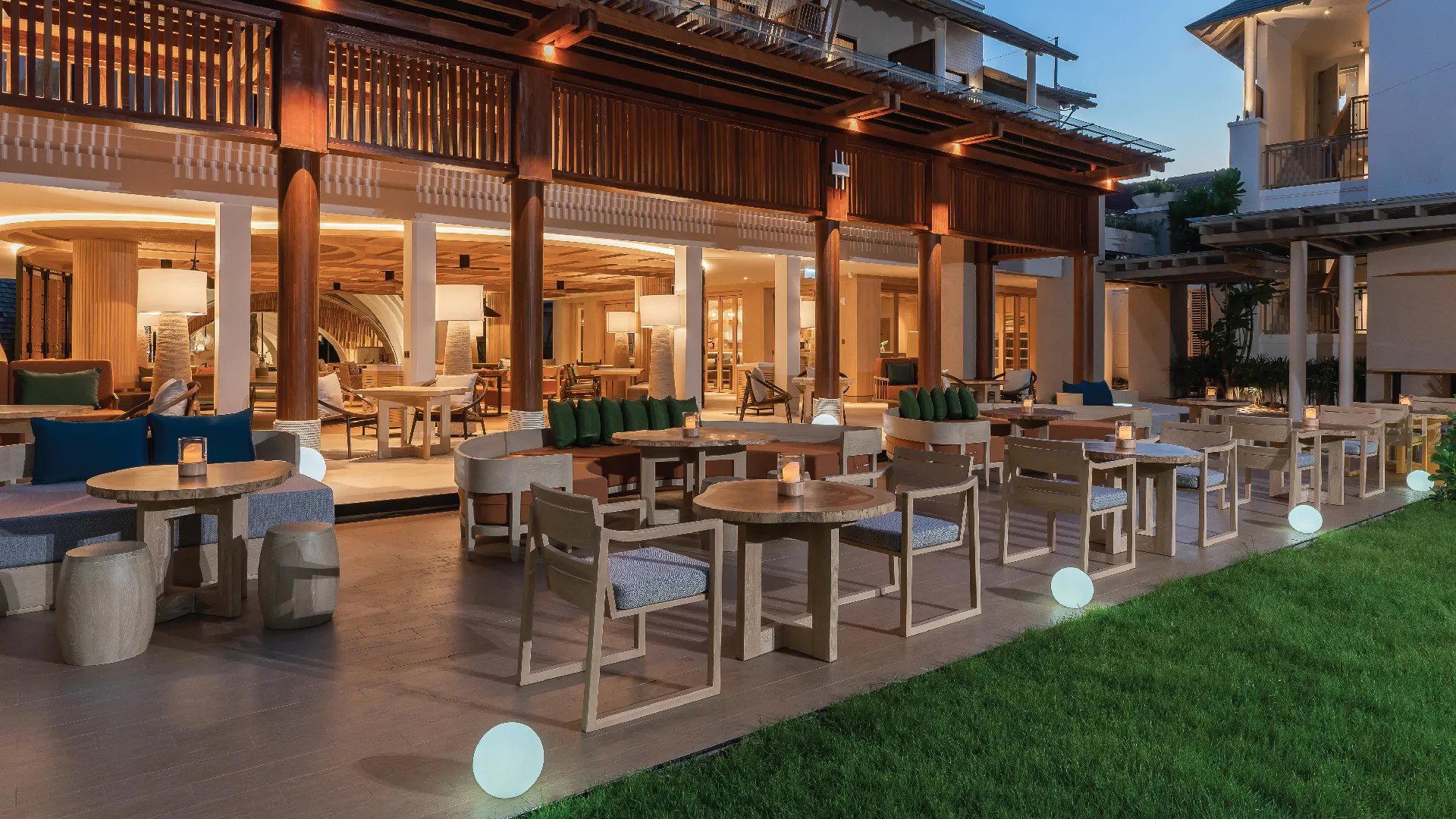
Suratthani, Thailand
On the western shore of Koh Samui, Essence places vegetables at the centre of a Thai menu that reads as both traditional and considered. The beachfront setting at Taling Ngam frames evening meals against open water, while vegan preparations sit alongside broader Thai cooking — a combination that reflects how Thai cuisine has always treated plant-based ingredients as principals rather than supporting cast.

Nieuwersluis, Netherlands
Set on the historic Flora Batava domain in Nieuwersluis, Bloei is a restaurant with a clear direction and real raw material: a garden estate with deep roots in Dutch horticultural history, a four-course vegetarian menu, and a veranda that earns its place. The kitchen has the ingredients for something significant in the Netherlands plant-based dining scene, though the execution still reads more classical than the setting demands.

New York City, United States
Dirt Candy holds a Michelin star and an Opinionated About Dining ranking among North America's top 300 restaurants, placing Amanda Cohen's Lower East Side vegetarian counter well inside the city's serious tasting-menu tier. The format is a single vegetable-focused menu that treats no ingredient as a substitute for anything else — a position Cohen staked out years before plant-based cooking became a mainstream dining category.
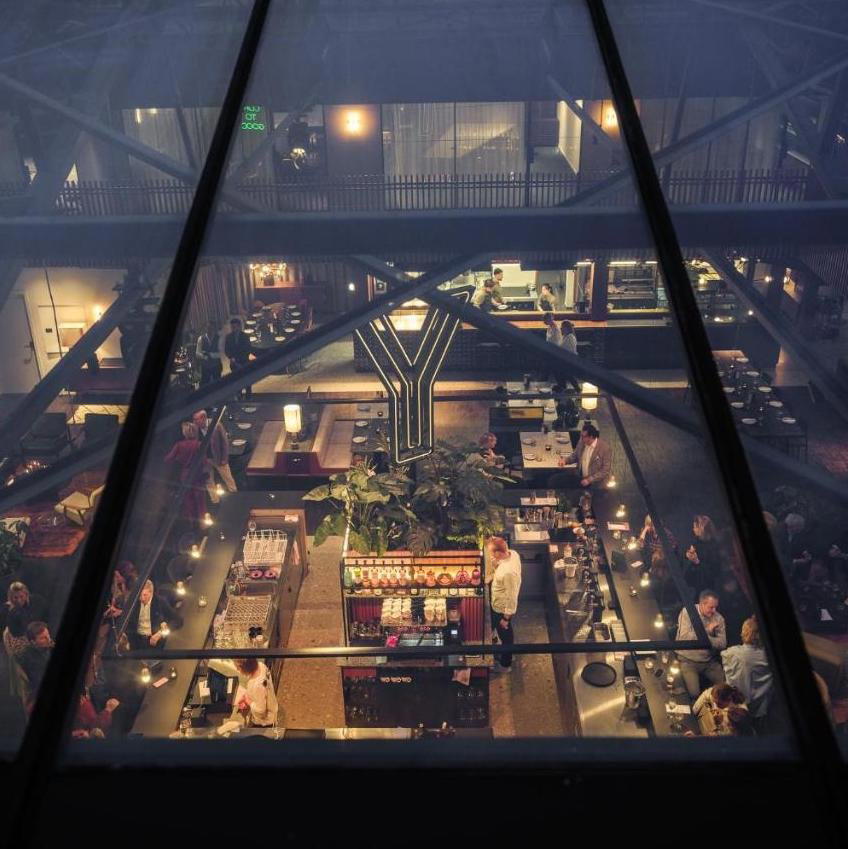
Goeferdinge, Belgium
Atelier Gist sits in the quiet village of Goeferdinge outside Geraardsbergen, where chef Jason Spinoy delivers creative contemporary cuisine with a notable emphasis on vegetables — earning consecutive Michelin Plate recognition in 2024 and 2025. The setting is deliberately serene, the format refined without being stiff, and the house-baked bread has become a talking point in its own right.

Tokyo, Japan
Two decades after opening in Minami-Aoyama, Narisawa remains the reference point for what Japan's innovative dining tier looks like when French technique meets satoyama philosophy. With two Michelin stars, a 4.25 Tabelog score, and a re-entry to the World's 50 Best in 2025, the 15-seat room prices at JPY 80,000–99,999 per head — a figure that positions it squarely against the most demanding tables in Asia.

Boismorand, France
A seventeenth-century coaching inn on the edge of the Sologne, Auberge des Templiers holds a Michelin star and a four-radish rating from We're Smart Green Guide, placing it in a rare tier of French country restaurants that treat vegetables as a first-order concern without abandoning classical technique. The half-timbered facade and century-old grounds set a tone that the kitchen, under Chef Thibault Nizard, navigates with classical roots and contemporary precision.
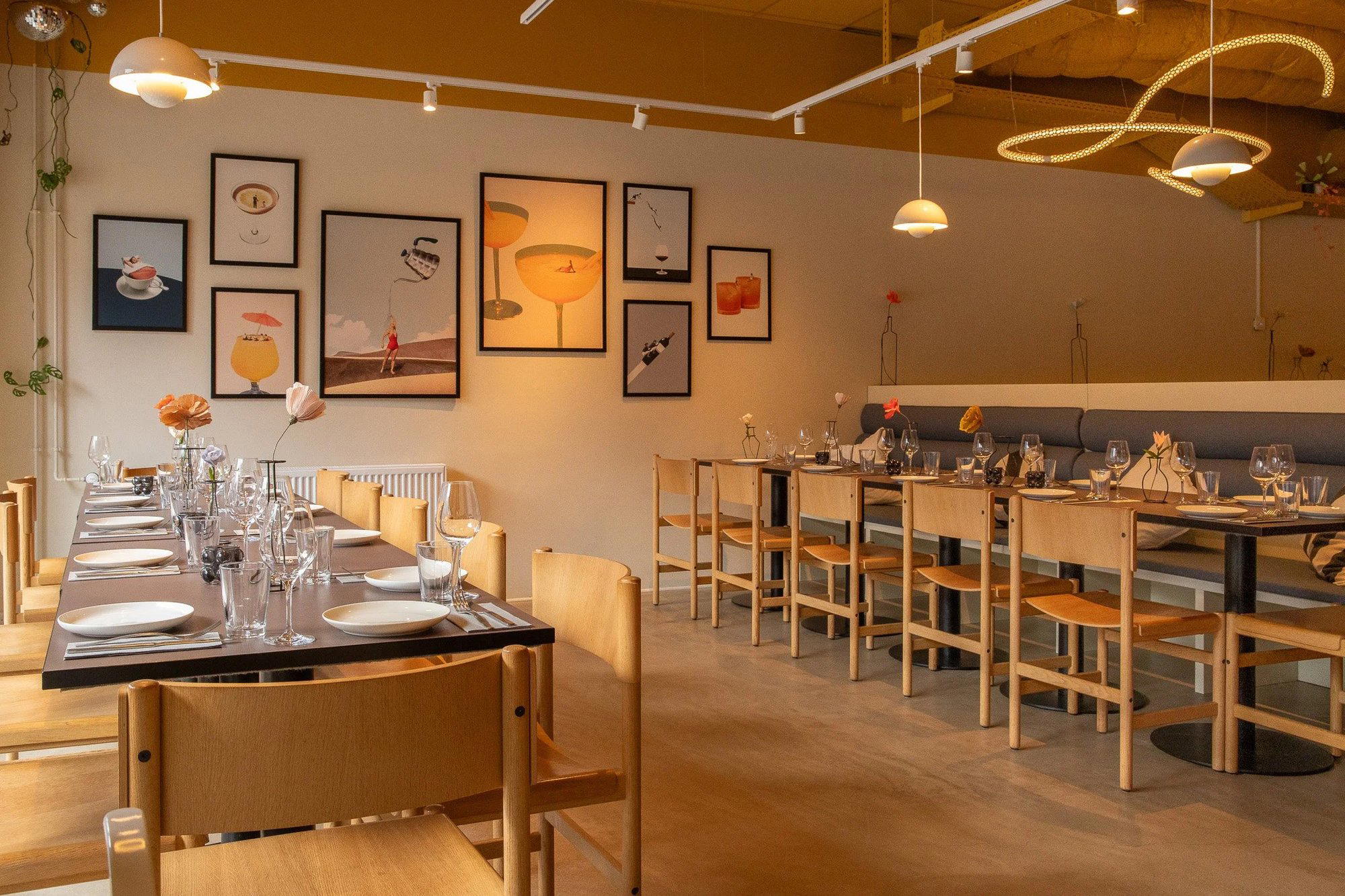
Carlsberg Byen, Denmark
Beyla occupies the plant-forward tier of Carlsberg Byen's dining scene, running an all-day format that moves from breakfast through dinner without compromise on its organic, zero-waste sourcing principles. Operated by the same group behind Restaurant Ark (5 Radishes) and Bistro Lupa (3 Radishes), it carries serious kitchen credentials into a format designed for everyday frequency rather than occasion dining.

Brussels, Belgium
Brighton Restaurant on Rue du Commerce brings a serene, French-led sensibility to Brussels' restaurant scene, where chef Laurent Gauze works within an Intelligent Nutrition-certified kitchen to build seasonal menus around vegetables, thoughtful protein pairings, and fruit-forward desserts that cross into savoury territory. The wine programme has been expanded with a new dining-room cabinet and a solid selection available by the glass.

Bordeaux, France
A Michelin Bib Gourmand address on Rue du Tondu, Panaille runs a no-choice seasonal menu that fills every seat by midday on weekdays. The format is market-led and daily-changing, with a parallel plant-based option alongside traditional dishes. At the €€ price point, it sits in a different tier from Bordeaux's grander dining rooms, but draws consistent recognition for its price-to-quality ratio.

Oslo, Norway
Kontrast holds two Michelin stars and a 2026 La Liste score of 85 points, placing it among Oslo's most serious fine-dining addresses. Chef Mikael Svensson runs a product-driven Nordic menu where vegetables take an unusually prominent role, sourced from organic growers and treated with the same precision applied to proteins. Service runs Wednesday through Saturday from 6 pm.
Halle (Saale), Germany
June sits on August-Bebel-Straße in Halle (Saale) and operates at a remove from Germany's densely Michelin-mapped restaurant corridors. Chef Patrick Janoud's pure plant-focused kitchen works with organic sourcing where possible and a wine list built around natural and biodynamic producers. The We're Smart Green Guide has recognised the restaurant's no-frills approach to vegetable-led cooking as exactly the kind of work the movement exists to champion.

Harderwijk, Netherlands
Two Michelin stars in a medieval Gelderland market town: 't Nonnetje holds a serious position in the Netherlands' creative fine dining circuit, ranked 294th in Opinionated About Dining's 2025 Classical Europe list and scoring 91 points in La Liste two years running. Chef Michel van der Kroft's plant-based 'Botanica' menu is the clearest expression of the kitchen's ambitions, and the intimate setting on Harderwijk's historic Vischmarkt square makes the dining room itself part of the argument.
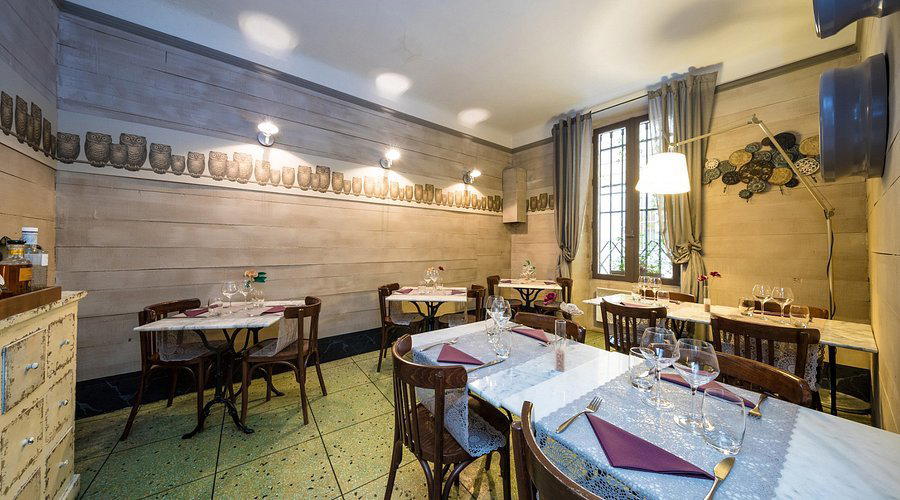
Avignon, France
Among Avignon's mid-range tables, Italie là-bas occupies a distinct position: an Italian address earning Michelin recognition in a city whose dining scene skews heavily toward Provençal and modern French. Holding both a Michelin Plate (2025) and a Bib Gourmand (2024), it delivers trans-Alpine cooking with a marked emphasis on vegetable-forward dishes, at a price point that makes it one of the more accessible Michelin-recognised options in the old city.

Paris, France
On the Champs-Élysées, Ladurée's restaurant arm has quietly shifted its kitchen emphasis toward seasonal, vegetable-forward plates developed under chef de partie Jean Sévegnés — a direction now shared across several Paris branches. The house remains better known for its macarons, but the dining room offers a distinct lens onto how a storied pâtisserie institution adapts to contemporary French cooking priorities.

Ascot, United Kingdom
Woven by Adam Smith occupies the dining room at Coworth Park, a Dorchester Collection country house hotel set within 246 acres of Berkshire countryside near Ascot. Holding one Michelin star and scoring 90 points on La Liste 2026, the restaurant serves a £185 tasting menu built around British produce, with a structure divided into pantry, larder, stove, and pastry. Thursday through Sunday service only; booking well in advance is advised.

Grasmere, United Kingdom
A Michelin-starred hotel restaurant in a Victorian fellside mansion near Grasmere, Forest Side places produce from its kitchen garden and surrounding landscape at the centre of Paul Leonard's modern British cooking. Four and eight-course formats at dinner sit inside a broader northwest England fine dining scene that punches well above its rural postcode, with La Liste ranking it among the top restaurants in the world.

Brunico, Italy
At 2,000 metres on Plan de Corones, AlpiNN is accessed by cable-car from Riscone and operates under Norbert Niederkofler's 'Cook the Mountain' philosophy, with Chef Fabio Curreli executing a seasonally driven, waste-conscious Alpine menu. The five tables with panoramic views are reserved for tasting menu guests who book ahead. Open daily 9am–4pm; the last cable-car departs at 5pm.
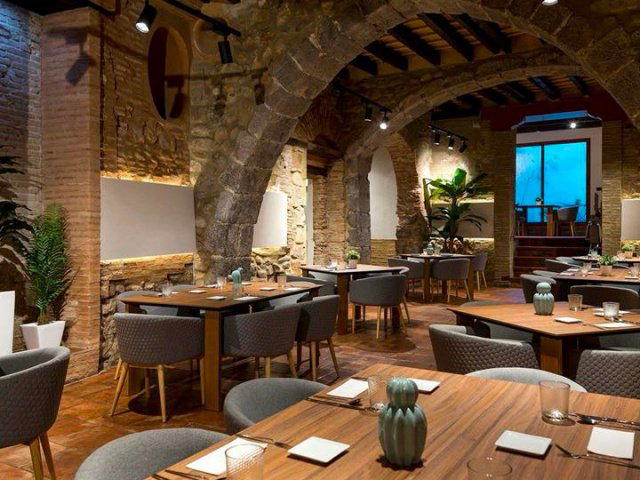
Sagunt, Spain
Set within the 16th‑century Palacio de los Duques de Gaeta, Arrels in Sagunt showcases chef Vicky Sevilla’s Michelin‑recognized, modern Mediterranean tasting menus—intimate, elegant, and deeply rooted in Valencian terroir.

Kruishoutem, Belgium
In the rolling countryside of the Flemish Ardennes, Hof van Cleve represents one of Belgium's most decorated dining addresses, holding two Michelin stars and a consistent presence in the World's 50 Best Restaurants over more than a decade. Under Chef Floris Van Der Veken, the kitchen has pivoted toward a plant-forward direction, earning five Radishes with high distinction from We're Smart and a La Liste score of 96.5 points in 2025.

Paris, France
La Table de Colette on Rue Laplace in the 5th arrondissement holds a Michelin Plate for its vegetable-forward modern cuisine, guided by chef Josselin Marie and his alignment with the We're Smart DNA philosophy. The address sits in the quieter residential stretch of the Latin Quarter, drawing those who prioritise produce clarity over theatrical presentation. A Google rating of 4.7 across more than 1,200 reviews points to consistent delivery at the €€€ price tier.
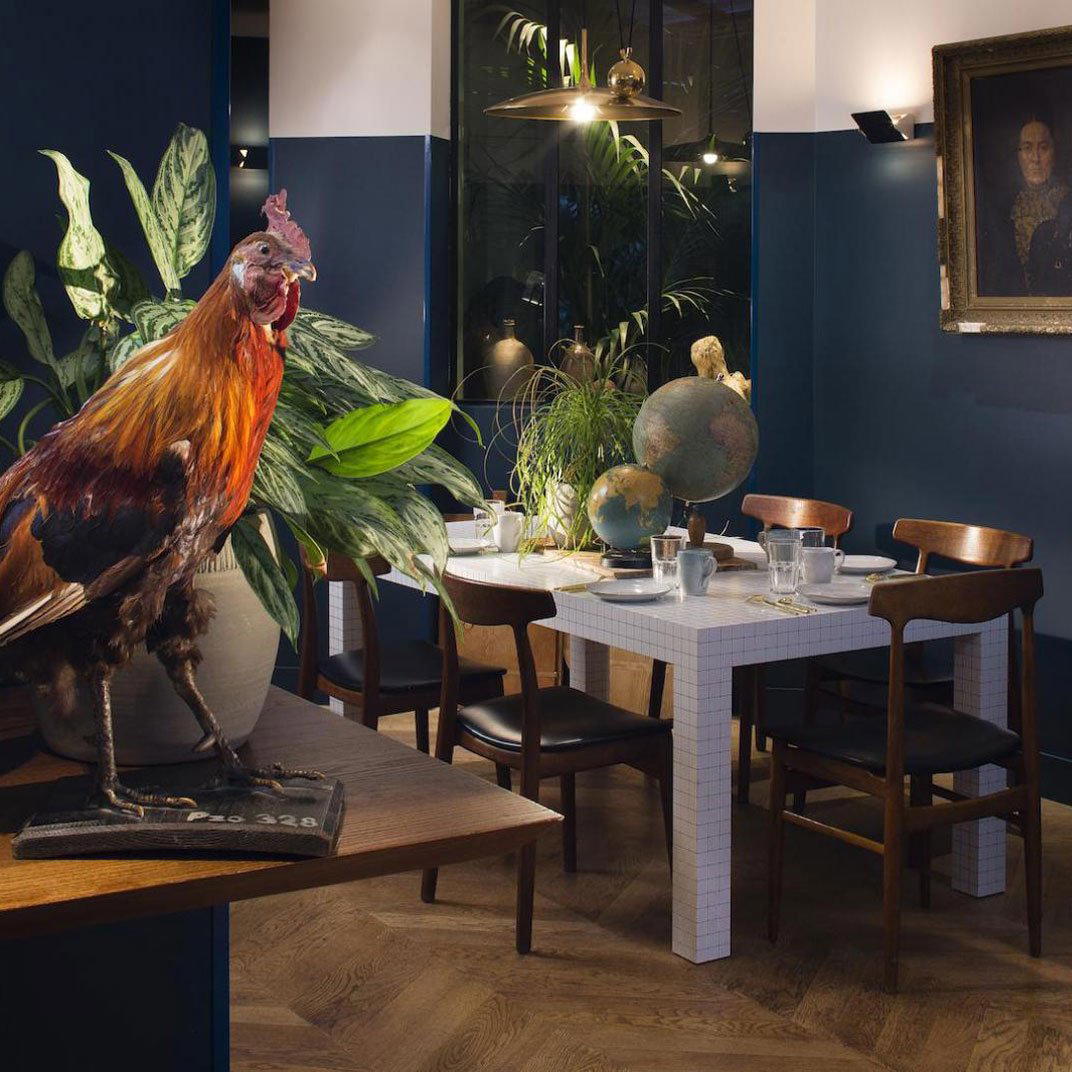
Paris, France
On Avenue des Gobelins in the 13th arrondissement, Dame Augustine operates in the Michelin Plate tier with a modern menu that runs in full vegetarian parallel — a commitment rare enough among Paris neighbourhood restaurants to signal genuine kitchen intent. Chef Lilian Douchet's approach leans colourful and occasionally daring, and the €€ pricing puts serious cooking within reach of most budgets.

Zürich, Switzerland
Anoah, on Rigistrasse in Zürich's District 6, operates a fully plant-based kitchen that has earned recognition in the We're Smart Green Guide — a European reference point for vegetable-forward restaurants. The cooking is praised for bold flavour and vivid presentation, with acknowledged room to refine its technique. For Zürich diners tracking where the city's plant-based scene is heading, Anoah is a credible marker.

Frankfurt on the Main, Germany
Seven Swans holds a Michelin star (2024, 2025) and a We're Smart 5-Radish rating for its 100% plant-based tasting menu on Frankfurt's Mainkai. Chef Ricky Saward works strictly within seasonal constraints, placing this among Germany's most credentialed vegan fine-dining addresses. The €€€€ price tier puts it alongside Frankfurt's French-leaning fine-dining establishment, not the city's casual plant-based market.

Vienne, France
In Vienne, a Rhône Valley town 30 kilometres south of Lyon, La Pyramide carries one of French gastronomy's most significant addresses: the former house of Fernand Point, the chef who trained a generation that defined postwar French cooking. Today, under two Michelin stars and holding 91 points on La Liste 2026, the restaurant operates as a family-run maison with a seasonal, vegetable-forward approach and a cellar that includes a rare Chartreuse collection.

Gotemba, Japan
Opened in January 2021 in Gotemba's Higashiyama district, Maison Kei carries the credibility of Chef Kei Kobayashi — the first Asian chef to earn three Michelin stars in France — into a 54-seat house restaurant with views of Mount Fuji. Tabelog Bronze winner every year from 2022 through 2026, and selected for Tabelog French EAST Top 100 in both 2023 and 2025, it sits at the serious end of regional French dining in Shizuoka Prefecture.
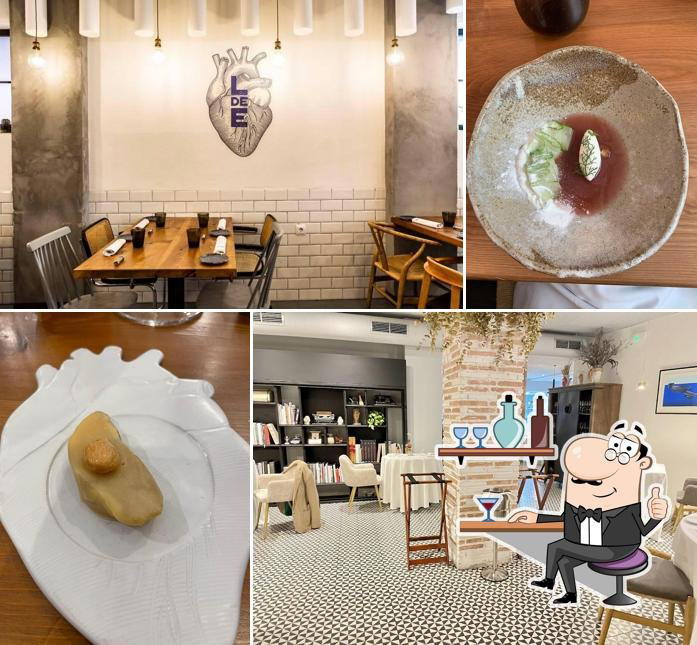
Murcia, Spain
At Local de Ensayo in Murcia, chef David López turns regional terroir into avant-garde fine dining with three bold tasting menus and a refined, design-forward setting steps from the cathedral.
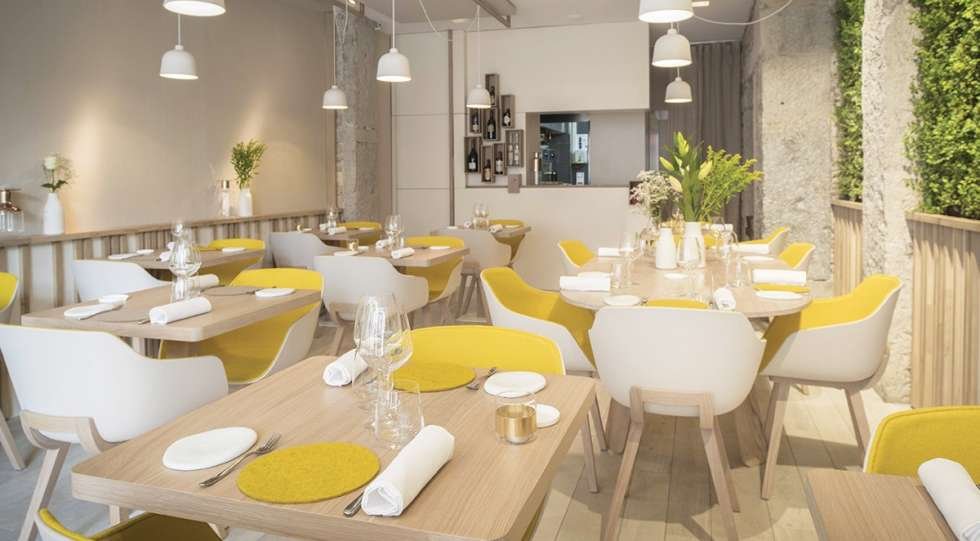
Lyon, France
A Michelin-starred address on Lyon's Presqu'île, Prairial pairs chef Gaëtan Gentil's daily-changing creative menu with one of the city's most serious natural wine lists, spanning over 1,200 biodynamic references curated by sommelier Céline Boinon. The open kitchen places the brigade at the centre of the dining room, turning the act of cooking into part of the room's rhythm. Rated Remarkable by EP Club, it occupies the upper tier of Lyon's contemporary fine dining scene.
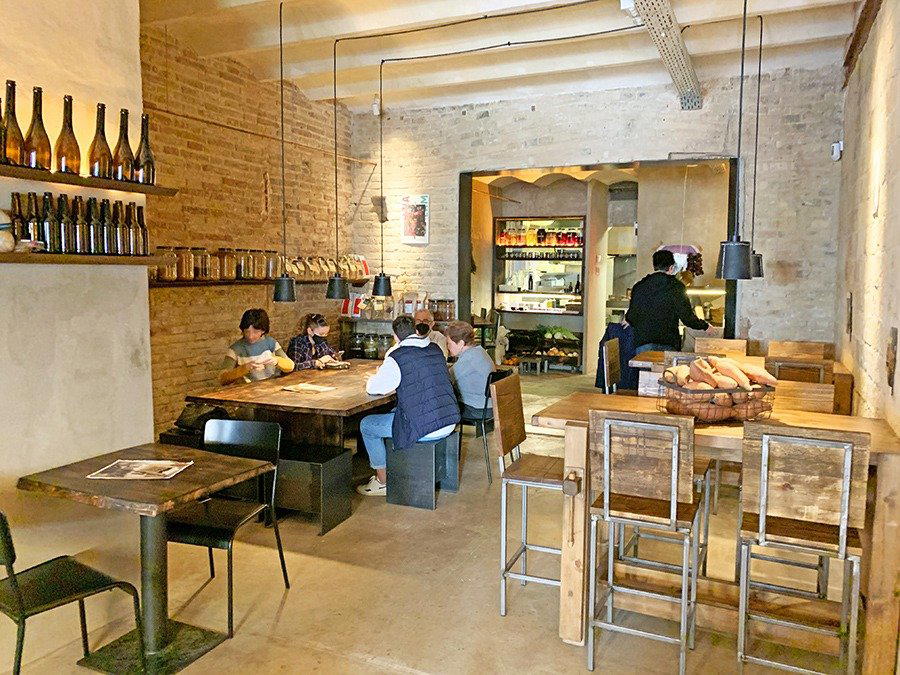
Barcelona, Spain
Fat Veggies on Carrer de Bailèn operates within Barcelona's expanding all-vegetable dining tier, where ambition and execution do not always travel together. A recent EP Club visit found the kitchen committed to a fully plant-based format with a visibly warm front-of-house team, though the food leaned greasy where it needed precision. Worth watching as the kitchen refines its technique.

Sapporo, Japan
Tucked into Sapporo's Miyanomori residential quarter, Le Musee IDEA operates from a 12-seat second-floor dining room where French technique meets Hokkaido produce with unusual intensity. Chef Makoto Ishii has earned consecutive Tabelog Bronze Awards from 2024 through 2026 and two selections for the Tabelog French EAST Top 100. Reservation-only, with dinner priced in the JPY 40,000–49,999 range and a 10% service charge.
Lima, Peru
In Miraflores, Lima's most concentrated dining district, Xoma operates at the intersection of architectural considered design and creative Peruvian cooking. Chef Ralf Zuniga frames the menu around emotion, color, and innovation, placing the restaurant in the emerging tier of modern Lima tables that We're Smart has flagged for closer attention. The address on Elías Aguirre puts it within walking distance of the neighborhood's leading restaurants.

Nagasaki Prefecture, Japan
Set in Unzen, Nagasaki Prefecture, BEARD builds its menu around proximity to the land and sea, placing vegetables at the centre rather than the margin. The kitchen draws on locally sourced produce, including varieties rarely seen in urban restaurant circuits, and supplements them with coastal catch from nearby waters. It is a deliberate, produce-driven format that rewards guests who come curious about what rural Japan actually grows.

València, Spain
On Plaça de Tetuan in Ciutat Vella, Lienzo frames modern Mediterranean cooking around seasonal Valencian produce with a coherence that few restaurants in the city match. Chef María José Martínez structures the experience around three distinct menus, from the midweek Trazos lunch to the full Lienzo tasting format, with apiculture threading through the cooking as both ingredient and philosophy. It is one of València's most considered choices for a meal that marks an occasion.
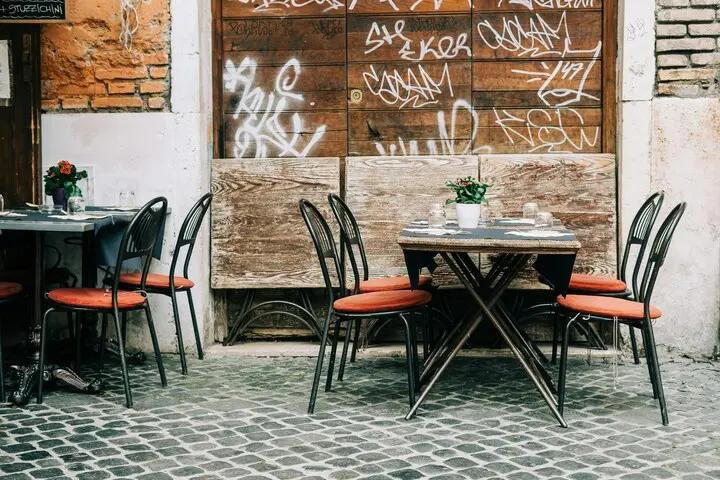
Cadenet, France
In the Grand Luberon village of Cadenet, La Fenière has become one of Provence's most discussed addresses for a specific reason: Nadia Sammut's kitchen operates entirely without gluten, refined sugar, or dairy, yet holds a Michelin star and ranked #379 on Opinionated About Dining's Classical in Europe list in 2024. This is ingredient-driven southern French cooking with structural ambition, not dietary compromise.

Tokyo, Japan
CYCLE by Mauro Colagreco brings the circular gastronomy philosophy of Mirazur — the Michelin-starred restaurant on the French Riviera — to the Otemachi business district of Tokyo. Prix fixe menus are organised around four natural themes: roots, leaves, flowers, and fruits. Japanese chef Yuhei Miyamoto, who trained at Mirazur, leads the kitchen, and the wine program has ranked among Japan's top lists on Star Wine List for two consecutive years.

Lugano, Switzerland
On the hillside above Lake Lugano, Principe Leopoldo has served French-Italian cuisine under chef Dario Ranza for three decades. His concept of 'cucina pulita' — clean, seasonal cooking guided by fresh regional produce — has earned consecutive Michelin Plate recognition in 2024 and 2025. The dining room's lake and mountain views frame a menu that moves between Ticino ricotta tortelloni and grilled lobster with equal confidence.

Antwerp, Belgium
Zilte holds three Michelin stars and a 93.5-point La Liste ranking, placing it among Belgium's most decorated creative restaurants. Chef Viki Geunes operates from the top floor of Antwerp's MAS museum, where the city panorama frames a menu that moves between precise vegetable cookery and technically layered seafood. The wine program has held multiple Star Wine List recognitions across three consecutive years.

Osaka, Japan
Hajime holds three Michelin stars and a La Liste score of 94 points, placing it among Osaka's most decorated French-innovative tables. The 14-seat dining room in Higobashi frames a tasting menu built around the theme of Earth and nature, with a wine program ranked in Star Wine List's top three for Japan in 2025. Dinner runs JPY 80,000–100,000 per person before the 15% service charge.

Taipei, Taiwan
Mume occupies a specific position in Taipei's modern dining scene: a dimly-lit, faux-industrial room in Da'an where Taiwanese seasonal produce meets neo-Nordic technique. Ranked among Asia's 50 best restaurants in 2025 and holding a Black Pearl 2 Diamond, it represents the strand of Taipei cooking that prioritises local supply chains and ingredient provenance over imported prestige.

Girona, Spain
Six tables, two chefs, and a menu that scales from six to twelve courses: Terram operates on Carrer de Santa Llúcia in Girona's quieter residential edge, running an entirely chef-led service rooted in local producer relationships. Plant-based adaptations are handled without hesitation, and the format, from recycled scaffolding-board tables to shared cutlery rests made from reclaimed kitchen tiles, reflects a consistent set of material choices rather than a decorative gesture.

Toronto, Canada
On Dundas West, Gia makes a credible case that Italian cooking and plant-forward thinking are not in opposition. Holding a 2025 Michelin Plate and a spot at #97 on World's 50 Best Asia's Best Restaurants, the restaurant draws on classical Italian technique while reframing what belongs on the plate. The drinks program holds its own, and the room earns its neighbourhood following.
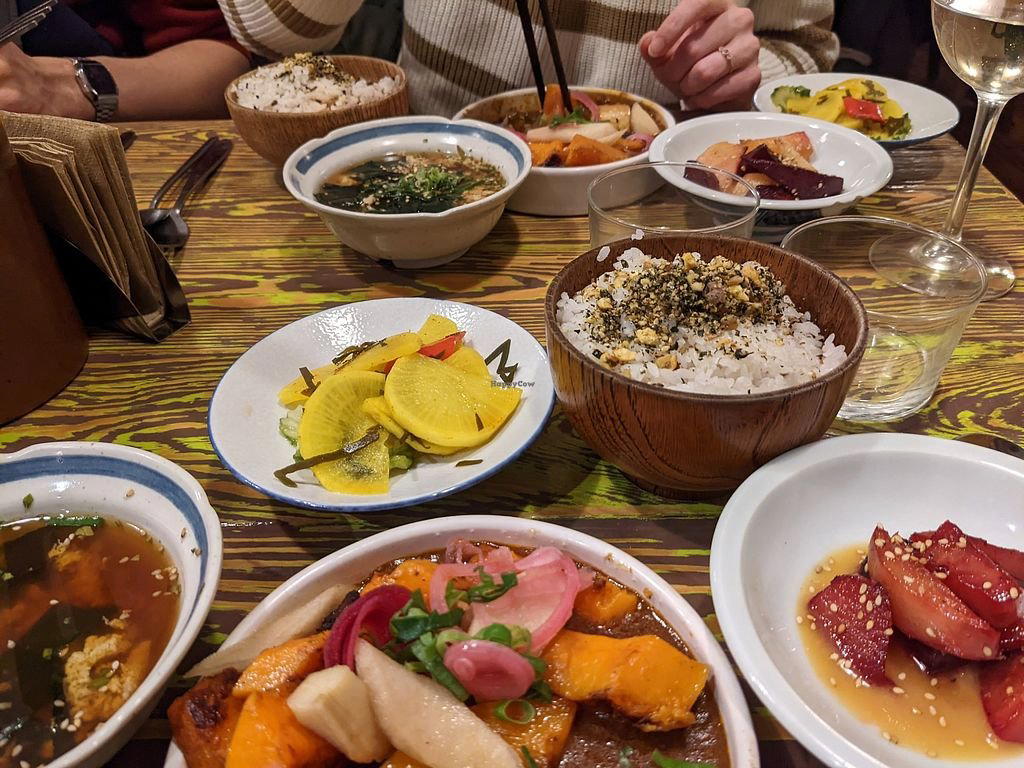
Brussels, Belgium
Tokidoki on Chaussée d'Alsemberg brings a fixed-menu approach to Japanese home cooking, shaped by years of recipe-gathering across Japan from both young cooks and older generations. The kitchen makes vegetables a structural element rather than a garnish, and a vegetarian version of the menu is available. It sits apart from Brussels's French-Belgian fine dining mainstream, offering lighter, produce-led cooking in the Saint-Gilles corridor.

Gargnano, Italy
Set inside a nineteenth-century Liberty villa on Lake Garda's western shore, Villa Feltrinelli holds two Michelin stars and a 2025 Les Grandes Tables du Monde listing. Chef Stefano Baiocco serves a single surprise tasting menu where vegetables and aromatic herbs, many grown in the estate garden, anchor dishes of considered restraint. Booking well in advance is advisable for one of the lake region's most formally celebrated dining rooms.

Barcelona, Spain
Unlike Barcelona's more commercial wine bar circuit, Monocrom bistró & vins occupies a quiet corner of Plaza de Cardona in Sarrià-Sant Gervasi, operating since 2016 around a list of more than 150 natural and organic wines. Simple Catalan and Mediterranean dishes provide context for the bottles. Ranked #849 in Opinionated About Dining's 2025 Casual Europe list, it holds a 4.5 Google rating across 813 reviews.

Leuven, Belgium
Zappaz holds a Michelin Plate for 2024 and 2025, operating from Holsbeek just outside Leuven with a format built around small, tapas-style dishes that draw equally from classical French technique and broader international flavour references. Vegetables share the menu with seafood, fish, and meat across refined portions where precision of execution matters more than portion scale. Priced at €€€, it sits in the same tier as several of Leuven's most serious modern kitchens.
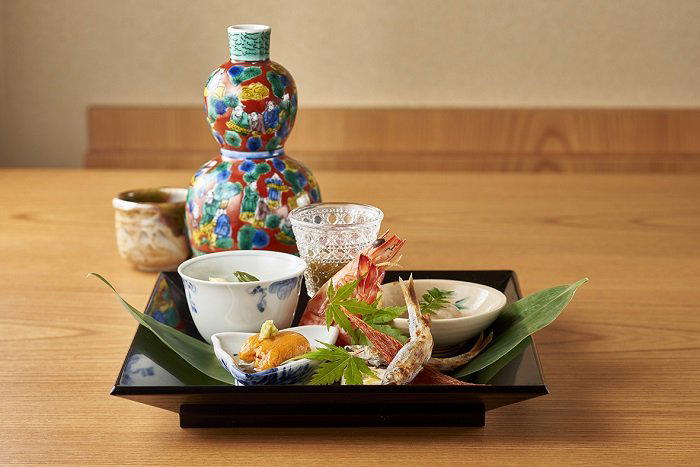
Tokyo, Japan
In Minami Aoyama, Chef Yoshinaga Jinbo applies French and Italian technique to Japanese farm produce, holding a Michelin Plate in both 2024 and 2025. His sourcing extends across Japan's agricultural regions, with Ibaraki produce given particular prominence. The result is a mid-range Italian-inflected counter where vegetables occupy the centre of the plate rather than the margin, rated 4.8 on Google across 44 reviews.

Milan, Italy
A Michelin Plate-awarded vegetarian bistrot on the southern edge of old Milan, Altatto operates from a converted bakery on Via Zumbini under a trio of female chefs who trained in the lineage of Pietro Leemann's Joia. Two tasting menus and an à la carte option apply fine-dining technique to plant-based cooking, with colour, precision, and seasonal produce doing the work that protein typically handles elsewhere.

Sainte-Maxime, France
A Michelin-starred address on the Var coast, La Badiane operates where Côte d'Azur terrain shapes the plate as much as the kitchen does. Gault & Millau's 2009 Grand de Demain, Geoffrey Poësson, builds a menu around local terroir with a lightness that sits apart from the richer registers of classic Provençal cooking. EP Club awards 4 Radishes.

Wergea, Netherlands
In the small Frisian village of Wergea, Oan Tafel carries a Michelin Plate for 2024 and 2025 alongside a vocal commitment to the five principles of Dutch Cuisine: Culture, Health, Nature, Quality, and Value. The kitchen, led by chefs Tom Zwerver and Geert-Jan Vaartjes, operates at the €€€ price point with a fully plant-based option that draws attention well beyond the village itself. Google reviewers rate it 4.8 across 322 reviews.

Antwerpen, Belgium
Les Années Folles brings a precise, vegetable-forward cooking style to Antwerp's Zuid district, under chef Gino Lemmens, a recognised name in the Flemish Tourist Board's 'Jong Keukengeweld' selection of the region's most promising young chefs. Pronounced flavours and deliberate contrasts define the plates, where vegetables function as primary ingredients rather than supporting detail.

L’Isle sur la Sorgue, France
La Guinguette operates on a principle that is increasingly rare in Provence: it only opens when the sun is out. Backed by the 'Bon pour le Climat' organization, the restaurant builds its menu around seasonal vegetable preparations and fairly produced smoked trout, placing it squarely in the short-chain dining movement that is reshaping how the Luberon eats.

Berlin, Germany
In Wedding's Sprengelstraße, UUU has drawn the attention of serious Chinese food professionals across Europe who travel specifically to eat here. The kitchen delivers refined Chinese cuisine with a plant-based menu available by prior arrangement on Sundays, positioning it as one of Berlin's more considered addresses for contemporary Chinese cooking.

Gent, Belgium
Holding a Michelin star in both 2024 and 2025, Publiek on Ham 39 sits within Gent's compact tier of destination restaurants where vegetable-forward cooking meets precise technique. Chef Olly Ceulenaere works directly with local growers to shape a menu built on whole-plant philosophy, placing it alongside peers like Vrijmoed and Oak Gent at the €€€ level of the city's fine-dining conversation.

Labico, Italy
Antonello Colonna Labico holds a Michelin star and sits within a resort in the Vallefredda countryside outside Rome, serving classic Italian dishes in deliberate contrast to its avant-garde architecture and art-filled interiors. The kitchen draws on Lazio's rural traditions while ranging across Italy's broader culinary canon, with a vegetable-led menu option available on request. For summer visits, the lawn tables beneath mature chestnut trees are the clear choice.
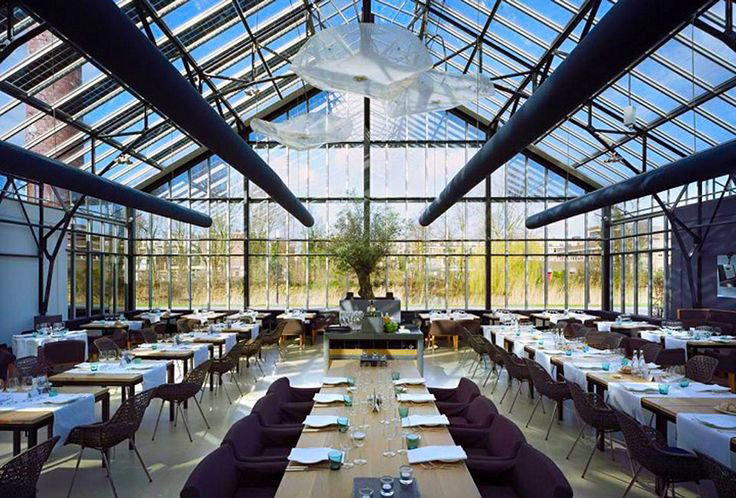
Amsterdam, Netherlands
Operating from a restored 1926 glass greenhouse in Amsterdam's Frankendael park, De Kas holds a Michelin Green Star and a 2024 Michelin Star, cooking a daily-changing Mediterranean menu built almost entirely from its own nursery in the Beemster Polder and on-site gardens. Ranked #250 in Opinionated About Dining's Casual Europe list for 2024, it represents Amsterdam's most coherent argument for field-to-fork dining at the €€€ tier.

Rotterdam, Netherlands
Rotterdam's plant-forward dining scene has a reliable anchor at the Bib Gourmand level. Rotonde on Goudsesingel holds consecutive Michelin Bib Gourmand recognition (2024 and 2025) alongside four radishes from the We're Smart Green Guide, placing it at the serious end of vegetable-led cooking in the Netherlands. The kitchen, led by Chef Jord Coree, operates from a philosophy that aligns sustainability with genuine culinary ambition rather than compromise.

Fürstenau, Switzerland
Schloss Schauenstein occupies a medieval castle in the village of Fürstenau, deep in the Swiss canton of Graubünden. The kitchen, guided by Andreas Caminada and Marcel Skibba, holds three Michelin stars and a sustained presence in the World's 50 Best since 2010. Vegetables sit at the centre of a creative European menu that draws on alpine produce and precision technique.
Western Cape, South Africa
On Franschhoek's Huguenot Street, French Connection operates in the bistro register that suits this wine valley town well: direct, ingredient-focused, and quietly confident in its classics. Chef Matthew Gordon's kitchen draws consistent praise for vegetable-forward plates that surprise in a region better known for meat-heavy Cape cuisine. The linguini verde and salade niçoise with roast lamb are among the dishes that have drawn repeated recommendations.

Paris, France
Le Débonnaire occupies the 13th arrondissement's quieter dining register, building its menu around seasonal vegetables and locally sourced produce under the 'Bon pour le climat' charter. The kitchen's commitment to plant-forward sequences and climate-conscious sourcing places it in a growing tier of Paris restaurants where environmental alignment shapes the menu as much as classical technique does.
Kasterlee, Belgium
At Kris in Kasterlee, chef Kris Geerts draws from a restaurant garden and his own family plot to drive a menu built around seasonal vegetables and herbs. The result is a two-track kitchen: fish and meat preparations coloured by garden produce, and the all-vegetable 'Green Discovery' menu that treats plant sourcing as both method and argument. For Belgian provincial dining with a clear ingredient philosophy, Kris sits in a compelling position.

Cape Town, South Africa
La Colombe Cape Town elevates fine dining to theatrical art within its treehouse-like setting atop Silvermist Wine Estate, where Chef James Gaag's French-Asian fusion cuisine has earned recognition as Africa's Best Restaurant and 49th on The World's 50 Best Restaurants.

London, United Kingdom
Cub was a Hoxton Street restaurant that positioned vegetable-led cooking and adapted drinks as a single, integrated dining ritual rather than two parallel offerings. Dishes like candied beetroot with molasses and lime signalled a kitchen working with restraint and precision at a moment when plant-forward dining was still finding its London footing. The restaurant has since permanently closed.

Iwade, Japan
An auberge-format Italian restaurant set among its own working fields in Wakayama's Iwade, Villa Aida holds a Tabelog score of 4.26 and consecutive annual awards from 2020 through 2026. Chef Kanji Kobayashi grows more than 100 vegetable varieties on the surrounding land and sources seafood from within 12 kilometres, positioning the restaurant among Japan's most seriously produce-rooted Italian tables.

Ravello, Italy
Situated on the terrace of Villa Cimbrone above Ravello, Il Flauto di Pan holds a Michelin star and an editorial reputation anchored in what the surrounding land and sea actually produce. Chef Lorenzo Montoro tends his own kitchen garden within the villa grounds and forages the coastal hillside for wild herbs, placing this €€€€ creative table in a category defined by proximity of source rather than scale of production.

Dubai, United Arab Emirates
At the ground floor of the Jameel Arts Centre in Jaddaf Waterfront, Teible operates at the intersection of plant-forward cooking and sustainability-led hospitality. Seasonal, local, and occasionally fermented ingredients define a menu that holds a listing in the We're Smart Green Guide, placing it within a small but growing cohort of environmentally committed restaurants in Dubai. Priced accessibly at the $$ tier, it reads as a principled counterpoint to the city's dominant luxury-dining register.

Budapest, Hungary
Onyx Mühely holds a Michelin Plate (2025) and sits on Vörösmarty tér at the heart of Budapest's fine dining tier, where a dual-track menu lets guests choose between modern Hungarian cooking and a fully plant-based format. The We're Smart community has formally recognised the kitchen's plant commitment, and the entire operation runs a carbon footprint calculation aimed at reducing environmental impact. Reservations are advised at this price point.

London, United Kingdom
A Michelin-starred outpost of South West French cooking in the shadow of Smithfield Market, Club Gascon has held its place in London's serious French dining tier since Pascal Aussignac arrived from Gascony in 1998. The seasonally changing small-plates format centres on the fat-rich, foie gras-forward produce of the region, balanced by a wine and tea pairing program that rewards informed ordering.

Brussels, Belgium
Liu Lin brings the street food of Taipei's night markets to a small address on Hoogstraat in central Brussels, with two Taiwanese sisters behind the counter and a menu that is entirely vegan. Noodle soups, curries, and tempura-style bowls replicate the flavour and texture cues of their Taiwanese originals without any animal products. The result is one of the more specific and committed plant-based propositions in the city.
Lier, Belgium
Neon earns its 2024 Michelin star in a repurposed teacher training college in Lier, where chef Nils Proost runs five seasonal set menus built around produce from a small-scale market garden in Koningshooikt. Vegetables, herbs, and fruit drive the cooking, with North Sea fish and whole-carcass meat appearing as counterpoints. The price tier sits at €€€, making it one of the more accessible starred tables in the Belgian fine dining circuit.

Paris, France
Laurent occupies a Louis XIV hunting lodge on Avenue Gabriel, steps from the Élysée Palace, where seasonal French cooking anchors a menu that shifts with markets and producers. Mathieu Pacaud leads the kitchen, and the restaurant holds a ranking of #409 in Opinionated About Dining's 2025 Classical in Europe list. The terrace, set inside the Champs-Élysées gardens, is among the more unusual dining settings in central Paris.

Zurich, Switzerland
DAR brings Spanish-Moroccan plant-based cooking to Zurich's Kreis 4, where Chef Zineb Hattab's sharing menu puts vegetables and dairy at the centre of the table. Two consecutive Michelin Bib Gourmand awards signal quality at a price point that undercuts most of its Zurich peers. The bread alone justifies the trip; the small menu means every dish counts.

Turin, Italy
Antonio Chiodi Latini operates at the intersection of Italian culinary heritage and fully plant-based cooking, earning recognition within the We're Smart world for a creative approach that treats vegetables as the primary subject of Italian cuisine rather than a supporting act. Located on Via Antonio Bertola in central Turin, the restaurant draws peers and critics who note that Italian cooking has always, in fact, placed the garden at its centre.
Lima, Peru
La Mar Cebichería in Miraflores is Gastón Acurio's dedicated ceviche house, ranked #31 among South America's top restaurants by Opinionated About Dining in 2024. Open daily for lunch service, the Av. La Mar address has become a reference point for Peru's ceviche tradition, drawing on fresh seafood and combinations that range from the traditional to the vegetable-forward. Chef Anthony Vasquez leads the kitchen.
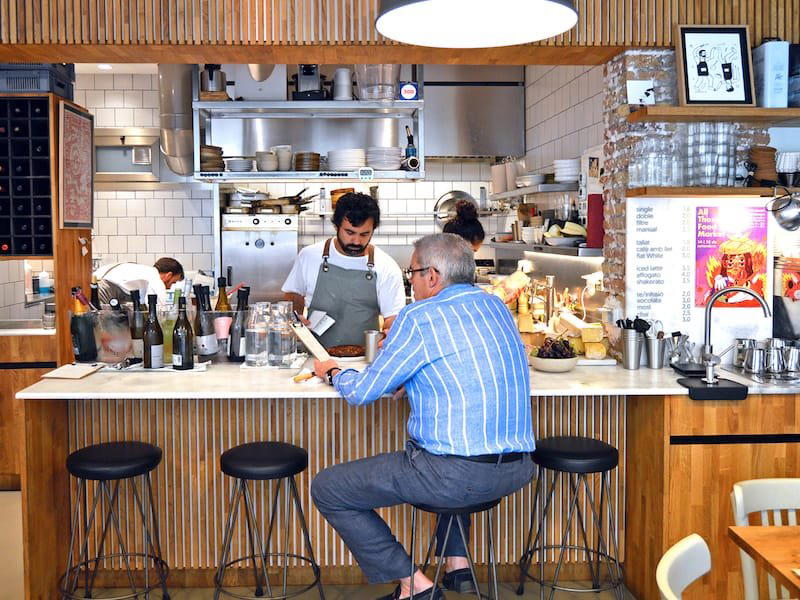
Barcelona, Spain
A Michelin Bib Gourmand-recognised address in Gràcia, Berbena runs a market-driven menu that shifts almost daily, with seasonal Mediterranean produce anchored by occasional Asian and South American influences. Portions come in half and quarter sizes, making it one of the more considered formats for pacing a meal in Barcelona's mid-range dining tier. Google reviewers rate it 4.8 across more than 900 opinions.

Tirol, Austria
At Nature Hotel Aufatmen in Leutasch, Tirol, Chef Nazli Develi runs a fully plant-based kitchen aligned with the We're Smart philosophy, placing ingredient integrity at the centre of every meal. The property draws guests seeking mountain air, restorative rhythm, and a dining approach that treats food sourcing as inseparable from wellness. Austrian family hospitality frames the whole experience without softening its convictions.

Marrakesh, Morocco
Dar Moha occupies a riad on Rue Dar el Bacha, where Chef Moha Fedal translates traditional Moroccan technique into a refined seasonal format drawing on organic produce from his own farm outside the city. Recognised by La Liste in both 2025 and 2026 with 83 points, it holds a clear position among Marrakesh's most closely watched fine-dining addresses. Reserve well ahead.
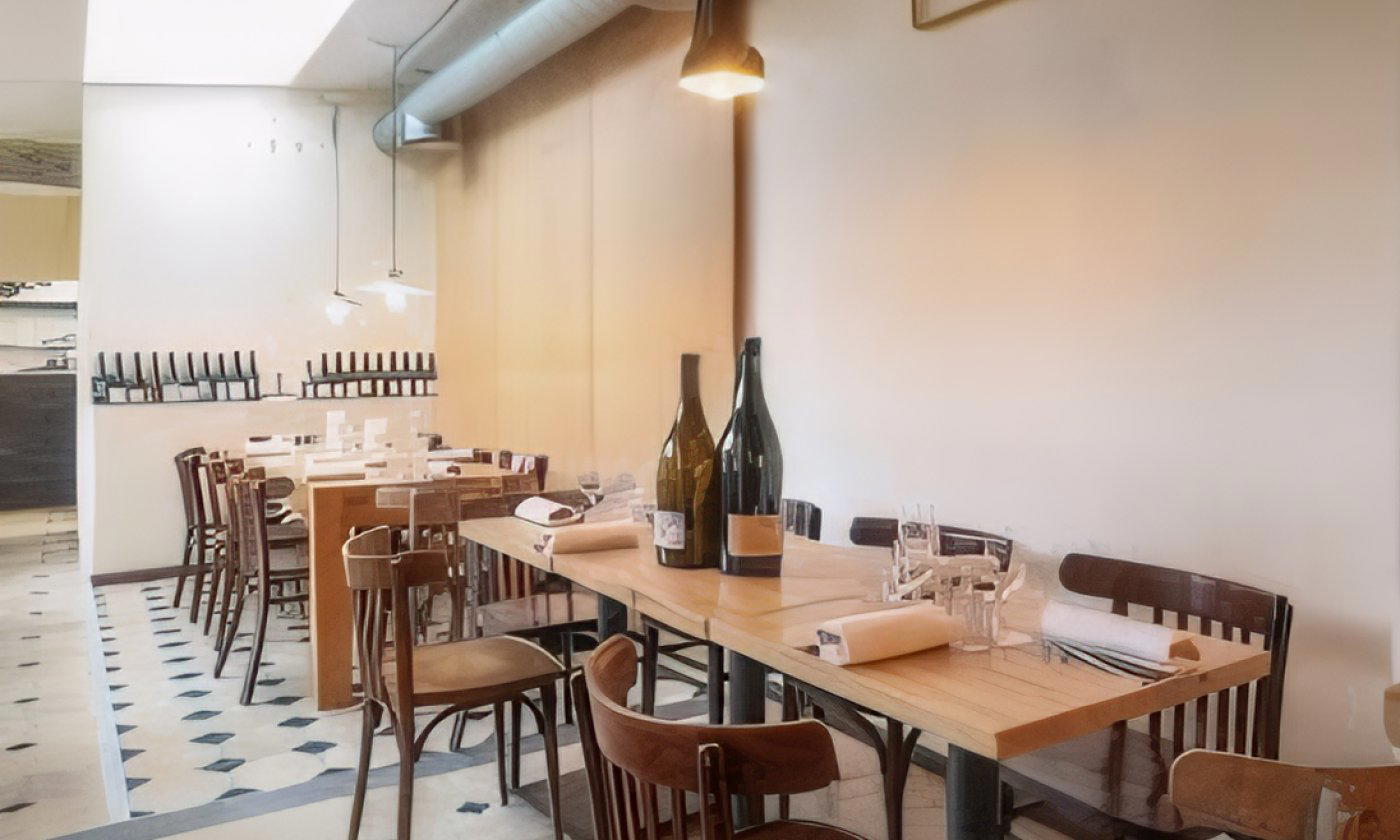
Paris, France
A Michelin Plate-recognised neo-bistro on Rue des Dames in the 17th arrondissement, Gare au Gorille sits in the mid-tier of Paris's serious cooking scene at a price point well below its technical peers. Chef Marc Cordonnier's Ferrandi and Alain Passard training translates into produce-led plates where vegetables hold the same weight as protein. Ranked #268 in Opinionated About Dining's 2025 Casual Europe list, it competes on quality, not ceremony.

Comano, Switzerland
In the village of Comano, a short drive from Lake Lugano, Osteria Del Centro holds a Michelin Plate and a reputation built on vegetable-forward modern cuisine shaped by training under Barcelona's Xavier Pellicer. Chef Piero Roncoroni has made this a local institution with broader ambitions, serving cooking that We're Smart has flagged as ahead of its time for the region. The terrace alone justifies the detour.
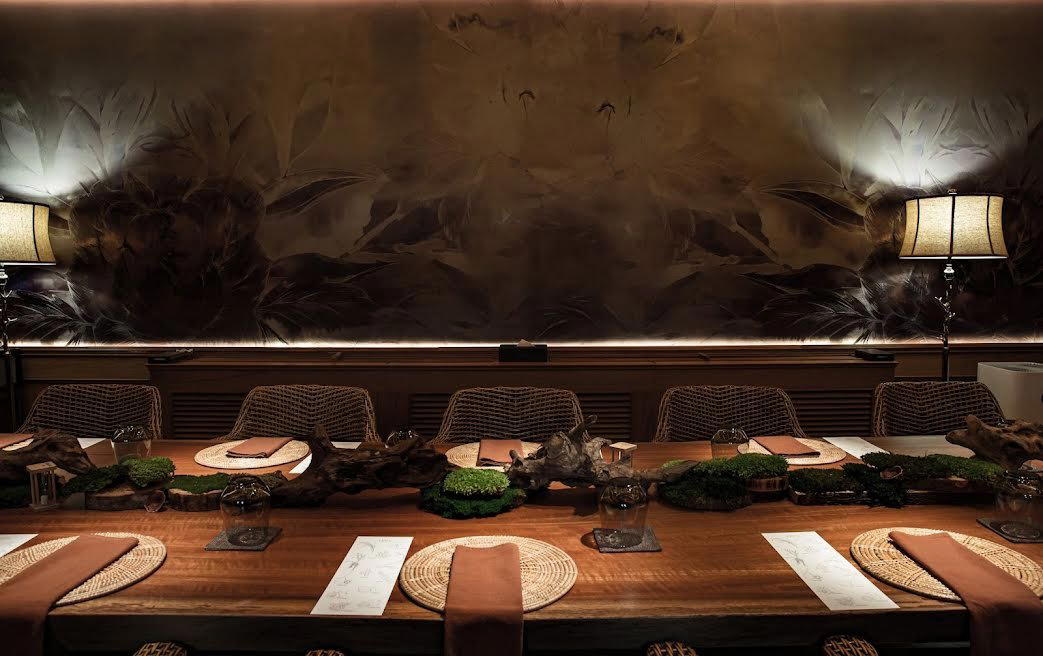
Bangkok, Thailand
Baan Tepa holds two Michelin stars and a spot at #44 on Asia's 50 Best Restaurants (2025), placing it firmly in Bangkok's highest tier of contemporary Thai dining. Chef Chudaree Debhakam structures a seven-course tasting menu around produce grown in the restaurant's own garden, with each course framed by seasonal sourcing and traditional technique reconsidered through a sustainability-conscious lens. Bookings open Wednesday through Sunday, evenings only.

Bizau, Austria
Tucked into the Bregenzerwald village of Bizau, Schwanen operates as a Biohotel with a kitchen that earned consecutive Michelin Bib Gourmand recognition in 2024 and 2025. Chef Emanuel Moosbrugger works from on-site vegetable and herb gardens, placing the restaurant within a growing tier of Austrian regional kitchens where organic provenance shapes both the menu and the philosophy. Priced at the €€ level, it represents serious cooking at accessible rates.
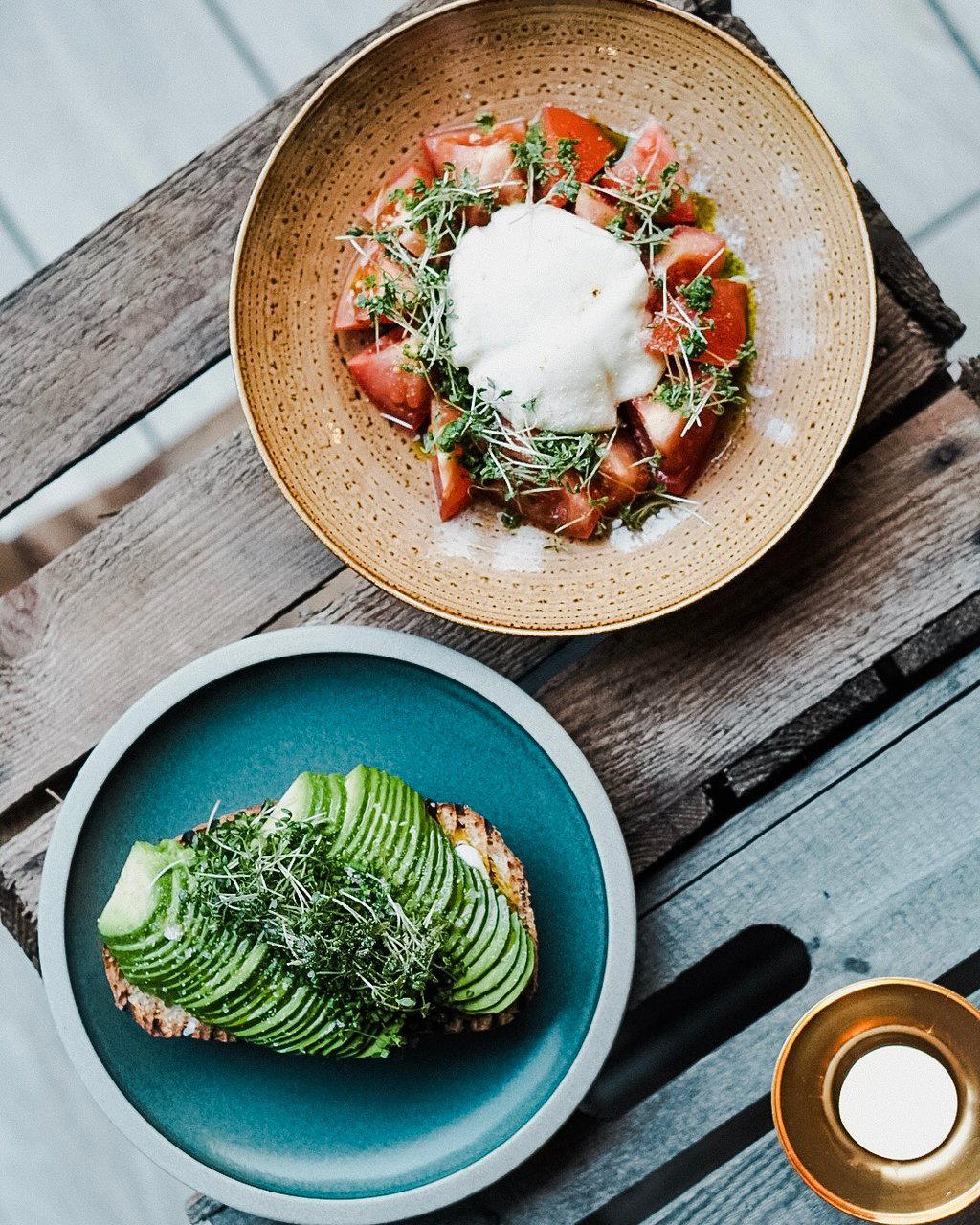
Aalborg, Denmark
Ubat Veggie by Tabu earned a 5 Radishes recognition for its vegetable-forward menu and thoughtfully paired non-alcoholic drinks in Aalborg's city centre. The restaurant is now permanently closed, but its approach to plant-based fine dining left a clear mark on how Aalborg's restaurant scene treated vegetables as a primary, not supporting, ingredient.

Copenhagen, Denmark
Few Copenhagen addresses do more with a slice of rye bread than Selma, a Michelin Bib Gourmand holder ranked 20th in Opinionated About Dining's 2024 Casual Europe list. The wine bar and smørrebrød spot on Rømersgade operates at the affordable end of the city's dining spectrum, offering a considered natural wine list alongside a lunch and dinner format rooted in Denmark's oldest culinary tradition.
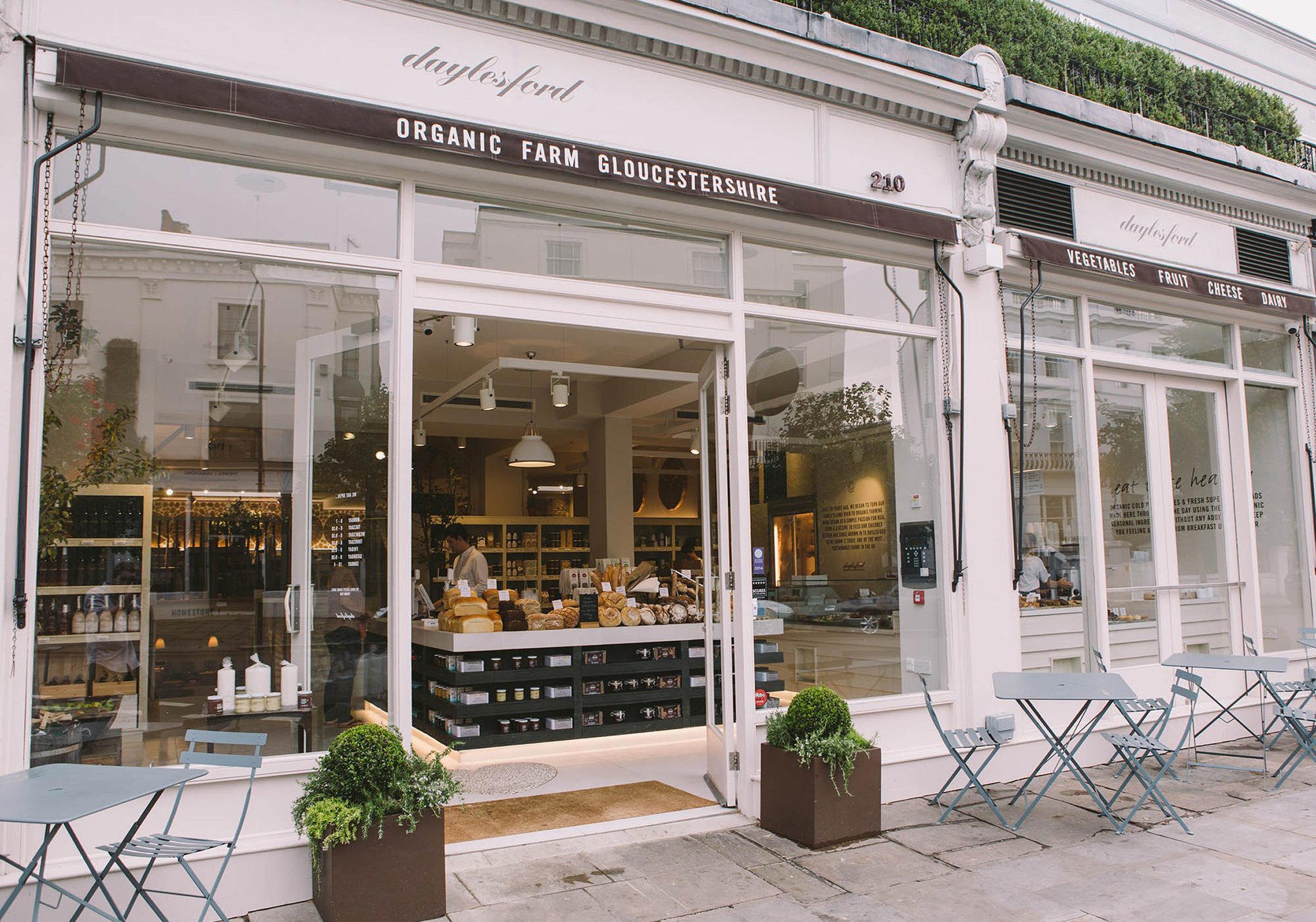
London, United Kingdom
Daylesford's Notting Hill outpost translates the brand's Cotswolds organic farming operation into a neighbourhood café-restaurant on Westbourne Grove, where the supply chain is the editorial statement. Rare-breed meats, free-range poultry, and seasonal produce arrive directly from the group's own farms in Gloucestershire and Staffordshire, making traceability a structural feature of every plate rather than a marketing footnote.

Copenhagen, Denmark
Tèrra at Ryesgade 65 holds a Michelin Plate (2025) and a Star Wine List White Star, positioning it among Copenhagen's mid-tier fine dining addresses where Italian spirit and Scandinavian discipline meet. Chef Valerio Serino's approach treats vegetables with the same seriousness as protein, and the wine program is recognised at editorial level. Google reviewers rate it 4.8 from 198 responses.
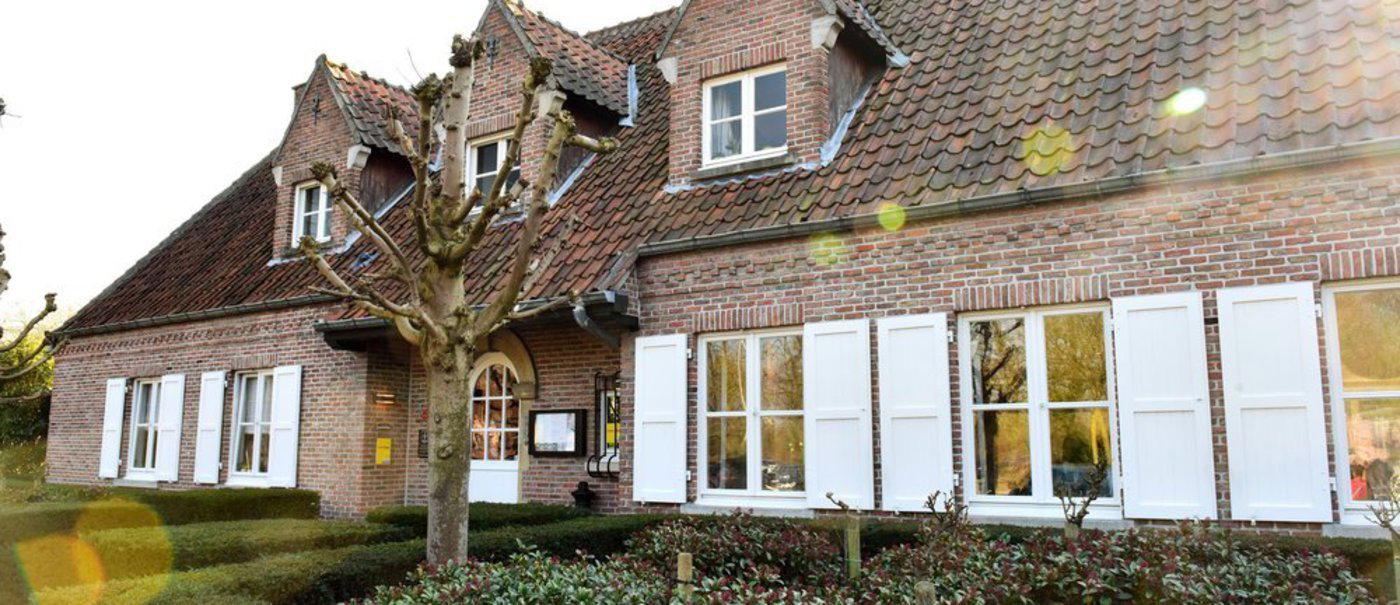
Dilbeek, Belgium
Restaurant Michel in Groot-Bijgaarden occupies a particular position in the Flemish dining tradition: a house where generational continuity shapes the kitchen as much as any single creative vision. Robert Van Landeghem's presence grounds the cooking in established practice while a younger generation introduces incremental change, including a growing emphasis on vegetables. Located at Alfons Gossetlaan 31 in Dilbeek, it rewards repeat visits as that evolution unfolds.

Berlin, Germany
A warmly decorated all-day breakfast and lunch spot on Friedrichstraße, The Factory Girl serves sandwiches, omelettes, bowls, and salads with an extensive vegetarian range. Breakfast runs all day, making it a reliable stop for late risers in central Berlin. The menu leans colourful and fresh, with an emphasis on plant-forward eating that sits comfortably alongside the neighbourhood's daytime café culture.

Carabaña (Madrid), Spain
Forty kilometres southeast of Madrid, Huerta de Carabaña sits at the source of its own supply: a working farm producing the vegetables and fruit that arrive directly on the plate. The kitchen operates within the Think Vegetables! Think Fruit! philosophy, placing seasonal produce at the centre of every recipe. For anyone following Spain's farm-to-table conversation, this is where the argument becomes literal.

Liège, Belgium
A contemporary address on Rue des Carmes in Liège's city centre, Merry earns attention from We're Smart for its vegetable-forward cooking within a deliberately short menu that keeps quality consistent and sourcing tight. The format is approachable rather than austere, with a personalised welcome that reads more neighbourhood fixture than destination dining room.

Megève, France
Emmanuel Renaut's three-Michelin-star restaurant at this Relais & Châteaux property in Megève sits among the most decorated tables in the French Alps, ranked 76th on the World's 50 Best list in 2024 and 98 points on La Liste in 2026. The kitchen leans on alpine terroir — vegetables, roots, and foraged ingredients — treated with classical French discipline and a modern sensibility that has earned sustained recognition from Opinionated About Dining's European classical rankings for three consecutive years.

Lima, Peru
Named The World's Best Restaurant 2025 by the 50 Best organisation, Maido occupies a specific position in Lima's dining scene: the city's clearest expression of Nikkei cuisine, where Japanese technique meets Peruvian ingredient with precision and seasonal intent. Chef Mitsuharu Tsumura has built a decade-and-a-half of credential around this intersection, earning consecutive top-ten rankings and a loyal international following from a Miraflores address on Calle San Martín.

Knokke, Belgium
Michelin Plate-recognised for two consecutive years, Escabèche on Dumortierlaan brings a sharply defined approach to Creative French cooking in Knokke's quieter residential quarter. Chef Kim Verhasselt works with first-class ingredients, threading Mediterranean and Eastern accents through dishes that favour acid brightness over richness. The result is a menu that reads coastal without leaning on cliché.

Linden-Lubbeek, Belgium
On the quiet road through Lubbeek, Bed van Napoleon has drawn the Leuven region's regular crowd for years on the strength of convivial hospitality and grounded cooking. Chef Kwinten De Paepe's arrival introduced a serious vegetable programme, earning the restaurant recognition from the We're Smart community and shifting its menu toward produce-led cooking without losing the neighbourhood warmth that built its reputation.

Seoul, South Korea
Onjium Seoul elevates Korean royal court cuisine to Michelin-starred heights, where chef Cho Eun-hee's scholarly approach transforms centuries-old Joseon dynasty recipes into contemporary masterpieces. This cultural research institute and restaurant near Gyeongbokgung Palace offers an intimate 25-seat experience celebrating Korea's culinary heritage through seasonal tasting menus.

La Cadière-d'Azur, France
Part of the Hostellerie Bérard in La Cadière-d'Azur, Riva places Provençal Mediterranean cooking at the centre of a hilltop village setting in the Bandol wine country. A father-and-son kitchen team holds a Michelin Plate (2025) across both the hostellerie's starred restaurant and this bistro format, with a vegetable-forward menu that reflects the region's agricultural character. The €€€ price tier makes it accessible within the French Riviera's dining range.

Amsterdam, Netherlands
Bonboon on Rozenstraat is one of Amsterdam's few dedicated 100% plant-based fine dining restaurants, where an eight-week rotating menu treats vegetables as the main event rather than a dietary concession. There are no meat substitutes, no imitation products — only produce handled with the same precision and technique that defines the city's broader creative dining scene.

Illhaeusern, France
On the banks of the Ill river in Alsace, Auberge de l'Ill has held two Michelin stars for decades and earned a 96-point La Liste score in both 2025 and 2026. Chef Marc Haeberlin leads a kitchen rooted in the region's Franco-German larder, where Alsatian terroir shapes every course. Few addresses in provincial France carry this depth of continuous critical recognition.

Sint-Truiden, Belgium
De Fakkels has anchored Hasseltsesteenweg for over three decades, earning consecutive Michelin Plates in 2024 and 2025 for its farm-to-table approach in the Flemish Hesbaye region. A generational handover to chef Seppe and Liese Bleus, with founding couple Nicole and Paul-Luc Meesen staying on in an advisory role, makes this a rare moment of continuity and renewal in Sint-Truiden dining. Rated 4.8 from 426 Google reviews.

La Turbie, France
Hostellerie Jérôme sits above Monaco in the hill village of La Turbie, where chef Bruno Cirino has maintained a consistent position in the Opinionated About Dining Classical in Europe rankings across three consecutive years. The kitchen operates in a classical French Provençal register, producing concentrated, precise cooking from southern ingredients. It is a serious tasting address for those who value technique and cellar depth over spectacle.
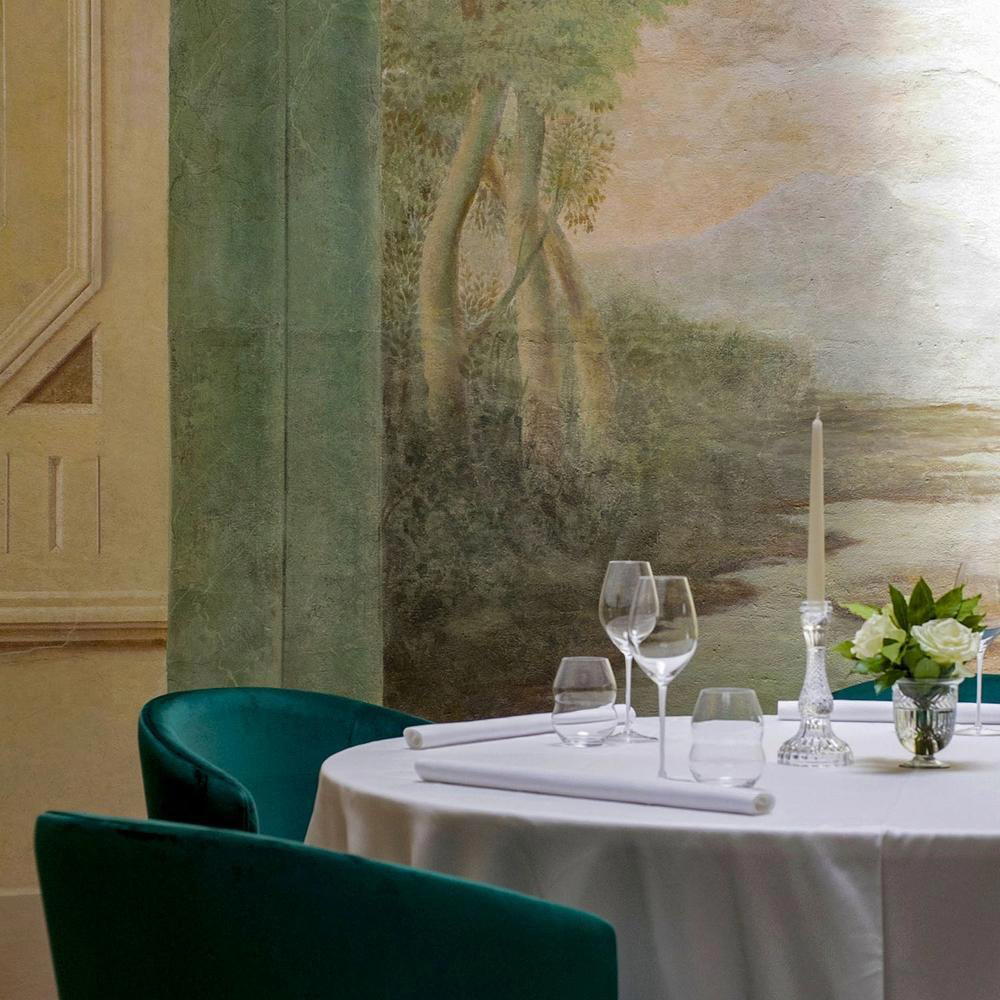
Moustiers-Sainte-Marie, France
A Michelin-starred Provençal table in the Gorges du Verdon that earns its star through restraint rather than spectacle. Under chef Thomas Chambraud, the kitchen draws from a four-hectare estate garden, turning courgettes, broad beans, and fresh herbs into the backbone of a menu that treats vegetables with the same weight as any protein. One of the most grounded expressions of Mediterranean terroir cooking in the region.

Madulain, Switzerland
A Michelin-starred restaurant in the Engadin village of Madulain, Chesa Stüva Colani frames modern Italian-influenced cooking around hyper-seasonal Alpine ingredients. Chef Paolo Casanova's produce-first approach has earned recognition from both the Michelin Guide and the We're Smart Movement. Chalet-style rooms and an adjacent bistro make it a viable base for exploring the Upper Engadin.
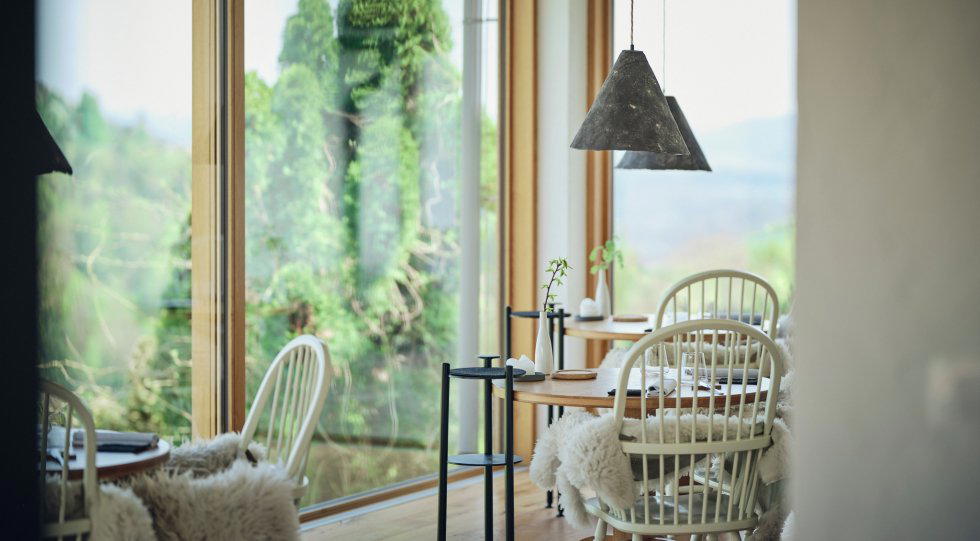
Šentjošt nad Horjulom, Slovenia
Grič transforms Slovenia's farm-to-table movement into high art, where chef Luka Košir's daily-changing tasting menus showcase hyperlocal ingredients from rolling countryside gardens. Set amid panoramic hills in Šentjošt nad Horjulom, this intimate restaurant offers duration-based dining experiences that redefine seasonal Slovenian gastronomy.

Paris, France
Pierre Gagnaire at 6 Rue Balzac has held three Michelin stars for decades and scored 98 points on La Liste 2026, placing it among the most critically recognised creative French restaurants in Paris. The kitchen builds menus around ingredient-driven composition rather than classical structure, with recent programming signalling a serious engagement with vegetable-focused cooking. Booking windows are narrow and demand consistent.

Harderwijk, Netherlands
At Basiliek in Harderwijk, chef Yornie van Dijk channels a refined, Nordic-leaning sensibility through the lens of Dutch terroir, crafting dishes that are as precise as they are poetic. Within a warmly contemporary space—exposed brick, bespoke artwork, and the theatre of an open kitchen—seasonality and locality are elevated to an art form. Expect vivid contrasts and layered nuance: unripe and green strawberries lending tension to dry-aged hamachi, skrei luxuriating in a delicate beurre blanc, or red gurnard brightened by lemon-zest cream and sea buckthorn, anchored by a robust bone jus. Basiliek invites discerning diners to linger over craftsmanship and clarity, where every detail whispers of intention.

Vienna, Austria
Among Vienna's top-tier tasting menu restaurants, TIAN occupies a singular position: a Michelin-starred vegetarian counter on Himmelpfortgasse that competes directly with the city's omnivore fine-dining tier. Recognised by La Liste, Opinionated About Dining, and a 2018 Future Award for Best Veggie Restaurant in the World, it makes the case that plant-based cuisine belongs in the same conversation as any starred kitchen in Austria.

Mendoza, Argentina
Centauro holds consecutive Michelin Plate recognitions (2024 and 2025) and a 4.7 rating across nearly 1,000 Google reviews, which positions it as one of Mendoza's more consistent contemporary addresses. The kitchen focuses on plant-based preparations in a city better known for its parillas and Malbec pairings, offering a counterpoint to the region's dominant meat-forward tradition. Prices sit at the accessible end of Mendoza's dining spectrum.

Genk, Belgium
At Hoefstadestraat 23, Restaurant U centres its menu on vegetables sourced from a nearby CSA pick-your-own farm, prepared with precision at a kitchen-encircling U-shaped table that defines both the room and the name. A vegetarian option accompanies every dish, and fully plant-based meals are available on request. It occupies a distinct position in Genk's dining scene: produce-driven, format-conscious, and closer in spirit to the city's creative mid-tier than to its formal fine-dining addresses.

Pietrasanta Lucca, Italy
Sementis in Pietrasanta is a 100% plant-based restaurant awarded 4 Radishes by We're Smart, the specialist vegetable-focused guide. The kitchen works strictly with seasonal produce, presenting vegetables at their peak rather than building menus around a fixed format. For a town better known for marble sculpture than progressive dining, it represents a clear shift in what the local food scene is capable of producing.

Rotterdam, Netherlands
On a floating pontoon in Rotterdam's working harbour, Putaine holds a Michelin Plate for modern cuisine driven by fresh vegetables and local sourcing. Chef Michael Schook's cooking sits at the intersection of harbour grit and fine-dining precision, with a botanical drinks programme that makes it one of the more interesting plant-forward addresses in the Dutch fine-dining circuit.
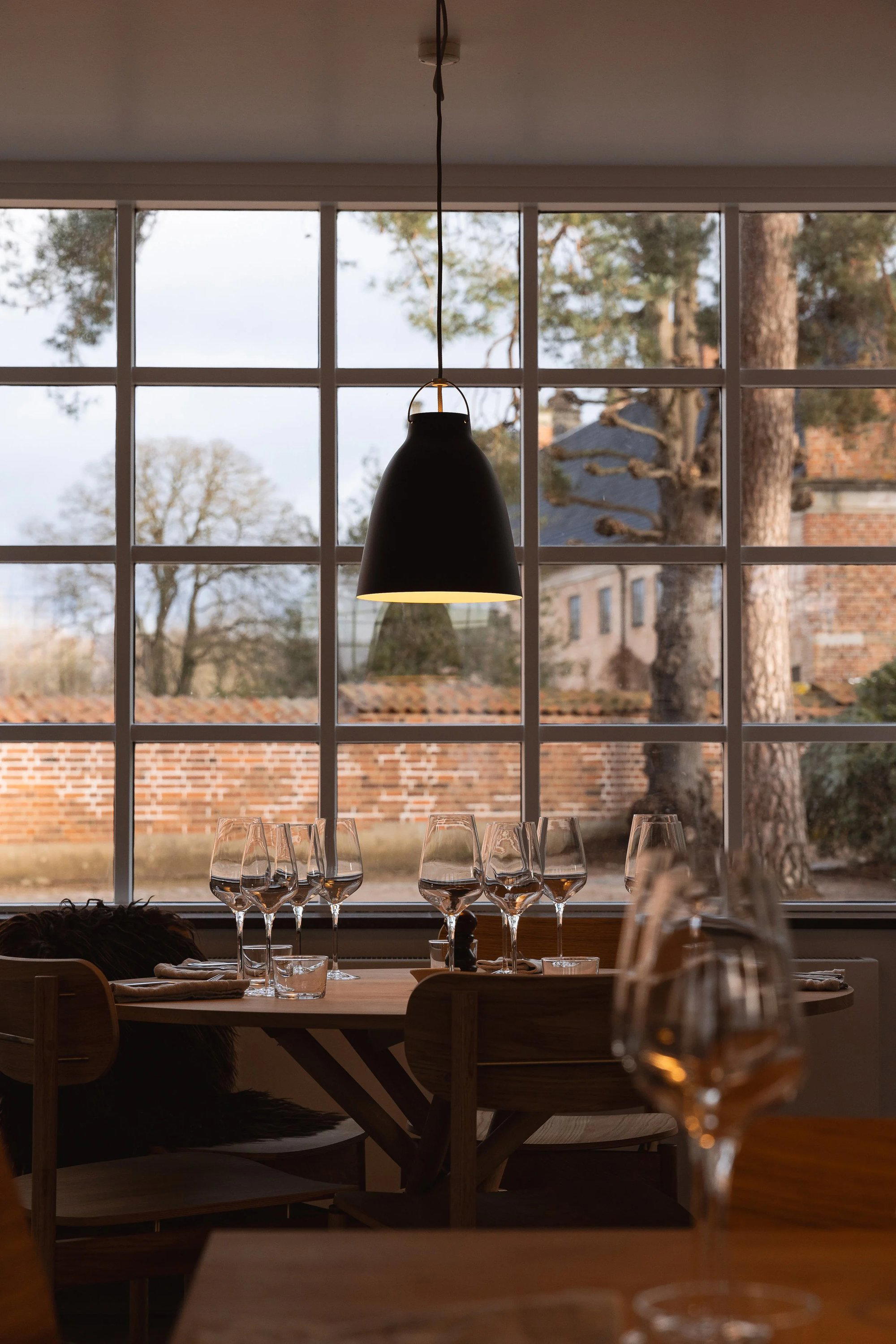
Vejby, Denmark
Rabarbergaarden occupies a quiet address in Vejby with a kitchen philosophy rooted in what the surrounding garden produces. We're Smart has recognised the team's respect for ingredients and connection to the land, noting strong plant-based courses alongside dishes that include meat and fish. It sits in a small tier of Danish destination restaurants where the provenance of produce is the organising principle, not a marketing afterthought.

Oosterend, Netherlands
Nordic-inspired finesse shapes Kook Atelier op Oost in Oosterend, where Wadden Sea seafood and Texel produce meet fermentation, koji, and quiet luxury in a seasonal tasting menu with refined wine pairings.
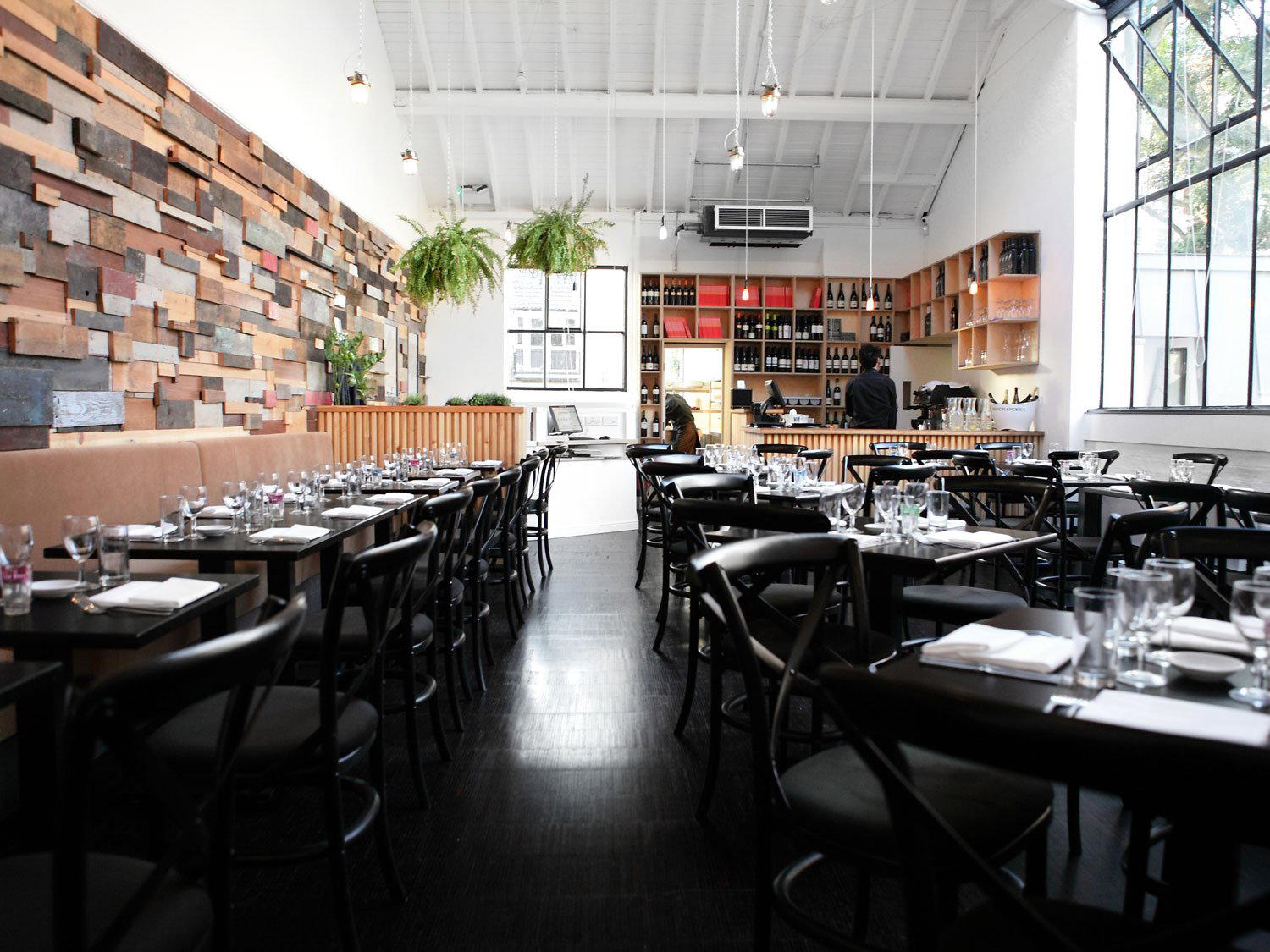
London, United Kingdom
London's vegetarian dining scene has a long memory, and The Gate sits near the start of it. Operating since 1989 across four London addresses, the group applies classical technique to plant-based cooking: vol au vent filled with morels, Caesar salad built on smoked tofu, dishes that read as world-kitchen reference points before they read as substitutes. A different way to eat well in London, rather than a compromise.

Alassio, Italy
Nove holds one Michelin star (2025) and operates within Villa della Pergola, a historic botanical estate above Alassio on the Ligurian Riviera. Chef Antonio Romano, trained under Heinz Beck, builds his creative menu around produce from the property's biodynamic kitchen garden. Dinner service runs six evenings a week, with the terrace offering sea views across the Ligurian coastline. Rated 4.7 on Google across 140 reviews.

Melbourne, Australia
Attica sits in Ripponlea, south of Melbourne's CBD, where Ben Shewry's tasting menu draws on native Australian ingredients — from outback flora to local rivers and farms — in compositions that have placed the restaurant inside the World's 50 Best Restaurants list every year from 2013 to 2018. La Liste awarded 96 points in 2025 and 95 in 2026. The format is formal, the commitment to indigenous produce is foundational, and bookings require significant lead time.

Middelburg, Netherlands
Vert occupies a focused position in Middelburg's dining scene, where Chef Richard Rademaker builds a sharing-style menu entirely around vegetables. The kitchen draws on seasonal supply from local producers and pushes plant-based technique to the point where texture and flavour regularly read as something other than purely vegetable. For a provincial Zeeland city, it represents a serious commitment to a format more common in Amsterdam or Rotterdam.

Vitznau, Switzerland
Sens at Hotel Vitznauerhof sits on the edge of Lake Lucerne in the small village of Vitznau, where Chef Jeroen Achtien runs a kitchen anchored in regional produce — lake fish, mountain meat, and an expanding vegetable programme that can shift to fully plant-based on request. The approach is creative and ingredient-led, placing Sens in a distinct tier among the lakeside dining options in this concentrated stretch of Swiss Central Switzerland.
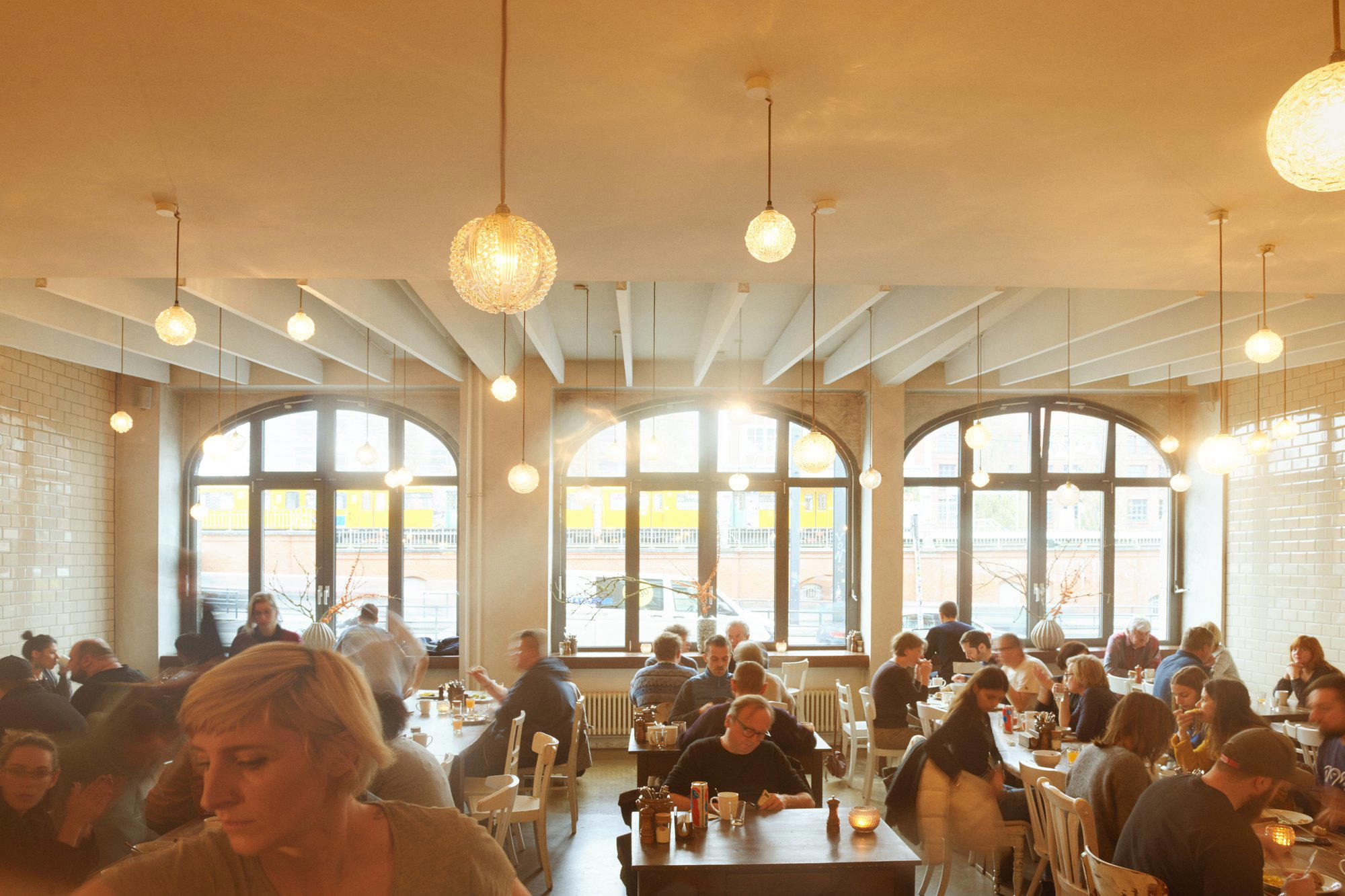
Berlin, Germany
Inside the Michelberger Hotel on Warschauer Straße, a short walk from the East Side Gallery, this plant-based restaurant has built a following on the strength of Chef Alan Micks's cooking: direct, seasonal, and occasionally surprising. The terrace draws a crowd in warmer months, and reservations book up quickly enough that forward planning is advisable.
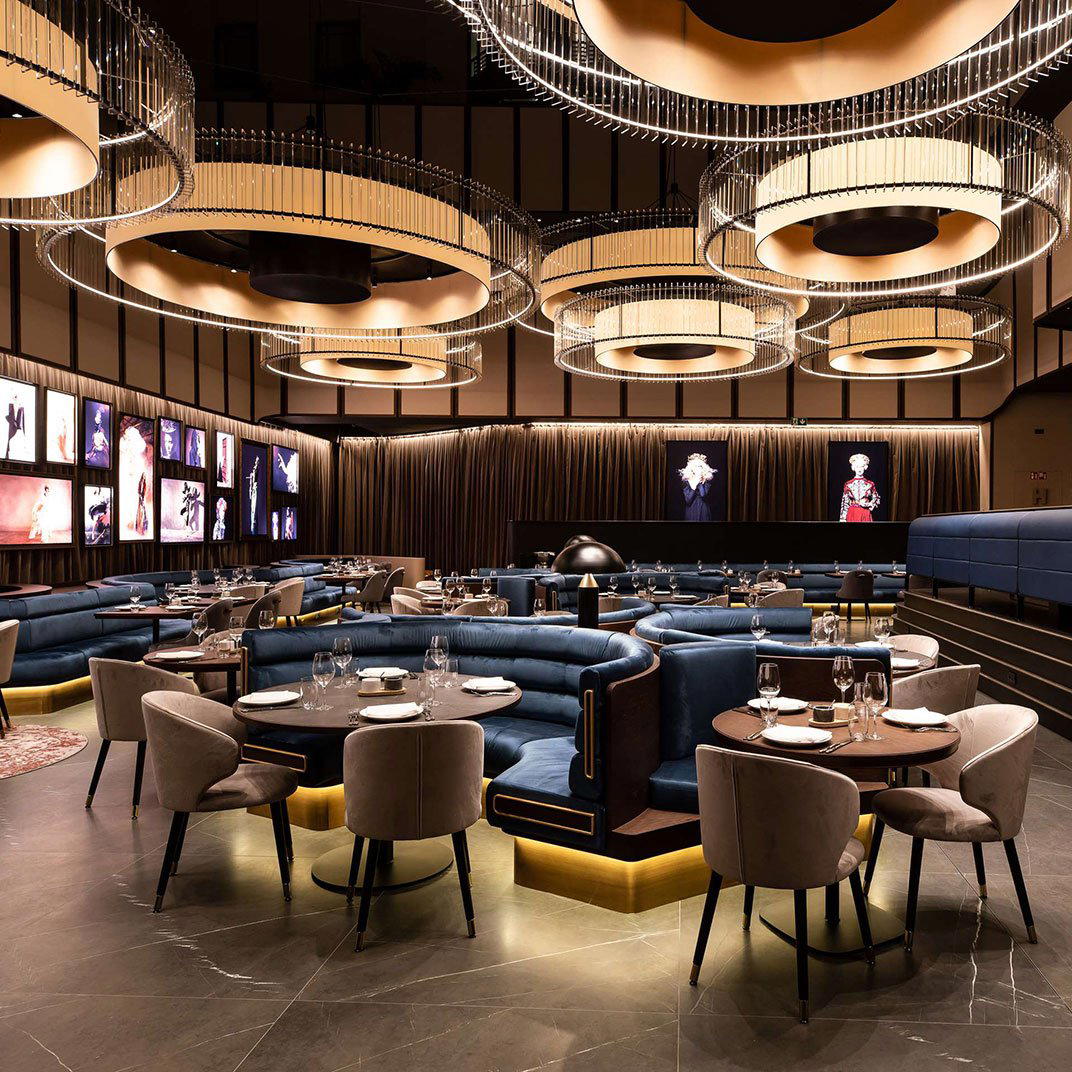
Brussels, Belgium
Kline operates at the sharper end of Brussels' plant-forward dining movement, working exclusively with ingredients from the Brussels region and running a kitchen where food waste is structurally off the table. A Michelin Bib Gourmand holder in both 2024 and 2025, it sits in the €€ bracket — serious cooking at a price point that makes the commitment to hyperlocal, zero-waste cuisine all the more striking.

Istanbul, Turkey
Neolokal elevates traditional Anatolian cuisine to Michelin-starred heights within Istanbul's historic SALT Galata, where Chef Maksut Aşkar transforms forgotten Ottoman recipes into contemporary masterpieces. This sustainability-focused restaurant offers breathtaking Golden Horn views alongside innovative tasting menus that preserve Turkey's culinary heritage through modern techniques.

Montpellier, France
Reflet d'Obione holds a Michelin star and a clear position in Montpellier's plant-forward fine dining scene, where locally sourced produce from the Cévennes to the Camargue anchors a monthly-changing menu. Chef Laurent Cherchi's commitment to vegetable-led cooking extends to a fully vegan menu option — a rarity in French starred kitchens — while custom-made tableware and décor by local artisans complete the picture of a kitchen and room working from the same set of values.

Copenhagen, Denmark
A wine-focused bar-restaurant on the edge of Kongens Have, Garden occupies a position Copenhagen does well: serious bottles in a setting that doesn't take itself too seriously. The wine list skews toward connoisseur territory, the terrace catches the park light, and the kitchen leans into vegetables with a format that sits somewhere between neighbourhood pub and specialist wine bar.

London, United Kingdom
A Michelin-starred collaboration between Philip Howard and Rebecca Mascarenhas in Chelsea, Elystan Street operates at the meeting point of Modern British and Modern French cooking: seasonal, Mediterranean-inflected, and built around balance rather than theatre. The wine list runs to around twenty selections by the glass from a European-heavy cellar, with lunch offering the most accessible entry at this price tier for the postcode.

Antwerp, Belgium
Planttrekkerij on Sint-Laureisstraat is Antwerp's entirely plant-based address run by a three-person team with a focus on approachable, ingredient-led cooking. Recognised with a We're Smart 2 Radishes rating for its commitment to plant-forward cuisine, the menu shifts by day of the week, making the website essential reading before any visit. The format is relaxed and the philosophy is sincere.

Porto, Portugal
Em Carne Viva on Avenida da Boavista brings committed plant-based cooking into Porto's broader fine-dining conversation. Chef Vitor Rodrigues roots his approach in Portuguese culinary tradition, aligning every dish with ecological and sustainable sourcing principles. Recognised by We're Smart for the quality and coherence of its vegetable-forward output, it represents a deliberate counter-position to the meat-heavy mainstream of northern Portuguese cuisine.

Merelbeke, Belgium
Amaranth in Merelbeke is Belgium's most committed plant-only fine-dining address, awarded the maximum five radishes by We're Smart — the benchmark rating system for vegetable-forward restaurants — from its opening day. Chef Pieter-Jan Lint brings technical precision to 100% plant-based cooking at a moment when the country's serious dining scene is finally making room for vegetables as the main event.

Utrecht, Netherlands
Restaurant Blauw holds consecutive Michelin Bib Gourmand awards (2024 and 2025) and a 4.5-star Google rating from nearly a thousand reviews, placing it among Utrecht's most consistent mid-range addresses. The kitchen, led by Hendra Subandrio, centres on Indonesian cuisine — vegetables, spices, aromatics, and rice forming the structural backbone — with the rijsttafel format as the clearest expression of its range. Located on Springweg in Utrecht's historic centre, it operates a parallel Amsterdam outpost through shared infrastructure.

Freidorf, Switzerland
Holding two Michelin stars and ranked among Europe's top 230 restaurants by Opinionated About Dining in 2025, Mammertsberg in Freidorf represents the quieter, more considered end of Switzerland's creative dining scene. Chef Silvio Germann works a modern European register with a notable lean toward vegetables, operating Wednesday through Sunday from a village address that rewards the detour from St. Gallen.

Madrid, Spain
Barganzo brings Middle Eastern and Mediterranean produce-led cooking to Madrid's Centro district, where Chef Aviv Mizrachi builds menus around locally sourced, seasonal, and organic vegetables, legumes, and herbs. Recognised by We're Smart for its plant-forward approach, it occupies a distinct position in a city better known for roasted meats and tasting menus. The address on Calle de Colmenares puts it within reach of Chueca and Malasaña.

Porto, Portugal
A Michelin Plate bistro on Rua de Santa Catarina, Apego is where Chef Aurora Goy translates her Franco-Portuguese heritage into two tasting menus built around produce from local growers. The five-course Apego and seven-course Desapego formats draw from both sides of her culinary background, with vegetables as a constant anchor and technique as the bridge between traditions. Google reviewers rate it 4.7 from 391 responses.

Ixelles, Belgium
A Michelin Plate-recognised address on Rue du Châtelain, Odette en Ville occupies a grand citizen house in one of Ixelles' most composed residential squares. The kitchen works a seasonal Modern French register with vegetables at the centre of every plate, positioning it closer to produce-led neighbourhood dining than to formal French classicism. Google reviewers rate it 4.3 across more than 700 responses.
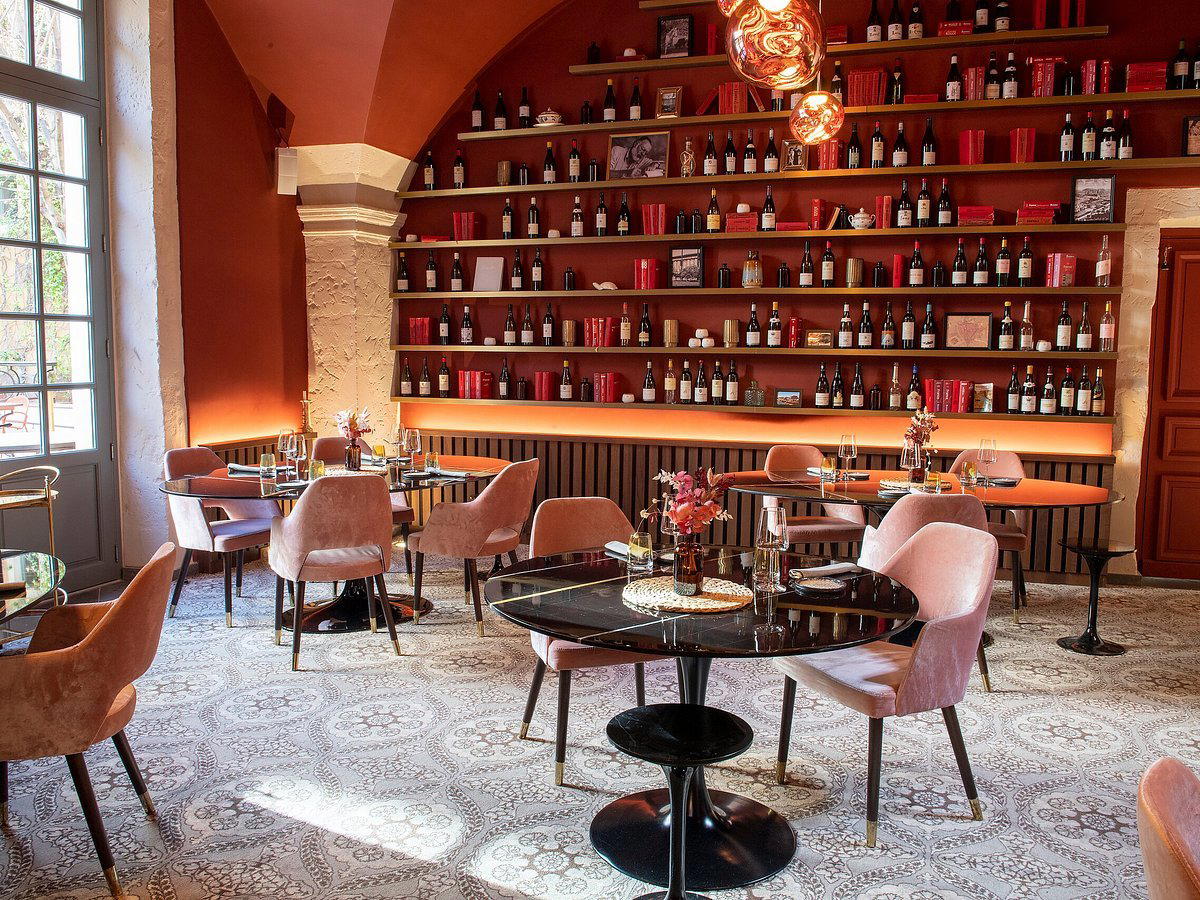
Nîmes, France
Skab holds a Michelin star in Nîmes's most competitive dining tier, positioning itself against peers like Jérôme Nutile with a vegetable-forward modern menu that draws on regional Languedoc ingredients. Located steps from the Arènes on Rue de la République, the restaurant runs tight service windows across lunch and dinner, Tuesday through Saturday, at €€€€ price point.
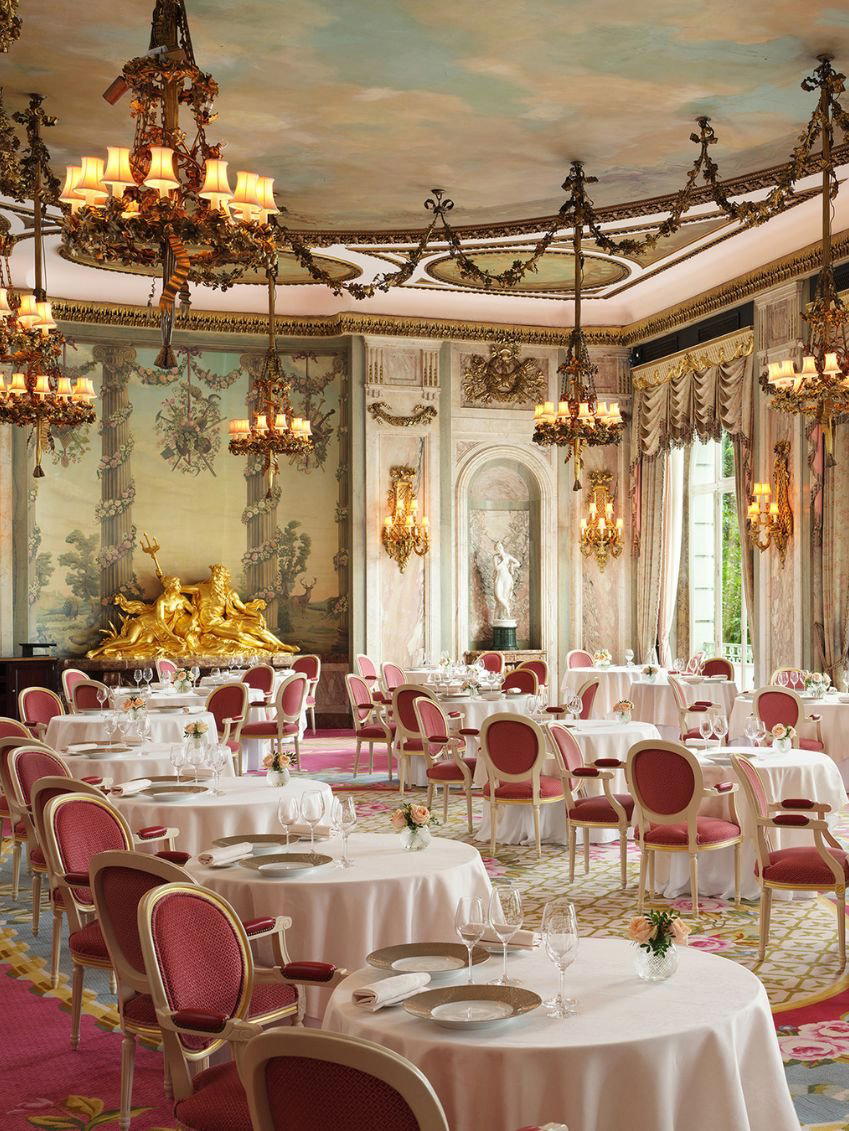
Uccle, Belgium
A two-Michelin-star address in the wooded southern reaches of Brussels, Le Chalet de la Forêt positions Pascal Devalkeneer's French creative cooking within a genuinely pastoral setting. The kitchen draws directly from an on-site vegetable garden, with seasonal produce shaping the menu in real time. Rated 94 points by La Liste 2025 and a member of Les Grandes Tables du Monde, this is one of Belgium's most consistent fine-dining references.

Luxembourg, Luxembourg
A Michelin-starred table inside a converted pharmacy in Steinfort, Apdikt operates on a daily-changing surprise menu driven by market availability. Chef Mathieu Van Wetteren brings precision and restraint to creative combinations, with vegetables occupying a central role rather than an afterthought. Paired drinks, an authentic herringbone parquet setting, and a format built around mystery make this one of Luxembourg's more deliberate dining experiences.

Knokke, Belgium
At Koningslaan 230/A, Cédric occupies a particular position in Knokke's dining scene: a restaurant so woven into the town's social fabric that its regulars treat it less like a reservation and more like a homecoming. Vegetables anchor every course, but the kitchen's allegiance runs coastal — seafood drawn from the North Sea shapes the menu's character and the chef's evident priorities.

Acuto, Italy
Colline Ciociare sits sixty kilometres from Rome in the hill town of Acuto, where Salvatore Tassa has held a Michelin star since 2024 and earned 81 points in La Liste 2025. The tasting menu, offered in five or seven courses, draws on Lazio's agricultural roots while moving through cold extraction techniques and seasonal vegetable-forward cooking that sits outside any single category.

Gent, Belgium
Nonam sits on Sluizekenkaai in Ghent's canal district, holding consecutive Michelin Plates for 2024 and 2025 with a €€€ price point that tracks its modern cuisine peers in the city. Chef Karel van Oyen's kitchen places vegetables at the centre of the plate with an ambition that points toward a fully plant-based format. The 4.4 Google rating across 388 reviews reflects a dining room that earns consistent repeat attention.

Castroverde de Campos, Spain
In the heart of the Castilian Meseta, Lera has built its reputation around game cookery with a rigour that few regional restaurants in Spain can match. The Pichón Bravío de Tierra de Campos pigeon, raised in the family's own dovecotes, anchors menus that move between traditional stews, escabeches, and more contemporary technique. Ranked #302 among Opinionated About Dining's top European restaurants in 2025, it also offers guestrooms for those making the journey worthwhile.

Barcelona, Spain
A mid-range contemporary address in Barcelona where raw preparation is the organizing principle rather than a technique applied to a single dish. La Tartarería holds consecutive Michelin Plate recognition (2024 and 2025) and a Google rating of 4.8 across 834 reviews, with fish and meat forming the core of a menu that treats tartare as a format with genuine creative range.

Grottaferrata, Italy
In the hill town of Grottaferrata, a short drive from Rome's southern edge, Prato di Sopra takes a position that few restaurants in the Castelli Romani dare: a menu built almost entirely around vegetables, drawing on both local peasant tradition and ingredients with roots as far as Southeast Asia and the Middle East. The cooking is balanced and precise, the room decorated in Italian country style with a care that signals intention rather than habit.

Madrid, Spain
Open since 1972 in Madrid's Chamartín district, Sacha Botilleria y Fogon is one of the city's most enduring bistros, carrying Catalan and Galician culinary influences through to the present day under chef Sacha Hormaechea. Ranked in both La Liste and Opinionated About Dining's European casual lists, it occupies a particular tier: serious cooking delivered without ceremony, in a format that has outlasted many louder arrivals.

Lommel, Belgium
A two-Michelin-star address in Lommel, Jan Tournier's Cuchara delivers menus of 12 or 18 courses built around vegetables, fruit, and spice, with La Liste awarding 90 points in 2025. The kitchen sits in Belgium's serious creative-European tier, drawing recognition from both Michelin and Opinionated About Dining. Booking opens on a narrow Wednesday and Friday lunch window alongside evening service.

Guainville, France
The bistro at Domaine de Primard in Guainville holds a 2025 Michelin Plate and a Google rating of 4.5 across nearly 500 reviews. Chef Géraud Dupuis draws on the estate's organic kitchen garden to shape a traditional French menu, with al fresco service in the castle orchard when the season allows. Priced at €€€, it sits within a broader hotel dining offer that also includes Restaurant Les Chemins.

Colmar, France
La Maison Rouge sits in Colmar's mid-tier dining scene as a Michelin Plate-recognised address where Alsatian tradition anchors a menu that consistently surprises. Chef Petit Jean works the region's vegetables, charcuterie, and wine country produce with a deftness that reads younger and more forward-looking than the price point suggests. For winter visits especially, when Alsace's markets and cellar stocks are at full depth, this is where the regional larder gets its most direct expression.

Brussels, Belgium
Ötap occupies a quiet corner of Ixelles at Place Albert Leemans, where the cooking places vegetables, fruit, herbs, flowers, and cereals at the centre of each plate rather than the margins. The format is relaxed and neighbourhood-rooted, with a colourful, produce-driven approach that sits outside Brussels' formal fine-dining tier. It reads as the kind of address locals return to regularly rather than reserve for occasions.

Soheit-Tinlot, Belgium
A Michelin-starred table in the Condroz countryside of Liège province, Le Coq aux Champs positions Christophe Pauly's seasonal, regionally sourced cooking within Belgium's broader creative French tradition. Ranked #249 in Opinionated About Dining's Classical Europe list for 2025, it draws serious diners out of Brussels and Liège for food that is technically sharp, produce-led, and decidedly unhurried.

Tokyo, Japan
A French restaurant in Tokyo's Motoyoyogi neighbourhood, Les Chanterelles draws on Chef Yusuke Nakada's deep affinity for foraged mushrooms to produce classically constructed dishes that sit within the We're Smart® Green Guide orbit. The cooking leans traditional rather than avant-garde, making it a considered choice for occasion dining where technical confidence and familiar French structure matter more than experimentation.

València, Spain
A ten-seat counter in València's Ciutat Vella where Chef Toshiyuki Yoshida fuses Japanese precision with Mediterranean market produce. The menu shifts daily according to what the market offers, earning consecutive Michelin Plate recognition in 2024 and 2025. With a 4.9 Google rating across 336 reviews, Toshi operates in a different register from the city's larger creative restaurants, and books accordingly fast.

Castel di Sangro, Italy
Reale occupies a 16th-century monastery outside Castel di Sangro and holds three Michelin stars, a place in the World's 50 Best (ranked 19th in 2024), and a La Liste score of 97.5 points. Chef Niko Romito's tasting menus pursue radical minimalism, extracting maximum intensity from single ingredients, with a 14-course plant-based format that has drawn international attention to an otherwise overlooked corner of Abruzzo.

Weert, Netherlands
Marrees holds a Michelin star in Weert's modest but serious dining scene, where chef Jan Marrees applies classical training to a menu built around contrast and seasonal produce. The €€€ tasting format includes a dedicated vegetable menu, broad à la carte selection, and set menus with wine pairings. Open Thursday through Saturday for lunch and dinner, Tuesday evenings only.

Saint-Bonnet-le-Froid, France
Three-Michelin-starred Restaurant Marcon transforms wild alpine ingredients into extraordinary cuisine in Saint-Bonnet-le-Froid, where the Marcon family's mastery of terroir-driven gastronomy creates France's most celebrated destination for seasonal, foraged fine dining.

Plettenberg Bay, South Africa
Set on Hunter's Estate along the N2 outside Plettenberg Bay, Zinzi brings a produce-led, continent-spanning menu to the Garden Route. Colourful vegetable salads, slow stews, and a spread of pan-Asian and Afro-Asiatic small plates define the cooking. The format rewards grazing rather than linear ordering, making it a distinctive stop on a stretch of coast better known for seafood grills.

St. Helena, United States
Press Restaurant holds a Michelin star and ranks among Napa Valley's most serious wine destinations, with a cellar of 2,700 selections and 10,000 bottles weighted heavily toward California. Chef Philip Tessier brings fine-dining credentials to a modern American menu that reads as distinctly Napa: produce-forward, technically precise, and calibrated to complement the valley's wines rather than compete with them.

London, United Kingdom
One of London's oldest vegetarian restaurants, Manna has been serving plant-based food in Primrose Hill since the 1960s. The kitchen is fully vegan, drawing on world cuisine traditions from South Asian spicing to British Sunday roast, and the neighbourhood setting on Erskine Road makes it a reliable address for those seeking a considered alternative to the capital's meat-forward dining scene.

Phuket, Thailand
Thailand's first restaurant to earn five radishes from the We're Smart Green Guide, The Smokaccia Laboratory in Phuket's Cherng Thalay district holds consecutive Michelin Plates (2024, 2025) for a format built entirely around plant-forward sourcing and zero-waste discipline. A nine- or 18-course tasting menu frames local Phuket produce through European technique, opening with champagne and closing with flavours that hold.

Ebeltoft, Denmark
On the edge of Ebeltoft's harbour, Molskroen holds two consecutive Michelin Plates (2024 and 2025) for cooking that takes the surrounding landscape of the Mols Bjerge seriously as a sourcing principle. Chef Steffen Villadsen's menu follows the bay and its hinterland closely, with fish at the centre and a plant-based programme that Michelin's own assessors have flagged as a work still in progress.

Newington Green, United Kingdom
On a corner of Green Lanes in Newington Green, Perilla operates as a neighbourhood restaurant that quietly refuses to behave like one. Chef Ben Marks sources with care and cooks the classics at an angle, producing food that is generous and subversive in equal measure. The all-European wine list, transparent pricing with service included, and a tasting menu worth taking are the practical arguments for making the trip north of the City.

Madrid, Spain
Rural occupies a quietly confident position in Madrid's Centro district, channelling premium Spanish land products through Josper grill, Basque parrilla, and Castilian oven. The collaboration between the Estimar group and chef Alberto Pacheco earned a Michelin Plate in both 2024 and 2025. Joselito cured hams, game, and an extensive wine cellar make it a serious address for anyone tracking Spain's best meat-focused cooking.

Milan, Italy
Milan's plant-based fine dining conversation has a clear address in Porta Genova. Linfa operates as a 100% plant-based, eco-oriented kitchen whose critical reception frames it as modern, color-forward, and cross-cultural in its references. It sits in a separate register from the city's classical fine dining tier, making it the relevant choice when the question is what serious Italian plant-based cooking looks like in practice.
Philadelphia, United States
Open since 2011 in a Center City brownstone, Vedge has spent more than a decade making the case that plant-based cooking belongs in the same conversation as any serious American restaurant. The kitchen runs fully vegan, and the seasonal menu draws on international technique to give vegetables the structural weight that other kitchens reserve for protein. Ranked in Opinionated About Dining's North America Casual list each year from 2023 through 2025, it remains a reference point for the category.

Feldberger Seenlandschaft, Germany
A Michelin-starred restaurant operating from a converted schoolhouse in the lakes district of Mecklenburg, Alte Schule - Klassenzimmer places regional vegetables, fish, and game at the centre of a serious tasting menu. Austrian chef Alessandro Frau brings JRE membership credentials and a We're Smart Green Guide commendation to one of Germany's more remote fine dining addresses. The €€€€ price tier reflects the ambition, not the postcode.

Lokeren, Belgium
A Michelin Plate holder since 2024, Restaurant VOS operates from an unlikely address inside a tennis club in Lokeren, where the kitchen takes a vegetable-forward approach to modern French cooking. Dishes like sucrine salad with pickled broccoli and tarragon sauce, or guinea fowl alongside parsnip and savoy cabbage, signal a kitchen that treats produce as the structural argument on the plate. Rated 4.6 from 334 Google reviews, it punches well above its setting.

Lisbon, Portugal
Encanto sits beside José Avillez's Michelin-starred Belcanto on Largo de São Carlos, operating as one of Lisbon's most deliberate vegetarian tasting menus. A 12-course format built around seasonal Portuguese produce, zero-waste principles, and biodynamic wine pairings, it holds 4 Radishes from the Green Michelin guide — strong evidence of where Lisbon's plant-forward fine dining now positions itself.

Chigny-les-Roses, France
In the Champagne village of Chigny-les-Roses, Couvert de Vignes sits at the quieter end of the region's dining scene — a Michelin Plate-recognised address where chef Benjamin Gilles builds modern menus around vegetable-led technique without abandoning classical French structure. At the €€€ price point, it occupies a distinct position: serious cooking in a setting most visitors to the region walk straight past on their way to the grandes maisons.

Antwerp, Belgium
A Michelin Plate-recognised bistro on Antwerp's Eilandje waterfront, Bistrot L'îlot runs a shareable, farm-to-table menu built around vegetable-forward plates and homemade technique. Its adjacent delicatessen on Londenstraat extends the concept beyond the dining room, making it one of the neighbourhood's more practical daily addresses in the mid-range bracket.

Arles, France
A Michelin Bib Gourmand holder in consecutive years (2024 and 2025), Le Gibolin has occupied the same address in Arles' Porcelets neighbourhood for a decade, building a reputation around organic and natural wines from southern France and a kitchen that keeps fresh vegetables at the centre of every plate. Chef Franck Quinton's bistro trades heavily in the produce of the season, rated 4.6 across 365 Google reviews.
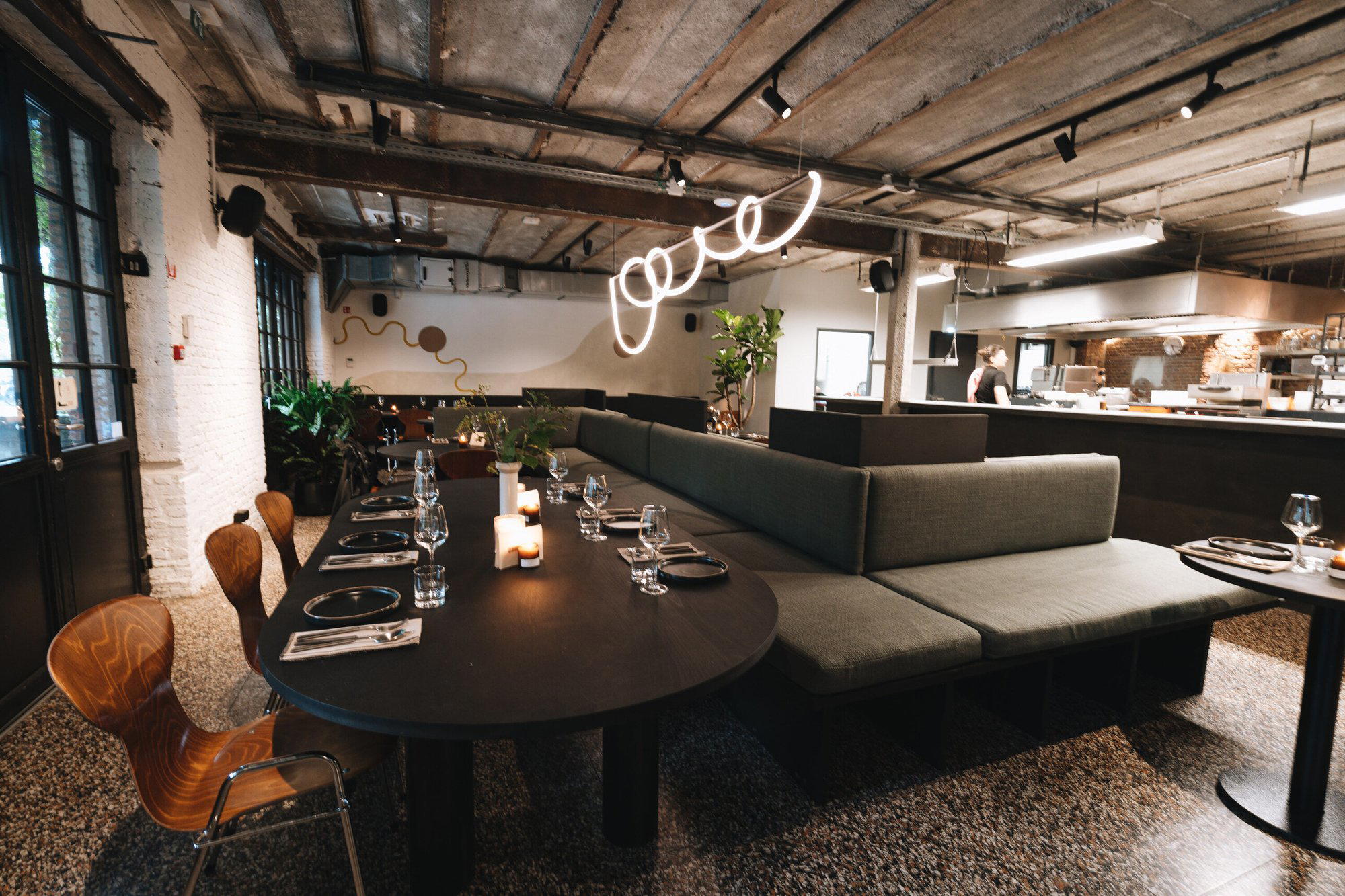
Antwerp, Belgium
Camionette operates out of Antwerp's PAKT complex on Hospitaalplein, where rooftop gardens supply ingredients directly to the kitchen. Run by Camille Dubois and Boqion De Pooter, the project commits fully to plant-based cuisine without the hedging typical of mixed menus. It occupies a distinct position in a city whose fine-dining tradition has long been built around Flemish meat and seafood.
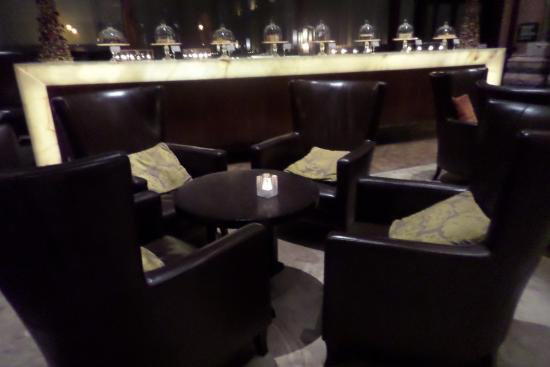
Bedale, United Kingdom
Inside a sixteenth-century stone building on Bedale's cobbled North End, Hansom runs a tasting menu built around named Yorkshire produce: Swaledale lamb, forced rhubarb, and a distinctive plant-forward menu recognised by both Michelin (Plate, 2024 and 2025) and the We're Smart Green Guide. Chef-Owner Ruth Hansom's local roots show in the sourcing, and a Google score of 4.9 across 63 reviews reflects reliable execution in a market-town setting.

Xàbia, Spain
BonAmb holds two Michelin stars and a 95-point La Liste ranking, placing it among Spain's most decorated regional restaurants. Set in a restored country house outside Xàbia, Alberto Ferruz builds his seasonal tasting menus around Mediterranean fish, seafood, and produce from the Marina Alta. The kitchen operates Wednesday through Sunday, with both lunch and dinner service available.
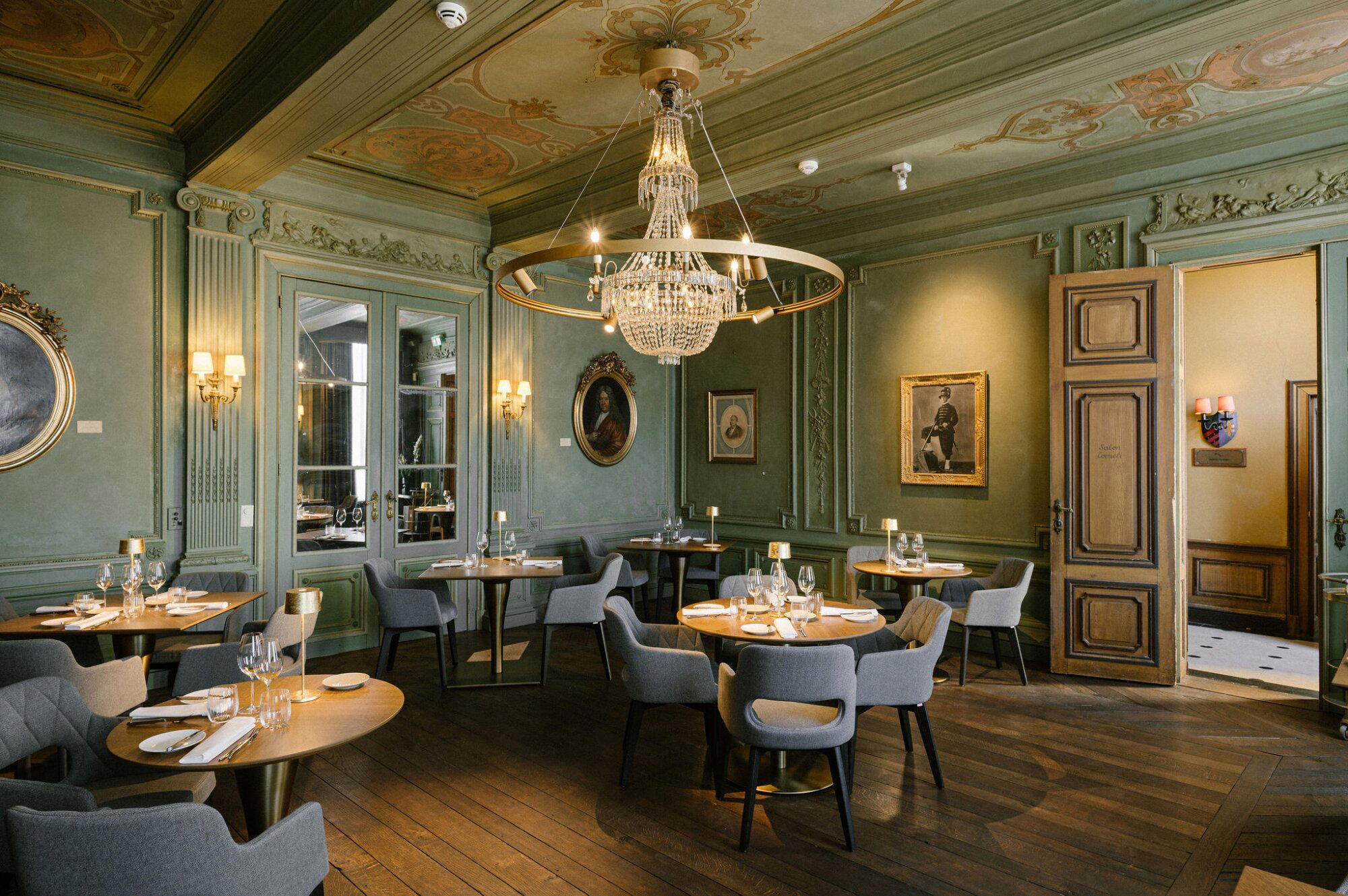
Valkenburg, Netherlands
Set within the grounds of Kasteel Schaloen near Valkenburg, Les Salons holds a Michelin Plate for two consecutive years and draws its kitchen identity from the estate's own vegetable gardens, orchards, and wild harvests. The cooking sits within a French classical frame while shifting steadily toward plant-forward expression, tracked by the We're Smart Green Guide for its sourcing depth. At the €€€€ tier, it occupies the same price bracket as southern Limburg's most serious tables.

Savièse, Switzerland
A Michelin-starred address in the Valais hills, Gilles Varone operates on a strict 100% Swiss sourcing policy that gives the menu its clearest identity. The room, warm-toned and anchored by picture windows overlooking the valley, pairs well with cooking that earned 88 points on La Liste 2026. Expect modern cuisine shaped by London-trained technique and a strong pull toward plant-forward thinking.
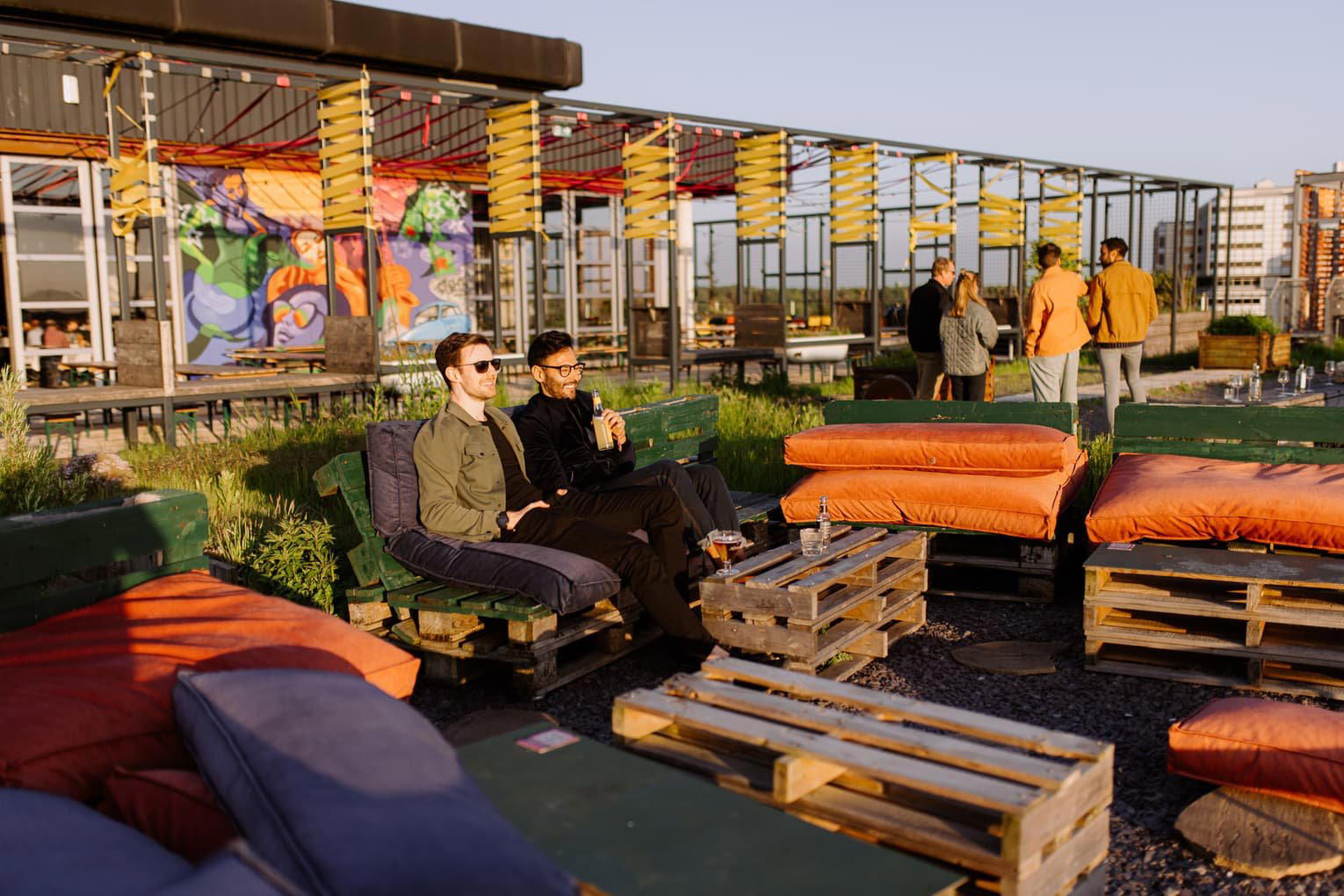
Amsterdam, Netherlands
On the fifth floor of B.Amsterdam, a converted office block in Nieuw West, Bureau is a rooftop restaurant and bar where the menu treats vegetables as the main event rather than an afterthought. Dishes like pumpkin rotolo with Jerusalem artichoke and vacherin du mont d'or signal a kitchen with clear technical intent. The setting, above a working start-up campus, gives it a character that the city centre rarely matches.

Reykjavík, Iceland
Iceland's only Michelin-starred restaurant, DILL on Laugavegur 59 holds a single star (2024–2025) and a La Liste score of 77 points for 2026. Chef Gunnar Karl Gíslasson builds tasting menus around foraged and farmed Icelandic ingredients, with décor — dried plants gathered by the kitchen team — that extends that foraging logic into the room itself. No standard menu is available; vegetarians should notify on booking.

Munich, Germany
Atelier occupies a quietly commanding position in Munich's top-tier fine dining scene, holding two Michelin stars and 87 points on the 2026 La Liste rankings from its address inside the storied Bayerischer Hof hotel. Chef Jan Hartwig's creative French menu balances technical precision with intense, layered flavour combinations. Tuesday through Saturday evenings only, with a format built for extended, course-driven dining.

Ménerbes, France
Set among 23 hectares of Provençal vineyard outside Ménerbes, La Bastide de Marie earns its reputation through what it puts on the plate: cold smoked tomato soup, Vaucluse truffle risotto, Cavaillon melon, and homemade clafoutis built almost entirely from the surrounding land. The kitchen reads like a seasonal inventory of the Luberon, and the setting matches the discipline of the sourcing.
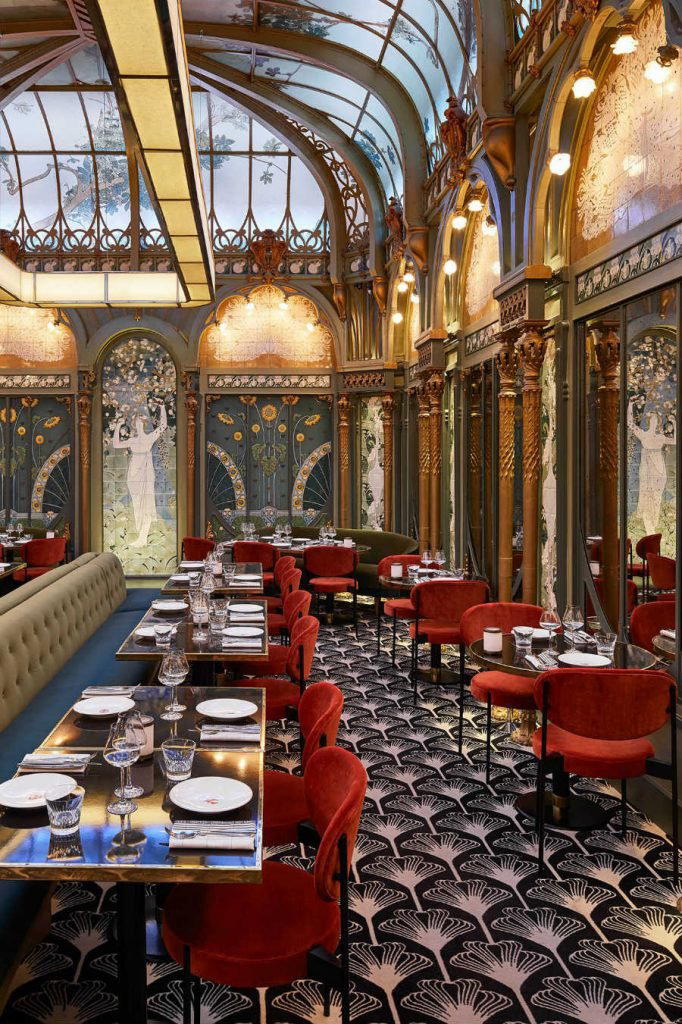
Paris, France
On a quiet stretch of Rue du Cardinal Lemoine in the 5th arrondissement, AT holds a Michelin star and a place in the Opinionated About Dining Top 100 in Europe for 2025. Chef Atsushi Tanaka draws on training under Pierre Gagnaire, Quique Dacosta, and Esben Holmboe Bang to produce a menu that moves between French technique, Nordic restraint, and Japanese precision — a distinctive position in Paris's creative dining tier.

Heffen, Belgium
Meteor in Heffen holds a Michelin Plate for 2024 and 2025, with chef Maarten van Essche building his menu around a working vegetable garden that shifts the kitchen's priorities with the seasons. The €€ price point places it well below Belgium's top creative tables, making it one of the more accessible organic-focused addresses in the Mechelen region. Guests are advised to flag a preference for vegetables when booking.

Gordes, France
In the hilltop village of Gordes, Clover Gordes brings the produce-led logic of Provence to a setting where the view is as much a part of the meal as what arrives on the plate. The cooking is colourful, vegetable-forward, and rooted in what the Luberon grows well. For a region that can lean toward formality, this is a place that reads as ease without apology.

Rome, Italy
Set on a 174-hectare organic estate in northern Rome, I Casali del Pino occupies a different register from the city's Michelin-chasing dining circuit. The kitchen draws almost entirely from what the land and its flock of over a thousand sheep produce, with plant-forward dishes served inside converted farm buildings that balance industrial glasswork against reclaimed materials. It is a credible alternative for anyone whose Rome itinerary extends beyond the centro storico.

Amsterdam, Netherlands
Perched along Amsterdam’s storied canals, Bridges celebrates the sea with a poised, contemporary hand. Fish takes center stage, framed by polished sauces and refined nods to Asia that illuminate pristine ingredients rather than overshadow them. Floor-to-ceiling windows bathe the sleek dining room in soft light, setting the tone for an experience defined by clarity of flavor, thoughtful progression, and quiet luxury. From briny, salt-kissed delicacies to expertly sauced compositions that balance umami, citrus, and herbaceous lift, each plate speaks of restraint, confidence, and impeccable sourcing. Service moves with gentle precision, guiding guests through curated wines and pairings that underscore the cuisine’s lucid textures and maritime aromatics.

Rome, Italy
On Via Salaria in Rome's Parioli district, Vrindaa occupies a niche that few Italian cities have developed with any seriousness: a fully vegan restaurant with Indian-inspired design and a menu built around organic, sustainably sourced ingredients. The kitchen addresses both committed vegans and curious first-timers through creative, plant-based dishes in a calm, modern setting.

Seoul, South Korea
Gigas holds a Michelin star and a We're Smart 3-Radish rating, making it one of the few Mediterranean-focused restaurants in Seoul operating at this level. The kitchen draws almost exclusively from an organic family farm, with vegetables as the structural core of every plate. Priced at ₩₩₩, it sits a tier below Seoul's most expensive tasting counters while delivering a format that rewards repeat visits.

Amsterdam, Netherlands
On the post-industrial northern bank of Amsterdam's IJ waterfront, Helling 7 occupies a former shipyard building at Tt. Melissaweg 57 with a view that few dining rooms in the city can match. Chefs Carl Gast, Dirk Mooren, and Steve Kost run a kitchen where vegetables hold as much weight as protein, earning recognition from the We're Smart community for their plant-forward approach.

Valencia, Spain
Inside Valencia's Mercado de Colón, Ma Khin Café draws a direct line between Levantine cooking and Burmese heritage, producing a fusion kitchen where vegetables carry the same weight as any protein. The menu reads as a family story as much as a restaurant concept, with the Anderson family's Burmese roots shaping every plate. It is one of the more distinct premises in the Ensanche dining circuit.

Amsterdam, Netherlands
On the former Dutch Navy premises along Kattenburgerstraat, Scheepskameel occupies a high-ceilinged heritage building where an open kitchen sends out BBQ vegetables, raw fish, and classic roasts to a room that feels as much civic hall as restaurant. A Michelin Bib Gourmand holder in both 2024 and 2025, it sits in Amsterdam's mid-tier casual bracket and ranks #709 on Opinionated About Dining Europe — a credible position for a kitchen with clear, produce-led priorities.

Rome RM, Italy
Balagan occupies a different lane from Rome's trattorias and white-tablecloth establishments, operating as a hip, plant-forward project in the northern reaches of the city. Recognised by the We're Smart Movement for its pure plant dishes, it sits at an interesting crossroads: not a fully committed vegetable restaurant, but a place signalling where Roman dining may be heading.

Helsinki, Finland
Grön operates from Albertinkatu in Helsinki's Punavuori district, running two tasting menus built entirely on seasonal, organic, and wild ingredients. Chef Toni Kostian holds a Michelin star and consistent Opinionated About Dining recognition, placing the restaurant among Helsinki's most serious creative kitchens. The wine program carries a Star Wine List White Star designation, reinforcing a dining format where the cellar matches the kitchen's ambition.

Luxembourg, Luxembourg
Fani holds a Michelin star and a four-radish rating from We're Smart for its vegetable-forward Italian cooking, set in Roeser south of Luxembourg City. Chef Roberto Fani's plant-based menu sits at the top of Luxembourg's vegetable dining tier, backed by an Italian wine list that draws returning guests as reliably as the cooking itself. Reservations are strongly advised.

Cusco, Peru
A 100% plant-based restaurant on Carmen Bajo that has drawn attention well beyond Cusco's vegetarian circuit. Green Point operates at the quieter end of the city's dining scene but delivers across every course, from soups to mains, with a consistency that has earned it recognition among Peru's more serious food commentary. For a city better known for its Andean meat traditions, that achievement carries real weight.

Liernu, Belgium
L'Air du Temps holds two Michelin stars and an 88.5-point La Liste ranking, operating from a rural property in Liernu where a multi-acre kitchen garden supplies the bulk of what arrives on the plate. Chef Sang-Hoon Degeimbre works within a French-Asian creative register that treats vegetables as the structural core of the menu, with fish and meat serving as secondary elements. Dinner runs Tuesday through Saturday, evenings only.
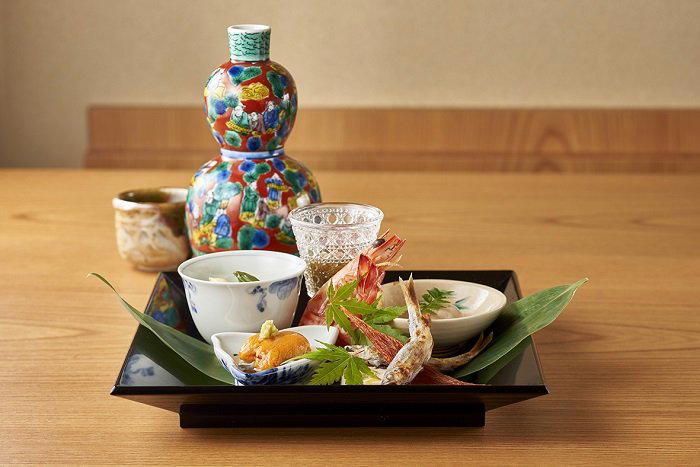
Osaka, Japan
Among Osaka's mid-tier kaiseki counters, Terada in Tennoji Ward operates at the point where seasonal Japanese tradition and personal craft intersect. Chef Shigeru Terada holds a 2024 Michelin star and builds each hassun around festival calendars and locally sourced produce from his family's farm in Mie Prefecture. The result is a tightly edited omakase that reads as genuine rather than ceremonial.

Pittsburgh, United States
Apteka on Penn Avenue brings Eastern European-inflected plant cooking to Pittsburgh's Bloomfield neighbourhood, earning recognition from We're Smart for its disciplined, ingredient-led approach. This is not refined tasting-menu territory, but the cooking takes vegetables seriously as the main event rather than the accompaniment. For Pittsburgh diners looking beyond the city's meat-forward reputation, it occupies a distinct position.

Calp, Spain
Audrey's holds a Michelin star in one of the Costa Blanca's most tourist-heavy towns, which is itself a kind of provocation. Chef Rafa Soler runs three tasting menus rooted in Valencian produce — including a fully plant-based option that earned recognition from We're Smart — and sources ingredients from thousand-year-old olive trees and family bread ovens. This is serious creative cooking in an unlikely postcode.
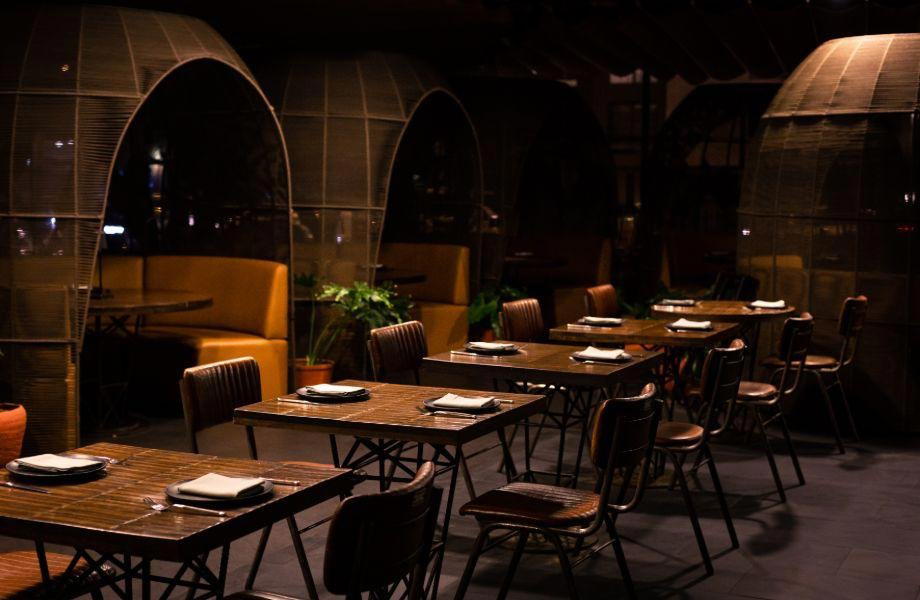
Lima, Peru
At Sapiens in San Isidro, open fire and vegetable-forward cooking form the structural logic of the menu, with grilled produce sitting alongside house-cured charcuterie including alpaca salami and duck prosciutto. Chef Jaime Pesaque frames the kitchen around Peruvian roots, using live-fire technique to draw out depth in ingredients that tasting-menu formats often treat as supporting acts.

London, United Kingdom
Opened in 2016 as England's first vegan pizzeria, Purezza operates from Camden and Brighton with a production model built around 48-hour sourdough fermentation and housemade cashew and mozzarella-style cheeses. The menu spans Margherita classics through inventive topped combinations, with permanent gluten-free and raw food options and a standing policy of free meals for children under ten.

Punta Hermosa, Peru
Navegante sits on the Peruvian coast south of Lima in Punta Hermosa, where chef Diego Muñoz has built a restaurant around the produce and ecosystems of his home country. Recognized by We're Smart for its plant-forward approach and commitment to local ingredients, it represents a quieter, more grounded counterpoint to Lima's high-profile fine dining circuit — serious cooking at a remove from the capital's noise.

Stellenbosch, South Africa
Set on a historic wine estate along Annandale Road, Rust en Vrede operates at the upper tier of Stellenbosch dining, pairing estate wines of serious pedigree with a kitchen that draws comparisons to European fine dining. The focus runs toward meat and fish, executed with technical precision, while the service culture matches the ambition of the cellar. It occupies a rare position where the wine program and the restaurant carry equal weight.

Almería, Spain
A Michelin Plate holder on Calle Méndez, Ginés Peregrín brings contemporary Mediterranean cooking to Almería with influences drawn from Japan, Mexico, Peru, and the Netherlands. The 5- or 7-course tasting menus, including the plant-forward Verde menu, sit alongside an à la carte that spotlights local produce such as red gambas from the Almería coast. Google reviewers rate it 4.7 from 275 reviews, placing it among the most consistent contemporary tables in the province.

Tokyo, Japan
BEIGE Alain Ducasse occupies the tenth floor of the Chanel Ginza Building, holding one Michelin star and an 83-point La Liste score for 2026. Chef Kei Kojima frames classic French technique around seasonal vegetables sourced from Kamakura's farmers market, producing a lighter register than most Ginza fine-dining rooms. Tuesday through Sunday, with lunch and dinner seatings.

Dolegna del Collio, Italy
In the hills above Dolegna del Collio, where Friuli meets Slovenia, L'Argine a Vencò operates from a restored mill surrounded by its own kitchen garden. Chef Antonia Klugmann holds a Michelin star and ranks #113 in Opinionated About Dining's Europe list for 2025. The cooking draws directly from the borderland terroir, with aromatic herbs from the garden appearing across a menu that sits at the intersection of precision and place.

Tudela, Spain
On Tudela's Plaza de los Fueros, Topero has drawn the attention of the We're Smart vegetable intelligence network for its straightforward treatment of Navarra's celebrated garden produce. Chef José Aguado works with seasonal vegetables in their most direct form, and the kitchen offers a dedicated plant-focused menu for those who flag it at booking. A grounded, produce-led address in one of Spain's most serious vegetable regions.

Geraardsbergen, Belgium
Zicht in Geraardsbergen holds consecutive Michelin Plates (2024 and 2025) and a 4.8 Google rating across 116 reviews, placing it firmly among the East Flemish restaurants worth crossing a province for. Chef Kwinten Boelen's modern cuisine gives vegetables serious plate real estate, with dishes built for clarity and recognition rather than theatrical complexity. The €€ price range makes the cooking accessible by any Belgian fine-dining measure.

Phuket, Thailand
PRU holds a Michelin star and ranks #144 among Asia's top restaurants (2025, Opinionated About Dining), operating from a solar-panelled dining room on Phuket's north shore. Chef Jimmy Ophorst's menu is built around a 15,000 m² farm on the property, with seasonal produce, fermented preserves, and local seafood structured into a Kappo-style counter format with open-kitchen views over the ocean.

Paris, France
Septime has held a place in the World's 50 Best Restaurants every year since 2013, peaking at number 11 in 2024, while maintaining a single Michelin star and lunch pricing that undercuts nearly every restaurant at comparable recognition. Bertrand Grébaut's seasonal, vegetable-forward menus on Rue de Charonne defined the 11th arrondissement's neo-bistro template before the term became a Paris cliché.

Tienen, Belgium
Melchior holds a Michelin star in Tienen, Belgium, with chef Gilles Melchior applying classical French technique to regional produce. The kitchen sits within the Jong Keukengeweld generation of Belgian fine dining, with dishes ranging from Zeeland clams and Merus crab to sweetbreads with Comté. Priced at the €€€€ tier and recognised by Star Wine List, it represents the most ambitious table in this mid-Brabant market town.

Schelle, Belgium
De Moestuin in Schelle operates at the junction of kitchen and kitchen garden, with the Van den Wyngaert brothers dividing responsibilities between the stove and micro-agriculture. Recognised by We're Smart for its plant-forward approach, the restaurant builds its menus from what the land produces, making meat and fish optional rather than default. It sits within a growing tier of Belgian restaurants treating vegetable sourcing as a structural commitment, not a trend.

Paris, France
A Michelin-starred address in the Latin Quarter where French-Japanese technique shapes a multi-course progression built on French produce and Japanese culinary logic. Ranked 207th in Europe by Opinionated About Dining in 2025, Sola sits at the more intimate end of Paris's creative dining tier, with a contemporary interior that reflects the precision of its kitchen.

Amsterdam, Netherlands
Set on a former offshore broadcasting platform on the IJ waterway, REM Restaurant brings an unusual address to Amsterdam's plant-forward dining conversation. The kitchen runs a Vegetarian Chef menu that signals genuine ambition, earning a White Star recognition from Star Wine List in May 2025. The cooking shows originality and the location alone rewards the journey, with room to develop further as the program matures.

Maiori, Italy
Perched on the fifth floor of the Due Torri hotel in Maiori, Oltremare holds a Michelin Plate for creative contemporary cooking rooted in Campanian ingredients. Chef Alfonso Crisci works with regional produce in technically ambitious ways — tomato water distilled through an alembic still being a signature example. The five-course plant-based menu 'Tartaglia' is the format most associated with the kitchen's range.

Marche-en-Famenne, Belgium
La Gloriette sits on the Route de Bastogne at the edge of Marche-en-Famenne, combining a hotel-restaurant with a working kitchen garden and a Modern French menu that holds both a Michelin Plate (2025) and recognition from the Jeunes Restaurateurs of Belgium. Chef Olivier Bauche's commitment to ecological practice shapes the kitchen's direction, with garden vegetables woven through a €€-priced menu that rewards visitors making the drive into the Ardennes.
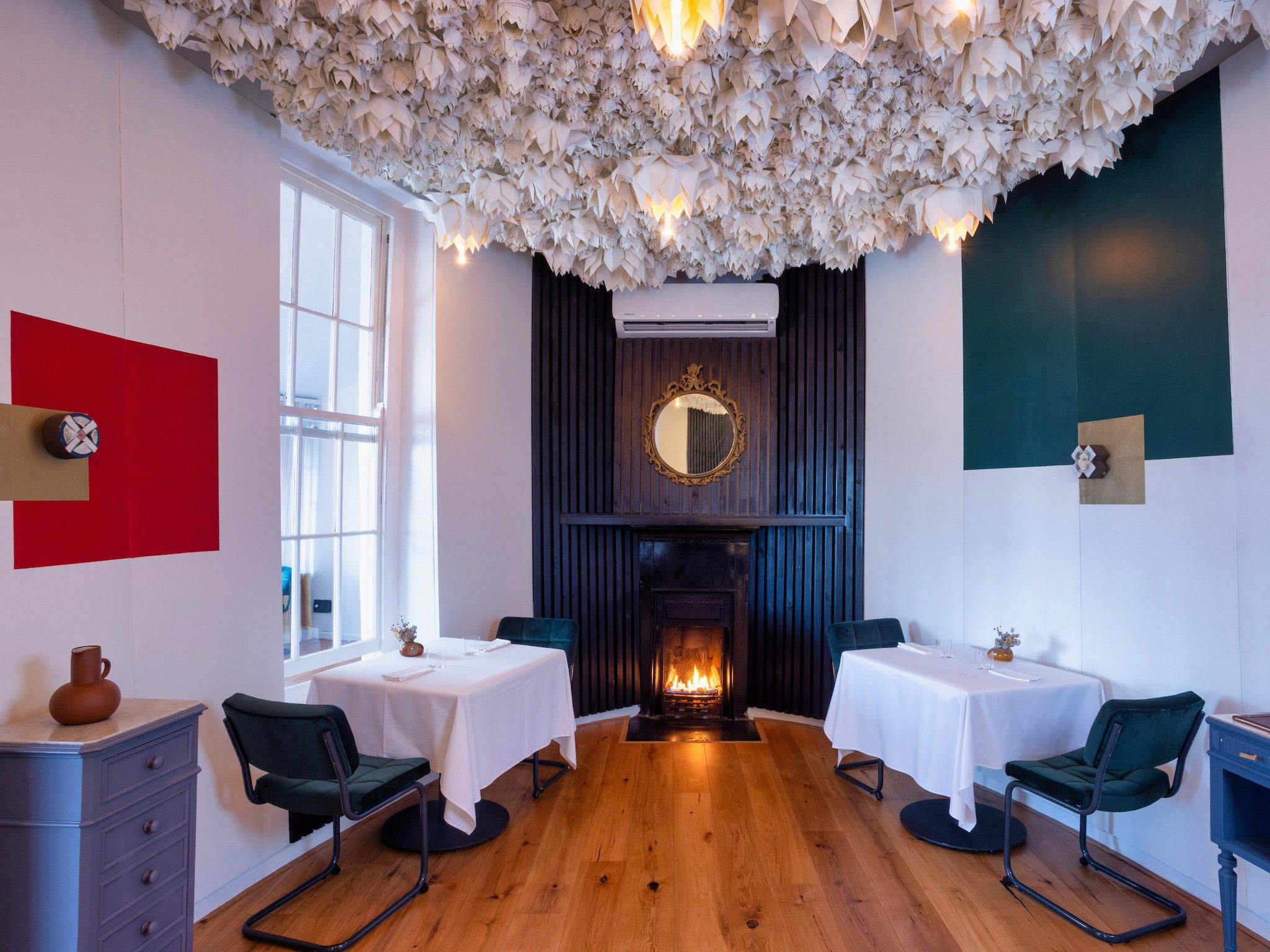
Cape Town, South Africa
Salsify at the Roundhouse occupies a historic building in Camps Bay, where chef Ryan Cole's contemporary South African cooking draws on local produce with a clear vegetable-forward instinct. The setting frames the food: a nineteenth-century structure that gives the kitchen's precise, minimalist plates something substantial to work against. Google reviewers rate it 4.5 across more than 500 submissions.
València, Spain
A Michelin Plate-recognised address in València's Ciutat Vella, Xanglot sits at the accessible end of the city's modern cuisine tier — €€ pricing, a Google score of 4.6 across more than 500 reviews, and a kitchen led by chef Sandra Jorge, whose cooking draws consistent Michelin attention for its character and control. The restaurant occupies a compact space on Carrer de l'Almirall in the historic centre, making it a practical entry point into Valencia's wider creative dining conversation.

Heverlee, Belgium
Couvert Couvert holds a Michelin star and an Opinionated About Dining top-300 Europe ranking, placing it firmly within Belgium's serious dining tier. Led by brothers Laurent and Vincent Follmer, both trained pastry chefs, the kitchen pairs North Sea seafood with precise vegetable work in a modern French-creative register. Lunch and dinner service runs Tuesday through Saturday at Sint-Jansbergsesteenweg 171 in Heverlee, at a €€€€ price point.

València, Spain
A Michelin Bib Gourmand restaurant in Ciutat Vella, Forastera operates in the smaller, more personal tier of València's contemporary dining scene. Chef Txisku Nuévalos builds daily menus around seasonal vegetables and small-scale producers, with surprise tasting formats that shift with market availability. Google reviewers rate it 4.5 from 435 reviews, and fellow chefs are reportedly among its regulars.

Catania, Italy
Historic ceilings, minimalist elegance, and Manuel Tropea’s deeply Sicilian tasting menus define Concezione Restaurant in Catania—where memory, market, and precision create the city’s most compelling fine dining experience.

Singapore, Singapore
Odette occupies a gallery-facing address inside the National Gallery Singapore, where Julien Royer's French Contemporary cuisine — shaped by Michel Bras training and seasoned by years in Asia — has earned three Michelin stars, a World's 50 Best top-25 ranking, and a 98-point La Liste score. The tasting menu operates at the upper tier of Singapore's fine dining market, with award consistency that places it in a narrow peer set globally.
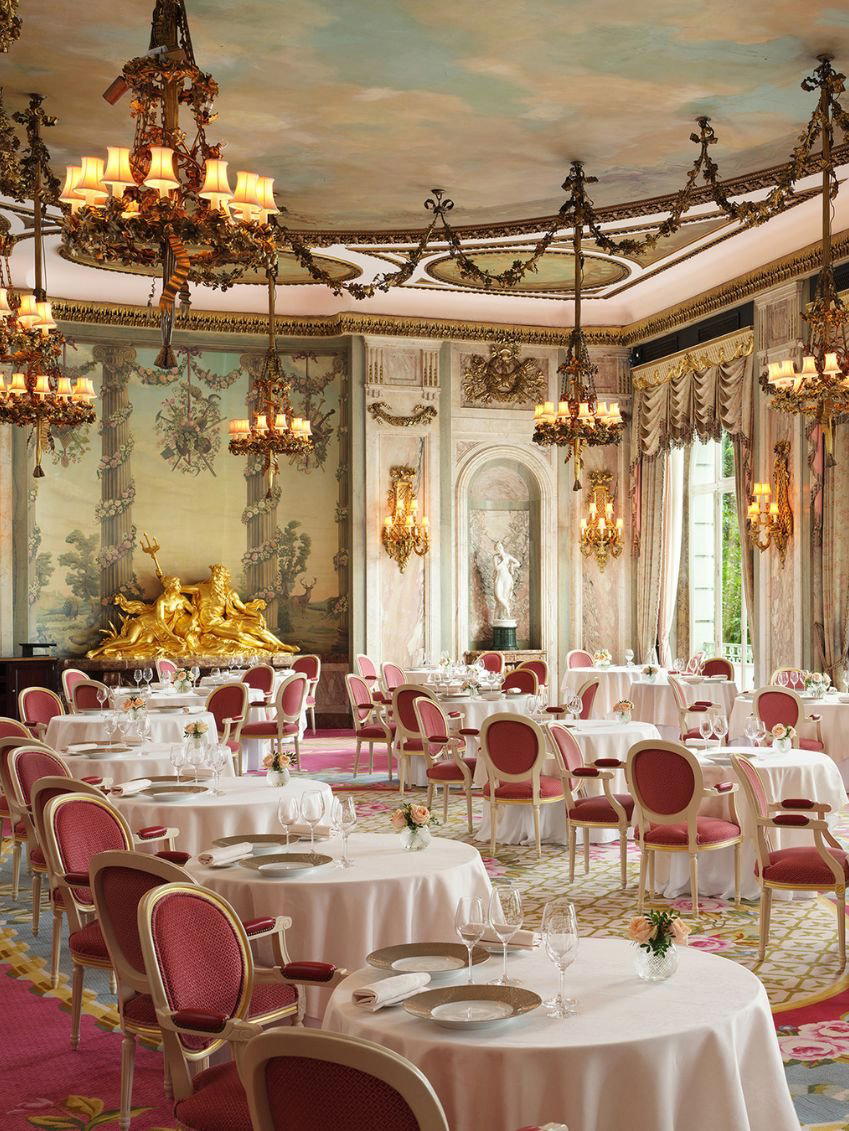
Copenhagen, Denmark
At Nørre Farimagsgade 63, Ark occupies a serious position in Copenhagen's plant-based dining conversation, holding a Michelin Plate, five Radishes from a leading European guide, and a Star Wine List #1 ranking for 2025. Chef Brett Lavender's tasting menu applies Nordic precision to an entirely vegan format, making it one of the more credible destination restaurants in the city for a considered, occasion-worthy dinner.

Leeds, United Kingdom
V&V on New Briggate has earned a four-Radish rating from We're Smart, the international guide that ranks restaurants by vegetable-forward cooking, placing chef Jono Hawthorne among a small peer set of British kitchens where produce drives the menu rather than supports it. The cooking is seasonal and rooted in local supply, with vegetables treated as the structural logic of each plate.

Barcelona, Spain
On a narrow Barri Gòtic street, Rasoterra has become the reference point for serious vegetable-forward dining in Barcelona. Organic, seasonal produce drives a menu where vegetables carry every course through to dessert, with vegan options available throughout. The restaurant is also recognised as a pioneer of the Slow Food movement in the city, drawing both local regulars and international visitors at a price point that makes it difficult to argue with.

Amsterdam, Netherlands
Vuurtoreneiland — Lighthouse Island — sits in the Markermeer outside Amsterdam, accessible only by boat. The small-scale restaurant occupies a derelict fort and glass conservatory on an island with its own working lighthouse, serving six-course menus built entirely around open-fire cooking, foraged island ingredients, and head-to-tail seasonal produce. The boat crossing, aperitif, and snacks are included in the price of dinner.

Onomichi Hiroshima, Japan
On Ikuchi Island in the Setouchi Inland Sea, Azumi Setoda is where Chef Kenya Akita builds his menus entirely around vegetables sourced within 50 kilometres of the restaurant. The approach reflects a broader Japanese tradition of deep respect for farming and producers, translated here into a plant-forward format that reads as both disciplined and deeply local. This is not destination dining as spectacle — it is cooking as a sustained argument for a specific place.

Paris, France
In Paris's 7th arrondissement, Arpège holds three Michelin stars and a decades-long position inside the World's 50 Best — currently ranked 45th globally. Alain Passard's decision to remove red meat from a grand Parisian kitchen in 2001 reshaped how the city's haute cuisine thought about vegetables. Produce arrives daily from three biodynamic farms outside Paris, and the menu follows nature's calendar more closely than any printed card.
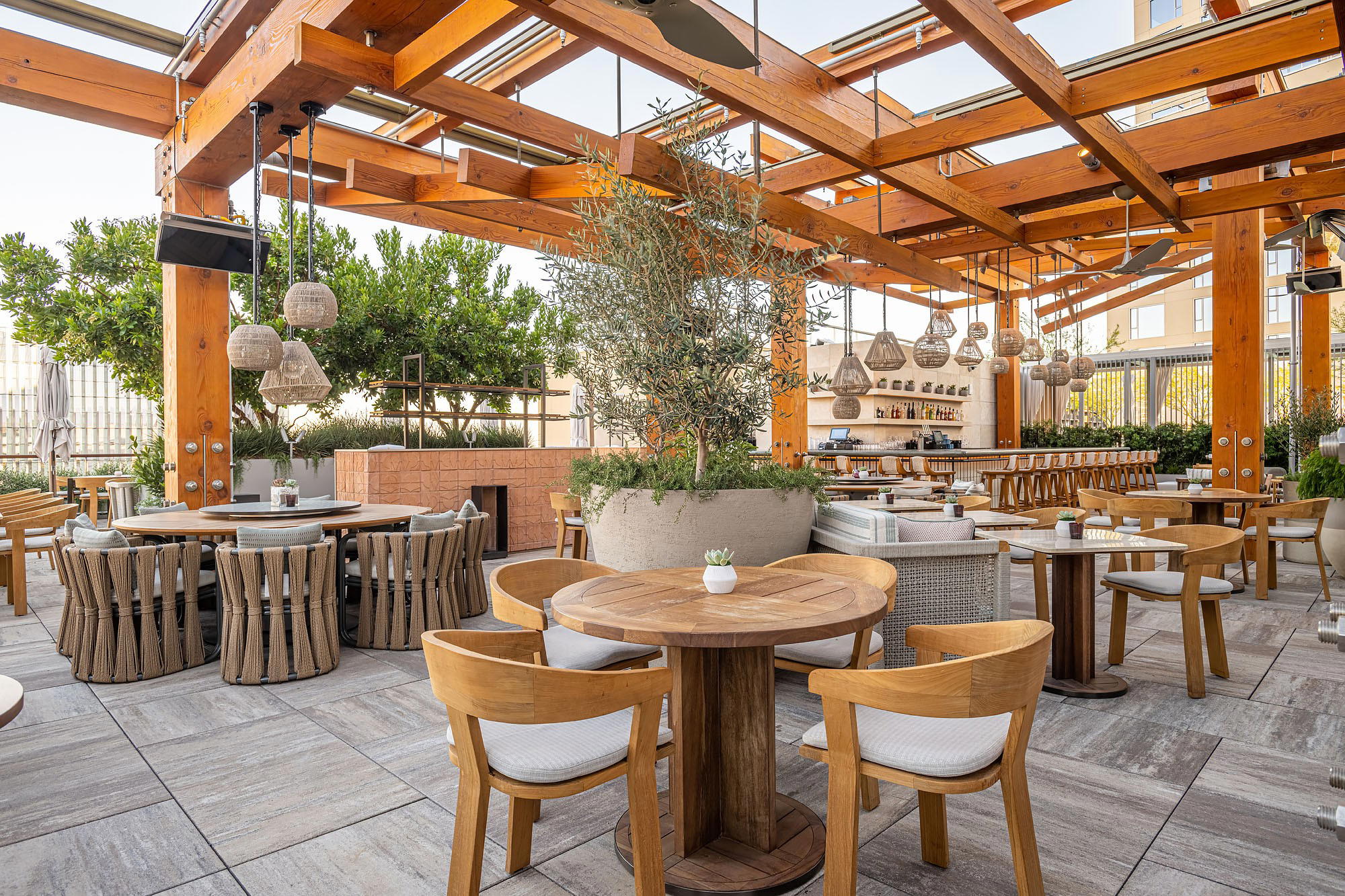
Kyoto, Japan
LURRA° in Kyoto serves Modern Japanese tasting menus that fuse Kyoto seasonality with Nordic technique. Must-try plates include Jerusalem artichoke curd with caviar, wood-grilled Kyoto duck, and sweet potato ice cream. The Michelin-starred, 10-seat counter emphasizes firewood cooking and foraged produce, creating smoky, mineral, and umami-driven flavors. Recognized with a Tabelog Bronze Award 2025 and a 3.92 score on local platforms, LURRA° pairs inventive dishes with curated sake, French and Italian wines, and low- or zero-proof pairings. Expect an intimate, sensory dinner where each course reveals local terroir reimagined through precise technique and seasonal storytelling.

Deventer, Netherlands
Open since spring 2019 on Grote Poot in Deventer's old town, The Lemon Tree runs a Scandinavian-inflected menu of small, vegetable-forward dishes built around pure, clean flavours. Wine is treated as a structural part of the meal, with genuine guidance rather than a standard list. A chef's table is available for small groups.

Eindhoven, Netherlands
Perched on the top floor of the NH Collection Eindhoven Center, Vane brings a global lens to fine casual dining in the heart of the city. Chef Casimir's cooking draws on culinary traditions from across the world, with vegetables at the centre of complex, boldly seasoned plates. It's a dining format that sits between formal tasting menus and relaxed neighbourhood eating — accessible in tone, considered in execution.

Kandy, Sri Lanka
Set within the Theva Residency on the forested slopes above Kandy, The Theva Cuisine draws on Sri Lanka's deep-rooted plant-based food culture alongside daily fresh fish. The kitchen leans into what grows and swims nearby, making the sourcing itself the narrative. For travellers moving through the Hill Country, it sits at the more deliberate end of the city's dining options.

Enschede, Netherlands
Joann holds a Michelin star and occupies a 1916 listed building on Nijverheidstraat, making it Enschede's most formally recognised creative restaurant. Chef Emiel Kwekkeboom's menu centres on vegetables from his own garden, with the 'Enschedese Groeituin' sequence as the main event. Open Tuesday through Saturday from 6:15 PM, with a wine list that matches the kitchen's ambition.

Magliano Sabina, Italy
A century-old family restaurant in the Sabina hills, Degli Angeli holds a Michelin Plate (2025) and earns its reputation through rigorous local sourcing: wine and extra-virgin olive oil from the surrounding territory, a kitchen rooted in Lazio tradition, and a vegetable-forward menu that draws recognition well beyond the region. The attached hotel and farm shop make it a practical base for exploring one of central Italy's most underrated food territories.
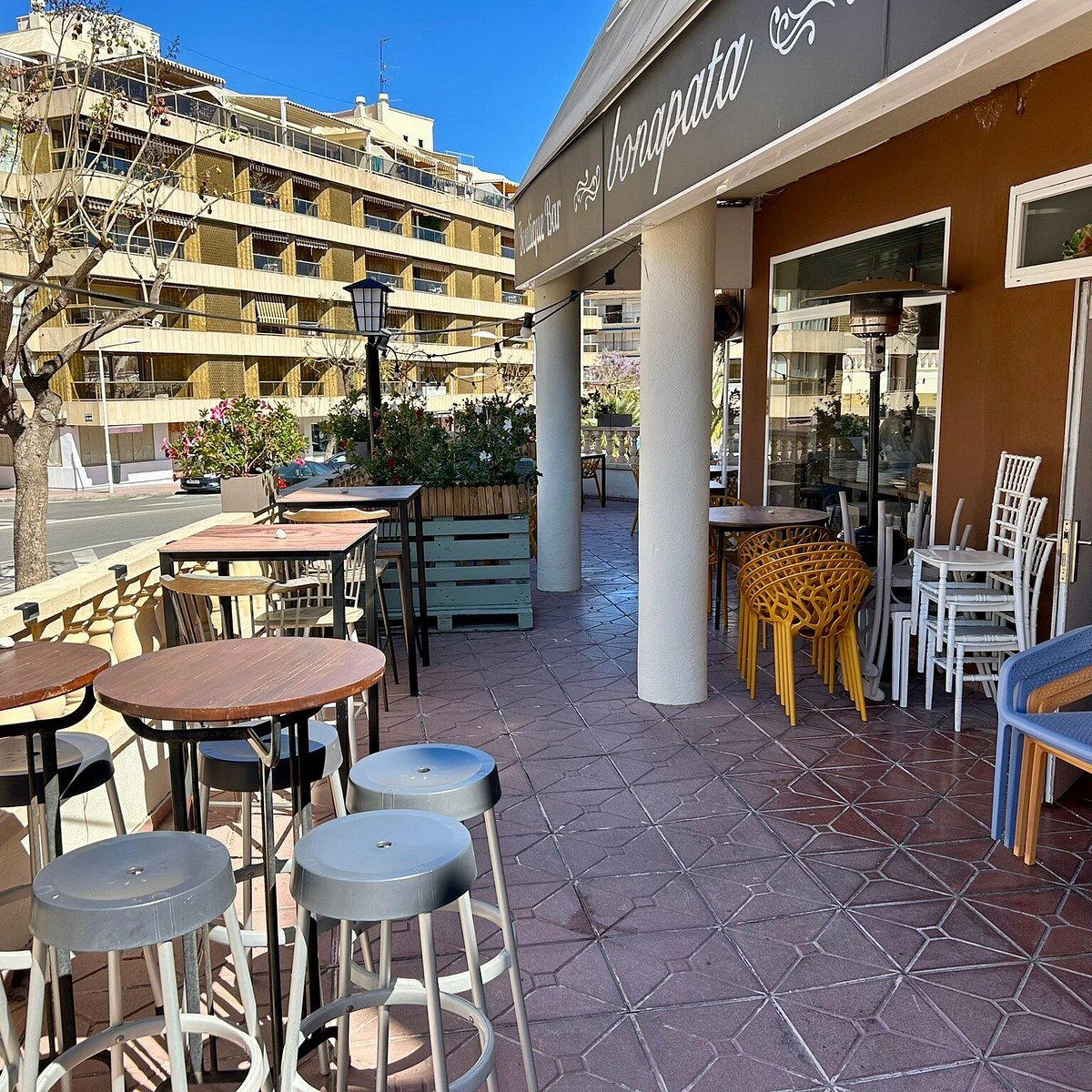
Xàbia, Spain
In a coastal town where grilled fish and rice dishes dominate nearly every menu, YERBAxabia takes a different position entirely: refined, 100% plant-based cooking awarded 4 Radishes by the We're Smart Movement. Chef-owner Walter Marskamp, a veteran of Amsterdam's plant-forward dining scene, brings ingredient-led precision to Xàbia's Avenida de Lepanto, making this one of the Costa Blanca's few serious arguments for vegetables as the main event.

Paternoster, South Africa
Wolfgat sits at the edge of the Atlantic in the whitewashed fishing village of Paternoster, drawing its menu almost entirely from the surrounding coastline, dunes, and fynbos. Ranked 50th on the World's 50 Best Restaurants list in 2021, it represents a strand of South African cooking defined by foraged sea vegetables, local dairy, and whatever the fishermen bring in that morning. Advance booking is strongly advised.

São Paulo, Brazil
Holding consecutive Michelin Plates for 2024 and 2025, Ama.zo at Pátio Higienópolis brings Peruvian cooking to one of São Paulo's most established shopping and dining addresses. Chef Enrique Paredes centres his menu on bold, vegetable-forward flavours rooted in Peru's regional traditions, priced at the accessible mid-range that makes the Higienópolis outpost a reliable weekday destination as well as a weekend draw.
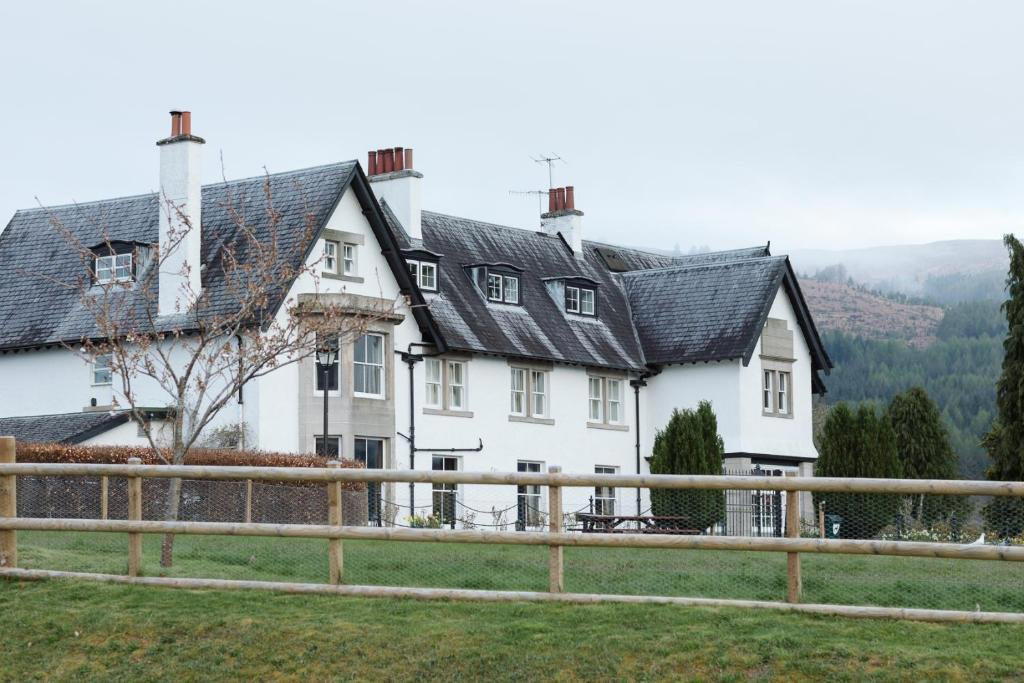
Fort Augustus, United Kingdom
The Lovat is the only four-star hotel near Loch Ness and home to one of the most considered restaurants in the Scottish Highlands. Chef Sean Kelly builds his menus around locally foraged and sourced Scottish ingredients, producing dishes that balance technical precision with the wild character of the Great Glen. For visitors to Fort Augustus, it represents the clearest argument that serious cooking has arrived in this part of the Highlands.

The Hague, Netherlands
Bøg on Prinsestraat places vegetables at the centre of its menu with a Nordic-inflected creative approach that earned five radishes in the We're Smart Green Guide and consecutive Michelin Plates in 2024 and 2025. The plant-based menu, developed by chef Thomas van Voorst, draws comparison to the produce-led precision of Scandinavia's more disciplined kitchens. A Google rating of 4.7 from 280 reviews reflects consistent execution at the €€€ price point.
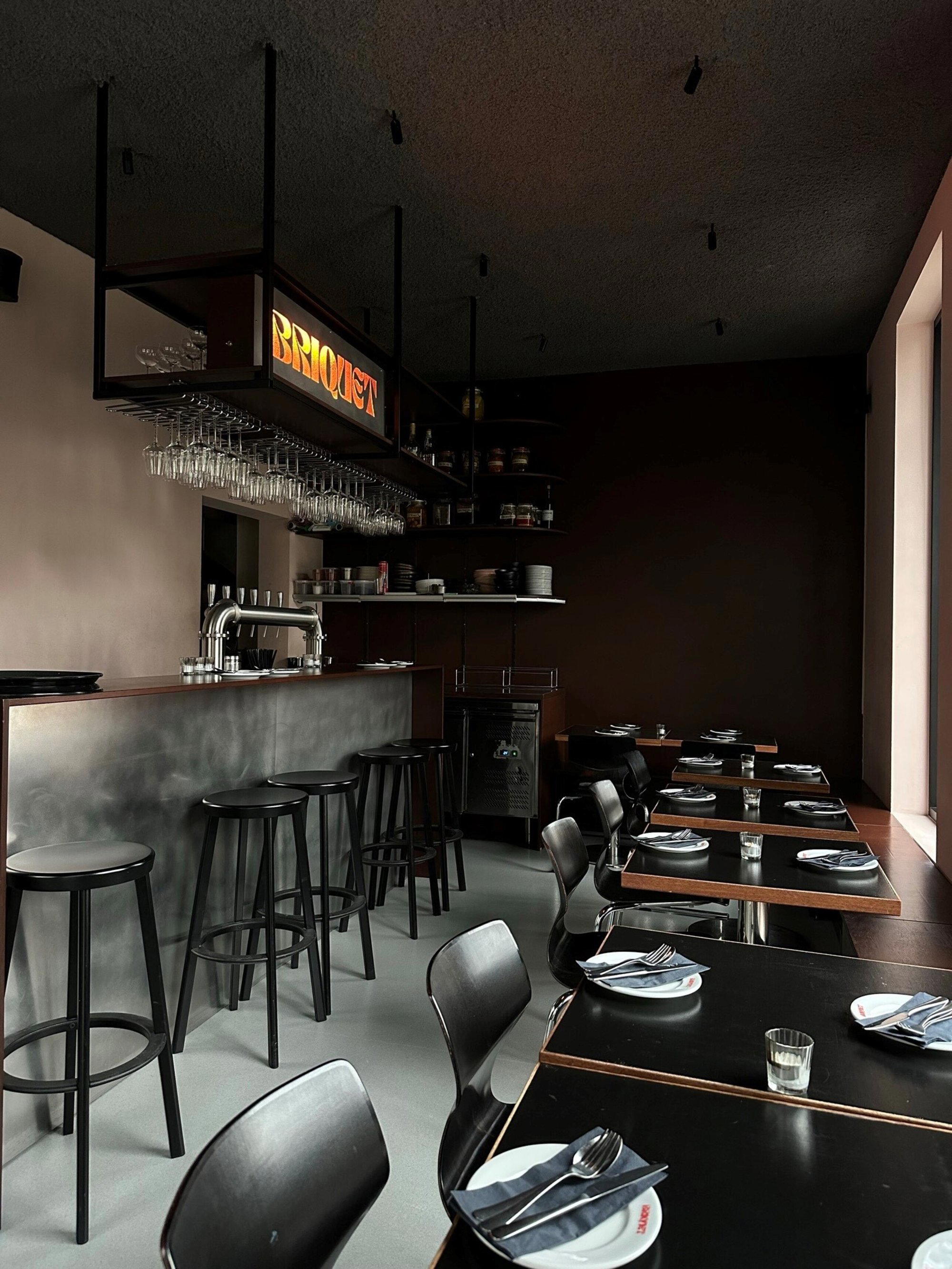
Borgerhout, Belgium
Briquet sits in Borgerhout's evolving dining scene, where Polish chef Igor Shalovinsky applies seasonal, locally sourced produce to a menu that crosses cultural registers with colour and intention. Recognised by We're Smart inspectors for its vegetable-forward potential, the restaurant represents the kind of contemporary neighbourhood cooking that Antwerp's inner ring has been quietly producing for several years.

Gdańsk, Poland
Fino occupies a narrow address on Grząska in Gdańsk's old quarter, building its reputation around vegetable-forward modern cuisine and a wine bar program that earned White Star recognition from Star Wine List in 2024. Consecutive Michelin Plate awards in 2024 and 2025 place it among a small cohort of Gdańsk restaurants drawing national attention. The Plant tasting menu is the calling card; book ahead.

Montefalco PG, Italy
On the main piazza of one of Umbria's most atmospheric hill towns, L'Alchimista makes a case for seasonal cooking rooted in place rather than trend. The kitchen draws directly from an on-site vegetable garden, and the wine list leans into Sagrantino di Montefalco, the grape that defines this corner of central Italy. Chef Patrizia's approach has earned the restaurant genuine local loyalty and the attention of serious Italian food travellers.
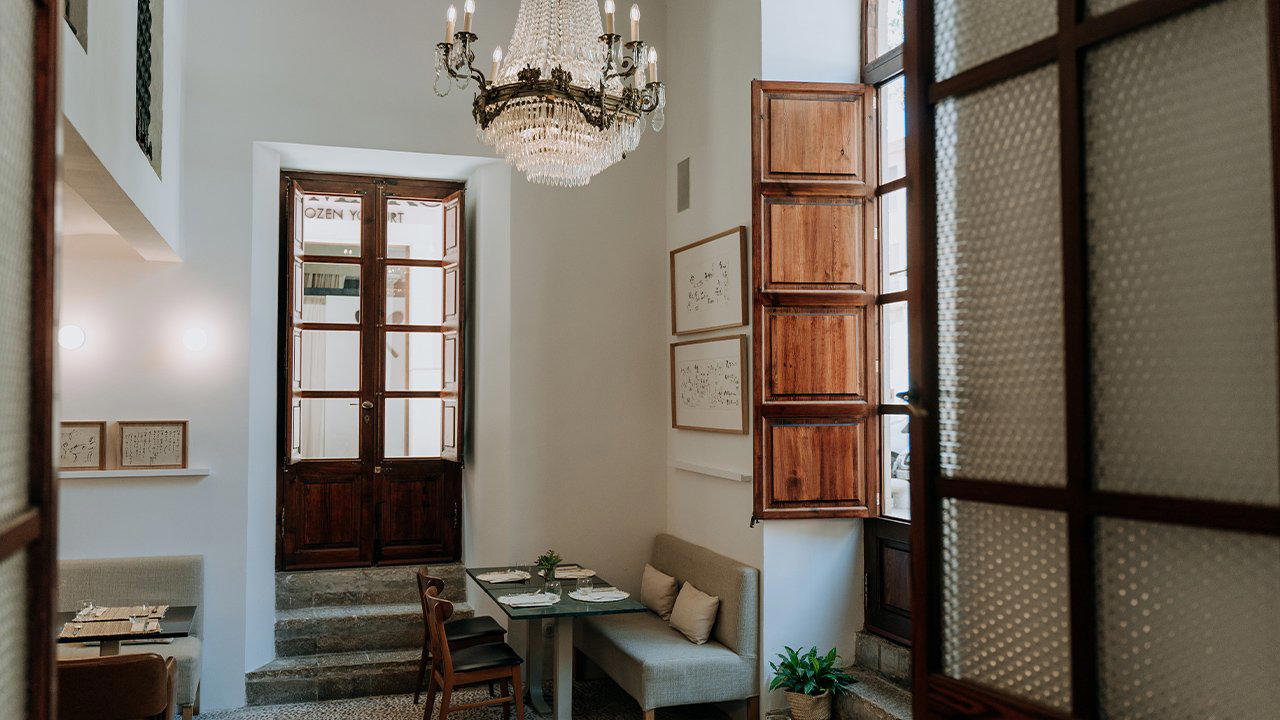
Palma de Mallorca, Spain
Mouna occupies a square-facing address in Palma's historic centre and operates within the We're Smart-recognised pure plant philosophy, placing vegetables and Mediterranean seasonality at the centre of every plate. It sits in a niche tier of Mallorcan dining where ingredient provenance and flavour-led cooking matter more than format spectacle. Book ahead for a table in the old town's tightest dining corridor.
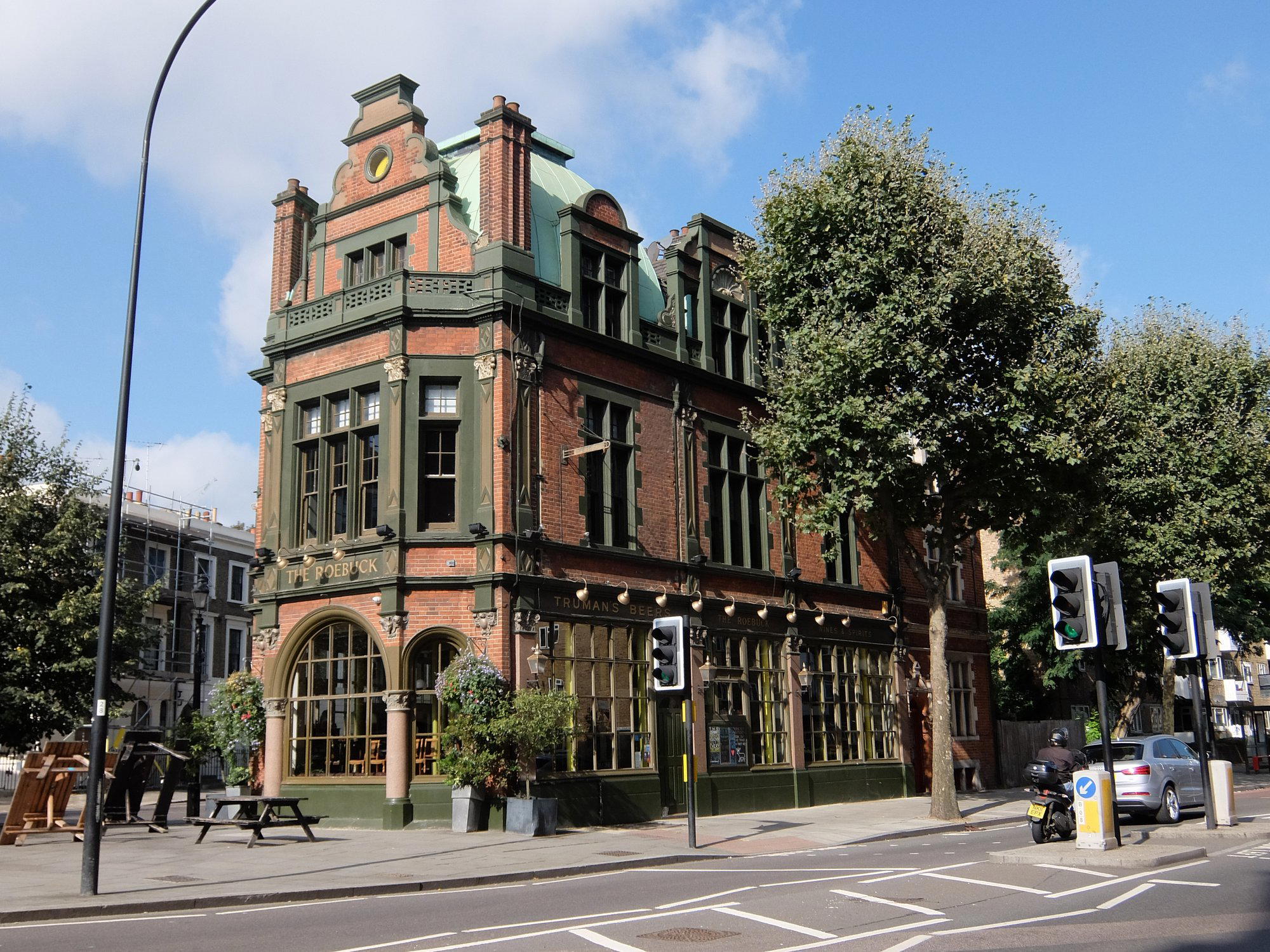
London, United Kingdom
A Borough pub with a clear ethical position, The Roebuck on Great Dover Street operates through a formal partnership with the Sustainable Restaurant Association and WWF, sourcing ingredients exclusively from small independent producers. The cooking is classic and unpretentious, with vegetarian options running as permanent fixtures rather than afterthoughts. It sits at a different register from SE1's destination dining scene, but occupies its lane with consistency.

Helsinki, Finland
Michelin-starred Olo Helsinki elevates Nordic cuisine to artistic heights within an 1818 stone townhouse, where Chef-Owner Jari Vesivalo's seasonal tasting menus showcase Finland's finest ingredients through innovative techniques that honor Scandinavian culinary traditions.

Wood Wharf London, United Kingdom
Mallow at Wood Wharf brings a fully plant-based menu to Canary Wharf's newest neighbourhood, working across the full spectrum of edible botanicals — flowers, roots, grains, tubers, seeds, and fresh herbs — with a seasonal, sustainability-led approach that treats the kitchen as a direct extension of the ingredient supply chain. Colourful and unpretentious, it occupies a different register from the area's corporate dining mainstream.
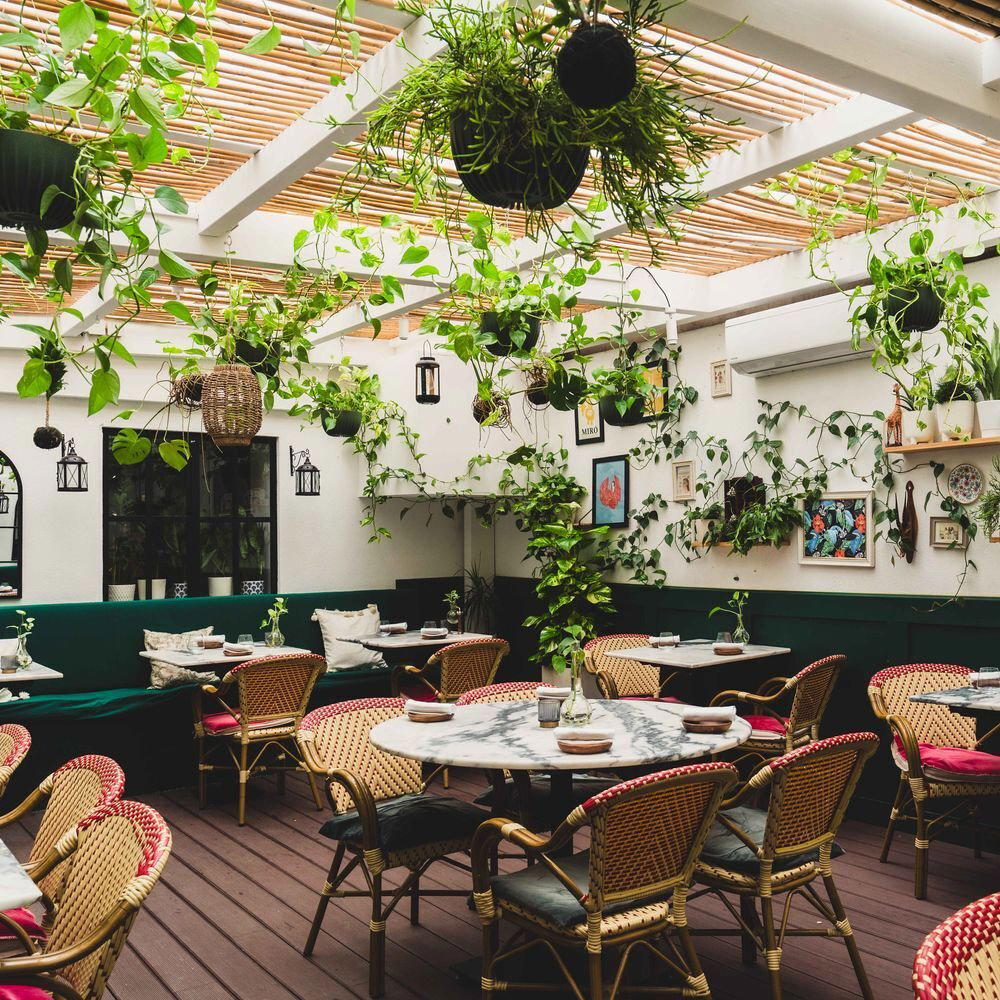
Lisbon, Portugal
Chef Louise Bourrat, winner of Top Chef France 2022, leads a young international team at this dinner-only tasting menu restaurant near the National Museum of Natural History and Science. The Ember menu runs seven or ten courses, grounded in autumn's transformations and a zero-waste approach, with a full plant-based alternative called Terrae. Google reviewers rate it 4.5 from 887 responses, and it holds a Michelin Plate for 2024 and 2025.

Richmond, United States
Longoven on West Clay Street sits at the more considered end of Richmond's farm-driven dining scene, where fermentation technique and daily kitchen-garden sourcing shape a menu that treats vegetables as seriously as it does meat and fish. The kitchen's commitment to working directly from the garden each morning places it in a tier of American restaurants where proximity to produce is a structural principle, not a marketing line.

Paris, France
On a quieter stretch of the 7th arrondissement, L'Ami Jean has held its position as one of Paris's most serious casual bistros for years, earning a Michelin Plate in 2025 and a ranking of #40 in Opinionated About Dining's Casual Europe list for 2024. Chef Stéphane Jégo runs a kitchen shaped by Basque technique and an anti-waste ethos, where pork is grilled to order and vegetables are driven by what the season actually offers.

Izmir, Turkey
OD Urla sits on a family estate above Urla, west of Izmir, where Chef Osman Sezener cooks over open fire using produce grown in the on-site garden and sourced within a ten-kilometre radius. Ranked 218th in Europe by Opinionated About Dining in 2025 and holding a Michelin star since 2024, it operates at the serious end of Izmir's dining scene while pricing below most comparable Western European destinations at ₺₺₺.
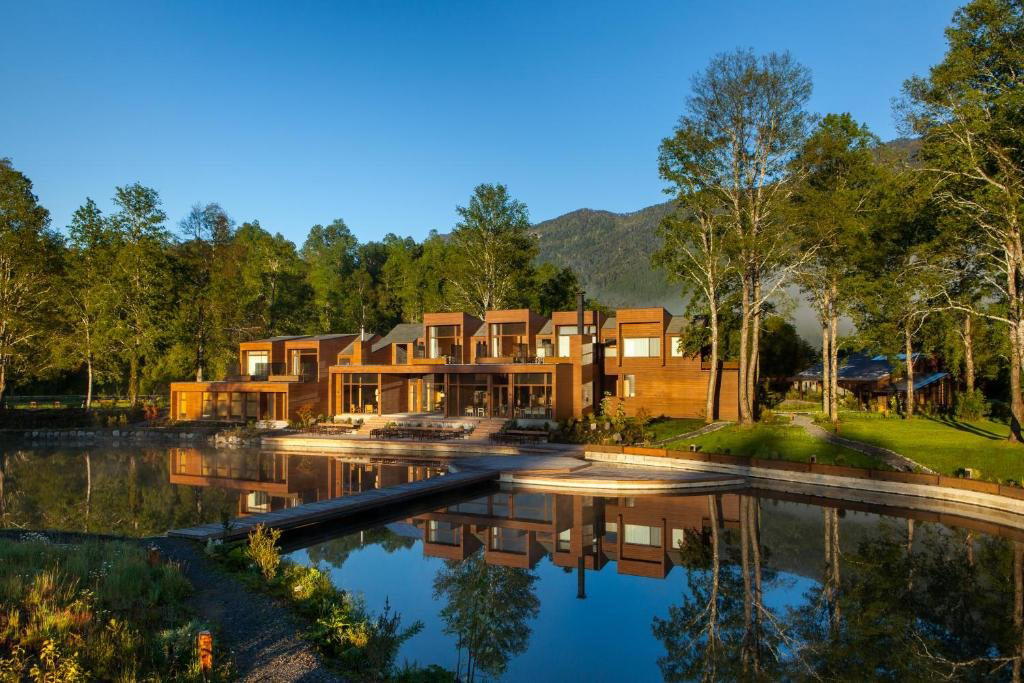
Araucanía, Chile
Set beside the forests and volcanic terrain of Chilean Patagonia, andBeyond Vira Vira operates its own farm and cheese factory to supply the restaurant daily with organic produce. Uruguayan chef Damien Fernandez turns that material into refined, vegetable-forward cooking that reads as a serious argument for lodge dining. Few properties in the Araucanía region make the connection between land and plate this explicit.
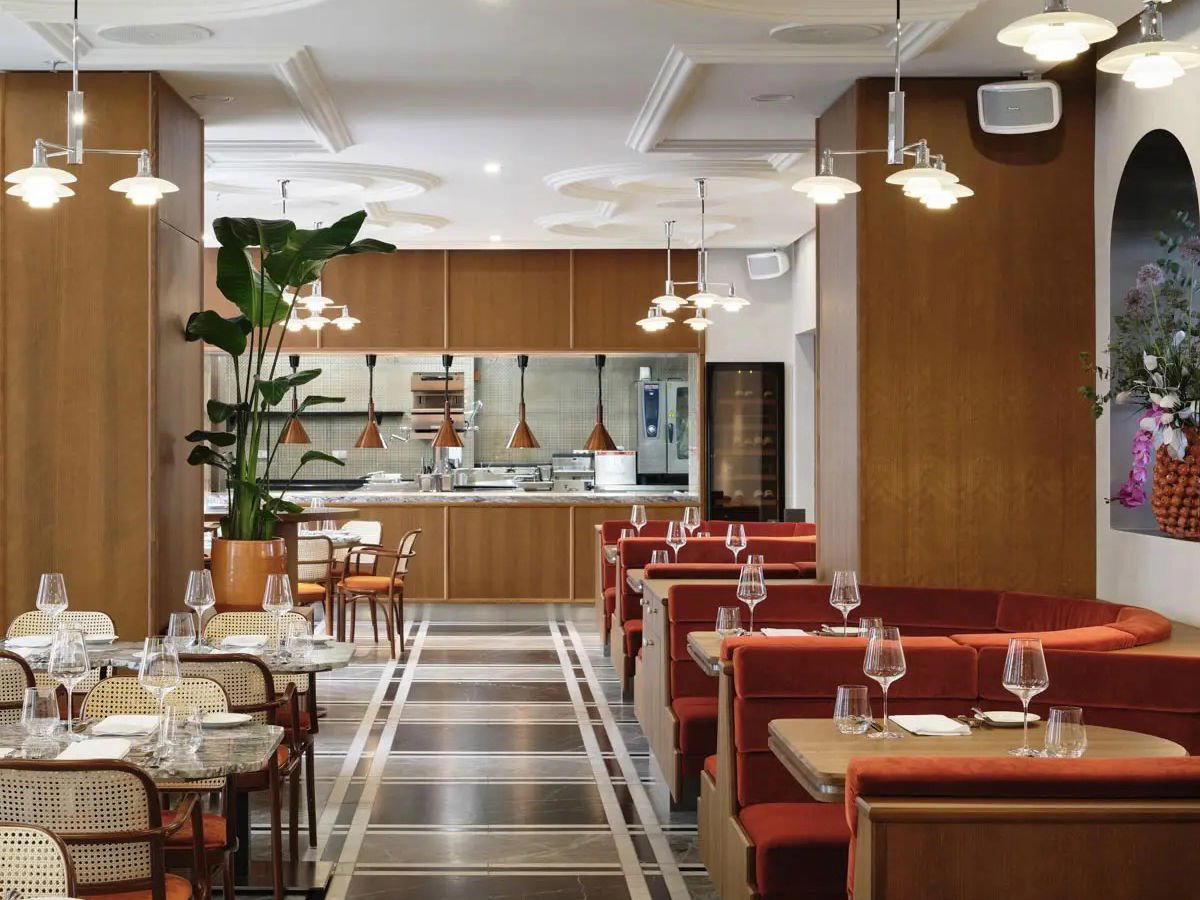
Livigno, Italy
Al Persef sits at Livigno's serious end of the dining spectrum, holding a Michelin Plate and a Google rating of 4.8 from 130 reviews. Chef Francesco Nunziata works modern, creative cuisine in a compact room that looks out over the Alpine surrounds, while a separate plant-based menu — Genesi — draws on wild foraging from the Valtellina mountain slopes. The wine list matches the kitchen's ambition.

València, Spain
A Michelin Bib Gourmand-recognised bistro in València's Ruzafa district, 2 Estaciones operates in the informal register that has made this neighbourhood one of the city's most interesting areas for food. The seasonal Mediterranean menu, developed by chefs Alberto Alonso and Mar Soler, places vegetables at the centre of the plate with a conviction rarely found at this price point.

Leefdaal, Belgium
Atelier Noun sits in the Flemish Brabant countryside at Dorpstraat 252 in Bertem, drawing on farm-to-table sourcing with a cross-cultural range that moves between Mediterranean, Asian, and Belgian reference points. Chef Bert Castermans has earned consecutive Michelin Plate recognition (2024 and 2025) and a 4.8 Google rating across 314 reviews. Vegetables anchor almost every course, and fully plant-based menus are available on request at booking.

Perl, Germany
Three Michelin stars and a 99-point La Liste score place Victor's Fine Dining by Christian Bau at the top of Germany's fine dining hierarchy. Operating from Perl in the Saar-Moselle triangle, Bau's French-Japanese tasting menus bring kaiseki-influenced precision to a corner of Europe that rewards the deliberate journey. Thursday through Sunday evenings only; booking well in advance is essential.
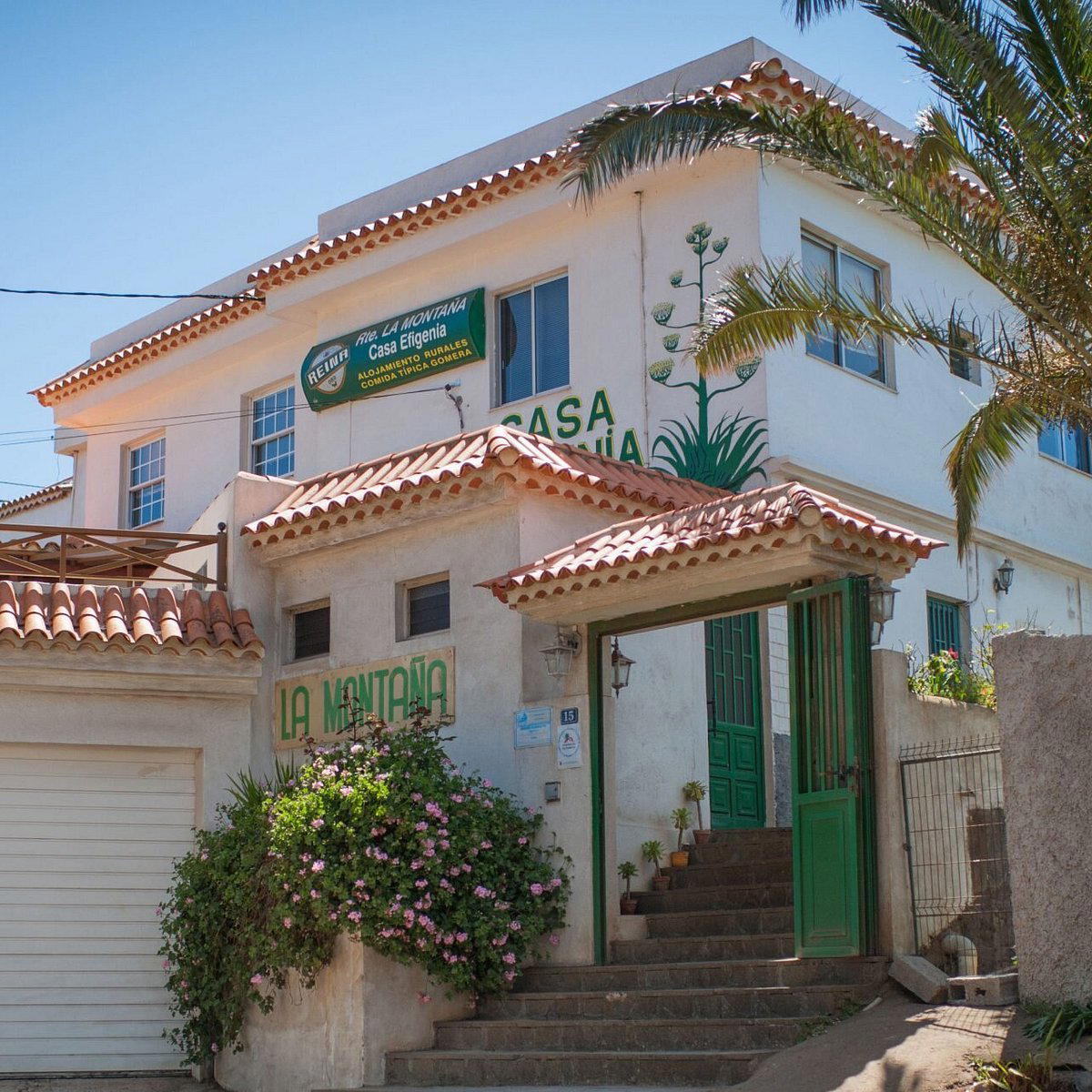
La Gomera, Spain
Casa Efigenia Natural in Las Hayas, La Gomera, has been feeding visitors from its home garden for more than 60 years. Founded by Efigenia and now carried forward by her son Sergio, the kitchen works with whatever the land produces that day, leaning on the island's native palm syrup for its sweet notes. The We're Smart team recognised it as a value-for-money discovery rooted entirely in nature.

Burjassot (València), Spain
A majestic villa on the edge of Burjassot where Sunday paella is taken seriously and the vegetable garden is not decoration. Chef Chabe Soler works with produce grown close enough to the kitchen that the distance between soil and plate is measured in minutes. The format is relaxed, the sourcing is deliberate, and the setting — a spacious garden villa in the Valencian hinterland — does most of the talking.

London, United Kingdom
A West Kensington fixture on North End Road, 222 Vegan Cuisine runs a buffet-style lunch alongside an evening à la carte that spans salads, burgers, pasta, and more. Organic sourcing is the baseline, with Caribbean influences threaded through the menu. It sits outside the central London dining corridor, which keeps it quieter than comparable plant-based spots closer to the core.

Barcelona, Spain
On Rambla de Catalunya in the heart of Eixample, Cachitos operates as a classic Spanish brasserie where product quality and a well-stocked menu take priority over culinary spectacle. The kitchen leans into market-driven vegetables and traditional preparation, with dishes like tomato tartare with parmesan ice cream demonstrating a restrained but considered approach to Spanish ingredients. A reliable address for straightforward, produce-led dining in one of Barcelona's most walkable stretches.

Paarl, South Africa
Set on Fairview Wine Estate along the Suid-Agter-Paarl Road, The Goatshed has become one of the Boland's most visited farm-dining destinations, drawing weekend crowds for cheese boards, charcuterie, and pickled vegetables sourced from the estate. The format is deliberately casual: a working farm atmosphere with produce you can eat at the table and carry home in a bag. It sits within a broader tradition of Cape Winelands farm hospitality that values accessibility over formality.
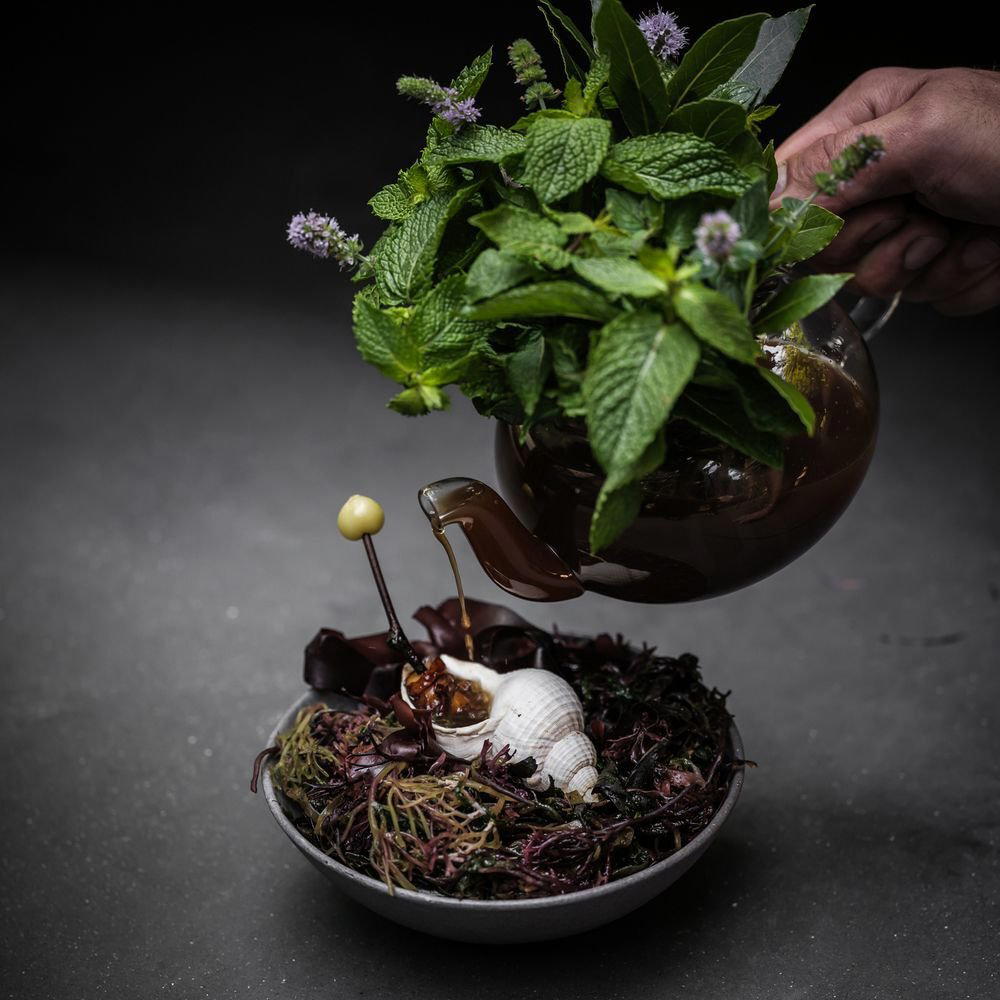
Sint-Amandsberg, Belgium
Commotie sits on Victor Braeckmanlaan in Sint-Amandsberg, operating Tuesday through Saturday evenings with a modern Flemish menu that leans heavily vegetarian and is built for sharing. Ranked #459 among Opinionated About Dining's top European restaurants in 2025 and recognised with a Michelin Plate, it holds a 4.8 from 283 Google reviews. The €€€€ price tier reflects creative, technically precise cooking where combinations like chervil root with pear and coffee signal the kitchen's priorities.

Driebergen, Netherlands
An organic restaurant in the heart of Driebergen-Rijsenburg, Groenland occupies a courtyard setting divided into distinct interior zones where sustainability informs every decision, from building materials to what arrives on the plate. Dishes like grilled seaweed with cauliflower cream and wheat beer mousseline, and pumpkin risotto with smoked duck breast, reflect a kitchen that sources ingredients with the same care it applies to its broader environmental commitments.

Seoul, South Korea
On the fifth floor of Arario Space in Jongno-gu, The Green Table sits inside Seoul's contemporary French-Korean dining tier with consecutive Michelin Plate recognition (2024, 2025) and 77 points from La Liste 2026. Chef Kim Eunhee's approach centres on vegetables, herbs, and flowers rendered through a French framework, producing a structured menu that reads as notably plant-forward even when the format stops short of a full plant-based commitment.
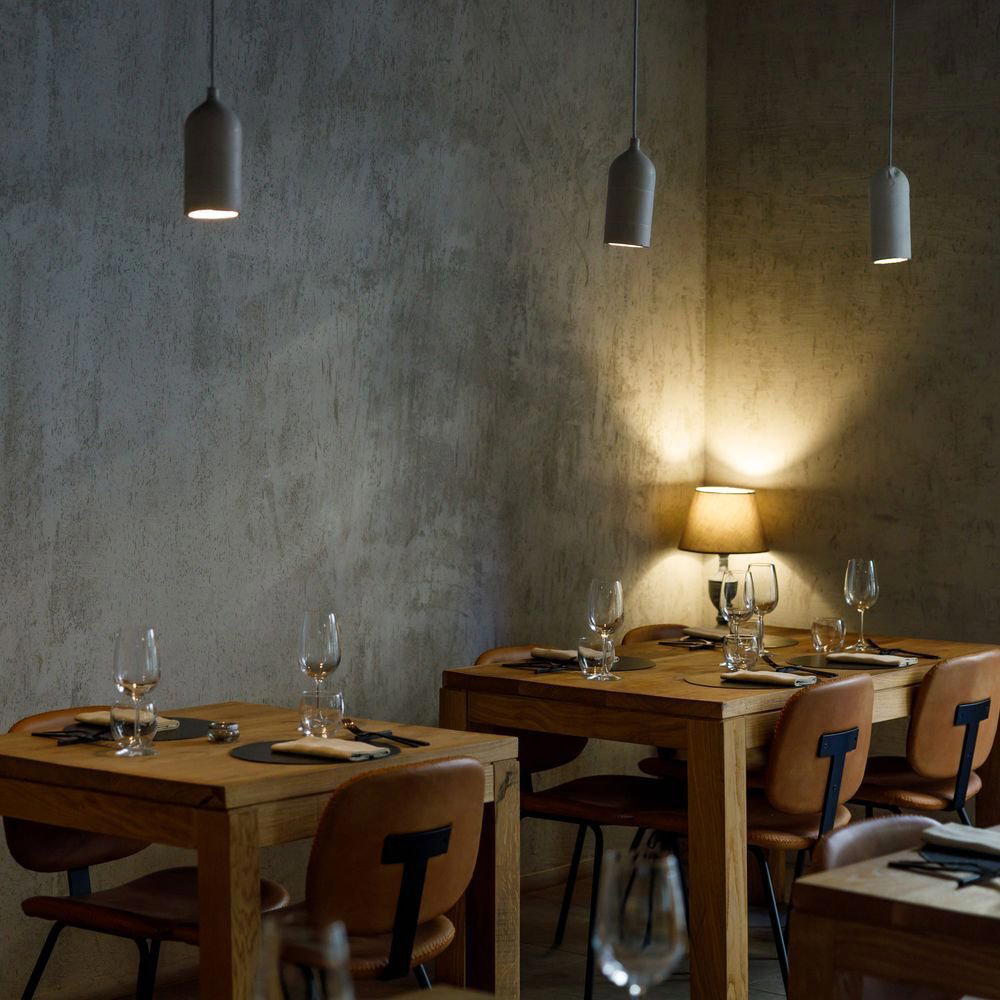
Rome, Italy
Carter Oblio holds a Michelin Plate (2025) and a Google rating of 4.8 from 481 reviews, placing it among Prati's more credible contemporary addresses. Chef Ciro Alberto Cucciniello draws on culinary traditions from across Italy, reinterpreting them through a vegetable-forward, seasonally driven menu. The dining room, finished in wood, iron, and stone, keeps the focus squarely on what arrives at the table.

Amsterdam, Netherlands
A French Contemporary address on Prins Hendrikkade, Vermeer holds a Michelin Plate and a 2025 Opinionated About Dining ranking of #533 in Europe. The kitchen, now under chef Sebastian Baquero Garces following the long tenure of Chris Naylor, operates Wednesday through Saturday from 6pm. Vegetables remain central to the cooking, positioned within Amsterdam's mid-to-upper tier of contemporary dining.

Paris, France
La Dame de Pic holds a Michelin star and a consistent presence in Opinionated About Dining's Classical in Europe rankings, operating from the 1st arrondissement near the Louvre. The kitchen under Evens López works in a register of precise, season-driven contemporary French cooking where vegetables and fruits carry genuine structural weight. Star Wine List recognised the cellar four consecutive times in 2024.
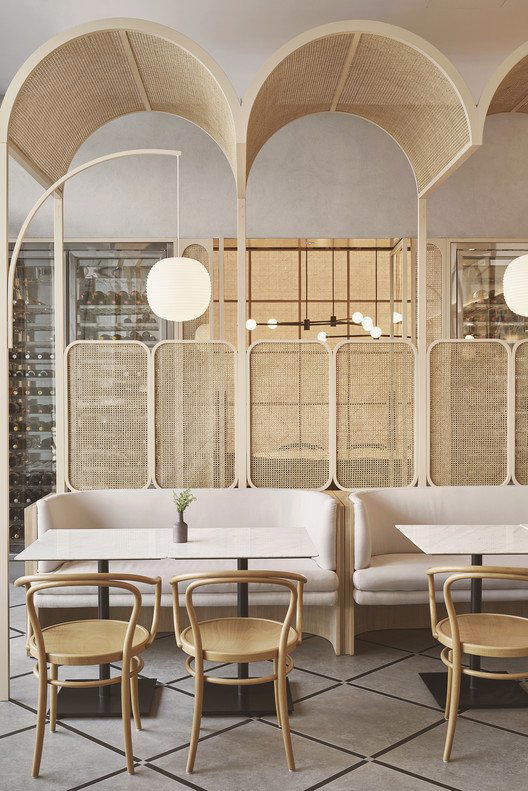
Wervershoof, Netherlands
Set amid swaying fields of red and white cabbages, Oxalis welcomes the discerning traveler into a former village post office transformed into an intimate stage for culinary artistry. Chef Geoffrey van Melick, honed at The Fat Duck and ’t Nonnetje, composes plates where classical rigor meets modern finesse—silken sauces, meticulous garnishes, and pristine produce in elegant dialogue. Expect soulful interpretations such as veal Rossini crowned with a perfectly pitched, deeply reduced jus, and vegetables treated as luminous counterpoints—each course a quiet crescendo of nuance and restraint befitting a rural hideaway with metropolitan polish.

Utrecht, Netherlands
On a nondescript stretch of Biltstraat, Heimat makes the case that Utrecht's most serious plant-forward cooking doesn't require a prestigious address. Chef Niels van Zijl, trained at De Librije and Kadeau, runs a fully seasonal menu earning four Radishes from the We're Smart Green Guide and a 2025 Michelin Plate. The wine list spans 320 selections across 1,525 inventory items, with sommelier Bas Janssen steering pairings.

Juprelle, Belgium
On the outskirts of Liège, Ô De Vie puts produce-led cooking at the centre of what Belgian gastronomy can achieve outside the capital. Chef Olivier Massart draws on exceptional sourcing to produce dishes that are visually striking and technically precise, from cedar-smoked monkfish to pigeon cooked low-and-slow with parsnip and paprika. This is a kitchen that earns its reputation quietly, in a region that rewards those who seek it out.

London, United Kingdom
Adam Handling's Covent Garden flagship operates on a ten-course tasting menu format built around seasonal British produce and a zero-waste philosophy, priced at £199 per person. The room is deliberately spare, the kitchen open, and the atmosphere closer to a charged dining room than a hushed fine-dining sanctuary. A Michelin star and a five-Radish rating from the Sustainable Restaurant Guide signal where it sits in London's competitive tasting-menu tier.

Aix-en-Provence, France
On the Cours Mirabeau, Côté Cour occupies one of Aix-en-Provence's most recognisable addresses and serves a classic, straightforward brasserie menu that leans heavily into French tradition. Michelin Plate recognition in 2024 confirms its standing, though Michelin's own notes suggest the kitchen has more to offer than it currently attempts. A reliable mid-range option in a city where the competition at this price point is sharper than it looks.

Turin, Italy
A ten-seat counter behind Santuario della Consolata, memorable holds a Michelin star and a place in the Opinionated About Dining top European restaurants for 2024. The format is strict blind tasting menu, the cooking plays dessert technique against savoury logic, and the room is deliberately small enough that the kitchen team greets guests in a lounge before service begins.

New York City, United States
James Beard Award-winning Chef Dan Kluger's Loring Place elevates Greenwich Village dining through wood-fired, vegetable-forward American cuisine that celebrates New York's seasonal bounty. This intimate restaurant transforms local market ingredients into sharing plates over open flames, creating an acclaimed fine dining experience that balances sophistication with genuine warmth.

Pregny-Chambésy (Genève), Switzerland
Set within Geneva's botanical gardens in Pregny-Chambésy, Amarante is Chef Aurélien Guala's plant-focused restaurant with a place in the We're Smart Green Guide. The kitchen works from a pure plant philosophy, grounding every dish in seasonal, locally sourced ingredients. It is one of the few addresses in the Geneva region where a fully plant-based menu is available alongside the standard offering.

València, Spain
Quique Dacosta's casual Ciutat Vella address sits next door to the three-Michelin-star El Poblet and operates at a different register entirely — sharing plates, awarded patatas bravas, and inventive menus priced at €€. A Michelin Plate holder ranked in the Opinionated About Dining Casual Europe list for 2024 and 2025, it draws a younger, convivial crowd to one of València's most talked-about dining streets.
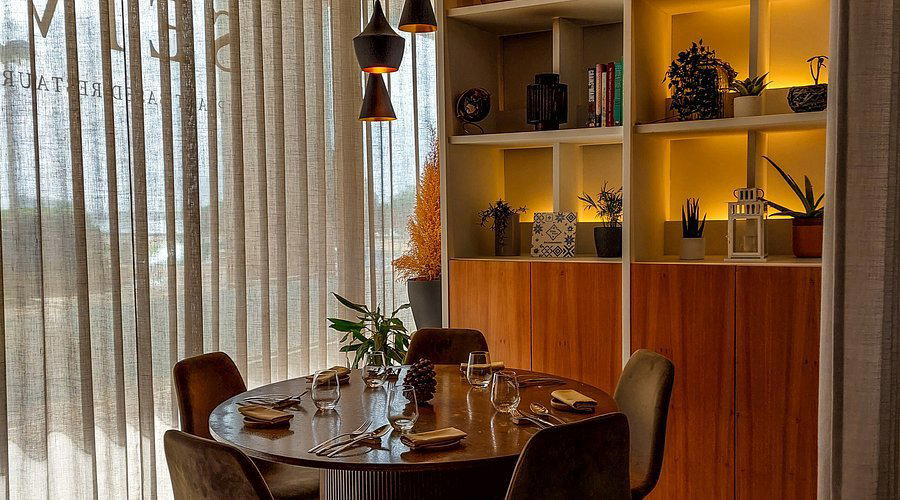
Leça da Palmeira, Portugal
SEIVA brings serious plant-based cooking to Leça da Palmeira, with a seasonal menu built on fermentation, transformation, and produce-led creativity. Holding a Michelin Plate and 4 Radishes from the Smart Green Guide, Chef David Jesus constructs dishes — kimchi nigiri, rice tagliatelle with passion fruit curry, vegetable brioche with condensed tamarind milk — that reframe vegetables as the primary technical subject, not a substitute for something else.

Brighton, United Kingdom
Open since 1981, Food for Friends is Brighton's oldest vegetarian restaurant, holding a distinctive place in the city's plant-based dining tradition. The menu rotates through globally influenced dishes built on local and organic ingredients, from Moroccan tagines with slow-roasted chickpeas to beetroot risotto with feta and rocket. It sits in the Lanes, making it a practical anchor for anyone tracing Brighton's independent food scene.

Chicago, United States
Galit holds a Michelin star and an Opinionated About Dining ranking of #71 in North America (2025) for its modern Middle Eastern prix-fixe on Lincoln Avenue. Chef Zach Engel works regional produce through an aromatic, produce-forward lens, with a beverage program built around wines from Armenia, Lebanon, Palestine, and Israel. Open Tuesday through Saturday from 5 PM, with a price point at the upper tier of Chicago's neighbourhood dining scene.

Tegelen, Netherlands
Set within Domain Zavel in Tegelen, Restaurant SOBER operates from a working estate that includes its own kitchen garden and vineyard, with Chef Peter Bogema building a seasonal menu directly from what grows on the property. The wine list runs exclusively organic and biodynamic, matching the estate's own viticultural philosophy. It earned a White Star recognition on Star Wine List in 2024.

Paris, France
In the 12th arrondissement, Table has built a reputation that extends well beyond its neighbourhood address. Chef Bruno Verjus draws international critical attention with a menu that privileges seasonal produce and precise technique, earning recognition from outlets including the We're Smart Green Guide. The room is intimate, the sourcing is serious, and the cooking operates in a register that places Table among Paris's most discussed contemporary addresses.

Bologna, Italy
A Michelin Bib Gourmand holder for two consecutive years, Ahimè sits near Bologna's Mercato delle Erbe and runs a menu that shifts daily around what arrives from the farm. Chef Lorenzo Vecchia's approach tilts heavily plant-based without abandoning traditional Bolognese structure. At the €€ price point, it occupies a different tier from the city's heavier osteria tradition.
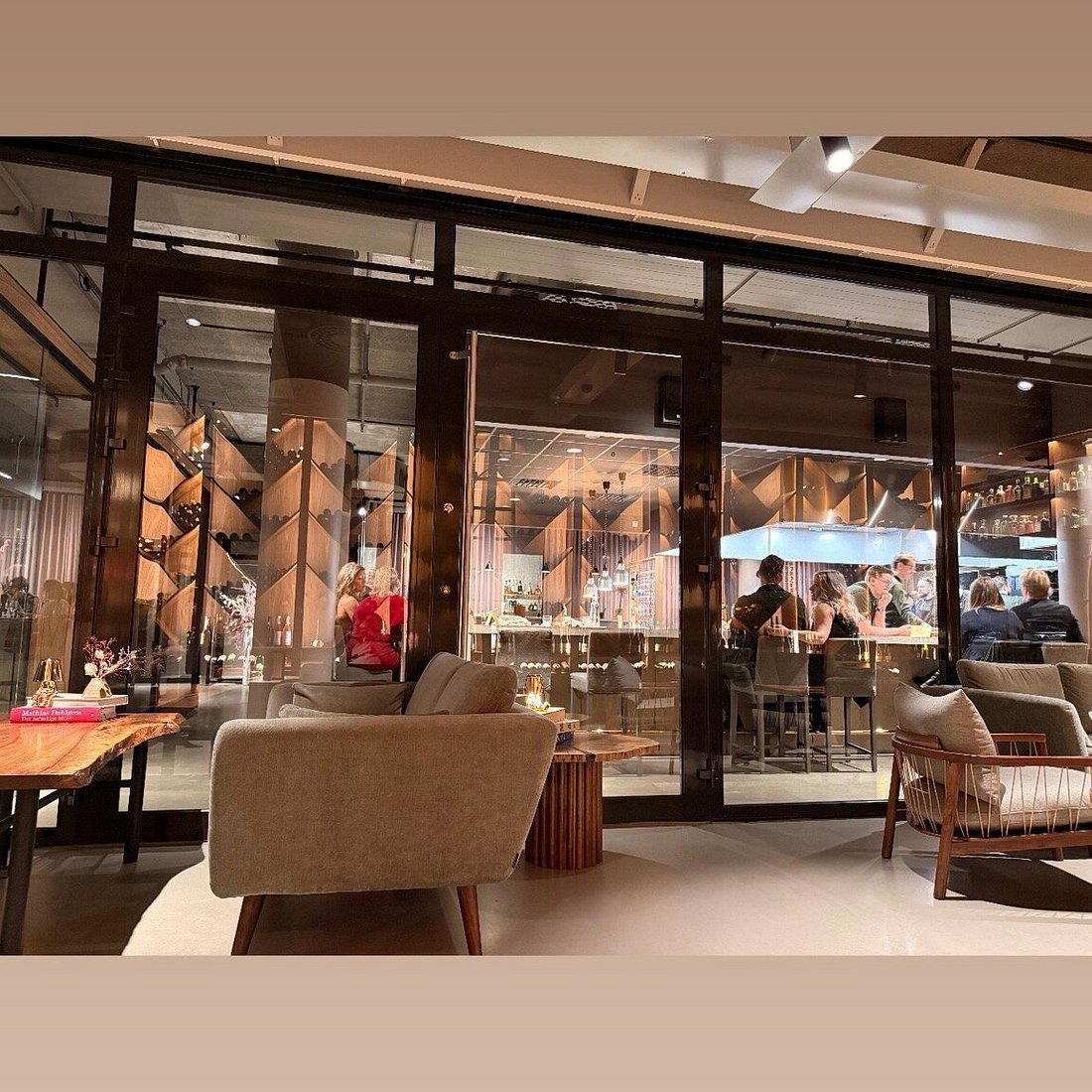
Sundsvall, Sweden
At Torggatan 1 in central Sundsvall, Naturaj operates around a closed-cycle sourcing philosophy, drawing from forest and kitchen garden to build a vegetable-forward menu with We're Smart recognition. Chefs Johan Backéus and Birgit Malmcrona have built one of northern Sweden's most considered plant-led addresses, where the provenance of each ingredient shapes every decision from procurement to plate.

Simondium, South Africa
The fine dining restaurant at Rupert & Rothschild sits within one of the Cape Winelands' most storied wine estates, born from a collaboration between Anton Rupert and Baron Edmond de Rothschild. The kitchen puts seasonal vegetables at the centre of its menu, with a concise selection of dishes that reflect what the surrounding land is producing at any given moment. Food and wine pairing is treated as a genuine priority rather than an afterthought.

Loupoigne, Belgium
Set on a working organic property in the Walloon Brabant countryside south of Brussels, Elements@Indrani builds its menu around what the kitchen garden produces each season. Chef Sebath Capela's approach treats the vegetable plot as the starting point for every plate, making the sourcing as visible as the cooking. The result is a destination that draws visitors looking for something quieter and more grounded than the Belgian fine-dining circuit.

Kyoto, Japan
A Michelin Bib Gourmand recipient in Higashiyama, Tan draws its identity directly from Kyotango, the coastal northern region of Kyoto Prefecture. Rice grown by the staff, vegetables sourced from Tango farmers, and gohan cooked in clay pots define a menu that treats ingredient provenance as the central argument. Diners gather around a communal daidokoro table, making this one of the more grounded, produce-led addresses in the city.
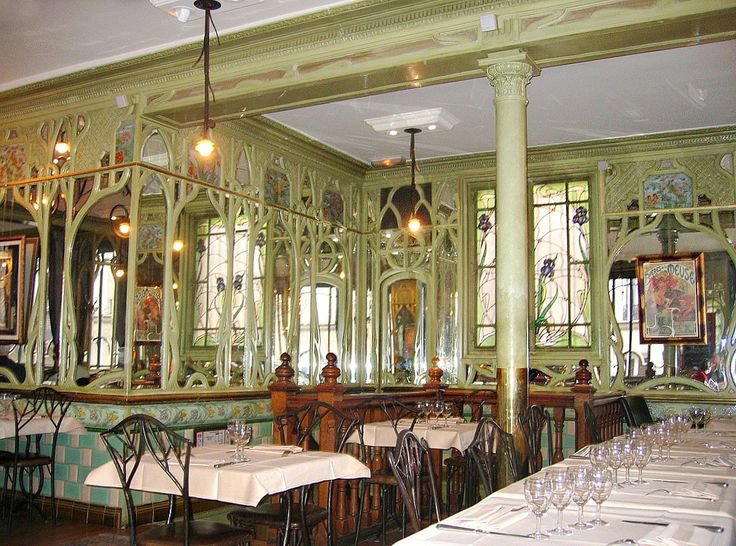
Lyon, France
Racine holds a Michelin Bib Gourmand (2025) and a 4.8 Google rating from over 500 reviews, placing it among the most consistently praised addresses in Reims for modern cuisine at accessible prices. Chef Kazuyuki brings Japanese precision to French regional ingredients, producing a menu where technical discipline and product quality do the talking. The wine list leans into the surrounding Champagne region with depth and genuine selection.
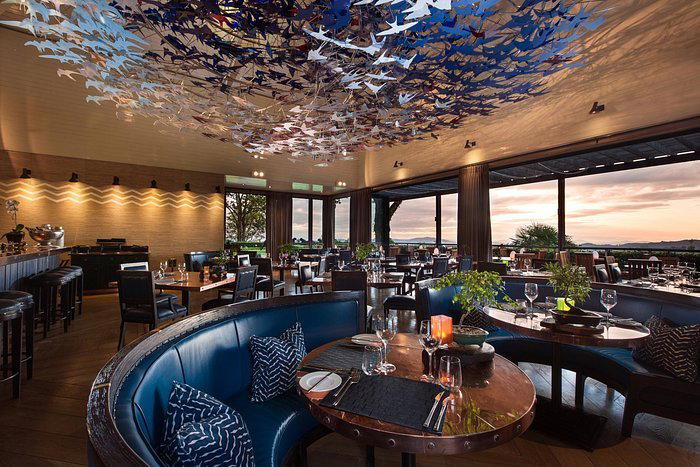
Helshoogte Pass, South Africa
Positioned on the Helshoogte Pass above Stellenbosch, Delaire Graff combines a Relais & Châteaux lodging property with a South African kitchen overseen by Chef Clinton Jacobs. The restaurant has drawn attention for care-intensive preparation across vegetables, meat, fish, and seafood, set against landscaped grounds housing over 400 works of art and mountain views that frame every service.
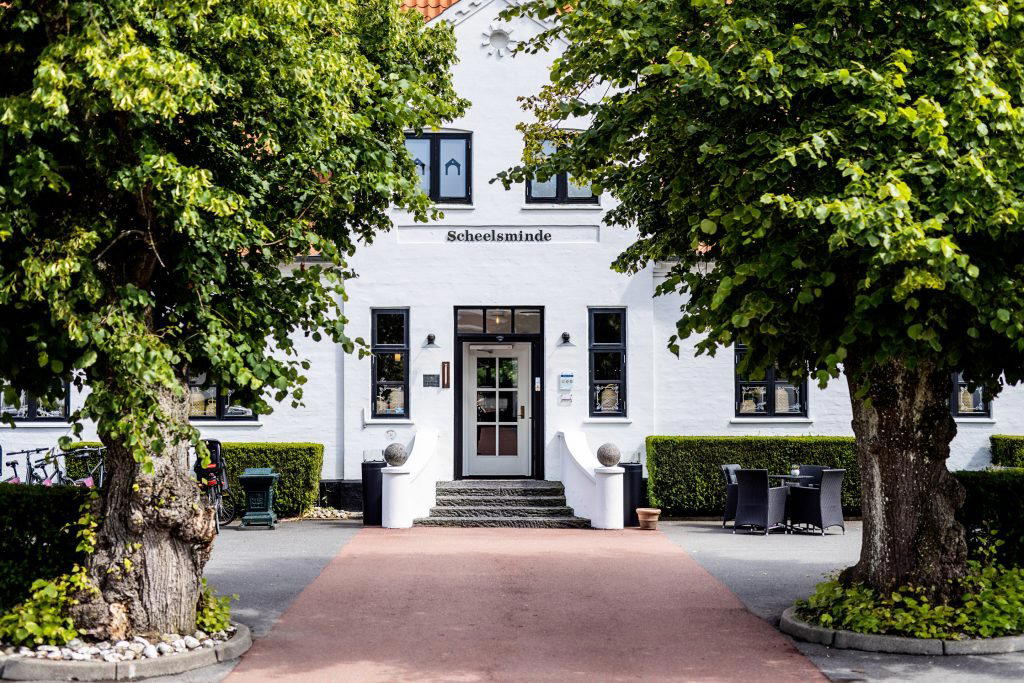
Aalborg, Denmark
Set within the grounds of Scheelsminde Hotel on Aalborg's northern fringe, Restaurant Bühlmann pairs Nordic cuisine with French and Asian reference points, drawing heavily from the hotel's private gardens. Recognized on Star Wine List with a White Star designation, the kitchen operates under a classically trained sensibility, with local ingredients forming the foundation of most dishes. A quieter address than the city centre, but serious in its ambitions.

Menton, France
Mirazur holds three Michelin stars and topped the World's 50 Best Restaurants list in 2019, placing it among the small tier of French restaurants that compete on a global stage. Set on a hillside above Menton near the Italian border, Chef Mauro Colagreco's kitchen draws on permaculture gardens and Mediterranean produce to build a menu where vegetables and seasonal rhythm drive the cooking. The wine programme matches that ambition across a cellar with serious regional and international depth.
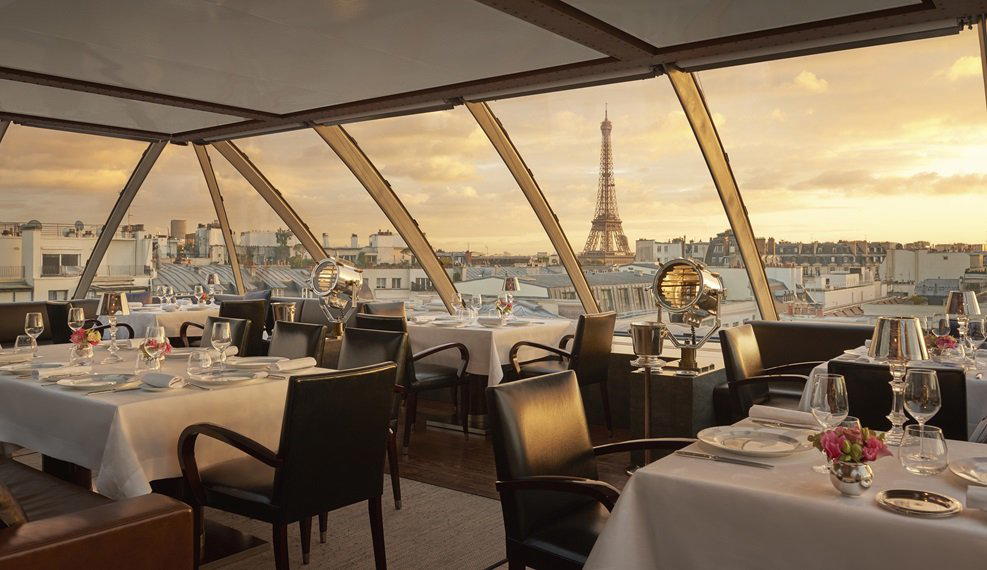
Paris, France
A two-Michelin-star address on Avenue Kléber, L'Oiseau Blanc places David Bizet's contemporary French cooking inside one of the 16th arrondissement's more considered dining rooms. La Liste scores it at 78 points for 2026 and Opinionated About Dining ranks it 117th in Europe for 2025, positioning it in the tier just below Paris's three-star circuit and ahead of the city's one-star creative field.

Oceanside, United States
A 10-course all-vegetable tasting menu with a Japanese sensibility, served overlooking the Pacific in Oceanside. Chef William Eick's omakase-style format brings ingredient-driven precision to San Diego's North County, pairing each course with sake under the guidance of an on-site sommelier. One of Southern California's more quietly serious tasting-room experiences.

Tokyo, Japan
On the 35th floor of Marunouchi's Maru Building, Sens & Saveurs occupies a perch that few Tokyo restaurants can match for sheer vertical drama. Chef Takeshi Kamoda works a French-Japanese register shaped in part by the Pourcel brothers' influence, and the restaurant has attracted a largely international following. We're Smart® has noted the kitchen's plant-forward capacity while flagging that the concept could benefit from sharper culinary direction.

Gentofte, Denmark
Jordnær holds three Michelin stars and a place in the World's 50 Best at number 56, operating from a quiet address in Gentofte rather than central Copenhagen. Chef Eric Kragh Vildgaard, a Noma alumnus, works a Nordic-Japanese register that has drawn consistent recognition from La Liste, Michelin, and the 50 Best across successive years. The restaurant ranks among Denmark's most decorated outside the capital's inner ring.

Bologna, Italy
A Michelin-starred restaurant inside Bologna's historic I Portici hotel, occupying a former 19th-century musical café adorned with Liberty-style frescoes. Chef Emanuele Petrosino — named Michelin Young Chef 2019 — bridges Mediterranean technique with Emilian tradition across tasting menus of five, seven, or nine courses. Service runs Tuesday through Thursday evenings only, making advance booking essential.

Santiago, Chile
On a tree-lined block in Lastarria, Mulato makes the case that Chilean cooking has always been as much about the land as the sea. The kitchen draws on a wide sweep of domestic produce — pumpkin, quinoa, lentils, sweet corn, spinach — to balance a menu where fish and meat anchor the plate. Friendly, knowledgeable floor staff guide first-time visitors through a genuinely representative spread of what the country actually grows and eats.

Gent, Belgium
Souvenir sits among Gent's most serious creative tables, holding a Michelin star and a top-110 ranking in Opinionated About Dining's European list for 2025. The kitchen operates without meat, drawing on North Sea fish and organic vegetables sourced directly from dedicated farmers. For a city increasingly confident in vegetable-forward fine dining, it represents the approach at its most committed.

Santiago, Chile
Boragó has held a place in the World's 50 Best Restaurants every year since 2015, and its tasting menu, Endémica, remains one of South America's most rigorous expressions of native-ingredient cooking. Chef Rodolfo Guzmán works with over 200 foragers and small producers across Chile, drawing from coastlines, high-altitude terrain, and a biodynamic orchard to build a menu rooted in Mapuche food culture.

Poggio Torriano, Italy
Il Povero Diavolo sits in the small Rimini-area hilltop settlement of Poggio Torriana, where chef Giuseppe Gasperoni has drawn early critical attention for a vegetable-forward kitchen that treats produce as the primary flavour engine rather than a supporting act. The restaurant has already earned 2 Radishes from EP Club, with assessors noting the technical skill to progress further as Gasperoni's style matures.
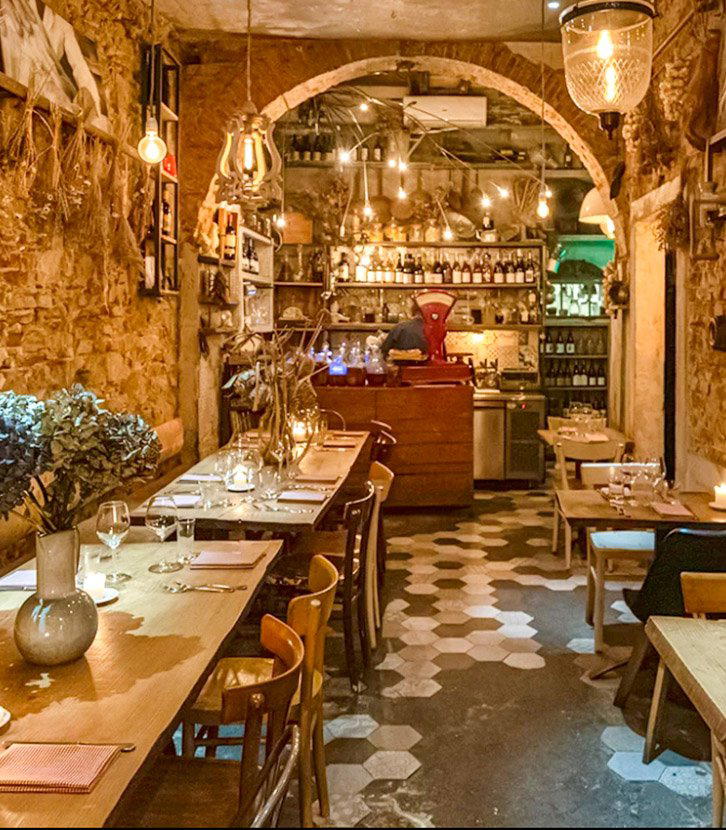
Beveren, Belgium
Castor holds two Michelin stars and a consistent presence in the Opinionated About Dining Classical in Europe rankings, placing chef Maarten Bouckaert's cooking firmly among Belgium's serious fine-dining addresses. Located in Waregem in the West Flemish interior, the restaurant applies a precise, produce-led approach to Modern French technique, where vegetables structure the plate rather than occupy its margins.

Chennai (Madras), India
Housed within ITC Grand Chola in Chennai's Guindy district, Royal Vega stands as one of India's most considered vegetarian dining rooms, operating under Chef Varun Mohan's two-decade expertise and the influence of culinary authority Chef Manjit Singh Gill. The kitchen organises its menu around seasonal produce and a layered command of spice, positioning it well above the average hotel vegetarian offering.

York, United Kingdom
Roots sits inside a converted Victorian inn beside York's city walls, running tasting menus built entirely around Tommy Banks' Oldstead farm and kitchen garden. The Michelin-starred restaurant ranks #534 in Opinionated About Dining's 2025 European list, with a Core menu at £95 and Signature at £145. A Sunday feast format offers a more accessible entry point into the same seasonal philosophy.

Amsterdam, Netherlands
A Michelin-starred address in Amsterdam's Oud-West that trades white-tablecloth convention for neon lights, a centerstage open kitchen, and a creative menu rooted in Indonesian and Asian influences. Chef Dennis Huwaë's vegetable-forward cooking, ranked 191st in Opinionated About Dining's Classical in Europe list for 2025, makes a compelling case for why Amsterdam's most interesting dining is happening outside the canal-belt centre.

Copenhagen, Denmark
A Michelin Bib Gourmand recipient and Pearl Recommended restaurant for 2025, Restaurant VIE operates as a modern bistro in Copenhagen's Nordhavn district, threading Scandinavian and French influences through a menu grounded in seasonal, plant-forward cooking. Chef Mikkel Maarbjerg works closely with local suppliers, and the We're Smart Green Guide has recognised the kitchen's commitment to vegetable-led cuisine. Google reviewers rate it 4.3 from 47 reviews.
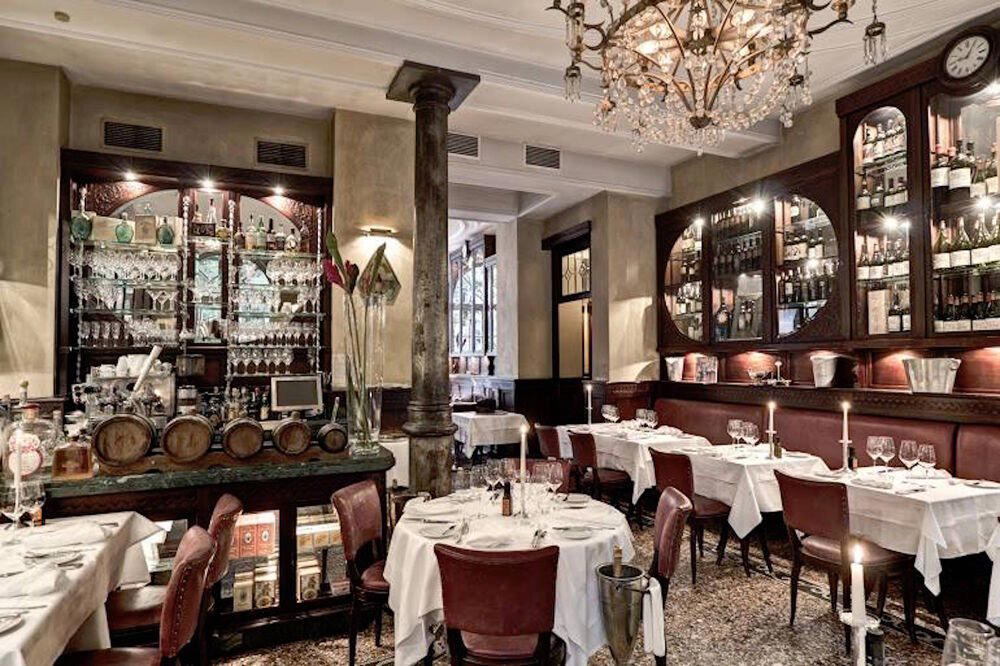
Neunburg vorm Wald, Germany
A two-Michelin-star address in the Upper Palatinate Forest, Obendorfers Eisvogel earns 91 points on the 2026 La Liste ranking through chef Sebastian Obendorfer's product-driven creative cooking. The kitchen works across meat, fish, and vegetables with evident technical command, and the setting outside Neunburg vorm Wald positions it firmly in Germany's growing circuit of destination restaurants beyond major city centres.

Stellenbosch, South Africa
Restaurant Jordan sits on the Jordan Wine Estate along Stellenbosch Kloof Road, where set-menu dining under chef Martinus Ferreira draws on regional South African produce with consistent vegetarian depth. A La Liste 2025 score of 77 points places it among the Winelands' most recognised fine-dining addresses. The mountain-framed views over the estate vineyards remain one of the most distinctive dining settings in the Cape.

Milan, Italy
Holding a Michelin star since 2024 and ranked #190 in Europe by Opinionated About Dining (2025), Horto positions Milan's modern plant-forward dining at the intersection of radical locality and technical ambition. Chef Alberto Toè runs two tasting menus under Norbert Niederkofler's direction, with every ingredient sourced within an hour of the city. The outdoor terraces, framed by views stretching from the Duomo to the Castello Sforzesco, make this one of central Milan's most considered dining addresses.

Talloires-Montmin, France
Holding two Michelin stars at the Auberge du Père Bise on the shores of Lake Annecy, Jean Sulpice operates a single set menu built around the lake's fish, alpine herbs, and wild plants. The lakeside terrace and contemporary dining room together create a setting that earns the cooking's precision. Wine Director Maéva Rougeoreille oversees a 30,000-bottle cellar priced at the higher end of the regional scale.

The Hague, Netherlands
On Denneweg, The Hague's most curated dining street, Oogst builds its Modern French menu around direct access to a biodynamic kitchen garden in nearby Wassenaar. Chef Kyan van Bommel works with seasonal harvests from 'Laantje Voorham,' translating field-to-plate sourcing into vegetable-forward cooking that holds two consecutive Michelin Plate recognitions (2024 and 2025). The price point sits at €€, making it one of the stronger value propositions in the city's mid-tier French category.
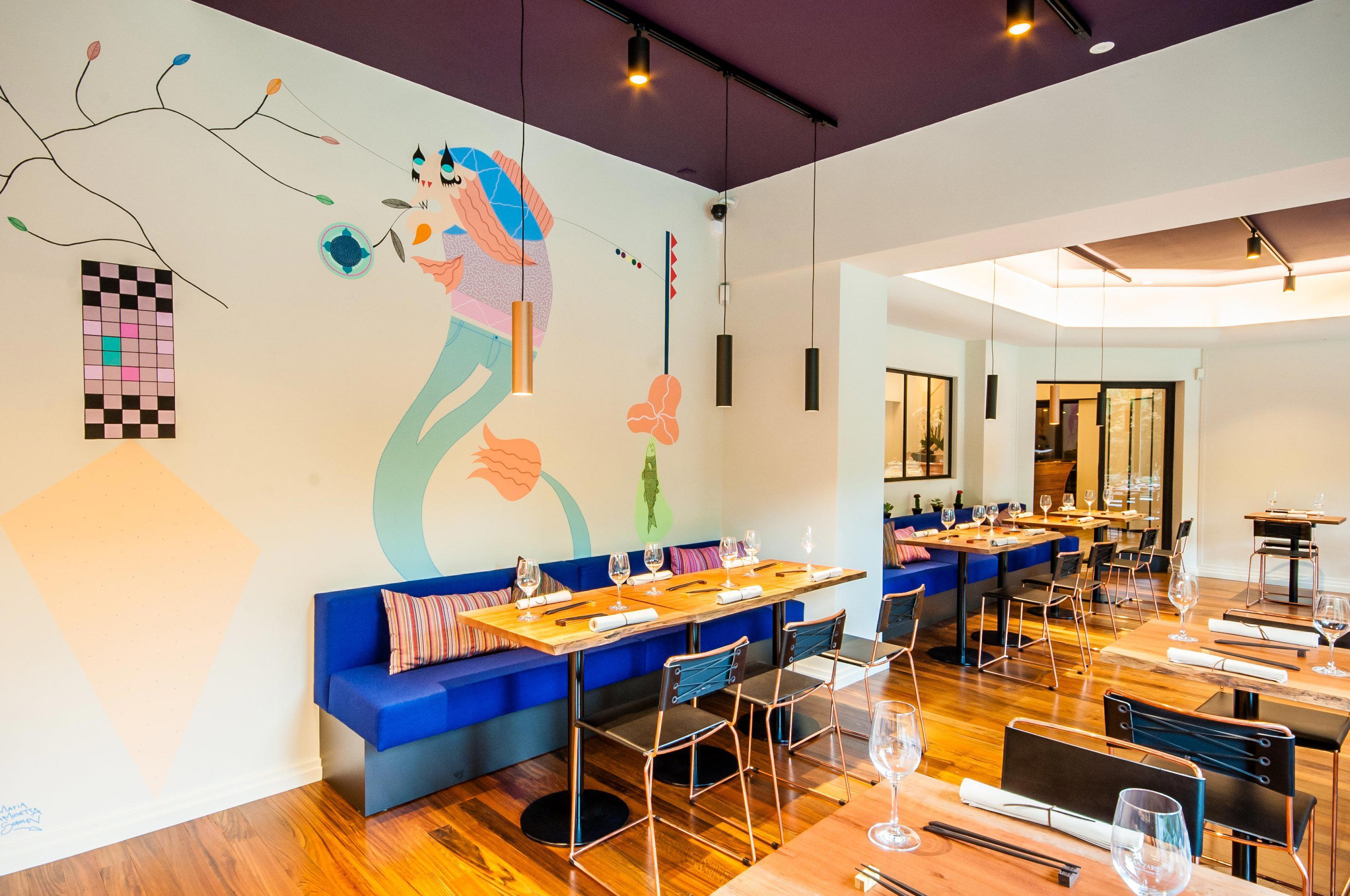
Woluwe-Saint-Pierre, Belgium
Sanzaru brings Nikkei cuisine to one of Brussels' quieter residential communes, operating from a protected 1937 modernist building on Avenue de Tervueren. Chef Nathan Urbanowiez applies the Japanese-Peruvian culinary tradition to produce combinations that sit at the more considered end of Brussels' mid-to-upper dining tier. Michelin Plate recognition in both 2024 and 2025 places it inside a competitive bracket that rewards technique over spectacle.

Eastermar, Netherlands
Set in the Frisian countryside of Eastermar, Mearkas operates from a greenhouse built with recycled materials, serving a vegetable-focused seasonal menu where nearly every ingredient is grown on-site or sourced from neighbouring land. A Michelin Plate holder in both 2024 and 2025, the kitchen under chef Kees Meinderts earns an EP Club rating of 4 to 5 Radishes — a score reserved for cooking that makes the journey worthwhile.

St. Paul de Vence, France
La Colombe d'Or sits on the Place du Général de Gaulle in the medieval hill village of Saint-Paul-de-Vence, serving Provençal food that holds close to the seasonal logic of the surrounding land. The kitchen, under chef Hervé Roy, produces the kind of vegetable-forward, sun-driven plates — truffle salad, grilled peppers, tapenade — that the Var hinterland has been producing for centuries. An Opinionated About Dining Casual ranking confirms its standing among discerning European tables.

Napa, United States
Three Michelin stars and a Michelin Green Star since 2025, The French Laundry in Yountville operates a nightly tasting menu with reservations opening two months in advance. Chef David Breeden leads the kitchen under Thomas Keller's ownership, with a wine program spanning 3,000 selections across 22,000 bottles and a cellar weighted toward California, Burgundy, and Bordeaux.
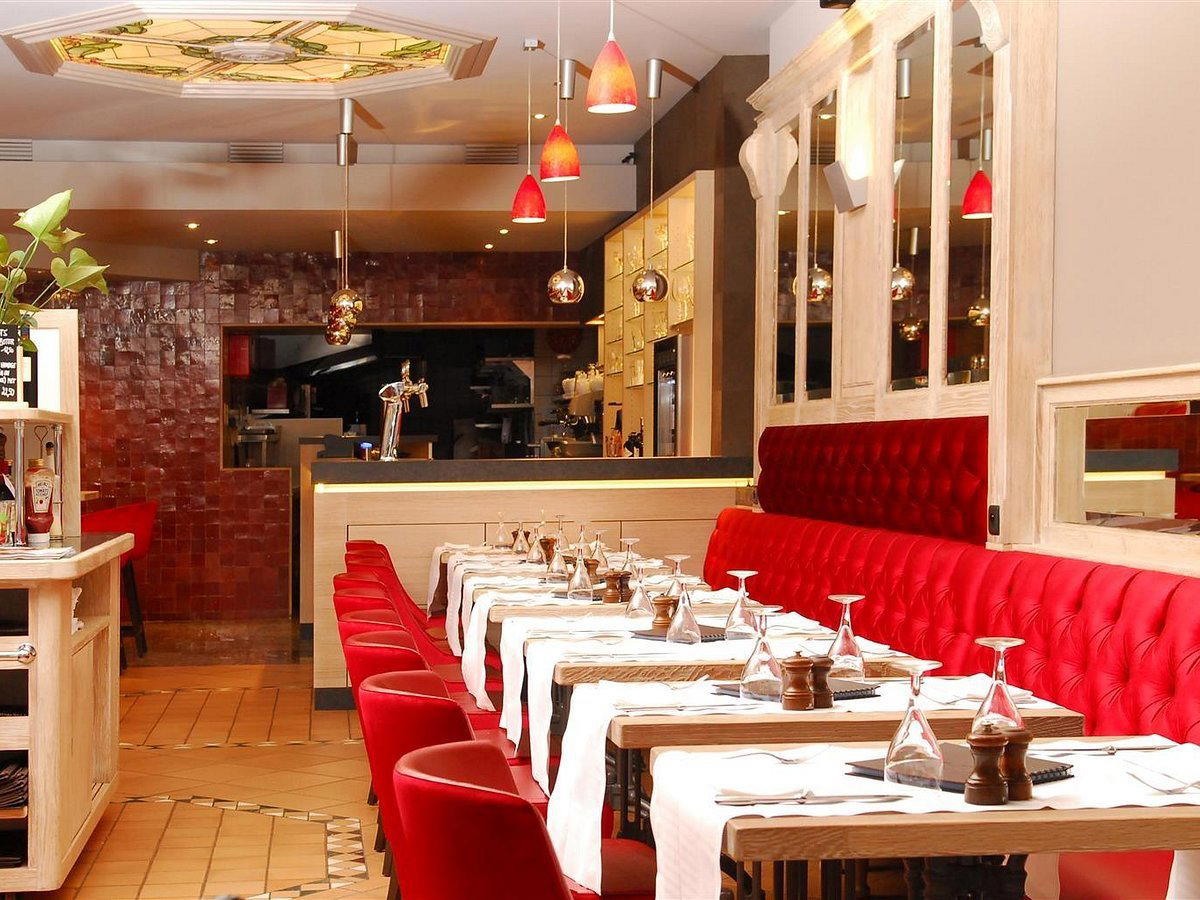
Tienen, Belgium
A Michelin Plate-recognised farm-to-table address in Tienen, De Refugie grounds its cooking in traditional Belgian technique and regional sourcing, with a vegetarian menu that has moved from afterthought to front-of-house statement. Rated 4.6 across 257 Google reviews, it draws a loyal local following rather than destination-dining traffic, making it one of the more honest expressions of Flemish Brabant's quieter dining culture.

Luxembourg, Luxembourg
A Michelin-starred French restaurant in Luxembourg's Polfermillen valley, La Villa de Camille et Julien runs a plant-forward tasting menu called Naturalité alongside classical French technique rooted in training under Joël Robuchon. Recognised in the We're Smart Green Guide for its seasonal, garden-sourced approach, it operates Tuesday through Saturday with tightly spaced lunch and dinner sittings, making advance booking essential.

Linden, Belgium
De Victorie sits in the Flemish Brabant countryside outside Linden, holding a Michelin Plate and a single radish from the We're Smart Green Guide — a combination that signals serious kitchen work grounded in vegetable-forward sourcing. The €€€ price tier places it within reach of a wider audience than the region's starred tables, making it a considered option for anyone exploring modern Belgian cuisine beyond the city circuit.

Chicago, United States
Beneath its tasting-menu sibling Smyth in Chicago's West Loop, Loyalist operates as a French-American brasserie where the kitchen's technical rigor surfaces in an à la carte format. Ranked #78 in Opinionated About Dining's Casual North America list in 2024 and #27 in Gourmet Casual Dining in 2023, it draws a regular crowd for farm-sourced vegetables, aged meats, and a burger that has become one of Chicago's most discussed.
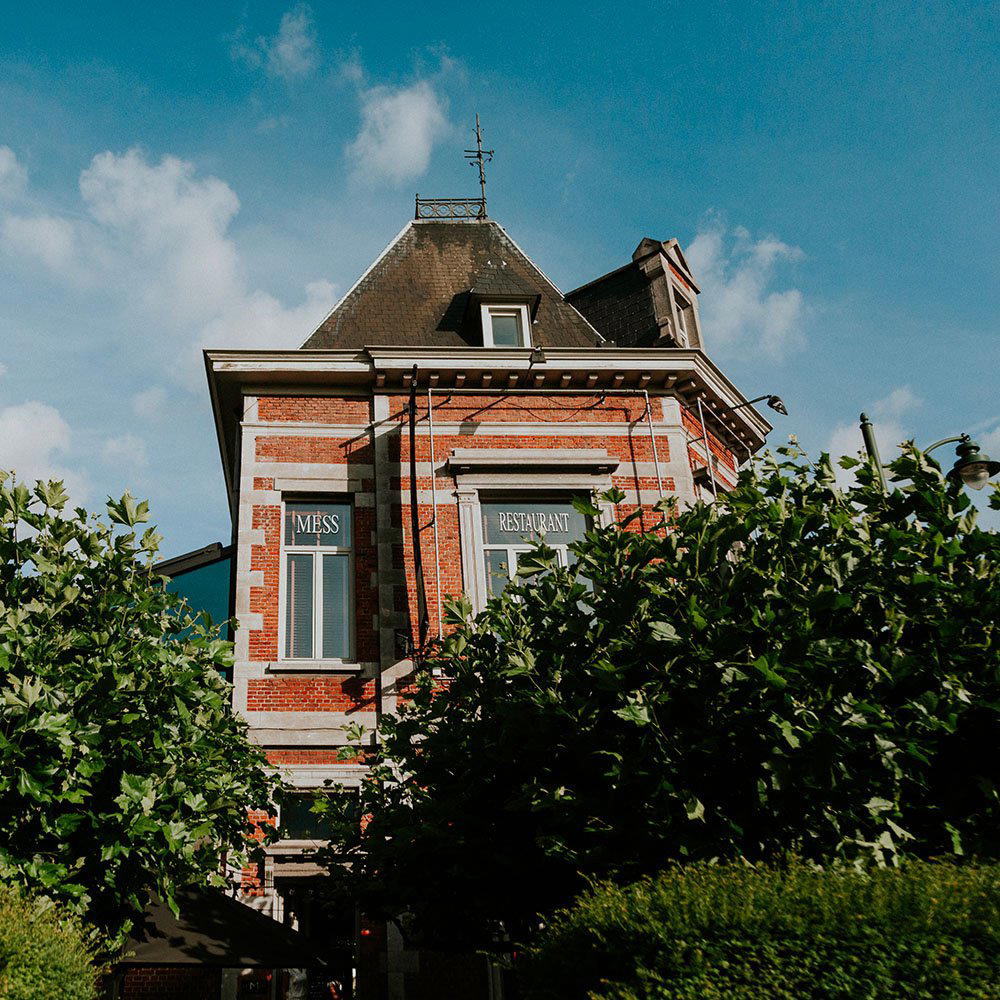
Brussels, Belgium
Occupying the kitchen of Etterbeek's former military Arsenal, Le Mess has built a following among Brussels residents who return for its market-driven seasonal menu and serious commitment to sustainability. The produce-first approach, with an emphasis on vegetable variety, local sourcing, and waste reduction, places it among the city's most considered addresses for low-impact dining without compromise on flavour.

Trevignano Romano, Italy
Agrolago sits just outside Trevignano Romano on the shores of Lake Bracciano, operating as a fully plant-based restaurant with a place in the We're Smart Green Guide. The kitchen draws on local Lazio produce and regional specialities, making a case for vegetarian and vegan cooking that is rooted in the land rather than detached from it.
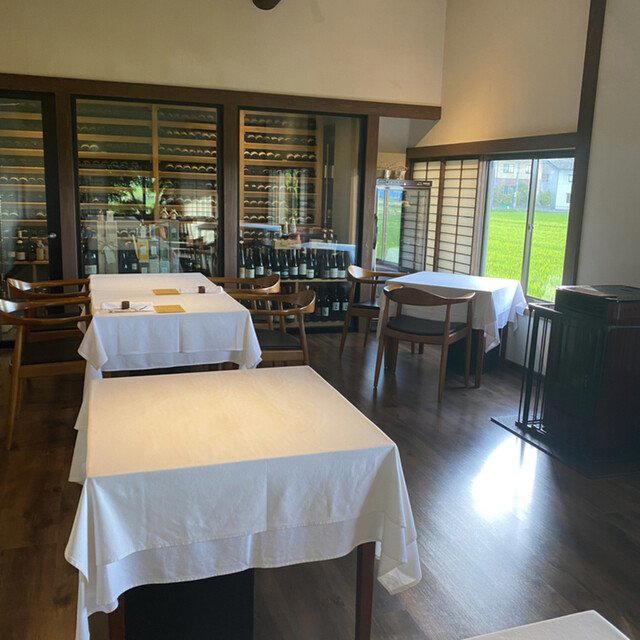
Niigata, Japan
A Tabelog Silver Award winner operating from a house restaurant in Sanjo, Niigata, Restaurant UOZEN under chef Kazuhiro Inoue has built a consistent track record across seven consecutive Tabelog awards since 2020. The menu draws on Niigata's exceptional agricultural and marine produce through a French framework, with dinner running JPY 15,000–19,999 and reservations required via Pocket Concierge.

Reijmerstok, Netherlands
A two-Michelin-starred creative restaurant set within a converted farmstead in the Limburg countryside, Brut172 is one of the Netherlands' most decorated addresses outside the major cities. Chef Hans van Wolde's cooking spans technically refined meat and fish preparations alongside an increasingly plant-forward program, recognised by La Liste (92 points, 2026) and ranked among Europe's top 500 restaurants by Opinionated About Dining.

Dijon, France
Holding a Michelin star since at least 2024, L'Aspérule on Rue Jean Jacques Rousseau operates at a price point that makes starred dining in Dijon genuinely accessible. Chef Keigo Kimura, trained under Marc Veyrat and Joël Robuchon, runs a kitchen-garden-driven menu that shifts between a market-led afternoon format and more adventurous evening tasting sequences built around Burgundian produce.

London, United Kingdom
Honey & Co on Lamb's Conduit Street holds a Michelin Plate and a 2024 Opinionated About Dining ranking among Europe's top casual restaurants, placing it firmly in London's most-recognised tier of Middle Eastern cooking. Sarit Packer and Itamar Srulovich serve sharing plates, meze, and all-day desserts in a room softened by foliage and paper tablecloths, where the wine list is curated by the team behind Noble Rot opposite.

Mexico City, Mexico
Chef Eduardo García's innovative French-Mexican fusion defines Máximo Mexico City, where industrial Roma Norte elegance frames creative tasting menus featuring signature dishes like abalone tostada and caviar-crowned desserts in a stunning white brick space with soaring ceilings.
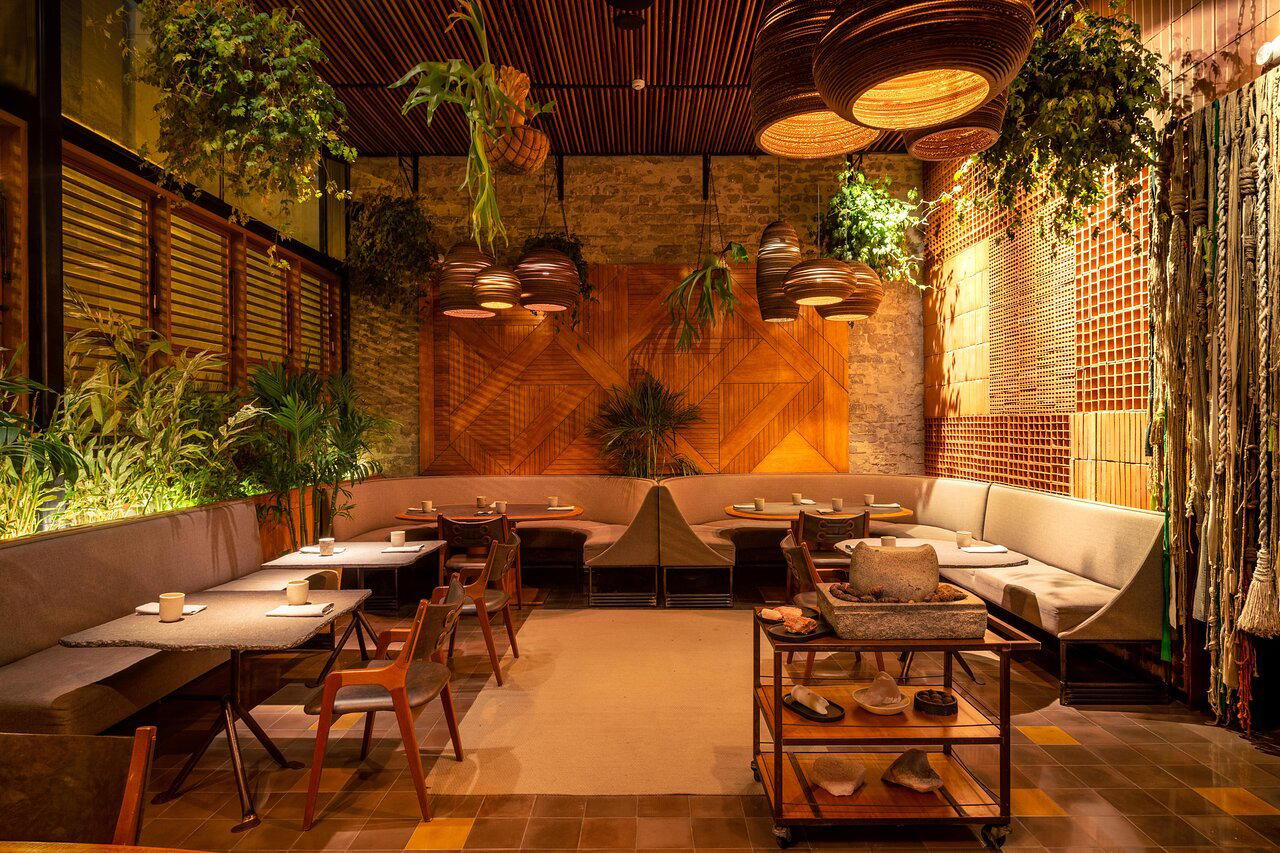
Lima, Peru
Ranked #41 on The World's 50 Best Restaurants in 2024, Mayta has been among Lima's most consistent modern Peruvian addresses since relocating and relaunching in 2018. Chef Jaime Pesaque structures the menu around Peru's regional biodiversity, from Amazonian fish to Andean algae, across a nine-course tasting format and a parallel plant-based programme that earned a fifth radish in the We're Smart Green Guide.

Barcelona, Spain
El Palace Hotel's rooftop Winter Garden sits above the Eixample grid with views across Barcelona that frame a tasting menu built on precise, tightly constructed plates. The kitchen's approach to vegetables as supporting architecture rather than centrepiece sets it apart from the city's more technique-forward creative dining rooms. Booking through the hotel is the standard route for a room that fills quickly on warm evenings.

London, United Kingdom
Sketch's Lecture Room and Library has held three Michelin stars since its ascent to the top tier of London's Modern French dining, operating from an 18th-century Mayfair mansion at 9 Conduit St. Pierre Gagnaire's multi-dish signature approach — langoustine in liquorice beurre noisette accompanied by a constellation of complex side preparations — defines the format, while head chef Johannes Nuding steers execution across a room that ranks #105 on La Liste 2026.

Goes, Netherlands
Kale & de Bril holds a Michelin Plate (2025) and a 4.9 Google rating from over 500 reviews, placing it at the serious end of Goes's compact fine dining scene. Chefs Niek Traas and Marc Everse work primarily with seafood and beef in a farm-to-table format, with a plant-based menu available on request at the time of booking. For a town of Goes's size, the kitchen operates at a level that competes well beyond its postcode.

Doorn, Netherlands
In the forested village of Doorn, Buut makes a considered case for plant-forward cooking rooted in Dutch seasonal produce. Chef Matthijs Pijpers and his team work directly with local producers, building menus around what the surrounding region yields rather than what import markets supply. For plant-based dining in the Utrecht Hill Ridge area, it represents a notable benchmark.

Tokyo, Japan
A two-Michelin-starred restaurant in Higashi-Azabu, Crony occupies a glass-walled detached house across from a park, where Chef Michihiro Haruta serves prix fixe menus rooted in French technique and a sustainability ethos that extends from suppliers to staff. Ranked 30th on Asia's 50 Best in 2025, it sits among Tokyo's most closely watched fine-dining addresses.

Barcelona, Spain
Petit Comitè holds a Michelin Plate and consecutive Opinionated About Dining rankings (reaching #282 in Europe in 2024) for its commitment to classical Catalan cooking in a contemporary Eixample setting. Chef Carles Gaig leads a kitchen that treats tradition as a discipline rather than a nostalgia exercise, with fish dishes drawing particular critical notice. The à la carte and Gran Ágape set menu formats give the room genuine flexibility.

Meerbusch, Germany
Anthony's Kitchen holds a Michelin star and a place in the We're Smart Green Guide, operating from Meerbusch as one of Germany's more distinctive plant-forward addresses. Chef Anthony Sarpong draws on West African culinary tradition and international technique, offering two set menus — including the fully plant-based 'Green Journey' — inside a space that doubles as a cookery school.

Surgères, France
Opposite the medieval ramparts at the center of Surgères, La Table d'As runs a seasonal, bistronomic kitchen rooted in locally sourced vegetables and regional produce. Chef Alexandre Lachaumette changes the menu as ingredients dictate, keeping the cooking familial in register while remaining confident in execution. It is the kind of address that rewards travelers willing to step off the main route through Charente-Maritime.

Quévy, Belgium
A small address on the Chaussée de Beaumont in Quévy, L'Atelier des Alchemistes takes the vegetable garden as its starting point rather than its garnish. The kitchen works with local produce and presents it without artifice, sitting at the opposite end of the spectrum from Belgium's high-concept tasting-menu circuit. For a neighbourhood that rarely attracts destination dining attention, it makes a quiet but clear argument for why it should.

Ostuni, Italy
Cielo occupies the rooftop of La Sommità hotel in Ostuni's whitewashed hilltop quarter, holding a Michelin Plate and consecutive Opinionated About Dining recognition across both its North and South American ranking lists. Chef Juan Manuel Barrientos Valencia works with Puglian ingredients reframed through a modern lens, with dining options spanning a terrace aperitif at dusk to a full tasting menu beneath vaulted ceilings. Price range sits at €€€€.
Helsinki, Finland
Nolla occupies a particular position in Helsinki's dining scene: a zero-waste kitchen running on local sourcing, a handwritten wine list rated first in Finland by Star Wine List three times, and a Michelin Bib Gourmand that confirms the value proposition. The menu moves through minimalist, produce-led dishes with Southern European inflections, served from Tuesday through Saturday in a room that keeps the focus firmly on the plate.

Berlin, Germany
Bonvivant Berlin revolutionizes plant-based fine dining through innovative five and six-course vegan tasting menus that showcase local, seasonal ingredients transformed by masterful barbecue techniques and fermentation artistry in an atmosphere where culinary excellence meets Berlin's relaxed sophistication.

Utrecht, Netherlands
Stadsjochies sits at Rijndijk 12 in Utrecht, operating from a greenhouse setting where vegetables take the leading role on every plate. The restaurant has earned recognition from the We're Smart Green Guide for its plant-forward philosophy, with produce sourced directly from its own growing environment. Book ahead and flag your menu preference at reservation time — the vegetable-led menu requires advance notice.
Mechelen, Belgium
A Michelin Plate holder near Mechelen's Grote Markt, Cosma operates as a combined brasserie, caterer, and delicatessen working across Mediterranean and oriental-inspired sharing formats. Generous salads, vegetable-forward side dishes, and a permanent vegetarian option give the format genuine range. At the €€ price point, it represents the city's most accessible entry into Michelin-recognised cooking.

Madrid, Spain
A two-Michelin-star address in Madrid's Salesas district, DSTAgE operates from a high-ceilinged industrial loft on Calle de Regueros where creative set menus fuse global ingredients with trompe l'oeil technique. Rated 90.5 points by La Liste (2025) and ranked in the Opinionated About Dining European top tier, it sits at the sharper, more experimental end of Madrid's €€€€ fine-dining bracket. Dinner service runs Tuesday through Saturday, with Friday and Saturday lunch also available.

Cavalese, Italy
A 17th-century mill in the Fiemme Valley, El Molin holds a Michelin star and a top-250 ranking from Opinionated About Dining for its single tasting menu built around Alpine ingredients: smoked preparations, local herbs, barks, lichens, game, and freshwater fish. Chef Alessandro Gilmozzi treats the Dolomites as both larder and creative framework, producing food that oscillates between deep tradition and considered invention.

Sheffield, United Kingdom
Housed in a 300-year-old paper mill on the edge of Sheffield's Oughtibridge Valley, JÖRO has carried the Nordic-inflected, fermentation-forward cooking that made its Kelham Island shipping-container incarnation a talking point to a setting with more room to breathe. Michelin Plate recognition and a 2025 ranking of #296 in Opinionated About Dining's Europe list confirm it as the city's most internationally visible fine-dining address. Three tasting menus, seven apartment rooms, and wine pairings from £32 make the full experience accessible without softening the ambition.
Stockholm, Sweden
Växthuset occupies a distinct corner of Stockholm's plant-forward dining scene, pairing ingredient-led, no-frills cooking with biodynamic wines, in-house blends, and fermentations. The atmosphere runs deliberately loose — humour and ease over ceremony — which sets it apart from the tasting-menu formality that defines much of the city's upper tier. A Star Wine List White Star recognition signals the drinks program is taken seriously.

Kortrijk, Belgium
Table d'Amis holds a Michelin star and a regional title for vegetable cooking that places it among Kortrijk's most considered dining addresses. Chef Matthieu Beudaert's approach weaves vegetables through fish, meat, and pure vegetarian dishes alike, drawing on local producers including Keiems Bloempje cheese. The Sint-Maartenskerkhof address, beside one of the city's oldest churches, anchors a meal in the quieter, ecclesiastical quarter of a city increasingly confident about its table.

Athens, Greece
Positioned among Athens' most decorated fine-dining addresses, Delta holds two Michelin stars and sits within the Stavros Niarchos Foundation Cultural Center on Syngrou Avenue. Chef George Papazacharias leads a kitchen grounded in contemporary Greek cuisine with a documented commitment to sustainability, including an on-site vegetable garden. La Liste ranked it 86 points in 2026; Opinionated About Dining placed it 240th in Europe for 2025.
Paris, France
Frenchie Paris showcases chef Grégory Marchand's globally-inspired French cuisine in an intimate 24-seat Michelin-starred restaurant. His seasonal tasting menu reflects international training from London to New York, creating innovative dishes that blend French technique with worldwide influences in the heart of the Sentier district.

Perk, Belgium
A Michelin Plate-recognised Modern French address in Steenokkerzeel, Greenroom takes a deliberately non-hierarchical approach to the meal: no starter-main division, two to four dishes from a suggestion menu, and a kitchen that gives vegetables genuine structural weight. With a 4.6 Google rating across 230 reviews and a format built around seasonal produce, it sits in the Flemish Brabant dining tier worth tracking.

Wimmertingen (Hasselt), Belgium
On the rural edge of Hasselt, Vous lé vous operates from a premise that most Belgian restaurants talk about but few commit to fully: the vegetable as the architectural centre of the plate, not its supporting cast. Chef Giovani Oosters grows, harvests, and cooks from his own land, serving a six-course Pure Nature menu on Friday and Saturday evenings. A boutique hotel sits alongside, making an overnight stay a practical option.

Marke, Belgium
Rebelle holds a Michelin star in Marke, a quiet municipality on the edge of Kortrijk, where Chef Martijn Defauw runs a fixed-menu format grounded in seasonal produce and French technique. Service windows are narrow — lunch and dinner on weekdays, Saturday lunch only — making advance planning essential. Ranked 462nd in the Opinionated About Dining European list for 2024, it occupies a precise niche within West Flanders' increasingly competitive fine-dining circuit.
São Paulo, Brazil
Maní holds a Michelin star and a 95-point La Liste score while occupying a distinct position in São Paulo's creative dining scene: technically precise Brazilian cooking that draws on Amazonian ingredients without losing sight of European technique. Chef Helena Rizzo's menu places vegetables and native produce at its structural centre, earning the restaurant a decade of international recognition including a 2014 peak of #36 on the World's 50 Best list.
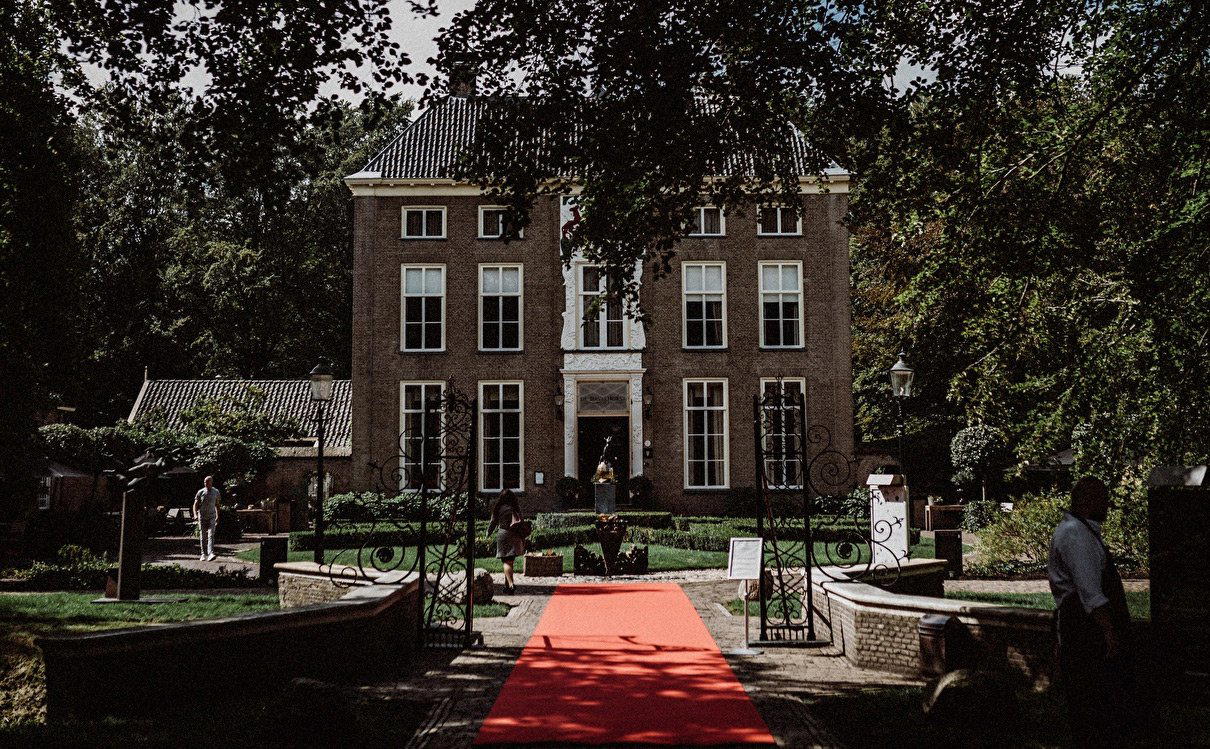
De Schiphorst, Netherlands
Set on a historic estate in Drenthe province, De Havixhorst channels the agricultural character of the surrounding region directly onto the plate. Potatoes, vegetables, and herbs are grown specifically for the kitchen, including from the estate's own castle garden, and the vegetarian menu draws on local producers for ingredients like Frisian nail cheese and salsify. The result is a châteauhotel restaurant that grounds fine dining in genuine place.

Leuven, Belgium
For more than three decades, Lukemieke on Vlamingenstraat has served as Leuven's most enduring daily vegetarian address, building its menu around organic, seasonal ingredients prepared entirely in-house. The kitchen works from the market rather than a fixed formula, producing a rotating daily menu that reflects what is available and what the chefs find worth cooking. It occupies a distinct space in a city better known for its Flemish and contemporary fine-dining scene.

Tongeren, Belgium
Le 54 sits on Hondsstraat in Tongeren, Belgium's oldest city, turning out cooking where vegetables hold equal footing with the protein on the plate. Cauliflower pairs with wolffish, asparagus anchors a lamb course, and sweet peppers arrive alongside little gem lettuce with beef carpaccio. The atmosphere runs family in register, the food runs decidedly precise.
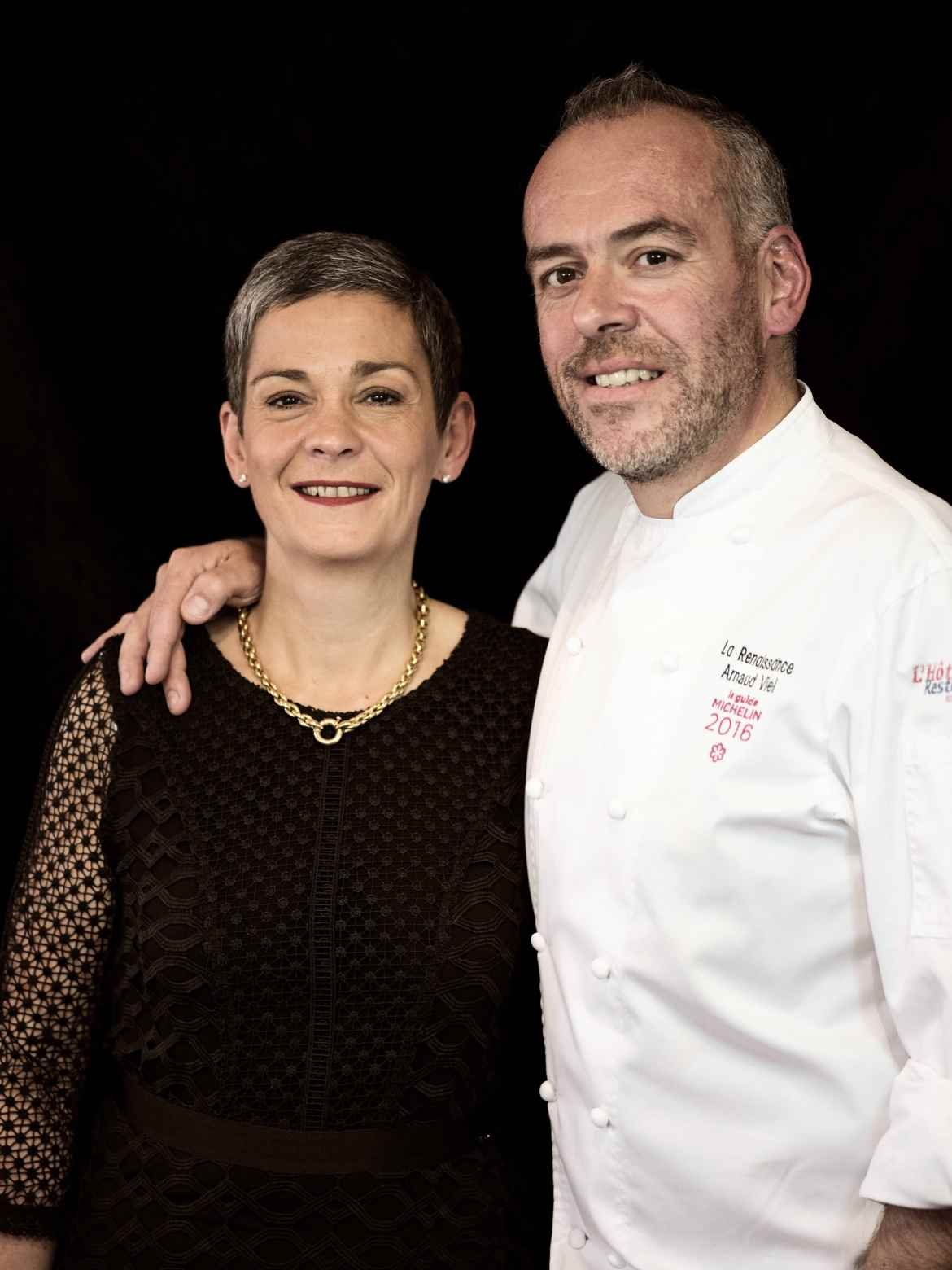
Argentan, France
In a town better known for its Norman countryside than its dining scene, Arnaud Viel has earned a place among France's most decorated plant-based kitchens, recognised by We're Smart with a five-radish rating. Housed in a hostellerie on the Avenue de la 2ème Division Blindée, the restaurant makes a case for vegetable cooking as a serious culinary discipline — one rooted in house-made broths, considered sourcing, and a format that reads as neither ascetic nor fashionably austere.

Leuven, Belgium
Convento Wijnbistro evolved from a wine shop into a Michelin Plate-recognised bistro on Mechelsestraat, consistently ranked among Leuven's leading wine addresses by Star Wine List. The kitchen leans farm-to-table with a pronounced vegetable focus, while the wine program anchors the experience. Within Leuven's €€€ restaurant tier, it occupies a specific niche: a place where the wine list and the food carry equal editorial weight.

Corçà, Spain
A two-Michelin-star address in the quiet Baix Empordà village of Corçà, Bo.TiC operates from a converted carriage factory where modern Catalan technique meets a rare commitment to hyper-local sourcing. Chef Albert Sastregener offers two set menus alongside a concise à la carte, with an extensive wine list weighted toward small producers. La Liste scored it 80 points in 2025.

Barcelona, Spain
Solc occupies the first floor of the five-star Majestic Hotel on Passeig de Gràcia, serving Michelin Plate-recognised Mediterranean cuisine with a clear Catalan identity. The kitchen sources produce from the restaurant's own farm in the Maresme comarca, with fish and meat from local producers. A Sunday brunch draws a loyal following, and advance booking is advisable across the week.

Kasterlee, Belgium
Seir brings Creative French cooking to the Flemish Campine, where a conservatory dining room and counter kitchen frame technically assured, vegetable-forward plates. Holding a Michelin Plate since its first full season, the restaurant sits at the serious end of Kasterlee's dining scene — a collaborative project built from within the brigade of the former Fleur de Sel, with a 4.7 Google rating across 253 reviews.
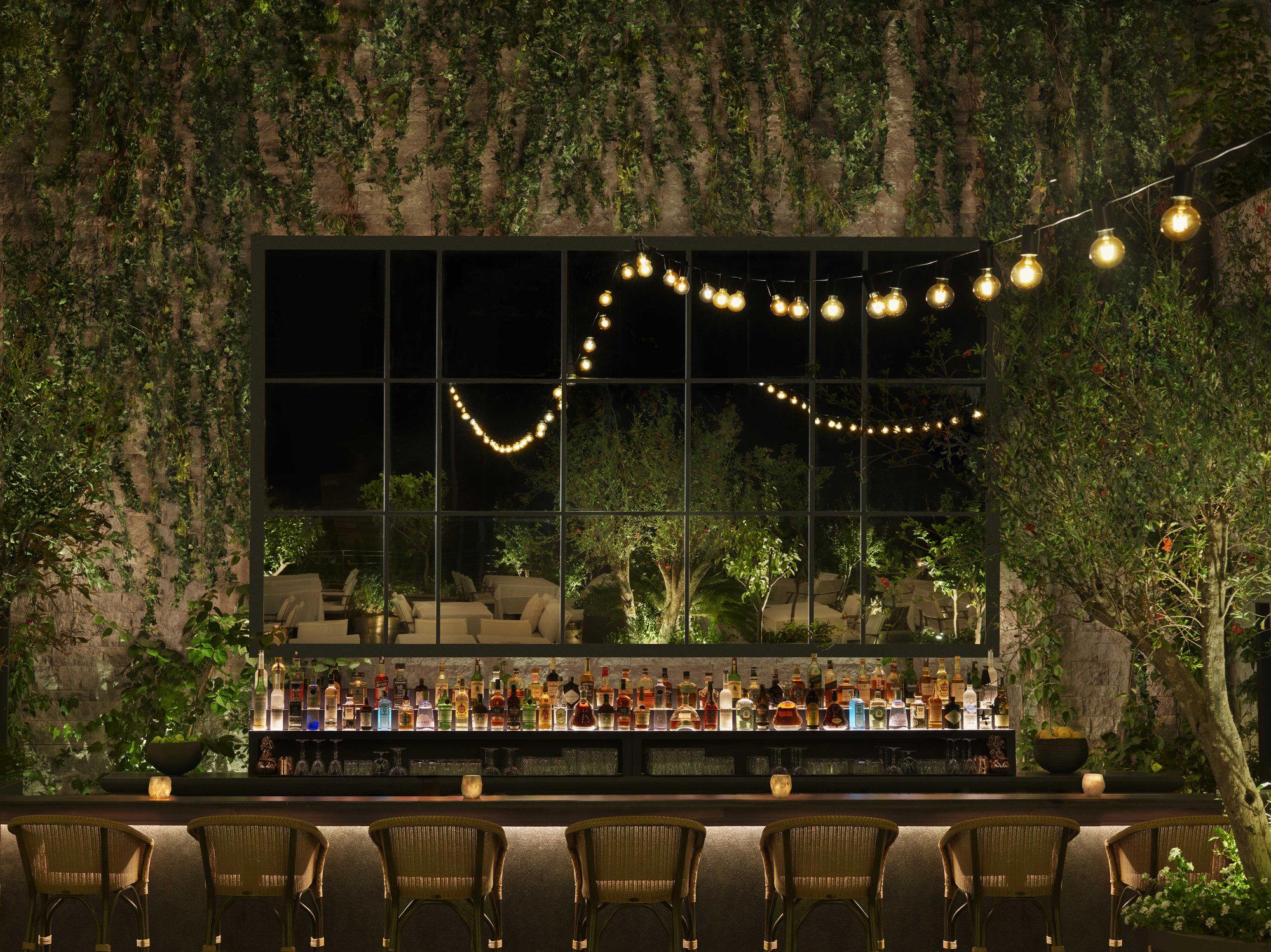
Bodrum, Turkey
At Brava in Yalikavak, Peruvian chef Diego Muñoz draws on Mediterranean and Turkish ingredients while applying techniques and textures from across South America and beyond. The kitchen produces grilled meats, quinoa preparations with saffron and dried fruits, and tempura-inflected vegetable dishes that sit at an intersection rarely found on the Bodrum peninsula. A considered address for travellers seeking something outside the region's default grilled-fish format.

Wanze, Belgium
Set within the Naxhelet estate in Wanze, POLLEN is a Michelin Plate-recognised Modern French restaurant where Chef François Durand builds his menu around vegetables and local produce. The flagship 'Maraîchage' vegetable menu signals a kitchen with a clear point of view. At the €€€ price tier, it sits at the serious end of Belgium's garden-to-table movement, with a Google rating of 4.9 from early reviewers.

Quito, Ecuador
Ranked 61st on the World's 50 Best Restaurants list in both 2024 and 2025, Nuema is where Quito's contemporary dining conversation is most seriously happening. Chefs Alejandro Chamorro and Pía Salazar run a seasonally driven tasting menu that maps Ecuador's biodiversity through angular plating, bold colour, and layered flavour. Open Tuesday through Saturday for lunch and dinner, closed Sunday and Monday.

Copenhagen, Denmark
Denmark's only three-Michelin-star restaurant, Geranium occupies the eighth floor of Copenhagen's Parken stadium with a menu that runs approximately 80% plant-based across 20-plus courses. Chef Rasmus Kofoed — the sole chef to have won gold, silver, and bronze at the Bocuse d'Or — leads a program recognised by the World's 50 Best (#1, 2022) and La Liste (98pts, 2026). The wine list, curated by co-owner Søren Ledet, spans 6,085 selections across 22,900 bottles.

Rome, Italy
A Michelin-starred address on a quiet lane near Campo dei Fiori, Per Me Giulio Terrinoni delivers fish and seafood cooking in a precise, ingredient-led register that sits outside Rome's louder, more theatrical fine-dining circuit. Ranked #314 in Opinionated About Dining's Classical in Europe list for 2024 and holding a White Star from Star Wine List, it combines serious kitchen credentials with a room that remains genuinely calm and unhurried.

Harlingen, Netherlands
't Havenmantsje occupies a converted courthouse on Harlingen's harbour square, where a conservatory dining room looks directly onto the waterway and passing boats. Holding a Michelin Plate (2025), the kitchen anchors Modern French technique in Dutch regional produce, with chef Marco Poldervaart working as an ambassador of Dutch Cuisine. The restaurant runs throughout the day, from lunch and high tea through to dinner, at the €€€ price tier.
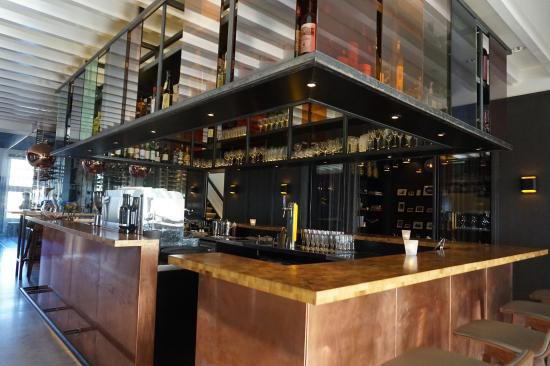
Hertogenbosch, Netherlands
Noble Gastro House occupies a historic building on 's-Hertogenbosch's city wall, with views across the Bossche Broek nature reserve. The kitchen holds a Michelin Plate (2025) and a listing in the We're Smart Green Guide, with chefs Edwin Cats and Bart Klom running both a prestige tasting menu and a dedicated vegetable-forward format that represents serious value at the €€€ tier.

Kaysersberg, France
Michelin-starred Alchémille elevates Kaysersberg fine dining through chef Jérôme Jaegle's revolutionary permaculture-to-plate philosophy, where seasonal tasting menus showcase ingredients from three on-site gardens in a minimalist setting that earned both Michelin star and Green Star recognition.
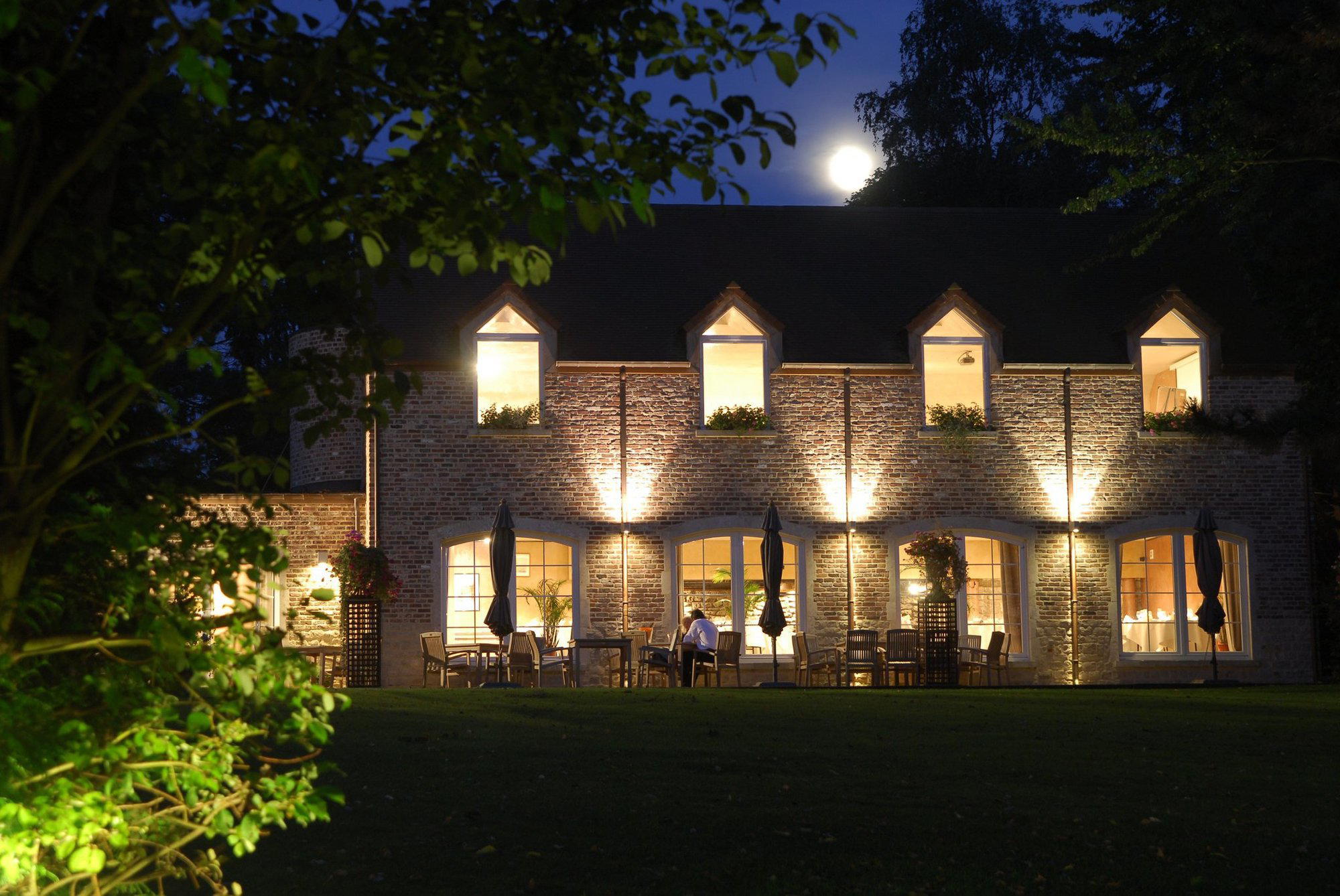
Mélin, Belgium
La Villa du Hautsart sits in the quiet Walloon Brabant countryside outside Mélin, where two Mastercooks run a kitchen supplied in part by a working vegetable garden on the property. The cooking moves with the seasons, with garden-grown produce shaping preparations built around meat and fish. When weather allows, the terrace opens onto a stretch of rural landscape that frames the meal as much as the food itself.

Blankenhain, Germany
A 16-cover restaurant inside the Spa & Golf Resort Weimarer Land, Masters holds a Michelin star (2025) and a 4-Radish rating from the Gault&Millau Discovery Award 2023 for its plant-forward take on Modern French cuisine. Chef Danny Schwabe's set menu prioritises vegetables, herbs, and cresses with sophisticated wine pairings, served in an intimate room that rewards advance planning.

La Chaux-de-Fonds, Switzerland
Luciole, on Rue Daniel-Jeanrichard in La Chaux-de-Fonds, holds a five-radish rating from We're Smart — the ceiling of that guide's plant-based recognition system. Chef Danny Baker works an entirely plant-forward kitchen, producing dishes that the guide describes as beautiful, refined, and flavourful. In a city better known for watchmaking than gastronomy, it occupies a serious position in Swiss vegetable-focused dining.

Saint-Gilles, Belgium
La Buvette has anchored the Chaussée d'Alsemberg dining strip in Saint-Gilles for years, earning a Michelin Plate and consecutive Opinionated About Dining recognitions through a modern cuisine format that takes vegetable-forward cooking seriously. Chef Nico Scheidt and chef de cuisine Diamantis Kalogerinis hold a We're Smart Green Guide listing — one of the few in Brussels — making this a reference point for plant-conscious dining at the €€€ price tier.

Tokyo, Japan
Three Michelin stars and a Green Star in Nishiazabu, L'Effervescence has held a place at the top of Tokyo's French dining tier since 2010. Chef Shinobu Namae's prix fixe menus work through French technique and Japanese seasonal philosophy in equal measure, with vegetables given structural prominence throughout. Tabelog scores consistently above 4.4, and the La Liste ranking sits at 93 points for 2026.

San Sebastián, Spain
Akelarre holds three Michelin stars and a 97-point La Liste ranking from its perch on Mount Igueldo, with sweeping views of the Bay of Biscay framing a menu built on fifty years of Basque culinary evolution under Chef Pedro Subijana. The restaurant operates Tuesday through Saturday for lunch and dinner, at the top end of San Sebastián's already demanding price tier. Book early: demand across the city's three-star tier runs consistently ahead of availability.

Amsterdam, Netherlands
Set in a converted old town hall on the dyke of Capelle aan den IJssel, Perceel earns its place on the Opinionated About Dining Europe rankings through cooking that tracks seasonal and natural rhythms closely. Chef Jos Grootscholten pairs garden herbs with sharply conceived flavour contrasts, and a kombucha-based drinks program extends that philosophy to the glass. Google reviewers award it 4.7 from 356 ratings.

Dinkelsbühl, Germany
On Dinkelsbühl's medieval Marktplatz, the bar at Hotel Goldene Rose runs a plant-forward tapas program with We're Smart recognition for its vegetable-led flavour combinations and contemporary atmosphere. It occupies a specific niche in a town better known for Frankish regional cooking, offering ingredient-serious small plates in a deliberately informal format.
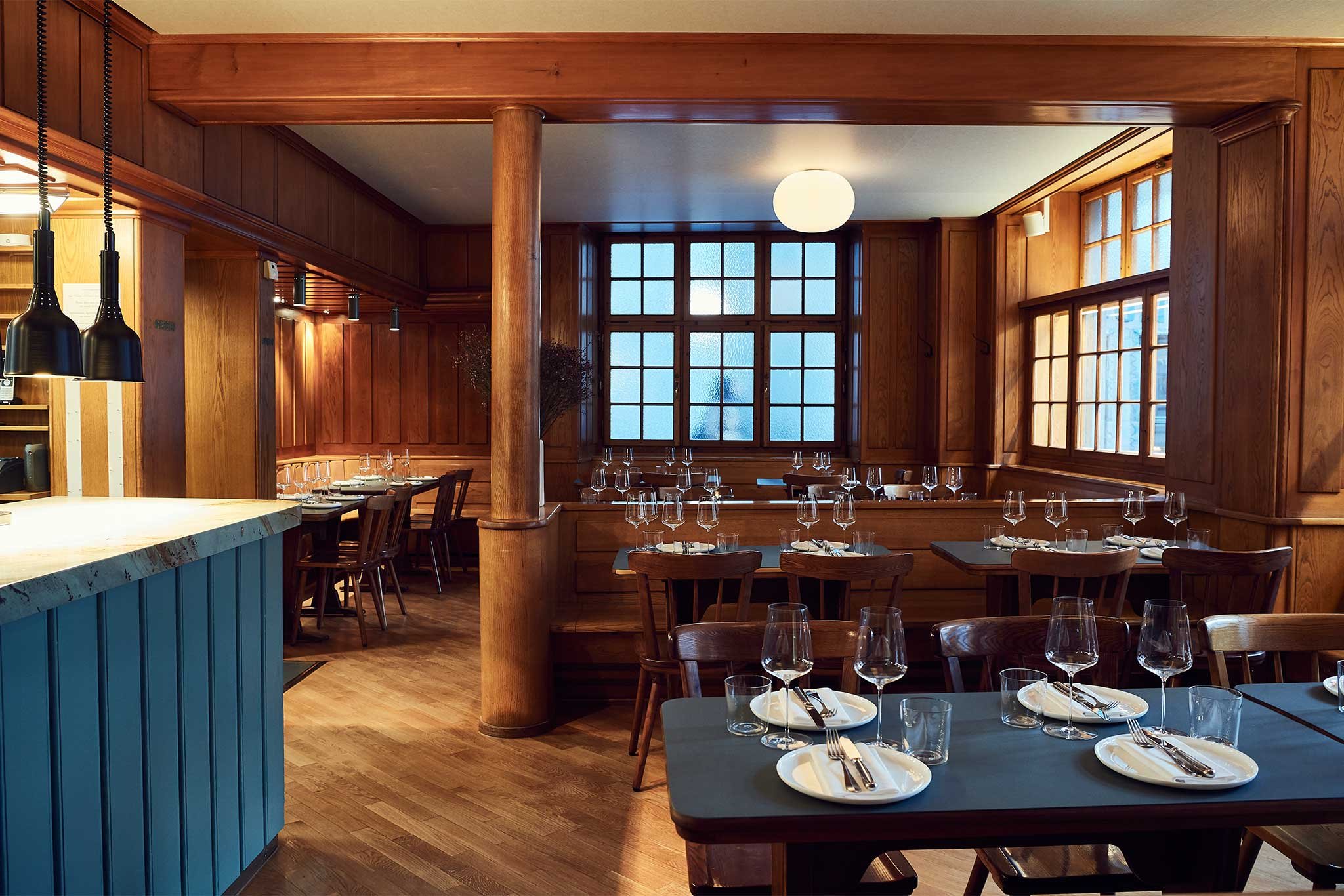
Zurich, Switzerland
Neue Taverne holds a Michelin star (2024) for its vegetable-forward sharing menu in a relaxed gastropub setting on Glockengasse in Zurich's Altstadt. The kitchen, now under Fabian Fuchs, sends out technically precise vegetarian and fully vegan dishes built around seasonal produce, with organic wines and alcohol-free pairings including kombucha. Open for lunch and dinner Tuesday through Saturday; closed Sunday.

Monte Porzio Catone RM, Italy
Il Monticello sits in the Castelli Romani hill town of Monte Porzio Catone, where Chef Angela Intreccialagli builds her menu around an on-site organic garden. The kitchen's approach places seasonal vegetables at the centre of every plate, drawing strong praise from guests who describe her cooking as simple, pure, and deeply flavoured. Guests with plant-forward preferences should ask specifically about the full vegetable menu.
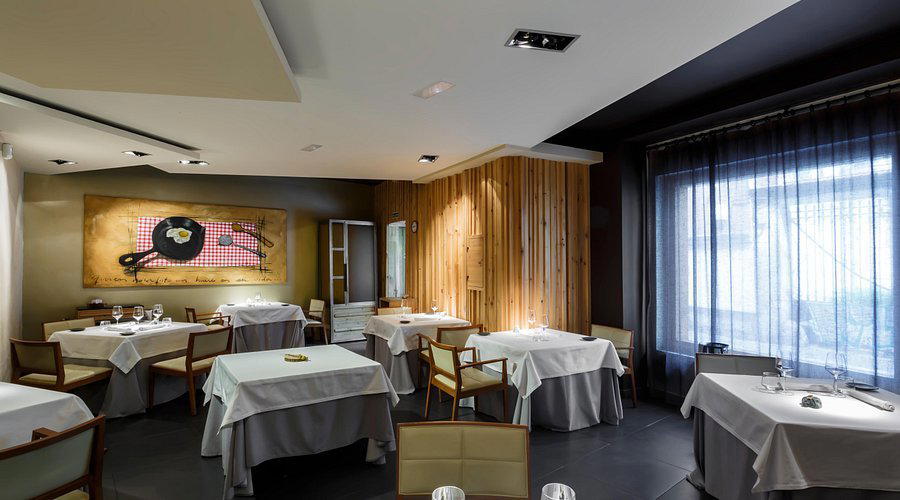
Valladolid, Spain
Trigo holds a Michelin star earned in 2018 and sits at the top of Valladolid's fine-dining bracket, a few steps from the cathedral. Chef Víctor Martín builds a market-driven modern menu around Castilian produce — pigeon from Tierra de Campos, vegetables from Tudela de Duero — while sommelier Noemí Martínez oversees a cellar that gives the wine pairing genuine depth. Dinner runs Wednesday through Saturday; Sunday lunch is the week's final service.

Tarragona, Spain
A vegetable-forward restaurant in Altafulla on the Tarragona coast, Aromatic works with fresh local produce to build a menu that appeals to flexitarians without leaning on compromise. The cooking is described as a little cheeky — confident in its plant-led approach, honest about its ingredients, and grounded in the agricultural character of the Camp de Tarragona region.

Pamplona, Spain
El Kabo earned its first Michelin Star within months of opening, a pace that signals the kind of focused cooking that Pamplona's fine dining circuit rarely sees from a debut restaurant. Chef Aaron Ortiz Garcia places vegetables at the centre of a seasonal menu that draws directly from Navarra's agricultural abundance. The result is technically precise, produce-driven food in a city already recognised for the quality of its raw ingredients.

Montigny-le-Tilleul, Belgium
Le Val d'Heure holds a single radish from the We're Smart Green Guide, a credential that positions it within Belgium's produce-driven dining conversation rather than its classical fine-dining circuit. Located in Montigny-le-Tilleul, a quiet municipality in Hainaut province, the restaurant represents the kind of vegetable-forward cooking that has quietly reshaped how Belgian kitchens think about sourcing and seasonality.
Gent, Belgium
At Vrouwebroersstraat 5 in Gent, Roots earns its Michelin Plate through a kitchen that leans on tubers, legumes, and edible weeds rather than luxury proteins. Dishes like celeriac with egg yolk and pork throat reflect training at Volta and Publiek, two addresses that shaped much of Gent's current creative cooking scene. A full vegetarian menu is available alongside the main format.

Düsseldorf, Germany
LA VIE by Thomas Bühner holds a Michelin star (2025) and a We're Smart 5 Radishes recognition for its plant-forward modern cuisine at Schlüterstraße 1, Düsseldorf. Resident chef Timo Fritsche drives the kitchen's seasonal plant-based programme, placing the restaurant in the narrow tier of Düsseldorf fine dining where vegetable-led tasting menus compete on the same level as classic European formats.

Paris, France
Inside the Art Deco Monsieur George hotel on Rue Washington, Galanga operates at the intersection of classical French technique and a produce-first philosophy championed by chef Thomas Danigo. The €€€€ price tier places it among the 8th arrondissement's most considered fine dining addresses, where vegetables lead the menu architecture and Michelin-recognised craft shapes every plate.

Amsterdam, Netherlands
Choux Amsterdam pioneers vegetable-forward fine dining in a converted warehouse near Central Station, where Chef Merijn van Berlo's seasonal tasting menus celebrate Dutch gastronomy alongside one of the city's most comprehensive natural wine programs.

Malmö, Sweden
Holding consecutive Michelin Bib Gourmand awards in 2024 and 2025, Mutantur operates on a format that raised skepticism when it launched in late 2017: a weekend-focused, plant-forward modern cuisine counter in Malmö's Möllevången district. Chef Alexander Sjögren's precision-led approach treats the plate as a compositional exercise, with omnivore and plant-based routes running in parallel rather than as afterthought alternatives.

Ulldecona, Spain
A Michelin-starred address on a converted farm outside Ulldecona, Les Moles places the Terres de l'Ebre region at the centre of its cooking. Chef Jeroni Castell runs multiple tasting menus alongside an à la carte, drawing on a kitchen garden, Balfegó tuna, Delta del Ebro seafood, and a dedicated R&D space. The €€€ price tier makes it one of coastal Catalonia's more accessible starred tables.

Bern, Switzerland
ZOE holds a Michelin star and a We're Smart Green Guide listing for its 100% plant-based menu at Münstergasse 39 in Bern's old town. Chef Fabian Raffeiner's seven-course format pairs pickled vegetables, fermented grains, and foraged aromatics with natural wines, at €€€ pricing that places it among Bern's serious fine-dining addresses.

Kortrijk, Belgium
At Groeningelaan 22 in Kortrijk, Restaurant Dirkjan Decock operates on a tight seasonal logic: a five-course Menu Taste that shifts with what local small-scale growers can supply. Michelin Plate recognition in both 2024 and 2025 confirms the kitchen's consistency, while a 2015 award for vegetable communication signals an approach to produce that predates the broader industry shift toward plant-led cooking. Google reviewers rate it 4.8 from 131 reviews.

Hoofddorp, Netherlands
Set inside a historic farmhouse on the Rijnlanderweg, Den Burgh holds a Michelin Plate for 2024 and 2025 and delivers a farm-to-table menu grounded in local Dutch produce. At the €€ price point, it occupies a distinct position among Hoofddorp's dining options: ingredient-led cooking in a setting that earns its atmosphere rather than manufacturing it. Combinations like tuna with kimchi and salty vegetables signal a kitchen that thinks beyond simple rusticity.

Athens, Greece
Hytra holds a Michelin star and an Opinionated About Dining ranking among Europe's top 300 restaurants, operating from a modern terrace address in central Athens. Chef George Felemegkas structures the menu around a plant-forward format called Think Green alongside a technically ambitious broader programme, making Hytra one of the more architecturally distinct kitchens in the city's fine-dining tier.

Leuven, Belgium
Cum Laude occupies a singular address inside Leuven's Grand Béguinage, a UNESCO-listed medieval complex, and pairs that setting with a menu that treats plant-based cuisine as a genuine choice rather than an accommodation. A Michelin Plate holder in 2024 and a We're Smart discovery of the year, the kitchen works at €€€ price positioning alongside Leuven's small tier of serious modern-cuisine restaurants.

El Palmar (Valencia), Spain
In the rice fields outside Valencia, Bon Aire draws both locals and visitors with a kitchen clearly anchored in the produce growing around it. The paella here is a serious proposition, supported by seasonal vegetables from the surrounding huerta and a pumpkin-and-honey dessert that speaks more to the agricultural calendar than to pastry convention. Service is professional without being stiff, and the setting does exactly what it should: it connects the food to the land it came from.

Tokyo, Japan
A Jingumae address where French technique meets Vietnamese tradition, Ăn Ði threads seasonal Japanese produce through bánh xèo, raw spring rolls, and phở to map Vietnam's regional register across Japan's four seasons. Chef Chihiro Naito holds a Michelin Plate and consecutive Opinionated About Dining recognition, while a sommelier-led programme pairs each course with wine, sake, or shochu.

Hamburg, Germany
A Michelin-starred address on Sierichstraße in Hamburg's Winterhude district, Zeik places vegetables at the centre of a modern European kitchen shaped by Nordic inflections. Chef Maurizio Oster holds a JRE membership and a position in the Opinionated About Dining Top Restaurants in Europe ranking, with the kitchen's produce-led philosophy earning particular recognition from the We're Smart Green Guide.

Lyon, France
On a narrow street in Lyon's 1er arrondissement, Victoire & Thomas has built its reputation around sharing plates that foreground vegetables and colour without sacrificing substance. The format slots into a broader Lyonnais shift toward convivial, produce-led dining that sits apart from the city's traditional bouchon circuit. It occupies one of the more animated nightlife corridors in the city centre.

Agadir, Morocco
Set along the Souss-Massa coastline 17 kilometres north of Agadir, Hyatt Place Taghazout Bay sits within one of Morocco's planned resort zones and has drawn recognition from the We're Smart Green Guide for its vegetable-forward kitchen and on-site garden. The property occupies golf hotel territory but signals an intent to move toward produce-led cooking that reflects the agricultural richness of this Atlantic-facing region.

Nice, France
On the rooftop of a building along the Promenade des Anglais, La Calade offers sweeping views across the Baie des Anges alongside a menu grounded in Provençal tradition. Chef Victor Marion works with the vegetables, citrus, and aromatic herbs that define the regional table, producing dishes that reflect the season rather than chasing culinary fashion. The service has drawn particular praise for its warmth and attentiveness.
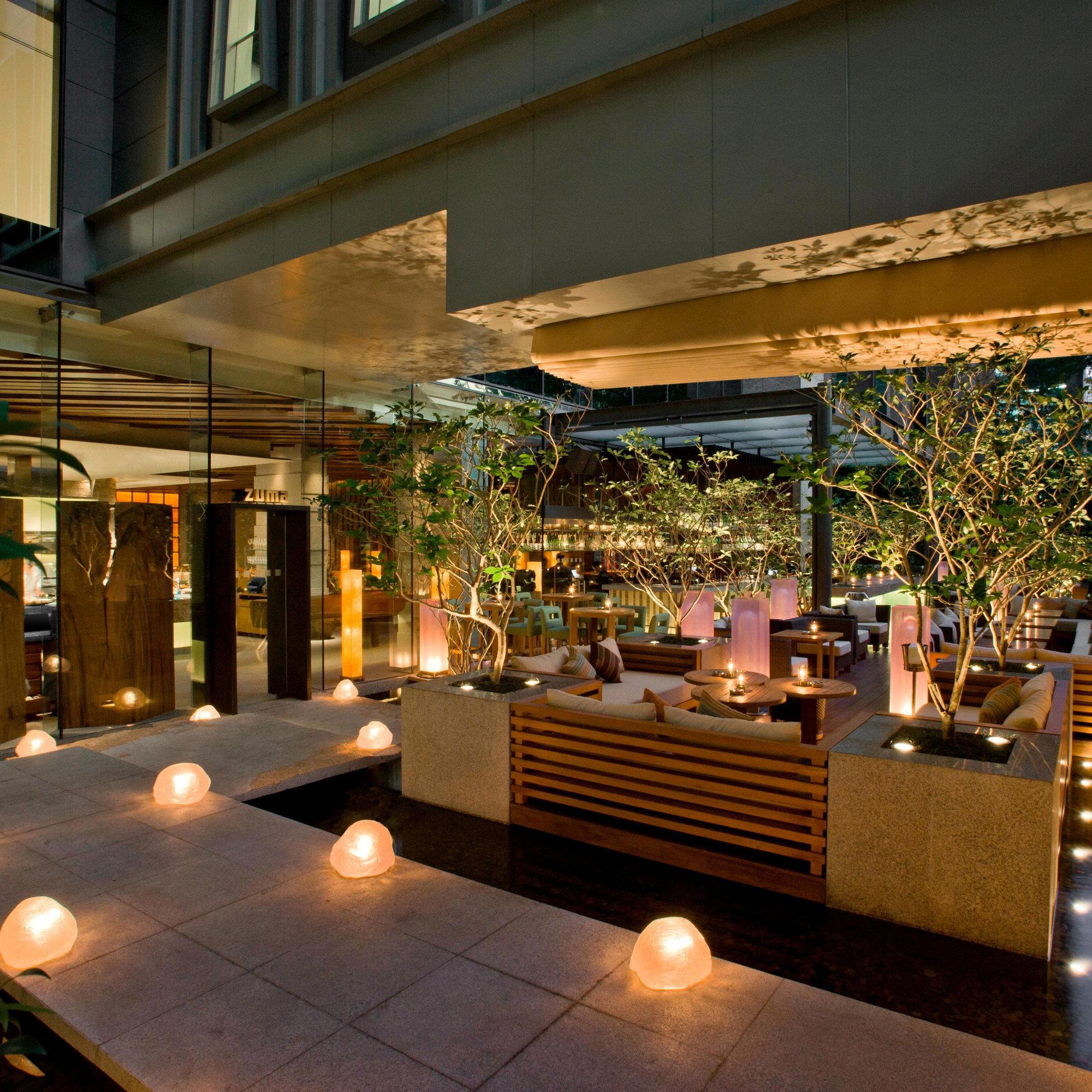
Bangkok, Thailand
Zuma sits on Ratchadamri Road in Bangkok's Pathum Wan district, where Japanese izakaya format has found a high-spending, design-conscious crowd. Raw fish anchors the menu, supported by refined vegetable preparations and lacquered barbecue dishes from the robata grill. The restaurant occupies Bangkok's bracket of internationally recognised Japanese dining, drawing both hotel guests and local regulars who follow the city's trendier Japanese programming.

Antwerpen, Belgium
Bardin is a breakfast and lunch spot on Mechelsesteenweg in Antwerp's south district, run by event organiser Sara Geenen under the motto 'come hungry, leave happy.' The kitchen leans heavily on vegetables, building generous plates that suit the slower, deliberate pace of a midday meal. It sits in a different register from Antwerp's fine-dining tier, functioning more as a neighbourhood ritual than a restaurant occasion.

Patalavaca, Spain
A Michelin-starred address tucked into an apartment complex on Gran Canaria's southern coast, La Aquarela operates at the serious end of Canary Island creative cooking. Up to 85% locally sourced ingredients anchor three tasting menus that range from Atlantic seafood to fully plant-based, with occasional Nordic inflections earned through time in Stockholm kitchens. Google reviewers rate it 4.7 from 491 reviews.
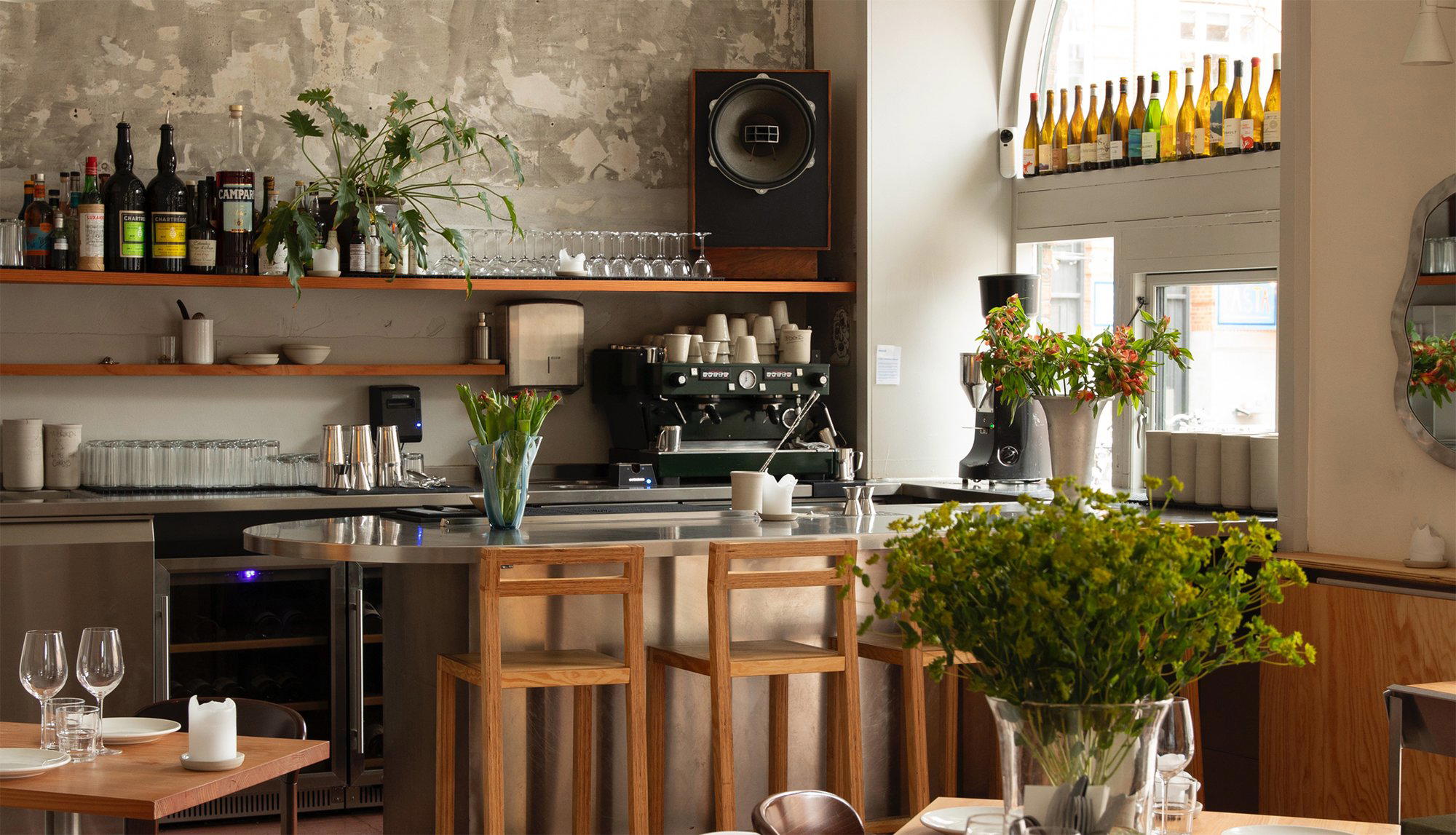
Copenhagen, Denmark
Cleo sits on Rantzausgade in Copenhagen's Nørrebro district, running a share-plates format that merges Latin American and Asian cooking with a kitchen philosophy of restrained, ingredient-forward flavour. Recognised with a White Star on Star Wine List (June 2024), it offers a drinks programme serious enough to anchor a full evening, alongside plates designed for omnivores, vegetarians, and vegans alike.

Gent, Belgium
Karel De Stoute occupies a quiet address in Ghent's medieval core, serving Modern French cuisine with a pronounced commitment to vegetables that has earned three Radishes in the We're Smart Green Guide alongside consecutive Michelin Plate recognition in 2024 and 2025. Chef Thomas Demuynck's kitchen operates in the €€€ tier, placing it alongside Souvenir and Publiek in Ghent's mid-to-upper dining bracket rather than the city's top tasting-menu tier.

Alba, Italy
Piazza Duomo holds three Michelin stars and a consistent place inside the World's 50 Best Restaurants, operating from a pink-walled dining room on Alba's central square. Chef Enrico Crippa structures the menu around four tasting formats, with vegetables, herbs, and seasonal produce from the restaurant's own gardens driving the kitchen's approach. The wine program runs to 30,000 bottles across three distinct lists.

Dordrecht, Netherlands
Set on the boundary between the Dordtse polders and National Park De Biesbosch, De Kop van't Land runs one of the Netherlands' more seriously conceived vegetarian hotel-restaurants. Chef Gijs Kemmeren builds a weekly changing biological surprise menu of three to six courses around seasonal organic produce, with flavour combinations that earn the kitchen repeated critical attention. The setting alone makes it worth the detour from central Dordrecht.

Los Angeles, United States
Among Los Angeles's most restrained fine-dining formats, Le Comptoir operates from Koreatown on a vegetable-forward tasting menu anchored by an organic garden and strict seasonality. Chef Gary Menes holds a Michelin Plate, three We're Smart Radishes, and an Opinionated About Dining North America listing for 2025. The schedule runs to four services per week, making advance planning essential.

Terhulpen, Belgium
Set on a 6-hectare cooperative farm at the edge of the Sonian Forest, Les Terres D'ici runs its kitchen from the vegetable garden outward. The restaurant, housed in a converted barn, serves honest seasonal plates built around produce harvested steps away, with a grocery store on site selling direct from the field. It is one of Belgium's more coherent expressions of farm-to-table dining.
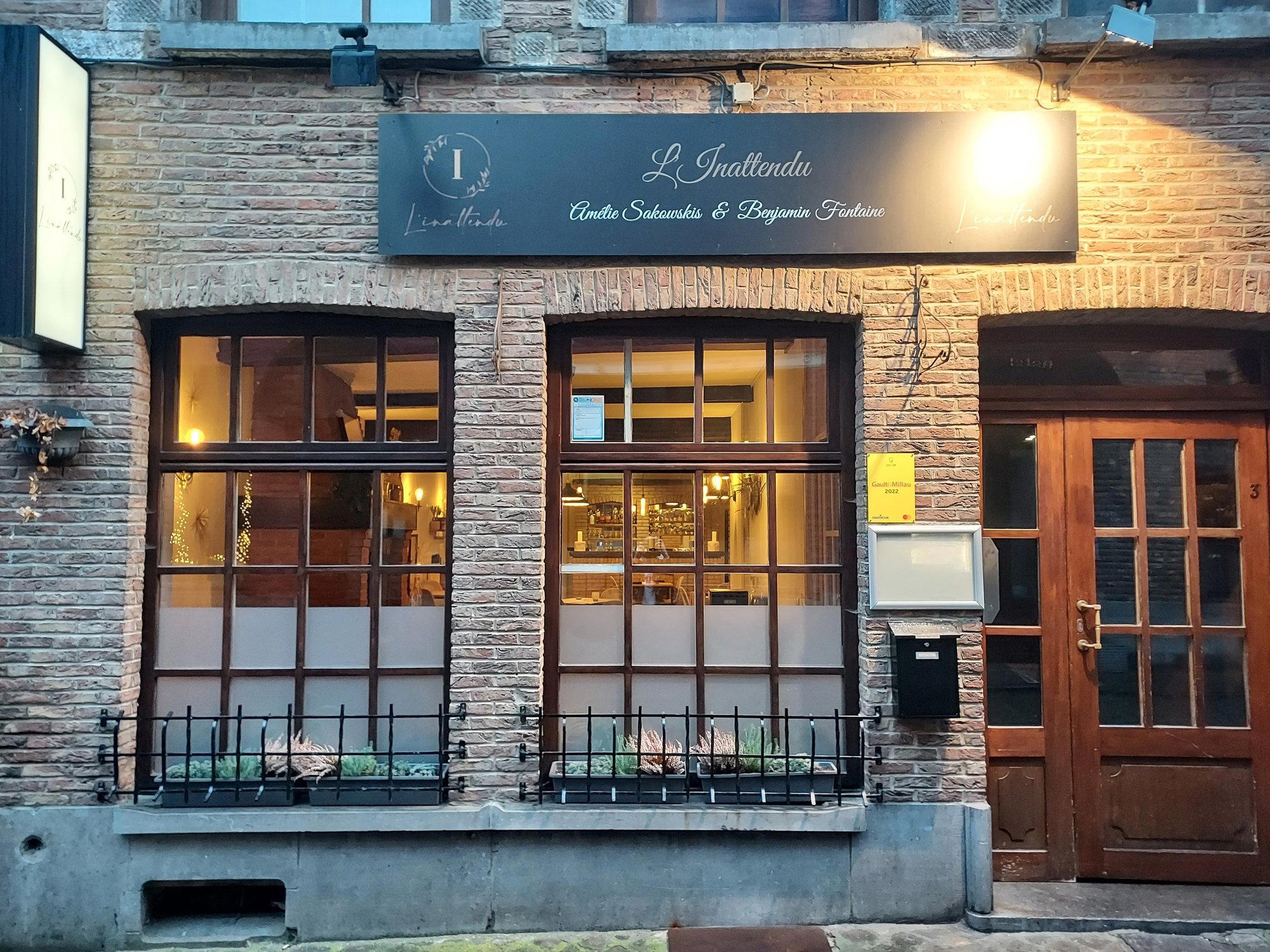
Ath, Belgium
L'Inattendu in Ath puts vegetables at the centre of its menu in a region where French-influenced cooking still defaults to animal protein as the main event. Chef Benjamin Fontaine holds a creditable record recognised by We're Smart, the vegetable-focused guide, though the program skews French in its use of butter, cheese, and dairy. A compelling address for anyone tracking where plant-forward fine dining is heading in provincial Belgium.

Utrecht, Netherlands
Kasvio occupies a converted factory-church on Wittevrouwenstraat, serving a fully vegan menu rooted in Nordic culinary memory rather than substitution cooking. The 30-seat dining room, guided by Finnish chef-owner Mari Pitkänen, rotates its menu every two to two and a half months. Each dish arrives with an accompanying poem and detailed staff explanation, making the format as much about storytelling as it is about the plate.

Barcelona, Spain
Alkimia holds a Michelin star and ranks #60 in Opinionated About Dining's 2025 European list, operating from an unlikely address inside Barcelona's Moritz beer factory. Chef Jordi Vilà serves a single tasting menu rooted in Catalan tradition with a pronounced focus on fish and vegetables. The restaurant opens Tuesday to Wednesday for lunch and dinner only, and entry requires ringing a bell on arrival.

Banff, Canada
Eden at The Rimrock Resort sits at the upper tier of Banff's fine dining scene, holding consecutive La Liste Top Restaurants recognition in 2025 and 2026. Chef Brandon Clemens drives a vegetable-forward menu alongside a more traditional Canadian programme, with both earning the restaurant a loyal local following and international critical notice. For serious dining in the Canadian Rockies, it represents the most credible address in the national park.

Eugénie-les-Bains, France
Three Michelin stars and a 98-point La Liste score place Les Prés d'Eugénie among France's most decorated classical tables, operating from a 19th-century mansion in the thermal village of Eugénie-les-Bains. Michel Guérard, who died in August 2024, founded Cuisine Minceur here and shaped the intellectual architecture of nouvelle cuisine. The kitchen continues under his legacy, with vegetables and precision still defining the cooking.
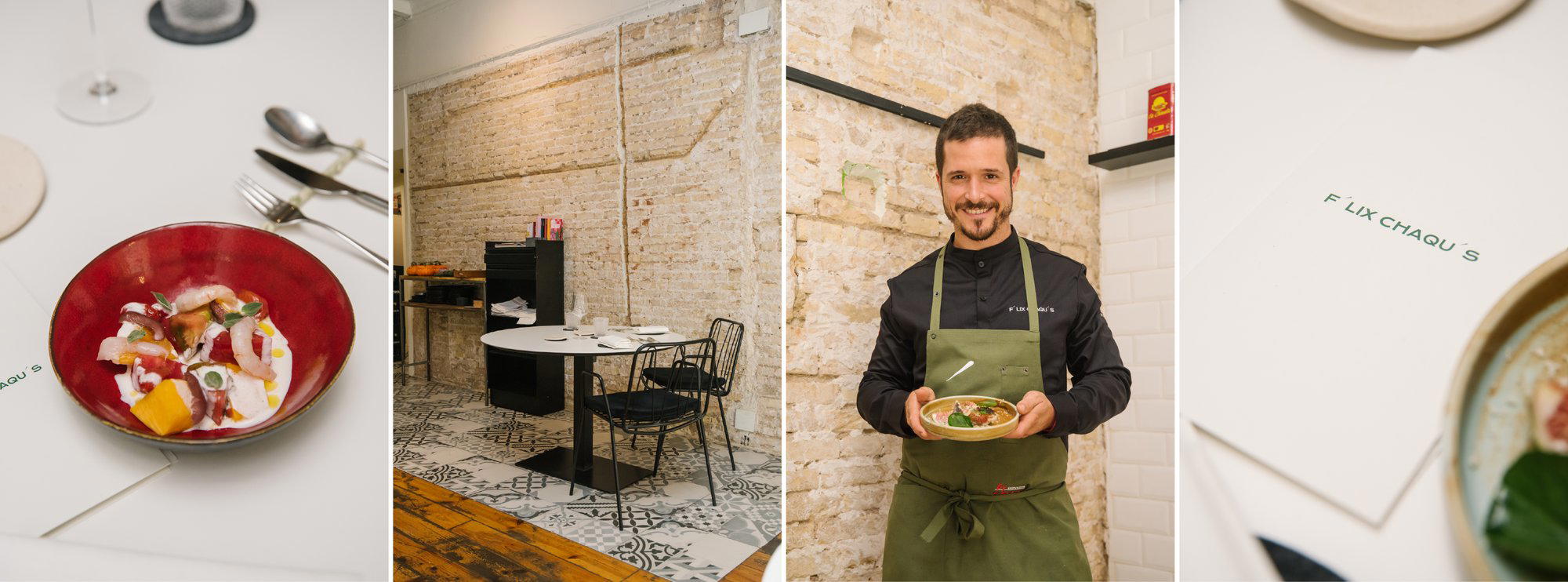
València, Spain
In the narrow streets of Ciutat Vella, F'lix Chaqu's runs a tightly focused menu built entirely around Valencian seasonal produce. Seven courses, abundant vegetables, and a chef whose cooking reads as genuinely personal rather than fashionably minimal. Small in scale and deliberate in scope, it sits in a different register from the city's Michelin-rated tasting rooms.

London, United Kingdom
A Michelin-starred fixture on Great Portland Street, Portland has held its star since its opening year and earned a place in the Opinionated About Dining European rankings every year since 2023. The kitchen operates on a minimal-intervention philosophy, reprinting menus mid-service as ingredients run out, and the wine program carries a partnership with Château d'Yquem that few London restaurants at this price point can match.

Osaka, Japan
La Cime has held two Michelin stars since at least 2024 and ranked 8th in Asia's 50 Best Restaurants in 2025, placing Chef Yusuke Takada's French-Japanese tasting menus among the most recognised in western Japan. Set in Osaka's Hommachi business district, the 25-seat room runs reservation-only, dinner-focused service Monday through Saturday, with lunch on Saturdays only. Dinner runs approximately ¥40,000–¥50,000 per person before drinks.

Grottaferrata RM, Italy
A country estate at the foot of Monte Tuscolo, Casa Maggiolina sits inside the Castelli Romani Regional Park and draws its kitchen credentials partly from its own garden. The setting combines wide-plank wood floors, vintage objects, and panoramic terraces with a menu that follows seasonal and vegetarian-forward lines. For the Castelli Romani, it represents a grounded, ingredient-led alternative to the trattoria circuit closer to Rome.

Boulleret, France
A Michelin-starred address in the Berry village of Boulleret, Maison Médard operates at a tier rarely found this far from a major city. Chef Julien Médard builds his menus around local produce — langoustine, sheatfish, crottin de Chavignol — treating vegetables with the same precision he applies to meat and fish. The 4.9 Google rating across 951 reviews confirms a kitchen that consistently delivers at the level its star implies.

Toronto, Canada
Thirty years into its run, Canoe remains the clearest argument for what contemporary Canadian cooking can be at the top of the market. On the 54th floor of the TD Bank Tower, the kitchen works a seasonally driven menu anchored in Canadian terroir — farmed, foraged, fished — while the room delivers panoramic views of Toronto and Lake Ontario that few dining rooms in the country can match.
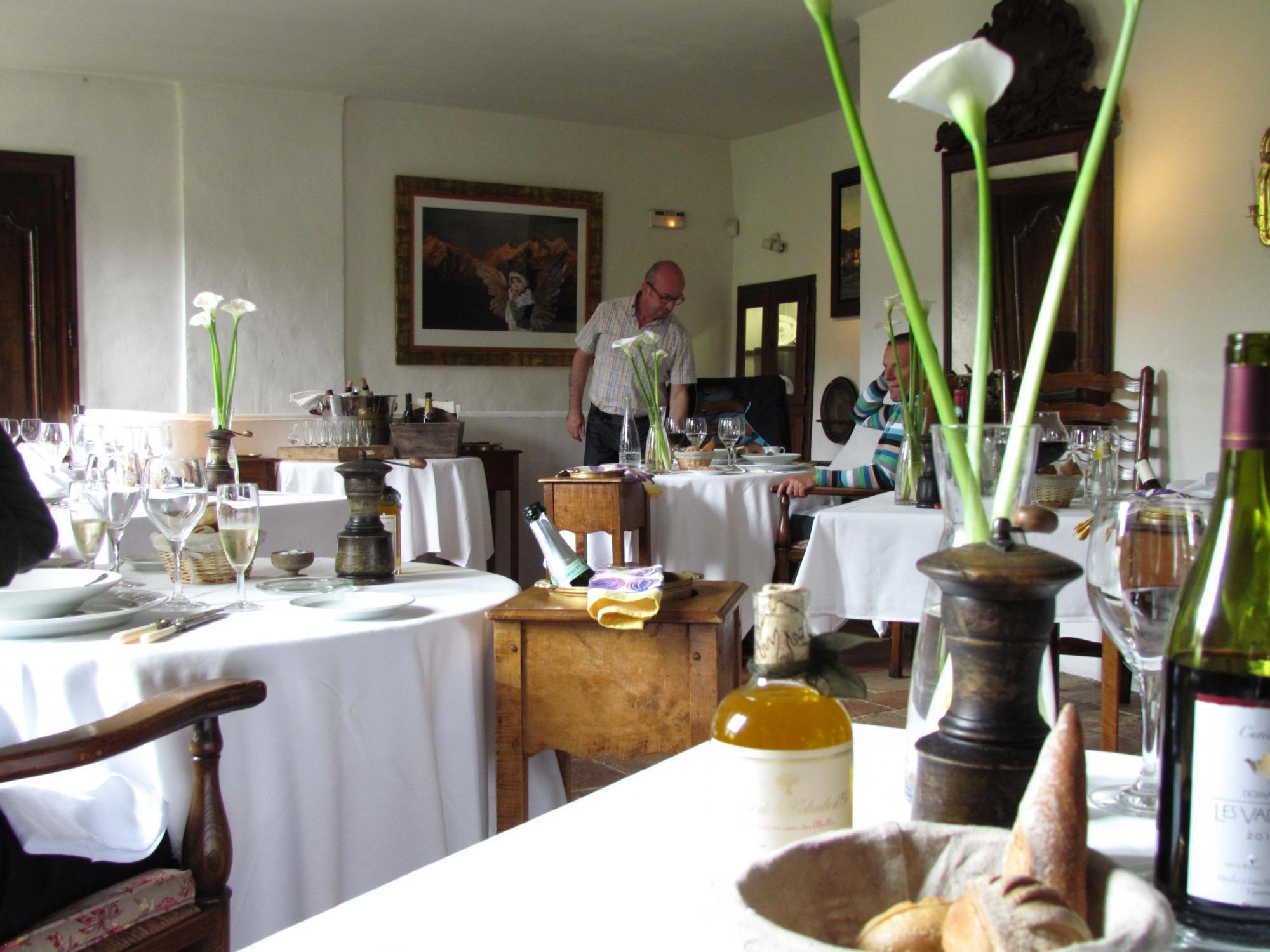
Cucuron, France
A Michelin-starred address in the Luberon village of Cucuron, La Petite Maison de Cucuron places classic Provençal cooking at the centre of the table. Chef Éric Sapet builds menus around local market gardeners, seasonal truffles, game, and regional cheeses, with a wine list that draws visitors from across the region. Bookings fill fast.

San Piero In Bagno, Italy
In the hill-town of San Piero in Bagno, daGorini operates at a tier rarely expected this far from Italy's major dining circuits. Chef Gianluca Gorini works a menu rooted in Apennine ingredients — game, freshwater fish, Mora Romagnolo pig, foraged mushrooms — with techniques that place the restaurant among Europe's top 120 on the Opinionated About Dining index and a La Liste score of 88.5 points in 2025.

Utrecht, Netherlands
Héron holds a Michelin Bib Gourmand (2025) and a place in the We're Smart Green Guide, signalling where Utrecht's plant-forward dining sits today. Chef Josephien Blom's menu is built around hyper-local sourcing, fermentation, and zero-waste principles at an accessible €€ price point. The restaurant occupies Schalkwijkstraat 28 and draws a committed following without the formality of the city's higher-tier tables.

London, United Kingdom
Gauthier Soho occupies a Regency townhouse on Romilly Street, where Alexis Gauthier applies classical French technique entirely to plant-based cooking. The doorbell entry, starched tablecloths, and tasting-menu format place this firmly in the formal dining tier, while the kitchen draws on seasonal British produce interpreted through a French culinary grammar. Michelin Plate recognised, with a Google rating of 4.6 from over 1,400 reviews.

StCollingwood, Australia
Smith and Daughters occupies a red brick building on Cambridge Street in Collingwood, serving a plant-based menu with Mexican and Spanish inflections. Dishes like young coconut ceviche with green tomatoes and pineapple, and a bean-and-peach ensalada with tomatillo vinaigrette, position it firmly within Melbourne's serious vegetable-forward dining scene. Sharing plates at honest prices make it accessible without compromising on ambition.
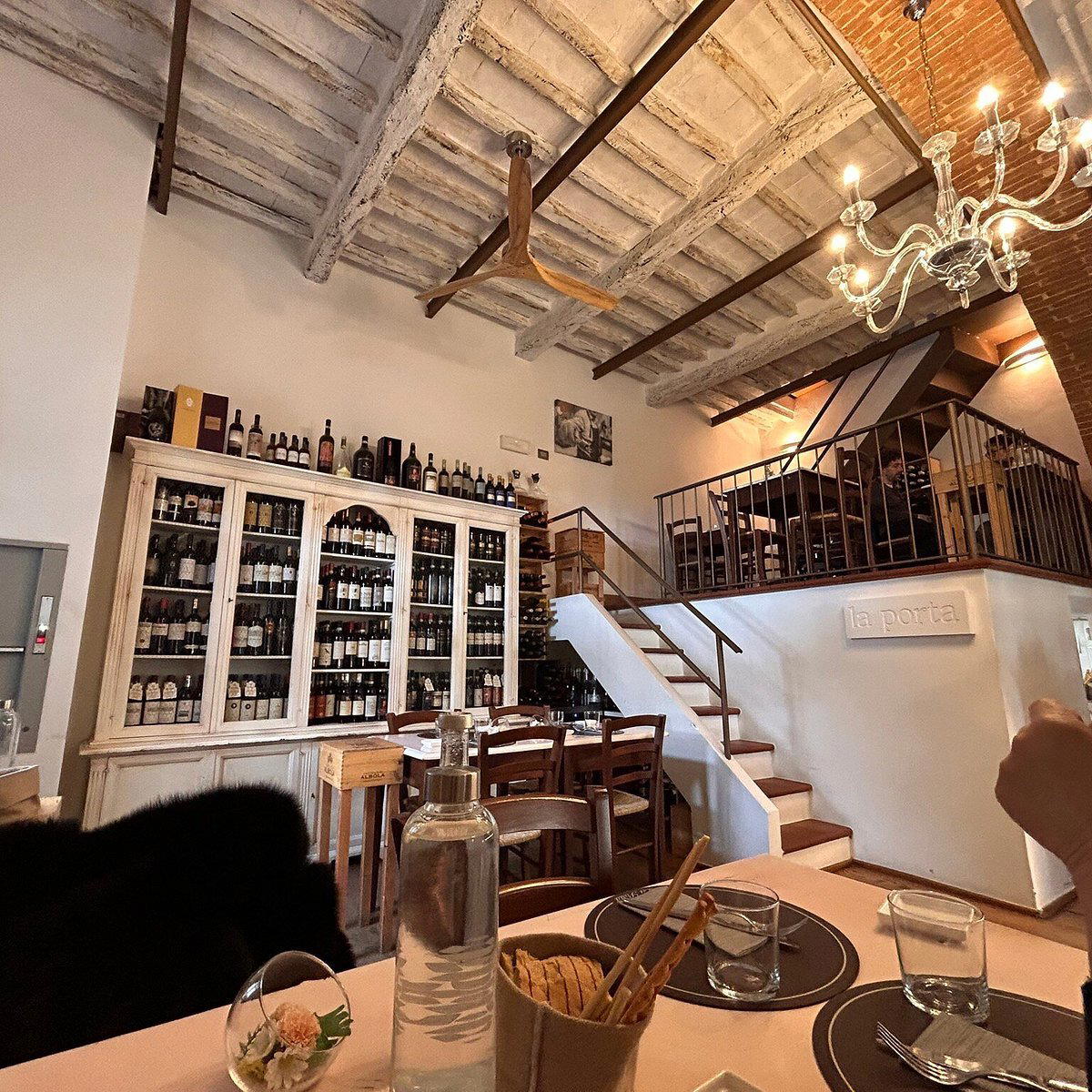
Monticchiello di Pienza, Italy
Positioned just inside the medieval gate of Monticchiello, Osteria La Porta serves the kind of ingredient-driven Tuscan cooking that larger restaurant circuits rarely sustain. Seasonal vegetables dressed in local olive oil, forest-foraged porcini fried to order, and an atmosphere that reads as genuinely homely rather than performed — this is a village osteria working at the pace and scale the format demands.

Barcelona, Spain
Disfrutar holds three Michelin stars and ranked number one on the World's 50 Best Restaurants list in 2024, placing it at the top of Barcelona's creative dining tier. Eduard Xatruch, Oriol Castro, and Mateu Casañas run two tasting menus from their Eixample address, with a permanent waiting list making advance planning essential. The format rewards preparation: booking windows, seasonal closures, and the optional 'living table' experience all require prior arrangement.
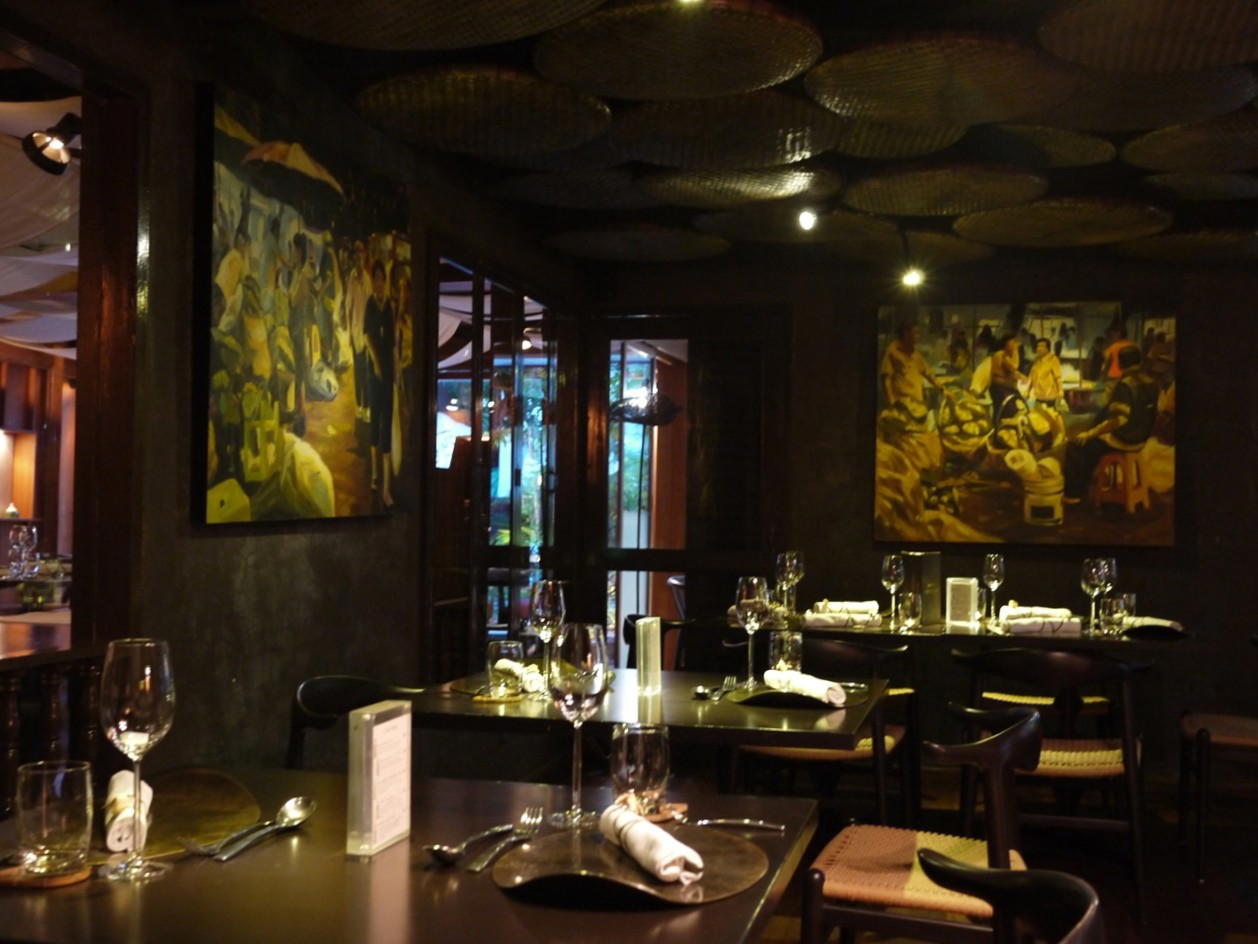
Bangkok, Thailand
Inside a traditional dark-wood Thai house on Sukhumvit 53, Bo.Lan operates at the serious end of Bangkok's heritage Thai dining scene. The kitchen roots every dish in time-honoured regional recipes, draws produce from small-scale farmers, and serves mains samrap-style for sharing. A 2025 entry in Asia's 50 Best Restaurants at number 98 confirms the critical standing this address has built over more than a decade.

London, United Kingdom
Orasay on Kensington Park Road occupies a quieter register than Notting Hill's more conspicuous dining rooms, drawing a loyal crowd with a menu that moves across fish, shellfish, meat, and plant dishes without committing to a single lane. The kitchen works with restraint and confidence, and the atmosphere reads as genuinely cosy rather than performatively casual. Chef Vangelis Dagdelenis is emerging as a name to watch, particularly for his plant-focused cooking.
Almelo, Netherlands
Ledeboer holds consecutive Michelin Plates for 2024 and 2025 and sits at the more accessible end of the Netherlands' farm-to-table tier, rated 4.9 across more than 230 Google reviews. Chef Rick Blanken's kitchen in Almelo works from a produce-led philosophy with a flexible menu structure — though the kitchen's approach to vegetarian cooking is still catching up with its own ambitions.

Wommelgem, Belgium
Komaf sits in Wommelgem with a French Contemporary menu shaped by formative time in some of Belgium's most demanding kitchens. Consecutive Michelin Plate recognition in 2024 and 2025 signals early credibility in a country where serious cooking is seldom overlooked for long. The approach leans classical, the setting suburban, and the ambition points clearly upward.

Kyoto, Japan
A Michelin-starred counter in Ohara's rural mountain fringe, la bûche applies classical French technique — shaped by training at Taillevent Paris and Pierre Gagnaire Tokyo — to the wild greens, game, and foraged produce of Kyoto's northern highlands. Prix fixe menus shift daily with market availability, and food is cooked over a wood fire fed by timber from local forest thinning. The result is French cooking with a genuinely regional address.

Auxerre, France
On the banks of the Yonne in Auxerre, Cantinallegra runs on organic produce, seasonal discipline, and a kitchen duo whose dishes follow the logic of what's available rather than what's fashionable. Jazz and world music set the room's tempo while the menu shifts with the calendar. For a mid-sized Burgundy town, the combination of sourcing rigour and an informal, music-threaded atmosphere is relatively rare.
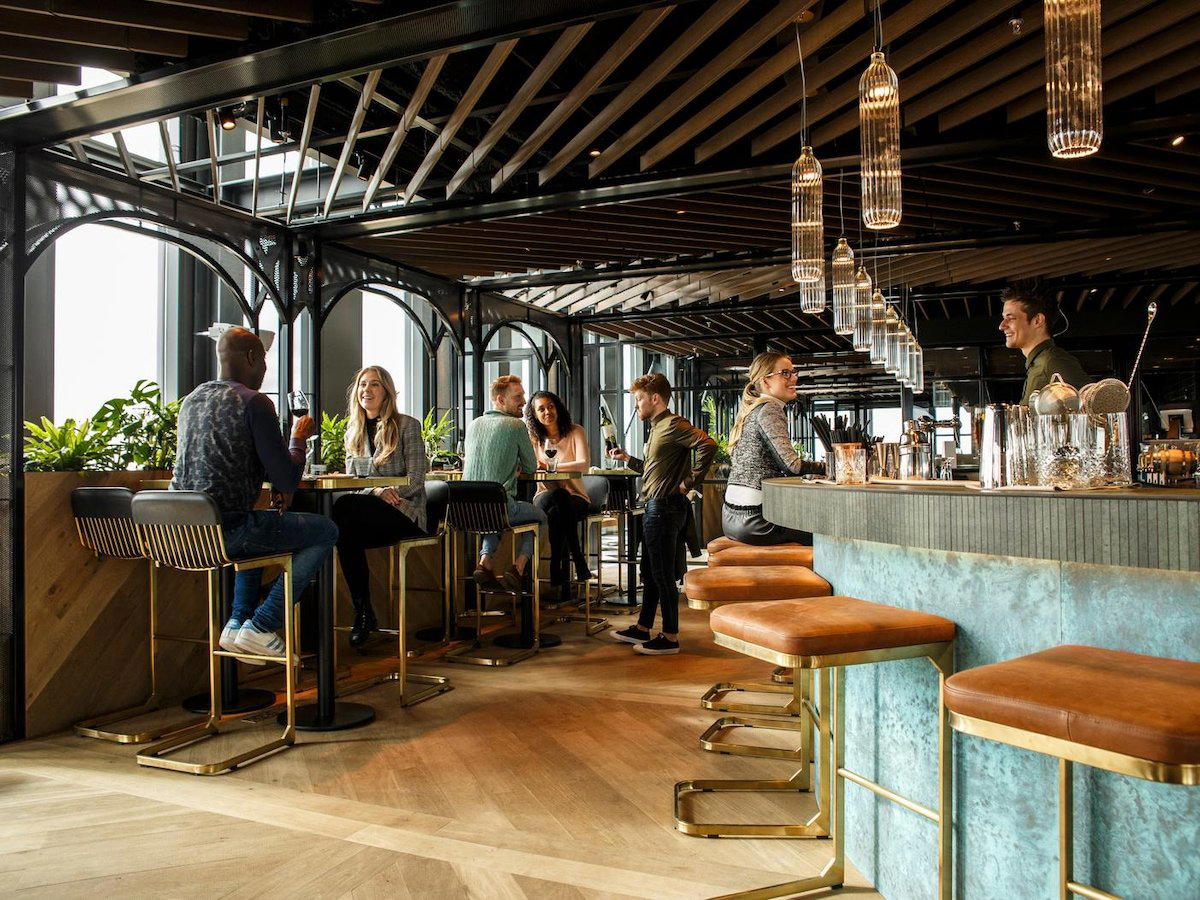
Amsterdam, Netherlands
Juniper & Kin was the rooftop bar and kitchen garden concept within Amsterdam's QO Hotel, operating as a companion to the hotel's Persijn restaurant. The format centred on produce grown in a high-tech rooftop greenhouse, with a raw-preparation philosophy capping dish temperatures at 41°C. The venue has since closed, but its approach remains a reference point in Amsterdam's sustainability-led dining conversation.

Dole, France
A Michelin-starred address on the edge of Dole, La Chaumière operates as both a fine dining room and a weekday bistro, with creative menus built around Jura produce, freshwater fish, and market-driven availability. The restaurant holds a 4.5 Google rating across 644 reviews and sits within a charming hotel setting on Avenue du Maréchal Juin.

Edegem, Belgium
Set inside the historic stables of Hof Ter Linden in Edegem, Stable earns its Michelin Plate through creative cooking with a pronounced vegetable focus and a seasonal sourcing approach that shapes every dish. The setting balances stone-and-timber authenticity with a considered designer interior, and the kitchen's treatment of produce — from root vegetables to edible flowers — gives it a distinct position among Belgium's top-tier creative restaurants.

Paris, France
A Michelin Plate-recognised address in Boulogne-Billancourt, La Table de Cybèle brings an American chef's deep respect for French technique to a mid-range price point that few comparable kitchens can match. Seasonal vegetables and fruit are central to the cooking, not decorative. With a Google rating of 4.5 across more than 700 reviews, this is the kind of neighbourhood restaurant Paris's inner suburbs do better than anywhere in the city proper.

Barcelona, Spain
Dos Palilos occupies a dual-format space in Barcelona's Raval neighbourhood, pairing a walk-in sake bar at the entrance with a U-shaped gastronomic counter where a daily-changing tasting menu fuses Japanese technique with Iberian ingredients. Holders of a Michelin star since 2024 and ranked 247th among Europe's top restaurants by Opinionated About Dining in 2025, it represents one of the more considered Asian-Iberian hybrids operating in Spain today.

Gandia, Spain
In a pedestrianised street through Gandia's old ducal quarter, Ona Cuina Oberta runs daily-changing surprise menus that follow the market rather than a fixed repertoire. Chef Paco Castelló and front-of-house partner Gabri Tarín position the kitchen as resolutely Mediterranean, with fish, seafood, and vegetables at the centre. It is a small, serious restaurant operating well above the coastal resort baseline.

Lacuisine, Belgium
A Michelin Bib Gourmand-recognised table in the Gaume village of Lacuisine, Au Cœur de Lacuisine earns its name honestly: ingredients arrive from the surrounding land, preparations stay rooted in regional tradition, and the atmosphere reads like a neighbour's dining room rather than a destination restaurant. At the €€ price point, it represents some of the most considered value in Belgian regional cooking.

Genval, Belgium
A father-son kitchen in Walloon Brabant where classic French-Belgian foundations meet a younger generation's creative instincts. L'Amandier holds a 2025 Michelin Plate and a 4.6 Google rating across 368 reviews, signalling consistent quality at a mid-range price point. The kitchen's seasonal, market-led approach keeps the menu anchored to what Brabant's vegetable garden produces across the year.

Linschoten, Netherlands
Restaurant De Burgemeester holds a Michelin star and a 4.7 Google rating from 313 reviews, operating from the former town hall of Linschoten at the €€€€ price point. The kitchen works with seasonal and local produce, with particular strength in a vegetarian menu recognised by the We're Smart community. Lunch and dinner service runs Tuesday through Saturday; closed Sunday and Monday.

Paris, France
Granite holds a Michelin star in the 1st arrondissement and sits within a Paris modern-cuisine tier defined by ingredient discipline and vegetable-forward cooking. Chef Tom Meyer's plates read as composed and colour-precise, with sustainability and near-zero waste shaping the sourcing logic. For the price bracket, the kitchen's commitment to produce over protein sets it apart from most of its Louvre-quarter neighbours.
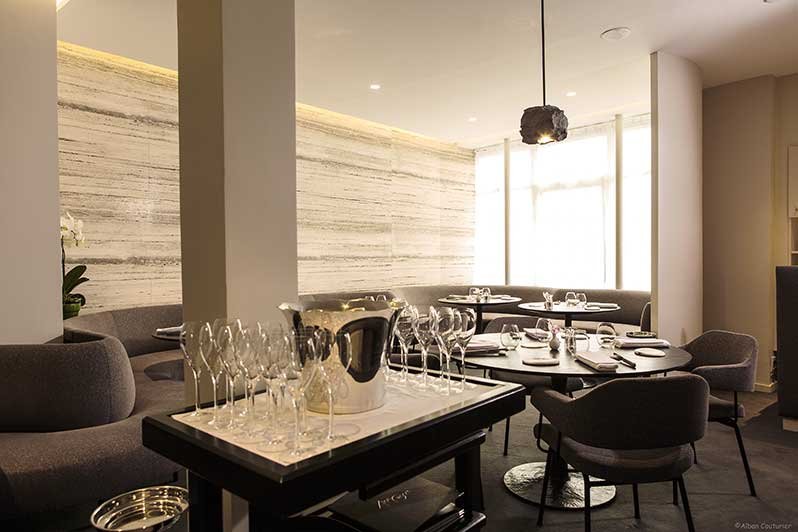
Paris, France
A Michelin-starred table in the 16th arrondissement where Lebanese heritage and classical French technique intersect with precision and colour. Alan Geaam holds a Michelin star (2024–2025) and an Opinionated About Dining ranking of #402 in Europe, placing it in a distinct tier among Paris's creative kitchens. The €€€€ price point reflects the ambition of the cooking.
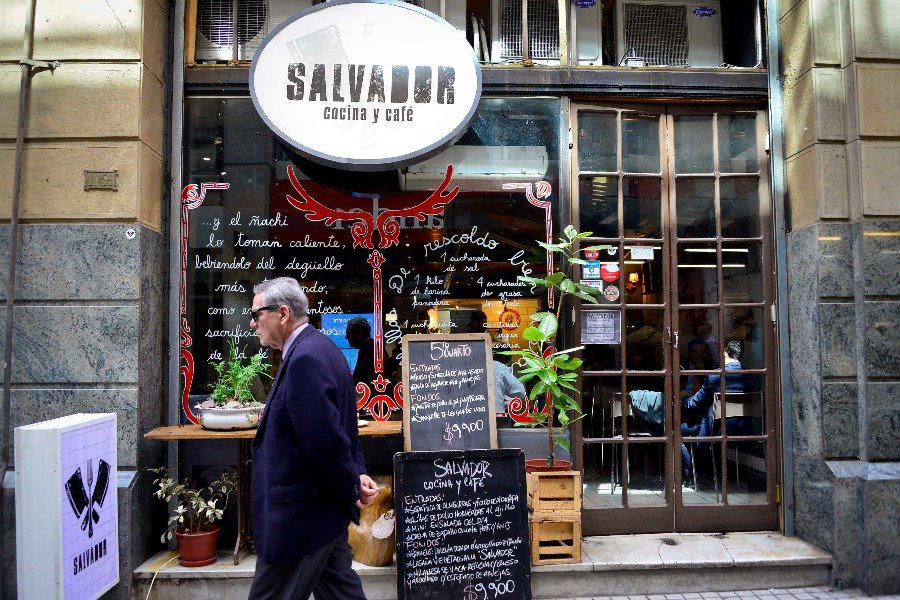
Santiago, Chile
A fixture on Bombero Adolfo Ossa in central Santiago, Salvador Cocina y Café occupies the well-worn category of the dependable midday kitchen: affordable, vegetarian-friendly, and consistent enough to draw a loyal lunch crowd. It sits at the opposite end of the price spectrum from the city's tasting-menu circuit, offering prepared dishes that keep things simple without sacrificing care.
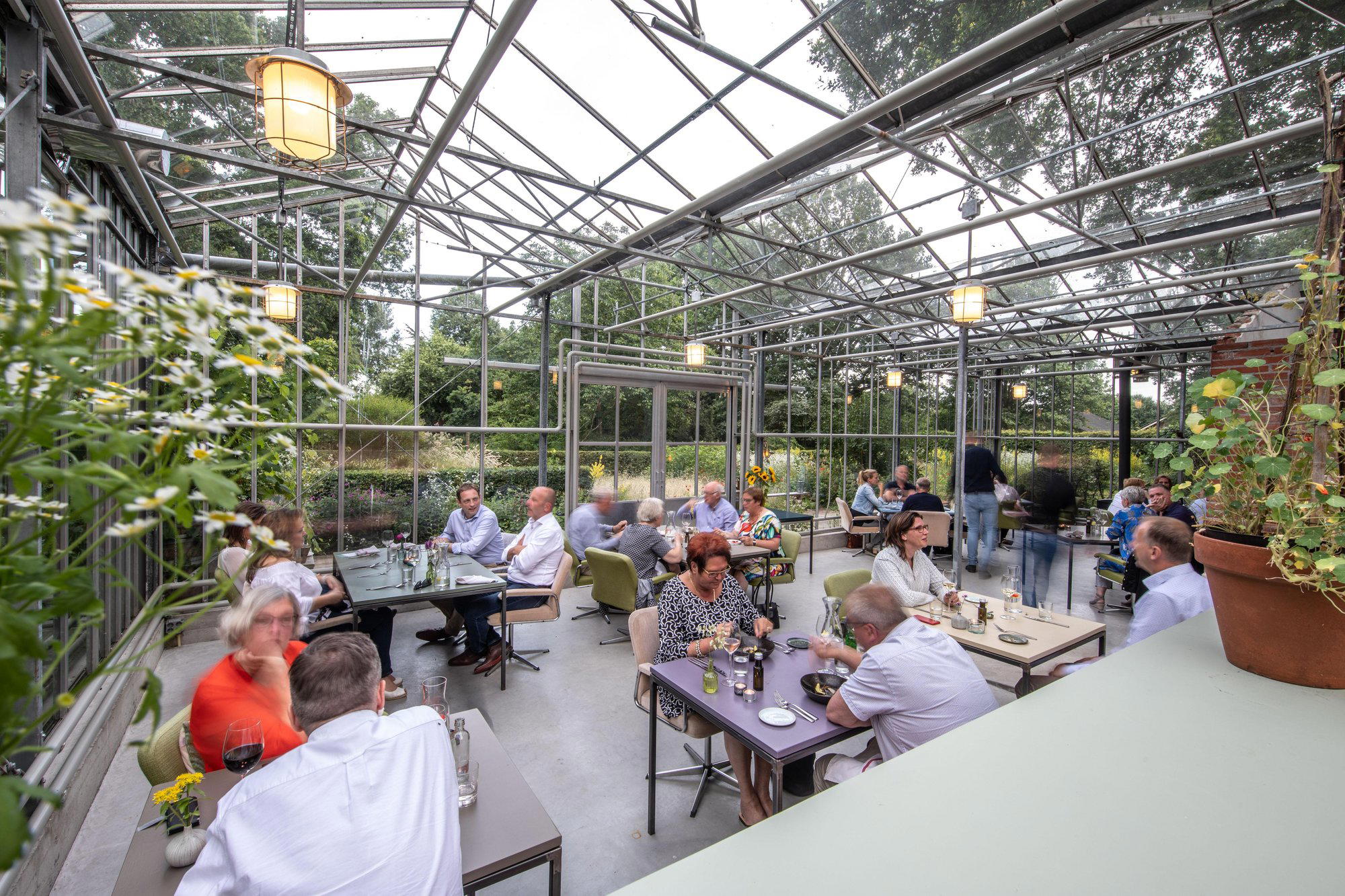
Schuinesloot, Netherlands
Set inside a converted greenhouse at the edge of the Priona gardens in Schuinesloot, De Tuinkamer runs a weekly-changing menu built almost entirely on what the surrounding estate produces. The gardens, designed six decades ago as a reference point for Dutch wave-landscape architecture, have operated ecologically since their inception and contain over 6,000 plant species, including 1,000 previously on the red list. Every dish carries a minimum of 80% plant content. The restaurant operates from April through December only.

Berlin, Germany
Rutz on Chausseestraße holds three Michelin stars and a 94-point La Liste score for 2026, placing it among Germany's most recognised fine dining addresses. Chef Marco Müller's 'Inspiration' tasting menu builds a clear narrative across courses, drawing on produce including German Wagyu and North Sea squid. The format rewards repeat visitors who track the menu's evolution season by season.
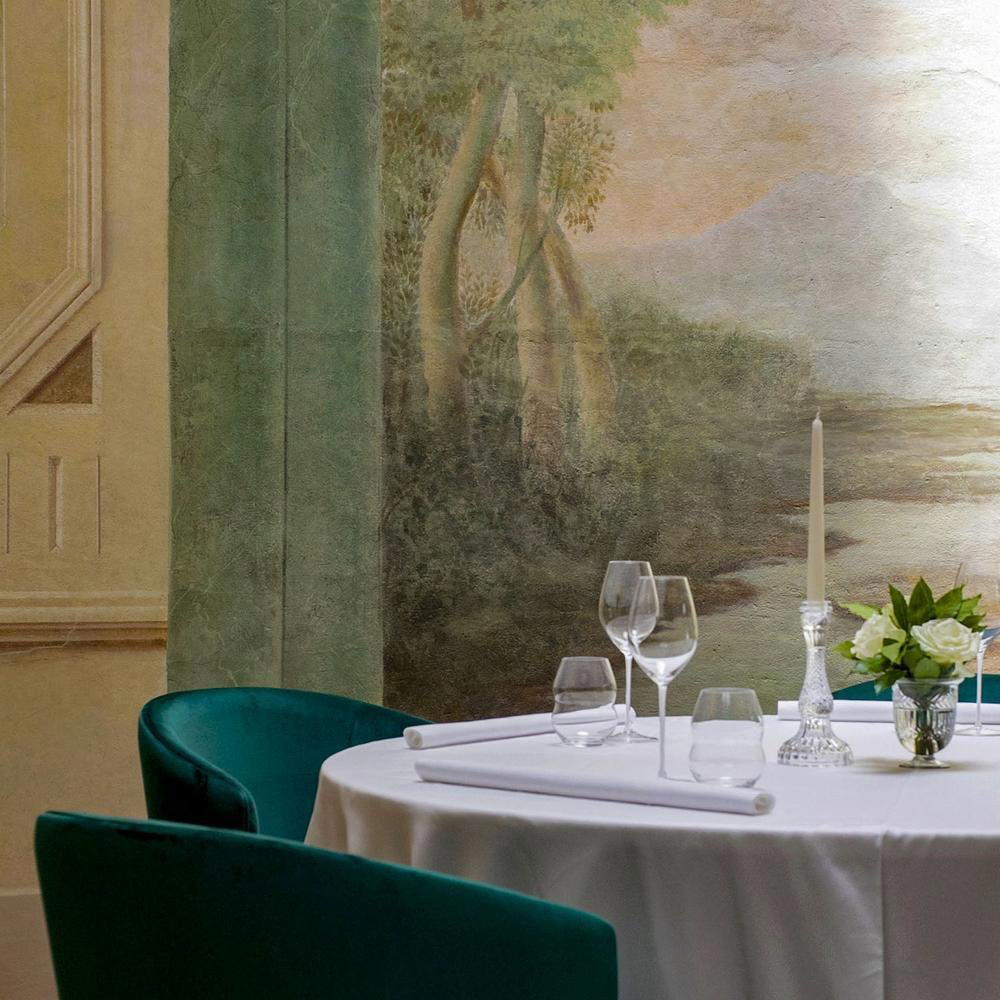
Ulldecona, Spain
A Michelin-starred restaurant in a restored flour mill outside Ulldecona, L'Antic Molí holds four We're Smart Radishes and a 2023 Discovery of the Year nomination for its commitment to regenerative agriculture and hyperlocal sourcing. Chef Vicent Guimerà runs tasting menus that track the seasons closely, with a dedicated 7,000 m² garden supplying the kitchen. Price range is €€€, with seasonal mantis shrimp menus running February through March.

Rockland, United States
Primo sits on two acres of mid-coast Maine farmland, running one of the most self-contained kitchens in American dining. Chef-owner Melissa Kelly built the restaurant around a genuine farm-to-table circuit — vegetables, livestock, and oysters all raised on-site — with a Sunday menu composed entirely of zero-kilometre production. Recognized by Opinionated About Dining's 2025 North American rankings, Primo is the clearest argument Rockland makes for destination dining.

Saint-Gilles, Belgium
Tero brings farm-to-table plant-based cooking to Saint-Gilles at a €€ price point, drawing on produce from its own farm to build a sharing menu of seasonal vegetable dishes. A Michelin Bib Gourmand holder in 2024 and Michelin Plate in 2025, it holds a recommended spot on the We're Smart green restaurant guide, which focuses exclusively on vegetable-forward cooking across Europe.

Valence, France
Anne-Sophie Pic's three-Michelin-starred temple in Valence showcases four generations of culinary mastery through her revolutionary "aromatic architecture" approach. France's only female chef to hold three stars crafts ten-course sensory journeys featuring signature Berlingots and innovative French haute cuisine within the elegant Maison Pic estate.

Aarhus C, Denmark
L'Estragon on Klostergade works from a straightforward premise: seasonal, colorful cooking built around organic produce from its own garden and nearby Danish farms. The kitchen has come close to achieving full organic certification across its supply chain, and a fully plant-based menu is available on request. Chef Sigrid Budtz-Jorgensen leads a room that regulars return to with genuine affection.

Pedreguer, Spain
A Michelin Plate-recognised address in Pedreguer's old town, Ausiàs offers two tasting menus built entirely around local Mediterranean ingredients. The dessert program carries particular weight: chef-owner Ausiàs Signes won the Pastelero Revelación award at Madrid Fusión 2022. At a mid-range price point, it represents one of the Marina Alta comarca's more considered contemporary dining propositions.

Napa, United States
Once Napa's most decorated dining room, The Restaurant at Meadowood held three Michelin stars under Chef Christopher Kostow, with a program built around a 3.5-hectare kitchen garden and deep relationships with local growers. The restaurant was destroyed in the 2020 Glass Fire and remains closed. Its legacy, however, continues to shape how fine dining in the valley approaches sourcing, seasonality, and the relationship between land and table.
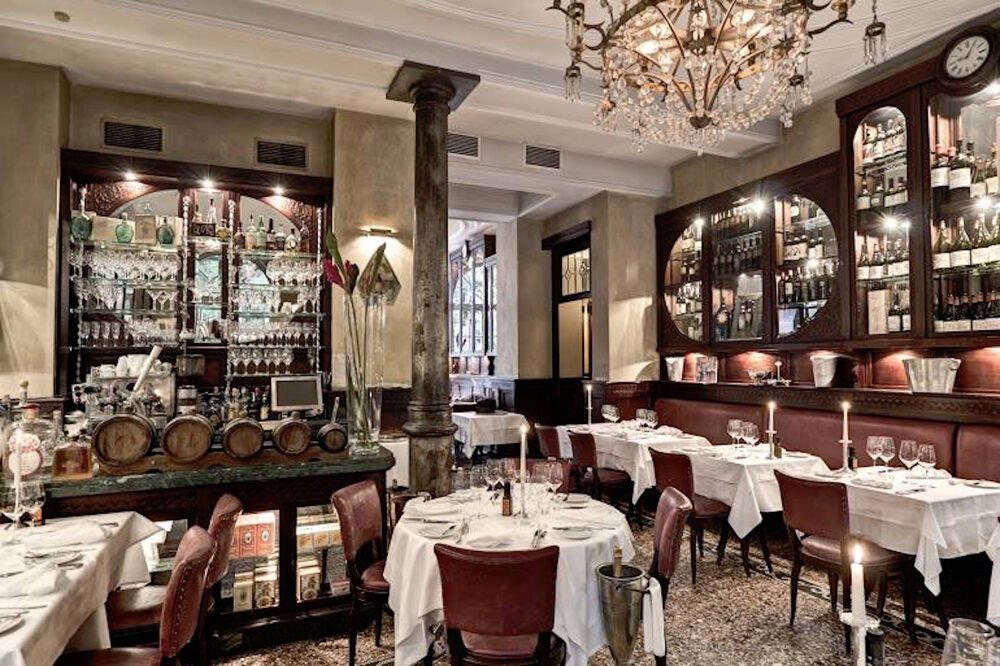
Mautern an der Donau, Austria
Landhaus Bacher in Mautern an der Donau holds two Michelin stars and a 97-point La Liste ranking, placing it among Austria's most decorated classical kitchens. Under chef Thomas Dorfer, the forty-year-old family restaurant channels a rigorous seasonal approach through vegetables, herbs, and regional produce. The Wachau setting, across the Danube from Krems, adds a wine-country dimension that few comparable Austrian kitchens can match.

València, Spain
Two Michelin stars, a green Michelin star, and a top-10 ranking among the world's vegetable-forward restaurants place Ricard Camarena at the top tier of Spanish fine dining. Set inside the refurbished Bombas Gens arts complex in La Saïdia, the restaurant runs set menus built entirely around seasonal produce and Valencia's agricultural traditions. Dinner service runs Tuesday to Saturday; Friday and Saturday also offer lunch.

Antwerp, Belgium
August occupies a converted 19th-century building in Antwerp's southern quarter, operating as both a restaurant and hotel. The kitchen runs a plant-based menu alongside broader tasting formats, and has earned a White Star recognition from Star Wine List. The setting carries the kind of architectural weight that few dining rooms in Belgium can match.

Valencia, Spain
A working restaurant in Valencia's L'Eixample district that operates with the confidence of a place that doesn't need to perform for the room. Bouet reads as contemporary without the self-consciousness, with a menu that gives vegetables serious billing while remaining firmly in the territory of food meant to be eaten, not studied. The address on Gran Via de les Germanies puts it inside a neighbourhood with strong local trade rather than tourist flow.

Antwerp, Belgium
Sergio Herman's Antwerp address for modern Italian cooking holds a Michelin star and sits in the Opinionated About Dining top European rankings, combining precise technique with a kitchen philosophy built around vegetables, seasonal produce, and intelligent restraint. The setting on Lange Gasthuisstraat places it in the heart of the city's established dining corridor, where it competes in the same top-tier price bracket as Antwerp's most serious tables.
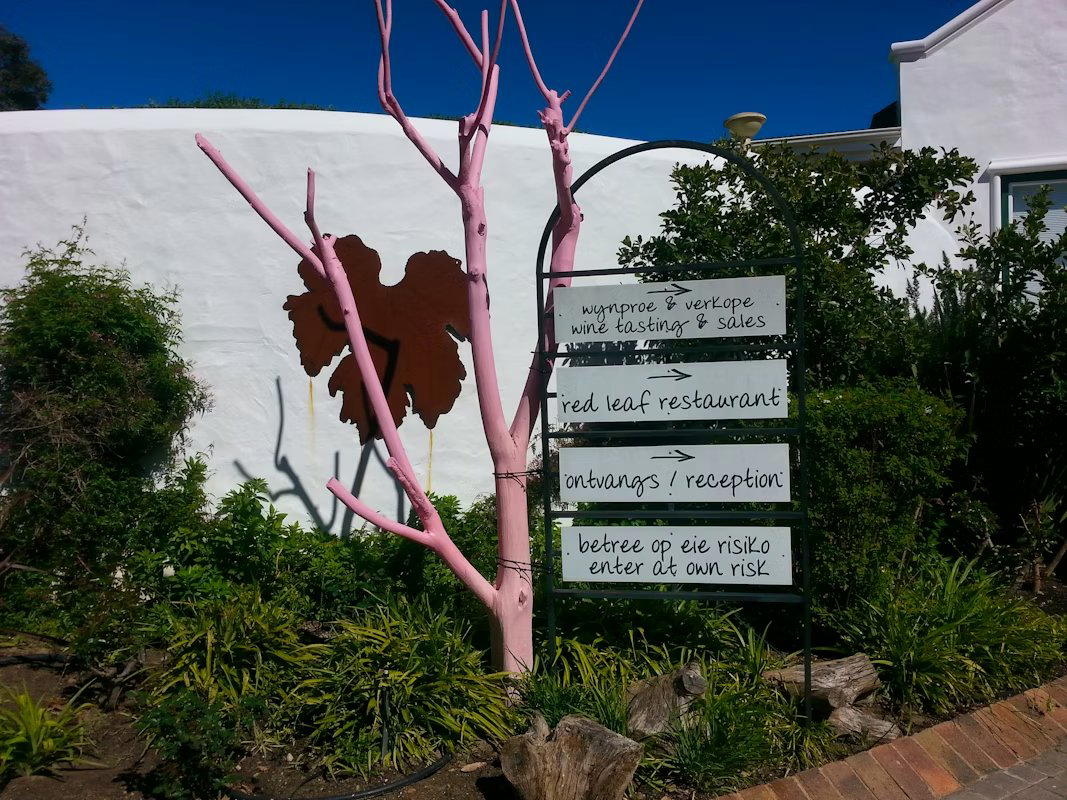
Stellenbosch, South Africa
Set on Beyerskloof Wine Estate along the R304 outside Stellenbosch, Red Leaf operates as a braai-forward bistro shaped by the estate's winemaking identity. The kitchen puts fire and meat at the centre of the menu, with Beyers Truter's name and reputation lending the operation credibility that stretches well beyond the Winelands. Vegetable-conscious eaters are accommodated on request, though the menu's architecture makes its priorities clear from the outset.

Brussels, Belgium
On Rue Antoine Dansaert, Aster represents a growing current in Brussels dining where vegetables take structural precedence rather than decorative roles. Holding a Michelin Plate (2025) and included in the We're Smart Green Guide, it applies contemporary technique to plant-forward cooking at a price point that sits comfortably below the city's classic fine-dining tier.

Constantia, South Africa
Foxcroft, in Constantia's High Constantia Centre, operates as a producer-driven kitchen where local farmers define the menu as much as the chefs do. Seasonal vegetables take genuine precedence here, with dishes like cauliflower steak with pickled apricot and smoked almond velouté sitting alongside tofu with sesame crust and fennel. The result is gourmet cooking that treats accessibility and care as equal priorities.

Franschhoek, South Africa
Set among the vineyards on the R45 with the Franschhoek Mountains as backdrop, Chefs Warehouse Maison Estate delivers the relaxed, ingredient-led format that has made the Chefs Warehouse name a fixture in South African fine-casual dining. Chef David Schneider leads a kitchen that accommodates plant-based menus with the same care as the full menu, and a cookbook shop on-site adds an unexpected layer to the visit.
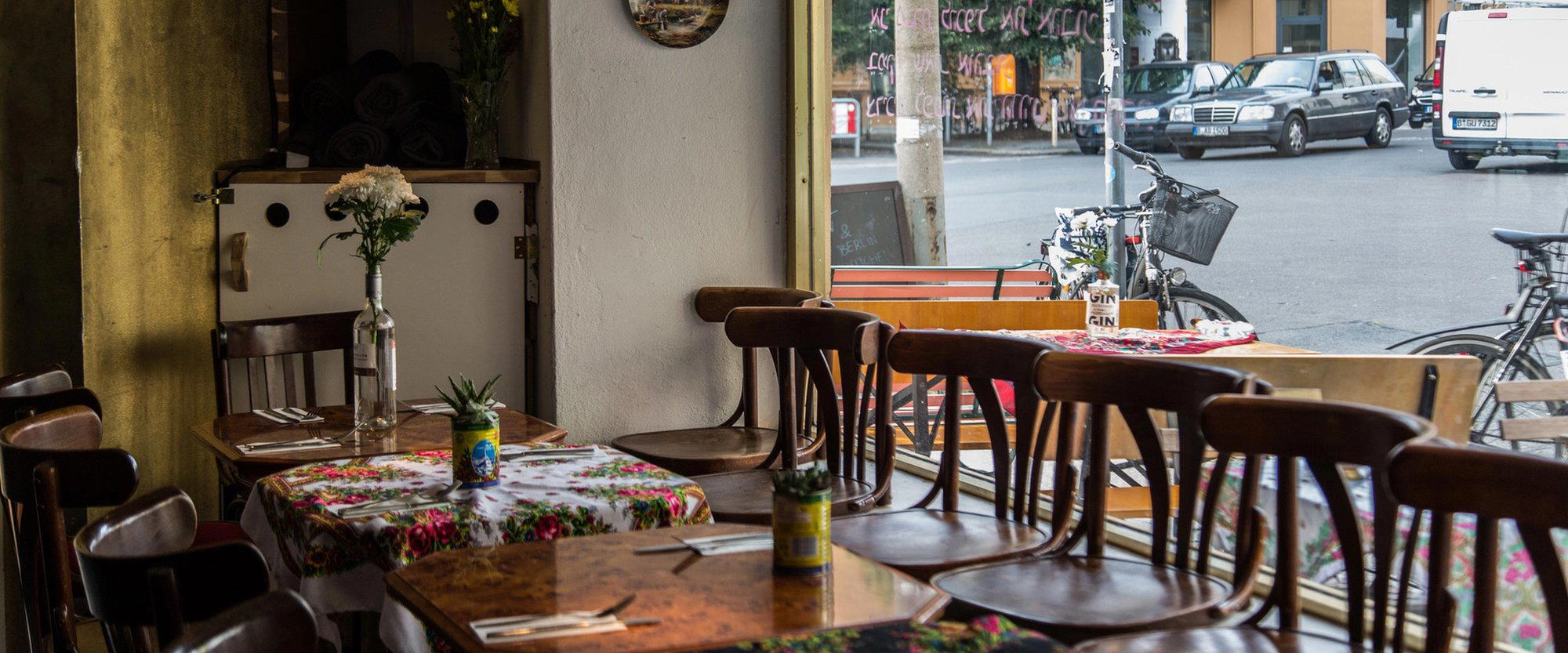
Berlin, Germany
Yafo brings the vegetable-forward cooking tradition of Tel Aviv's produce markets to Kreuzberg, filtered through a training arc that ran from Arzak in San Sebastián to WD~50 in New York. The result is a menu where hummus, roasted cauliflower, and fried eggplant carry the weight of technique rather than meat. Fish and meat dishes appear, but the kitchen's real argument is made through plant-based preparations with concentrated, direct flavours.
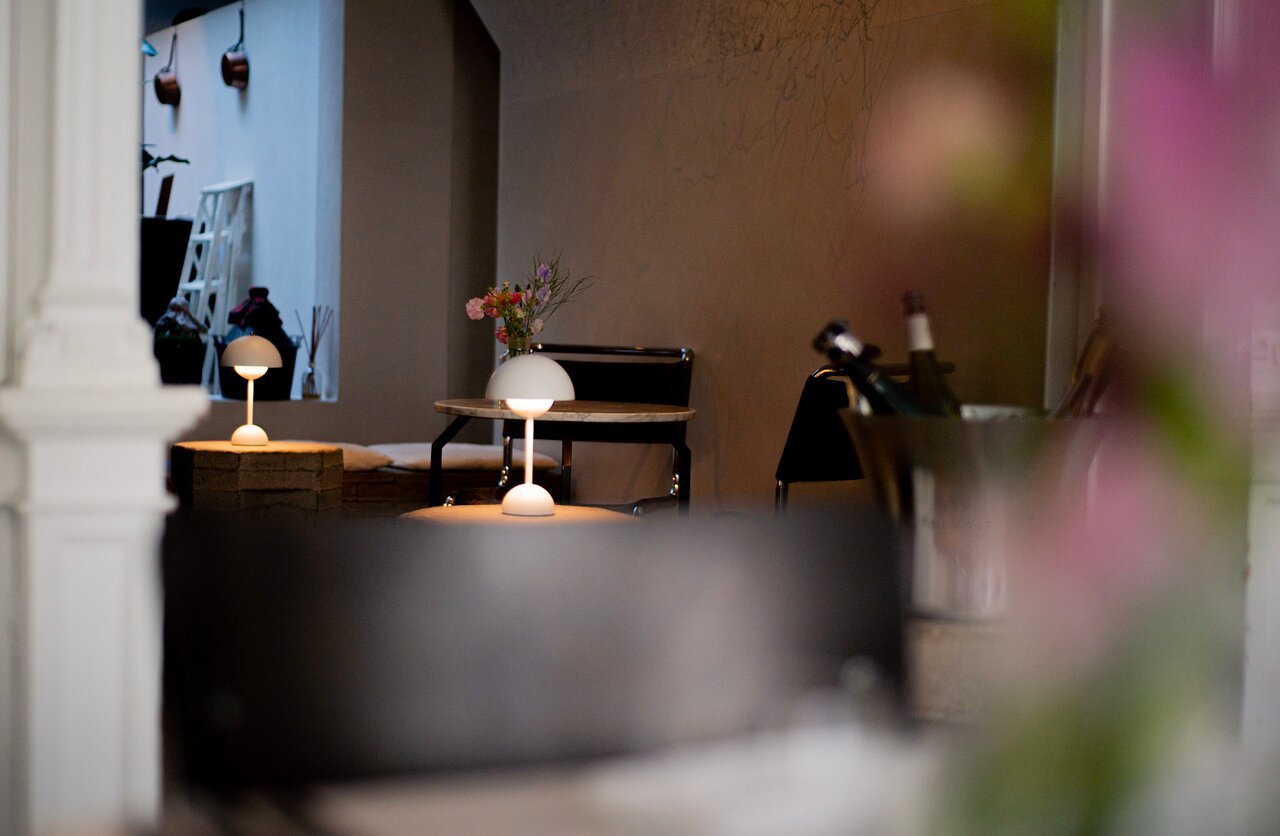
Antwerp, Belgium
Harvest occupies a quiet corner of Antwerp's Minderbroedersrui with a program built around local sourcing, fermentation, and near-zero waste. Chefs Stephen Akejelu and Adil Achahbar place vegetables at the centre of every plate, with a fully plant-based menu available alongside the main offering. Recognised by We're Smart Green Guide for its circular approach, this is one of the city's clearest statements about where vegetable-forward gastronomy is heading.

Ixelles, Belgium
A wine bar on Chaussée de Wavre where organic and biodynamic bottles anchor the experience rather than accompany it. Chef Lyla Bangles shapes a food program built around pairing logic and seasonal vegetables, served inside a room whose atmosphere reads as contemporary Ixelles rather than studied wine-bar seriousness. The tone is convivial and the selection led by discovery over prestige labels.

Copenhagen, Denmark
A Michelin Bib Gourmand holder in Copenhagen's Old Town, Marv & Ben sits at the intersection of Nordic seasonal cooking and accessible fine dining. Snaregade 4 is a small room with a focused menu built on organic, local ingredients — the kind of address that rewards those who prefer substance over spectacle at a price point the city's €€€€ tier cannot match.

Lyon, France
A plant-based neighbourhood restaurant in Lyon's 1st arrondissement, Les Mauvaises Herbes earns EP Club's 3 Radishes award for cooking that follows seasonal produce with discipline and colour rather than spectacle. The menu reads as an argument for what vegetable-forward French cooking can be when it stops apologising for the absence of meat.
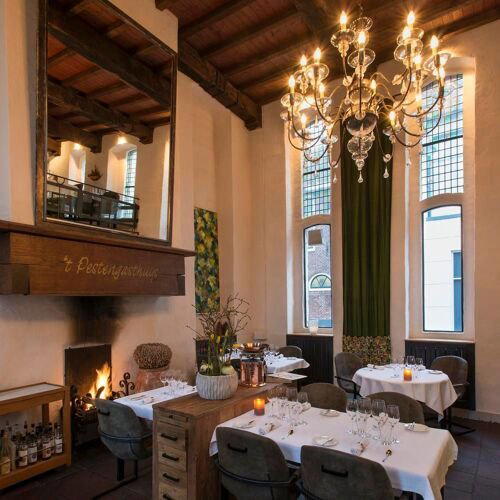
Zwolle, Netherlands
Housed within the storied walls of Hopmanshuis, Sukerieje reimagines luxury dining with a refined, vegetable-forward philosophy and an adventurous palate. Chef Yannick Roodhof channels global influences into graceful, concentrated flavors—think silky cashew “pâté” enlivened by melon and a whisper of chili—while slow-simmered sauces add depth and resonance. The result is a quietly heady experience: textural finesse, radiant acidity, and elegant spice woven together in a polished, character-rich setting designed for lingering conversation and discovery. For travelers seeking culinary intrigue and assured craftsmanship, Sukerieje is a confident, modern table set for memorable evenings.

Leuven, Belgium
Mariette in Leuven is built around Chef Koen Lienard's ability to coax flavour from vegetables and plant ingredients with the same rigour usually reserved for premium proteins. As the former chef behind Sire Pynnock, historically noted as the world's first known vegetable restaurant, Lienard now offers both omnivore and fully plant-based menus at this address on Weggevoerdenstraat. Reservations are recommended; the dining room runs at consistent capacity.

Melbourne, Australia
Lona Misa occupies the ground floor of the Ovolo South Yarra hotel on Toorak Road, where Chef Shannon Martinez has built a plant-based program serious enough to challenge the assumptions of anyone still treating vegetables as a supporting act. The room leans vintage and atmospheric, the food arrives with confidence rather than apology, and the overall proposition sits at the sharper end of Melbourne's growing plant-forward dining tier.
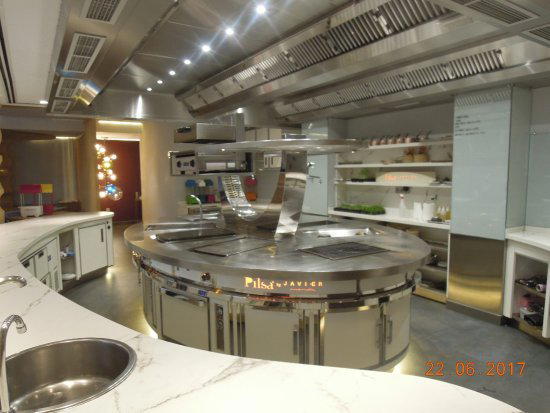
Madrid, Spain
Gaytán in Madrid delivers Michelin-starred seasonal Mediterranean cuisine led by chef Javier Aranda. Must-try experiences include the Dublin Bay prawn 000 with beurre blanc, tarragon essence and champagne, the Seafood Sequence within the Gran Menú Javier Aranda, and the concise Inaurem tasting. The open kitchen framed by original wooden columns turns service into a visible craft, while two private lounges offer discreet celebrations. Accoladed by the Michelin Guide and praised on TripAdvisor, Gaytán pairs technical precision with bright, ingredient-forward flavors. Expect carefully reduced sauces, pristine seafood, and wine pairings chosen to heighten each course in a warm, elegant dining room that makes every course feel immediate and alive.

Paris, France
A Mi-Chemin on Rue Boulard brings Tunisian-inflected cooking to the 14th arrondissement in a format that reads as neighbourhood restaurant first, destination second. Chef Nordine Labiath's vegetable-forward approach has earned a following among local connoisseurs, with dishes like the vegetable jelly drawing consistent attention. Find it at 31 Rue Boulard, 75014.

São Paulo, Brazil
D.O.M. holds two Michelin stars and a sustained presence in the World's 50 Best Restaurants list, positioning it at the top of São Paulo's fine dining tier. Chef Alex Atala's kitchen treats the Amazon as a pantry, bringing native ingredients like jambu, tucupi, and priprioca into a tasting format that has redefined how Brazilian cuisine is read internationally. Reservations are essential, and the Jardins address has anchored the city's premium dining scene since 1999.
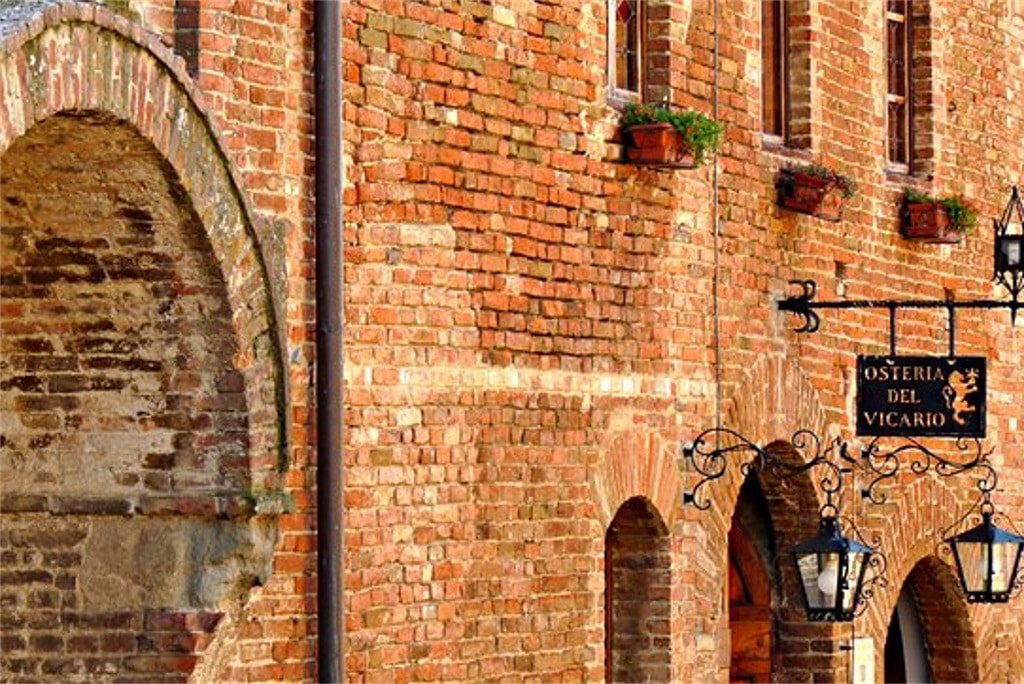
Certaldo (FI), Italy
A two-person operation in medieval Certaldo Alto, Osteria del Vicario runs a fully plant-based kitchen drawing on regional produce and its own gardens. Eleonora Rizzo cooks with the kind of vegetable literacy that makes the format feel earned rather than fashionable. The attached B&B makes it a rare Tuscan destination worth planning a stay around.

Miami, United States
La Natural in Miami's Little River holds a Michelin Bib Gourmand for consecutive years and an Opinionated About Dining North America ranking, operating as a pizza and wine bar at the more affordable end of the city's dining spectrum. Chef Javier Ramirez runs a Mediterranean-leaning program with a strong vegetable focus. Open Tuesday through Sunday, with weekend lunch service added to the evening schedule.

Montpellier, France
At Place Pétrarque, Céna makes vegetables the structural centre of its set menu, with Clément Briand-Seurat drawing almost entirely from hyper-local Languedoc producers. The format accommodates vegan and vegetarian guests without compromise, and the sommelier pairs regional wines with authority. Rated Remarkable by EP Club and recognised with a 2025 Michelin Plate.

Copenhagen, Denmark
a|o|c holds two Michelin stars and a La Liste score of 93 points (2026), operating from the vaulted 17th-century cellars of Moltkes Palæ near Kongens Nytorv. Chef Søren Selin runs a creative small-plates format with a fully plant-based option, open Wednesday through Saturday from 6 pm. One of Copenhagen's most architecturally distinctive fine-dining addresses at the €€€€ price tier.

Overijse, Belgium
A Michelin-starred creative table in the Brabant Wallon countryside south of Brussels, Maison Alain Bianchin has built a clear reputation around seasonal vegetables and produce-driven cooking. Ranked #421 in Opinionated About Dining's 2025 European classical list and awarded a White Star on Star Wine List, it operates in a quieter register than the capital's dining circuit — deliberate and focused rather than merely provincial.

Gent, Belgium
Two-Michelin-starred Vrijmoed Gent elevates vegetable-forward cuisine to extraordinary heights, where Chef Michaël Vrijmoed's innovative fermentation techniques and seasonal Belgian ingredients create unforgettable tasting experiences within an intimate Art Nouveau townhouse setting.

Flobecq, Belgium
A Michelin-starred restaurant inside a restored castle in the Pays des Collines, Le Vieux Château operates on a fixed menu built around the region's local producers. Chef Tanguy De Turck's cooking draws directly from the surrounding landscape, pairing techniques like plancha and escabèche with ingredients that rarely travel far. Rated 4.8 from 567 Google reviews, it earns its star without the urban price ceiling of Brussels or Ghent.
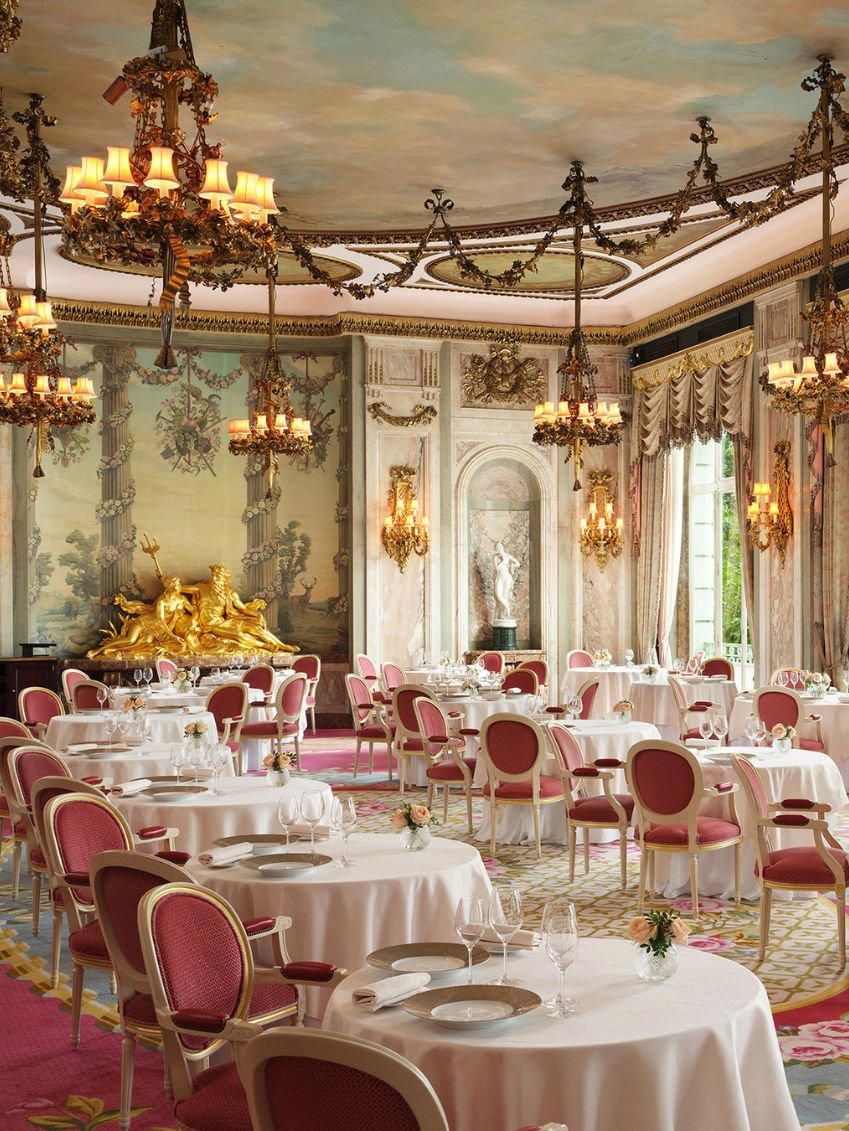
Hattem, Netherlands
Holding consecutive Michelin Bib Gourmand recognition in 2024 and 2025, De Voorburcht operates from a historic castle setting in Hattem and positions itself among the Netherlands' more serious vegetable-forward kitchens. Chef Dennis Mulder's team works with creative French technique and a vegetable-based menu available on request, earning a White Star from Star Wine List and a 4.8 Google rating across 537 reviews.

Barcelona, Spain
Pur sits on Passatge de la Concepció in Eixample, bringing the farm-to-table philosophy of the Nandu Jubany group to central Barcelona. The open kitchen foregrounds ingredient quality above technique, with charcoal-grilled and salt-cured preparations anchored by seasonal produce. A Michelin Plate (2025) and the award for Best Steak Tartare in Spain (2024) confirm it occupies a credible middle tier in the city's dining hierarchy.

Copenhagen, Denmark
Kadeau holds two Michelin stars and a place in the World's 50 Best (ranked 54th in 2024) for cooking that draws almost entirely from the island of Bornholm. Operating from Christianshavn since 2011, it runs Tuesday through Saturday evenings, with a Saturday lunch service, and sits in the upper tier of Copenhagen's New Nordic scene alongside Geranium and Noma.

Niigata, Japan
Set in the mountains of Minami-uonuma in Niigata Prefecture, Sanaburi is a vegetable-forward dining destination recognised as We're Smart's Discovery of the Year for Japan in 2022. The kitchen, led by Yutaka Kitazaki and Keiko Kuwakino, centres its menus on organic mountain vegetables, wild foraged plants, and traditional preservation techniques. Guests requiring vegan, vegetarian, or macrobiotic menus must book at least five days in advance.

Aichi, Japan
A six-seat French counter in Toyohashi, Aichi, aru has earned consecutive Tabelog Bronze Awards (2025, 2026) and two selections for Tabelog French EAST 100, with a Tabelog score of 4.17. Dinner runs JPY 20,000–29,999, lunch JPY 15,000–19,999. The kitchen centres on seasonal produce from the Higashi-Mikawa region, paired with a wine list that leans toward Japanese labels.

Maharashtra, India
Noon brought a 100% plant-based menu to Mumbai's Bandra Kurla Complex, earning the highest score from the We're Smart Green Guide and recognition for Chef Vanika Choudhary as a leading force in India's regional produce movement. The kitchen drew on Kashmiri and broader Indian ingredients through contemporary technique, with zero-waste practice embedded in the format. Now permanently closed, it remains a reference point for plant-forward dining in India.
Find out on Pearl and keep score across every place in We're Smart World Top Restaurants 2025.
Overview
We're Smart World Top Restaurants 2025 is an annual ranking of the 100 best vegetable-forward restaurants globally, published by We're Smart World. The list highlights culinary excellence in plant-based dining based on the 'Think Vegetables! Think Fruit!' philosophy and a 1-to-5 Radish rating system. It is considered the definitive guide for fruit and vegetable-based gastronomy worldwide.
The list is curated by We're Smart World, an organization founded by Belgian chef Frank Fol in 1989 to promote healthy and sustainable eating. Winners are selected through a rigorous evaluation process that assesses restaurants on their creative use of seasonal produce, sustainability practices, and the ratio of plant-to-animal ingredients. The ranking is considered prestigious for its focus on 'Pure Plant Pioneers' and its role as a global reference for fruit and vegetable-based gastronomy. It includes a diverse range of venues, from fine-dining establishments to innovative newcomers, all committed to making vegetables the star of the plate.
The We're Smart World Top Restaurants 2025 list represents the pinnacle of vegetable-forward dining, showcasing the most innovative chefs who are redefining the culinary landscape. As sustainability and plant-based diets move to the forefront of global food culture, this ranking serves as an essential guide for diners seeking exceptional meals that prioritize health and the environment. On this Pearl page, readers will find the complete Top 100 list, along with insights into the methodology and the visionary restaurants leading the green revolution.
The 2025 edition of the We're Smart World Top Restaurants list was unveiled during a prestigious live ceremony in Valencia, Spain, on November 11, 2025. This year's ranking saw El Invernadero in Madrid claim the top spot, reflecting Spain's growing influence in sustainable gastronomy. Notable highlights include the introduction of new 'Discovery Award' winners from across the globe and a special focus on the 'Mediterranean Pantry' initiative.

