
Restaurant in Piraeus, Greece
Yperokeanio
100ptsHarbour-Dictated Seafood
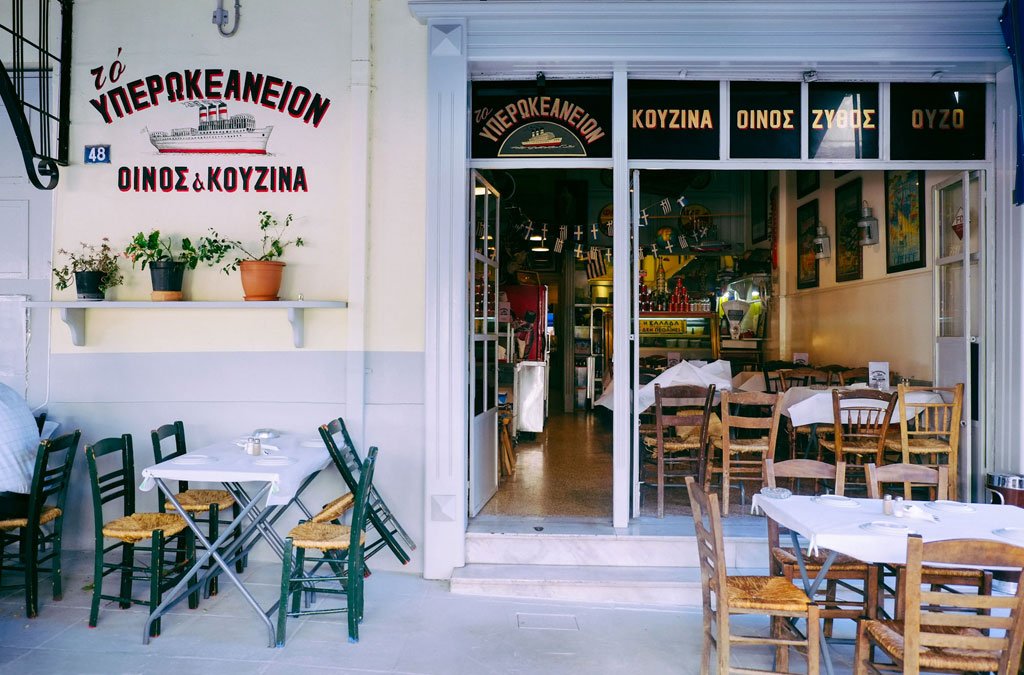
About Yperokeanio
Yperokeanio occupies a specific place in Piraeus's waterfront dining scene, where the port city's deep relationship with the sea translates directly to the table. The address on Marias Chatzikiriakou places it within reach of the harbour, grounding the experience in the rhythms and produce of the Saronic Gulf. For visitors approaching Piraeus beyond the ferry terminals, it represents one entry point into a neighbourhood defined by serious seafood tradition.
Where the Port Dictates the Plate
Piraeus is not Athens, and the distinction matters at the table. The port city operates on a different tempo from the capital's restaurant circuit: fewer destination venues chasing international press, more places rooted in the practical and pleasurable business of feeding people who live close to the sea. The address at Marias Chatzikiriakou 48 places Yperokeanio within this fabric, in a neighbourhood where proximity to the water has historically shaped what gets cooked and how it arrives to you.
In port cities across the Aegean, the meal tends to be structured by the catch rather than by the chef's ambitions. That is a meaningful distinction. The ritual here is not the kind that unfolds in a formal tasting sequence with printed menus and a sommelier's intervention at each pour. It is, instead, the older pattern: fish selected from a display, prepared simply, eaten with good bread and a carafe of something cold. That ritual has its own discipline, and Yperokeanio operates within a Piraeus dining tradition that takes it seriously.
The Rhythm of a Seafood Meal in Piraeus
Understanding how to eat well in Piraeus means understanding the pacing. Meals here tend to begin with shared cold plates, move through grilled or fried seafood at the centre of the table, and resolve without the elaborate dessert sequence that bookends a more formal restaurant experience. The meal expands or contracts with the company and the appetite. Ordering is typically a conversation, not a studied exercise in menu navigation.
That unhurried structure is itself a form of hospitality that is harder to find in Athens's more performance-conscious restaurant scene. At venues like Yperokeanio, the expectation is that the table is yours for the duration of the meal. The Piraeus approach to seafood dining sits somewhere between the rough-edged directness of a working harbour taverna and the more considered presentation you find at places like Papaioannou or Zarkadoulas, both of which have built strong local followings along the same waterfront axis.
The peer set in this part of Piraeus includes a cluster of seafood-focused addresses each making a case for the table on slightly different terms. Jimy's Fish leans into a more casual register; Amber Cellar occupies a different category altogether with its wine-led approach; Zoodohos Pigi draws on neighbourhood loyalty. Yperokeanio operates within that local competitive field, where repeat custom and word-of-mouth carry more weight than awards and press coverage.
Seafood Tradition and What It Demands of the Diner
The Aegean seafood tradition asks something of the diner that more structured restaurant formats do not: participation. You are expected to look at what is available, ask about the catch, and make choices based on what arrived that morning rather than what was printed weeks ago. This is not an inconvenience; it is the mechanism by which a seafood meal stays honest. Freshness is not a marketing word in this context. It is the operating condition.
Across Greek port cities, from Thessaloniki's Ladadika district down through the Cyclades, the venues that endure are those where the kitchen's discipline is applied to sourcing and preparation rather than to innovation for its own sake. A well-grilled whole fish, seasoned with olive oil and lemon, is not a simple thing to execute consistently. Neither is fried calamari at the right temperature and crispness, or a plate of gavros marinated long enough but not too long. These are the benchmarks by which Piraeus seafood restaurants are judged locally, and they are harder standards than they appear.
For comparison, the more architecturally ambitious end of Greek seafood dining, as seen at Delta in Athens or at island venues like Lure Restaurant in Oia and Aktaion in Firostefani, operates on different terms entirely, where the format and setting contribute as much as the fish itself. Piraeus, and venues like Yperokeanio within it, make a different argument: that the fish, the table, and the company are sufficient.
Getting There and Planning the Visit
Marias Chatzikiriakou is a waterfront-adjacent street in the Piraeus harbour area, reachable from central Athens by Metro Line 1 (the green line) in approximately 30 minutes from Monastiraki, with Piraeus station as the terminus. From the station, the address is within walking distance along the harbour perimeter. This is the same transit corridor used by travellers connecting to island ferries, which means the area sees a daily mix of locals and transient visitors, though the restaurant neighbourhood itself draws primarily from the former.
Given the limited publicly available data on booking method and current hours, confirming reservation availability before visiting is advisable, particularly on weekends when Piraeus waterfront venues tend to fill early in the evening. The broader Piraeus dining scene rewards those who arrive before the main dinner rush, typically before 21:00, when tables turn over more freely and the kitchen is at its most consistent. For a fuller picture of what the port's dining circuit offers, the EP Club Piraeus restaurants guide maps the scene across multiple neighbourhoods and price tiers.
Travellers who have already covered the island circuit, including stops at Cacio e Pepe in Thira Municipality, Feredini in Santorini, or Knossos Greek Taverna in Gouves, will find Piraeus a useful counterpoint: the port city's dining is less filtered through tourism and more oriented toward a local clientele with established expectations. That shift in audience tends to produce a different kind of honesty at the table.
For those moving between Greece and further afield, the contrast with more technically formal seafood programs, such as Le Bernardin in New York City, is instructive. The gap is not simply one of price or setting. It is a difference in what the dining ritual is understood to be for: ceremony and virtuosity on one end, directness and sustenance on the other. Piraeus sits firmly at the latter pole, and Yperokeanio is positioned within that tradition. Related dining along the broader Attica coast, including Alykes in Palaio Faliro and Lake Vouliagmeni in Vouliagmeni, extends that coastal dining character south of the city centre. Inland, venues like Cash in Kifisia and Beauvoir in Katakolo represent different expressions of Greek hospitality away from the waterfront entirely.
Frequently Asked Questions
- What should I eat at Yperokeanio?
- In a Piraeus seafood setting, the directive is to follow the catch rather than a fixed list. Ask what arrived that morning and build from there: typically a cold starter plate, a simply prepared whole fish or grilled seafood, and something fried alongside. Confirm current menu details directly with the venue, as offerings depend on daily supply.
- How hard is it to get a table at Yperokeanio?
- Piraeus waterfront restaurants in this category tend to fill on weekends without advance notice, particularly in the summer months when ferry traffic adds foot traffic to the harbour area. Booking ahead is the safer approach, even if the venue operates a relatively informal table policy. Contact details are leading confirmed via a current search or local directory, as phone and website data are not publicly confirmed in our records.
- What is the standout thing about Yperokeanio?
- The standout quality of a venue like Yperokeanio, within the Piraeus seafood tradition, is its grounding in the port city's direct relationship with the Saronic Gulf. That orientation, prioritising freshness and the mechanics of a well-paced seafood meal over format or spectacle, is the distinguishing characteristic. It positions the venue alongside peers such as Papaioannou and Zarkadoulas in a local tier defined by consistency rather than awards recognition.
- Can Yperokeanio handle vegetarian requests?
- Greek seafood tavernas in Piraeus typically carry a range of cold vegetable plates, legume dishes, and salads that make a vegetarian meal workable, even if the kitchen's focus is on fish and shellfish. Specific dietary requests are leading confirmed directly with the venue before visiting. In the absence of confirmed contact details, reaching out through current local listings is advisable.
- Is Yperokeanio overpriced or worth every penny?
- In the Piraeus seafood tier, pricing tends to track the quality and provenance of the catch rather than the formality of the setting. Venues at this level typically represent fair value against the quality on the plate, particularly compared with tourist-facing seafood restaurants in central Athens. Without confirmed current pricing data, the clearest way to assess value is to ask about the day's fish price when you arrive, which is standard practice in Greek seafood dining.
- Is Yperokeanio a good choice for a meal before or after catching a ferry from Piraeus?
- The Marias Chatzikiriakou address places Yperokeanio within the broader Piraeus harbour zone, making it a geographically plausible stop for travellers moving through the port. However, the unhurried pacing typical of Piraeus seafood dining does not align well with tight ferry schedules. If time is a constraint, a meal here is better placed the evening before departure rather than immediately before boarding. The EP Club Piraeus guide covers additional options at different price points and formats for transit travellers.
Related editorial
- Best Fine Dining Restaurants in ParisFrom three-Michelin-star icons to the next generation of Parisian chefs pushing boundaries, these are the restaurants that define fine dining in the world's culinary capital.
- Best Luxury Hotels in RomeFrom rooftop terraces overlooking ancient ruins to Michelin-starred hotel dining, these are the luxury hotels that make Rome unforgettable.
- Best Cocktail Bars in KyotoFrom sleek lounges to hidden speakeasies, Kyoto's cocktail scene blends Japanese precision with global influence in ways you won't find anywhere else.
Save or rate Yperokeanio on Pearl
Keep this venue in your Pearl passport, rate it after you visit, and track it alongside every other place you collect.