
Restaurant in Bolu, Turkey
Yorem Manti Unlu Mamuller
100ptsNeighbourhood Mantı Counter
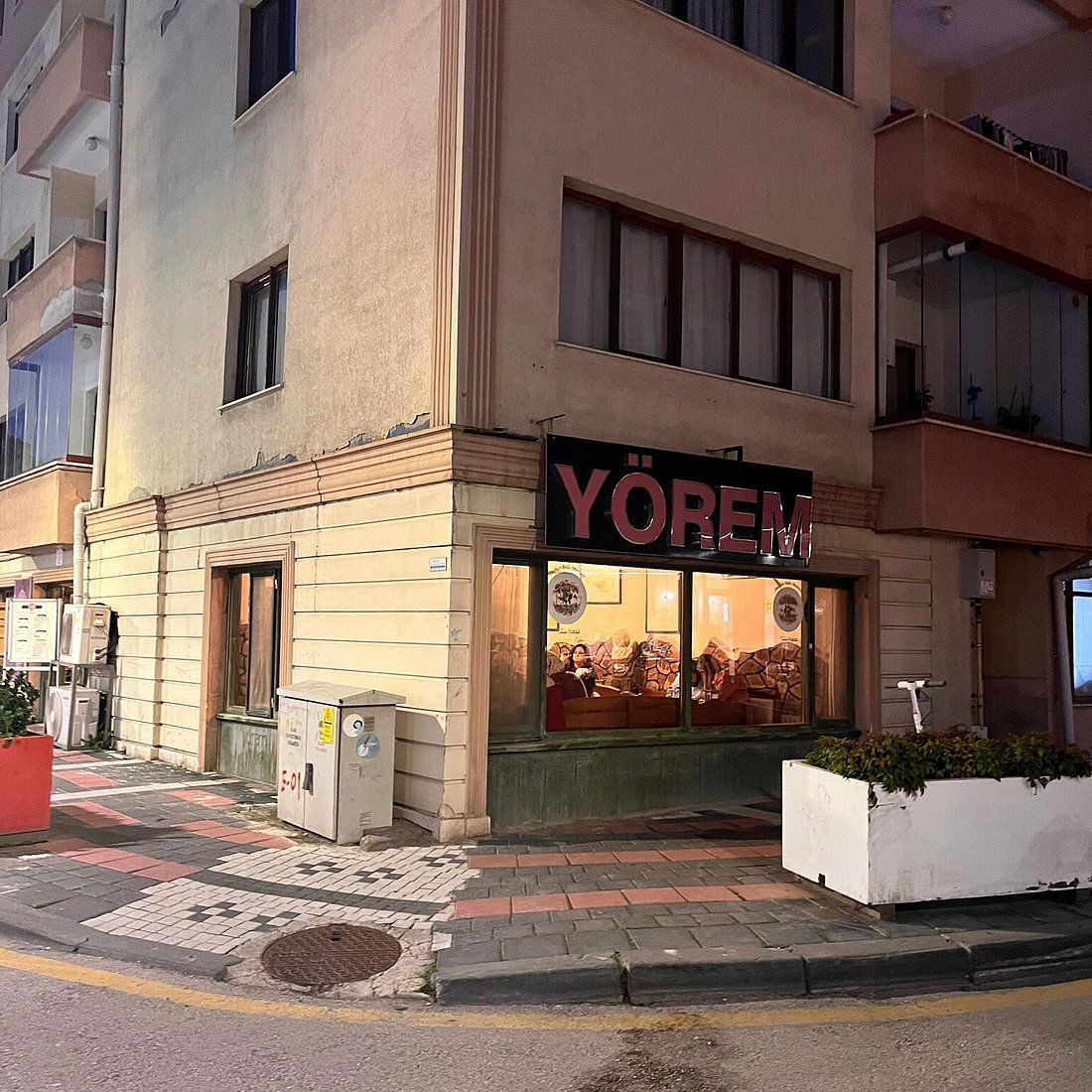
About Yorem Manti Unlu Mamuller
On a side street off İzzet Baysal Caddesi in central Bolu, Yorem Mantı Unlu Mamuller serves the kind of hand-folded mantı that defines the region's wheat-based culinary identity. Bolu's reputation as a training ground for Turkish chefs gives even its neighbourhood spots an edge in technique and dough craft. This is a local address built around the traditions of Anatolian flour work rather than the demands of tourist menus.
Where Bolu's Flour Tradition Finds a Street-Level Address
In a city that has exported more professional cooks to Turkey's hotel kitchens than perhaps any other, the everyday eating spots of Bolu tend to carry a quiet seriousness that most provincial towns cannot match. The culinary reputation of Bolu, rooted in its historic cooking schools and the generations of chefs trained here, filters down well below the formal restaurant tier. On Albay Sokak, a short turn off the central artery of İzzet Baysal Caddesi, Yorem Mantı Unlu Mamuller occupies that workaday register with a focus on mantı and flour-based preparations that connect directly to Anatolian wheat culture at its most grounded.
Walking toward the address, the neighbourhood context is instructive. Tabaklar Mahallesi is a working district of Bolu Merkez, away from the more polished commercial strips, and the kind of area where a flour-specialist operation makes complete sense: regular clientele, low overhead, and the expectation that the product speaks plainly. The draw is not décor or ceremony. It is dough, and what happens to it in practiced hands.
The Ingredient Logic Behind Anatolian Mantı
Mantı as a category spans an enormous range across Turkey and Central Asia, from the thin-skinned, walnut-sized versions of Kayseri (traditionally holding 40 pieces per spoon, a measure of the maker's skill) to thicker, more rustic interpretations found in Black Sea-adjacent provinces. Bolu sits in a position where central Anatolian wheat traditions meet the mountainous, forested geography of the Western Black Sea region. The flour culture here draws on locally grown grain, and the emphasis in flour-based establishments tends to be on dough consistency, the ratio of water to flour, and the resting and rolling stages that separate a serviceable mantı from a disciplined one.
The sourcing logic in Turkish flour-based cooking is often invisible to the diner but legible in the result. Wheat variety, milling coarseness, and humidity all affect how a mantı skin behaves after boiling. In regions with a genuine dough tradition, these variables are managed intuitively rather than by formula. For an operation describing itself as both mantı and unlu mamuller (a term covering a broad category of flour-based baked and cooked goods), the implied range suggests a kitchen organised around the properties of wheat rather than around a single dish or signature item. This is characteristic of the embedded cooking culture that Bolu has sustained across decades. For a broader view of how Turkey's regional dining traditions diverge, our full Bolu restaurants guide maps the city's eating scene across categories and price points.
Bolu's Place in the Turkish Culinary Hierarchy
Turkey's formal fine dining conversation is concentrated in Istanbul, where tasting-menu restaurants at the ₺₺₺₺ tier, such as Turk Fatih Tutak in Istanbul, have repositioned Ottoman and Anatolian ingredients inside modern European culinary frameworks. Along the coasts, seasonal destination restaurants like Maçakızı in Bodrum and Narımor in Izmir draw a different kind of attention. These are not the contexts in which to place Yorem Mantı. The more useful frame is the network of specialist, single-category operations that anchor Turkish regional food culture at street and neighbourhood level: places like Dürümzade in Beyoglu, or Kısmet Etliekmek ve Lahmacun Salonu in Karaman, where the discipline comes from repetition and regional specificity rather than from formal culinary training or tasting-menu ambition.
What distinguishes Bolu within this framework is the density of culinary knowledge in a relatively small city. Bolu's professional cooking schools have fed Turkey's hotel and resort kitchens for generations, meaning that even informal local operations exist in an environment where technique is understood and expected. This is a different kind of quality signal than a Michelin star or a 50 Best ranking. It is structural rather than certified. The comparison is not to Le Bernardin in New York City or Atomix in New York City; it is to the many Turkish operations where longevity and local loyalty serve as the primary evidence of consistent execution.
Other specialist regional addresses across Turkey that operate in this register include Kocak Baklava in Gaziantep, where single-product mastery is the organising principle, and Hiç Lokanta in Urla, which draws on a similar logic of ingredient-first simplicity. In each case, the draw is specificity rather than breadth.
Planning a Visit to Albay Sokak
Yorem Mantı Unlu Mamuller is located at Albay Sokak 12/C in Tabaklar Mahallesi, within walkable distance of Bolu Merkez's central commercial streets. No booking information, confirmed hours, or price data are currently available in published sources, so the practical approach is to arrive mid-morning or at early lunch service, when flour-based operations of this type typically run fresh product. Bolu is accessible by road from Ankara (roughly 200 kilometres west along the D-100 corridor) and from Istanbul (approximately 280 kilometres to the east), and serves as a natural stop on the trans-Anatolian route. The Bolu Hanzade Restaurant represents a different tier of the local dining scene for those spending more time in the city.
For context on how ingredient-focused regional dining works across Turkey's smaller cities, the editorial approach at Kartepe Organic Foods in Kartepe and the lokanta model at Kritikos Meyhane in Mudanya both illuminate how sourcing priorities shape menus at the neighbourhood level. Similarly, Asitane in Fatih shows how Istanbul interprets the same Anatolian recipe archive at a more formal price point, which helps calibrate what is gained and what is lost when dishes move from their regional context into a restaurant-format presentation. Further along the regional spectrum, Bayramoğlu Döner in Beykoz, Ciğerci Mahmut in Adana, Casa Lavanda in Sile, and Konya Kebap Evi in Selcuklu each represent the same structural logic: a regional city, a focused product category, and a clientele that has already decided what it wants before arriving at the door.
Frequently Asked Questions
What dish is Yorem Mantı Unlu Mamuller famous for?
The name itself provides the clearest signal: mantı is the primary offering, positioned alongside unlu mamuller, the broad Turkish category covering flour-based baked and cooked preparations. Mantı in this region connects to central Anatolian dough traditions, where the emphasis falls on skin thickness, folding technique, and the quality of the filling rather than on elaborate sauce work. No specific chef credentials or awards are on the public record, but the category specialisation is the organising principle of the operation.
What is the atmosphere like at Yorem Mantı Unlu Mamuller?
The address in Tabaklar Mahallesi places this firmly in working-district Bolu rather than in any tourist or formal dining zone. Bolu does not have the kind of international dining scene that cities like Istanbul or Izmir sustain at the ₺₺₺₺ tier, and no awards or formal recognition are on the public record for this address. The atmosphere is consistent with a neighbourhood specialist: functional, local, and organised around repeat customers who arrive for a specific product rather than for an occasion.
Is Yorem Mantı Unlu Mamuller good for families?
Mantı and flour-based Turkish dishes are broadly accessible across age groups, and neighbourhood operations in cities like Bolu at this type of address tend to run without formal dining room protocols or prix-fixe constraints. No price data is currently available in published sources, but the category and location suggest an accessible price point relative to Turkey's major urban restaurant tiers. Families looking for a grounded, locally relevant meal in central Bolu would find the format consistent with that need.
How does Yorem Mantı Unlu Mamuller fit into Bolu's reputation as a city of trained cooks?
Bolu is recognised across Turkey as the origin of a disproportionately large share of the country's professional kitchen staff, a product of its historically active culinary training infrastructure. This creates an environment where flour-craft and technique are embedded at the neighbourhood level, not only in formal restaurants. An operation specialising in mantı and unlu mamuller in this city operates within that tradition, even without formal awards or published chef credentials, making Bolu's culinary context a relevant frame for understanding what this type of address offers.
Related editorial
- Asia's 50 Best Restaurants 2026: The Chairman and Wing Go 1-2 from the Same BuildingThe Chairman takes No. 1 and Wing climbs to No. 2 at Asia's 50 Best Restaurants 2026. Both operate from the same Hong Kong building. Here's what it means.
- Four Seasons Yachts Debut: 95 Suites, 11 Restaurants, and a March 2026 Maiden VoyageFour Seasons I launches March 20, 2026, with 95 suites, a one-to-one staff ratio, and 11 onboard restaurants. Worth tracking if you want hotel-grade service at sea.
- LA Michelin Guide 2026: Seven New Restaurants from Tlayudas to Uzbek DumplingsMichelin's March 2026 California Guide update adds six LA restaurants and one Montecito newcomer, spanning Oaxacan tlayudas, Uzbek manti, and Korean-Italian pasta.
Save or rate Yorem Manti Unlu Mamuller on Pearl
Keep this venue in your Pearl passport, rate it after you visit, and track it alongside every other place you collect.