
Restaurant in Ise, Japan
Yamatoan kuroishi
100ptsShrine-Precinct Terroir
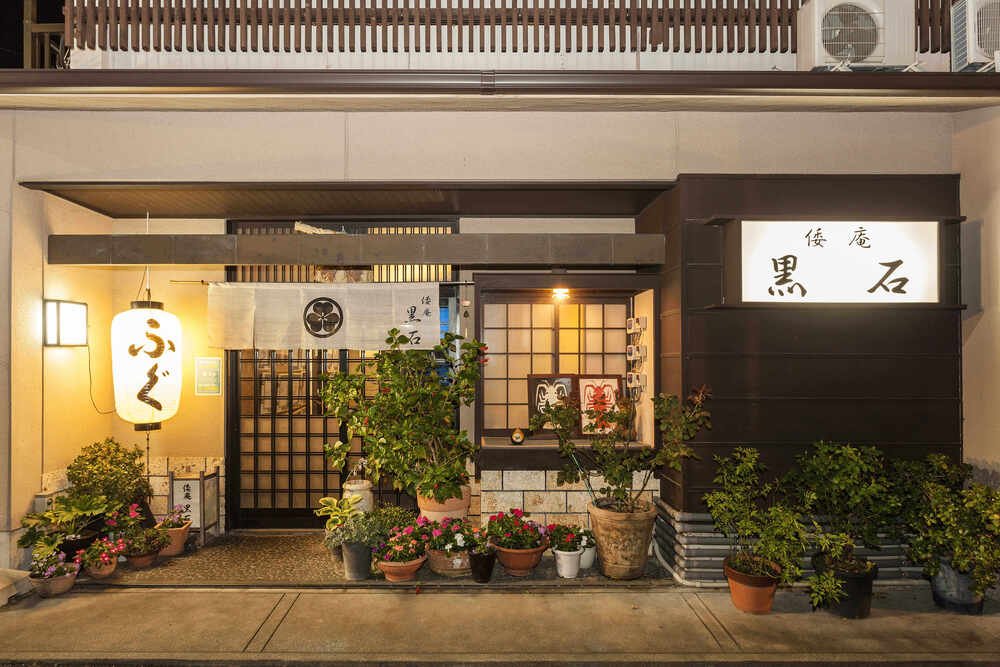
About Yamatoan kuroishi
Where the Ise Pilgrimage Road Shapes the Plate The address tells you something before you arrive: Yamatomachi, the mountain district that fans out behind the inner precincts of Ise Jingu, Japan's most visited Shinto shrine complex. Pilgrims have...
Where the Ise Pilgrimage Road Shapes the Plate
The address tells you something before you arrive: Yamatomachi, the mountain district that fans out behind the inner precincts of Ise Jingu, Japan's most visited Shinto shrine complex. Pilgrims have been walking this corridor for more than a millennium, and the food culture that grew up alongside the route reflects that long, specific history. Restaurants in this part of Ise operate in a context that has no real parallel in Japan's larger cities: they are feeding people at the edge of sacred space, and the discipline that implies runs through the local dining scene in ways that are easy to underestimate from the outside.
Yamatoan Kuroishi sits at 125-2 Yamatomachi, placing it squarely within that pilgrimage-adjacent pocket rather than in the commercial strips closer to Ise-shi station or the Okage Yokocho tourist arcade near the outer shrine. That geography matters. Venues this close to the inner shrine tend to attract a more purposeful visitor: someone who has walked the gravel paths, is attuned to the seasonal and ceremonial rhythms of the site, and arrives at a table with a different frame of mind than a tourist moving between sights. The neighbourhood selects for a particular kind of attention, and the dining experiences embedded in it tend to reward exactly that.
Ise's Dining Scene: Smaller, More Specific Than Its Reputation Suggests
Ise is not a dining city in the way that Osaka, Kyoto, or Tokyo are. Its recognition rests on specific ingredients — Ise lobster (ise ebi), abalone, the celebrated beef from neighbouring Matsusaka, and the rice from the Miyagawa river basin that has supplied Ise Jingu for generations. What serious restaurants in the city tend to do is work close to those materials rather than building elaborate frameworks around imported technique. The leading versions of that approach produce something precise and restrained: food that foregrounds the sourcing and lets season and preparation do most of the editorial work.
The competitive set in this part of Mie Prefecture is smaller than in Japan's larger culinary cities, but it is not thin. Kamimura and Komada both operate with a seriousness that positions Ise above the shrine-town novelty tier. 伏壺 三宝 and ボン ヴィヴァン add range to the scene, extending it beyond kaiseki into other formats. Yamatoan Kuroishi operates in this peer context: a city where the reference points are ingredient-led, where seasonal sourcing from the peninsula's coastline and mountains sets the base level of expectation, and where the proximity to the shrine complex adds an overlay of ceremonial seriousness that is absent from most urban dining environments.
For a fuller picture of where this venue sits within the city's restaurant geography, the EP Club Ise restaurants guide maps the current scene in detail.
The Yamatomachi Setting and What It Asks of a Restaurant
Operating in Yamatomachi is a different proposition from running a restaurant in Ise's central commercial zone. The neighbourhood moves at a different rhythm: quieter, more residential, shaped by the foot traffic of the pilgrimage paths rather than by commuter or tourist density. That physical context tends to push kitchens toward formats that reward lingering: longer meals, more considered progressions, food that does not compete with surrounding noise or visual spectacle but holds its own in relative stillness.
Japan's most acclaimed regional restaurants often work within exactly this kind of geographical specificity. Gion Sasaki in Kyoto draws from the logic of its shrine-adjacent neighbourhood in ways that define the kitchen's seasonal calendar. Akordu in Nara positions itself relative to Nara's sacred deer park and the material culture of the ancient capital. The pattern recurs: place shapes cooking in Japan's heritage zones in ways that are more direct and less mediated than in its major metros. Yamatoan Kuroishi's position within the Ise shrine district places it inside that lineage of geographically grounded restaurants.
Regional Context: Mie Prefecture's Place in Japan's Fine Dining Map
Mie Prefecture sits in an unusual position in Japan's culinary geography. It produces ingredients that supply Tokyo and Osaka kitchens at the highest level — Matsusaka beef appears on menus at restaurants with the ambitions of HAJIME in Osaka and Harutaka in Tokyo, while Ise's seafood moves through the same premium channels that feed counters across Kansai. Yet the prefecture's own restaurant scene remains less internationally visible than its ingredients would suggest. That gap between production reputation and dining recognition is narrowing, partly because more serious kitchens are choosing to stay close to source rather than export upward.
The pattern is not unique to Mie. Goh in Fukuoka built a program around Kyushu sourcing that placed it in a different competitive conversation than its city's size would have predicted. Regional Japanese restaurants in shrine and castle towns , from Nanao to Sapporo to Takashima , have increasingly found that a tight sourcing story combined with the right location can carry a restaurant past the limitations of its city's size. Yamatoan Kuroishi operates in a geography where those conditions converge: strong local ingredient identity, a site with deep cultural gravity, and a dining public that arrives with deliberate intent.
The contrast with comparable formats in larger markets is instructive. Le Bernardin in New York City or Atomix in New York City operate within ecosystems of critical density and international visibility that Ise cannot match in scale. What Ise offers instead is specificity: a food culture that has been shaped by one very particular set of geographical, agricultural, and ceremonial conditions over centuries. That is a different kind of authority, and one that does not translate to every visitor but is acutely legible to the right one.
Planning a Visit to Yamatoan Kuroishi
Yamatomachi is walkable from the inner shrine precincts of Ise Jingu, making it a natural anchor for a visit structured around the shrine complex itself. The recommended approach is to arrive in Ise the evening before your shrine visit, with the restaurant serving as a deliberate first meal rather than an afterthought. Ise is accessible by the Kintetsu limited express from Nagoya in under ninety minutes and from Osaka-Namba in roughly ninety minutes; the shrine district itself is leading covered on foot or by the city's local bus network. Given the sparse data available in public channels on Yamatoan Kuroishi's booking method, hours, and specific format, direct contact with the venue before arrival is advisable. The address at 125-2 Yamatomachi is confirmed. For a broader orientation to where this restaurant fits within Ise's dining options, our full Ise guide covers the city's current peer set, including Kamimura, Komada, and the broader range of options across the shrine town. Other regional comparators worth considering when building an itinerary through central Japan include Nishikawa Machi, Birdland in Sakai, and Bistro Ange in Toyohashi.
Frequently Asked Questions
What dish is Yamatoan Kuroishi famous for?
Mie Prefecture's most celebrated ingredients , Ise lobster, abalone, and Matsusaka beef , define the culinary identity of the region's serious restaurants, and venues in the Yamatomachi district tend to anchor their menus to those local sources. Specific signature dishes at Yamatoan Kuroishi are not documented in available public records, so contacting the venue directly before your visit is the most reliable way to understand the current menu structure and seasonal focus.
How hard is it to get a table at Yamatoan Kuroishi?
Reservation availability at Yamatoan Kuroishi is not documented in public channels. Restaurants positioned near the inner shrine precinct in Ise attract a mix of dedicated visitors and local regulars, and capacity in the Yamatomachi neighbourhood tends to be smaller than in city-centre venues. Building in lead time and confirming directly with the restaurant is the practical approach, particularly for visits timed to peak pilgrimage seasons in spring and autumn.
What makes Yamatoan Kuroishi worth seeking out?
Its location within the Yamatomachi district, at the edge of Ise Jingu's inner precinct, places it inside a culinary context shaped by one of Japan's most specific food cultures: centuries of ingredient sourcing tied to the shrine complex, a coastal and agricultural identity that differs from both Tokyo's metropolitan dining and Kyoto's kaiseki formalism, and a neighbourhood rhythm that selects for a more deliberate kind of visitor. That combination of place, ingredients, and context is what the serious regional restaurants in this part of Mie Prefecture trade on, and Yamatoan Kuroishi sits within that tradition.
Do they accommodate allergies at Yamatoan Kuroishi?
No allergy or dietary accommodation policy for Yamatoan Kuroishi appears in available public records. In Japan, allergen communication is most effectively handled before arrival rather than at the table, particularly in smaller regional venues where menus may be fixed or semi-fixed. Direct contact with the restaurant ahead of your booking is strongly advised.
Is eating at Yamatoan Kuroishi worth the cost?
Pricing for Yamatoan Kuroishi is not available in public records. The broader context is useful here: restaurants in the Yamatomachi district operate in a market where ingredient costs are set by the same premium Mie Prefecture supply chains that feed high-end Osaka and Tokyo kitchens, while the local dining economy remains distinct from those cities' price benchmarks. What that typically produces is a different value equation than urban fine dining, weighted more toward ingredient quality relative to price than toward production or theatrics.
Is Yamatoan Kuroishi leading experienced as part of a longer Ise Jingu itinerary?
The restaurant's address in Yamatomachi positions it as a natural pairing with a visit to the inner shrine precinct rather than a standalone urban dining destination. The most coherent way to approach it is within a one- or two-night Ise stay, using the shrine visit and the meal as complementary anchors for the same trip. Ise's accessibility by Kintetsu express from both Nagoya and Osaka makes that kind of focused itinerary practical for visitors already routing through central Honshu.
Related editorial
- Asia's 50 Best Restaurants 2026: The Chairman and Wing Go 1-2 from the Same BuildingThe Chairman takes No. 1 and Wing climbs to No. 2 at Asia's 50 Best Restaurants 2026. Both operate from the same Hong Kong building. Here's what it means.
- Four Seasons Yachts Debut: 95 Suites, 11 Restaurants, and a March 2026 Maiden VoyageFour Seasons I launches March 20, 2026, with 95 suites, a one-to-one staff ratio, and 11 onboard restaurants. Worth tracking if you want hotel-grade service at sea.
- LA Michelin Guide 2026: Seven New Restaurants from Tlayudas to Uzbek DumplingsMichelin's March 2026 California Guide update adds six LA restaurants and one Montecito newcomer, spanning Oaxacan tlayudas, Uzbek manti, and Korean-Italian pasta.
Save or rate Yamatoan kuroishi on Pearl
Keep this venue in your Pearl passport, rate it after you visit, and track it alongside every other place you collect.