
Restaurant in Weissensee, Austria
Wirtshaus by Stefan Glantschnig
150ptsAlpine Regional Reinterpretation

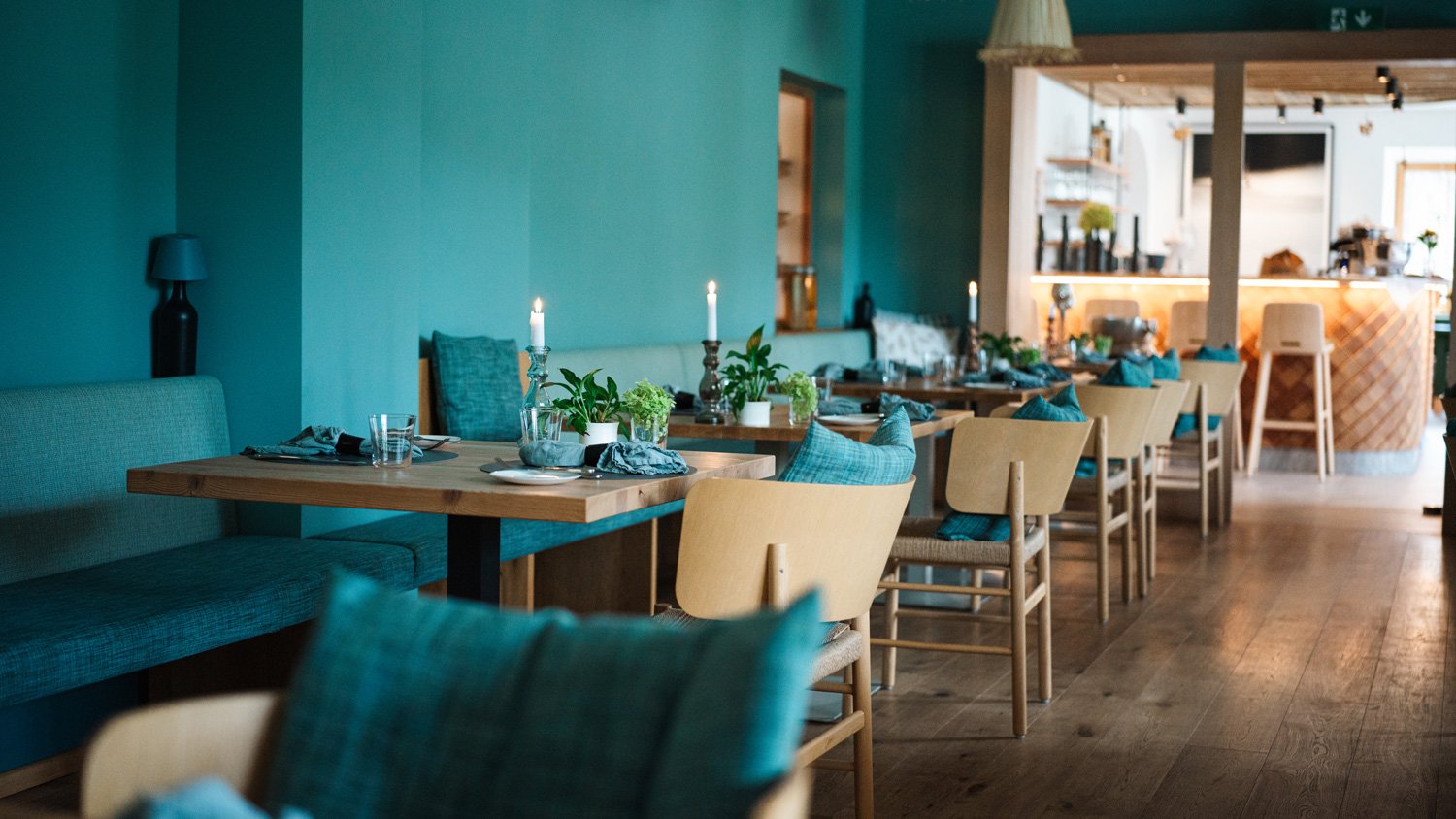
About Wirtshaus by Stefan Glantschnig
Inside the Neusacherhof complex on the shores of Weissensee, Wirtshaus by Stefan Glantschnig operates as the hotel's relaxed dining anchor, serving contemporary takes on Carinthian regional cooking in a modern Alpine setting with lake terrace access. Daily specials and a chef-curated surprise menu sit alongside an à la carte selection, making it the more accessible counterpart to the property's fine-dining restaurant, Rouge Noir.
Where the Lake Meets the Kitchen
Approach the Neusacherhof from the water side and the terrace of Wirtshaus comes into view before the restaurant itself does. Tables face directly onto Weissensee, one of Carinthia's cleaner high-altitude lakes, and on calm afternoons the reflection of the surrounding mountains holds long enough to feel like a second dining room below the surface. The setting conditions what happens inside: the cooking here is grounded in place, shaped by the produce that the surrounding Alpine valley actually yields, and served in an atmosphere that treats comfort and quality as compatible rather than competing goals.
That atmospheric register matters in context. Weissensee's dining scene has developed a clear internal hierarchy. Rouge Noir, the Neusacherhof's upscale second restaurant, and Die Forelle occupy the creative, higher-commitment tier of local dining. Wirtshaus sits below that bracket deliberately, functioning as the property's everyday table rather than its occasion room. The mood is Alpine-modern: warm materials, unhurried service, and a room that invites lingering rather than ceremony. For the full picture of what the area offers, our full Weissensee restaurants guide maps the range.
Regional Cooking and Where It Comes From
The editorial angle on Wirtshaus is not what ends up on the plate but where it starts. Carinthia's food culture has always been shaped by the altitude and the short growing season. The region sits between the Eastern Alps and the Slovenian border, and its larder reflects that position: freshwater fish from clear mountain lakes, dairy from high pastures, root vegetables, cured meats, and grains that do well in cooler climates. A kitchen that respects those materials ends up cooking differently from one that sources from a central wholesale market, and the contemporary spin at Wirtshaus operates inside those regional constraints rather than around them.
Across Austrian Alpine cooking more broadly, the tension between tradition and modernisation has produced two recognisable camps. Some kitchens treat classic dishes as fixed texts, preserving them against any intervention. Others use regional ingredients as raw material for more technically adventurous cooking, at times losing the legibility of the source cuisine in the process. Wirtshaus operates in a third, less common position: traditional character deliberately retained, with flavour and visual composition improved rather than replaced. The daily specials format reinforces this. Rather than a fixed menu designed around a thesis, the kitchen responds to what is available and what is well-sourced on a given day, which is a more honest expression of seasonal, place-based cooking than a permanent menu that gestures at seasonality without committing to it.
This approach connects Wirtshaus to a wider movement in Austrian regional dining. Restaurants like Kräuterreich by Vitus Winkler in Sankt Veit im Pongau have made the sourcing and identity of Alpine ingredients the central argument of their cooking. Further afield, Obauer in Werfen and Landhaus Bacher in Mautern an der Donau have built long-running reputations on regional produce treated with technical seriousness. Wirtshaus is not positioning itself at that level of ambition, but it draws from the same instinct: that Austrian cooking is most interesting when it knows exactly where it is.
The Menu Format and How to Use It
The structure of the menu is worth understanding before you arrive. An à la carte selection provides the stable base, covering the kind of regional dishes that anchor the Wirtshaus identity across the week. The daily specials layer on leading of that, driven by what the kitchen has sourced and what it wants to cook on a given day. For guests who arrive without a strong preference or find the choice genuinely difficult, a surprise menu compiled from the day's specials removes the decision entirely and tends to give the kitchen more room to show what it is doing at that moment.
The surprise menu format is more common at higher price points, where tasting menus are the dominant structure. Offering a version of that logic at a more relaxed, accessible register is a practical gesture: it rewards trust and makes the meal more interesting for guests who would otherwise default to the safest-sounding option. Comparable instincts show up in places like Ois in Neufelden, where the menu similarly bends around what the kitchen is working with rather than fixing the guest to a predetermined sequence.
Weissensee as a Dining Destination
Weissensee sits at roughly 930 metres above sea level in Carinthia's western reaches, which places it outside the main tourist circuits of the Wörthersee and Klagenfurt. The comparative quiet is a feature rather than a limitation. Dining here follows a slower rhythm, and the accommodation-dining relationship is tighter than in more urban settings: most guests eating at Wirtshaus are staying at the Neusacherhof or nearby properties, which shapes the pace and feel of a meal. The terrace is a practical expression of that relationship with the environment, offering an outdoor extension that makes the lake a direct part of the dining experience during warmer months.
For those building a broader trip, our full Weissensee hotels guide covers the accommodation options in the area, while the bars guide and experiences guide fill out the picture of what the region offers beyond the table. Austrian Alpine cooking at the more ambitious end of the spectrum, whether at Gourmetrestaurant Tannenhof in Sankt Anton am Arlberg, Griggeler Stuba in Lech, or Ikarus in Salzburg, occupies a different register from Wirtshaus, but they share a common argument: that Alpine ingredients, handled with care, produce cooking that is specific in a way that generic fine dining is not. Steirereck im Stadtpark in Vienna remains the canonical reference point for what that argument looks like at its most developed. Das Loewenzahn in Weissensee offers a local comparison at the modern cuisine tier.
Planning Your Visit
Wirtshaus is located at Neusach 1 within the Neusacherhof property. Given the hotel context and the limited dining options in the Weissensee area, booking ahead is sensible during summer and winter peak seasons, when the property and the lake are at their busiest. The atmosphere is relaxed and the format is welcoming to families, though the more considered surprise menu format suits guests who are willing to give the kitchen some latitude. Dress code is informal by Alpine standards: the room rewards the same register as the setting, which is somewhere between mountain casual and considered comfort. For broader context on what the wider region offers at table, the Weissensee restaurants guide and the wineries guide are useful companions.
Frequently Asked Questions
Is Wirtshaus by Stefan Glantschnig okay with children?
The relaxed atmosphere and informal Alpine setting make Wirtshaus a reasonable choice for families. The à la carte format gives flexibility, and the room is not structured around the kind of ceremony that makes children uncomfortable. Weissensee as a destination skews toward families and outdoor travellers, so the broader context supports that expectation.
Is Wirtshaus by Stefan Glantschnig formal or casual?
Casual, clearly. This is the Neusacherhof's everyday dining room rather than its occasion restaurant. The modern Alpine-style setting, terrace access, and daily specials format all point toward an informal register. Guests looking for a more structured, higher-commitment experience at the same property should look at Rouge Noir.
What do regulars order at Wirtshaus by Stefan Glantschnig?
The daily specials and the surprise menu compiled from them are the formats that leading express what the kitchen is doing on a given day. Classic regional dishes on the à la carte menu provide the stable anchor, but the specials are where the contemporary interpretation of Carinthian cooking is most visible. If the kitchen has sourced something particularly well that day, the surprise menu will reflect it.
Should I book Wirtshaus by Stefan Glantschnig in advance?
Yes, particularly during Weissensee's peak seasons in summer and winter. The lake draws a loyal repeat visitor base and the Neusacherhof is the area's primary hospitality property, which means demand on the dining room tracks closely with hotel occupancy. Booking a day or two ahead is a reasonable minimum; during high season, further in advance is safer.
Recognized By

Similar venues by awards
Related editorial
- Best Fine Dining Restaurants in ParisFrom three-Michelin-star icons to the next generation of Parisian chefs pushing boundaries, these are the restaurants that define fine dining in the world's culinary capital.
- Best Luxury Hotels in RomeFrom rooftop terraces overlooking ancient ruins to Michelin-starred hotel dining, these are the luxury hotels that make Rome unforgettable.
- Best Cocktail Bars in KyotoFrom sleek lounges to hidden speakeasies, Kyoto's cocktail scene blends Japanese precision with global influence in ways you won't find anywhere else.
Save or rate Wirtshaus by Stefan Glantschnig on Pearl
Keep this venue in your Pearl passport, rate it after you visit, and track it alongside every other place you collect.