
Restaurant in Taipei, Taiwan
Vanne Yakiniku
110ptsPrecision-Cut Yakiniku

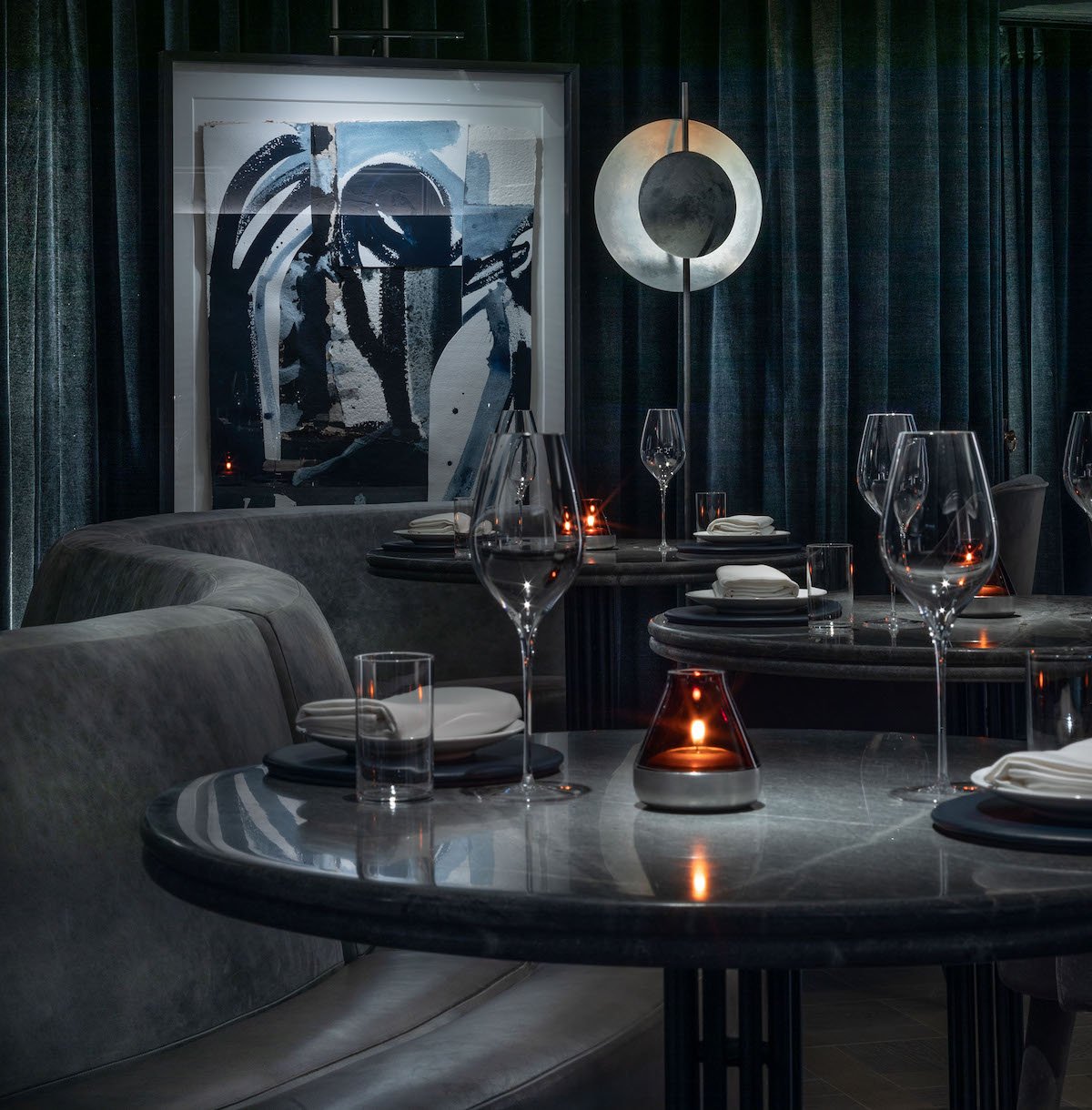
About Vanne Yakiniku
Vanne Yakiniku brings Japanese-style grilled meat to Taipei's Da'an District at a level that earned Michelin Plate recognition in 2024. Positioned in the mid-to-upper price tier among the city's specialist restaurants, it holds a 4.4 rating across more than 1,250 Google reviews. The second-floor address on Dunhua South Road places it squarely in one of Taipei's most dining-dense corridors.
The Ritual of the Grill: How Taipei's Yakiniku Scene Earns Its Place at the Table
There is a particular quality to a well-run yakiniku room that separates it from the broader category of barbecue. The smoke stays controlled, the coals hold an even temperature, and the sequence of cuts arrives in an order that treats the meal as a structured argument rather than a freestyle feast. On the second floor of a Dunhua South Road building in Da'an District, Vanne Yakiniku operates within that discipline. It is not a casual grill house, and the Michelin Plate it received in 2024 signals as much to anyone arriving without prior context.
Da'an is Taipei's most concentrated corridor for serious eating. Within a few blocks you can find Michelin-starred Cantonese cooking at Le Palais, the cross-cultural tasting menu at Taïrroir, and the modernist European-Asian work at logy. That density raises the baseline. A restaurant in this part of the city is implicitly measured against some of the tightest competition in Taiwan, which makes Vanne Yakiniku's Michelin recognition and 4.4 score across more than 1,250 Google reviews a substantive signal rather than a participation trophy.
Yakiniku in the Context of Taiwan's Grilled Meat Tradition
Taiwan has its own deep tradition of grilled meat, from the charcoal-fired beef at places like A Cun Beef Soup in Tainan to the indigenous fire-cooking techniques represented at Akame in Wutai Township. Yakiniku, though Japanese in its modern codified form, sits comfortably within that broader appreciation for heat-applied protein. What distinguishes it as a format is the table-level control: the diner manages the cook, the timing, and the doneness, guided by a kitchen that has already done the hard work of sourcing, slicing, and sequencing.
That sequencing is where the Michelin Plate matters. Inspectors at that level are not simply verifying that the food is good; they are confirming that a kitchen understands the logic of a meal. In yakiniku, that logic means fat-forward cuts early to prime the palate, leaner and more precise cuts mid-meal when attention is sharpest, and offal or specialty items for guests who want to push further. The format rewards restaurants that commit to this structure rather than treating the table grill as an excuse for informality.
Compare this to the American barbecue format, where the pitmaster controls the entire cook and the guest receives a finished product, as at InterStellar BBQ in Austin or la Barbecue. The yakiniku model inverts that relationship. The kitchen's craft is expressed through preparation and curation; the diner's engagement is active rather than passive. It is a more collaborative format, and at its leading, a more demanding one for the kitchen to execute well.
The Progression: Reading a Yakiniku Meal from First Cut to Last
The editorial angle on any serious yakiniku room is the arc of the meal. At Vanne Yakiniku, the $$$ price positioning places it in a tier where that arc is expected to be deliberate. This is not a format where the kitchen sends out a platter and leaves guests to manage their own experience. The sequencing of cuts, the pacing of service, and the selection logic that determines which parts of the animal appear and in what order are all part of what a Michelin Plate recognizes.
A well-structured yakiniku progression typically begins with something accessible, often a marbled short rib or tongue that introduces the grill's temperature without asking too much of the palate. Mid-meal, cuts become more specific: thin-sliced prime rib sections, sirloin, or shoulder cuts where the beef's character becomes more declarative. The final third tends toward the specialist: premium wagyu grades, rare offal selections, or house-specific preparations that signal the kitchen's particular sourcing relationships. That last third is where a Michelin-level yakiniku house distinguishes itself from the merely competent.
For guests less familiar with this structure, Vanne Yakiniku's position in Da'an, close to the dining density of the district's main restaurant corridors, means it operates in an environment where staff are accustomed to explaining format logic to international and first-time guests. The 4.4 rating across more than 1,250 reviews suggests that the communication between kitchen and table is working; scores in that range, with that volume, don't survive poor service execution.
Where Vanne Yakiniku Sits in Taipei's Premium Dining Tier
Taipei's Michelin-recognized restaurant pool is not uniform. The $$$$ tier includes tasting-menu operations like logy and Taïrroir that operate on entirely different structural logic. Vanne Yakiniku's $$$ positioning and Michelin Plate designation place it in a more accessible but still seriously considered bracket. It is the kind of restaurant where the occasion can be a business dinner, a celebratory meal, or a considered solo visit, without requiring the advance planning that a three-month wait-listed omakase demands.
Within Da'an itself, the comparison set is eclectic. Baho in Da'an and Da-Wan occupy different cuisine registers but operate in the same neighbourhood dining culture: serious intent, polished execution, a clientele that knows the difference between a kitchen that is trying and one that has arrived. Vanne Yakiniku's Michelin recognition puts it in that company without requiring it to operate in the same format.
Taiwan's wider dining scene, mapped through the lens of our full Taipei restaurants guide, shows a city that has moved decisively beyond its street-food reputation without abandoning it. The serious yakiniku category is part of that evolution: a Japanese format absorbed into Taipei's cosmopolitan dining culture and executed here at a level that earns international inspector recognition.
For travellers building a broader Taiwan itinerary, the country's restaurant ambition extends well beyond Taipei. JL Studio in Taichung and GEN in Kaohsiung demonstrate that the Michelin-level conversation is national in scope. The Volando Urai Spring Spa and Resort in Wulai District adds a resort dining dimension for those extending beyond the city. Our full Taipei hotels guide, bars guide, and experiences guide cover the wider picture for visitors planning a full stay, as does our Taipei wineries guide for those tracking the city's wine culture alongside its food scene.
Know Before You Go
Address: 2F, 235 Dunhua South Road Section 1, Da'an District, Taipei City 106, Taiwan
Cuisine: Yakiniku (Japanese-style grilled meat)
Price Range: $$$
Awards: Michelin Plate (2024)
Google Rating: 4.4 / 5 (1,253 reviews)
Booking: Contact details not published; check current availability through local reservation platforms or Google Maps listing
Floor: Second floor — note the building entrance on Dunhua South Road
Frequently Asked Questions
What should I order at Vanne Yakiniku?
The Michelin Plate recognition signals that the kitchen has a structured approach to its cuts, and the strongest move is to follow the house sequence rather than ordering a la carte from the outset. In a yakiniku room operating at this price tier, the kitchen's sequencing logic, beginning with accessible marbled cuts and progressing toward more specific selections, is part of what you are paying for. Ask staff for guidance on the current premium cuts and any specialty items that sit outside the standard menu; those selections are typically where a Michelin-recognized yakiniku kitchen expresses its sourcing relationships most clearly. The 4.4 rating across more than 1,250 reviews suggests that guests who engage with the kitchen's recommendations leave more satisfied than those who self-direct the entire meal.
Recognized By

Related editorial
- Best Fine Dining Restaurants in ParisFrom three-Michelin-star icons to the next generation of Parisian chefs pushing boundaries, these are the restaurants that define fine dining in the world's culinary capital.
- Best Luxury Hotels in RomeFrom rooftop terraces overlooking ancient ruins to Michelin-starred hotel dining, these are the luxury hotels that make Rome unforgettable.
- Best Cocktail Bars in KyotoFrom sleek lounges to hidden speakeasies, Kyoto's cocktail scene blends Japanese precision with global influence in ways you won't find anywhere else.
Save or rate Vanne Yakiniku on Pearl
Keep this venue in your Pearl passport, rate it after you visit, and track it alongside every other place you collect.